


Outdoor activities expose the eyes to sunlight, wind, dust, debris, and changing environmental conditions. Whether cycling on an open road, hiking through a mountain trail, running in bright weather, fishing near the water, or participating in other outdoor sports, clear vision and reliable eye protection are important. Wraparound sports Sunglasses are designed to provide broader coverage than conventional sunglasses, making them a practical choice for active outdoor use.
Unlike traditional sunglasses that mainly cover the front of the eyes, Wraparound Sports Sunglasses extend toward the sides of the face. This design helps reduce exposure to sunlight and airborne particles entering from peripheral angles. Combined with suitable lenses, a secure frame, and comfortable temples, wraparound sports sunglasses can support visual comfort during extended outdoor activities.
What Are Wraparound Sports Sunglasses?
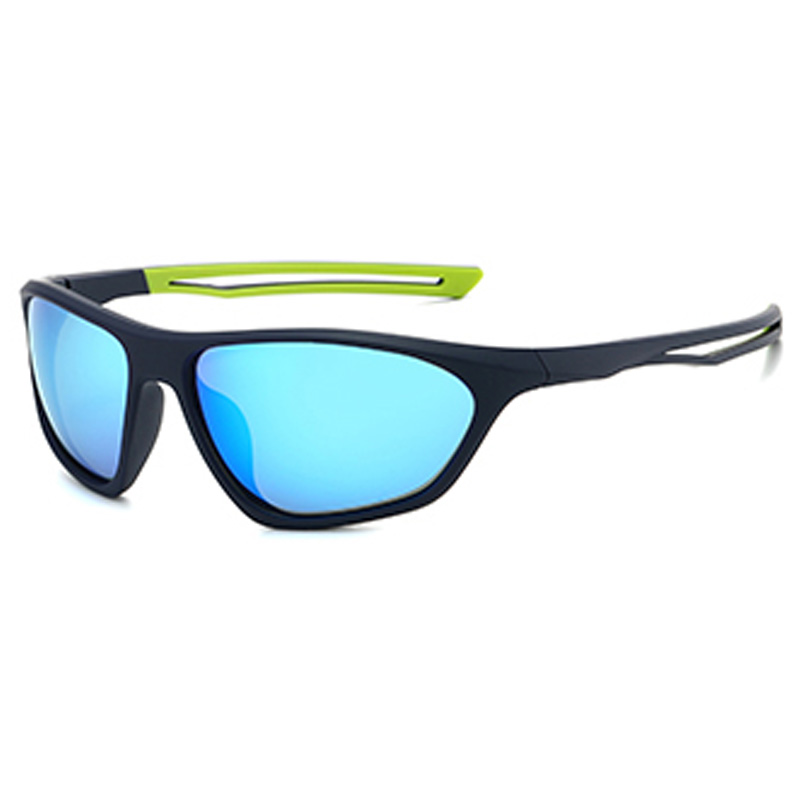
Wraparound sports sunglasses are protective eyewear designed with a curved or extended frame structure that follows the natural shape of the face. The lens and frame configuration provides wider coverage around the eyes compared with many standard sunglasses. This makes the design particularly suitable for sports and outdoor environments where users may experience strong sunlight, wind, dust, or rapidly changing conditions.
The shape of wraparound sports sunglasses is one of their main functional characteristics. By extending the lens coverage toward the sides, the sunglasses can help limit direct sunlight entering from peripheral directions. The closer fit can also provide additional protection against wind and airborne particles while users are moving at higher speeds.
Depending on the application, wraparound sports sunglasses can be produced with different lens colors, lens technologies, frame materials, temple structures, nose pads, and ventilation designs. These variations allow the eyewear to be adapted to different outdoor activities and environmental conditions.
Why Wraparound Sports Sunglasses Are Suitable for Outdoor Activities
Outdoor sports often involve movement, changing light conditions, and exposure to environmental elements. Eyewear that remains stable and provides broad coverage can make the activity more comfortable. Wraparound sports sunglasses combine a close-fitting structure with extended coverage, offering several practical benefits for outdoor users.
1. Wider Eye Coverage
One of the most noticeable advantages of wraparound sports sunglasses is their wider coverage. Conventional sunglasses may leave portions of the sides of the eyes relatively exposed. A wraparound structure extends farther around the face, helping reduce direct exposure from side angles.
This broader coverage can be useful when cycling, running, hiking, skiing, or participating in other activities where sunlight may approach from different directions. The additional coverage also helps create a more enclosed visual environment around the eyes.
2. UV Protection
Long periods of outdoor activity can expose the eyes to ultraviolet radiation. Appropriate UV protection is therefore an important consideration when selecting sports eyewear. Wraparound sports sunglasses can be manufactured with UV-protective lenses designed to reduce exposure to harmful ultraviolet radiation.
UV protection is particularly relevant during outdoor activities performed under strong sunlight. Water, snow, sand, and other bright surfaces can reflect sunlight and increase overall brightness. Choosing wraparound sports sunglasses with suitable UV protection can help users manage bright outdoor environments more comfortably.
3. Reduced Wind Exposure
Wind can be uncomfortable during fast-moving outdoor activities. Cyclists, runners, motorcycle riders, and other active users may experience continuous airflow around the eyes. Excessive airflow can contribute to eye dryness, watering, or discomfort.
The close-fitting structure of wraparound sports sunglasses can help reduce direct airflow around the eyes. Although ventilation remains important for preventing excessive lens fogging, the overall wraparound shape can provide a more protected environment than open-sided eyewear.
4. Protection Against Dust and Small Particles
Outdoor environments may contain dust, sand, pollen, insects, and other airborne particles. During cycling, running, hiking, or off-road activities, these particles can reach the face quickly. Wraparound sports sunglasses provide additional physical coverage around the eyes, helping reduce direct contact with some airborne particles.
This feature can be particularly useful on cycling routes, unpaved trails, beaches, construction-related outdoor environments, and other locations where airborne particles are common. The eyewear does not replace specialized safety equipment when such equipment is required, but the wraparound design can provide useful everyday coverage for recreational outdoor activities.
Wraparound Sports Sunglasses for Cycling
Cycling is one of the outdoor activities where wraparound sports sunglasses can provide practical advantages. Cyclists frequently move at relatively high speeds, creating continuous wind exposure. Roads can also produce dust, small particles, and changing light conditions.
A well-designed pair of wraparound sports sunglasses can provide a broad field of coverage while remaining close to the face. The curved lens design can reduce peripheral glare and help protect the eyes from wind. Lightweight construction is also important because cyclists may wear sunglasses for several hours during training or long-distance rides.
For cycling applications, lens clarity and optical quality should be considered alongside frame design. A clear and undistorted field of vision allows cyclists to observe road surfaces, obstacles, other riders, and surrounding traffic more easily.
Wraparound Sports Sunglasses for Running
Running requires lightweight equipment that does not interfere with natural movement. During outdoor running, sunlight, wind, sweat, and airborne particles can affect visual comfort. Wraparound sports sunglasses can provide additional eye coverage while maintaining a relatively compact and lightweight structure.
A secure fit is especially important for runners. Sunglasses that move excessively during repeated motion may become distracting. Non-slip nose pads and temple structures can help improve stability, while an appropriately curved frame can keep the eyewear closer to the face.
For long-distance running, lens weight and ventilation are also important considerations. Proper airflow around the lenses can help reduce fogging when body temperature and environmental humidity increase.
Wraparound Sports Sunglasses for Hiking and Outdoor Exploration
Hiking environments can change significantly during a single trip. Users may move between open sunlight, forest shade, rocky terrain, and exposed mountain areas. Wraparound sports sunglasses can help provide consistent eye coverage throughout these changing environments.
Hikers may also encounter dust, branches, insects, wind, and reflected sunlight. The extended lens structure of wraparound sports sunglasses provides more coverage than many conventional sunglasses, making the design suitable for trails and open landscapes.
For hiking, durability and comfort are important because eyewear may be worn for many hours. Lightweight frame materials can reduce pressure around the nose and ears, while flexible construction can improve comfort during extended use.
Wraparound Sports Sunglasses for Water Activities
Water environments can produce strong reflected light. Fishing, boating, kayaking, and other outdoor water activities may expose users to bright sunlight reflected from the surface of the water. Wraparound sports sunglasses can help reduce light entering from multiple directions by providing broader coverage around the eyes.
Lens selection is especially important for water activities. Polarized lenses can help reduce certain types of reflected glare, potentially making bright water surfaces more comfortable to view. However, users should select lens technology according to the specific activity and lighting environment.
Frame durability is also important for water-based activities. Materials that resist moisture and maintain structural stability can contribute to longer service life when sunglasses are frequently exposed to outdoor conditions.
Wraparound Sports Sunglasses and Lens Selection
The performance of wraparound sports sunglasses depends not only on the frame but also on the lens. Different outdoor environments require different visual characteristics. Lens color, UV protection, polarization, light transmission, optical clarity, and surface treatment can all influence the user experience.
UV-Protective Lenses
UV protection should be one of the first considerations when selecting outdoor eyewear. Suitable lenses can help reduce ultraviolet exposure while providing comfortable vision in bright environments. Users should check the stated UV protection specifications before purchasing wraparound sports sunglasses.
Polarized Lenses
Polarized lenses are designed to reduce certain forms of reflected glare. They can be useful around water, roads, snow, and other reflective surfaces. For outdoor activities involving intense glare, polarized wraparound sports sunglasses may provide a more comfortable visual experience.
Mirrored Lenses
Mirrored lenses feature a reflective coating on the outer surface. They are commonly used for bright outdoor environments and can provide a distinctive appearance while supporting light management. When selecting wraparound sports sunglasses with mirrored lenses, users should still prioritize optical quality and appropriate UV protection.
Photochromic Lenses
Photochromic lenses can change their light transmission characteristics in response to UV exposure. This can be useful for activities where users move between different lighting environments. For example, cyclists and hikers may encounter both shaded and open areas during the same activity.
Frame Materials for Wraparound Sports Sunglasses
Frame construction influences the weight, flexibility, durability, and comfort of wraparound sports sunglasses. Sports eyewear is often expected to remain stable during repeated movement, so frame materials should be selected according to the intended application.
Lightweight materials can reduce pressure on the nose and ears during long periods of wear. Flexible materials can help the frame accommodate movement and everyday handling. Durable materials are useful for outdoor activities where sunglasses may be exposed to vibration, impact from normal use, or changing weather conditions.
TR90 is one material commonly used in sports eyewear because of its lightweight and flexible characteristics. When combined with an appropriate lens structure and ergonomic frame design, it can contribute to comfortable wraparound sports sunglasses for active users.
Comfort and Fit Are Essential
Even high-performance wraparound sports sunglasses need to fit the wearer correctly. A frame that is too tight may create pressure around the temples or nose, while a frame that is too loose may move during physical activity.
Nose pads can help stabilize the frame and improve comfort. Non-slip temple tips can reduce movement during running and cycling. The curvature of the frame should also correspond reasonably well with the wearer's facial shape.
For manufacturers and buyers, different face sizes may require different frame dimensions. Offering multiple sizes or adjustable components can help users find a more suitable fit for extended outdoor use.
Ventilation and Anti-Fog Performance
Fogging can affect visibility when users move between temperature zones or engage in intense physical activity. Sweat, humidity, and temperature differences between the face and surrounding air can contribute to condensation on the lens.
Good wraparound sports sunglasses should balance coverage with ventilation. Small ventilation channels or carefully designed gaps can improve airflow without significantly reducing the protective benefits of the wraparound structure.
Anti-fog coatings can also support clearer vision in humid conditions. For cycling, running, skiing, and other high-intensity activities, lens ventilation and anti-fog performance should be considered together rather than focusing only on frame appearance.
How to Choose Wraparound Sports Sunglasses
Choosing suitable wraparound sports sunglasses begins with identifying the primary outdoor activity. Different sports create different requirements for coverage, lens performance, weight, and stability.
Consider the activity: Identify whether the sunglasses will mainly be used for cycling, running, hiking, fishing, skiing, driving, or general outdoor recreation.
Check UV protection: Select lenses with appropriate UV protection for regular outdoor exposure.
Evaluate lens coverage: Look for sufficient front and peripheral coverage to match the intended environment.
Choose the right lens type: Consider polarized, mirrored, photochromic, clear, or tinted lenses according to lighting conditions.
Check the frame weight: Lightweight construction can improve comfort during long periods of wear.
Evaluate the fit: Make sure the nose bridge and temples provide stable contact without excessive pressure.
Consider ventilation: Choose a design that balances coverage with airflow to reduce fogging.
Review lens clarity: Clear, distortion-free vision is important for active outdoor applications.
Maintenance of Wraparound Sports Sunglasses
Proper maintenance can help extend the service life of wraparound sports sunglasses. Dust and sand should be removed carefully rather than rubbed directly across the lens. A clean lens cloth and suitable cleaning method can help reduce the risk of scratches.
After outdoor activities, users should check the frame, nose pads, hinges, and lens surface. Saltwater, sweat, dust, and other contaminants should be cleaned according to the manufacturer's care recommendations.
When not in use, wraparound sports sunglasses should ideally be stored in a protective case. Avoid placing the lenses directly against hard surfaces, as this can increase the possibility of scratches.
Wraparound Sports Sunglasses for Different Outdoor Conditions
The same pair of wraparound sports sunglasses may not be ideal for every outdoor environment. Bright summer conditions may require stronger light reduction, while low-light environments may require lenses with higher light transmission.
For mountain environments, users should consider strong UV exposure and reflected sunlight. For coastal activities, glare from water can be a major consideration. For forest trails, excessive lens darkness may reduce visibility in shaded areas.
Matching the lens characteristics to the environment allows wraparound sports sunglasses to perform more effectively. Instead of selecting eyewear only according to appearance, users should consider the combination of lens performance, frame structure, fit, ventilation, and intended application.
Why Wraparound Sports Sunglasses Are a Practical Outdoor Eyewear Choice

The main value of wraparound sports sunglasses comes from the combination of broad coverage, UV protection, wind resistance, stability, and sports-oriented design. These characteristics make them suitable for many outdoor activities where conventional sunglasses may provide less peripheral coverage.
For cyclists, the close-fitting design can help manage wind and bright sunlight. For runners, lightweight construction and stable temples can improve comfort. For hikers, extended coverage can help reduce exposure to sunlight, wind, dust, and airborne particles. For water activities, suitable lenses can help manage reflected glare.
However, not every pair of wraparound sports sunglasses provides the same performance. Lens quality, frame materials, UV protection, optical clarity, ventilation, fit, and manufacturing quality should all be evaluated before selecting a product.
Conclusion
Wraparound sports sunglasses are designed to provide broader eye coverage for active outdoor environments. Their curved structure can help reduce peripheral sunlight, wind, and airborne particles while supporting a stable fit during movement. When combined with suitable UV protection, high-quality lenses, lightweight materials, and effective ventilation, wraparound sports sunglasses can be a practical eyewear solution for cycling, running, hiking, fishing, and many other outdoor activities.
The best choice depends on the user's activity, environment, lighting conditions, face shape, and comfort requirements. By evaluating lens performance, frame design, UV protection, fit, ventilation, and durability together, users can select wraparound sports sunglasses that better match their outdoor needs.



 Phone
Comment
(0)