


Choosing the right lens color for sports sunglasses is an important part of selecting eyewear for running, cycling, hiking, outdoor training, and other active activities. Lens color is not simply a matter of appearance. Different lens colors can change how bright the environment looks, influence perceived contrast, and provide different visual experiences under different lighting conditions.
Sports sunglasses are used in many environments, from bright open roads and mountain trails to cloudy parks and changing outdoor conditions. Because lighting can vary significantly, the right lens color for one activity may not be the right lens color for another. Understanding how lens color works can help you choose sports sunglasses that match your regular activities and outdoor environment.
This guide explains how to choose the right lens color for sports sunglasses, including gray, brown, green, yellow, rose, clear, and mirrored options. It also explains how to consider sunlight, contrast, weather, activity type, and personal comfort when choosing sports sunglasses.
Why Lens Color Matters in Sports Sunglasses
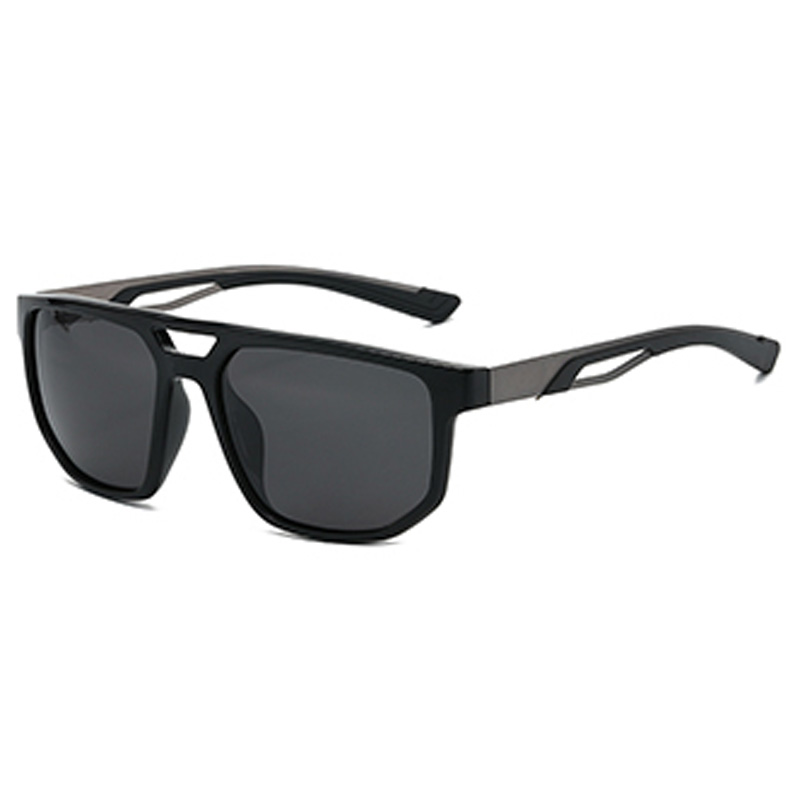
Lens color affects the amount and character of visible light reaching your eyes. While lens color does not determine every aspect of lens performance, it can influence perceived brightness, contrast, and the overall visual experience during outdoor activities.
For sports sunglasses, these characteristics can become particularly important because active users often move through different environments. A runner may move between direct sunlight and tree cover. A cyclist may ride through urban streets, open roads, and shaded areas. A hiker may encounter bright sunlight, clouds, and changing terrain during the same activity.
Choosing the right lens color therefore starts with understanding your typical environment. Instead of selecting sports sunglasses based only on appearance, consider when, where, and how you normally use them.
Lens Color and Light Conditions
The amount of sunlight is one of the first factors to consider when selecting the right lens color. Bright outdoor conditions may require a lens that reduces visual brightness more effectively, while cloudy or lower-light conditions may benefit from a lighter lens.
Very dark lenses can be comfortable in strong sunlight, but they may not be suitable for every situation. Similarly, very light lenses may work well in lower-light conditions but provide less visual comfort under intense sunlight.
Sports sunglasses should therefore be matched to the lighting conditions where they will normally be used. If you participate in several activities under different lighting conditions, you may prefer more than one lens option or a lens designed to handle changing conditions.
How to Choose the Right Lens Color
When deciding how to choose the right lens color for sports sunglasses, consider five main factors: sunlight intensity, weather, activity type, contrast requirements, and personal visual comfort.
Sunlight intensity: Consider whether you normally train in strong, moderate, or low light.
Weather: Think about whether you usually train under clear, cloudy, or changing skies.
Activity: Running, cycling, hiking, fishing, and other activities may create different visual requirements.
Contrast: Some lens colors can provide a different visual perception of contrast.
Comfort: The right lens color should feel comfortable during the conditions in which you actually train.
These factors provide a practical starting point for choosing sports sunglasses. The goal is not to find one universal lens color, but to identify the lens color that best matches your normal environment and activity.
Gray Lens Color for Sports Sunglasses
Gray is one of the most common lens colors for sports sunglasses. Gray lenses are often chosen for bright outdoor conditions because they can reduce overall brightness while maintaining a relatively neutral appearance of colors.
For runners and cyclists who frequently train under strong daylight, gray sports sunglasses can be a practical option. The neutral visual effect can make gray suitable for general outdoor use where the user wants to reduce brightness without strongly changing the appearance of surrounding colors.
Gray lens color can also be versatile for everyday outdoor activities. If you need sports sunglasses for running, walking, travel, or general outdoor training, gray can be considered as a general-purpose lens color.
Brown Lens Color for Sports Sunglasses
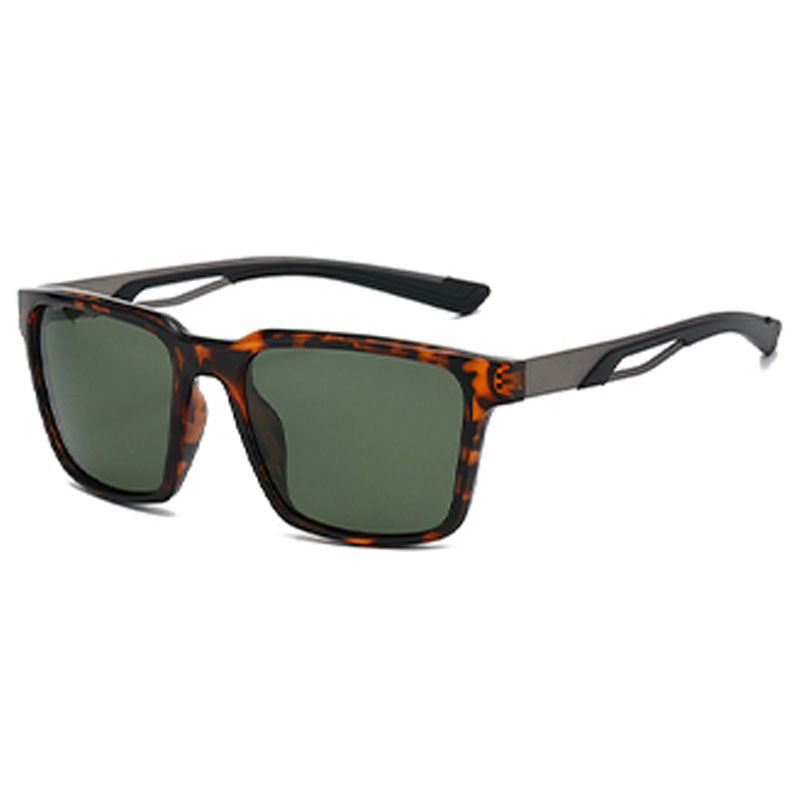
Brown is another popular lens color for sports sunglasses. Brown lenses can provide a warmer visual appearance and may enhance the perception of contrast in certain outdoor conditions.
This characteristic can make brown sports sunglasses suitable for activities where distinguishing changes in terrain or surface detail is important. Hiking, cycling, outdoor training, and other activities can benefit from a lens color that provides a comfortable balance between brightness reduction and contrast perception.
When choosing the right lens color, consider whether you prefer a neutral view or a warmer visual experience. Brown can be an attractive choice for users who want sports sunglasses with a different visual character from gray lenses.
Green Lens Color for Sports Sunglasses
Green lenses offer another option for sports sunglasses. Green lens color can provide a balance between brightness reduction and color perception, depending on the specific lens design and transmission characteristics.
Green sports sunglasses can be used for a range of outdoor activities. Their suitability depends on the lighting conditions and personal preferences of the user. Some users may find green lenses comfortable for extended outdoor activities because they provide a different visual balance from gray or brown lenses.
As with other lens colors, the actual performance depends on the lens specifications rather than color alone. When selecting sports sunglasses, check the complete lens information instead of judging performance solely by appearance.
Yellow Lens Color for Sports Sunglasses
Yellow is generally associated with lighter conditions where increasing perceived brightness and contrast can be useful. Yellow sports sunglasses may be considered for cloudy conditions, overcast environments, or certain low-light outdoor activities.
For example, cyclists who frequently ride in changing weather may consider yellow lenses when strong sunlight is not the primary concern. Runners training during early morning or under cloudy skies may also prefer a lighter lens color.
However, yellow lenses are not necessarily suitable for intense sunlight. When choosing sports sunglasses, always consider the actual brightness of the environment. A lens that works well under cloudy conditions may not provide the same visual comfort under strong midday sunlight.
Rose or Pink Lens Color for Sports Sunglasses
Rose and pink lens colors can provide a distinctive visual experience and may be selected for certain outdoor environments where contrast and visual comfort are important. These lens colors can be suitable for changing or moderate light conditions depending on the lens design.
Rose sports sunglasses may appeal to users who want a lens that provides a different balance from traditional gray or brown options. They can be considered for activities such as running, cycling, hiking, and general outdoor training.
The suitability of rose lens color depends on the specific lens transmission and lighting environment. As with every lens color, personal comfort and actual use conditions should guide the final choice.
Clear Lens Color for Sports Sunglasses
Clear lenses provide minimal visible-light tint and are generally intended for conditions where reducing brightness is not the primary requirement. Clear sports sunglasses can be useful for low-light environments, indoor-to-outdoor transitions, or activities where eye coverage is desired without a strong change in visible color.
Clear lenses are not generally the first choice for bright sunlight because they do not reduce visible brightness in the same way as darker lenses. However, they can be practical for certain outdoor training conditions, especially when the environment is cloudy or light levels are low.
When choosing sports sunglasses, consider clear lenses according to the actual lighting environment rather than assuming one lens color is suitable for all conditions.
Mirrored Lens Color for Sports Sunglasses
Mirrored lenses have a reflective coating or surface that changes the outward appearance of the lens and can reduce the amount of visible light entering the eyes depending on the design.
Mirrored sports sunglasses are commonly associated with bright outdoor conditions and can be available in different base lens colors. The mirror appearance itself does not define the entire optical performance of the lens. The base tint, visible-light transmission, UV protection, and other specifications should also be considered.
When choosing sports sunglasses with mirrored lenses, focus on the complete lens specification rather than selecting the lens based only on its reflective appearance.
Choosing Lens Color for Running
Running can take place in many different environments, including roads, parks, trails, tracks, and urban areas. The right lens color for running depends largely on the time of day and the amount of sunlight.
For bright daytime running, gray or darker lens colors may provide comfortable brightness reduction. Brown can be considered when contrast is also important. For cloudy or lower-light running, lighter lens colors may provide a more suitable visual experience.
Running Sports Sunglasses should also remain stable during movement. Lens color is important, but frame fit, weight, ventilation, lens coverage, and comfort should be evaluated at the same time.
Choosing Lens Color for Cycling
Cycling often involves rapidly changing visual environments. A cyclist may move from open sunlight to tree-covered roads, urban streets, or shaded areas. The right lens color should therefore match the cyclist's typical route and training schedule.
Gray sports sunglasses can work well for bright open roads, while brown can provide a warmer visual experience and may be useful where contrast is important. Lighter lens colors can be considered for cloudy or low-light cycling.
Cyclists should also consider wind protection, frame stability, ventilation, and lens coverage. A suitable lens color becomes more useful when combined with a frame that remains comfortable and stable during movement.
Choosing Lens Color for Hiking and Trail Activities
Hiking and trail activities can expose users to rapidly changing light. Trees, mountains, open fields, and changing weather can create alternating bright and shaded areas.
For bright hiking conditions, gray or brown sports sunglasses can be practical choices. Brown may be attractive to users who want a warmer visual appearance and contrast-oriented viewing. In changing or lower-light conditions, lighter lenses can be considered.
For trail activities, lens coverage is also important. The frame should provide suitable protection from wind, dust, and environmental exposure without limiting the user's field of view.
Choosing Lens Color for Outdoor Training
Outdoor training includes many activities, such as running drills, fitness exercises, walking, stretching, and sports practice. Because these activities can occur in different lighting conditions, the right lens color depends on the training schedule and environment.
Users training outdoors in strong midday sunlight may prefer darker lens colors. Those training early in the morning or under cloudy conditions may prefer lighter options. If training conditions change significantly throughout the session, adaptive lens technologies can also be considered.
Sports sunglasses should provide comfortable vision without becoming a distraction. For high-intensity training, lightweight frames and good ventilation can be just as important as lens color.
Lens Color for Bright Sunlight
Strong sunlight can create visual discomfort, especially when outdoor activity continues for an extended period. Darker lens colors are commonly considered for these conditions because they can reduce the amount of visible light entering the eyes.
Gray, brown, green, and certain mirrored lens designs can be considered for bright conditions. However, the actual performance depends on visible-light transmission and the complete lens specification.
When selecting sports sunglasses for bright sunlight, do not judge lens performance solely by how dark the lens looks. Check the available specifications and choose a design appropriate for your activity.
Lens Color for Cloudy Conditions
Cloudy conditions usually provide less intense visible light than direct sunlight. A very dark lens may reduce brightness more than necessary and can make the environment appear less clear.
Lighter lens colors such as yellow, rose, or lightly tinted options can be considered for cloudy conditions. These lens colors may provide a brighter visual experience while maintaining the benefits of wearing sports sunglasses.
The ideal choice depends on personal sensitivity to brightness and the actual weather conditions. Cloudy weather can still involve substantial outdoor exposure, so lens selection should be based on the entire environment.
Lens Color for Changing Weather
Changing weather presents a more complex lens-selection challenge. A training session may begin under bright sunlight and later become cloudy. In these situations, a single fixed lens color may not provide the same visual comfort throughout the entire session.
For users who regularly train under changing conditions, photochromic sports sunglasses can be considered. These lenses are designed to change their tint according to suitable light conditions, reducing the need to change eyewear manually.
However, adaptive lenses have their own characteristics and transition behavior. Users should consider how quickly the lens changes and whether the performance matches their activity before choosing this type of sports sunglasses.
Lens Color and UV Protection
Lens color should not be confused with UV protection. A darker lens does not automatically mean stronger UV protection, and a lighter lens does not automatically mean weaker UV protection.
When choosing sports sunglasses, UV protection should be evaluated separately from lens color. Look for clear product specifications describing the UV protection performance. This is especially important for people who spend long periods outdoors.
Lens color primarily affects the visible-light experience, while UV protection concerns ultraviolet radiation. Both characteristics can be important, but they should be considered independently when selecting sports sunglasses.
Lens Color and Polarization
Polarization and lens color are also separate features. Polarized Sports Sunglasses can be available in different lens colors, including gray, brown, green, and other options.
Polarization is designed to reduce certain types of reflected glare, while lens color affects visible brightness and color perception. Therefore, choosing the right lens color for polarized sports sunglasses still requires consideration of the lighting conditions and activity.
For example, a user may prefer gray polarized sports sunglasses for bright road cycling or brown polarized sports sunglasses for certain outdoor environments where contrast is important. The appropriate combination depends on personal requirements.
Common Mistakes When Choosing Lens Color
One common mistake is choosing a lens color only because it looks attractive. A visually appealing lens may not provide the most comfortable experience for the user's regular activity.
Another mistake is assuming that one lens color works equally well in every environment. Bright sunlight, cloudy conditions, early morning, and shaded trails can have very different visual requirements.
Some users also assume that darker lenses automatically provide better protection. Lens darkness should not be confused with UV protection. Always check the actual product specifications.
A final mistake is ignoring personal comfort. Two people can have different preferences for the same lighting conditions. The right lens color should therefore be selected according to both environmental requirements and individual visual comfort.
How to Choose the Right Lens Color for Sports Sunglasses
To choose the right lens color for sports sunglasses, start by identifying your most common activity and environment. Think about when you train, how bright the conditions usually are, whether reflected glare is common, and whether the lighting changes during your activity.
| Condition | Lens Color to Consider | Typical Use |
|---|---|---|
| Bright sunlight | Gray, brown, green, darker mirrored | Running, cycling, hiking |
| Moderate sunlight | Gray, brown, green | General outdoor training |
| Cloudy conditions | Yellow, rose, light tint | Running, cycling, outdoor training |
| Low-light conditions | Clear or very light tint | Early morning or low-light activities |
| Changing conditions | Photochromic | Extended outdoor activities |
This table provides general guidance rather than a universal rule. Lens transmission, lens construction, weather, personal vision, and activity all influence the final choice.
Other Features to Consider Besides Lens Color
Although lens color is important, sports sunglasses should be evaluated as a complete product. Frame stability is important for running and cycling because repeated movement can cause poorly fitted sunglasses to shift.
Lens coverage can help create a comfortable visual environment and may reduce exposure to wind and environmental particles. Ventilation can be useful during high-intensity exercise because airflow can help reduce fogging.
Weight also matters during long training sessions. Lightweight Sports Sunglasses can feel more comfortable when worn continuously. Nose pads and temple designs should provide a secure fit without excessive pressure.
These factors work together with lens color. Choosing the right lens color is only one part of selecting sports sunglasses that are suitable for your activity.
Sports Sunglasses Lens Color Checklist
Identify your most common outdoor activity.
Consider the typical brightness of your training environment.
Determine whether you usually train in direct sunlight or shade.
Consider whether you frequently train under cloudy conditions.
Choose a darker lens for conditions where strong brightness reduction is needed.
Consider lighter lenses for cloudy or lower-light environments.
Consider brown or similar options when contrast is important to you.
Check UV protection separately from lens color.
Consider polarization if reflected glare is a regular concern.
Evaluate frame fit, weight, ventilation, and lens coverage.
Choose the lens color that feels comfortable during your actual activity.
How to Maintain Sports Sunglasses
Proper maintenance can help preserve the performance and appearance of sports sunglasses. Dust and particles should be removed carefully before wiping the lens. Using an appropriate lens-cleaning method can reduce the chance of scratching the surface.
Sports sunglasses should be stored in a protective case when they are not being used. Avoid placing lenses directly against hard or rough surfaces. This is especially important for mirrored lenses and other lens surfaces that may be more sensitive to scratches.
Regularly clean the nose area and temples, particularly after running, cycling, or outdoor training. Sweat and dust can accumulate during active use and may affect comfort over time.
Frequently Asked Questions About Lens Color
What is the best lens color for sports sunglasses?
There is no single lens color that is suitable for every sport or environment. Gray can be versatile for bright conditions, brown can provide a warmer visual experience, and lighter colors such as yellow or rose can be considered for lower-light or cloudy conditions.
Are darker lenses better for sports sunglasses?
Darker lenses can be useful in bright sunlight, but darker does not automatically mean better. Lens color should match the actual lighting conditions. UV protection should also be evaluated separately because lens darkness does not determine UV protection.
What lens color is best for running?
The right lens color for running depends on when and where you run. Gray or brown can be suitable for bright daytime running, while lighter colors may be more appropriate for cloudy or lower-light conditions.
What lens color is best for cycling?
Cyclists can consider gray, brown, green, or other lens colors depending on route and weather. Bright open roads may require stronger brightness reduction, while changing or cloudy conditions may benefit from lighter lens options.
Do lens colors affect UV protection?
Lens color and UV protection are separate characteristics. A dark lens is not automatically better at blocking UV radiation. When choosing sports sunglasses, check the stated UV protection specifications independently of lens color.
Conclusion: Choosing the Right Lens Color for Sports Sunglasses
Choosing the right lens color for sports sunglasses starts with understanding your activity and environment. Bright sunlight, cloudy weather, changing conditions, reflected glare, and low-light training can all influence which lens color feels most comfortable.
Gray sports sunglasses can be a versatile option for bright outdoor conditions, while brown and green lenses offer different visual characteristics. Yellow and rose lenses can be considered for cloudy or changing conditions, while clear lenses can be useful when visible-light reduction is not the primary requirement. Mirrored lenses can also be considered for bright environments depending on their complete lens specifications.
The most important point is that lens color should not be evaluated alone. UV protection, polarization, lens transmission, frame stability, coverage, ventilation, weight, and fit all contribute to the overall performance of sports sunglasses.
By considering where you train, when you train, and what visual conditions you normally encounter, you can choose the right lens color for sports sunglasses more confidently. The right lens color is ultimately the one that provides comfortable vision and suits the conditions in which you actually use your sports sunglasses.



 Phone
Comment
(0)