


Fishing often takes place in bright outdoor environments where sunlight, reflected light, wind, and changing weather conditions can affect visual comfort. For anglers who spend long hours near rivers, lakes, reservoirs, coastal areas, or offshore locations, choosing suitable eyewear is an important part of outdoor preparation. Sports Sunglasses for Fishing are designed to provide eye coverage and comfortable vision during active fishing activities.
One of the most important features of Sports Sunglasses for Fishing is the use of polarized lenses. Polarized lenses are designed to reduce certain types of reflected glare, especially glare produced by water surfaces. By reducing distracting reflected light, polarized lenses can help Improve Visibility and make it more comfortable to observe the surrounding fishing environment.
This guide explains how Sports Sunglasses for Fishing work, why polarized lenses are useful for fishing, what features to consider when selecting fishing sunglasses, and how suitable eyewear can support visual comfort during long outdoor fishing sessions.
What Are Sports Sunglasses for Fishing?
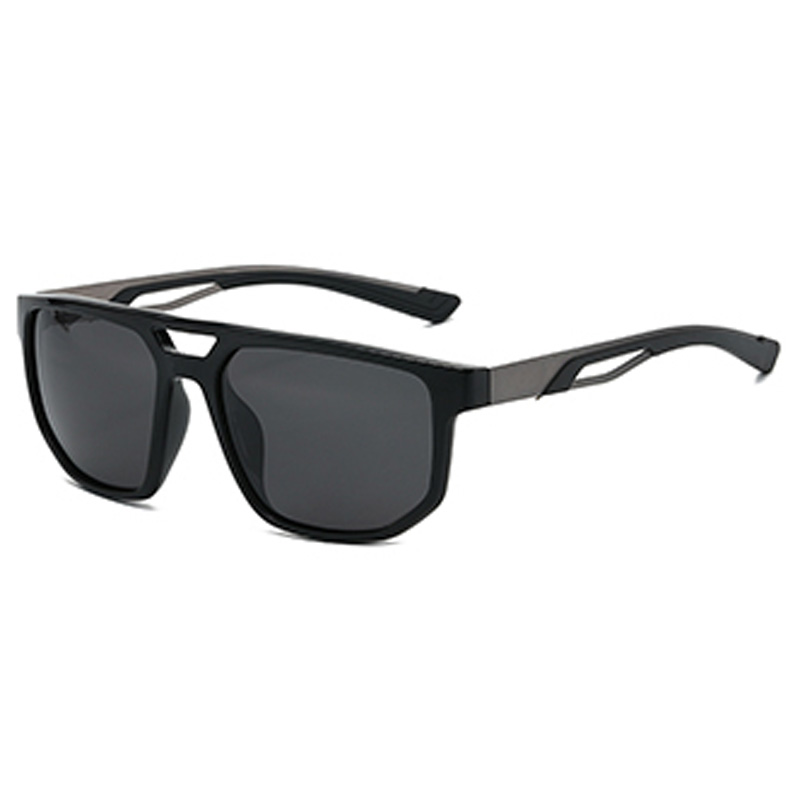
Sports Sunglasses for Fishing are outdoor sunglasses designed around the visual and environmental requirements of fishing. Compared with ordinary Fashion Sunglasses, fishing-oriented sports sunglasses typically focus more on lens performance, eye coverage, stability, comfort, and protection from outdoor elements.
Fishing can involve extended exposure to sunlight and reflected glare. Anglers may also experience wind, water spray, dust, insects, and rapidly changing weather. Sports Sunglasses for Fishing provide a practical combination of sports-oriented frame construction and outdoor lens performance.
Depending on the application, Sports Sunglasses for Fishing may feature polarized lenses, UV protection, wraparound frames, lightweight materials, non-slip nose pads, secure temples, mirrored surfaces, and different lens colors. These features can be selected according to fishing conditions and personal requirements.
Why Visibility Matters During Fishing
Good visibility is important during many fishing activities. Anglers may need to observe water movement, floating objects, changing light conditions, fishing equipment, shoreline structures, and other visual details. Strong sunlight and reflected glare can make the visual environment uncomfortable and may make it more difficult to observe subtle changes on or around the water.
Sports Sunglasses for Fishing can help manage the amount of light entering the eyes. When the sunglasses use suitable polarized lenses, they can also reduce certain forms of reflected glare. This can contribute to a more comfortable viewing experience during extended periods outdoors.
Improved visual comfort is particularly relevant during long fishing sessions. An angler may spend several hours in direct sunlight, and continuously looking toward bright water can create significant visual discomfort. Sports Sunglasses for Fishing with appropriate lenses can provide useful support in these conditions.
How Polarized Lenses Improve Visibility
Polarized lenses are one of the most widely considered lens options for fishing. Their main function is to reduce specific horizontally oriented reflected light that can create strong glare. Water surfaces are a common source of this type of glare, which is why polarized lenses are particularly relevant to fishing.
When sunlight reflects from a water surface, the reflected light can create bright areas that interfere with comfortable viewing. Polarized Lenses can reduce part of this reflected glare before it reaches the eyes. As a result, Sports Sunglasses for Fishing with polarized lenses can provide a more comfortable visual environment.
Polarized lenses do not make water completely transparent, and their performance depends on lighting conditions, water characteristics, viewing angle, lens quality, and environmental factors. However, reducing distracting glare can make it easier for anglers to observe details around the water surface.
Sports Sunglasses for Fishing and Water Glare
Water is one of the most reflective surfaces encountered during fishing. Bright sunlight can reflect from rivers, lakes, reservoirs, coastal waters, and other surfaces, creating strong visual glare. This glare may be particularly noticeable during midday or under clear skies.
Sports Sunglasses for Fishing equipped with polarized lenses can help reduce this type of reflected light. By controlling glare, Polarized Sunglasses may make the water surface appear more comfortable to view. This is one reason Polarized Sports Sunglasses are widely associated with outdoor fishing.
For anglers who frequently fish in bright conditions, polarized Sports Sunglasses for Fishing can be an important part of their outdoor equipment. The combination of polarized lenses and a stable sports frame can provide both visual and physical comfort.
UV Protection for Fishing Sunglasses
UV protection is another important consideration when selecting Sports Sunglasses for Fishing. Fishing often involves long periods outdoors, meaning the eyes can be exposed to sunlight for extended periods. Suitable UV-protective lenses are designed to reduce exposure to ultraviolet radiation.
When selecting Fishing Sunglasses, buyers should check the stated UV protection specifications rather than choosing eyewear based only on lens color or appearance. Darker lenses do not automatically mean better UV protection.
Combining UV protection with polarized lenses can provide a useful lens configuration for fishing. The UV-protective function addresses ultraviolet exposure, while polarization focuses on reducing certain types of reflected glare. Together, these features can support comfortable outdoor vision.
Wraparound Sports Sunglasses for Fishing
Wraparound designs are another useful option for Sports Sunglasses for Fishing. Unlike conventional sunglasses that primarily cover the front of the eyes, wraparound frames extend toward the sides of the face. This creates broader coverage and can help reduce light entering from peripheral angles.
Fishing environments can be exposed to sunlight from multiple directions. Reflected light may also enter from the sides of conventional frames. A wraparound design can provide additional coverage while helping reduce wind exposure around the eyes.
For anglers who spend considerable time on boats or in exposed coastal environments, wraparound Sports Sunglasses for Fishing can provide useful coverage against sunlight and wind. The frame should still provide comfortable ventilation and should not create excessive pressure around the face.
Lens Colors for Sports Sunglasses for Fishing
Lens color can influence how an angler experiences different outdoor lighting conditions. Sports Sunglasses for Fishing can be manufactured with different lens colors, each offering different visual characteristics.
Gray Lenses
Gray lenses are commonly used for bright outdoor environments because they can reduce overall brightness while maintaining relatively natural color perception. Gray polarized lenses can be suitable for sunny fishing conditions where glare reduction is important.
Brown Lenses
Brown lenses can increase perceived contrast in certain outdoor conditions. For fishing environments with variable light and changing backgrounds, brown lenses may provide a useful visual balance between brightness control and contrast.
Amber Lenses
Amber lenses can enhance contrast in some lower-light or variable-light environments. They may be considered for early morning, late afternoon, or changing weather conditions, depending on the specific lens transmission characteristics.
Mirrored Lenses
Mirrored lenses feature a reflective outer coating that can help manage bright light. They are commonly associated with strong outdoor sunlight and can be combined with polarized technology in Sports Sunglasses for Fishing.
Sports Sunglasses for Fishing and Different Fishing Environments
Fishing conditions vary significantly depending on location. A pair of Sports Sunglasses for Fishing suitable for a sunny lake may have different requirements from eyewear used for offshore fishing or fishing in a shaded river environment.
Lake Fishing
Lake surfaces can produce significant reflected sunlight, especially during bright weather. Polarized Sports Sunglasses for Fishing can help reduce distracting glare and improve visual comfort when looking across the water.
River Fishing
River fishing often involves changing light conditions caused by trees, clouds, and surrounding terrain. Lens selection should balance glare reduction with sufficient light transmission. Lightweight Fishing Sunglasses can also be useful when anglers move frequently along the shoreline.
Coastal Fishing
Coastal environments can expose anglers to intense sunlight, reflected water, wind, and salt spray. Wraparound Sports Sunglasses for Fishing with polarized lenses can provide broad coverage while helping manage reflected glare.
Offshore Fishing
Offshore environments can have large areas of open water with limited shade. Anglers may experience strong sunlight throughout the day. Polarized Sports Sunglasses for Fishing can help reduce reflected glare and support comfortable viewing during extended periods on the water.
Lightweight Frames for Long Fishing Sessions
Fishing can involve several hours of continuous eyewear use. For this reason, the weight of Sports Sunglasses for Fishing should be considered carefully. Heavy frames may create pressure around the nose, ears, and temples over time.
Lightweight frame materials can help improve long-term comfort. Materials with suitable flexibility can also help the frame maintain a stable fit during movement. For active anglers, the ideal frame should balance weight, durability, flexibility, and structural stability.
TR90 is one material commonly used in sports eyewear because of its lightweight and flexible characteristics. A suitable frame material combined with ergonomic construction can make Sports Sunglasses for Fishing more comfortable for extended outdoor use.
Secure Fit and Stability
Fishing may involve walking, casting, bending, moving between locations, or operating a boat. Sports Sunglasses for Fishing should remain stable without requiring frequent adjustment.
Non-slip nose pads can help prevent the sunglasses from sliding down. Secure temple tips can improve stability around the ears. A properly shaped frame can also distribute pressure more evenly across the face.
A secure fit is especially important when polarized Sports Sunglasses for Fishing are used on moving boats or during active shore fishing. The sunglasses should stay comfortably positioned without becoming a distraction.
Wind and Environmental Protection
Wind is common in open fishing environments. Continuous airflow can cause eye dryness and discomfort, particularly when anglers spend several hours outdoors. Sports Sunglasses for Fishing with broader coverage can help reduce direct wind exposure.
Fishing sunglasses may also encounter dust, insects, water spray, and other environmental particles. A wraparound frame can provide additional physical coverage around the eyes. However, eyewear should not be considered a replacement for specialized protective equipment where a specific safety standard is required.
Polarized Sports Sunglasses and Visual Comfort
Visual comfort is one of the main reasons anglers choose Polarized Sports Sunglasses. Strong reflected light can create continuous brightness and glare, particularly when looking across open water. Polarization can reduce certain reflected light and make the visual environment more comfortable.
Comfort becomes increasingly important during long fishing sessions. Anglers may spend several hours observing the water, monitoring equipment, and moving between different positions. Reducing unnecessary glare can make prolonged outdoor viewing easier.
However, polarized lenses are not suitable for every situation. Certain digital displays can appear differently through polarized lenses, and some low-light environments may require lenses with higher light transmission. The correct choice should therefore depend on the user's activity and environment.
How to Choose Sports Sunglasses for Fishing
Selecting the Right Sports Sunglasses for Fishing involves evaluating several features rather than focusing on appearance alone.
Choose polarized lenses: Polarized lenses can help reduce certain types of reflected glare from water and other surfaces.
Check UV protection: Confirm that the lenses provide appropriate UV protection for outdoor use.
Consider lens color: Select a lens color according to brightness, weather, and fishing environment.
Evaluate frame coverage: Consider wraparound designs when broader peripheral coverage is useful.
Check the fit: The frame should remain stable without creating excessive pressure.
Consider weight: Lightweight construction is useful for extended fishing sessions.
Review ventilation: Adequate airflow can help reduce lens fogging in humid environments.
Check optical clarity: High-quality lenses should provide a clear and comfortable field of view.
Consider durability: The frame and lens should be appropriate for regular outdoor use.
Maintenance of Sports Sunglasses for Fishing
Proper maintenance can help extend the service life of Sports Sunglasses for Fishing. Saltwater, sweat, dust, and water spots can accumulate on lenses and frames during fishing. Cleaning them after use can help maintain optical clarity and overall condition.
Fresh water can be used according to the lens manufacturer's cleaning recommendations to remove loose particles before wiping. A suitable lens cloth should be used to reduce the risk of scratches. Abrasive materials should be avoided.
When not being worn, Sports Sunglasses for Fishing should be stored in a protective case. Keeping the lenses away from hard surfaces can help prevent unnecessary scratches and surface damage.
Sports Sunglasses for Fishing and Outdoor Performance
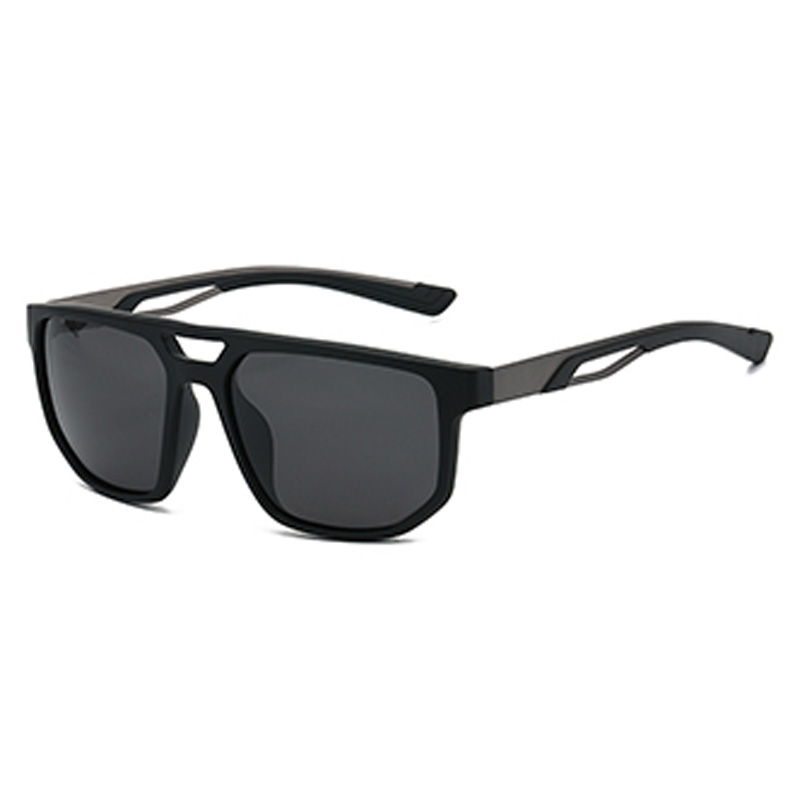
The performance of Sports Sunglasses for Fishing depends on the combination of lens technology and frame construction. Polarized lenses can help manage reflected glare, while UV protection addresses ultraviolet exposure. A wraparound frame can provide broader coverage, and lightweight construction can support comfort.
These features work together rather than independently. A highly polarized lens cannot compensate for a poor fit, and a comfortable frame cannot compensate for inadequate lens protection. For this reason, buyers should evaluate the entire design when selecting Sports Sunglasses for Fishing.
Benefits of Polarized Lenses for Fishing
Polarized lenses offer several practical benefits for anglers. First, they can reduce certain types of reflected glare. Second, they can improve visual comfort in bright outdoor environments. Third, they can help create a clearer and less distracting visual field when viewing water surfaces.
These characteristics make polarized Sports Sunglasses for Fishing particularly suitable for sunny fishing environments. They are useful for lake fishing, river fishing, coastal fishing, and offshore fishing where reflected sunlight can be a significant part of the visual environment.
It is important to remember that polarization does not automatically mean better vision in every condition. Lens transmission, UV protection, optical quality, color, fit, and environmental lighting all influence the overall performance of Sports Sunglasses for Fishing.
Conclusion
Sports Sunglasses for Fishing provide a combination of outdoor eye coverage, lens protection, comfort, and sports-oriented design. Among the available lens technologies, polarized lenses are especially useful for fishing because they can reduce certain types of reflected glare from water surfaces.
When properly selected, polarized Sports Sunglasses for Fishing can help Improve Visibility and reduce visual discomfort during bright outdoor activities. Features such as UV protection, wraparound coverage, lightweight frames, secure fit, suitable lens colors, and ventilation can further improve the overall experience.
For anglers who regularly spend time outdoors, selecting Sports Sunglasses for Fishing according to the fishing environment, lighting conditions, lens performance, and personal comfort can provide a more practical and reliable eyewear solution. Polarized lenses, in particular, remain an important feature for managing reflected glare and supporting comfortable vision around water.
SEO Description
Discover how Sports Sunglasses for Fishing with Polarized Lenses can Improve Visibility and reduce reflected glare. Learn about polarized lenses, UV protection, wraparound coverage, lens colors, lightweight frames, secure fit, and key features for comfortable fishing in bright outdoor environments.



 Phone
Comment
(0)