

Transparent frames and gradient temples are the current season's most visible Sunglasses trends, and they are also the rare ones built on a genuine material advantage: modern TR90 molding can render crystal translucency and seamless color fades that older manufacturing could not. That technical foundation matters, because trends with engineering behind them outlast trends that are only styling. This guide walks through the season's looks, transparent and crystal frames, gradient and two-tone temples, and evaluates each for wearability, longevity and the faces and wardrobes they actually serve.
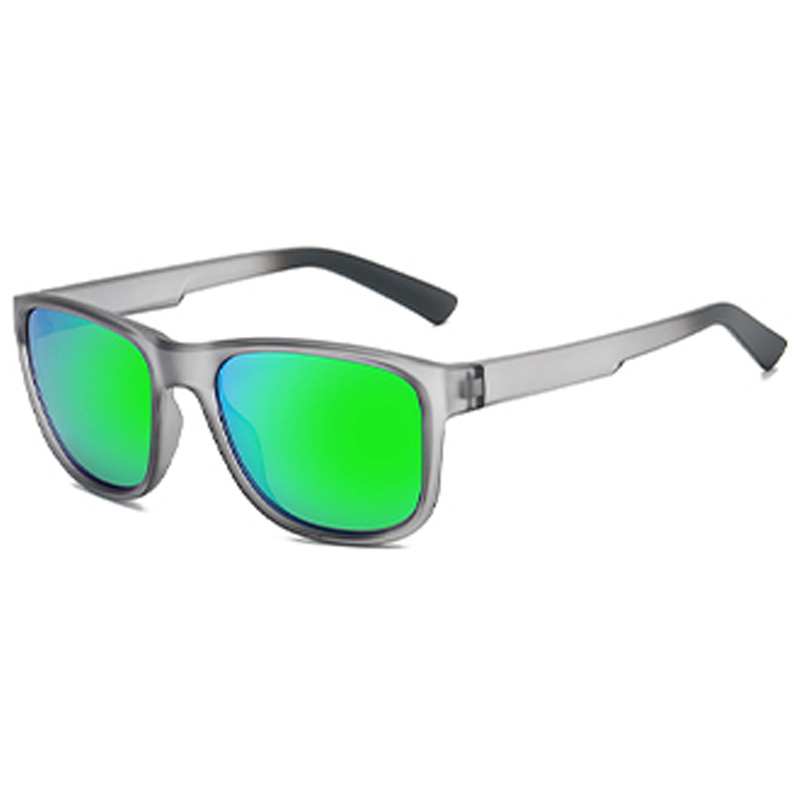
Transparency is the rare trend that changes how a frame interacts with the face rather than merely its color. Crystal and frosted frames read lighter than any opaque equivalent: the face shows through the rim's edges, the frame's visual mass drops, and features that dark rims would box in stay visible and open. That lightness is why translucent frames flatter smaller faces, fair colorings and minimal wardrobes so well, and why they have survived multiple seasons already, they solve the "heavy sunglasses" complaint that oversized trends created.
The material story explains the trend's depth. TR90 injection molding renders consistent crystal tones, from water-clear to smoked champagne, with UV stabilizers that keep the material from yellowing, the failure that killed the transparent plastic trends of earlier decades. Modern transparent frames also polarize: a polarized lens behind a crystal rim delivers full glare control without the visual weight, which is the combination that turned the look from editorial to everyday. Buyers should verify the yellowing resistance claim, since the cheap end of the category still exists, and the difference shows within one summer.
The gradient temple, color fading along the arm from dark at the front to clear at the ear, is this cycle's signature detail, and it works because it mimics what the eye already finds pleasant: depth. A well-executed fade has no visible boundary between colors, reading as one material shifting tone, and it draws the eye forward toward the face. Poor versions show a hard transition line, which is the fastest quality tell in the category and visible in any straight-on product photograph.
The fade also serves fit perception. Because the temple lightens toward the ear, the frame reads smaller and neater from the side, which flatters wearers who find solid dark temples heavy in three-quarter views. Gradient treatments appear across the category, on transparent frames fading from crystal to smoke, on colored frames fading from pigment to clear, and as two-color fades that blend complementary tones. The styling rule: one fade per frame. Gradient temples on a colored front plus a tinted lens plus a mirrored coating stacks too many effects, and the eye loses the thread.
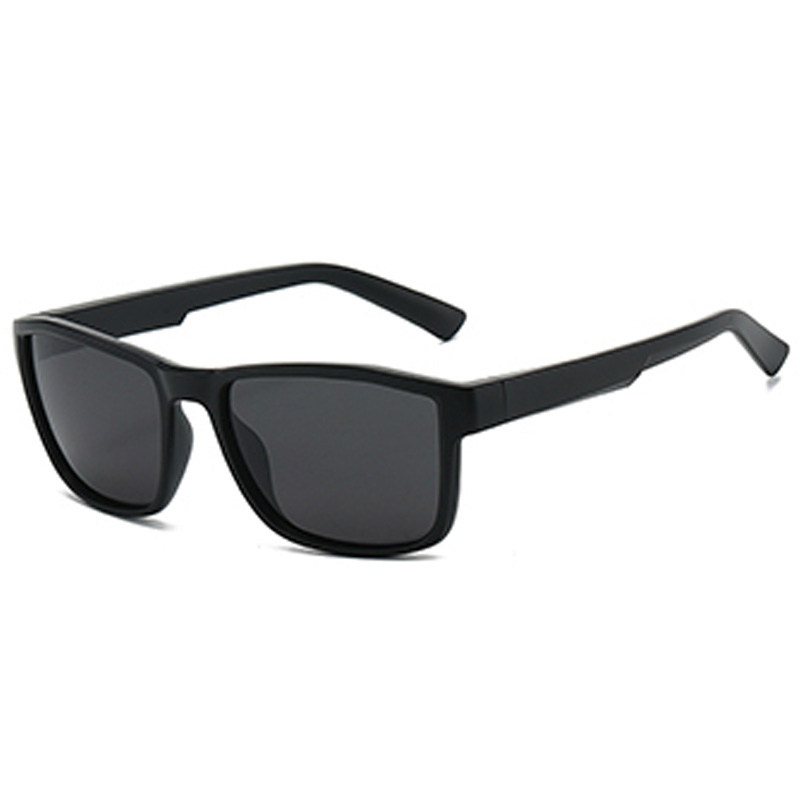
Two-tone frames, a colored front with contrasting temples, deliver the season's playfulness with more structure than a fade. The classic execution pairs a dark front with light temples, which lightens the frame's side profile while keeping the lens surround strong, and it flatters wearers who want color without committing the whole frame to it. Two-tone designs also photograph beautifully, since the front and temple colors create depth that single-color frames lack, which explains their dominance in current street-style imagery.
The quality questions concentrate at the joint where the two colors meet: molded two-tone TR90 fuses the materials in one injection cycle and shows no seam, while assembled versions join separately molded parts, and the joint's finish predicts longevity. Check the temple root, where front color meets temple color, for gaps or adhesive residue, and flex the joint gently; a clean construction flexes as one piece, a poor one creaks or shows a line. Two-tone is also the most durable trend of the set, since contrast color-blocking predates this cycle and will outlive it.
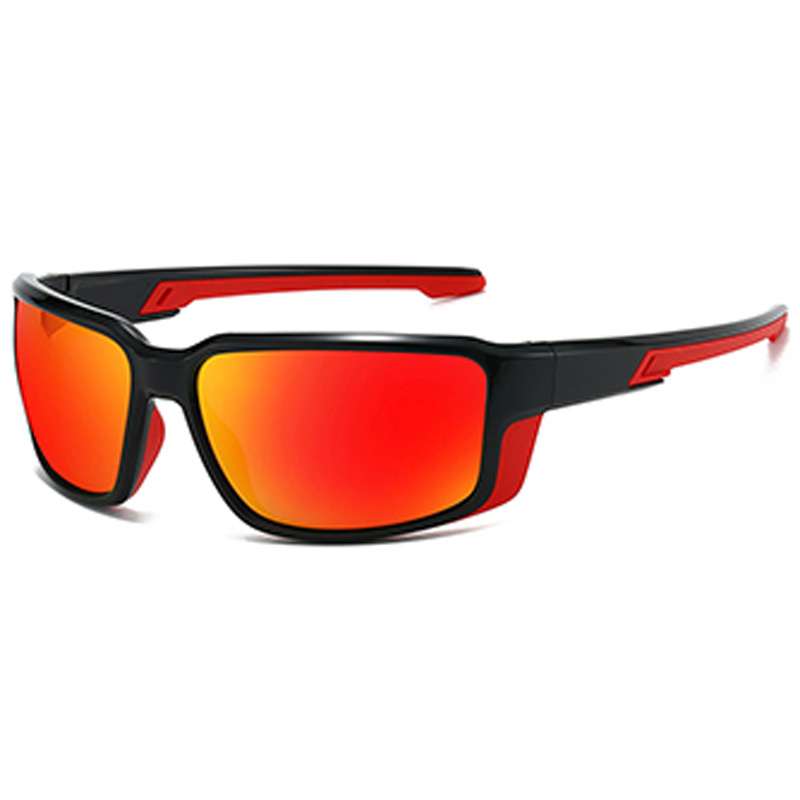
Transparent and gradient trends share a common property: they reduce visual mass, and that property maps to faces directly. Smaller faces and fair colorings gain the most, since dark frames that overwhelm them disappear into the light constructions. Larger faces can wear the trends too, favoring the smoked and darker crystal tones that keep some presence. Deep skin tones pair beautifully with crystal and amber transparencies, the contrast reads intentional and editorial, while dark-on-dark combinations recede more than most wearers want from a trend purchase.
Wardrobe matching follows the same mass logic: transparent frames partner with the light, textured clothing that current warm-weather dressing favors, and they disappear against heavy dark winter knits, which is why the trend is seasonal by nature. Gradient and two-tone frames carry more presence and transition into autumn wardrobes better, making them the smarter buy for wearers planning year-round use. The trend evaluation, in other words, is a wardrobe question before it is a style one.
| Trend | Best for | Longevity | Quality check |
|---|---|---|---|
| Transparent / crystal frames | Small faces, fair colorings, light wardrobes | Good, with UV-stabilized material | Yellowing resistance claim |
| Gradient temples | Most faces, side-profile lightness | Moderate, detail-driven | No hard line in the fade |
| Two-tone construction | Wardrobes wanting color without full commitment | Excellent, color-blocking persists | Clean joint at temple root |

Transparent and gradient frames change the lens conversation, because the rim no longer hides the lens edge. Lens colors that looked neutral in black frames read colored in crystal ones, and edge thickness shows through the rim. The practical guidance: choose lens tints in the same tonal family as the frame, gray lenses in smoked crystal, brown in champagne, and check the edge finishing under light, since a clean polished edge is part of the transparent look. Polarized lenses pair perfectly with the trend, and the frame's lightness makes the polarization's comfort more noticeable, not less.
UV400 remains the non-negotiable baseline, verified in writing, and it matters doubly in this category because the fashion-first market attracts products that treat optics as optional. The straight-edge sweep for optical distortion applies as always, and the small visual weight of these frames makes lens flaws proportionally more visible, since there is no heavy rim to anchor the eye. Buyers who run the standard checks get the season's look with none of its usual compromises.

Transparency shows everything, which is the trend's charm and its maintenance contract. Face oils and sunscreen film show on crystal rims within days, so a weekly wash in lukewarm water with a drop of mild soap keeps the material reading clear; dry with microfiber, never clothing. Store away from heat and direct sun when unworn, since cheap transparent materials yellow exactly where light and heat accumulate, and even stabilized materials appreciate the rest. Gradient temples need no special care beyond the standard, but their fades show dirt lines first, another argument for the weekly rinse. Two-tone frames care for like any TR90 pair, with attention to the joint when cleaning. The routine costs five minutes a week and preserves the exact qualities that justified the purchase.
Quality UV-stabilized TR90 stays clear for years; cheap transparent plastics yellow within a season of sun. Ask about stabilization before buying, and treat yellowing resistance as the category's core quality test.
Yes, in the smoked and darker crystal tones that keep some presence. Water-clear frames recede so far that larger faces can find them underwhelming, so tone the transparency to your scale.
One seamless transition with no visible boundary line, reading as a single material shifting tone. A hard edge in the fade is the category's clearest quality tell and visible in straight-on product photos.
Yes, color-blocking predates the trend cycle and will outlive it. Check the joint where the colors meet for clean molding or assembly, and flex gently; solid construction moves as one piece.
Perfectly: the combination is the trend's best version, full glare control with the lightest possible visual presence. Verify the polarization with the screen test as with any lens.
Lukewarm water with a drop of mild soap weekly, microfiber to dry, and no alcohol or solvent cleaners, which cloud transparent materials. The routine keeps the rim reading water-clear.
Two-tone construction, because contrast color-blocking predates the cycle and persists after it. Transparent frames follow, given stabilized material; gradient temples are the most detail-dependent and should be bought on fade quality.
Gradient and two-tone frames transition well into autumn's textured clothing, while water-clear transparent frames read most naturally against light summer fabrics. Choose by wardrobe weight, not by trend ranking.
Transparent and gradient effects are not confined to one material, and the material you choose changes how the frame wears, ages, and holds its color. TR90, the flexible nylon-based compound used across much of our sports and fashion range, takes translucent color exceptionally well. Because TR90 is injection-molded, the entire frame can be produced in a single translucent shade, from crystal clear to smoked grey to a soft watermelon pink. The material stays light on the face, flexes under stress rather than snapping, and resists the sweat and sunscreen exposure that sports use involves. For customers who want the transparent look in a frame they can run, cycle, and travel with, translucent TR90 is usually the right answer.
Acetate, by contrast, is a plant-based sheet material that is cut and polished rather than molded. It is heavier, but it offers two things TR90 cannot: depth and layering. A translucent acetate frame shows the internal structure of the material itself, with subtle variations that make every frame slightly individual. Gradient temples in acetate are also physically layered during production, so the color fade is built into the material rather than printed onto it, which means it will not wear off. For buyers who prioritize a premium, hand-finished feel for fashion and office use, translucent acetate earns its extra weight.
Nylon sits between the two: lighter and tougher than acetate, with a cleaner, more uniform transparency than many TR90 blends. It is common in performance sunglasses where the lens is the star and the frame should nearly disappear. When you evaluate any transparent frame, ask which material it uses, because the same visual trend performs very differently across the three. A transparent TR90 sport frame, a translucent acetate fashion piece, and a clear nylon performance shield may look similar in a product photo, but they serve different days in your calendar.
One reason the light-frame trend has outlasted early predictions is how easily it integrates into an existing wardrobe. A clear or crystal frame is effectively a neutral: it does not compete with your clothing colors, it suits both warm and cool palettes, and it reads as modern without shouting. On a commute, a translucent frame with a grey gradient lens looks put-together with business casual in a way that a matte black wrap sometimes does not. At the weekend, the same frame works with denim and a t-shirt. This versatility is the practical payoff of transparency: the frame recedes, and the overall look stays clean.
Gradient temples play a slightly different styling role. Because the color fades from a saturated tone at the front to a clear or pale tip, the frame draws attention forward, toward the eyes, and then politely steps out of the way. That forward emphasis flatters the eye area in photos, which is one reason gradient-temple frames photograph so well and have become a staple in social-media-driven fashion markets. A teal-to-clear or burgundy-to-clear gradient gives you a deliberate color accent without committing your whole face to a bold solid.
If you wear the same pair from morning to evening, consider how the frame looks in different light. Transparent frames pick up ambient color: they can look warm gold in sunlight, cool blue in office lighting, and nearly invisible at dusk. That chameleon quality is a feature, not a flaw, but it is worth knowing before you buy. Solid dark frames look the same in every room; translucent ones live with you. Customers who understand this tend to be more satisfied with the trend, because their expectations match what the material actually does.
Transparency is honest in one direction and unforgiving in another: it shows quality clearly. Before buying any clear or gradient frame, check the finish at the joints and the temple tips. On a well-made frame, hinge areas are smooth and flush, edges are polished, and the gradient transition is even from left to right. On a poorly made frame, you will often see mold lines through the translucent material, cloudy patches, or a gradient that stops abruptly on one side. Because you can see through the material, you are also seeing the construction, so use that visibility to your advantage.
Second, check the lens-frame interface. Light frames make dark lenses a strong design statement, and the lens must sit flush in the rim with no gaps. With transparent rims, a misaligned lens or uneven glue line is visible immediately, which is one reason our production QC for light-colored frames runs stricter edge checks than for solid black. Third, weigh the frame. Transparency should not mean flimsiness; a good TR90 translucent frame still feels substantial and springs back when you flex the temple gently. If a clear frame creaks or flexes loosely out of the box, it will not survive a season of daily use.
Finally, confirm the lens certification independently of the frame trend. The transparent look is a fashion choice; UV400 Protection is a health requirement. Reputable suppliers label UV protection clearly regardless of frame color, and if a listing celebrates the clear frame but says nothing about the lens, treat that silence as data. A beautiful transparent frame with uncoated fashion lenses is a worse purchase than a plain frame with certified UV400 lenses, every time.
Trend-driven products are where manufacturing quality gaps show fastest. When a look becomes popular, low-cost imitations flood the market within months, and transparent frames are a textbook case: the material is visible, the tolerances are visible, and shortcuts are visible. Our factory produces transparent and gradient-temple frames on the same lines as our core sports and optical ranges, with the same incoming material inspection, the same lens coating checks, and the same drop and hinge-cycle testing before shipment. For wholesale buyers, this matters more for trend products than for basics, because trend items sell fast and any quality complaint spreads equally fast through reviews.
For a distributor or brand owner, the practical checklist when sourcing light-frame styles is short: request the material specification (TR90 grade or acetate origin), confirm lens certification documents for the actual shipping batch, ask for temple flex-test results, and inspect gradient consistency across a random sample of the production run rather than the showroom sample. A supplier who answers those four questions quickly is a supplier who controls their line; one who deflects is selling you someone else's inventory. The transparent trend is an opportunity, and like all opportunities it rewards buyers who look through the surface, which is, fittingly, exactly what the product invites you to do.
Two seasonal considerations round out the practical picture for light-colored frames. First, summer exposure: although the frame material itself is UV-stable in quality TR90 and acetate, prolonged intense sunlight can gradually shift the tone of very pale translucent shades, particularly in low-grade materials. Store frames in their case rather than on a car dashboard, and the color will hold for years. Second, winter usability: gradient lenses earn their keep in low-sun seasons, because the darker upper portion handles glare from a low horizon while the lighter lower portion keeps dashboard, path, and phone visible. Customers in northern markets often buy gradient lenses for winter driving specifically, which makes transparent-frame-plus-gradient-lens a year-round product rather than a summer one. For wholesale assortments, that dual-season utility is a genuine selling point, and it is worth stating explicitly in listings rather than letting buyers assume the look is seasonal.
A final word on matching the trend to your product line. Transparent frames and gradient temples reward suppliers who can explain them plainly: what material, what gradient method, what lens certification. Buyers who receive those three answers convert faster and return less, because the trend's main purchase barrier is uncertainty about quality rather than doubt about the style itself. Answer the uncertainty, and the look sells itself.
One last perspective for buyers comparing suppliers on this trend: ask to see the gradient in person or in unedited photographs, taken against a white background and a dark one. Translucent materials photograph deceptively, and edited renders can hide exactly the flaws this article told you to look for, including uneven fades, cloudy patches, and rough hinge finishing. A confident factory will send production samples without hesitation, because consistency across a batch is precisely what its process is built to guarantee. That single request, more than any certificate, separates manufacturers who control the trend from resellers who discovered it last month, and it costs you one email to find out which kind of partner you are talking to.
This season's trends earn attention because they are built on material progress rather than styling alone: transparent TR90 that stays clear, gradient fades that mold seamlessly, two-tone constructions with structural depth. Buy them with the trend's own quality gates, yellowing resistance, fade smoothness, joint cleanliness, plus the permanent ones, UV400, polarization and the distortion sweep. Match the visual mass to your face and your wardrobe's weight, and the looks that suit you will outlast the cycle, which is the only trend outcome worth the money.
This website uses cookies to ensure you get the best experience on our website.



 Phone
Comment
(0)