

Fashion Sunglasses and Sports sunglasses are often marketed as opposites, and the marketing obscures a more useful truth: they are the same optical physics wearing different geometry. Both categories can deliver UV400, polarization and quality lenses; what differs is everything around the lens, wrap, grip, weight, coverage and construction priorities. Understanding exactly where the categories diverge, and where they quietly overlap, is what turns a purchase into a system. This guide compares them property by property, maps each to the situations it serves, and closes with the decision framework that ends the one-pair-or-two debate.
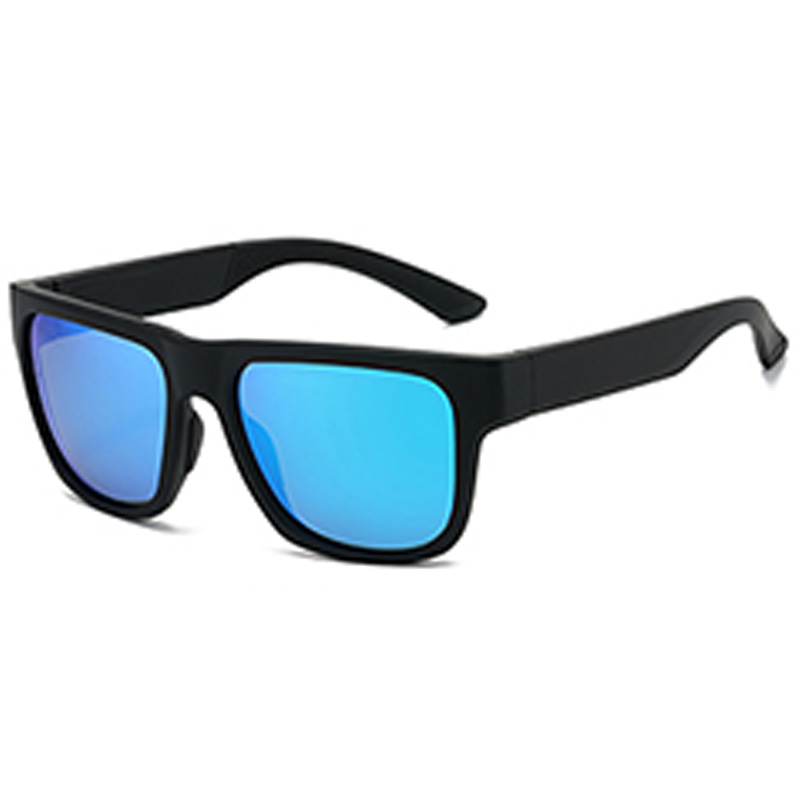
The most consequential difference is shape. Sports frames wrap: the lenses curve around the face, blocking wind, dust, insects and the side glare that flat frames admit freely. Fashion frames front: they present a flat or gently curved lens to the world, optimized for how the face looks from the front rather than how the eyes are protected from the sides. Neither is wrong; they optimize different planes. A driver, cyclist or angler receives light from the sides constantly, which is why sport geometry exists; a terrace lunch receives light from the front, which is why fashion geometry suffices there.
Wrap also changes optical behavior. Curved sport lenses require manufacturing compensation to avoid peripheral distortion, while flat fashion lenses need none, which is one reason fashion frames accommodate prescriptions more freely. Buyers choosing between categories are really choosing how much of their day happens in side-light, and the honest answer is usually "more than the wardrobe suggests."
The second structural difference is grip engineering. Sports frames use hydrophilic rubber nose pads and temple tips that increase their hold as moisture builds, because sport generates sweat by definition. Fashion frames use smooth plastics and metals that behave inversely, sliding precisely when faces get warm and damp. Wearers discover this difference in the first summer: the fashion pair that fits beautifully in an air-conditioned shop becomes a constant push-back gesture at the beach.
Stability extends beyond grip to mass distribution. Sports frames balance weight across bridge and temples so hard effort does not bounce them; fashion frames accept a front-heavier balance because nobody runs in them. The practical consequence: the categories are not interchangeable under motion, and the crossover products, sport-casual frames with fashion styling on TR90 chassis, exist precisely because many lives contain both registers in one afternoon.

Here the categories overlap more than marketing admits. Both can carry UV400, polarization, photochromic behavior, mirrored coatings and quality base materials, polycarbonate or TAC, and a well-made fashion pair frequently outperforms a poorly made sport pair on pure optics. What differs is the priority stack: sports lenses emphasize impact resistance, ventilation behavior, hydrophobic coatings and tint science for specific light conditions; fashion lenses emphasize appearance, gradient fades, mirror colors, and the tint as part of the styling.
The buyer's takeaway is to audit lenses identically in both categories: written UV400, polarization verified by the screen test, distortion checked with the straight-edge sweep, coatings tested with breath. A fashion frame that passes those checks is a legitimate tool for every low-impact situation; a sport frame that fails them is a decorated liability regardless of its wrap.
Sports frames are built for abuse: TR90 chassis that flex under impact, hard-coated lenses that survive pocket life, hinges and rivets specified for vibration. Fashion frames are built for care: their materials span from durable TR90 to fragile thin metals and rigid acetate, and their lifespan tracks the owner's habits more than the product's origin. The comparison that matters is per-hour-of-use: a fashion pair worn two hours weekly for five years outlasts its purchase easily, while a sport pair worn ten hours weekly needs the durable construction to reach the same age.
Fashion frames also fail differently: their damage is usually cosmetic or mechanical, scratched lenses, bent wires, while sport frames' damage is functional, worn grip, delaminated coatings, fogged ventilation. The maintenance habits differ accordingly: fashion pairs need careful storage and gentle cleaning; sport pairs need rinsing, grip inspection and coating checks. Neither category is "more durable" in the abstract; each is durable for its own job.
| Property | Fashion Sunglasses | Sports sunglasses |
|---|---|---|
| Geometry | Flat or gentle curve, front-optimized | Wraparound, side-protecting |
| Grip | Smooth plastic or metal | Hydrophilic rubber pads and tips |
| Weight | Variable, style-led | Minimized, balance-led |
| Lens priorities | Appearance, gradient, mirror | Impact, ventilation, hydrophobic |
| Prescription ease | High, flat curves suit labs | Limited by wrap at strong corrections |
| Best environments | Urban, social, low wind | Trail, water, road, wind, sweat |
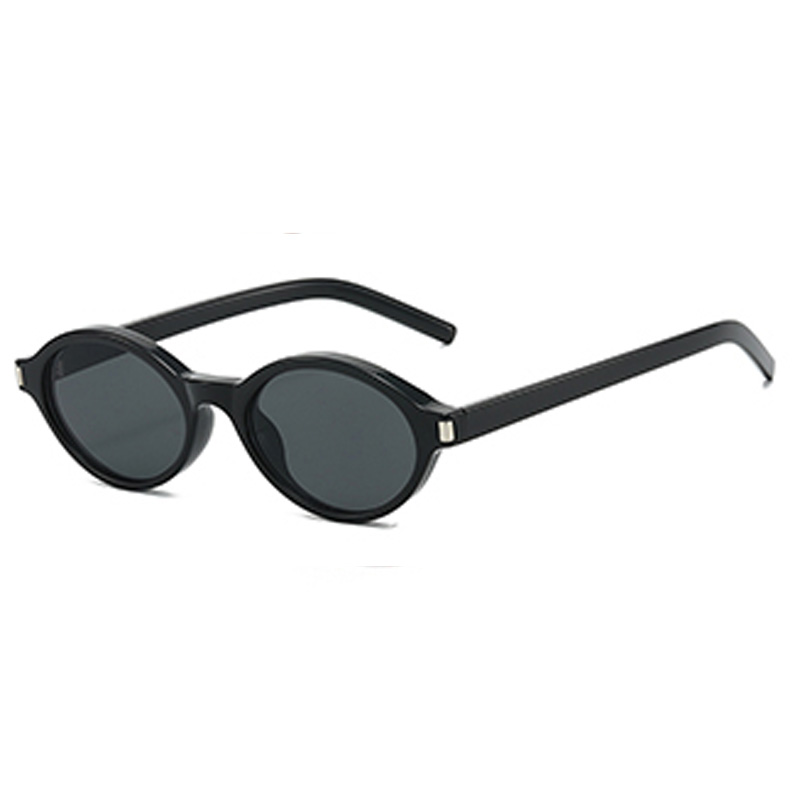
The most interesting products of recent seasons live between the categories, and knowing their logic helps buyers use them. Sport-casual frames apply TR90 construction, grippy pads and moderate wrap to fashion silhouettes, producing pairs that ride a bike acceptably and sit at lunch gracefully. Fashion frames in polarized TR90 bring real lens technology to classic shapes. These crossovers succeed when their compromises match the buyer's actual week: a life that is ninety percent urban with occasional weekend hikes is served honestly by a quality crossover, while a life split evenly between trail and office still deserves two pairs.
The overlap has limits worth respecting: crossovers rarely achieve true sport grip or coverage, and they rarely achieve fashion's material refinement. They are the category's compromise products, and they compromise honestly, which is more than can be said for sport-shaped frames built without sport engineering, the category's genuine trap product.

The framework reduces to one question: what fraction of your light hours involve motion, wind, water or sweat? If the answer is under ten percent, a single high-quality fashion pair with verified UV400 and polarization serves honestly, and the budget belongs in its lenses. Between ten and forty percent, the crossover category earns its place, provided its compromises match your dominant side. Above forty percent, the two-pair system is not indulgence but arithmetic: each pair works in its strength, wears out slower, and costs less per protected hour than any single compromise pair.
The two-pair system also changes buying behavior for the better: the fashion pair is chosen by style with the standard optical checks, the sport pair by the fit and grip protocols, and neither purchase has to satisfy the other's demands. Owners of honest two-pair systems report the same quiet outcome across categories: they wear sunglasses more hours per week, because there is always a pair that suits the moment, and worn protection is the only protection that counts.

For low-intensity, low-wind activity, yes, if the lenses pass the standard checks. For running, cycling, water and anything sweaty, the grip and coverage differences make the fashion pair the wrong tool, and a crossover or sport pair earns its cost the first session.
Not anymore: modern TR90 sport frames in matte and translucent finishes read as contemporary design, and the sport-casual crossover category exists precisely because the aesthetic gap has narrowed. Judge current products, not the memory of neon ninety-nine wraps.
In the lens, potentially identically: UV400 and polarization are category-independent. In the coverage and stability, no: flat frames admit side light and slide on sweat, which matters exactly when conditions are bright and active.
Smooth pads and tips lose grip as moisture rises, by physics rather than defect. Hydrophilic rubber, found in sport and crossover frames, grips harder when wet, which is the fix if your life includes sweat.
If motion is a minority of your light hours, yes: a quality crossover with verified optics and honest grip serves both registers acceptably. If motion dominates, buy the two-pair system instead, because crossovers compromise both ends.
The one for your dominant register, chosen with that register's full discipline. The second pair then completes the system without compromise, which is how two-pair owners end up spending similar totals to one-pair owners across five years.
For driving, waterside and glare-heavy urban use, yes, polarization transforms comfort regardless of the frame's style. For occasional social wear, quality UV400 tints deliver the protection that matters at a lower price.
Suspiciously: wrap shapes built without sport engineering grip poorly and distort peripherally. Run every check in this guide, grip under sweat, distortion sweep, coating tests, and treat failures as disqualifying whatever the styling promises.
Weight is the quiet variable that decides whether sunglasses stay on your face or in your bag. Fashion sunglasses typically weigh between 25 and 35 grams, with acetate styles at the upper end. That weight is comfortable for a lunch, a drive, or an afternoon out, and the slight presence of the frame is part of the fashion statement itself. But wear a 32-gram acetate frame through a four-hour hike and the story changes: nose pads press, temple tips rub behind the ears, and sweat makes heavy frames slide. Sports sunglasses flip the priority. Performance models target the 20 to 28 gram range using TR90 and nylon, and every saved gram is deliberate, because weight multiplies over hours and over impact cycles.
Comfort engineering also differs in how the frame contacts your head. Fashion frames use fixed nose bridges shaped for average features, which works for most faces and preserves the clean look of the design. Sports frames use adjustable or multi-size nose pads, often with rubberized coating, so the fit can be tuned to your bridge shape and to conditions, tightened for running and loosened for casual wear. Temple tips follow the same logic: fashion temples end flat for style, while sport temples curve down and grip with rubber. Neither approach is better in the abstract; each is correct for its job. The mistake to avoid is judging a fashion frame by sport standards or vice versa, because each category optimizes for a different day.
If your calendar genuinely mixes both worlds, test comfort in the harder scenario. If a frame is comfortable for a slow walk but you also run occasionally, buy for the run. Discomfort during activity cannot be styled away, while a slightly utilitarian look can be worn anywhere. This asymmetry, more than any spec sheet, is why many people eventually own one of each.
Sunglasses are among the few accessories visible in every photo and every first impression, and the two categories carry different social signals worth understanding before you buy. Fashion sunglasses are designed to be noticed: cat-eye silhouettes, double-bridge pilots, transparent frames, and gradient temples all communicate attention to style and current trends. They pair naturally with structured clothing, and in business-casual and social settings they read as deliberate and put-together. A well-chosen fashion frame completes an outfit the way a watch does, which is exactly the role it is engineered for.
Sports sunglasses signal capability rather than style. The wrap geometry, rubber grips, and shield lenses say that the wearer moves, and in athletic contexts that look carries its own credibility. Increasingly, that athletic aesthetic has crossed into streetwear, which is why wrap-around and shield styles appear in fashion campaigns too. The crossover is real but asymmetric: a sport frame can pass in casual fashion contexts, while a delicate acetate cat-eye genuinely cannot perform in sport. When choosing, let your primary context decide. If most of your sunglass hours are urban and social, fashion geometry deserves the priority; if most are active, the sport silhouette will serve you and look current doing it.
Color strategy follows the same split. Fashion frames explore color freely in the frame material itself, including translucent and gradient treatments, while keeping lenses conventional. Sport frames keep frames dark or bright-but-functional and spend their color budget on lens tints with defined purposes, from amber for contrast on trails to grey for true color on water. Understanding where each category puts its design energy tells you where the value is in each purchase.
The price structure of the two categories rewards different things, and knowing this prevents both overspending and false economy. In fashion sunglasses, a meaningful share of the price goes to design and materials: acetate quality, hinge finish, and the distinctiveness of the silhouette. A well-made fashion frame from a direct manufacturer delivers that design value without the retail-brand markup, which is why our OEM and wholesale partners can offer current silhouettes at a fraction of boutique prices. What you should not pay extra for in fashion frames is technology you will not use; polarized lenses matter for driving and water, but a fashion frame worn mainly for city evenings gains little from premium lens coatings.
In sports sunglasses, the value concentrates in the lens and the fit system. Impact-rated lenses, hydrophobic and anti-reflective coatings, ventilated designs that prevent fogging, and adjustable nose hardware are the features that justify price differences between models. Frame branding matters far less here than measurable performance. If you compare two sport models and one costs more, check what the difference buys: often it is lens quality, which is the part you actually look through, rather than frame cosmetics.
For wholesale buyers the calculus adds a third dimension: return rates. Fashion frames return mainly for fit and taste reasons, which better product photography and size guidance reduce. Sport frames return for durability and lens claims, which stricter QC and honest specification reduce. Aligning your quality spend with the actual failure mode of each category is the single most reliable way to protect margin across a mixed assortment.
Across years of customer feedback, the same mistakes recur in both categories, and each is avoidable with one question asked before checkout. The first mistake in fashion purchases is buying silhouette without bridge fit. A cat-eye that suits your face shape in the mirror can still slide, pinch, or leave red marks because the bridge geometry does not match yours; the shape rules get the attention, but the bridge does the daily work. Always check bridge width and nose contact, especially when buying online.
The first mistake in sport purchases is under-specifying the lens for the actual activity. Buyers choose a dark fashionable tint, then discover it flattens contrast on rocky trails or hides potholes on dusk rides. Match tint to terrain: grey for bright open water, amber and rose for variable trail light, brown for driving contrast. The second sport mistake is ignoring ventilation; fully sealed shields look fast but fog on climbs, while a vented lens or brow cutout stays clear at the cost of a little wind noise.
The shared mistake is treating UV protection as implied. In both categories, confirm UV400 certification on the product page or packing, because a gorgeous frame or a performance wrap with uncoated lenses is worse than no sunglasses at all, since dark lenses make pupils dilate and admit more UV. Every frame we ship carries certified UV400 lenses regardless of category, and we recommend buyers hold every supplier to that same floor. Buy the category for its strengths, verify the lens independently, and the difference between fashion and sport becomes an asset in your wardrobe rather than a source of regret.
A note on how the two categories behave in travel and storage, which buyers often overlook until a frame arrives scratched. Fashion sunglasses, particularly acetate pieces with polished surfaces, need hard cases and gentle handling; their lenses are usually mounted close to the face, and temple hinges are their most vulnerable point, so folding them into a pocket or letting them ride loose in a bag shortens their life quickly. Sports sunglasses are built for harsher logistics: TR90 frames tolerate being sat on, dropped, and packed tight, and many models ship with semi-rigid cases and microfiber pouches designed for gym bags. If your distribution chain involves long transit and rough handling, sport frames survive it better, and fashion frames need packaging that compensates.
Finally, consider how the two categories age stylistically. Sport silhouettes evolve with lens technology, and last season's shield can look dated within a couple of years as shapes change. Fashion frames built on classic geometries, cat-eye, pilot, round, tend to cycle back into style, which is why acetate classics hold resale and repeat-purchase value better than trend-driven sport models. Buyers building a long-term assortment should weight this difference: lead with fashion classics for steady demand and add sport and trend styles in measured quantities, refreshing them on a faster cycle. Matching your replenishment rhythm to each category's natural shelf life is the quiet discipline behind consistently profitable eyewear retail.
Before closing, a quick reconciliation for readers who own one category and wonder about adding the other: track a normal week and count the hours. If more than a third of your sunglass time involves movement, sweat, wind, or impact risk, the sport category earns its place in your drawer immediately, and the fashion pair becomes the weekend and evening choice. If almost none does, a second fashion silhouette in a different shape, say a cat-eye to complement your pilots, will deliver more daily value than a sport wrap that sits unused. The difference between the categories is real in geometry, grip, lens, and lifespan, but the difference that matters most is the one between how you actually live and what the frame was built for. Buy against your calendar, not the catalog, and both categories will serve you well.
Fashion and sports sunglasses differ less in optics than in geometry, grip and intent: flat frames front the face for the world to see, wrapped frames guard it from everything the sides deliver. Audit both categories with the same lens checks, choose by the honest fraction of your hours spent in motion, and let that fraction decide between one honest pair, a quality crossover, or the two-pair system that serves both registers fully. The physics is shared; the choice is about your week. Buy for your week, and both categories serve exactly as designed.
This website uses cookies to ensure you get the best experience on our website.



 Phone
Comment
(0)