

TR90 and acetate are the two dominant materials in quality optical frames, and they embody two different philosophies of what glasses should feel like. TR90, a nylon-family thermoplastic, builds frames around lightness and flexibility; acetate, a plant-based polymer carved from sheets, builds them around color depth and substance. Neither is simply better: each wins its own conditions decisively. This guide compares them across manufacturing, weight, durability, comfort, color, repairability and cost, then maps each material to the wearers it genuinely serves.
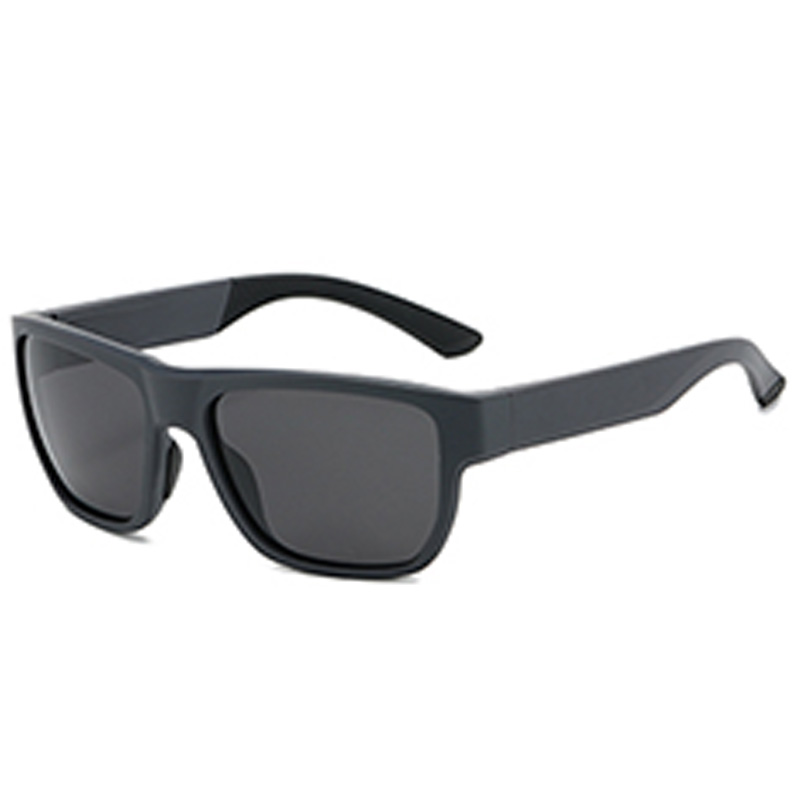
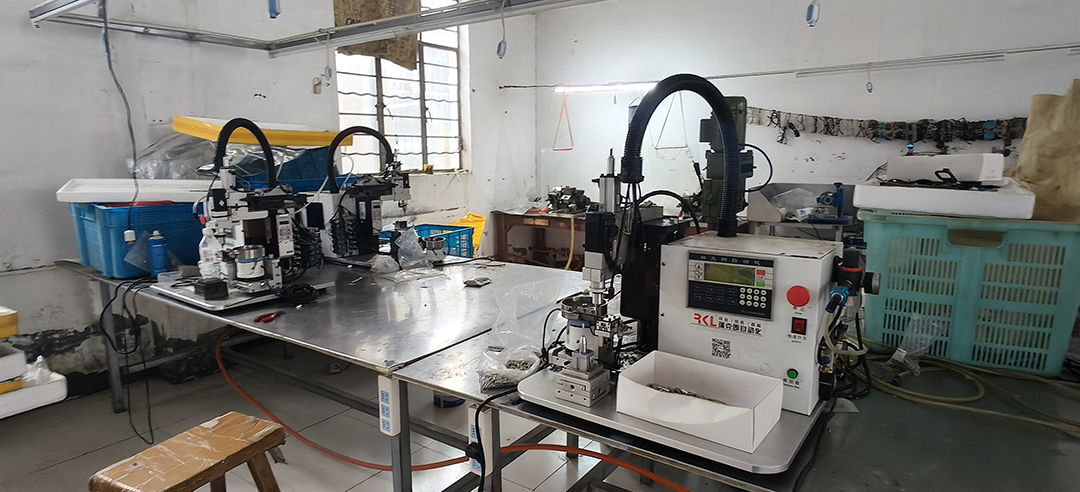
TR90 frames begin as granules that are injection molded into shape under heat and pressure, then tumbled and hand-finished to remove mold lines. The process is fast, repeatable and material-efficient, which is why TR90 frames deliver sophisticated shapes at accessible prices. The molding also allows engineering features that sheet materials cannot easily copy: hollow temple cores, integrated non-slip textures, and precise magnet housings for clip-on systems.
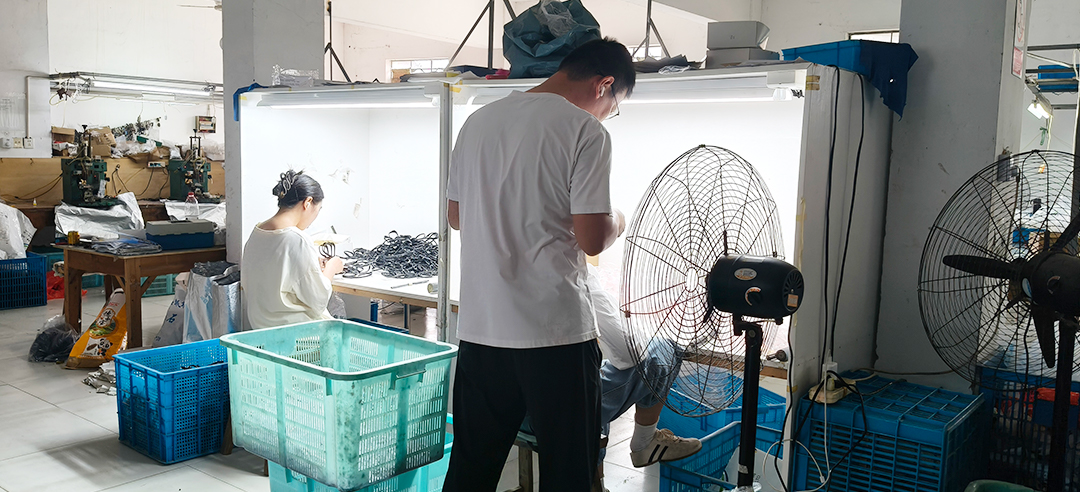
Acetate frames begin as large blocks or sheets of cellulose acetate, a plastic derived from cotton and wood pulp, which are cut into rough frame shapes, tumbling-polished for days, and hand-finished through multiple stages. The process is slow and wastes material, but it produces the qualities injection molding cannot: deep, layered color that runs through the material's thickness, and a dense, substantial feel that reads as luxury in the hand. Acetate's craftsmanship pedigree is real, and so is its price structure.
Weight is the most immediately perceptible difference. A typical TR90 full-rim frame weighs roughly half of an equivalent acetate frame, and the difference compounds across a fourteen-hour day: bridge pressure marks, temple soreness behind the ears and the end-of-day urge to remove the glasses all track frame mass. Nose-heavy acetate frames also slide more on oily skin, triggering the constant push-back gesture that TR90's lighter front largely eliminates.
Weight matters unevenly across wearers, which is why the comparison is not a verdict. Users who wear glasses from waking to sleep, high-prescription wearers whose lenses already add weight, and anyone with a sensitive nose bridge feel TR90's advantage daily. Users who wear glasses for a few hours at a time, or who love the anchored feel of a substantial frame, may prefer acetate's presence, and there is nothing wrong with that preference: fit feeling is personal, and "substantial" reads as quality to many hands.
| Property | TR90 | Acetate |
|---|---|---|
| Weight | Very light | Heavier, substantial |
| Flexibility | High; bends and returns | Low; rigid |
| Cold behavior | Stays flexible | Brittle in freezing weather |
| Color depth | Good, surface-based | Excellent, layered through the material |
| Sweat and oil resistance | Strong | Good, may lighten at contact points over years |
| Adjustability | Limited shaping; pad-dependent | Excellent; heat-shaping is a craft |
| Typical price | Accessible | Higher |
The materials age differently rather than at different speeds. TR90 flexes under impact, a sat-on frame usually pops back to shape, and its sweat and UV resistance keeps it from embrittling; its failure modes are scratched surfaces, worn hinge screws and eventually coating or finish dullness, all gradual and mostly cosmetic. Acetate is rigid and can snap under sharp impact, and it grows brittle in extreme cold, but a well-made acetate frame that avoids accidents ages gracefully, its color never fading because the color is the material.
Each material's worst enemy is the other's strength. TR90 shrugs off the drops, sits and squeezes that destroy acetate; acetate shrugs off the deep cleaning, polishing and heat adjustment that can dull or warp thin TR90 surfaces. Users who break things choose TR90 for the same reason hikers do; users who keep things for decades often choose acetate because a frame that survives careful wear becomes an heirloom object with a patina story.
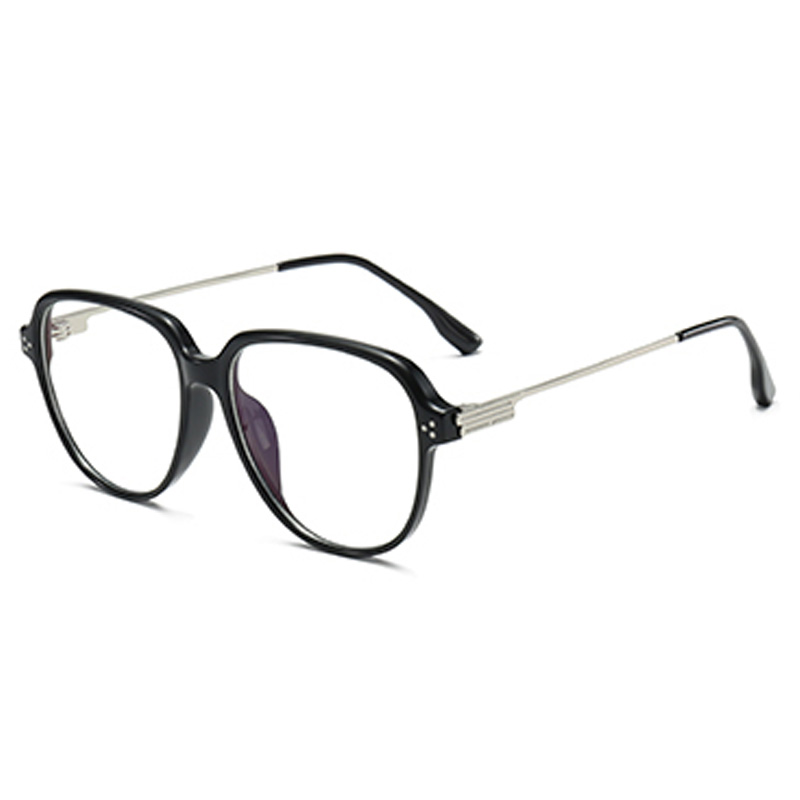
Acetate is the optician's favorite material for one honest reason: it adjusts beautifully. Heated gently, acetate bends and holds new shapes, temples curve precisely behind the ear, bridges reshape to unusual noses, and the frame is customized to the face in twenty minutes of bench work. TR90 resists that kind of shaping: its flexibility is designed-in rather than heat-tuned, so fit adjustments concentrate in nose pads and temple tip positioning rather than frame architecture.
The practical consequence splits by face type. Standard-fit faces do fine with either material, since TR90's flex plus adjustable pads covers normal variation. Unusual fits, very narrow or very wide bridges, asymmetric faces, high cheekbones that push frames out, benefit from acetate's adjustability, or from TR90 designs with generously adjustable pad systems. The best answer to the fit question is a bench fitting before purchase, whichever material you lean toward: twenty minutes with an optician predicts years of comfort better than any material brochure.
Acetate's color depth is real and worth understanding: because pigment runs through layered sheets, frames show tortoiseshell dimensionality, layered laminations and colors that polish to a wet-look gloss no molding quite replicates. The material's craft associations make it the natural home of premium fashion frames and every style that trades on richness, from classic tortoise to translucent champagne.
TR90 answers with range and modernity: translucent frosts, two-tone combinations, matte finishes, and shapes molded thin that sheet material cannot achieve without weight. Contemporary sport-casual and minimalist styling lives in TR90 for exactly these reasons. The style decision, then, is less "which is better" than "which language": depth and heritage, or lightness and modern finish. Both palettes are broad enough that nobody should choose a frame they dislike for a material's sake.
Lens choice interacts with material choice more than buyers expect. Strong prescriptions add lens weight and edge thickness, and pairing heavy lenses with a heavy acetate frame produces the bridge pressure that makes glasses unbearable by evening; high-index lenses plus TR90 is the standard solution for strong corrections. Rimless and semi-rimless designs, which mount lenses directly to the frame, work differently across materials: acetate's rigidity holds drilled-mount designs stably, while TR90's flex suits most full-rim grooved mounting better.
Progressive wearers should confirm lens height and frame stability in either material, since the corridor demands precise positioning that a sliding frame destroys. Blue-light filtered, photochromic and polarized prescription options all work in both materials. The material itself is optically neutral; what matters is the frame-lens-weight system considered as a whole, and honest opticians evaluate that system rather than the material label.
Price differences reflect production reality: acetate's slow, labor-intensive, wasteful process costs more than molding, and its premium position in fashion adds brand margin on top. Buyers pay for material provenance, craft time and design pedigree. TR90's pricing buys engineering: mold quality, polymer grade, hinge hardware and coating work. The useful budgeting insight is that each material's best value sits mid-market: an honest mid-price acetate frame outperforms a cheap one's finish dramatically, and a mid-price TR90 frame's polymer grade and hinge quality outlast budget versions by years. Extremes at either end, no-name budget anything or luxury-logo anything, are where value goes to die.
Care follows material. TR90 tolerates anything except abrasion and heat: rinse it, wipe it with microfiber, keep it off the car dashboard, and it lasts years. Acetate adds two habits: avoid prolonged heat, hot cars and sauna shelves warp its shape, and feed it occasional polish or conditioning if you want its gloss at full depth. Both materials share the universal rules, case storage, no shirt-tail wiping, hinge screw checks, and both reward them identically. Acetate frames that loosen at the bridge return to the optician for heat reshaping; TR90 frames that loosen rely on pad adjustment and temple grip renewal.
Neither is better universally: TR90 wins weight, flexibility, impact and price; acetate wins color depth, adjustability and a crafted feel. Choose by which properties your face, prescription and habits actually stress.
Under careless use, TR90, because it bends where acetate snaps. Under careful use, both last many years, and acetate's color permanence means it often looks newer at age ten. Durability is as much about the owner as the polymer.
Heavy or badly fitted ones can, through bridge and temple pressure; a properly fitted acetate frame should not. If a substantial frame gives you headaches, the fix may be adjustment or lighter lenses rather than a different material.
Modern TR90 finishes, translucent frosts, mattes, two-tones, read as contemporary rather than cheap, and the material's lightness is a quality feature once worn. Cheap TR90 exists, but cheapness there shows in mold lines and hinges, not the material itself.
TR90 plus high-index lenses is the standard answer, since it minimizes total weight on the bridge. Strong lenses in heavy acetate frames are the classic comfort mistake.
Within limits: nose pads and temple tips adjust well, but the frame itself resists heat shaping. Acetate adjusts more comprehensively, which matters for unusual face geometry.
TR90, decisively: flexibility, impact recovery and sweat resistance match exactly what rough use demands. Kids' frames in rigid acetate break at a rate parents know well.
Surface hardness is similar; the difference is visibility. Scratches show less on acetate's deep gloss texture and more on some matte TR90 finishes. Either way, case storage prevents most scratching before it starts.
Because the two materials feel opposite on the face, one afternoon of structured comparison settles the question permanently. Visit an optical shop wearing your current glasses and note three baseline facts: where your bridge feels pressure by end of day, whether your current frames slide, and how heavy they feel after four hours. Then wear a TR90 demo frame and an acetate demo frame, each for at least thirty minutes of normal activity, walking, screen work, reading, and note the same three facts for each.
The differences that matter will be unambiguous by the second pair: TR90's disappearance act after ten minutes, acetate's anchored presence, the way each handles the slide test when you smile and bend. Buyers who run this protocol rarely experience the classic regret of choosing a material by photograph and discovering its weight by Wednesday. If your shop cannot offer try-ons of both, order candidates with a returns window and run the same protocol at home over two days, one day per material, keeping notes; the body's verdict arrives quickly and reliably.
Abstract properties become decisions in specific lives, so consider four. The office professional wearing glasses fourteen hours a day: TR90, decisively, because weight is the only property that compounds hourly, and the light frame eliminates the end-of-day bridge ache that acetate guarantees at this wear volume. The creative professional whose glasses are part of a styled look: acetate earns its place, because color depth photographs better, reads richer in person, and the weight is worn hours at a time rather than all day.
The parent of young children: TR90 without hesitation, since the frame will be grabbed, sat on, dropped down stairs and slept on, and nylon flexibility survives all four while acetate snaps at the first two. The careful minimalist who owns one perfect pair for a decade: either material serves, but acetate's color permanence and repairable adjustability suit the keep-it-forever philosophy, provided the owner's habits are genuinely careful. Notice the pattern: wear volume and roughness choose TR90, style investment and care choose acetate, and most buyers can locate themselves in one of those four lives within seconds.
Frame material gets the attention, but hinges decide more long-term satisfaction than polymer choice, and the materials interact with hardware differently. Acetate frames traditionally use barrel hinges set into heat-cut channels, strong and repairable, with the classic five-barrel steel hinge as the durability benchmark; a quality acetate hinge lasts decades and can be re-set by any optician. TR90 frames use riveted hinges through molded housings, lighter and corrosion-resistant, but dependent on rivet quality: cheap rivets loosen within a year, while quality riveting cycles smoothly for many.
Buyers can assess hinges without disassembly: cycle each arm twenty times feeling for smooth, even resistance with no lateral play, and check that both arms close with the same sound. Flexing the temple outward gently reveals the material behind the hardware: TR90 springs back, acetate moves with stiffness. Whatever the material, a wobbly hinge at purchase predicts a wobbly hinge forever, since hinge play only worsens; the screwdriver tightens screws, not worn barrels. Spend your inspection minutes here, and the material debate becomes secondary to the hardware reality.
Climate stress separates the polymers in ways showroom fitting never reveals. Acetate in freezing weather turns brittle enough that a dropped frame can crack, and in tropical heat or a parked car it can soften enough to distort, which is why acetate-wearing travelers learn to carry frames in cabin luggage. TR90 tolerates both extremes gracefully, staying flexible in winter cold and stable in summer heat, which has made it the default material for outdoor, travel and sport-adjacent eyewear.
Humidity adds a subtler variable: TR90 shrugs off sweat and tropical moisture, while acetate surfaces can lighten slightly at chronic skin-contact points over years, especially with oils and sunscreen in the mix. None of this makes acetate fragile; it makes acetate a material with preferences, and travelers, hikers, beach dwellers and winter commuters are the wearers whose climates should influence the choice. The one-week business trip in a moderate climate stresses neither material; the year in a tropical coastal city is a TR90 endorsement letter.
Buyers increasingly ask about the environmental story, and both materials have honest answers that differ in structure. Acetate derives from renewable cellulose, cotton and wood pulp, which gives it a bio-based origin, but its production is material-intensive: sheets are cut from blocks, the cutaway waste is substantial, and the process is slow and chemical-assisted. Its counterweight is longevity: a carefully kept acetate frame serves for decades and can be re-polished, re-lensed and re-hinged rather than replaced, which is the most honest form of sustainability any product offers.
TR90's story is efficiency: molding wastes little material, production energy per frame is low, and the frames' light weight reduces transport burden across thousands of units. Its weakness is end-of-life, as nylon-family thermoplastics are not commonly recycled through household streams, so a broken TR90 frame usually exits through general waste. The two stories invert each other, bio-based origin against manufacturing efficiency, longevity against recyclability, and neither is a clean win. The practical takeaway for a conscientious buyer is less about the polymer and more about behavior: whichever material you choose, buy once, fit properly, maintain and keep, because the frame that serves ten years beats the greener-sounding frame replaced every two.
The materials also differ in what happens when things go wrong. Acetate is the optician's repair material: heat reshaping restores warped bridges, polishing removes years of fine scratches from surfaces, broken hinges can be re-set or replaced, and even a snapped temple can often be spliced invisibly. A good acetate frame is therefore almost un-killable in competent hands, and its repairability is a genuine ownership advantage that offsets its higher initial price across a long life.
TR90's repairs are narrower: hinges and nose pads replace easily, temple tips renew, but a cracked frame front or a snapped flexed temple is usually terminal, since the polymer does not accept heat reshaping or solvent bonding the way acetate does. The flip side is that quality TR90 rarely needs those repairs, because its failure mode, gradual wear rather than sudden fracture, is visible early. Warranty terms follow the same logic: read what each maker covers, since acetate warranties often include adjustment services while TR90 warranties concentrate on hinge and coating defects. And for the secondhand and vintage market, acetate dominates for the same repairability reasons, which quietly adds resale value to the material that keeps its color and takes its polish.
For the reader who wants the decision made: if your glasses live on your face from morning alarm to evening light, if your prescription adds lens weight, if your days include commutes, workouts, children or chaos, buy TR90 with quality riveted hinges and grippy pads, and spend the savings on the best lenses and coatings you can. If your glasses are part of your look, if you rotate between pairs, if your desk days are moderate and your care habits are real, buy acetate in the color that stops you scrolling, pay for a bench fitting, and let the optician shape it to your face before you leave the shop.
Both decisions are correct; both have regret modes. The TR90 regret is wishing you had chosen the richer, heavier frame you keep picking up in shops; solve it by ordering a second acetate pair for occasions rather than switching systems. The acetate regret is the 3 p.m. bridge ache; solve it with high-index lenses and a professional lightening of the fit before abandoning the material. The materials are mature, the manufacturers are competent, and the choice, properly informed, is a preference rather than a risk.
TR90 versus acetate is not a battle with a winner but a fork with two right answers: lightness, flexibility and resilience on one side, color depth, adjustability and crafted substance on the other. Weigh your actual days, fourteen-hour wear and strong prescriptions pull toward TR90, careful style-conscious wear and unusual face geometry pull toward acetate, and let a bench fitting settle the remainder. Both materials make excellent frames; the mistake is not choosing the wrong one, it is choosing without knowing which properties you were choosing.
This website uses cookies to ensure you get the best experience on our website.



 Phone
Comment
(0)