

Prescription optical glasses succeed or fail at the junction of two documents: the prescription from your eye exam and the frame you choose to carry it. Most comfort problems in glasses are born in the space between those two documents, a strong correction forced into an incompatible frame, a pupil sitting off the lens's optical center, a progressive corridor squeezed by a fashionably shallow lens. This guide decodes the prescription itself, explains the measurements that decide which frames can carry it, and walks through the matching process that turns both into glasses you forget you are wearing.
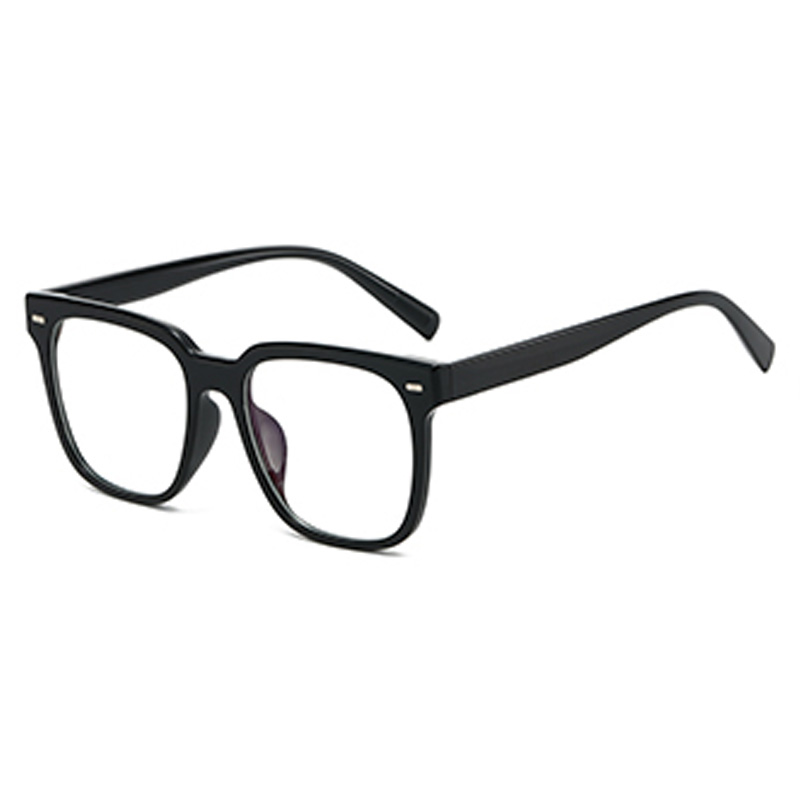
A standard prescription reads across a few columns, and each answers a specific question. OD and OS identify the right and left eyes. SPH (sphere) is the main correction: negative values correct nearsightedness, positive values correct farsightedness. CYL (cylinder) corrects astigmatism, the cornea's uneven curvature, and axis, a number from 0 to 180 degrees, states the orientation of that correction. Near ADD appears on prescriptions for reading or progressive lenses, quantifying the extra magnification aging eyes need up close.
The numbers also carry a size signal worth reading before shopping: the further from zero, the stronger the correction, and the more the frame choice matters. Prescriptions beyond roughly plus or minus four, or cylinder values above two, enter the territory where lens thickness, edge weight and frame geometry stop being style details and start being comfort determinants. That is not a reason for caution, it is a reason for matching, and the rest of this guide is the matching.
Pupillary distance (PD) is the horizontal distance between your pupils, and it is the single measurement that aligns your lenses' optical centers with your eyes. Lenses are ground so their strongest optical path sits at the center; eyes looking through any other part of the lens see through induced prism, which causes edge distortion, eye strain and, at significant mismatches, outright double vision. A frame that is too wide spreads the lens centers beyond your PD; too narrow pinches them inside it.
Your optician measures PD during the exam, and many prescriptions include it; if yours does not, it is worth requesting, because online ordering depends on it. Two PDs exist for progressive and reading precision: distance PD and near PD, slightly smaller because eyes converge. When matching frames, the arithmetic is simple: add the two lens widths and the bridge, and the total frame width should land close to your face width plus your PD's relationship to standard positioning, which opticians compute instantly on the bench. The practical shopper's version: your current glasses' total width is your calibration, and frames within two or three millimeters of it will fit your PD landscape.
Vertical lens height is where prescription and fashion collide most often. Progressive lenses need enough height to stack distance, intermediate and reading zones without crowding, typically at least 18 millimeters of fitting height, which rules out shallow, stretched fashion shapes. Bifocal segments need their own height logic. Even single-vision lenses care: a lens cut dramatically tall or wide pushes the optical center away from the pupil unless the lab decenters the cut, and extreme decentration thickens edges unpredictably.
The honest guidance: wearers of progressive and multifocal prescriptions shop among frames with adequate lens height first and style second, and there are enough well-designed shapes in that set that no one sacrifices looks. Strong single-vision prescriptions favor moderate lens sizes, since every extra millimeter of lens diameter adds edge thickness; the oversized-trend frame that looks light with plano lenses becomes a doorstep with minus six lenses. The style that fits your prescription is the style that looks good on your face, because thick edges and strained eyes are never fashionable.
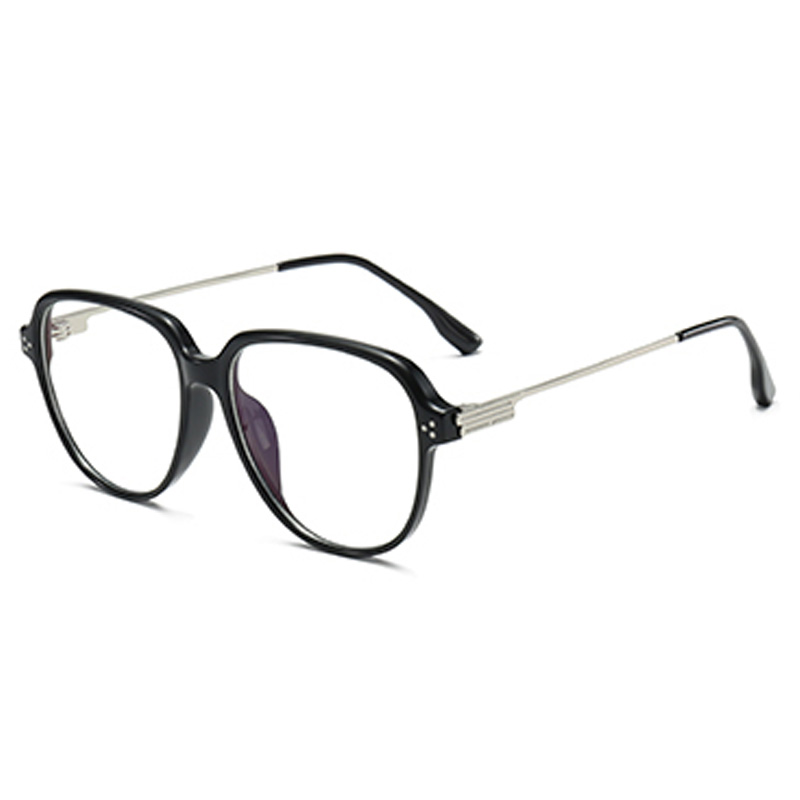
Lens weight scales with prescription strength, and the frame carries it. Strong prescriptions plus a heavy acetate frame is the classic combination that produces end-of-day bridge pain; the standard solution is high-index lenses in a lightweight TR90 frame, which cuts total nose-borne mass dramatically. TR90's flexibility also forgives the slight asymmetries that strong lenses introduce, and its grip materials keep heavier lens packages stable on the nose without clamping.
Rim choice matters too: full-rim frames hide lens edge thickness best, since the rim covers the polished edge entirely, which is why strong minus prescriptions usually look best in thicker full rims. Semi-rimless designs expose the lens edge along one side and demand thicker, more rigid lens edging. Rimless designs drill the lens directly and suit lighter corrections best. The matching rule in one line: the stronger the prescription, the more the frame's job is to manage edges and weight, and the more a full, moderate-sized rim earns its place.
Fashion's love of wrapped and strongly curved frames meets physics at the optical lab. A wrapped lens tilts away from the eye's visual axis, and prescription lenses in deep wrap induce distortion at the periphery unless the lab compensates with specially calculated curved prescriptions, which not all corrections tolerate. Practical limits: mild wrap works for most prescriptions up to moderate strength; extreme sport wrap suits plano lenses or carefully compensated modest corrections. Progressive lenses in deep wrap are the most constrained combination of all.
The matching process for any curved frame: bring the prescription to the frame decision, not after it, and ask the lab two questions, whether your correction is compatible with the frame's base curve, and what the maximum prescription is for that design. Reputable labs answer precisely, and their answers prevent the single most disappointing eyewear purchase, the fashion frame that cannot carry your vision.
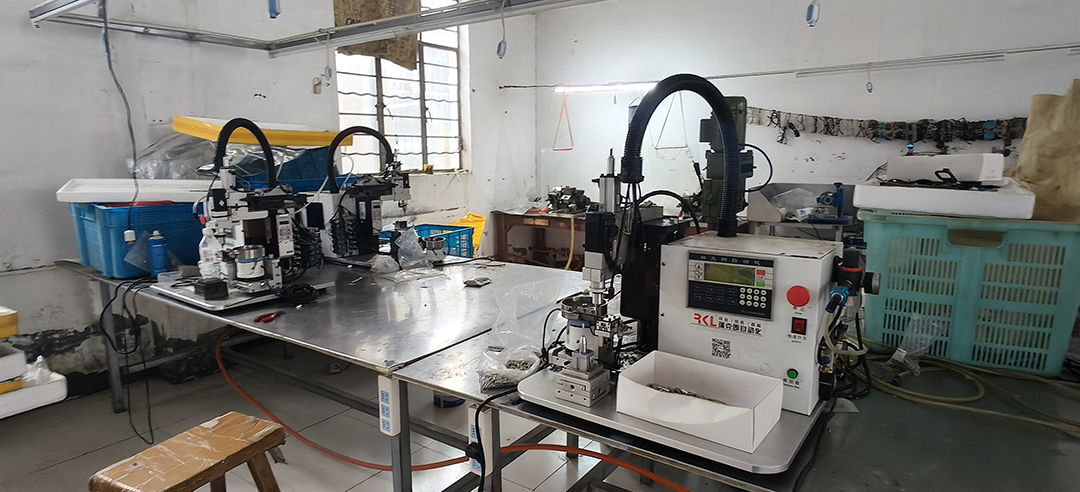
A clean ordering sequence prevents most remakes. First, an up-to-date exam: prescriptions older than a year or two may no longer match eyes that have drifted. Second, the full measurements: PD, and for progressives, fitting height measured on the chosen frame while you wear it. Third, the frame-lens consultation: material, index, coatings, photochromic or filtered options, each chosen against prescription strength and daily routine. Fourth, the bench fit after dispense: temples contoured, bridge seated, verification that pupils center in the lenses at natural posture. Glasses are a made-to-measure product; the fitting at the end is not a courtesy, it is the final manufacturing step.
Red flags during ordering deserve respect: labs that skip the fitting-height question for progressives, frames chosen before prescriptions are discussed, and one-size-fits-all coating recommendations. The hallmarks of a good optical partner are questions about your day, screen hours, driving, outdoor sport, because lens decisions follow usage, and usage questions are the difference between dispensing and selling.

Coatings complete the prescription system, and each maps to a specific problem. Anti-reflective coating removes the ghost reflections that strong prescriptions amplify, and high-index lenses benefit doubly because their denser material reflects more light; it is the near-universal recommendation. Hard scratch coating protects the investment through pocket life. Hydrophobic-oleophobic layers keep lenses cleaner longer, which matters most for smaller eye sizes where smears occupy more of the visual field. Blue-light filtering suits evening screen users, and photochromic darkening suits outdoor-variable days, both compatible with essentially all prescriptions within the frame limits discussed above.
SPH is the main spherical correction for nearsightedness or farsightedness, CYL corrects astigmatism, and axis states the astigmatism's orientation in degrees. The further these numbers sit from zero, the stronger the correction and the more frame choice matters.
Some opticians treat PD as fitting data rather than prescription data. Request it; you are entitled to the measurement, and any lab or online ordering process requires it to center your lenses correctly.
Sometimes, within limits: mild wrap with moderate corrections works with lab compensation, while strong prescriptions in deep wrap produce peripheral distortion. Ask the lab for your correction's maximum compatible base curve before buying the frame.
They tend to be: larger lenses mean thicker edges and more weight for strong corrections. Moderate lens sizes in full rims hide edges best and keep nose-borne weight manageable, especially paired with high-index lenses.
Fitting height is the vertical distance from the lens bottom to your pupil center, measured on the chosen frame while worn. Progressive lenses need sufficient height for their corridor; without it, zones crowd and the glasses never feel right.
Most adults benefit from an exam every one to two years; vision drifts gradually, and glasses made to an outdated prescription cause exactly the low-grade strain that feels like "tired eyes." Children and seniors often need annual checks.
High-index lenses in a lightweight full-rim TR90 frame: high index thins the edge, the full rim hides it, and the light frame keeps total nose-borne mass comfortable across long days.
Often yes, provided the frame is in good condition and the lens shape suits the new correction; strong changes in prescription may alter ideal lens sizes. An optician can assess whether re-lensing is sensible or a false economy.
The same handful of errors accounts for most disappointed glasses owners, and each is avoidable with one question. Choosing the frame before discussing the prescription: strong corrections need material, size and rim decisions made early, and reversing the order produces remakes. Skipping the fitting-height measurement for progressives: the corridor cannot be retrofitted into a shallow frame, and the result is months of chin-up reading. Ignoring PD when ordering online: off-center lenses create permanent low-grade strain that wearers blame on the prescription rather than the geometry.
The quieter mistakes matter too: ordering coatings by price rather than by habit, AR coating skipped to save money is the most common regret among high-index wearers, whose lenses reflect more without it. Buying a second pair for sport without mentioning the sport, since wrap compatibility depends on the correction. And treating the dispense fitting as optional: a five-minute bench adjustment at handover is the final manufacturing step, and skipping it leaves the glasses at prototype status. Every one of these fixes costs a sentence at the right moment and a remake at the wrong one.
Concrete prescriptions make the matching logic teachable. First, minus 5.00 sphere, no cylinder: a strong minus correction with thick edges. The matching frame is a full-rim, moderate-size design in TR90 with high-index lenses, the full rim hiding the edge, the high index thinning it, the light frame offsetting lens weight. The anti-reflective coating is near-mandatory, since high-index material reflects more light. Oversized fashion shapes are the trap here: every extra millimeter of lens diameter thickens the edge visibly.
Second, plus 0.75 with ADD plus 1.50, the early-presbyopia office worker: a mild correction entering multifocal territory. Two good routes exist, office progressive lenses in a frame with adequate height, or separate screen and distance glasses if the budget prefers. The matching frame is anything with honest lens height for the corridor; the matching coating includes the blue-light filter if evenings continue at the screen. The trap is buying reading glasses off the rack without the exam, which corrects the symptom and misses the astigmatism the exam would reveal.
Third, minus 2.00 sphere with cylinder minus 1.75 at axis 170: moderate correction with significant astigmatism. The frame must hold the axis-aligned cylinder stably, which makes frame stability and fit the priority, sliding frames rotate the axis and blur the correction. A TR90 frame with grippy pads is ideal; the prescription tolerates mild wrap with lab compensation. The trap is any frame that sits crooked at dispense, because with meaningful cylinder, crooked equals wrong, and the bench fit is where this prescription is won or lost.
Five questions separate a dispensing partner from a sales floor, and they cost nothing to ask. "Given my prescription, what lens index and material do you recommend, and why?" invites the systems thinking this guide describes. "What is the fitting height you measured, and does this frame support my progressive corridor?" verifies the measurement happened at all. "Which coatings does my prescription and usage actually need?" filters the menu against upselling. "Is my correction compatible with this frame's base curve?" applies before any wrapped or curved purchase. And "what does your remake policy cover if the fit is off?" reveals the shop's confidence in its own fitting. Good answers are specific, numeric and unhurried; the absence of any measurement vocabulary is the signal to find another counter.
Children's prescriptions obey every rule in this guide with two additions: growth and durability. Frames must fit now, not "to grow into," because a frame sized for next year sits off the current pupillary distance, and children look through induced prism all semester, a comfort and learning problem that looks like inattention from the front of the classroom. TR90 dominates the children's category for the same reasons it dominates sport: light weight on a developing bridge, flex under the impacts of playground life, and grippy pads that survive recess. Adjustable bridge systems matter doubly, since a child's bridge is often too flat for adult frame geometry.
The prescription itself may change faster than adults expect, which is why annual or semiannual exams are standard for children, and why frame choices should favor re-lensable designs with standard mounts. Spring hinges and flexible temple designs absorb the rough handling that would snap rigid frames. Polycarbonate or Trivex lens materials are the safety standard for children, since impact resistance is not optional at any prescription strength. And the dispense fit deserves the same rigor as an adult's: pupils centered, temples contoured behind ears that will grow, and a follow-up check within weeks, because a frame that fit in September may sit differently by spring.
Coating decisions stop being confusing once each option maps to a specific daily problem. Anti-reflective coating maps to reflections: it removes the ghost light that high-index lenses and night driving amplify, and it is the one coating almost every prescription benefits from; premium versions add oleophobic top layers that clean easier and smudge less. Hard-coat maps to abrasion: it protects lenses that live in pockets and cases, and it is built into most quality lens packages already. Hydrophobic-oleophobic maps to water and oil: rain, sweat and fingerprints bead and wipe cleanly, which matters most for smaller lens shapes where any smear occupies more of the field.
Blue-light filtering maps to evening screens, photochromic darkening maps to outdoor-variable days, and polarization, in prescription form, maps to driving and water glare, each verified separately as this guide has stressed. The two questions that cut through the counter's menu: what does my prescription strength change about coatings, stronger corrections benefit most from AR, and what does my usage log say, because a coating matched to a habit is value, while a coating matched to a brochure is a tax. Whatever the menu says, the base decision stands: lenses first, coatings second, frames third, in that order of budget priority.
New glasses that feel wrong deserve a systematic response rather than endurance. First, recheck the fit: a frame that sits two millimeters off-center misaligns everything, and a bench adjustment fixes it in minutes. Second, verify the measurements: PD and, for progressives, fitting height printed on your order against what was actually used, since transcription errors exist in every industry. Third, give adaptation its honest window: new corrections, new frames and progressive corridors take days to two weeks of consistent wear, and switching back to old glasses mid-window resets the adaptation.
If discomfort survives the ladder, return with specifics: "peripheral blur on the left," "distance clear but stairs swim," because symptoms localize problems that "they feel weird" cannot. Peripheral swim in progressives suggests corridor height or positioning; edge distortion in strong minus lenses suggests frame width or decentration; persistent strain suggests an outdated prescription or an unmeasured astigmatism component. Dispensing opticians can only fix what they can locate, and the wearer's precise symptom report is the map that makes the fix possible. The good news is that properly diagnosed, almost every "wrong" pair has a mechanical or optical correction short of starting over.
Prescription Sunglasses obey the entire matching logic of this guide with one added layer: tint and polarization interact with prescription strength in ways worth planning. Strong minus corrections gain edge visibility in light tints, so darker full tints and full rims suit them; strong plus corrections thin toward the center and welcome lighter tints in moderate shapes. Polarized prescription lenses deliver the driving and water glare benefits described across this site, subject to the screen test, and photochromic prescription lenses solve the two-pair problem for wearers whose corrections tolerate their frame's base curve. The frame that carries your indoor prescription well carries the outdoor version equally, provided the shape's wrap and curvature passed the lab compatibility check the first time.
One habit supports every future purchase: keep a dated record of each prescription, your measured PD, and the model names and sizes of frames that fit you well. Photograph the prescription paper after each exam, note which coatings you chose and how they performed, and record any symptoms that survived a dispensing, because that history turns every future counter visit into a five-minute consultation instead of a fresh start. Wearers who maintain this one file consistently buy better glasses for the rest of their lives, and the file takes less effort than maintaining a single contact in a phone.
A prescription is a set of instructions, and the frame is the machine that carries them; comfort lives in the matching. Read your numbers for strength, secure your PD and fitting heights, and let those measurements filter the style choices before taste makes the final pick. Strong corrections favor moderate full-rim frames, high-index lenses and light TR90 construction; progressives demand honest lens height; curved fashions require a lab compatibility check first. Match the machine to the instructions and the glasses disappear, which is the entire point of both documents.
This website uses cookies to ensure you get the best experience on our website.



 Phone
Comment
(0)