

Polygonal and geometric optical frames replace the classic circle and rectangle with deliberate irregularity: hexagons, octagons, softly cut pentagons and asymmetric shapes that read as designed rather than chosen from a standard grid. What began as a niche fashion statement has become a durable category, because the angular lens line does something rectilinear frames cannot: it flatters faces with unexpected angles while looking unmistakably contemporary. This guide covers why the shapes work, which polygon styles suit which faces, what materials make them wearable all day, and how to scale the trend to your own features.
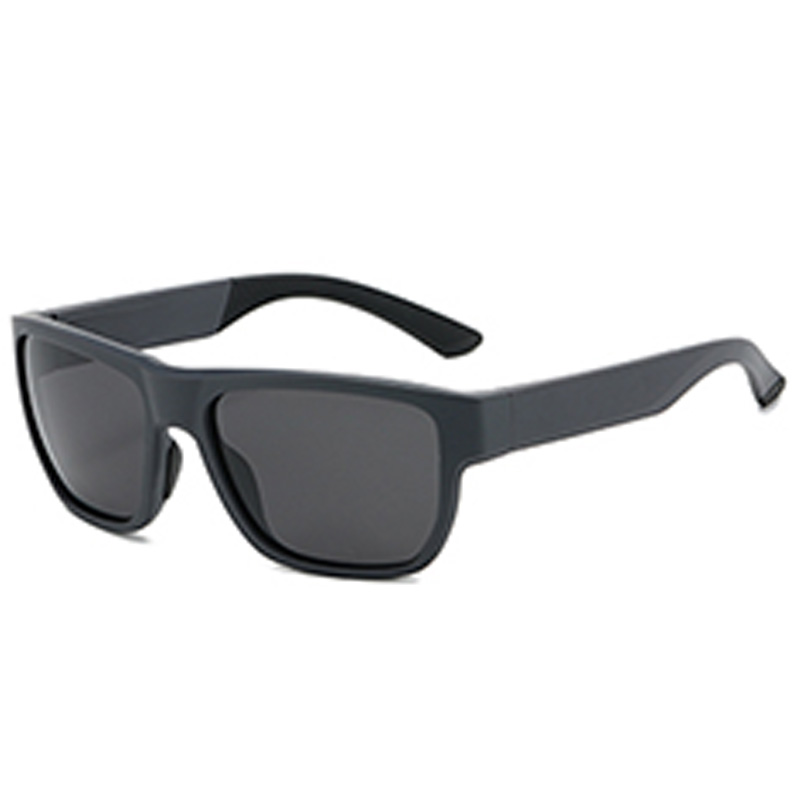
Every eyewear shape is a geometry conversation with the face beneath it. Round frames add curves to angular faces; rectangles add structure to soft ones. Polygonal frames do something subtler: they introduce angles in unexpected places, along the brow, at the outer corner, across the lower rim, so the face reads as composed rather than merely framed. A hexagonal lens, for example, delivers the structure of a rectangle with softer diagonal transitions, flattering faces that find rectangles too severe and circles too gentle.
The angular line also interacts with light differently. Polygonal rims catch and redirect highlights at their many corners, giving the frame a faceted, jewelry-like presence that flat rectangles lack. That visual texture is why geometric frames photograph so distinctly and why they have become the default shape language of contemporary eyewear design: they read as intentional in a market where rectangles read as default and circles read as retro.
The polygon family spans gentle to aggressive geometry, and matching intensity to face is the whole game. Round faces gain the most from defined polygons: hexagons and octagons add the angles a circle lacks, and the effect is slimming and structuring at once. Square faces should choose polygons with softer, cut corners, the pentagon and rounded-hexagon end of the spectrum, since sharp polygons echo the jaw's angles and can over-harden the face; the goal is contrast through curve, not doubling through corner.
Oval faces wear the entire spectrum and can pursue the boldest geometry. Heart-shaped faces balance well with polygons that are wider at the top than the bottom, echoing the face's own taper, while avoiding heavy top-line geometry that exaggerates the forehead. Oblong faces benefit from taller polygon shapes that add visual width and break the face's vertical run. As across all eyewear, the eyebrow line remains the calibration reference: the frame's highest angles should converse with the brow, not collide with it.
| Face shape | Best polygon style | Effect | Avoid |
|---|---|---|---|
| Round | Hexagon, octagon, defined angles | Adds structure and slimming | Rounded, circle-like polygons |
| Square | Soft pentagon, cut-corner shapes | Contrast through curve | Sharp hexagons echoing the jaw |
| Oval | Anything, boldest geometry welcome | Free experimentation | Nothing in particular |
| Heart | Top-light polygons, thin rims | Balances forehead width | Heavy dark top-line geometry |
| Oblong | Tall hexagons, wide pentagons | Adds width, breaks length | Narrow vertical polygons |
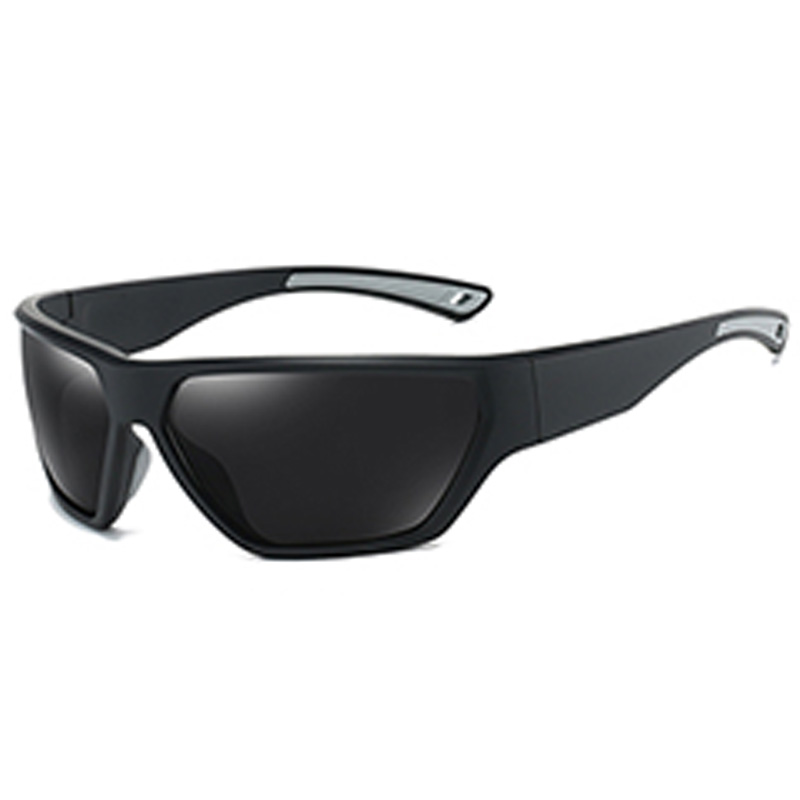
Angular lens shapes stress frames in ways circles never do: every corner is a stress concentrator, and rigid materials crack at exactly those points. TR90's flexibility solves the problem elegantly, corners flex rather than snap, which is why the polygon category grew in parallel with nylon-family materials. TR90's lightness matters too, since geometric designs often use wider, architectural temples whose mass would turn punishing in acetate; in TR90 those sculptural temples weigh almost nothing while carrying the style.
The material also renders the finishes that contemporary geometry uses: translucent frosts that show the polygon's layered angles, matte colors that soften the geometry a degree, and two-tone combinations that trace the facet lines. Acetate remains available for geometry lovers who want depth and gloss, with the familiar weight trade; the modern default, however, is TR90 for the simple reason that angular style and all-day comfort finally coexist in one frame.
Polygonal frames speak through their temples almost as loudly as through their lens shapes. Wide, architectural temples extend the angular language from the lens line down past the ears and have become the category's signature; they read as design-forward from the side, an angle most eyewear ignores. Cutout temples, hollow channels and blade shapes lighten the visual mass while keeping the width. Non-slip temple tips matter functionally here, because wide temples need proper grip to stay put, and TR90's rubberized tips deliver it without clamping.
Temple width interacts with hair and lifestyle in ways worth testing: wide temples clear many hairstyles elegantly but conflict with tight-fitting headphones and some helmet straps, and they demand slightly longer case slots. Users who wear over-ear headphones through workdays should test that combination in store before committing to the architectural look, since the compatibility problem only appears at the desk.
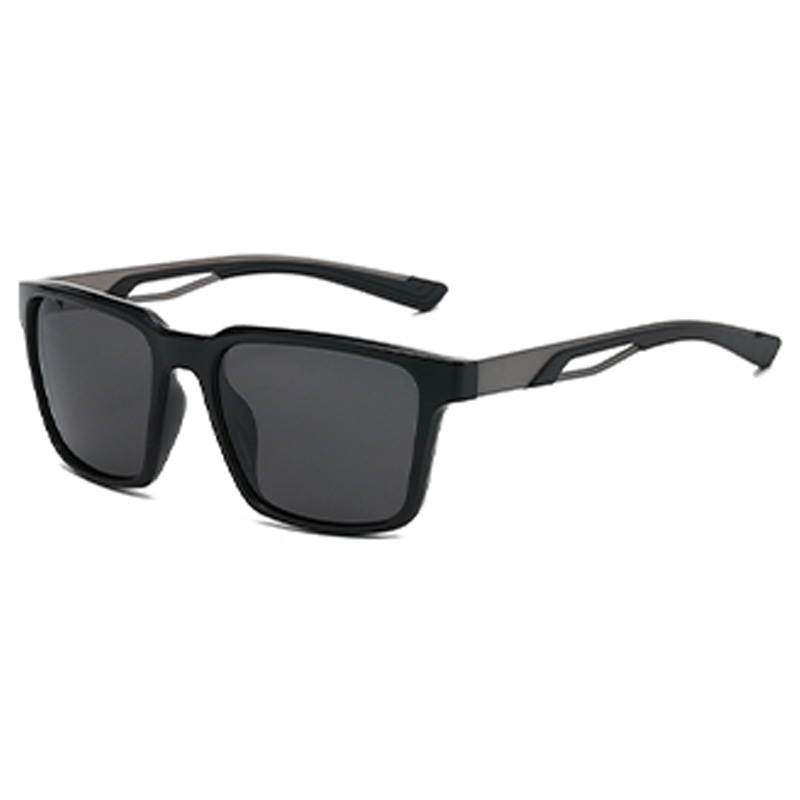
Geometric frames occupy a spectrum, and choosing your position on it is the purchase decision that matters. The whisper end: shapes that are barely polygons, hexagons so rounded they read as soft rectangles, in translucent or skin-tone colors, wearable in the most conservative environments while still catching the eye of anyone who looks. The middle: defined hexagons and pentagons in tortoise, crystal or matte tones, the category's everyday sweet spot and the best first purchase. The statement end: bold octagons, dramatic asymmetric cuts and colored geometries that announce themselves across the room.
The reliable progression for trend-cautious wearers is middle first, then outward in whichever direction your life rewards. Office-heavy weeks pull toward the whisper end; creative and social calendars reward the statement end. One honest warning: the statement end dates faster than the middle, since extreme geometry is the fashion surface; the middle of the spectrum has been quietly current for years and shows no sign of leaving.

Every additional corner is a manufacturing demand, and quality differences concentrate at the angles. Injection-molded TR90 polygons need precise molds and disciplined finishing, since mold lines crossing a facet are visible in a way they never are on a smooth circle. Corner thickness must be engineered so the lens groove holds evenly around every angle; thin corners are where budget geometric frames crack first. Symmetry matters doubly: two seven-sided lenses must mirror each other exactly, and the mirror test, frame held upside down before a mirror, remains the fastest quality check at purchase.
Lens cutting for polygons is also more demanding: every facet must be edged and polished to follow the frame's line, and strong prescriptions add edge-thickness variation across the facets that good labs bevel and manage. Wearers with strong corrections should favor geometric frames with slightly thicker rims, which hide edge variation at the corners, and confirm with the lab that the chosen shape tolerates their prescription comfortably.
Care follows the corners. Case storage is non-negotiable in a category whose defining feature is its stress points, and soft pouches alone earn their keep only inside a rigid shell. Cleaning should trace the facets rather than sweeping across, since dust accumulates in corner grooves, and drying should include the corner seams where water spots show most. Hinge checks stay on the monthly schedule, and any corner that shows a whitening stress line, the polymer's early protest, deserves a bench inspection before it becomes a crack. Treated with the respect its geometry demands, a TR90 polygon frame is as durable as any rectangle, and considerably more interesting.
Yes, with scale matching: every face finds a polygon intensity that flatters it, from barely-geometric soft hexagons to bold octagons. The face-shape table above maps the reliable pairings; the brow line remains the universal calibration.
The extreme statement shapes rotate with fashion, but the middle of the spectrum, defined hexagons and soft pentagons, has stayed current for years and functions as a modern classic. Buy statement pieces knowing they are seasonal; buy middle-spectrum pieces as staples.
Yes, provided lens height accommodates the corridor; taller hexagons work well, shallow stretched polygons less so. Confirm fitting height with your optician on the chosen frame.
Poorly made ones do, at the corners; quality TR90 construction flexes where rigid materials crack, which is exactly why the category grew alongside nylon-family materials. Check corner thickness and the mirror-symmetry test at purchase.
Translucent and crystal tones show the facet angles beautifully, matte colors soften the geometry for conservative settings, and tortoise adds depth to the angular line. Dark solid colors make the corners sharpest and boldest.
Not when properly fitted: wide TR90 temples with non-slip tips spread contact gently rather than pressing. The genuine conflict is with tight headphones and some helmet straps, worth testing before purchase if your days include them.
Hold the frame upside down in front of a mirror: the two lenses' facets should mirror each other exactly. Asymmetric corners are the most common visible defect in budget geometric frames.
Yes, favoring thicker rims that hide edge-thickness variation at the corners, and confirming with the lab that the shape suits your correction. Softer polygons with moderate lens sizes are the easiest matches.
The geometry trend crossed into conservative environments faster than most fashion movements, and the crossings that worked share a pattern: moderated angles, disciplined color, and finish choices that read as design rather than novelty. In client-facing professions, the soft hexagon in tortoise, crystal or matte black delivers the contemporary line while keeping the silhouette boardroom-safe; the frame reads as "interesting glasses" rather than "statement glasses," which is precisely the register professionals want. Face-to-face industries, sales, consulting, teaching, benefit most, since the angular line adds memorability at conversational distance.
Formal evening settings reward geometry for a different reason: angular rims catch light at their facets, giving the frame a jewelry quality that flat rectangles lack under evening lighting. Thin metal-look TR90 polygons with cutout temples pair cleanly with formal wear for exactly this reason. The one register to handle carefully is the job-interview economy: interviewers read frames within seconds, and the whisper end of the polygon spectrum, barely-geometric shapes in neutral tones, communicates "contemporary and considered" without spending any of the conversation's attention on the frame itself.
Geometric frames reward wearers who think about them as a wardrobe item rather than a fixed object, because the angular line interacts with clothing geometry directly. Structured clothing, blazers, sharp collars, angular cuts, harmonizes with the polygon's own language, producing a composed, intentional overall line. Soft clothing, knits, relaxed linens, creates deliberate contrast: the frame supplies the angles the outfit withholds, which is a styling move worth owning deliberately. The clash to avoid is angle-on-angle-on-angle, sharp polygons plus wide sharp collars plus geometric jewelry, which stacks competing graphics within the same visual zone.
Color logic follows the same contrast-or-harmony choice. Crystal and translucent polygons let the face lead and suit days when the outfit carries the design interest; tortoise and solid colors make the frame the anchor and suit neutral outfits. Across a working week, many geometric-frame owners describe an unplanned rotation: the boldest shape for presentation days, the quietest for deep-work days, an oscillation that costs nothing and uses the category's range. The frames that get worn are, as ever, the ones that disappeared into a routine, and geometry earns that status faster than any shape family in recent memory.
Angular frames photograph differently from any other shape family, and understanding those photographic behaviors turns online shopping from gamble into method. The straight-on product photo is where geometry reads most honestly: facet angles, corner thickness and the two lenses' symmetry are all visible if you look for them, and the mirror-symmetry check this guide recommends applies to the product image exactly as it applies to the frame in hand. The three-quarter angle photo is where sellers flatter or hide: facets catch highlights that exaggerate depth, and corner defects can disappear into reflections, so weight the straight-on shot more heavily than the styled one.
The on-model photo carries the most useful information of all, provided you adapt it to your face: note where the frame's top line crosses the model's brows, where the lower rim sits relative to the cheek, and how much face width the frame covers, then compare those proportions against your own features in your own mirror selfie. Scale is the property that photographs transfer worst, because models' faces differ from yours in exactly the dimension geometry plays on. The reliable method: measure a current frame, compare numbers against the product's specification, and let the photographs confirm style rather than determine fit. Buyers who shop this way return geometric frames at a fraction of the rate of buyers who shop by mood board.
Geometric frames maintain their best appearance with a routine shaped to their corners, and it takes two minutes a week. Rinse under lukewarm water to float dust off the facets, since dry wiping drags grit across the corner grooves where it grinds hardest. Wipe with microfiber following the facet lines rather than circling, which pushes debris into the corner seams. Dry with a fresh section of the cloth, because water spots dry brightest exactly at the angles that define the look. Finish with a glance at the stress points: the corners where lens meets rim, and the hinge bases, checking for the whitening lines that mark polymer fatigue early.
Monthly, add the deeper checks: hinge screws snugged gently, nose pads cleaned of skin oil, and the frame's balance tested at the bridge. Quarterly, inspect the corner seams under bright light for any chipping of the edge finish, which precedes structural problems and is repairable cheaply if caught. None of this differs in cost from ordinary eyewear care; it differs only in attention points, because the polygon's beauty and its maintenance live in the same places: the angles. Owners who internalize that keep their geometry looking factory-cut for years, which is exactly as long as the shape stays current.
Geometric eyewear borrows from a long lineage, and recognizing the ancestry helps buyers navigate the catalog. The aviator's teardrop, itself a polygon softened by history, contributes the top-heavy line that many modern geometric frames echo with harder corners. The panto, the roundish shape with a slight top flattening, is the direct ancestor of the soft hexagon, and it explains why that shape flatters so many faces: it inherits the panto's universal fit while adding just enough angle to read as current. The clubmaster's browline contributes the heavy top bar that several polygon designs combine with faceted lower rims, producing frames that read as both retro and contemporary at once.
The genuinely new members of the family are the asymmetric cuts and the true heptagons and octagons, shapes that no historical frame family produced, made manufacturable only by modern molding precision. These are the category's statement pieces, and they behave as such: season-sensitive, personality-forward, best worn by buyers who enjoy that volatility. The inherited shapes, soft hexagons, browline polygons, geometric aviators, behave instead like classics with an update, which is why they are the recommended entry purchase for anyone converting from rectangles. Knowing which end of the family tree a frame comes from tells you how it will age in your wardrobe, which is more than most buyers know to ask.
Geometric frames make distinctive gifts precisely because recipients rarely buy themselves something so current, but the purchase succeeds only with the usual fit discipline applied remotely. The safe procedure borrows from this guide's methods: measure a frame the recipient already wears and loves, compare those four numbers, total width, lens width, bridge, temple, against any candidate's specification, and only then consider style. Color follows the recipient's existing palette: a wearer of dark frames accepts dark geometry, a wearer of translucent tones will actually wear the frosted polygon you admire. The mirror-symmetry check matters doubly for a gift, since corner defects are exactly the detail a recipient feels awkward mentioning.
Present the gift with its return window attached, framed as a fitting invitation rather than a caveat: the honest phrasing is that geometric shapes reward trying, and the giver wants the frame worn, not displayed. Include the practical accessories that make the shape livable, a rigid case, since corners, and a retainer if the recipient is active. Done this way, a polygon frame becomes the rare gift that upgrades someone's daily silhouette while showing that the giver noticed both their face and their habits, which is the entire art of eyewear as a present.
It is worth naming why these frames carry the aura they do. Rectangles and circles are found shapes, present in nature and default in software; polygons are chosen shapes, existing only because a designer placed each corner. Wearers inherit that intentionality the moment they put the frame on, which is why geometric eyewear reads as considered even in its quietest versions. The practical lesson survives the theory: buy the polygon whose corners someone clearly decided, wear it as the small act of design it is, and let the shape do quietly for your face what it was made to do, add angles where you want them and interest where flat frames offer none.
Polygonal and geometric optical frames earn their growth honestly: angular lens lines flatter faces that rectangles and circles both miss, and modern TR90 construction has made the geometry light, flexible and durable enough for genuine daily wear. Match the polygon's intensity to your face, the temple architecture to your actual headphone-and-helmet life, and the color to the setting you inhabit most. Checked for corner quality and symmetry, the geometric frame is the rare trend purchase that behaves like a staple, contemporary today, current for years.
This website uses cookies to ensure you get the best experience on our website.



 Phone
Comment
(0)