

Cat-eye fashion Sunglasses are the summer accessory that changes the whole face: an upswept outer corner that lifts cheekbones, sharpens the gaze and turns even a plain outfit into a look. The shape has cycled through fashion since the 1950s without ever leaving, because it does something no other silhouette manages, adding both elegance and edge in one line. This guide covers how to pick the version that flatters your face, how wing angle and size change the effect, which lens tints and polarization options suit the style, and the fitting checks that keep a dramatic frame wearable through long sunny days.
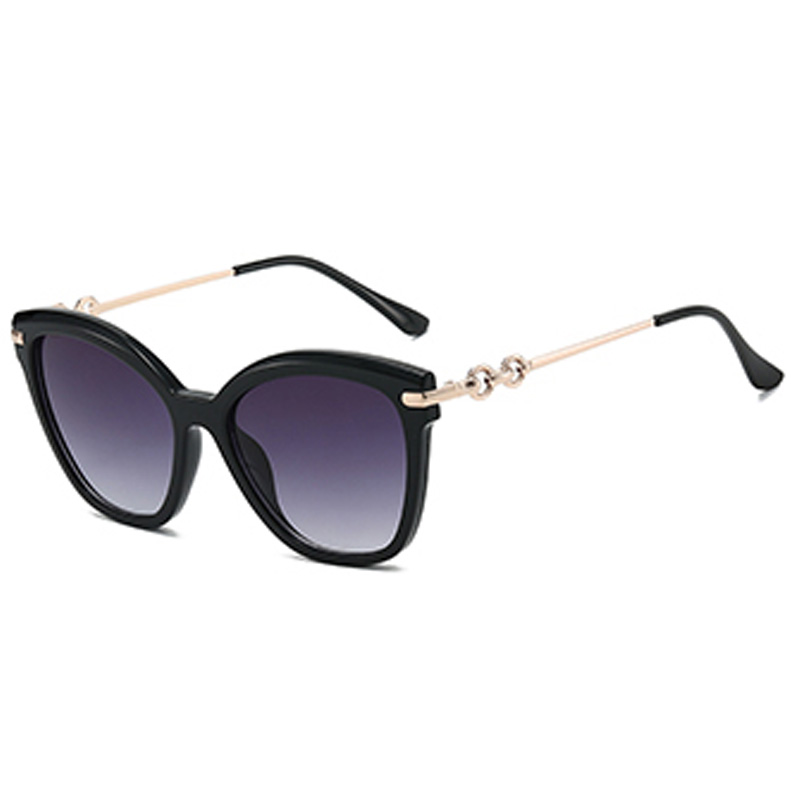
The cat-eye's magic is directional: the upswept corner pulls the eye line upward and outward, and the brain reads that diagonal as lift. Cheekbones appear higher, the jaw appears tighter, and the whole upper face gains an arch that no contouring product replicates. That is the geometry working, and it works on nearly every face when scaled correctly, which explains why the shape reappears in every decade's fashion photography from mid-century screen icons to current street style.
The wing also carries personality, and honest styling acknowledges it. The sharp, dramatic wing signals confidence and retro glamour; the soft, modern lift signals current and wearable. Neither is better, but they photograph differently, suit different settings, and pair with different wardrobes. The purchase decision is really two decisions: which effect you want, and which size delivers it on your specific face without overwhelming it.
Two dials control the shape: wing height and frame scale. Round faces gain the most from defined wings, since the diagonal adds the angles the face lacks; a medium-to-sharp lift in a medium size is the reliable choice. Square faces balance best with softer, curved cat-eyes whose lift adds vertical energy without echoing the jaw's horizontal angles. Oval faces wear everything and can pursue the boldest retro wings. Heart-shaped faces should favor smaller wings in lighter colors, since a heavy dark upswept frame adds width to an already wide upper face. Oblong faces benefit from taller lens shapes that shorten the face visually, avoiding narrow stretched versions.
The universal calibration: the wing's peak should sit near the outer end of the eyebrow, extending the brow's line rather than colliding with or floating past it. That single alignment keeps the shape harmonious across every face type, and it is the fastest check in any try-on, your own mirror or the product photograph's model.
| Face shape | Recommended cat-eye | Effect | Approach with care |
|---|---|---|---|
| Round | Defined wing, medium size | Adds angles and lift | Wings too soft to register |
| Square | Curved lift, rounded lower rim | Contrast through curve | Sharp wings echoing the jaw |
| Oval | Any, including dramatic retro | Free experimentation | Nothing in particular |
| Heart | Small wing, light or translucent color | Balances upper-face width | Heavy dark oversized wings |
| Oblong | Taller lens, moderate wing | Shortens visually | Narrow stretched shapes |
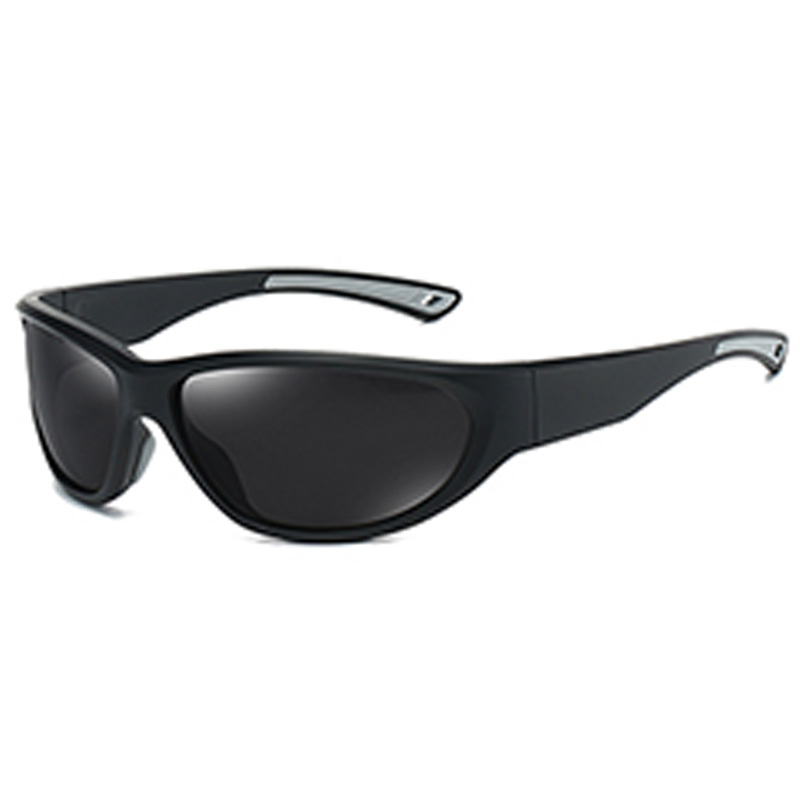
The cat-eye is a fashion frame first, but it still spends its days in sun, so the tint decision deserves the same honesty as any sunglasses purchase. Classic dark gray and black lenses sharpen the shape's drama and suit the retro versions best; they are the tint the silhouette was designed around. Brown and amber gradients soften the look and flatter warm skin tones, and the gradient, darker at the top fading downward, pairs beautifully with upswept frames because it keeps the cheek area light while shading the eyes.
Mirrored lenses turn the glamour up further, blue, silver and rose mirrors on cat-eye shapes dominate festival and resort styling, with the practical trade that scratches show sooner. Polarized lenses are the quiet upgrade: the shape does not change, but glare from water, roads and glass disappears, which transforms the sunglasses from accessory to tool. For a cat-eye worn driving or on holiday near water, polarization is worth insisting on. Confirm UV400 on any tint, since fashion frames are the category where UV claims most often go unverified.
Cat-eye silhouettes come in two constructions, each with a distinct feel. Acetate delivers the deep color, the layered tortoiseshell and the substantial vintage heft that the shape's history carries, at the price of weight and rigidity that some wearers notice by afternoon. TR90 rebuilds the same geometry at roughly half the weight, adding flexible temples that grip without pressing, and it renders the contemporary finishes, translucent frosts, matte tones, two-tone combinations, that current cat-eye styling favors. Decorative metal temple details, the chains, cutouts and inlays that modern designs use, weigh less when mounted on TR90 than on thick acetate.
The comfort check that matters for this shape specifically: smile hard. Upswept lower rims contact cheeks more than any other silhouette, and a frame that touches when you smile will touch constantly at lunch, smearing lenses and creeping down the nose. TR90's lighter front and adjustable pads minimize the contact; a heavy acetate design with a dramatic sweep can make it unavoidable. Try the gesture before buying, in every pair.
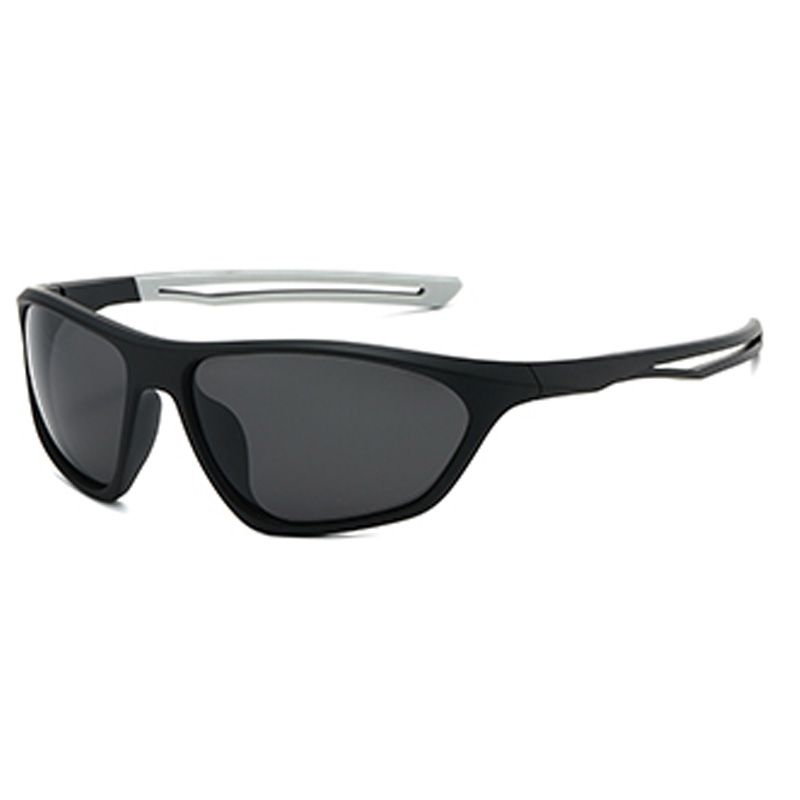
The shape's range is wider than its reputation. For everyday summer wear, a medium cat-eye in tortoise or translucent tones with gray gradient lenses pairs with everything casual and reads considered rather than costume. For resort and holiday styling, the dramatic versions come into their own: oversized black cat-eyes with mirrored lenses, the silhouette's most photogenic expression, designed exactly for the situations where sunglasses are the outfit. For city and office-adjacent wear, compact cat-eyes in matte or crystal finishes deliver the lift while staying professional, and they double as the pair that lives in the handbag for lunch terraces.
Hair and earrings interact with the wing directly: gathered hairstyles extend the lift, heavy side bangs soften it, and stud earrings let the frame lead where long pendants compete for the same visual zone. None of this is obligation; it is the pleasant consequence of choosing a shape that participates in the whole look.
Fashion Sunglasses vary in construction more than any other category, and five checks separate the good from the decorative. First, the symmetry test: hold the frame upside down before a mirror, because the cat-eye's charm dies if the two wings lift unevenly, and asymmetric lift is the most common visible defect in budget versions. Second, the UV400 claim in writing, on the lens stamp, packaging or product page. Third, the hinge cycle: twenty smooth openings with no lateral play. Fourth, the smile test for cheek contact. Fifth, the lens quality sweep: hold the glasses at arm's length and sweep them across a straight edge, watching for wobble that indicates poor optical quality, because a fashion frame still contains the lenses your eyes use all afternoon.
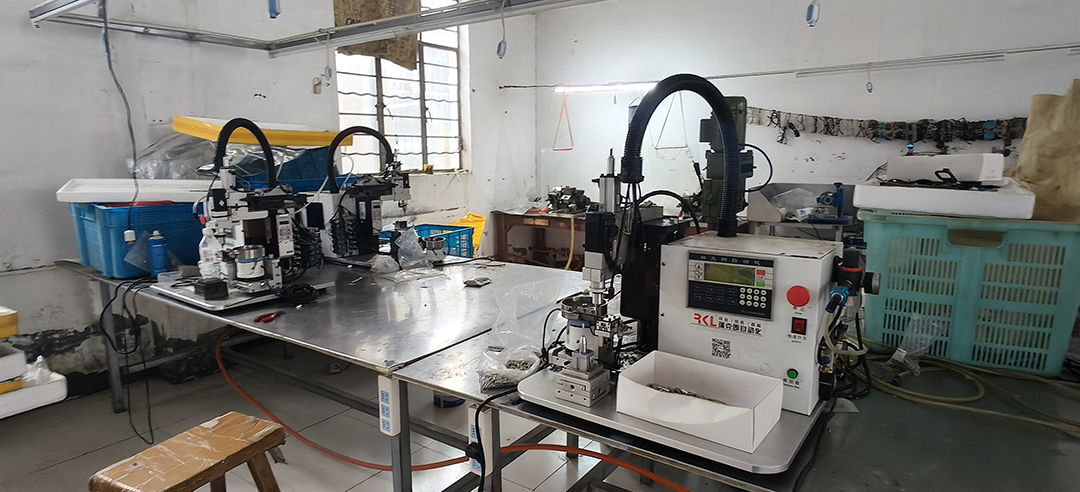
Manufacturing context explains what these checks catch: decorative temples are assembled and riveted at stations where alignment tolerances decide whether the pair sits level; lenses are edged to follow the upswept rim, a harder cut than a rectangle demands; and coating quality on mirrored versions shows its discipline or its absence within a season. The checks take two minutes and predict years of satisfaction or weeks of regret.

The cat-eye's wings are its pride and its exposure: they meet table edges, bag interiors and headrests first. A rigid case is not optional for a shape whose symmetry is its identity, and the microfiber pouch deserves replacement when it hardens with oils, since a dirty pouch grinds the exact surfaces that show every scratch. Clean the wing tops where face oils accumulate, rinse after beach days before any wiping, and check hinge screws periodically, swept temple designs place slightly different loads on hinges than straight ones. Stored this way, the pair keeps its lift, and the lift is the entire purchase.
Yes, in compact scale: small cat-eyes in translucent or light colors deliver the lift without overwhelming narrow features. The dramatic oversized versions are the ones small faces should try carefully.
The shape's history is womenswear, but contemporary unisex designs with moderate lifts have crossed over, and menswear now carries angular upswept silhouettes regularly. The wing's sharpness, not the shape itself, carries the styling signal.
Polarization is a functional upgrade worth having for driving and waterside wear, and it changes nothing about the look. For purely occasional fashion use, a quality UV400 tint suffices; for all-day summer companions, polarization earns its premium.
A gray or brown gradient: darker at the eye line where it flatters the shape's drama, lighter at the cheek where it keeps the face readable. Solid dark lenses maximize the retro statement; gradients maximize wearability.
Choose lighter TR90 constructions, check the smile test before buying, and look for designs whose lower rim sweeps above the cheek line. Adjustable nose pads can raise the frame enough to clear contact entirely.
Exceptionally well: the upswept corner counteracts the natural downward drift of the eye line with age, which is part of why the shape has never left fashion across generations of wearers.
Hold the frame upside down in front of a mirror: the two wings should mirror each other exactly. Asymmetric lift is the most common visible defect in budget cat-eye frames and the easiest to catch at purchase.
Yes, most cat-eye sunglasses accept prescription tinted or polarized lenses, with the lab confirming that your correction suits the shape's curvature. Strong prescriptions favor moderate frame sizes to keep edges manageable.
The silhouette survives every price tier, and knowing what money actually buys prevents both overspending and disappointment. At the accessible end, well-made TR90 cat-eyes deliver the correct geometry, real UV400 and competent hinges; what they compromise is finish depth, coating refinement and brand story. Mid-price products add the details that show in daily use: even mirrored coatings, better edging on the upswept rims, smoother hinges and more consistent wing symmetry. Premium tiers buy material pedigree, acetate craftsmanship, designer provenance and finishing hours, which are real qualities that matter to the wearers who value them.
The constants across all tiers are the physics this guide has stressed: the wing must lift, the lift must be symmetrical, the lens must carry UV400, and the frame must survive the smile test. A budget pair that passes those four outperforms an expensive pair that fails any of them, because the cat-eye's promise is geometric before it is material. The budgeting advice that follows: put your money in the tier whose materials match your wear hours, daily wearers earn the mid-tier coatings, occasional wearers can enjoy the accessible end, and let the symmetry check, not the logo, make the final call.
Cat-eye sunglasses spend summer in the harshest conditions eyewear meets: sand, salt, sunscreen and bags. The care routine that keeps them photogenic all season is short. Rinse in fresh water after beach days before any wiping, since salt crystals dragged across a lens or a mirrored coating do their damage dry. Keep the rigid case in the beach bag and the glasses in the case, because the toweling pocket is where coatings die. Apply sunscreen before putting the glasses on, and wipe the frame if it transfers, since some formulations attack coatings over weeks.
Mid-season, run the quick checks: hinges cycled, screws snugged, lenses inspected under light for the fine scratches that signal a pouch needs replacing. End of season, clean thoroughly, dry, and store in the case rather than on a shelf where dust and surface contact wait. A pair maintained this way enters the next summer looking like the purchase photo, which is the entire difference between accessories that accumulate and accessories that last.
The category has sorted itself into five recognizable archetypes, and identifying yours speeds every future purchase. The retro glamour wing: high, sharp, often black acetate, the cinematic silhouette that demands confidence and suits oval and square faces at evening and event scale. The modern subtle lift: a few degrees of rise in translucent or matte TR90, the daily-wear version that reads as design rather than costume and suits professional settings of every kind. The cat-eye square hybrid: rectangular lenses with a lifted outer corner, the crossover that flatters round faces wanting current styling without full retro commitment.
The metal-trim cat-eye: slim rims with decorative metal temples and chain details, the jewelry-adjacent version that photographs beautifully and rewards careful handling. And the sport-casual cat-eye: TR90 constructions with wider temples and polarized lens options, the version that keeps the lift through actual activity, cycling paths, beaches, boat decks, where pure fashion frames struggle. Most wearers discover they live in one archetype and occasionally visit another, which is a healthier relationship with a trend than owning five versions of the same statement. Identify the archetype your life calls for, and the whole category's catalog suddenly reads like a menu with one obvious order.
The cat-eye rewards deliberate color pairing more than neutral silhouettes do, because the shape's drama amplifies whatever palette it carries. Black frames with dark gray lenses remain the maximal-statement combination, and they flatter deepest on medium and warm skin tones in strong sunlight. Tortoise frames with brown gradient lenses are the warm, versatile classic, reading richer in person than any photograph captures, and they suit nearly every face and wardrobe. Crystal and translucent frames with smoke or rose lenses deliver the contemporary lightness that current styling favors, and they flatter smaller faces by keeping the visual mass low.
Mirrored lenses change the calculation by adding a color element on the lens itself: blue and silver mirrors on black frames for the coolest look, rose and gold mirrors on tortoise or metal frames for warmth. The pairing rule that rarely fails: one statement at a time. A dramatic wing in a loud color with mirrored lenses stacks three statements into one accessory, and the eye does not know where to land; the combinations that get worn daily pick one, wing, color, or mirror, and let the other two support quietly.
Condense this guide to the decision order the mirror actually needs. First, wing height: subtle for daily and professional, dramatic for statement and occasion; your week decides. Second, scale: frame width matching your temples, wing peak near the brow's outer end; your measurements decide. Third, tint and polarization: gray or brown gradient for versatility, mirrored for resort drama, polarized if the pair will drive or ride water; your light decides. Fourth, material: TR90 for all-day weight comfort, acetate for the vintage heft; your hours decide. Fifth, the four checks, symmetry, UV400, hinges, smile, and the decision is made with no regression to scrolling. Buyers who follow the tree in this order report shorter purchases and longer satisfaction, because each step eliminates a category before taste has to arbitrate.
Fashion-first buyers often forget the vision layer until it inconveniences them, so plan it deliberately. Wearers with good distance vision use the cat-eye as pure sunwear, and the only optical decision is tint and UV. Wearers with corrections have three routes: prescription sun lenses cut to the cat-eye shape, which delivers the cleanest result and suits strong corrections; contact lenses under the fashion pair, which preserves frame freedom entirely; or magnetic clip systems, rare in this silhouette because the upswept front complicates magnet placement, though a few TR90 designs now offer it. Whichever route, verify that the lab can edge your correction to the upswept rim without excessive edge thickness, because the cat-eye's widest corner is where strong minus lenses show their mass.
Every summer's editorial coverage crowds around the dramatic versions, because photographs reward drama, and it is worth reading that coverage with a filter. The silhouettes that persist across revivals, subtle lifts, medium tortoise cat-eyes, black wings in moderate scale, are the ones that fashion photography treats as background rather than subject. Buyers planning a multi-year relationship with the shape should weight those persistent versions; buyers dressing a single season or a specific event can enjoy the extreme interpretations fully, knowing their lifespan is the season by design. Neither approach is wrong, and the shape's long history supports both: the cat-eye has been the trend and the staple simultaneously for seventy years, which is why the category always has stock in every register.
Summer accessories earn longevity in the hour they are put away, and the cat-eye deserves the full ritual. Clean the lenses and wings properly, rinse, dry with microfiber, inspect the mirrored or gradient coatings under light for the season's accumulated wear. Snug the hinge screws, replace a hardening pouch, and store the pair in its rigid case in a drawer rather than on a sunny shelf, because UV through a window works on frame colors slowly even in storage. Write nothing down; simply remember which pair served which role, because next summer's first decision is whether the same pair repeats or a second archetype joins it. Owners who close the season this way open the next one with a pair that still photographs like the purchase day, and that, more than any trend forecast, is what makes the cat-eye a permanent resident rather than a guest.
The cat-eye fashion sunglasses earn their permanent fashion residency honestly: the upswept wing lifts and sharpens in a way no other silhouette manages, and the shape scales from professional subtlety to full retro glamour through two dials, wing height and frame size. Match the wing to your face, the tint to your light, polarization to your actual driving and waterside hours, and run the symmetry, smile and UV checks before committing. Do that, and the most charismatic shape in eyewear spends its summer on your face rather than in its case.
This website uses cookies to ensure you get the best experience on our website.



 Phone
Comment
(0)