

Magnetic clip-on optical glasses solve an old problem with a neat mechanism: one prescription frame that becomes a Sunglasses frame, a driving frame or an evening screen frame by attaching a second lens magnetically. Instead of carrying two complete pairs and swapping them at every doorway, the wearer flips a lightweight sun lens onto the frame front in one second. This guide explains how the magnetic system works, what attachment strength and alignment mean in practice, which clip-on lens types are worth having, and how to judge quality before committing your prescription to a frame.
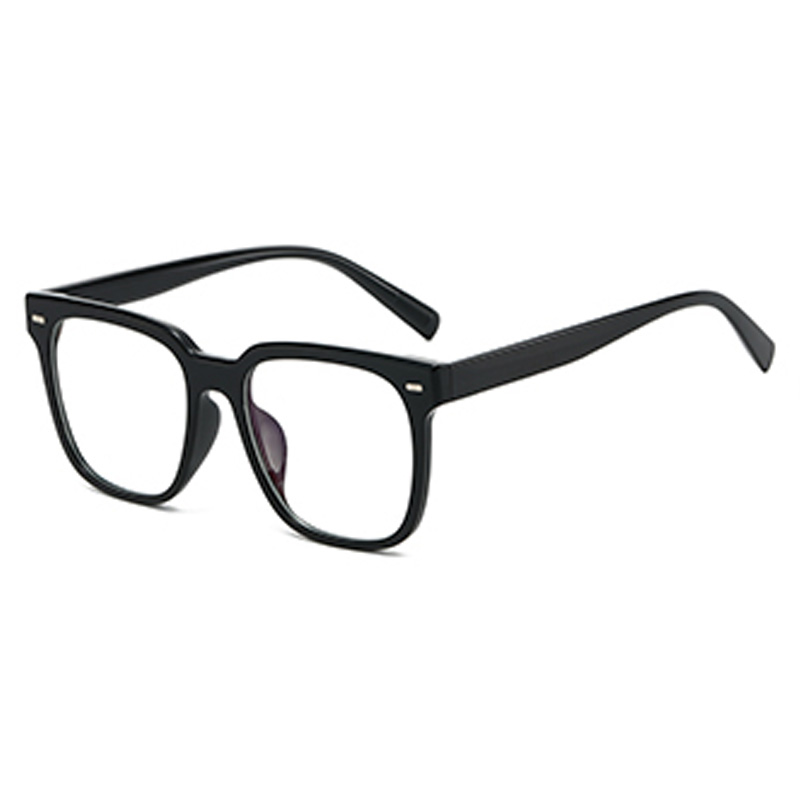
The system uses small neodymium magnets, exceptionally strong for their size, embedded in the frame front and the matching clip-on lens frame. Magnets are typically placed at two or three points along the brow bar and bridge, positions chosen so the clip self-aligns when it approaches: the magnets pull the lens into its correct position with an audible, satisfying snap. Because the magnets sit inside the material, the mechanism adds no visible hardware and the glasses read as a normal frame when the clip is off.
Attachment strength is the engineering balancing act. Too weak, and the clip falls off when you look down or bump the frame; too strong, and one-handed removal becomes a two-handed struggle that stresses the frame. Well-designed systems target a force that survives daily movement and light impact while allowing clean removal with a fingertip push at one corner. When testing a pair, the clip should stay put through a firm head shake and a forward bend, then release with controlled pressure rather than a fight.
The practical case shows up in daily logistics. Prescription wearers who switch between indoor and outdoor environments constantly, commuters, drivers, field workers, parents on school runs, otherwise maintain two prescription pairs and perform the swap dance a dozen times a day: take off the glasses, fish the sunglasses from the case, reverse at the door. The magnetic system collapses that ritual into one hand, one second and one object to keep track of. There is also a cost argument: a clip-on lens costs a fraction of a complete second prescription pair, and a single frame means one case, one pouch and one fit that never changes.
The system has honest limits. Clip-on coverage is rarely as complete as dedicated Wraparound Sunglasses, since the sun lens must match the dress frame's shape. The mechanism adds slight weight at the front. And style options narrow, because the frame must be designed around its magnetic hardware. For users whose sun protection needs are occasional and urban, those limits barely register; for athletes and water users, dedicated Sports sunglasses remain the better tool.
| Situation | Magnetic clip-on | Two separate pairs |
|---|---|---|
| Urban commuting, driving | Excellent, one-second swaps | Convenient but doubles the carry |
| Office to errands all day | Excellent | Swap fatigue accumulates |
| Sport, water, high impact | Limited coverage | Better, dedicated sport frames win |
| Budget for one prescription set | Excellent value | Two prescriptions cost more |
| Frequent lens style changes | Excellent, add clips as needed | Each style is a full pair |
The clip-on platform is modular, and its value compounds with the lens styles available for one frame. The standard clip is a tinted sun lens, typically gray or brown, turning the prescription frame into ordinary sunglasses. The upgrade worth insisting on is polarization: a polarized clip-on delivers the glare removal that makes driving and waterside time comfortable, with the familiar caveat about testing LCD screens.
Beyond sun lenses, some systems offer blue-light filtered clips for evening screen work, which is a neat trick: clear filtered lenses indoors by day, warm filtered clip after sunset, sun clip for the commute home, one frame all day. Photochromic-style users sometimes skip clips entirely, but the clip approach has an advantage the photochromic lens cannot match: instant full darkness on demand, with no transition lag. Night-driving yellow clips exist as well, though their optical benefit is modest; the sun and filtered clips carry the real value.
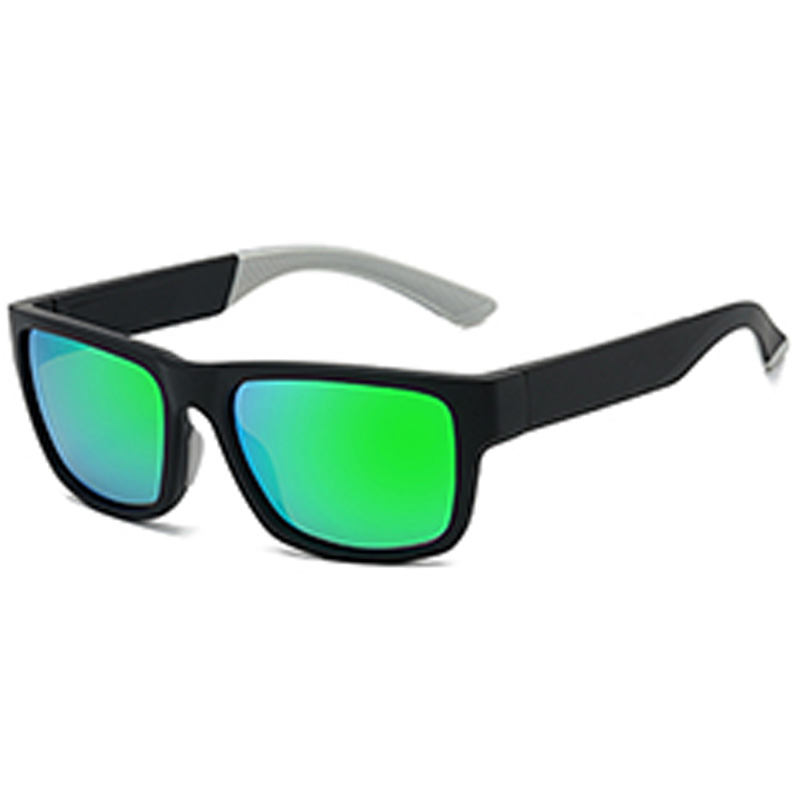
A clip-on lives or dies on alignment. The sun lens must sit parallel to and just in front of the prescription lens, with even spacing across the width, because uneven gaps create reflections and visible double edges at the rim. The magnets must seat consistently every time, without rocking or one-corner-first asymmetry. And the combined frame must balance: clip-ons add front weight, and a frame that was nose-light alone can become bridge-heavy with the clip attached, which shows up as slide-down on a warm afternoon.
Fit tests take one minute. Attach and remove the clip five times, watching for consistent seating. Shake the head firmly with the clip attached. Look down sharply as if picking something up. Check that your peripheral view through the combined lenses shows no distracting rim-on-rim reflection. Then test one-handed removal, since that gesture is the system's core promise. A pair that passes all five is mechanically sound; any failure predicts daily irritation.
Magnetic systems are fully prescription-compatible: your corrective lenses sit in the frame exactly as they would in any optical frame, and the clip adds no optical power, only filtering. Two details deserve attention. First, rim thickness: the frame front must be engineered to house magnets without compromising the lens groove, so very thin rimless designs rarely support the system well. Second, lens height: clips attach along the brow and bridge, so frames with unusually tall or unusually short lens shapes may position the magnets awkwardly for the matching clip.
Strong prescriptions add one more check: the gap between prescription lens and clip lens creates a slight reflection chamber at the edges. High-index wearers with strong edge thickness should inspect the periphery for distracting internal reflections, especially with polarized clips. Most users notice nothing, but the thirty-second peripheral check with the clip attached is worth performing before accepting the frame.

Production quality decides whether the snap stays satisfying for years. The frame is injection molded in TR90 or similar nylon material with cavities for the magnets; the magnets are then inserted and secured, either during molding or in a press-fit operation at assembly. Clip lenses are cut and coated separately, hard coat and polarization where applicable, then fitted to a lightweight clip frame whose magnet positions match the front precisely, typically within fractions of a millimeter.
Assembly stations verify attachment and removal force, and disciplined factories cycle-test the mechanism, hundreds of attach-and-remove repetitions, plus pull tests that confirm the magnets never migrate inside the housing. The user-visible results of that discipline: a snap that feels identical after two years, a clip that never loosens, and frame fronts without the magnet "bulges" or rattles that betray cheaper construction. When comparing brands, asking whether the mechanism is cycle-tested is a fair and revealing question.

Care is ordinary eyewear care plus two mechanism-specific habits. First, keep the magnet seats clean: pocket lint and grit compressed into the magnet recesses weaken contact and scratch the clip's inner face, so a monthly brush-out with a dry cloth maintains the snap. Second, store the clip and frame together in one case, clip face-down or in its slot, because the two pieces rattling loose in a bag is how magnets collect hard contacts and clips scratch.
The prescription lenses inside deserve the standard coating care, rinse before wiping and microfiber only. Check the magnet seats and clip alignment every few months by feel: any rocking or one-sided seating that a cleaning does not cure deserves a workshop visit before the mechanism wears unevenly. Treated this way, the magnetic system easily outlives several clip lens generations, and new clips for updated lens styles keep the same frame current.
Quality systems survive head shakes, bends and daily bumps without issue; the magnets are strong for their size. Test before buying: firm head movement and a sharp forward lean with the clip attached. If it shifts in the shop, it will fail on the street.
No, the magnets sit in the frame material and the clip adds no optical power. Strong prescriptions should check the periphery for internal reflections between the two lenses, especially with polarized clips.
The filtering is identical; the coverage differs. Clip-ons match the dress frame's shape, so side glare enters more easily than through wraparound sport frames. For driving and urban use the difference is minor; for water and snow it matters.
Usually yes, and that is the platform's strength: a gray polarized clip for sun, a blue-light filtered clip for evenings, all fitting the same prescription frame. Confirm the manufacturer offers the clip styles separately before buying.
Neodymium magnets hold their field for decades under normal use. What degrades is cleanliness: grit in the magnet seats weakens contact. Monthly cleaning keeps the snap consistent for the frame's life.
Slightly, in the front bar where magnets sit, but TR90 construction keeps the total well within all-day comfort. The balance test, holding the frame at the bridge, shows whether the added front weight tips the design.
The clip's inner face is finished to avoid contact, and correct seating holds it a few millimeters in front of the lens. Scratching happens when grit sits between them, which the monthly cleaning habit prevents.
Manufacturers typically sell clips separately; confirm availability for the specific model before purchase. The frame remains a normal pair of glasses without the clip, so a lost clip is an inconvenience, not a lost prescription.
Travel is where the magnetic system's logic becomes irresistible, and planning the kit shows why. A single prescription frame with two clips, gray polarized for sun and blue-light filtered for evenings, covers indoor vision, outdoor glare and night-time screen work across any trip. The packing footprint is one case: frame in its slot, clips in their sleeves, one pouch, one cleaning cloth. Compare that with the traditional alternative, a prescription pair plus a prescription sunglasses pair plus, for many travelers, a third screen pair, and the system saves both luggage space and the recurring anxiety of tracking three cases through airports.
The system also survives travel conditions well, provided one habit holds: the clip travels attached or slotted, never loose in a bag, because a loose clip is the only component with the freedom to scratch. Sunlight emergencies, the bright connection walk, the glare on the tarmac, are handled with the one-hand flip that requires no case fishing. And when the destination's light turns out harsher than expected, the polarized clip's full-darkness-on-demand beats a photochromic lens caught mid-transition.
Driving is a core use case that deserves its own checklist. The polarized clip transforms windshield glare and dashboard reflections, subject to the familiar screen test: verify your instrument cluster and any heads-up display remain readable through the specific clip in your specific car. The clip's advantage over dedicated prescription sunglasses shows in the parking lot and the tunnel: enter a bright morning with the clip, enter a tunnel and flip it off in one second, rather than swapping complete glasses while steering.
Coverage is the honest limitation. A dress frame's clip blocks the forward field well but admits more side light than a wraparound sun frame, which matters on long east-west drives when the sun sweeps across the side windows. Drivers who log serious highway mileage often keep both systems: the magnetic pair for daily and urban use, a dedicated wraparound prescription sun pair for road trips. The magnetic system's role is convenience at urban speed, and within that role it excels.
Universal friction-fit clip-ons exist, but they clamp onto the lenses and scratch them over time; the engineered magnetic systems require a frame designed for the magnets. If clip-on convenience appeals, choose the frame for the system rather than adapting a frame to it.
Yes, the clip adds no optical power and sits in front of whatever lenses the frame carries. Progressive wearers should confirm the clip does not obstruct the corridor's upper reading zone at the brow, which quality designs avoid.
Quality mechanisms are cycle-tested to hundreds of repetitions without meaningful loss of force; daily use for years is within their design envelope. The snap that weakens is almost always a cleaning issue, not a wear issue.
Many manufacturers offer clip tints and finishes to match or contrast the frame, from classic gray and brown to mirrored options. Confirm availability for the specific model, since clip inventories are narrower than frame lines.
The magnets are small and shielded inside the frame; they pose no practical risk to credit cards or phones at normal distances. Chronic direct contact with a magnetic stripe, years of parking the clip on a wallet, is the only scenario worth avoiding.
Because the frame outlives every clip, choosing it deserves more deliberation than a normal glasses purchase. Priorities in order: magnet placement that suits your face, brow-bar and bridge magnets sit invisibly on square and rectangular frames, which is why those shapes dominate the category; TR90 or similar nylon construction for all-day weight comfort; a bridge fit that tolerates the clip's added front weight without sliding; and a style you will happily wear for years, since the platform's economics only work if the frame stays current in your own eyes.
Check the manufacturer's clip ecosystem before buying: which clip styles exist, whether they are sold separately, and whether new lens types keep arriving. A frame with a healthy clip line, sun, polarized, filtered, is a growing system; a frame with one orphaned clip is a gadget. Finally, confirm the warranty covers the mechanism specifically, since the magnetic hardware is the only component with moving complexity, and reputable makers stand behind the snap.
A five-minute quarterly routine keeps the magnetic system factory-fresh: brush the magnet seats dry, wipe the clip's inner face, cycle the attachment ten times to confirm consistent seating, and check the clip's alignment against a straight line such as a tiled wall edge. Annually, add a screw check on both frame and clip hinges, and inspect the magnet recesses under light for any migration or housing crack. Users who wear the system daily may halve the intervals; the routine itself is shorter than the average phone cleaning session, and it is the entire maintenance budget of a mechanism that replaces an entire second pair of prescription glasses.
Users switching from two separate pairs develop the one-hand flip within a day, but two techniques speed the transition. Removal works best with a fingertip push at one clip corner rather than a pull at the center, which stresses the clip frame. Attachment works by proximity rather than precision: bring the clip near the brow bar and let the magnets complete the alignment, instead of aiming for exact placement. Children and older family members who borrow the system adapt fastest with the proximity method, and the audible snap doubles as confirmation that the clip seated correctly, a small piece of feedback that two-pair wearers never realize they were missing.
There is also a quieter argument for the platform: material. Two complete prescription pairs means two frames, two lens sets, two cases and two packaging cycles, most of which sit idle while the other is worn. One durable frame with interchangeable filtered clips concentrates the same optical service into roughly half the material, and because clips are replaced far less often than fashion changes suggest, the system's real-world consumption tends to fall over years rather than accumulate. For buyers who weigh purchases environmentally as well as financially, the single-frame platform is one of eyewear's few genuinely lower-impact configurations.
Magnetic clip-on optical glasses turn one good prescription frame into a small optical system: sun, glare, evening filtering and clear vision in a single object that swaps modes in a second. The mechanism is simple physics, magnets, alignment and force, and quality shows in exactly those terms: a snap that stays identical, a clip that never wanders, and balanced weight that disappears on the face. For commuters, drivers and single-pair travelers, the system retires the two-glasses juggling act; for sport and water, dedicated eyewear still wins. Choose accordingly, test the snap, and the platform delivers years of convenient service.
This website uses cookies to ensure you get the best experience on our website.



 Phone
Comment
(0)