

Anti-blue-light optical glasses carry a filter that trims part of the high-energy visible spectrum emitted by screens, LED lighting and the sun itself. They have become one of the most-discussed optical products of the decade, surrounded by equal parts genuine benefit and marketing inflation. This guide separates the two: what blue light actually is, what the filter demonstrably does for comfort and sleep, what it cannot do, and how to choose a pair, from lens technology to frame material, that delivers real value instead of a tinted placebo.
Visible light spans roughly 380 to 700 nanometers, and blue light occupies the short-wavelength, high-energy end of that range, roughly 400 to 500 nanometers. It is not an artificial invention of the screen era: the sun is by far the largest blue-light source in daily life, and a afternoon outdoors delivers far more blue light than any monitor. What screens changed is the timing, not the quantity, because we now flood our eyes with short-wavelength light late into the evening, hours when human biology evolved expecting darkness.
Within the blue band, the distinctions matter. Wavelengths around 415 to 455 nanometers are the segment most often discussed for potential retinal stress at very high intensities, while longer blue and blue-green wavelengths play a central role in regulating the circadian rhythm through the eye's non-visual photoreceptors. Quality anti-blue-light lenses are engineered around these differences: trimming the portion associated with discomfort and sleep disruption while preserving the color balance your vision depends on.
Digital eye strain, the tired, dry, occasionally headachy feeling after long screen sessions, has several causes working together: reduced blink rate, sustained near focus, screen glare, dry environments and, contributing a smaller share, high-energy visible light. The honest summary of current understanding is that blue light is a real but secondary contributor to strain for most people, and a filter that trims it can reduce perceptible harshness and glare discomfort, especially on bright displays in dim rooms.
Where users report the clearest subjective benefit is visual comfort during evening screen sessions: the screen's white balance reads softer, the halation around bright text decreases, and the sharp "electric" quality of a dim-room display calms down. Those are comfort effects, worth having, but they should be understood as part of a comfort package rather than a cure, because the bigger levers remain blink discipline, screen distance, brightness matching to the room and regular focus breaks.
The sleep argument is the strongest scientifically supported case for evening blue-light management. Light in the blue band suppresses melatonin production more powerfully than warmer wavelengths, signaling "daytime" to the brain and delaying the sleep onset that evening hours should invite. Filters that reduce blue transmission in the evening genuinely shift that signal toward warmer light, and many users report falling asleep more easily after evening sessions through a filtered lens.
Two honest caveats keep the claim accurate. First, the effect depends on dose and timing: a filter worn during a bright morning helps nothing with sleep and mildly works against daytime alertness, which is why some users choose clear lenses by day and filtered lenses after sunset. Second, a filter does not cancel the alerting effect of content itself; an exciting screen keeps the brain awake through meaning as well as light. The lens moves the biology in the right direction, and evening habits decide the rest.
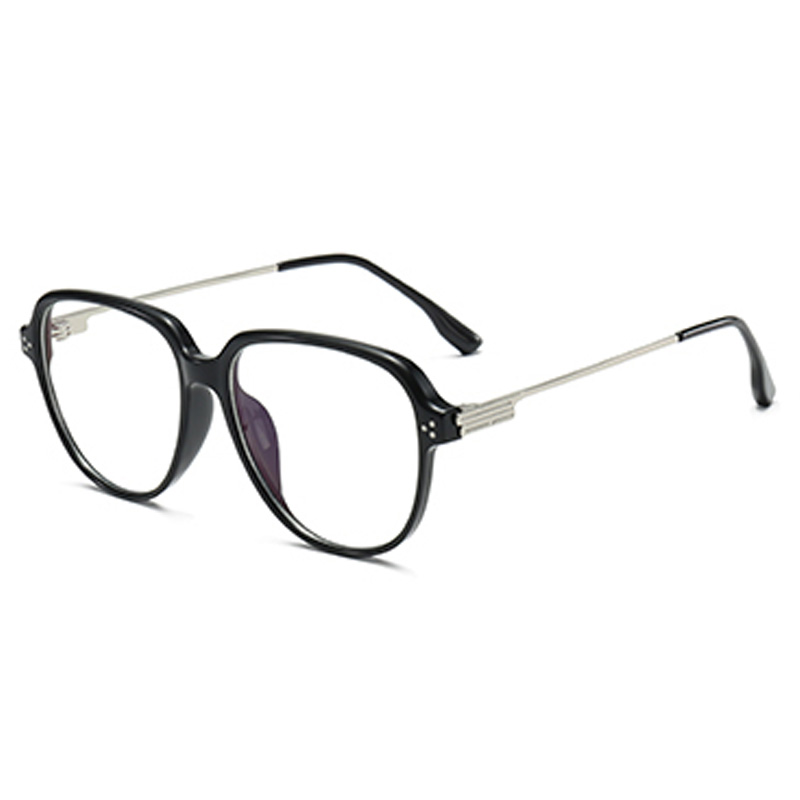
Three engineering approaches dominate the market, each with a distinct look and feel. The first is the coating approach: a clear lens with a surface treatment that reflects a portion of blue light. These lenses look completely clear indoors and show the characteristic blue-violet residual reflection at an angle. They preserve color accuracy well, which matters for designers, photographers and anyone whose work judges color.
The second is the substrate approach: the filtering material is mixed into the lens material itself rather than sitting in a coating, so it cannot wear off with cleaning. These lenses also read as clear, with slight warmth. The third is the tinted approach: lenses with visible yellow or amber coloring that block a larger share of blue. They deliver the strongest evening effect but shift color perception noticeably, making them better as dedicated evening or gaming pairs than as all-day optical glasses.
| Type | Appearance | Color accuracy | Best use |
|---|---|---|---|
| Coated clear | Clear, blue reflection at angle | High | All-day office and screen work |
| Substrate filtered | Clear with slight warmth | High | All-day wear, durable filtering |
| Yellow tinted | Visibly yellow | Moderate | Evening sessions, gaming, night shift |
| Amber tinted | Strong amber | Low | Dedicated evening use only |
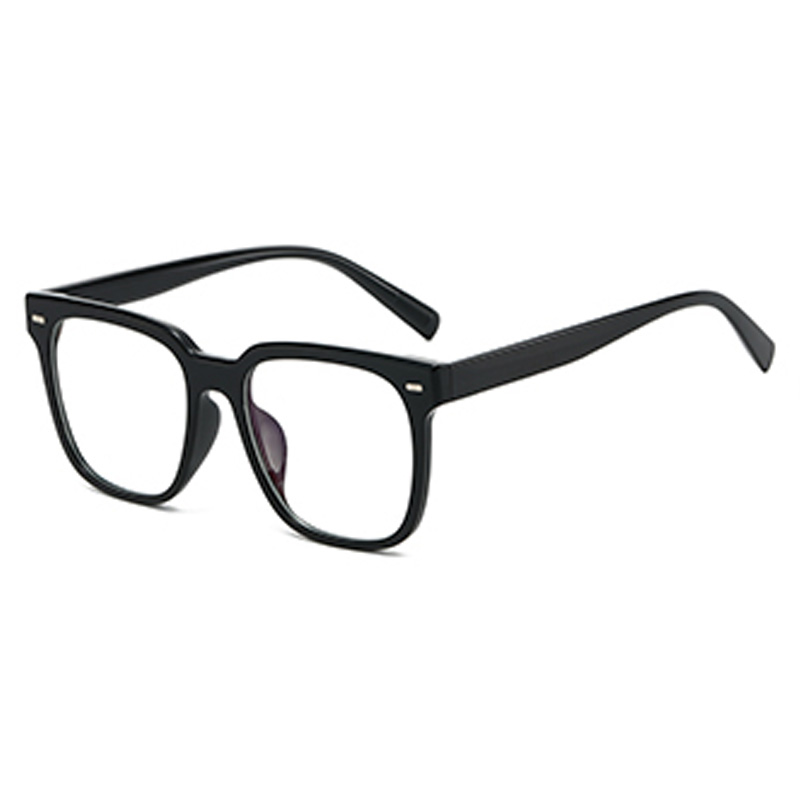
Screen glasses are worn for the longest continuous hours of any eyewear, often ten or more, so frame comfort stops being a style question and becomes an ergonomic one. TR90 has become the material of choice for exactly this use: it weighs roughly half of acetate, flexes instead of pressing, resists the skin oils and sweat that degrade standard plastics, and keeps its fit through years of daily wear. Square and rectangular lens shapes dominate the category because their wide lens area suits screen work and hosts the filtering lens without heavy edges.
Fit details that decide ten-hour comfort: a bridge that carries weight without pressure marks, temples with a gentle inward hug rather than a clamp, and lens height positioned so your natural gaze at the screen passes through the optical center. Non-slip temple tips help users who tip their head back to a second monitor. None of these details photograph well, and all of them decide whether the glasses get worn.
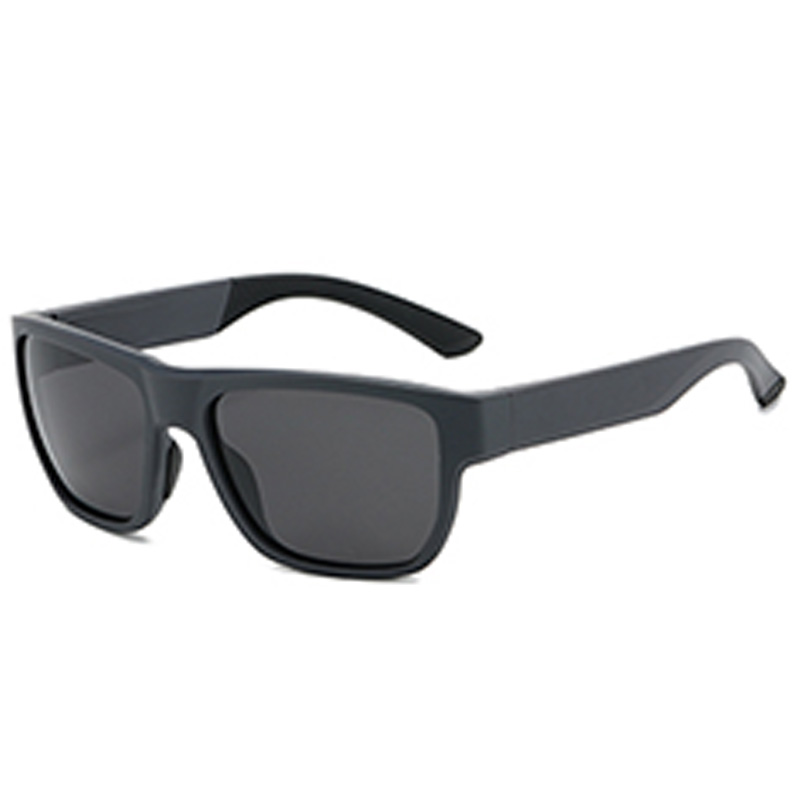
Anti-blue-light filtering is available in three prescription configurations. Fully filtered prescription lenses combine your correction with the filter, the cleanest solution for anyone who already wears glasses. Non-prescription filtered lenses suit users with good distance vision who simply want screen comfort. And the magnetic clip-on approach, where a filtered polarized or tinted lens attaches to a prescription frame, lets one frame serve indoor filtering and outdoor sun, which is why magnetic frames have become popular with commuters.
For workplace programs, the same logic scales: staff who spend structured hours on displays benefit most from clear filtered prescription lenses plus proper ergonomics, while night-shift teams benefit from warmer filtered lenses in the hours before sleep. In every case the filter supplements, never replaces, the 20-20-20 habit: every twenty minutes, something twenty feet away, for twenty seconds.

The market ranges from rigorously engineered to essentially decorative, and a few checks separate them. First, ask for the transmission specification: quality products state how much of which wavelengths they trim, not just "blocks blue light." Second, check the UV claim: a good filtered lens also blocks ultraviolet, useful outdoors and a marker of overall engineering seriousness. Third, test the color rendering: white paper should read near-white through a clear filter; a strong color shift marks a tinted product being sold as clear. Fourth, inspect the coating under light at an angle: even, uniform residual reflections indicate controlled application, while patchy reflections predict uneven wear.
Manufacturing context explains the differences. Filtered lenses are produced either by dip-coating or vacuum-coating finished lenses or by mixing filter compounds into the lens material before casting; the latter cannot wear off, which is why substrate filtering has become the durability benchmark. Frames follow the familiar TR90 path of injection molding, tumbling and hinge riveting, and disciplined factories inspect finished pairs for coating uniformity and optical distortion before packing.

Coated filtered lenses deserve slightly gentler habits than bare lenses. Rinse with lukewarm water before wiping, since dust dragged across a coating is its worst enemy. Use the microfiber pouch exclusively, and replace it when it hardens with oils. Avoid household cleaners, alcohol solutions and hot water, all of which attack coating chemistry over months. Substrate-filtered lenses tolerate more, but the same habits cost nothing and extend every coating's life. Store the glasses in a rigid case, because screen glasses tend to live on desks, where they collect grit and get sat on.
The filter genuinely reduces blue-light transmission, and users genuinely report softer, more comfortable evening screen sessions and easier sleep onset. What it does not do is cure eye strain alone, because strain is multi-causal. Treat the filter as one useful layer in a comfort stack that includes ergonomics and blink habits.
Clear filtered lenses suit all-day wear and any color-critical work, trimming a moderate share of blue while preserving color. Yellow or amber tints trim far more and suit dedicated evening or gaming use. Many heavy screen users own both and switch by time of day.
Quality products do, but the properties are separate, so verify the UV400 claim explicitly. A filtered lens with UV400 doubles as light sun protection, while a filter without UV leaves the outdoors problem unsolved.
Yes, with the UV caveat above. They are not Sunglasses, since they do not dim bright sunlight enough for comfort, but they cause no harm outdoors, and clip-on sun lenses over a magnetic frame solve the brightness problem properly.
The stronger case for children is habits and fitting: screen breaks, proper distance and, where needed, a proper eye examination. A clear filtered lens causes no harm and may improve comfort, but it should not replace limits and breaks, and unnecessary strong tints are best avoided for developing color vision.
Coatings wear slowly with abrasive cleaning and chemical exposure; substrate filters cannot wear off. Rinse before wiping, use microfiber only, and avoid alcohol and heat, and a quality coating lasts for years of daily wear.
Clear filters preserve color well enough for most work; heavy yellow or amber tints noticeably shift it. If your work judges color, choose a clear filtered lens and, if needed, a separate tinted pair for evening sessions.
Comfort effects, softer whites and less halation, are noticeable immediately on bright screens in dim rooms. Sleep-related benefits depend on evening timing and usually become apparent within the first week of consistent use.
Owning a filtered lens and using it where it matters are different things, and the timing argument deserves its own protocol. The biology is straightforward: light exposure in the two to three hours before intended sleep sets the melatonin signal for the night, so that window is where the filter earns its keep. A practical evening routine for heavy screen users looks like this: switch to the filtered pair, or clip the warm filter onto the magnetic frame, at the same hour each evening; dim the room's overhead lighting to match, since a bright ceiling cancels much of the lens's work; and hold the filtered session until lights out rather than removing the glasses mid-evening "to see better."
Morning and midday use is a separate decision. Daytime blue exposure supports alertness and mood, so a heavy clear filter worn all day works mildly against the biology it helps at night. Users with clear filtered lenses need not worry; the daytime trim is modest. Users with strong amber tints should treat them as evening equipment. The two-lens system, clear by day, warm after sunset, mirrors what the sky itself does, which is exactly the rhythm the filter exists to support.
The filter works alongside, not instead of, the behavioral levers with stronger evidence: consistent sleep and wake times, a dark cool bedroom, and a screen sunset that ends content consumption before it ends light exposure. Users who pair the filtered lens with a device night mode and a real cutoff time report the clearest sleep improvements; users who expect the lens to cancel a two-am gaming marathon are asking optics to do discipline's job. The lens moves the biology; the habits move the outcome.
Digital eye strain responds to a stack of adjustments, and the filtered lens slots in as one layer among several. The stack, in rough order of impact: a proper eye examination, since uncorrected small errors cause more strain than any screen property; screen position at arm's length with the top edge at or slightly below eye level, so the gaze drops naturally; brightness matched to the room, neither beacon nor candle; text size that does not invite leaning; and the 20-20-20 break rhythm that resets both blink rate and focus.
The filter's layer within that stack is perceptual comfort: softer whites, less halation, reduced harshness in dim rooms. Users sometimes report that the filter makes them blink more normally by reducing the instinctive squint against a bright display. None of this shows up in a spec sheet, and all of it shows up in a working afternoon. The complete stack, of which the lens is one part, is what turns ten-hour screen days from an endurance event into ordinary work.
Households rarely share one blue-light need, and matching the product to each member prevents both overspending and underserving. Adults with evening sleep complaints benefit most from the filter-worn-in-the-evening protocol. Office workers with daytime complaints benefit from clear filtered prescription lenses and a proper ergonomic setup. Teenagers with heavy evening study loads sit in between: a clear filtered lens plus agreed screen timing beats a strong amber tint that gets rejected within a week.
Young children are the group where restraint matters most: their visual systems are developing, their screen exposure should be limited by household rules rather than filtered by optics, and their glasses, where prescribed, can carry a light clear filter without any strong tint. Grandparents using tablets for family video calls often report the largest comfort jump of anyone, since age-related lens changes increase sensitivity to harsh short-wavelength light. One household, four different answers: the filter is a tool matched to a user, not a family uniform.
Clear filters keep whites near-white with only slight warmth; heavy yellow or amber tints shift color noticeably. If a clear filter makes your screen look strongly yellow, the product is a tint being marketed as clear.
Yes, many products combine both: the photochromic behavior manages outdoor light while the filter manages screen light. Verify each property's specification separately, since combined marketing sometimes blurs which feature does what.
Yes, the wavelengths are the same, and phones held close deliver significant light to the retina. Evening phone use is precisely where the filtered lens plus device night mode combination shows its clearest sleep benefit.
Coated clear filters reflect part of the blue light away from the lens surface, which shows as a blue-violet sheen at an angle. It is the filter working, not a defect; uneven or patchy sheen, however, indicates sloppy coating application.
Ask for the transmission specification, which states how much of which wavelengths the lens trims. Reputable products publish numbers; products that only say "blocks blue light" without figures deserve skepticism.
The filter's effects are personal enough that a structured self-trial beats any review. If possible, wear a candidate filtered lens for a working week and note three things daily: how your eyes feel at the end of the longest screen session, how your sleep onset compares with your usual pattern, and whether whites on screen read acceptably for your work. The first two answers tell you whether the filter earns its place in your routine; the third tells you whether the product's tint level matches your color needs.
If no trial is available, buy the clear filtered version first rather than a strong tint: clear filters suit the widest range of users and workflows, and a dedicated amber pair can follow if evening sessions prove the concept. The one purchase to avoid is the unverified product with big claims and no numbers; the category's honest manufacturers publish transmission data precisely because the difference between real and decorative filtering is invisible to the naked eye.
Anti-blue-light optical glasses occupy a reasonable middle ground between marketing fantasy and useless accessory: the filter genuinely trims the wavelengths tied to evening alertness and screen harshness, genuinely helps sleep timing when used in the evening, and genuinely softens long display sessions, while solving none of the ergonomic problems that cause most digital eye strain. Choose a verified filter with real transmission numbers and UV400, a lightweight TR90 frame built for ten-hour days, and tinted lenses only as a dedicated evening tool. Used that way, the filter earns its place in a modern working day.
This website uses cookies to ensure you get the best experience on our website.



 Phone
Comment
(0)