

Sports sunglasses for snow operate in the most extreme light environment most athletes ever enter: snow reflects a large share of incoming sunlight back upward, doubling your exposure and turning a bright winter day into a glare test. Whether you are ski touring, winter running, snowshoeing or driving through alpine terrain, the right Sunglasses, with confirmed UV400, strong coverage and the right tint, keep vision sharp while a casual pair leaves you squinting and exposed. This guide covers snow-specific glare physics, coverage and wind protection, tint selection for winter light, and how to decide between sunglasses and goggles.
Fresh snow reflects the majority of the sunlight that hits it, so your eyes receive direct sun from above and reflected light from below simultaneously. The reflected component is precisely the horizontally polarized glare that makes bright ski days punishing, and it enters not only from the front but from the sides and, after bouncing off your cheeks, from below the frame. Exposure accumulates fast: snow blindness is essentially a sunburn of the cornea, painful and entirely preventable with proper filtration.
Two specifications matter most in this environment. First, UV400, because altitude and reflection together push ultraviolet exposure to yearly maximums; verify the rating explicitly, since dark tint alone proves nothing. Second, dense visible-light filtration, typically a darker gray or mirrored lens, because winter brightness overwhelms the medium tints that serve summer trail use. If you only buy one winter-specific feature beyond UV400, make it coverage: side glare is where ordinary sunglasses fail in snow.
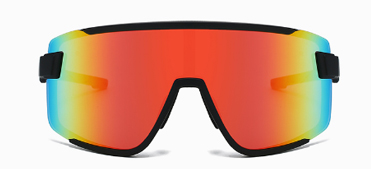
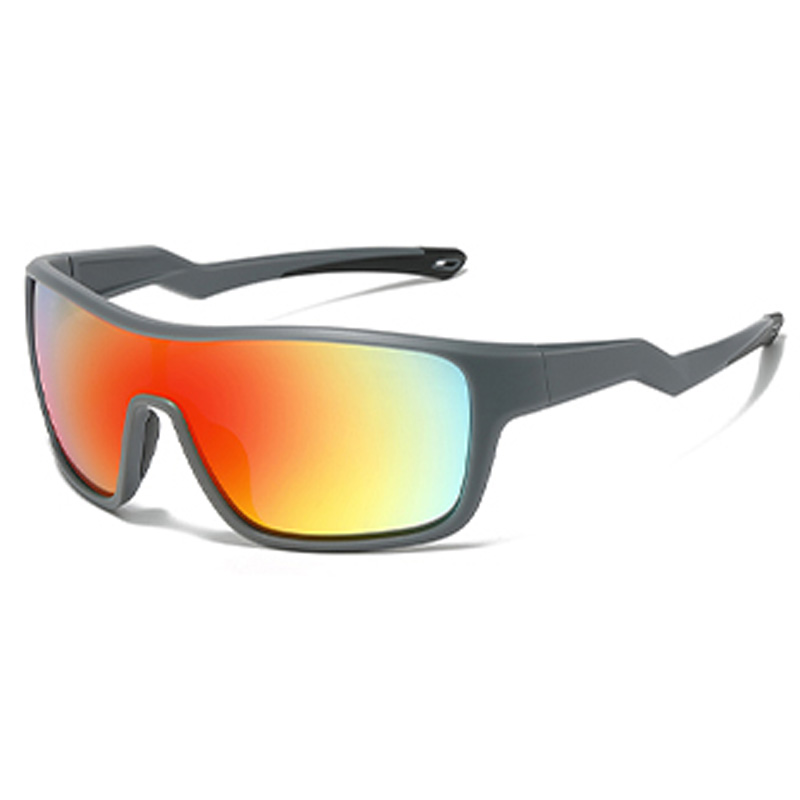
In summer, side light is an annoyance; in snow it is half the problem. Wraparound geometry answers it directly. A shield or deeply wrapped lens follows the cheekbone and brow, blocking lateral glare and the wind that comes with it. Full-wrap designs add physical protection from wind-chill on descents and from the ice crystals that blow across open slopes.
Winter light splits into three regimes, and each has a best answer:
Polarization deserves a nuanced note in snow. It removes reflected glare effectively and eases comfort on bright days. But in flat, uniformly lit snowfields, strong polarization can hide the very slope shading you rely on to judge terrain, which is why some winter athletes prefer non-polarized mirrored lenses for flat-light riding and keep polarized lenses for touring and travel. Test both in your typical conditions rather than assuming polarization is always the upgrade.
| Condition | Recommended lens | Polarization | Coverage priority |
|---|---|---|---|
| Bright sun, open slopes | Dark gray, mirror optional | Yes | High; side glare is severe |
| Flat light, overcast | Rose / amber | Often no | Medium; visibility beats sealing |
| Touring, mixed aspects | Photochromic or two-lens kit | Yes on bright sections | High |
| Winter running | Amber or rose | Optional | Medium, with anti-fog ventilation |
| Driving in winter sun | Gray polarized | Yes | Standard; check LCD visibility |
Cold amplifies fogging: your face radiates heat and moisture, while the lens sits in freezing air, and the moment you slow down or stop, condensation wins. Anti-fog strategy in winter has four parts: frames with brow vents that flush air, hydrophobic coatings that bead moisture, a fit that keeps lenses off your cheeks, and behavior, keeping the glasses on your face rather than parked on a warm hat, which guarantees fog the moment you wear them again. Photochromic lenses add a hidden benefit in winter: they darken in direct sun and lighten in shade without removing the glasses, which avoids the fog cycle that swapping triggers.
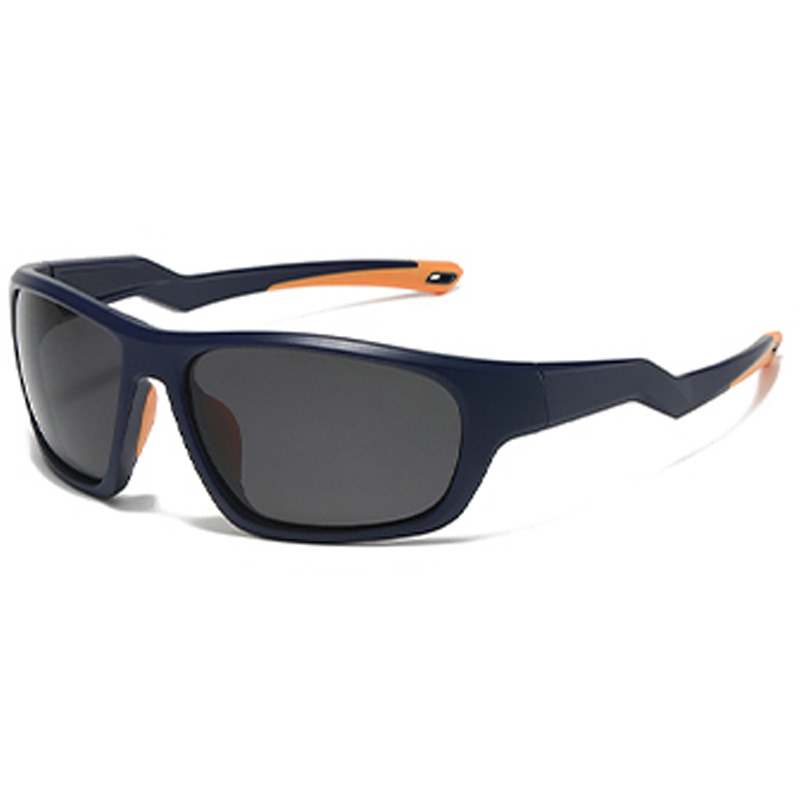
For chairlift skiing in storm cycles, goggles win: sealed foam, bigger thermal mass and helmet integration. But sunglasses earn their place across the rest of winter. They excel for ski touring climbs, where goggles steam instantly under effort; for winter running and snowshoeing, where goggles are overkill; for driving and village life; and as the backup pair in a goggle user's pack, because a scratched or fogged goggle lens ends a day. The practical winter kit for many athletes is both: goggles for descents in storm, sunglasses for everything else. If you choose only sunglasses for snow sports, pick the darkest tint you can find with true wrap coverage.
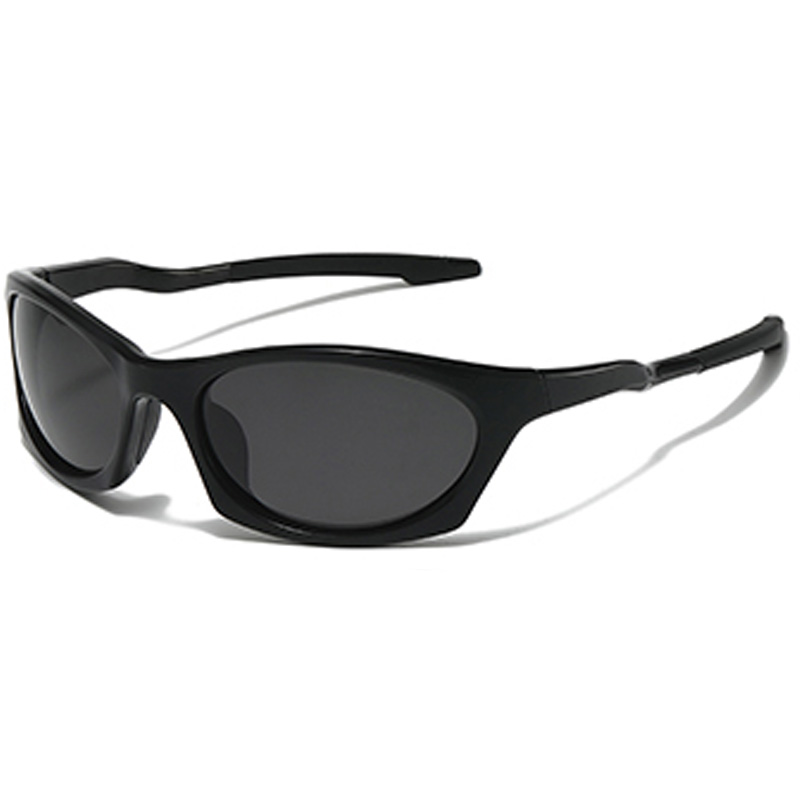
Cold changes materials. Standard injection plastics stiffen and can crack under impact at low temperatures; acetate becomes brittle; metal conducts cold and can feel painfully frigid against the skin. Nylon-family materials such as TR90 keep flexibility in cold better than most, which is one reason winter athletes default to them. Rubber grip compounds also matter in winter: hydrophilic pads keep working under hat and helmet pressure, while hard plastic slips the moment moisture appears. Check that temple tips do not fight with helmet straps and that the frame coexists with a beanie without lifting off the bridge.

Snow conditions expose lens shortcuts faster than almost any other environment. Judge the following before trusting a pair on snow:
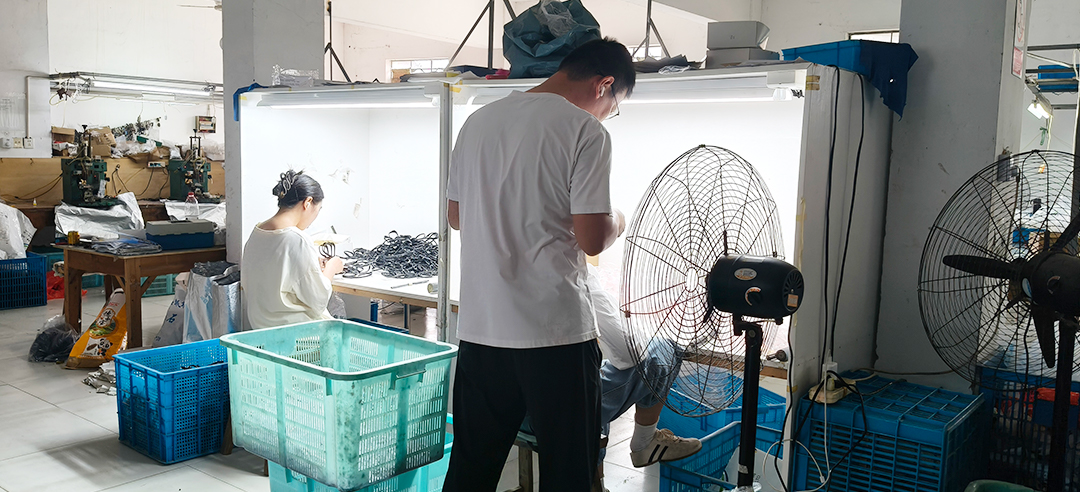
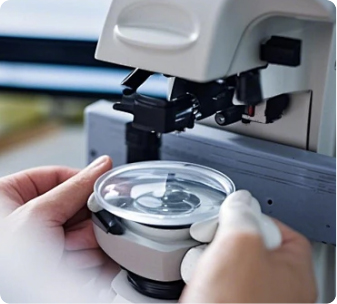
The production chain for quality winter sunglasses mirrors other performance eyewear with extra demands on coatings and inspection: TR90 frames injection molded and finished for cold flexibility, hinges riveted at assembly stations, lenses hard-coated and hydrophobically treated, and polarized models laminated under controlled pressure before mirror coating. Reliable manufacturers verify polarization with test cards and UV400 per batch, and inspect finished pairs under strong light for optical distortion. Asking which steps happen in-house remains the fastest quality screen: in-house lamination and batch inspection mean the winter promises on the box apply to every pair, not just the demo.
Normal sport sunglasses with confirmed UV400 cover many winter uses, but snow's double exposure rewards three upgrades: darker tints, stronger wrap coverage and hydrophobic coating. If you spend full days on snow, buy winter-specific features rather than adapting summer gear.
They cut snow glare comfortably on bright days, but many riders avoid strong polarization in flat light because it hides slope shading. A common compromise: polarized dark gray for touring and bright days, non-polarized rose or amber for stormy, flat conditions.
Rose, amber or light copper. These contrast tints reveal the shading differences that flat light hides, which is exactly what you need to read terrain when there are no shadows to help.
Your face keeps emitting heat and moisture while the lens sits in cold air; stopping tips the balance toward condensation. Ventilated frames, hydrophobic coating and keeping the glasses on your face, not on a hat, all reduce it.
Sometimes, but their darkest state is usually lighter than a dedicated dark sunglass tint, and the reaction slows in cold air. For full-snow days, fixed dark gray remains the safer choice; photochromic suits variable touring days.
Wear UV400 eyewear with dense filtration and side coverage whenever snow and sun combine, even on overcast days when UV still penetrates cloud. Prevention is simple; treatment is painful downtime.
On bright open snow, yes: mirrors reflect additional light and reduce heat absorption. They scratch more visibly and need careful storage, so weigh them against how roughly you treat your eyewear.
TR90 and similar nylon-family plastics retain flexibility in freezing temperatures, unlike acetate, which turns brittle, or metal, which conducts cold. Pair it with rubber grip components and the frame stays comfortable all winter.
Winter eyewear choices simplify once you name your primary snow activity, because each one shifts the priority order. Ski touring divides the day into effort and descent: climbs steam up any sealed lens, so tourers favor sunglasses for the ascent with goggles reserved for the down, or a well-ventilated photochromic pair that handles both. Resort skiing inverts the ratio, and goggles dominate, with sunglasses as the lunch, travel and bluebird-afternoon tool.
Winter running and snowshoeing live in moderate light with cold-air fog as the main enemy: ventilated frames, hydrophobic coating and amber-rose tints cover most sessions. Snowmobile and backcountry travel add wind speeds that demand sealed wrap and impact-rated lenses. Driving through winter sunlight is the quiet majority case, where gray polarized lenses and the screen test matter most. Naming your category prevents buying for the wrong extreme.
Cold changes how eyewear feels in ways store fitting never reveals. Metal nose pads conduct cold uncomfortably at rest; plastic and rubber pad materials stay neutral against the skin. Frames stiffen, which changes how grip components behave: a fit tuned in a warm shop can loosen at minus ten as rubber hardens, another argument for nylon-family frames and silicone-based pads. Exposed skin around the eyes chaps in wind, so coverage that would feel excessive in summer, deeper wrap and higher brow lines, feels protective on a January ridgeline.
Breath management is the underrated skill of winter eyewear. A buff or collar pulled to the nose directs warm humid breath upward across the lenses, guaranteeing fog; leave a gap at the nose bridge and direct exhalation downward. Hat choice interacts too: tight beanies push frames down the nose, and helmets with aggressive brow vents can channel airflow straight across the lenses, which either clears them or fogs them depending on geometry. Test the whole head system, not just the glasses.
Winter adds a storage trap that destroys more eyewear than slopes do: the heated car interior. Glasses left on a dashboard or in a cabin that cycles from deep-freeze overnight to sauna by afternoon endure exactly the thermal stress that delaminates polarized film and stresses coatings. The case goes in the glovebox or console, never on surfaces with sun or heater exposure.
Ski-trip logistics add their own rules: eyewear travels in cabin luggage where temperatures stay moderate, spare lenses ride in hard sleeves, and the microfiber pouch never lives in the pocket that holds the lift pass, whose sharp edges are the most common lens scratcher on any mountain. At the end of the season, clean the pair properly, check hinge screws, and store it in its case rather than leaving salt and grime to work on the coatings for eight months.
Snow blindness, photokeratitis, is a sunburn of the cornea caused by UV exposure, and snow's reflectivity makes it possible even on cloudy days at altitude. Symptoms arrive hours after the exposure: a gritty, painful feeling, light sensitivity and tearing that can sideline a person for a day or two. Prevention is entirely in the eyewear: UV400 filtration, dense visible-light reduction and side coverage that blocks the bounce entering around the frame.
If caught mild, the standard response is staying indoors in low light, artificial tears and time; the cornea heals quickly. But the practical lesson for anyone planning snow travel is that prevention costs one good pair of sunglasses, while the failure mode costs days of a trip. Group leaders on winter trips do well to carry one spare UV400 pair, since the person who forgot theirs is a fixture of every season.
Often yes. Snow reflects diffuse UV almost as effectively as direct sun, and flat gray days are exactly when flat-light tints, rose or amber, earn their place. Dark lenses are for bright days; coverage and UV400 are for all days.
Yes, with one winter caution: cold wind dries contact lenses faster, so sealed wrap frames that block wind are more than comfort gear here, they keep the lenses wearable through a full day.
A mid-price wraparound pair with confirmed UV400, dark gray polarized lens and a hard case covers resort use; add a rose or amber lens only if storm days dominate the forecast.
Temple arms too thick or curved for the helmet's side channel. Look for low-profile arms and test the complete head system in store; a two-millimeter difference in temple depth decides all-day comfort.
No, they reflect a meaningful share of incoming light and reduce heat absorption, which is why blue and silver mirrors dominate bright glacier and high-altitude eyewear. Their cost is visible scratches and careful storage.
Glacier travel and high-altitude routes push every winter eyewear consideration to its maximum: UV intensity that climbs with elevation, reflection from every direction, wind that carries ice crystals, and remoteness that makes eyewear failure a safety event rather than an annoyance. Mountaineering practice treats eyewear as mandatory equipment with redundancy: a primary pair with side shields and very dark lenses, and a backup in the pack, because lost or broken eyewear at altitude can mean snow blindness on descent.
The design features that matter at this end of the scale are specific. Side shields or deeply wrapped geometry block the bounce entering laterally. Very dark gray or category-appropriate lenses manage brightness that ordinary sport tints cannot. Impact-rated polycarbonate handles ice and rock debris. And the frame must coexist with a balaclava and helmet without pressure points that become frostbite-prone hot spots. Recreational winter athletes who occasionally venture higher can borrow these standards selectively; the side-coverage and redundancy lessons transfer directly to any long day above the treeline.
Winter eyewear care concentrates in the hour after the snow day ends, and most coating damage happens there. Wet lenses dry with mineral spots unless rinsed; snow melt carries road salt from parking lots onto frames and hinges; and gloves, the natural tool of the tired skier, are the fastest way to grind grit across a soft coating. The end-of-day routine takes three minutes: rinse in cool water, shake dry, wipe once with microfiber, check the hinge screws, and return the pair to its rigid case, not to a gear-room shelf where other equipment lands on it overnight.
The gear room itself deserves thought: drying rooms with aggressive heat warp frames and cook coatings, so the case on a cool shelf outlasts the hook above the heater. Monthly during the season, run the quick home tests from the maintenance habit, hinge cycle, edge inspection, water beading, and retire or repair at the first signs of coating loss. Winter seasons are short; a pair that survives three of them cleanly has done its job many times over.
Winter trips benefit from converting the forecast into an eyewear plan the night before, and the mapping is simple enough to become automatic. Clear skies and fresh snow produce the maximum glare scenario: darkest lens, full coverage, polarization welcome. Overcast and flat light call for rose or amber, polarization optional and often better absent. Incoming storm fronts mean rapidly dimming light across the day, which is photochromic territory or a two-lens kit, because the morning's correct lens is wrong by afternoon.
Wind forecasts matter as much as light ones: strong wind plus snow transports ice crystals that punish uncoated lenses and eyes left uncovered, so wind days shift the priority toward sealed wrap frames regardless of brightness. Temperature extremes affect gear choices too, since very cold air slows photochromic response and stiffens grip compounds. Ten seconds of forecast reading the evening before sets up the whole next day's vision plan, and it is the kind of habit that separates comfortable winter athletes from those squinting their way through the season.
Winter light is the hardest test sunglasses face: doubled UV from snow reflection, glare entering from every direction, fog pressure from cold air, and flat-light days that punish the wrong tint. Meet it with confirmed UV400, dense gray or mirror lenses for bright days and rose-amber contrast tints for flat light, wraparound coverage that seals out side glare and wind, and TR90 construction that stays flexible in the cold. Whether you tour, run, ride lifts or just drive through a bright winter, that combination keeps your vision sharp when the snow turns the world into a mirror.
This website uses cookies to ensure you get the best experience on our website.



 Phone
Comment
(0)