

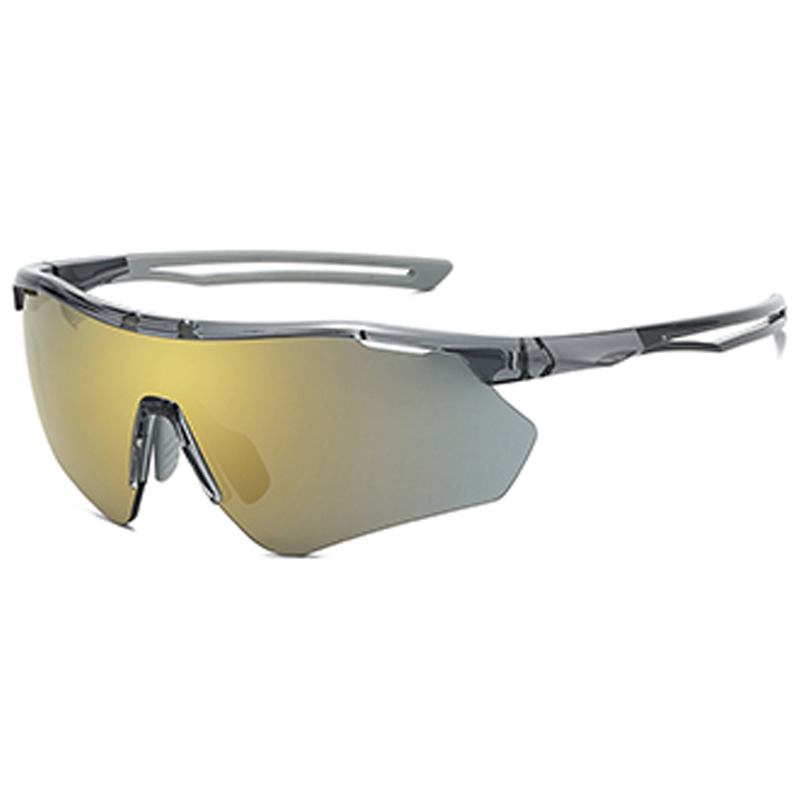
Sports Sunglasses are more than a style accessory. They are performance eyewear designed to protect the eyes,
improve visual comfort, and support better focus during outdoor activity. Whether used for cycling, running,
fishing, hiking, golf, skiing, or everyday training, sports sunglasses are exposed to sweat, dust, UV rays, wind,
salt water, and repeated handling. Over time, these conditions can reduce lens clarity, damage coatings, loosen
frame parts, and shorten the useful life of the eyewear.
Learning how to maintain sports sunglasses for long-term use is essential for athletes, outdoor
workers, and anyone who depends on durable eye protection. Proper maintenance helps preserve lens performance,
frame integrity, fit stability, and overall comfort. It also supports better value by extending the lifespan of
the sunglasses and reducing the need for frequent replacement.
This guide provides a detailed, SEO-friendly overview of sports sunglasses maintenance, including definitions,
benefits, cleaning methods, storage tips, inspection routines, care specifications, and common mistakes to avoid.
The information is industry-general and does not recommend any specific brand or company. It is suitable for use
on blog posts, category pages, directory pages, and industry landing pages.
Sports sunglasses are performance-oriented eyewear designed for active use in outdoor or high-motion environments.
Unlike standard Fashion Sunglasses, sports sunglasses are typically built with lightweight materials, secure
grip features, impact-resistant lenses, and wraparound designs that provide wider coverage and better stability.
In many cases, sports sunglasses are made to reduce glare, filter harmful ultraviolet rays, improve contrast, and
remain stable during movement. These benefits make them useful for activities such as running, cycling, baseball,
tennis, rowing, mountain biking, and watersports.
Because sports sunglasses are frequently exposed to intense use, proper maintenance is a core part of performance
and product longevity. Without routine care, even high-quality lenses and frames can degrade more quickly than
expected.
Long-term maintenance is important because sports sunglasses are subjected to repeated stress that ordinary eyewear
may not face. Sweat can leave residue on lenses and nose pads. Dust and grit can scratch coatings. Heat can warp
frames. Moisture can damage storage environments. Repeated bending can loosen hinges and nose pieces. Over time,
small issues accumulate and reduce performance.
Proper sports sunglasses care helps with:
In simple terms, consistent maintenance protects both function and appearance. For performance eyewear, this is
essential to keep the sunglasses reliable over time.
| Benefit | Description | Long-Term Value |
|---|---|---|
| Clearer Vision | Removes dirt, oil, and smudges that reduce optical performance | Improves visibility in changing outdoor conditions |
| Longer Lens Life | Prevents scratching and coating damage from abrasive cleaning | Helps lenses remain effective for a longer period |
| Better Fit | Maintains nose pads, temple arms, and frame alignment | Supports stable wear during movement |
| Greater Hygiene | Removes sweat, skin oil, and dust buildup | Improves comfort and daily usability |
| Reduced Replacement Cost | Delays wear-related damage and avoids premature discard | Improves overall value and efficiency |
Understanding the materials used in sports sunglasses makes maintenance easier. Different materials respond differently
to heat, moisture, pressure, and cleaning products.
| Component | Common Materials | Maintenance Consideration |
|---|---|---|
| Frame | Polycarbonate, TR90, nylon, acetate, rubberized blends | Avoid high heat and strong solvents that can warp or weaken the material |
| Lenses | Polycarbonate, CR-39, nylon-based lenses, mineral glass in some cases | Use microfiber cloths and safe lens cleaner to prevent scratches |
| Nose Pads | Silicone, rubber, soft thermoplastic materials | Clean sweat and skin oils regularly to maintain grip and hygiene |
| Temple Tips | Rubber, silicone, soft grip polymers | Check for wear, hardening, or loss of traction |
| Coatings | UV coating, anti-reflective coating, mirror coating, hydrophobic coating | Use gentle cleaning to preserve surface treatment |
The best sports sunglasses maintenance routine is simple, consistent, and gentle. You do not need specialized tools
for everyday care. What matters most is using the correct cleaning method, avoiding harsh substances, and storing
the eyewear properly after use.
Before cleaning the lenses, rinse the sunglasses with clean lukewarm water. This step removes dust, sand, salt,
and small particles that could scratch the lens surface if rubbed directly. This is especially important after
beach use, trail running, cycling, or any activity in dusty environments.
A microfiber cloth is the safest tool for drying and polishing sports sunglasses. It reduces friction and helps
prevent scratches. Avoid paper towels, clothing fabric, napkins, and abrasive materials because they may leave
lint or create fine surface damage.
Use a cleaner designed for eyewear or a mild solution recommended for lens care. Spray the cleaner lightly and
wipe gently. Do not use household glass cleaner, ammonia-based products, bleach, or strong alcohol unless the
lens manufacturer specifically approves them. Harsh chemicals can degrade lens coatings and frame materials.
Maintenance should not focus only on the lenses. Sweat and oil often accumulate on temple arms, hinges, nose pads,
and the bridge area. These areas should be cleaned regularly with a damp cloth or soft brush. Keeping contact
points clean improves comfort and helps prevent slipping during physical activity.
After cleaning, ensure the sunglasses are completely dry before placing them in a case. Moisture trapped in the
storage environment can lead to odors, residue, and hardware corrosion in some designs. Air drying in a clean,
shaded area is usually best.
A hard case or padded protective pouch helps shield sports sunglasses from pressure, dust, and accidental impact.
Do not leave them loose in a bag, car dashboard, or gym locker where they may bend, scratch, or overheat.
High temperatures can deform plastic frames, damage lens coatings, and weaken adhesives. Never leave sports
sunglasses on a hot car seat, dashboard, radiator, or near a heater. Heat exposure is one of the most common
causes of long-term eyewear damage.
Over time, temple arms may loosen or shift out of alignment. Regularly inspect the frame to ensure both sides sit
evenly and the lenses remain properly positioned. A stable fit is essential for sports performance and comfort.
A maintenance schedule helps keep sports sunglasses in peak condition. The frequency may vary depending on how
often the eyewear is used and the type of activity involved.
| Maintenance Interval | Recommended Tasks | Purpose |
|---|---|---|
| After Every Use | Rinse, wipe with microfiber cloth, air dry, store in case | Removes sweat, dust, and residue before buildup occurs |
| Weekly | Inspect hinges, nose pads, and temple tips; clean frame edges | Maintains comfort and identifies wear early |
| Monthly | Deep clean lenses and frame, check alignment, inspect coatings | Supports long-term performance and longevity |
| Seasonally | Review storage habits, replace worn accessories, assess condition | Prepares eyewear for changing weather and activity patterns |
Use the following checklist as a simple reference for routine care.
Cleaning sports sunglasses correctly is one of the most important aspects of long-term maintenance. A good cleaning
method protects lens integrity while keeping the eyewear visually clear.
For sunglasses used in high-sweat sports, deep cleaning may be needed more often. Pay special attention to the
bridge, nose pads, and rubber grip points, since these areas can trap salt and oils. A soft brush may be used on
frame corners and hinges, but it should be gentle enough to avoid damage.
Proper storage is just as important as cleaning. Even clean sunglasses can become damaged if they are stored
incorrectly. Storage habits should protect against bending, pressure, dust, humidity, and heat.
| Storage Practice | Why It Matters | Best Use Case |
|---|---|---|
| Hard Case Storage | Prevents crushing, scratching, and accidental impact | Travel, gym bags, outdoor trips |
| Soft Pouch Storage | Offers light protection and prevents dust buildup | Short-term daily carrying |
| Cool, Dry Location | Reduces heat and moisture damage | Home, office, locker storage |
| Away from Loose Objects | Prevents scratching from keys, coins, tools, or hard surfaces | Backpacks, glove compartments, sports equipment bags |
If sunglasses are stored for an extended period, keep them clean, dry, and inside a case. This is especially
important for seasonal sports eyewear that may not be used for months at a time.
Scratches are one of the most common causes of reduced lens performance. Even small surface marks can affect
visibility, especially in bright sunlight or reflective environments. Prevention is easier than repair.
If a lens is already scratched, maintenance cannot fully restore its original surface. That is why preventive care
is more valuable than corrective care. Protecting the lens from the start leads to better long-term use.
Many sports sunglasses include polarized lenses or advanced coatings such as mirror finish, anti-fog layers,
hydrophobic surfaces, or UV protection. These features improve performance, but they also require careful handling.
Polarized lenses help reduce glare, especially around water, roads, snow, and glass surfaces. Coated lenses often
need a gentler cleaning approach than uncoated surfaces. To preserve these features, always use soft cloths,
moderate pressure, and approved cleaning solutions. Avoid abrasive wiping, extreme heat, and harsh chemicals.
Hydrophobic or anti-fog coatings may gradually reduce in performance if they are cleaned aggressively. Gentle
maintenance helps these treatments last longer. In high-performance use, coating care is a major part of long-term
sports sunglasses maintenance.
Routine maintenance can solve many issues, but it is also important to know when sunglasses are no longer performing
well. Some wear is normal over time, but certain signs indicate the need for repair, part replacement, or full
eyewear replacement.
| Warning Sign | Possible Cause | Recommended Action |
|---|---|---|
| Persistent smudging | Residue buildup or coating wear | Deep clean and inspect lens condition |
| Loose frame fit | Worn hinges or bent temples | Adjust carefully or replace damaged parts |
| Visible lens scratches | Contact with grit or improper wiping | Evaluate impact on vision and safety |
| Slipping during activity | Worn nose pads or reduced grip | Clean, adjust, or replace contact components |
| Warping or uneven shape | Heat exposure or pressure damage | Reduce further heat exposure and inspect alignment |
Sports sunglasses maintenance may vary depending on the activity and environment. A pair used for cycling may
collect road dust, while sunglasses used for fishing may face salt spray and moisture. Desert hiking, winter sports,
and general training all create different maintenance needs.
Matching maintenance habits to the environment improves sports sunglasses durability and makes long-term use more
reliable.
The following specifications provide a practical overview of sports sunglasses care requirements. These are general
industry guidelines and may vary depending on frame and lens construction.
| Care Area | Recommended Approach | What to Avoid |
|---|---|---|
| Lens Cleaning | Rinse first, then use microfiber cloth and lens-safe solution | Dry wiping, rough cloth, paper towels |
| Frame Cleaning | Use damp soft cloth and mild cleaning support | Strong solvents, harsh scrubbing |
| Storage | Hard case, cool dry place, lens protection | Loose storage, direct heat, heavy pressure |
| Inspection | Check hinges, screws, fit, pads, and coatings regularly | Ignoring minor wear signs |
| Handling | Use both hands when putting on and removing | One-handed twisting or bending |
Many sports sunglasses lose performance not because of manufacturing issues, but because of poor care habits. Avoiding
common mistakes is one of the easiest ways to improve longevity.
These mistakes may seem small, but over time they can significantly reduce the lifespan of the eyewear. Good habits
are a key part of maintaining sports sunglasses for long-term use.
Sports sunglasses maintenance is a practical, long-term process that protects lens clarity, frame comfort, coating
performance, and overall durability. The most effective routine includes rinsing before wiping, using a microfiber
cloth, avoiding harsh chemicals, cleaning the frame and contact points, and storing the eyewear in a protective case.
For athletes and outdoor users, proper maintenance is not optional. It is part of performance, safety, and value.
Well-maintained sports sunglasses deliver better vision, better fit, and better durability across seasons of use.
If you want your sports sunglasses to last longer, the key is simple: clean gently, store properly, inspect often,
and avoid heat and abrasion.
The best way to maintain sports sunglasses for long-term use is to treat them as performance equipment rather than
disposable accessories. Regular care helps preserve the features that make sports eyewear valuable in the first
place: clear vision, secure fit, sun protection, and comfort during motion.
By following a consistent maintenance routine, using safe cleaning methods, and storing sunglasses correctly, users
can extend lifespan and maintain reliable performance. This makes sports sunglasses a stronger long-term investment
for active lifestyles and outdoor environments.
```
This website uses cookies to ensure you get the best experience on our website.



 Phone
Comment
(0)