

Sunglasses are no longer just a practical accessory for blocking bright light. Today, they are also a major part of personal style, fashion branding, and seasonal trends. When people search for Fashion Sunglasses vs regular sunglasses, they often want to understand whether there is a real difference in design, quality, comfort, lens performance, or daily usability. The answer is yes: while both types of sunglasses can protect your eyes and improve visual comfort, they are often built with different priorities in mind.
In this guide, we will explain the core differences between fashion sunglasses and regular sunglasses, including style purpose, lens features, frame construction, UV protection, durability, comfort, and buying considerations. This content is designed for SEO, blog use, directory pages, and industry pages, with clear structure, keyword-rich headings, and practical information that can be inserted directly into an HTML page.
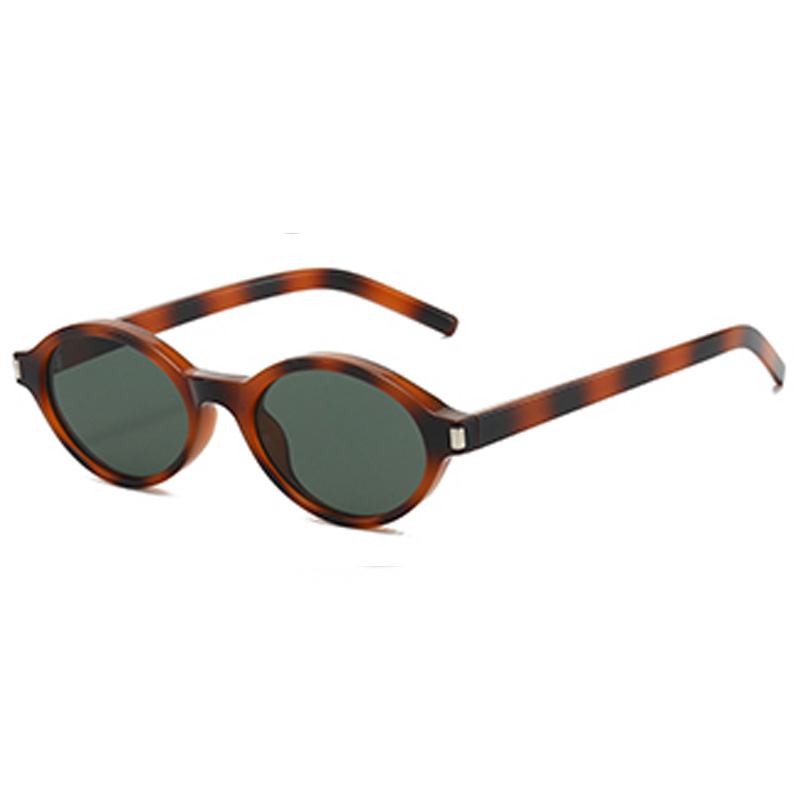
Fashion sunglasses are eyewear products designed primarily to enhance appearance, support personal style, and follow current trends. They may feature bold frame shapes, decorative details, colorful lenses, oversized silhouettes, retro-inspired designs, or statement elements that make them visually distinctive. Fashion sunglasses are often worn as style accessories first and eyewear products second.
That does not mean fashion sunglasses lack functionality. Many fashion sunglasses still include UV protection, polarized lenses, scratch-resistant coatings, and tinted lenses. However, the main value of fashion sunglasses is usually their aesthetic appeal. They are often chosen to match outfits, social occasions, seasonal fashion trends, or lifestyle branding.
Regular sunglasses are designed primarily for practical eye protection and everyday wear. Their core purpose is to reduce glare, block harmful UV rays, improve outdoor visibility, and protect the eyes from environmental exposure such as wind, dust, and bright sunlight. Regular sunglasses often focus on comfort, durability, and functional performance rather than fashion-forward design.
In many cases, regular sunglasses have a more classic, neutral, or timeless appearance. They are commonly used for driving, walking, sports, travel, commuting, and general outdoor activities. While they may still look attractive, their main advantage is usually performance and reliability instead of trend-driven style.
The biggest difference between fashion sunglasses and regular sunglasses is their primary purpose. Fashion sunglasses are built to create visual impact and strengthen personal style, while regular sunglasses are built to deliver consistent sun protection and everyday practical use.
This difference affects nearly every part of the product, including lens type, frame material, weight, fit, coverage, pricing, and durability. Some products combine both style and function, but when comparing the two categories, it is helpful to think of fashion sunglasses as style-led and regular sunglasses as function-led.
| Feature | Fashion Sunglasses | Regular Sunglasses |
|---|---|---|
| Main Purpose | Style, trend appeal, visual expression | Eye protection, comfort, daily usability |
| Design Focus | Bold, trendy, decorative, statement-making | Simple, classic, versatile, practical |
| Lens Priority | Appearance and fashion effect | UV protection, glare reduction, visual clarity |
| Frame Shapes | Oversized, geometric, retro, edgy | Neutral, ergonomic, traditional, balanced |
| Comfort | Varies by design; may prioritize looks | Usually optimized for long-term wear |
| Durability | Depends on material; some styles are more delicate | Often built for everyday use and repeated wear |
| Best Use | Fashion styling, events, social wear, photography | Driving, walking, travel, outdoor protection |
| Common Lens Features | Colored lenses, mirror finishes, tinted fashion effects | Polarized lenses, UV400, anti-glare features |
| Buying Priority | Style, brand image, outfit matching | Protection, comfort, function, reliability |
Fashion sunglasses have become a major accessory category because they help people express identity, confidence, and taste. Many users choose fashion sunglasses for their ability to complete an outfit, create a polished look, or highlight a specific aesthetic. A well-designed pair can make a simple outfit look more modern, luxurious, sporty, vintage, or edgy depending on the shape and finish.
Fashion sunglasses are also popular because they allow wearers to follow seasonal and cultural trends. For example, oversized frames, cat-eye silhouettes, narrow rectangles, gradient lenses, and transparent frames often gain popularity at different times. In the fashion industry, sunglasses are not just protective eyewear but also a visual accessory that helps define the wearer’s image.
Regular sunglasses are chosen for dependable protection and everyday convenience. Many consumers want sunglasses that feel comfortable for long periods and can be used in multiple situations without drawing too much attention. Regular sunglasses are often preferred by people who spend a lot of time outdoors and want dependable eyewear for driving, commuting, walking, travel, or work-related use.
Regular sunglasses are usually easier to match with different outfits because they often feature neutral colors and classic designs. This makes them a practical choice for buyers who value versatility and functional performance over trend-based styling. In short, regular sunglasses are the best option when the user wants utility, clarity, and all-day wearability.
Design is one of the most visible differences between fashion sunglasses and regular sunglasses. Fashion sunglasses often feature larger frames, unconventional angles, bright colors, decorative branding, mirrored lenses, or eye-catching finishes. These elements help the product stand out and create a memorable visual impression.
Regular sunglasses, by contrast, often use balanced proportions and understated styling. Their frames are typically engineered for stability, ease of wear, and long-term comfort. While fashionable elements may still appear in regular sunglasses, the overall design usually remains practical and universal.
Lens technology is another important part of the fashion sunglasses vs regular sunglasses discussion. Fashion sunglasses often use lens tints and finishes to create a specific look. For example, gradient lenses, pink lenses, amber lenses, or mirrored coatings may be used for aesthetic effect. These lenses can still provide basic UV protection, but the visual appearance is often the main selling point.
Regular sunglasses typically prioritize function. They may feature polarized lenses to reduce glare, UV400 Protection to block harmful ultraviolet rays, and lens materials that improve clarity and reduce eye strain. These features are especially useful in bright outdoor conditions and during driving.
| Lens Feature | Fashion Sunglasses | Regular Sunglasses |
|---|---|---|
| Tint Color | Often trendy or decorative | Often neutral or performance-based |
| Mirror Coating | Frequently used for visual effect | Used when glare reduction is needed |
| Polarization | May or may not be included | Common in functional outdoor sunglasses |
| UV Protection | May vary by product | Usually a key requirement |
| Visual Clarity | Secondary to appearance in some designs | Primary performance goal |
Whether a pair of sunglasses is fashionable or regular, UV protection should always be a top priority. Sunglasses should protect the eyes from UVA and UVB rays, which can contribute to eye discomfort and long-term damage from sunlight exposure. A stylish design does not automatically mean effective protection, and a simple-looking pair can still offer strong UV performance.
Buyers should always check for clear UV protection information rather than assuming that dark lenses are protective. Lens darkness alone does not determine UV blocking ability. For SEO and informational purposes, it is important to state that both fashion sunglasses and regular sunglasses should ideally provide reliable UV protection, especially for outdoor use.
Comfort is a major factor in the difference between fashion sunglasses and regular sunglasses. Fashion sunglasses may be heavier, larger, or more dramatic in shape, which can sometimes reduce long-term wear comfort. On the other hand, regular sunglasses are usually designed with usability in mind, so they may feel lighter and more stable for extended periods.
Comfort depends on multiple elements, including frame weight, temple pressure, nose bridge design, lens size, and face fit. A pair of fashion sunglasses can still be comfortable if designed well, but buyers who need all-day wear often prefer regular sunglasses with ergonomic support and balanced proportions.
Material quality can vary in both categories. Fashion sunglasses may use lightweight plastics, acetate, metal, or mixed materials to achieve a particular appearance. Some fashion styles prioritize design aesthetics over rugged durability, which means they may require more careful handling.
Regular sunglasses often emphasize everyday durability. They may use stronger hinges, impact-resistant lens materials, and frame structures that support frequent use. This makes them suitable for people who wear sunglasses regularly and expect practical performance over decorative styling.
Fashion sunglasses are a strong choice when the primary goal is to enhance appearance and complete a specific look. They are especially useful for social events, travel photos, streetwear styling, seasonal outfits, and fashion-focused content creation. If sunglasses are part of a personal brand or image, fashion sunglasses can offer strong visual value.
They are also ideal for buyers who enjoy trying new trends and experimenting with different silhouettes. Since fashion sunglasses often come in a wide range of shapes and colors, they allow more freedom in style expression.
Regular sunglasses are better when the main goal is practical eye protection and consistent everyday use. They are especially suitable for driving, commuting, outdoor activities, and long periods in sunlight. Buyers who prefer timeless design and versatile styling often find regular sunglasses easier to wear in many settings.
If you want one reliable pair to use frequently, regular sunglasses usually provide a stronger balance of comfort, function, and durability. They are often the best solution for people who need sunglasses that work well across different occasions without looking overly fashion-driven.
| Specification | Fashion Sunglasses | Regular Sunglasses | What to Look For |
|---|---|---|---|
| Frame Material | Plastic, acetate, metal, mixed materials | Plastic, acetate, metal, durable blends | Strength, weight, and skin comfort |
| Lens Material | Acrylic, polycarbonate, tinted fashion lenses | Polycarbonate, glass, impact-resistant materials | Clarity, safety, scratch resistance |
| UV Protection | May be included | Usually important | UV400 or equivalent protection |
| Polarization | Optional | Common for glare reduction | Useful for driving and outdoor wear |
| Frame Weight | Can be heavier depending on design | Usually balanced for comfort | All-day wearability |
| Style Focus | High | Moderate | Match with wardrobe and use case |
| Durability Focus | Varies | High | Frequent wear and long-term use |
Not necessarily. Fashion sunglasses are not automatically less protective than regular sunglasses. Some fashion sunglasses include excellent UV protection, quality lenses, and reliable build materials. The issue is that fashion sunglasses sometimes emphasize appearance more than technical performance, so shoppers must check specifications carefully.
The safest approach is to evaluate sunglasses based on their features rather than their category name. A stylish pair can still be highly functional if it offers proper UV blocking, comfortable fit, and durable construction. Likewise, a simple pair can be very fashionable if it has a clean, modern design.
Regular sunglasses are not necessarily less stylish. Many classic sunglasses designs are considered timeless because they work well with a wide range of outfits and face shapes. Styles such as aviator, wayfarer-inspired, rectangular, and round frames remain popular because they balance simplicity and versatility.
In many cases, regular sunglasses are easier to wear in professional settings, casual environments, and daily routines. Their understated appearance can make them more flexible than highly trendy fashion sunglasses, especially for users who want one pair that fits many occasions.
For content planning, category pages, and blog optimization, related keywords can help strengthen topical relevance. Useful keyword themes include:
Choosing between fashion sunglasses and regular sunglasses depends on your primary needs. If your main goal is style, trend alignment, and outfit enhancement, fashion sunglasses may be the better option. If your main goal is protection, comfort, and daily functionality, regular sunglasses are likely a stronger fit.
Before buying, consider these factors:
The difference between fashion sunglasses vs regular sunglasses comes down to purpose. Fashion sunglasses are made to elevate style, express personality, and follow trends. Regular sunglasses are made to protect the eyes, reduce glare, and support comfortable everyday use. Both can be valuable, and both can be attractive, but they serve different priorities.
For the best results, buyers should focus on UV protection, fit, comfort, durability, and lens quality rather than appearance alone. A smart sunglasses purchase balances both style and function. Whether you choose fashion sunglasses or regular sunglasses, the best pair is the one that suits your needs, matches your lifestyle, and provides reliable eye protection.
This website uses cookies to ensure you get the best experience on our website.



 Phone
Comment
(0)