

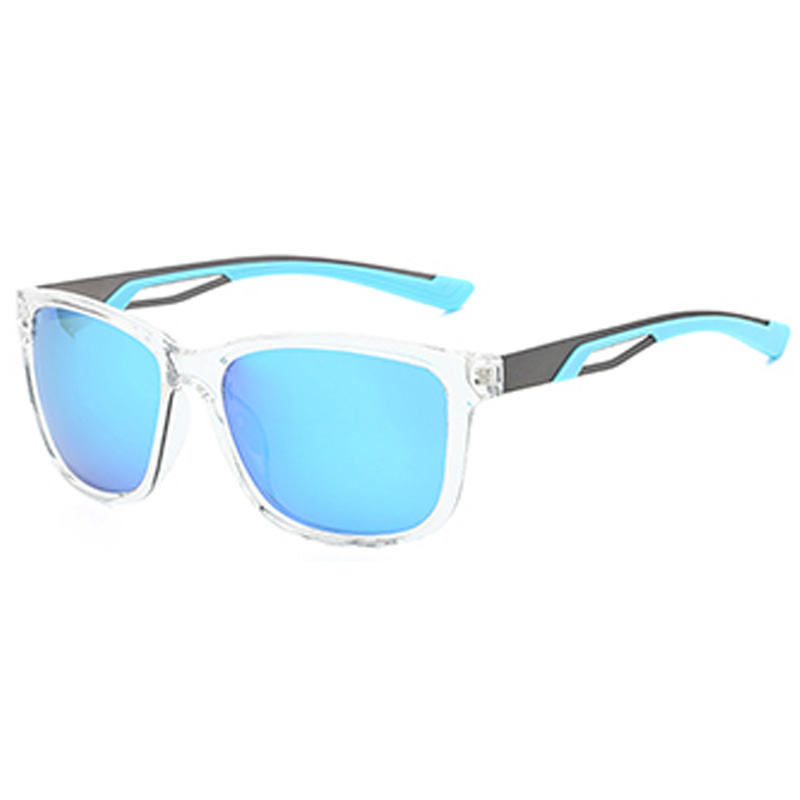
Choosing the right eyewear for outdoor activities is more than a style decision. It is a performance choice that can affect
visibility, comfort, eye protection, and overall safety. Whether you are running, cycling, hiking, fishing, skiing, golfing,
or spending long hours in bright environments, the best outdoor eyewear should match the activity, weather conditions, and
your personal vision needs.
This guide explains how to choose eyewear for different outdoor activities using clear, practical, and SEO-friendly
information. It covers lens types, frame materials, UV protection, polarization, tint colors, impact resistance, and
activity-specific recommendations. It is designed for blog pages, category pages, industry pages, and directory pages that
need authoritative, original, and search-friendly content.
Outdoor eyewear refers to glasses or Sunglasses designed to improve vision and protect the eyes during outdoor use. Unlike
standard Fashion Sunglasses, performance eyewear is built with specific features such as UV protection, glare reduction,
impact resistance, and secure frame fit. The goal is to provide clearer vision, better comfort, and stronger protection in
changing environments.
High-quality outdoor eyewear can help reduce strain from sunlight, wind, dust, water reflection, snow glare, and flying
debris. For people who spend a lot of time outside, the right pair can significantly improve both safety and performance.
Outdoor activities expose the eyes to many conditions that indoor eyewear is not built to handle. Sunlight can be intense,
surfaces can reflect glare, and moving air can dry the eyes. Some sports and activities also create a risk of impact from
branches, sand, rocks, water spray, or other debris.
The right eyewear provides several benefits:
Before selecting eyewear for a specific activity, it helps to understand the most important performance features. These
features influence how well the eyewear performs in real outdoor conditions.
| Feature | What It Means | Why It Matters |
|---|---|---|
| UV Protection | Blocks UVA and UVB rays from reaching the eyes | Essential for long-term eye safety and outdoor comfort |
| Polarization | Reduces reflected glare from water, roads, snow, and metal surfaces | Improves visibility in bright reflective environments |
| Impact Resistance | Designed to withstand impact from debris or accidental contact | Important for sports and high-motion activities |
| Lens Tint | The color and darkness of the lens | Affects contrast, brightness control, and visual comfort |
| Wraparound Design | Curved frame that covers more of the face | Helps block wind, dust, and peripheral light |
| Ventilation | Airflow features that reduce fogging | Useful during intense activity or changing temperatures |
| Non-Slip Fit | Rubberized nose pads or temple grips | Keeps eyewear stable during movement and sweat |
| Prescription Compatibility | Can be fitted over or with corrective lenses | Supports clear vision for people who wear glasses |
Different outdoor activities create different visual demands. The best eyewear for cycling may not be ideal for fishing,
golfing, or snow sports. Below is a practical breakdown of eyewear selection by activity.
Running eyewear should be lightweight, stable, and comfortable over long distances. Because runners often move quickly and
sweat heavily, the frame should stay in place without bouncing or sliding. Wraparound lenses are useful because they block
wind, dust, and side glare.
For road running, medium tint lenses can help with bright sunlight while maintaining good visibility. For trail running,
contrast-enhancing lenses may help identify changes in terrain, roots, rocks, and uneven ground.
| Recommended Feature | Why It Helps for Running |
|---|---|
| Lightweight frame | Reduces pressure and improves comfort over distance |
| Non-slip nose pads | Keeps eyewear secure during movement and sweat |
| Wraparound lens | Blocks wind and peripheral sunlight |
| Ventilation | Helps reduce fogging during intense exertion |
| UV protection | Protects eyes during long exposure to daylight |
Cycling eyewear must offer strong visibility, wind protection, and a stable fit. Riders often face changing light conditions,
road glare, airborne dust, and insects. A curved, aerodynamic frame is commonly preferred because it shields the eyes while
remaining secure at higher speeds.
Lens clarity is especially important for cyclists. Many riders choose lenses that improve contrast and help with depth
perception, particularly when dealing with road texture, obstacles, and traffic. Polarized lenses can be helpful in many
situations, but some cyclists prefer non-polarized options because they may read reflective surfaces differently and offer
more consistent visibility in certain conditions.
| Recommended Feature | Why It Helps for Cycling |
|---|---|
| Curved shield design | Provides broad coverage against wind and debris |
| Impact-resistant lens | Adds safety in case of road debris or accidents |
| Anti-fog ventilation | Supports clearer vision during effort and temperature changes |
| Secure temple grip | Prevents slipping during speed and vibration |
| Interchangeable lens options | Allows adaptation to varying light conditions |
Hiking eyewear should protect against UV rays, changing sunlight, wind, dust, and occasional debris from trailside vegetation.
Since hiking conditions can vary from open ridgelines to shaded forests, versatility is a major advantage. Medium-to-dark
lenses are often suitable for exposed trails, while lighter or contrast lenses can be useful in mixed light.
For mountain environments, eye protection becomes especially important because UV intensity can increase with elevation.
Wraparound coverage and side protection help reduce exposure from indirect sunlight and wind-blown particles.
| Recommended Feature | Why It Helps for Hiking |
|---|---|
| Full UV protection | Important at higher altitude and in open terrain |
| Durable frame material | Withstands outdoor use and travel |
| Wraparound fit | Blocks side glare and environmental exposure |
| Scratch-resistant lens | Maintains clarity during long outdoor trips |
| Comfortable nose bridge | Improves all-day wearability |
Fishing eyewear is often selected for glare control, water reflection management, and visual comfort in bright conditions.
Polarized lenses are commonly used because they reduce surface glare from water, making it easier to see below the surface
and reducing eye strain. This is one of the most important eyewear features for anglers.
Lens color is also relevant. Amber, copper, brown, and gray tints are frequently used depending on light levels and
environmental conditions. Frames should be lightweight, secure, and resistant to moisture. For boat fishing, wraparound
protection is especially helpful because wind and water spray can affect vision.
| Recommended Feature | Why It Helps for Fishing |
|---|---|
| Polarized lens | Reduces glare from water surfaces |
| Gray or amber tint | Supports comfortable vision in bright environments |
| Water-resistant frame | Handles moisture and outdoor conditions better |
| Anti-slip design | Stays secure in heat, humidity, and movement |
| Side coverage | Helps block reflected light and wind |
Golf eyewear should support depth perception, contrast, and comfort over long periods. Since golfers spend a lot of time
looking across varying distances and conditions, the right lenses can help improve ball tracking, terrain visibility, and
overall concentration.
Many golfers prefer lenses that enhance contrast without making the environment appear too dark. Light to medium tints are
often practical for golf because they help with detail while maintaining visibility in changing light. A comfortable, stable
frame is also important because golf involves repeated movement and long wear time.
| Recommended Feature | Why It Helps for Golf |
|---|---|
| Contrast-enhancing tint | Improves terrain detail and ball visibility |
| Lightweight frame | Supports comfort throughout a round |
| Stable fit | Prevents movement during swings and walking |
| UV protection | Protects eyes during long hours outdoors |
| Low-distortion lenses | Helps maintain visual accuracy across the course |
Snow sports require specialized eyewear because bright sunlight reflects strongly off snow, creating intense glare and eye
strain. In these conditions, eyewear must provide excellent UV protection, glare control, and coverage against cold wind and
snow particles. Lens tints that improve contrast are often useful because they help define terrain changes in a white,
reflective environment.
For skiing and snowboarding, the fit should be secure enough to remain stable during rapid movement. Anti-fog performance is
also important because cold temperatures and body heat can create condensation. In many cases, darker or mirrored lenses are
chosen for high-brightness snow environments.
| Recommended Feature | Why It Helps for Skiing and Snowboarding |
|---|---|
| High UV protection | Essential in snow, sunlight, and high-altitude conditions |
| Mirrored or dark lens | Reduces intense reflection from snow |
| Anti-fog treatment | Improves visibility during cold-weather activity |
| Wraparound coverage | Protects against wind and snow exposure |
| Impact-resistant lens | Adds protection in dynamic mountain environments |
Water sports eyewear must manage glare, wind, splashes, and bright reflected light. Polarized lenses are often a strong choice
because they reduce the shine coming off the water surface. This helps improve comfort and visual clarity for boating,
kayaking, paddleboarding, and similar activities.
A secure fit is important because movement and moisture can cause standard eyewear to slip. Lightweight frames with
hydrophobic or water-resistant lens coatings are useful because they help shed droplets and maintain clarity.
| Recommended Feature | Why It Helps for Water Sports |
|---|---|
| Polarized lens | Reduces glare from water |
| Hydrophobic coating | Helps repel water droplets |
| Secure frame fit | Stays in place during movement and spray |
| Wraparound design | Protects from wind and reflected light |
| Saltwater-resistant materials | Useful for marine conditions and durability |
Outdoor ball sports require eyewear that supports fast reaction time, clear depth perception, and impact protection. In sports
like baseball and tennis, the ability to track a moving ball accurately is essential. The frame should stay secure while
allowing wide peripheral vision.
For these sports, lens tint should support contrast without reducing visibility too much. Strong impact resistance is a major
advantage, especially where balls, rackets, bats, or sudden movements can pose risks to the eyes.
| Recommended Feature | Why It Helps for Ball Sports |
|---|---|
| Impact-resistant lens | Improves safety during fast action |
| Stable, athletic fit | Prevents slipping during movement |
| Wide field of vision | Helps with tracking and reaction time |
| Contrast-enhancing tint | Supports visual clarity and depth perception |
| Lightweight frame | Reduces distraction during long play |
The lens is one of the most important parts of outdoor eyewear. Different lens technologies provide different benefits, and
choosing the right one depends on the environment and the activity.
| Lens Type | Main Benefit | Best For |
|---|---|---|
| Polarized lens | Reduces glare from reflective surfaces | Fishing, boating, driving, snow, beach use |
| Photochromic lens | Adjusts to changing light levels | Hiking, cycling, variable weather |
| Mirrored lens | Reduces brightness and reflected light | Snow sports, water sports, bright sunlight |
| Amber/Copper lens | Improves contrast in mixed light | Golf, trail sports, cloudy conditions |
| Gray lens | Reduces brightness without changing color balance much | General outdoor use and bright conditions |
| Yellow lens | Increases brightness perception in low light | Fog, dawn, dusk, low-contrast environments |
Lens color is not only a design choice. It affects how your eyes perceive brightness, contrast, and detail. Some tint colors
are better for bright light, while others are more useful in low-light or mixed-light settings.
| Lens Color | Visual Effect | Typical Outdoor Use |
|---|---|---|
| Gray | Reduces overall brightness evenly | Sunny days, general outdoor use |
| Brown | Boosts contrast and depth perception | Hiking, golf, trail sports |
| Amber | Improves contrast in variable light | Fishing, cycling, cloudy conditions |
| Yellow | Brightens vision in low-light settings | Fog, dusk, overcast weather |
| Green | Maintains natural color and balanced contrast | Outdoor sports, all-day wear |
| Blue | Often chosen for style and specific glare conditions | Casual outdoor use, fashion-forward applications |
Frame material affects weight, durability, flexibility, and comfort. Outdoor eyewear should be made from materials that can
handle repeated use, movement, sweat, and changing temperatures.
| Frame Material | Key Advantage | Common Use |
|---|---|---|
| TR90 | Lightweight and flexible | Sports eyewear and active use |
| Polycarbonate | Strong and impact-resistant | Protective and performance eyewear |
| Nylon | Durable and comfortable | Outdoor sport frames |
| Metal alloy | Sleek appearance and structural strength | Casual and semi-performance eyewear |
| Rubberized composite | Improved grip and stability | High-motion and sweaty conditions |
Comfort is critical because even the most advanced eyewear will not perform well if it is difficult to wear. Good outdoor
eyewear should feel secure but not overly tight. It should distribute pressure evenly across the nose and temples and remain
comfortable for extended periods.
Important comfort factors include:
Weather conditions play a major role in eyewear selection. A pair that works well on a bright summer day may not be ideal for
fog, wind, snow, or mixed cloud cover. Choosing eyewear based on weather improves performance and comfort.
| Weather Condition | Best Eyewear Features | Why It Helps |
|---|---|---|
| Bright sun | Dark lens, UV protection, polarization | Reduces brightness and glare |
| Cloudy weather | Amber, brown, or yellow lens | Improves contrast and visibility |
| Fog | Yellow or high-contrast lens, anti-fog design | Helps improve detail in low-contrast settings |
| Snow | Mirrored lens, high UV protection, wraparound coverage | Reduces reflected glare and exposure |
| Windy conditions | Secure fit, curved frame, side coverage | Blocks wind and improves stability |
| Wet or humid conditions | Hydrophobic coating, ventilation, anti-slip fit | Supports clearer vision and comfort |
People who need vision correction still have several options for outdoor eyewear. Prescription outdoor eyewear can be made for
many activities, allowing users to combine vision correction with sun protection and sport-specific performance.
Common prescription-related solutions include:
The best option depends on comfort, activity level, visual needs, and how often the eyewear will be used. For high-motion
sports, a secure prescription sports frame may be more effective than a loose over-glasses design.
Use the checklist below to compare eyewear products for outdoor activities. These specifications help identify whether a pair
is suitable for performance, protection, and long-term comfort.
| Specification | Recommended Consideration |
|---|---|
| UV protection | Should block 100% of UVA and UVB rays |
| Lens clarity | Should provide sharp, distortion-free vision |
| Impact resistance | Should be suitable for the risk level of the activity |
| Fit stability | Should stay secure during motion and sweat |
| Coverage | Should protect from side light, wind, and debris |
| Fog resistance | Should remain usable in changing temperature conditions |
| Weight | Should be light enough for long wear |
| Lens tint | Should match the brightness and contrast needs of the activity |
| Material durability | Should withstand frequent outdoor use |
| Prescription support | Should work with corrective vision needs if required |
Another useful way to choose outdoor eyewear is to consider how intense the activity is. Low-intensity activities may require
less aggressive fit and protection, while high-intensity sports demand more secure, durable, and performance-focused eyewear.
| Activity Level | Best Eyewear Priority | Examples |
|---|---|---|
| Low intensity | Comfort, UV protection, light glare control | Casual walking, sightseeing, light golf |
| Moderate intensity | Stable fit, contrast, and weather protection | Hiking, fishing, recreational cycling |
| High intensity | Impact resistance, secure grip, ventilation | Running, mountain biking, competitive sports |
| Extreme conditions | Maximum coverage, UV defense, anti-fog performance | Snow sports, water sports, alpine use |
Many people select eyewear based only on appearance, but that can lead to poor performance outdoors. Avoid these common
mistakes when choosing eyewear for sports and outdoor activities:
If you are building a blog post, category page, or industry page about eyewear for outdoor activities, these keyword themes
are commonly relevant and can help support search visibility:
Choosing eyewear for different outdoor activities requires a balance of protection, comfort, and performance. The best
outdoor eyewear depends on the environment, the level of motion, the amount of glare, and the need for impact resistance or
visual enhancement. Running, cycling, hiking, fishing, golf, skiing, boating, and ball sports all place different demands on
the eyes, which is why activity-specific selection matters.
By focusing on UV protection, lens tint, polarization, frame durability, fit stability, and weather performance, you can
choose eyewear that supports better vision and a better outdoor experience. Whether the goal is safety, comfort, or improved
athletic performance, the right eyewear is an essential part of any outdoor routine.
```
This website uses cookies to ensure you get the best experience on our website.



 Phone
Comment
(0)