

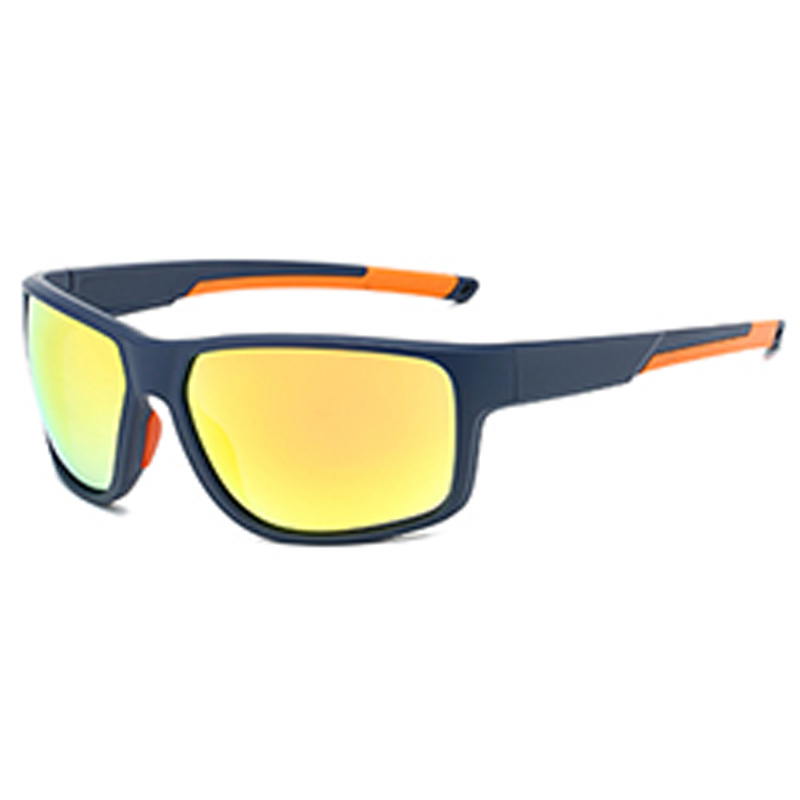
Choosing the right glasses for outdoor activities is essential for comfort, performance, and eye protection. Whether you enjoy hiking, cycling, running, fishing, skiing, golfing, beach travel, or general outdoor recreation, the best glasses can improve visibility, reduce glare, block harmful UV rays, and help you stay focused in changing weather conditions. This guide explains how to choose glasses for outdoor activities using practical, SEO-friendly, industry-standard information only. It does not include brand or company recommendations. Instead, it provides universal definitions, advantages, lens options, frame materials, fit considerations, and specification tables that can be directly used for blog posts, category pages, directory pages, and industry pages.
Outdoor eyewear is not only about style. It is a functional piece of gear designed to protect the eyes from sunlight, dust, wind, debris, reflection, and impact. The best glasses for outdoor activities depend on the environment, the intensity of sunlight, the type of motion involved, and the user’s visual needs. For example, a pair of Sunglasses for hiking may need strong UV protection and lightweight comfort, while cycling glasses may require wraparound coverage, ventilation, and impact resistance. Understanding the key features of outdoor glasses helps buyers choose the right model for their needs and helps websites create high-quality, search-engine-friendly content around the topic.
Glasses for outdoor activities are specially designed eyewear products used to protect the eyes and improve vision in outdoor environments. They may include sunglasses, sports glasses, polarized glasses, photochromic glasses, and prescription outdoor eyewear. Unlike ordinary fashion glasses, outdoor glasses are made to perform in bright light, moving environments, and changing weather conditions. Their main purpose is to improve visibility while reducing exposure to ultraviolet radiation, glare, dust, and physical impact.
In many cases, outdoor glasses are built with features such as UV400 Protection, scratch-resistant lenses, impact-resistant materials, anti-slip nose pads, curved frames, and ventilation systems. These features support clear vision and comfortable wear during sports and outdoor recreation. Because each outdoor activity has different visual demands, selecting the correct eyewear can significantly improve both safety and experience.
Outdoor eyewear offers more than convenience. It is a practical eye protection solution that supports healthy vision and better performance. Sunlight contains ultraviolet rays that can damage the eyes over time. Strong glare from water, snow, roads, and glass surfaces can reduce visibility and increase fatigue. Wind and dust can irritate the eyes, while impact risks from branches, gravel, or sports equipment can cause injury. The right glasses help reduce these risks.
There are several main types of glasses used for outdoor activities. Each type is designed for specific levels of sun protection, visual clarity, and sport performance. Understanding the differences between them makes it easier to choose the best eyewear for a particular use case.
| Type | Main Purpose | Best For | Common Features |
|---|---|---|---|
| Sunglasses | Reduce sunlight and glare | Daily outdoor use, travel, leisure | UV protection, tinted lenses, lightweight frames |
| Polarized glasses | Reduce reflected glare | Fishing, driving, water sports, beach use | Polarized lenses, strong clarity, glare control |
| Sports glasses | Protect during movement and impact | Cycling, running, tennis, hiking, team sports | Wraparound design, impact resistance, grip features |
| Photochromic glasses | Adapt to changing light | Mixed lighting, mountain activities, all-day use | Light-adjusting lenses, convenience, versatility |
| Prescription outdoor glasses | Correct vision outdoors | Users who need vision correction | Custom prescription lenses, protective coatings |
| Safety-style outdoor glasses | Enhance protection from impact | Work outdoors, adventure sports, rugged environments | High durability, strong coverage, shatter resistance |
To choose the best glasses for outdoor activities, focus on the relationship between environment, lens performance, frame design, comfort, and durability. The right product should match the activity and provide all-day usability without distracting pressure points or poor visibility. Below are the most important selection factors.
UV protection is one of the most important features in outdoor glasses. Look for lenses that block 100% of UVA and UVB rays or are labeled UV400. This level of protection helps reduce the harmful effects of long-term sunlight exposure. UV protection is important even on cloudy days because UV rays can pass through clouds. Outdoor glasses without proper UV protection may give a false sense of safety if the lens is dark but does not filter ultraviolet light properly.
When selecting outdoor eyewear, UV protection should be considered non-negotiable. Whether the activity is hiking in the mountains, fishing near water, or skiing in snow, full-spectrum UV filtering is a key requirement for eye health.
Lens tint affects how much light enters the eye and how well the wearer can see in certain conditions. Different tints serve different purposes. Gray lenses provide natural color perception and are ideal for bright sunlight. Brown and amber lenses improve contrast and depth perception, making them useful for hiking, driving, and variable outdoor conditions. Yellow lenses increase contrast in low light, fog, or overcast weather. Green lenses can reduce glare while maintaining balanced color perception.
The best lens tint depends on the environment. Bright beach conditions may require darker lenses, while trail activities in forested or changing light may benefit from contrast-enhancing tints. Users should choose tint based on practical visibility, not just appearance.
Polarized lenses are designed to reduce glare reflected from flat surfaces such as water, roads, snow, and glass. This makes them especially useful for fishing, boating, driving, skiing, and beach activities. By filtering out harsh reflected light, polarized glasses can improve visual comfort and reduce eye fatigue.
However, polarized lenses are not always necessary for every activity. In some situations, such as reading digital screens or certain winter sports environments, polarization may slightly reduce visibility of LCD displays or make icy surfaces harder to judge. For this reason, polarized lenses are best chosen based on specific use cases.
Photochromic lenses automatically darken in sunlight and lighten indoors or in low light. This makes them ideal for users who move between changing lighting conditions. For outdoor activities that start early in the morning, continue into the afternoon, or shift between shaded and open areas, photochromic glasses can offer excellent convenience.
They are particularly useful for hiking, trail walking, cycling, and mountain use. Their adaptive performance reduces the need to switch eyewear frequently, making them a practical all-day solution. Still, users should check how quickly the lenses activate and deactivate because performance can vary by material and temperature.
Frame shape plays a major role in protection and fit. Wraparound frames are popular for outdoor activities because they provide wider coverage, block side light, and stay secure during movement. Full-coverage frames are especially helpful for cycling, running, climbing, skiing, and other active sports.
A good frame should sit close enough to the face to reduce light gaps but not so tightly that it causes discomfort or fogging. Wider coverage often improves wind protection and keeps dust or debris from entering from the sides. For casual outdoor use, slightly less aggressive shapes may be comfortable, but for performance sports, wraparound design is often preferred.
Outdoor glasses should be lightweight enough for long wear but durable enough to survive repeated use. Common frame materials include polycarbonate, TR90, nylon, and acetate. Polycarbonate and TR90 are popular for sports eyewear because they combine flexibility, impact resistance, and light weight.
Lens material is also important. Polycarbonate lenses are widely used for outdoor glasses because they are impact resistant and relatively light. Some premium lenses use additional coatings for scratch resistance, anti-reflective performance, and enhanced durability. The material should match the intended activity level.
Outdoor activities often involve movement, sweating, and changing body positions. Anti-slip nose pads and temple tips help keep glasses stable on the face. Rubberized grip zones can improve holding power, especially for cycling, running, hiking, and climbing.
A secure fit is important not only for comfort but also for safety. If the glasses slide down the nose repeatedly, the user may be tempted to adjust them too often, reducing focus and convenience. Good grip features help eyewear stay in place during demanding activity.
Fogging can be a major problem for outdoor glasses, especially during exercise, humid weather, or rapid changes in temperature. Ventilation openings, anti-fog coatings, and frame designs that allow airflow can improve visibility and reduce moisture build-up.
For active sports and cold-weather use, anti-fog performance is especially valuable. Glasses that fog up can reduce reaction time and make the activity less safe. When comparing products, ventilation should be considered alongside coverage and fit.
Different outdoor activities require different eyewear features. The ideal glasses for beach activities may not be the same as those for mountain biking or winter sports. Matching eyewear to the activity is one of the smartest ways to make the right choice.
| Activity | Recommended Features | Why It Matters |
|---|---|---|
| Hiking | UV protection, lightweight frame, contrast-enhancing lens | Comfort and visibility on changing terrain |
| Cycling | Wraparound design, impact resistance, anti-slip grip, ventilation | Wind protection and stable fit at speed |
| Running | Lightweight frame, secure fit, anti-slip nose pads | Reduces bounce and improves comfort |
| Fishing | Polarized lenses, glare reduction, durable frame | Improves water visibility and eye comfort |
| Skiing | High UV protection, anti-fog features, full coverage | Protects from snow glare and cold wind |
| Beach activities | Polarized lenses, dark tint, UV protection | Reduces bright reflected light from sand and water |
| Golf | Contrast-enhancing lenses, comfortable fit, stable frame | Helps track the ball and see terrain changes |
| Travel and sightseeing | All-day comfort, style, UV protection, adaptable lenses | Useful across different environments and lighting conditions |
Lens selection has a major impact on how well outdoor glasses perform. Besides tint and polarization, users should consider lens technology, coatings, thickness, and visual clarity. Below is a helpful summary of common lens options used in outdoor eyewear.
| Lens Option | Function | Advantages | Common Use |
|---|---|---|---|
| Polarized lenses | Reduce reflected glare | Improves comfort and visibility | Fishing, water sports, driving |
| Photochromic lenses | Adjust to light changes | Convenient for changing conditions | Hiking, biking, mountain use |
| Mirrored lenses | Reflect excess light | Helps in extremely bright environments | Snow, beach, high sun exposure |
| Amber/brown lenses | Boost contrast | Better terrain definition | Trail sports, driving, variable weather |
| Gray lenses | Reduce overall brightness | Maintains natural color perception | General outdoor use |
| Yellow lenses | Increase contrast in low light | Helpful in fog or shade | Overcast conditions, early morning |
| Clear lenses | Protect without tint | Useful for wind and debris protection | Night sports, wind protection, indoor-outdoor use |
Frame material affects comfort, durability, flexibility, and overall performance. When choosing glasses for outdoor activities, frame material should be strong enough for active use while staying light enough for all-day wear. The following table summarizes common frame materials and their advantages.
| Material | Key Properties | Advantages | Typical Use |
|---|---|---|---|
| Polycarbonate | Lightweight, impact resistant | Good for sports and active use | Performance eyewear |
| TR90 | Flexible, durable, low weight | Comfortable and resilient | Outdoor sports glasses |
| Nylon | Strong, flexible, heat resistant | Balances strength and comfort | Sport and recreation eyewear |
| Acetate | Stylish, solid, customizable | Comfortable for casual wear | Lifestyle sunglasses |
| Metal alloy | Thin, durable, refined appearance | Light structure with style | Casual and fashion outdoor glasses |
When evaluating glasses for outdoor activities, buyers should examine product specifications carefully. These details often reveal whether the eyewear is suitable for sports, leisure, or multi-purpose outdoor use. Use the table below as a practical reference.
| Specification | Recommended Standard | Why It Matters |
|---|---|---|
| UV protection | 100% UVA/UVB or UV400 | Protects eyes from harmful sunlight |
| Lens material | Polycarbonate or equivalent impact-resistant option | Improves safety and durability |
| Frame fit | Secure, comfortable, and stable | Prevents slipping during movement |
| Coverage | Medium to high for active outdoor use | Blocks side light, wind, and debris |
| Coatings | Anti-scratch, anti-fog, anti-reflective if needed | Enhances clarity and product lifespan |
| Polarization | Optional depending on activity | Useful for reducing reflected glare |
| Weight | Lightweight for long wear | Improves comfort and reduces fatigue |
| Ventilation | Recommended for sports and humid conditions | Helps reduce fogging |
Choosing the right outdoor glasses provides measurable benefits in comfort, safety, and performance. These advantages can be used as valuable section content for SEO-focused pages because they target common user questions and search intent. Here are the main advantages of quality outdoor eyewear.
Many buyers choose outdoor glasses based only on appearance or price. While style and budget matter, ignoring performance features can lead to poor comfort and weak protection. Avoid these common mistakes when selecting glasses for outdoor activities.
Outdoor conditions can change quickly, so the best glasses should support the user’s environment. Bright sunlight, snow reflection, water glare, shade, and cloud cover all influence lens choice. The following table provides a simple condition-to-feature guide.
| Condition | Best Lens or Frame Feature | Reason |
|---|---|---|
| Strong sunlight | Dark tint, mirrored lens, UV400 protection | Reduces brightness and eye strain |
| Water reflection | Polarized lenses | Cuts reflected glare from water |
| Snow glare | High-coverage, UV-protective, dark or mirrored lenses | Improves visibility and comfort in bright snow conditions |
| Cloudy weather | Amber, yellow, or photochromic lenses | Improves contrast in softer light |
| Windy environments | Wraparound frame | Blocks wind and protects eyes |
| Dusty or rugged terrain | Full coverage, impact-resistant frame | Reduces exposure to particles and impact risks |
| Mixed light conditions | Photochromic lenses | Adapts as light changes |
Many people need vision correction while participating in outdoor activities. Prescription outdoor glasses combine corrective lenses with protective eyewear features. This allows the wearer to see clearly while still benefiting from UV protection, glare reduction, and impact resistance.
Prescription outdoor eyewear can be built with different tints, coatings, and materials. For example, a person who cycles outdoors may need prescription wraparound glasses with anti-reflective and anti-scratch coatings. Another user may prefer prescription photochromic lenses for flexibility across different light conditions. Prescription options are a strong solution for users who do not want to switch between regular glasses and sunglasses.
For content creators and website managers, this topic supports a wide range of keyword variations. Using related search terms naturally throughout a page can improve topical relevance and help the content rank for multiple user intents. Common keyword concepts include:
Yes. UV protection is one of the most important features in outdoor eyewear. It helps protect the eyes from harmful UVA and UVB rays and should be included in any quality pair of glasses for outdoor use.
Not always. Polarized lenses are excellent for reducing glare from water, roads, and snow, but they are not necessary for every outdoor activity. The best choice depends on the environment and use case.
Gray lenses are good for general bright sunlight, brown and amber lenses are great for contrast, and yellow lenses can help in lower light or foggy conditions. The best tint depends on the activity and weather.
Lightweight, flexible, and impact-resistant materials such as polycarbonate and TR90 are commonly preferred for sports use because they balance comfort and durability.
Yes. Many outdoor glasses can be made with prescription lenses, allowing users to correct their vision while still enjoying protection and performance benefits.
Learning how to choose glasses for outdoor activities helps users make smarter decisions based on UV protection, lens type, frame design, comfort, and environmental conditions. The best outdoor glasses are not just stylish accessories; they are practical tools for protecting the eyes and improving visibility in bright, windy, reflective, and changing outdoor environments. By understanding lens options, frame materials, and activity-specific features, buyers can choose eyewear that supports safety, performance, and long-term comfort.
For websites, this topic is highly valuable for SEO because it matches strong search intent, supports long-form educational content, and allows extensive use of relevant keywords, tables, and structured headings. Whether used in a blog post, category page, or industry guide, this content provides a clear foundation for ranking around outdoor eyewear and sports glasses.
```
This website uses cookies to ensure you get the best experience on our website.



 Phone
Comment
(0)