

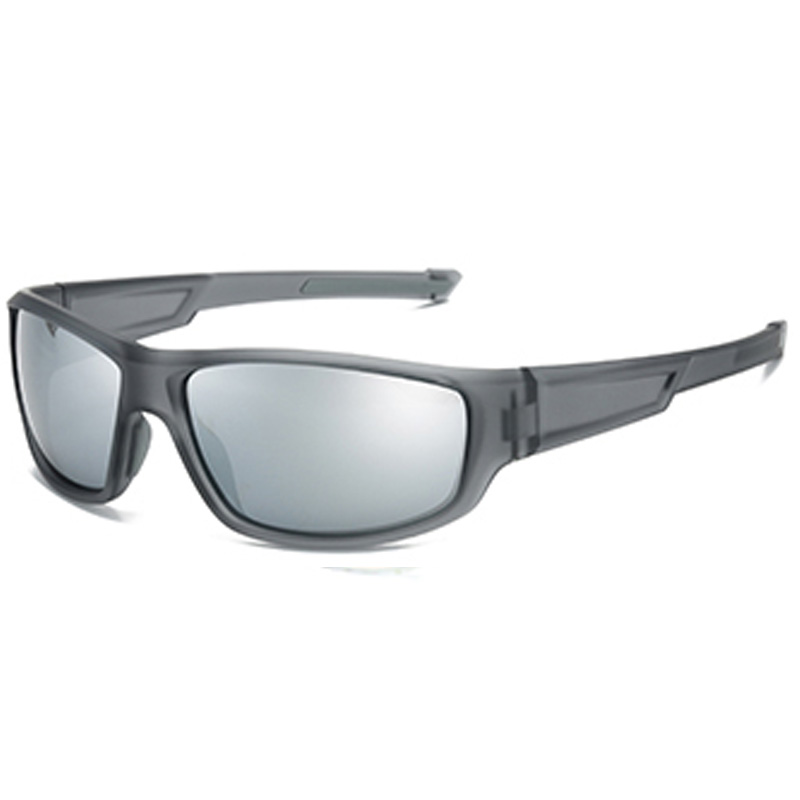
Choosing the right pair of sports Sunglasses is not only about style. For athletes, outdoor enthusiasts, and active users, the best eyewear can improve visual comfort, reduce glare, protect against UV rays, and support better performance in changing environments. Whether you are running, cycling, hiking, fishing, skiing, golfing, or training outdoors, knowing how to compare different sports sunglasses can help you select a pair that matches your activity, face shape, climate, and visual needs.
This guide explains the most important factors in sports sunglasses comparison, including lens materials, tint options, frame design, fit, ventilation, durability, and protective performance. It is written for blogs, category pages, directory pages, and industry pages that need original, SEO-friendly content with clear structure and useful tables.
Sports sunglasses are performance-oriented eyewear designed for movement, outdoor exposure, and demanding conditions. Unlike Fashion Sunglasses, sports sunglasses are built to stay secure during physical activity, reduce wind and debris impact, and provide stable vision in bright or changing light. They often include lightweight frames, wraparound coverage, impact-resistant lenses, and anti-slip features for better stability during exercise and sports.
In general, sports sunglasses are used to:
Not all sports sunglasses are designed the same way. A lens that works well for cycling may not be ideal for fishing or trail running. A frame that feels secure for tennis may not be comfortable for all-day hiking. That is why a structured sports sunglasses comparison is important before purchase or content publication.
When comparing different sports sunglasses, focus on these goals:
The lens material is one of the most important things to compare in sports sunglasses. Different materials offer different levels of impact resistance, weight, optical clarity, and durability. The most common lens materials include polycarbonate, Trivex, glass, and high-index performance polymers.
| Lens Material | Main Benefits | Possible Drawbacks | Best For |
|---|---|---|---|
| Polycarbonate | Lightweight, impact-resistant, affordable | May scratch more easily without coating | Most sports and outdoor activities |
| Trivex | Very light, good clarity, strong impact resistance | Often higher cost than polycarbonate | Performance sports and extended wear |
| Glass | Excellent optical clarity, scratch resistance | Heavier, less impact-friendly | Some precision outdoor use |
| High-index polymer | Thin profile, lightweight, modern optics | Varies by brand and construction | Specialized performance eyewear |
For most active users, polycarbonate and Trivex are among the most practical options because they combine low weight with strong impact resistance. If your content is focused on how to Choose Sports Sunglasses, lens material should always be part of the first comparison step.
UV protection is a core safety feature in any sports sunglasses guide. Good sports sunglasses should block 100% of UVA and UVB rays, helping reduce long-term exposure to harmful sunlight. UV protection is not determined by lens darkness alone. A dark lens without UV blocking can still allow damaging rays to reach the eyes.
When comparing sports sunglasses, look for:
Strong UV protection is especially important for users in high-altitude areas, reflective environments, and long-duration outdoor sports. Snow, water, sand, and pavement can increase reflected UV exposure, making protection even more critical.
Lens color affects how sports sunglasses perform in different lighting conditions. The right tint can improve contrast, reduce glare, and support eye comfort. The wrong tint may reduce visibility or create unnecessary strain in low light.
| Lens Tint | Typical Advantages | Common Use Cases |
|---|---|---|
| Gray | Natural color perception, good all-around glare reduction | Running, driving, general outdoor sports |
| Brown / Amber | Improved contrast, better depth perception | Trail sports, cycling, fishing, golf |
| Green | Balanced color and contrast, comfortable brightness control | Versatile outdoor use |
| Yellow | Enhances brightness in low light conditions | Overcast weather, dawn, dusk |
| Mirrored | Reduces visible glare, strong bright-light performance | Snow sports, water sports, high sun exposure |
| Photochromic | Adjusts to changing light conditions | Variable weather, mixed-light activities |
For SEO-focused category content, “sports sunglasses lens color” is a strong keyword phrase. You can also reference “best lens tint for sports sunglasses” without promoting a specific brand or model.
Polarized lenses are designed to reduce horizontal glare from reflective surfaces such as water, pavement, snow, and metal. This can improve comfort and visual control in certain sports. However, polarization is not always the best option for every activity.
Advantages of Polarized Sports Sunglasses:
Possible limitations:
When comparing different sports sunglasses, polarization should be treated as a performance feature rather than a universal requirement. It is useful in many outdoor conditions, but the best choice depends on the sport and viewing environment.
Lens coatings can significantly affect durability and performance. In a proper sports sunglasses comparison, lens coatings should be reviewed just as carefully as frame features.
| Coating Type | Function | Why It Matters |
|---|---|---|
| Anti-scratch coating | Helps protect lens surface | Extends product life and improves clarity |
| Anti-fog coating | Reduces fog buildup | Useful for exercise, humidity, and temperature changes |
| Hydrophobic coating | Repels water and moisture | Improves visibility in rain or sweat-heavy activities |
| Oleophobic coating | Helps resist oil and smudges | Makes cleaning easier and keeps lenses clearer |
| Mirrored coating | Reflects light away from the lens | Supports performance in intense sunlight |
The more active the user, the more important coatings become. Fog resistance and easy-clean properties are especially valuable in endurance sports, summer training, and humid environments.
The frame is another major point of comparison. Sports sunglasses frames must be lightweight, flexible, durable, and comfortable enough for movement. Common frame materials include nylon, TR90, acetate, rubberized composites, and metal-based structures used in specialty designs.
| Frame Material | Strengths | Typical Use |
|---|---|---|
| TR90 | Lightweight, flexible, durable | Most Performance Sports Sunglasses |
| Nylon | Strong, responsive, lightweight | Active and outdoor eyewear |
| Acetate | Comfortable, stylish, formable | Casual sporty styles |
| Rubberized composite | Grip, stability, sweat resistance | High-movement sports |
| Metal alloy | Slim appearance, structural rigidity | Some hybrid or precision designs |
A high-quality sports sunglasses frame should maintain shape under stress, resist bending, and stay comfortable during long sessions. Lightweight construction helps reduce pressure on the nose and ears, especially during extended wear.
Fit is one of the most important factors in sports sunglasses selection. If the sunglasses do not fit properly, they may slip during activity, allow light to enter from the sides, or cause discomfort over time. A proper fit improves both performance and protection.
Key fit features to compare:
Different face shapes may need different frame geometries. A rounder face may suit a more angular frame, while a narrower face may need a tighter, more contoured fit. In sports sunglasses content, fit is often a major ranking topic because users search for comfort, stability, and face-shape guidance.
Fogging can seriously reduce visibility and performance. Sports sunglasses with proper airflow channels or vented frames help manage condensation, especially during intense workouts or changing weather conditions.
When comparing sports sunglasses, ask whether the design includes:
For runners, cyclists, and training athletes, fog control can be just as important as tint selection. A lens that stays clear under movement is often more valuable than a darker tint with poor airflow.
Weight influences comfort, especially for long-duration sports and all-day outdoor use. Lightweight Sports Sunglasses reduce nose pressure, help prevent bouncing, and feel less tiring during extended wear.
However, weight alone should not be the only factor. Extremely lightweight products still need enough structure to stay secure. The best sports sunglasses combine low weight with good grip, impact resistance, and stable fit.
Comfort factors to evaluate:
Sports sunglasses should protect the eyes from unexpected impact, including dust, small debris, branches, and sports-related contact. Impact resistance is especially important in cycling, mountain sports, racket sports, and fast-paced outdoor training.
When comparing sunglasses, check whether the lenses and frame are designed for sports use rather than general fashion wear. Performance eyewear often emphasizes:
Different sports require different performance features. Below is a useful comparison guide by activity type.
| Sport / Activity | Important Features | Why They Matter |
|---|---|---|
| Running | Lightweight frame, anti-slip fit, fog resistance | Minimizes bounce and keeps vision clear |
| Cycling | Wraparound coverage, wind protection, impact resistance | Protects against debris and airflow |
| Fishing | Polarization, glare reduction, contrast enhancement | Improves water visibility and eye comfort |
| Golf | Contrast tint, comfortable fit, balanced brightness | Supports depth perception and course visibility |
| Hiking | Versatile tint, secure frame, UV protection | Works across changing light and terrain |
| Snow Sports | High glare control, mirrored or polarized lens, full UV protection | Reflective snow increases brightness and eye strain |
| Water Sports | Polarization, hydrophobic coating, secure fit | Controls glare and water exposure |
| Team Sports | Stable frame, impact resistance, wide coverage | Supports fast motion and contact risk |
If you want a quick and practical comparison framework, use the following specification checklist. This is useful for product pages, buying guides, and SEO category content.
| Specification | What to Look For | Priority Level |
|---|---|---|
| UV Protection | 100% UVA/UVB or UV400 | High |
| Lens Material | Polycarbonate, Trivex, or other impact-resistant material | High |
| Lens Tint | Gray, brown, amber, mirrored, or photochromic | Medium to High |
| Polarization | Yes or no, depending on sport | Medium |
| Frame Material | TR90, nylon, or durable sports-grade composite | High |
| Grip Features | Rubber nose pads, anti-slip temples | High |
| Ventilation | Anti-fog design, airflow channels | Medium to High |
| Coverage | Wraparound shape, side protection | High |
| Weight | Lightweight feel without sacrificing stability | Medium |
| Durability | Scratch resistance, impact resistance, flexible frame | High |
Sports sunglasses are available in several functional styles. Comparing these types helps users understand which design fits their needs best.
| Type | Description | Main Benefit |
|---|---|---|
| Wraparound Sports Sunglasses | Curved lens and frame for wider facial coverage | Better protection from wind and side glare |
| Shield sunglasses | Large single-lens design with broad coverage | Wide field of view and strong outdoor performance |
| Semi-rimless sports sunglasses | Reduced frame material for lighter feel | Lightweight comfort and airflow |
| Prescription sports sunglasses | Performance eyewear with vision correction | Combines optical clarity with sport function |
| Photochromic sports sunglasses | Lenses that adapt to light changes | Useful for mixed lighting conditions |
High-quality sports sunglasses offer more than sun protection. The right pair can improve comfort, reduce distractions, and support better visual performance in active settings.
From an SEO perspective, users often search for terms such as best sports sunglasses, sports sunglasses comparison, how to choose sports sunglasses, UV Protection Sunglasses for sports, and lightweight sunglasses for running and cycling. Building content around these intent-based topics can support organic visibility.
No. Polarization is a feature, not a requirement. Some sports benefit greatly from it, while others may not need it. The best choice depends on glare conditions and activity type.
Not necessarily. Lens darkness does not determine UV protection. Always check for 100% UVA/UVB protection or UV400 rating rather than relying on tint alone.
There is no single best color for every use. Gray works well for general conditions, brown and amber improve contrast, yellow helps in low light, and mirrored lenses are strong in bright sunlight.
TR90 and nylon are commonly preferred because they are lightweight, durable, and flexible. The best material depends on the balance of comfort, toughness, and activity type.
Wraparound designs provide more coverage from sun, wind, and side glare. They also help the sunglasses stay in place during movement.
When comparing different sports sunglasses, the most important factors are lens material, UV protection, tint, polarization, frame construction, fit, ventilation, weight, and impact resistance. A strong pair of sports sunglasses should be comfortable, secure, durable, and suitable for the specific activity and light condition. By using a structured sports sunglasses comparison approach, users can select eyewear that supports better performance, visual clarity, and eye protection.
For industry pages and blog content, this topic performs well when built around high-intent search terms like how to compare different sports sunglasses, Sports Sunglasses Buying Guide, best sunglasses for sports, and performance sunglasses for outdoor activities. Clear tables, comparison sections, and keyword-rich headings help improve readability and search relevance while keeping the content useful for real users.
This website uses cookies to ensure you get the best experience on our website.



 Phone
Comment
(0)