

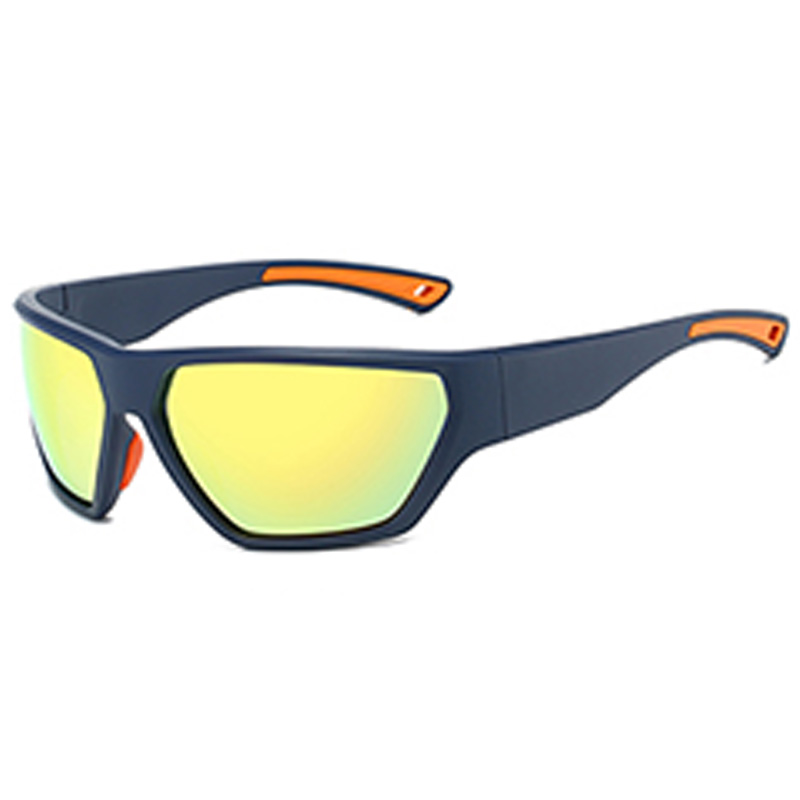
Lightweight sports Sunglasses have become a core accessory for athletes, outdoor enthusiasts, and active everyday users who want better eye protection without sacrificing comfort. In fast-paced environments such as running, cycling, hiking, tennis, golf, baseball, fishing, and trail training, eyewear must do more than block sunlight. It must stay secure, reduce pressure, minimize fatigue, and support clear vision during movement. This is where Lightweight Sports Sunglasses deliver a major advantage.
Compared with heavier frames, lightweight sports sunglasses are designed to feel nearly weightless on the face while still providing stable coverage, impact resistance, and weather protection. Their reduced mass helps prevent nose bridge discomfort, ear pressure, slipping, and distraction during performance. For long training sessions and all-day outdoor wear, comfort becomes just as important as lens quality. In many cases, the best sports sunglasses are not simply the most durable or the most stylish, but the ones that combine lightweight construction with ergonomic design.
This guide explains what lightweight sports sunglasses are, why they improve comfort, what materials are used, which features matter most, and how to evaluate specifications for different activities. The content is industry-focused, SEO-friendly, and suitable for blogs, category pages, and informational landing pages.
Lightweight sports sunglasses are performance eyewear designed with reduced frame weight, balanced construction, and sport-specific stability features. They are built to protect the eyes from sunlight, glare, wind, dust, and impact while remaining comfortable during active movement. Unlike standard Fashion Sunglasses, sports models prioritize fit, retention, ventilation, and lens performance.
“Lightweight” does not simply mean thin or fragile. In sports eyewear, lightweight design refers to the use of low-mass frame materials, streamlined temple arms, optimized lens geometry, and balanced distribution of weight across the nose and ears. The goal is to create sunglasses that feel secure without adding strain.
Common characteristics of lightweight sports sunglasses include:
Comfort is a major performance factor in sports eyewear. Even a small increase in frame weight can be noticeable during long wear. When sunglasses are heavy, they can create pressure points at the nose bridge, behind the ears, and along the temples. Over time, this can lead to irritation, fatigue, and frequent adjustments.
Lightweight sports sunglasses improve comfort by reducing the amount of downward force on the face. This makes them easier to wear during running, cycling, climbing, rowing, golf, and other activities where repeated motion can amplify discomfort. Lower weight also helps the frame stay in position more naturally, especially when combined with grip-enhancing materials.
In practical terms, lightweight eyewear can:
One of the biggest comfort advantages of lightweight sports sunglasses is lower nose bridge pressure. Heavier frames can push downward, causing soreness or redness on the nose, especially after extended wear. A lighter frame distributes force more evenly, reducing localized strain.
This matters for athletes who wear sunglasses for hours at a time. If the frame sits comfortably on the nose bridge, the user is less likely to experience discomfort and more likely to keep the glasses on throughout the activity.
Many sunglasses feel heavy because the temples and hinges create pressure behind the ears. Lightweight sports sunglasses are designed to reduce this burden through slim, balanced arms and flexible materials. This helps prevent the aching sensation that often appears after prolonged use.
A lighter frame also tends to move less, which means users do not need to tighten the fit excessively. When the fit is secure without being overly tight, comfort improves significantly.
Comfort is not only about softness or padding. In sports eyewear, comfort also depends on stability. A frame that bounces, slides, or twists can be more distracting than a heavier but secure frame. Lightweight sports sunglasses often use a wraparound fit, hydrophilic rubber grips, and optimized geometry to remain stable during activity.
Stability improves comfort because the wearer can focus on performance instead of adjusting eyewear every few minutes. This is especially important in sports that involve running, jumping, sudden turns, or head movement.
Long-duration comfort is one of the strongest selling points of lightweight sports sunglasses. The less weight the user feels, the less mental and physical fatigue builds over time. Whether someone is on a trail for several hours or spending a full day outdoors, reduced frame mass can make a noticeable difference.
This benefit is particularly valuable for professional athletes, endurance runners, long-distance cyclists, and outdoor workers who need eye protection throughout the day.
Sports performance depends on concentration. If eyewear is too heavy, too tight, or constantly shifting, it can distract the wearer from the task at hand. Lightweight sports sunglasses help reduce this distraction by feeling unobtrusive.
When the user forgets they are wearing the glasses, that is often a sign of good ergonomic design. This “barely there” feeling is one of the biggest reasons lightweight sports sunglasses are preferred for active use.
The comfort of lightweight sports sunglasses depends heavily on the materials used in the frame and temple construction. Manufacturers often select advanced polymers and flexible composites that provide strength without unnecessary weight.
| Material | Typical Benefits | Comfort Impact | Common Use |
|---|---|---|---|
| TR90 / Nylon-based polymer | Lightweight, flexible, durable | Reduces pressure and adapts to face shape | Sports frames, wraparound styles |
| Polycarbonate | Light, impact-resistant | Helps keep overall weight low | Lenses and some frame components |
| Grilamid | Strong, lightweight, heat-resistant | Supports long-term wear comfort | Performance eyewear frames |
| TPR / Rubberized inserts | Soft grip, non-slip performance | Improves stability and reduces movement | Nose pads, temples, ear grips |
| Carbon composite blends | Very low weight, high stiffness | Can reduce fatigue in premium designs | High-performance sport models |
Material choice affects not only weight but also flexibility, durability, and fit. A good lightweight sports sunglass frame should be light enough for all-day wear while still maintaining structural integrity under impact, heat, and repeated use.
Many people focus on frame weight, but lens weight also plays an important role in overall comfort. Large lenses can add substantial mass to the front of the frame, causing the sunglasses to slide down or feel heavy at the nose. Lightweight performance lenses help keep the center of gravity balanced.
Sports sunglasses often use polycarbonate lenses because they are lighter than glass and offer strong impact resistance. Other lens technologies may also reduce weight while enhancing optical clarity, UV protection, and glare management.
Benefits of lightweight lenses include:
Lightweight construction alone is not enough. The best sports sunglasses combine low weight with smart comfort-focused features. These details determine whether the sunglasses stay secure, breathable, and easy to wear.
| Feature | Function | Comfort Advantage |
|---|---|---|
| Adjustable nose pads | Customize fit on the bridge | Reduces pressure and improves stability |
| Rubber temple tips | Grip behind the ears | Prevents slipping without tightness |
| Wraparound frame shape | Follows face contour | Improves coverage and distributes weight evenly |
| Ventilated frame design | Allows airflow | Reduces fog and heat buildup |
| Adjustable temples | Refine fit length and angle | Improves personal comfort and retention |
| Hydrophobic lens coating | Repels moisture and sweat | Supports clear vision with less wiping |
Different sports place different demands on eyewear. Lightweight sports sunglasses improve comfort across a wide range of activities, but the ideal features may vary depending on use case.
For runners, weight and bounce are critical. Heavy sunglasses can slide during footstrike or cause discomfort during longer distances. Lightweight Running Sunglasses with secure nose pads and grippy temples help reduce movement and maintain focus.
Cyclists often wear sunglasses for long periods in changing light conditions. A lightweight frame helps reduce pressure under helmets and prevents fatigue during extended rides. Wraparound coverage also protects against wind, dust, and debris.
Hiking often involves changing terrain, sweat, and long wear times. Lightweight sports sunglasses improve comfort by staying in place without adding strain. They also help reduce glare from rocks, water, and bright open areas.
Golf requires visual clarity, comfort, and minimal distraction. Lightweight sports sunglasses can help users keep their focus on the course without feeling weighed down. A stable fit is especially useful during repetitive swings and long rounds.
In racquet sports, head movement is frequent and quick. Lightweight sunglasses reduce bounce and help preserve comfort during rapid motion. Non-slip features are especially important in these settings.
Water-based activities often involve glare, reflected sunlight, and extended exposure. Lightweight sunglasses make it easier to stay comfortable in bright environments while offering protection from wind and spray.
Some users assume that lighter sunglasses are less durable. In modern sports eyewear, that is not necessarily true. Advanced polymers and composites allow manufacturers to build frames that are both lightweight and strong. The goal is to remove excess material while preserving essential support and impact resistance.
For sports use, comfort and durability should work together. A frame that is too fragile may break under stress, while one that is too heavy may cause discomfort. The best lightweight sports sunglasses strike a balance between both.
When evaluating lightweight sports sunglasses, buyers and page visitors often look for practical specifications that signal comfort and performance. The following table provides a helpful reference.
| Specification | Recommended Range / Type | Why It Matters |
|---|---|---|
| Frame material | TR90, Grilamid, nylon-based polymer, composite blends | Supports low weight and flexibility |
| Lens material | Polycarbonate or similar lightweight impact-resistant lens | Reduces front-heavy feel |
| Frame style | Wraparound or semi-wraparound | Improves fit and coverage |
| Grip system | Non-slip nose pads and temple tips | Prevents movement during activity |
| Ventilation | Integrated vents or airflow channels | Reduces fogging and heat buildup |
| UV protection | 100% UVA/UVB protection | Protects eyes during outdoor use |
| Polarization | Optional depending on activity | Helps reduce glare in bright conditions |
| Fit adjustability | Adjustable nose bridge or temples | Improves personalized comfort |
Choosing the right pair involves more than simply selecting the lightest model available. True comfort depends on how the sunglasses fit the face, how the weight is distributed, and how the features match the intended activity.
A well-designed lightweight sports sunglass typically has several comfort indicators. These signs help users and buyers recognize quality design.
Comfort should never come at the expense of eye protection. Lightweight sports sunglasses should still provide UV defense, glare reduction, and impact-resistance appropriate for outdoor activity. Protection and comfort are complementary, not competing goals.
In many cases, lightweight frames improve real-world protection because users are more likely to wear them consistently. Sunglasses that feel heavy or irritating are often removed, reducing exposure to sunlight, wind, dust, and airborne debris.
The sports eyewear industry continues to move toward lighter materials, more ergonomic shapes, and more personalized fit systems. Consumers increasingly expect performance sunglasses to deliver all-day comfort, not just basic sun protection.
Current trends include:
Yes. Lightweight sports sunglasses are specifically designed for extended wear. When the frame is balanced and fitted correctly, they can significantly reduce pressure and fatigue during all-day use.
Not necessarily. Many lightweight sports sunglasses use advanced materials that are both light and durable. The best designs combine flexibility, impact resistance, and comfort.
Poor weight distribution, large lens size, or a bad fit can make a lightweight frame feel uncomfortable. True comfort depends on both material and design.
TR90, Grilamid, and nylon-based performance polymers are widely used because they offer a strong balance of light weight, flexibility, and durability.
Polarization can improve visual comfort by reducing glare. However, it does not directly reduce physical weight. It is best considered a vision comfort feature rather than a weight feature.
Lightweight sports sunglasses improve comfort by reducing pressure, limiting fatigue, and staying secure during movement. Their lighter construction helps users avoid the common problems associated with heavier eyewear, such as nose bridge pain, ear soreness, slipping, and distraction. When combined with ergonomic design, non-slip grips, ventilation, and high-performance lenses, lightweight sports sunglasses become an essential part of active outdoor comfort.
For athletes, outdoor workers, and everyday active users, the best sports sunglasses are not only about protection or appearance. They are about wearing something that feels natural, supports performance, and remains comfortable from start to finish. As the demand for high-comfort eyewear continues to grow, lightweight sports sunglasses will remain a leading choice for both practical use and long-term wearability.
```
This website uses cookies to ensure you get the best experience on our website.



 Phone
Comment
(0)