

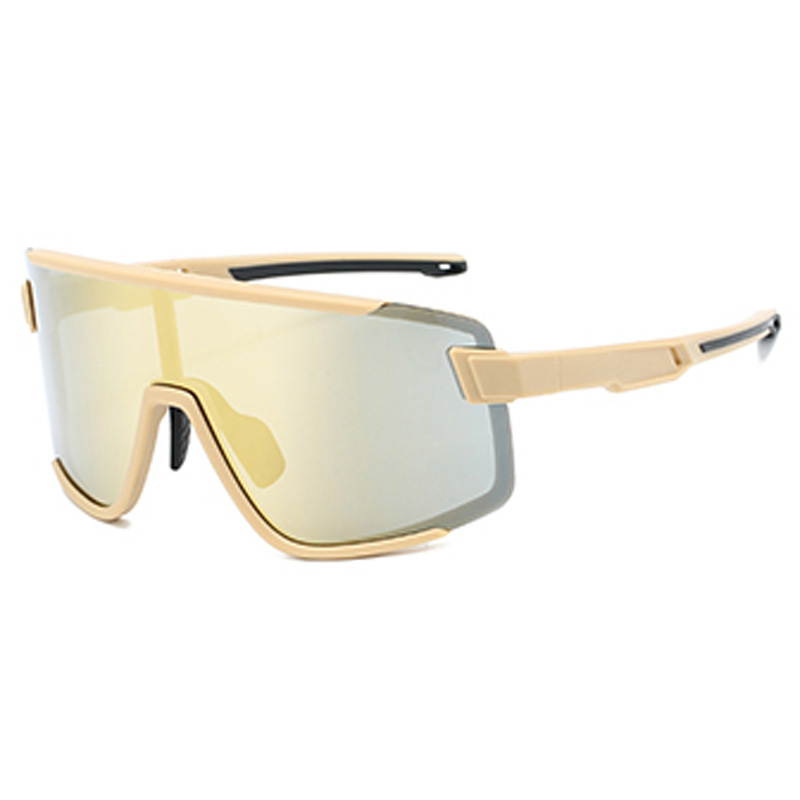
Impact resistance is one of the most important performance factors in sports Sunglasses. Unlike ordinary fashion eyewear, sports sunglasses are exposed to fast movement, outdoor hazards, flying debris, sudden collisions, and intense physical activity. For athletes, cyclists, runners, golfers, tennis players, hikers, anglers, and outdoor enthusiasts, impact-resistant sunglasses are not just a style accessory. They are a practical piece of protective gear designed to help reduce injury risk while supporting vision clarity, comfort, and long-term durability.
When people search for impact resistance in sports sunglasses, they are usually looking for sunglasses that can withstand accidental hits, drops, friction, and environmental stress without cracking or shattering. This matters because sports eyewear is often worn in high-energy conditions where ordinary sunglasses may fail. A lens that breaks under pressure can cause eye injury, poor visibility, and reduced confidence during performance. That is why impact-resistant lens materials, secure frame construction, and protective design features are essential in modern sports eyewear.
This guide explains why impact resistance matters in sports sunglasses, how it works, what standards and materials are commonly used, and what buyers should evaluate when selecting eyewear for sports or outdoor activities. The content below is written for SEO use, blog publishing, category pages, product education pages, and industry resource pages.
Impact resistance refers to the ability of sunglasses to absorb or withstand force without breaking, cracking, deforming dangerously, or sending fragments toward the eyes. In sports eyewear, impact resistance is especially important because the user may face high-speed movement, sudden contact, and unexpected external force. A baseball, tennis ball, rock, branch, sand particle, or even a drop onto a hard surface can create enough stress to damage low-quality lenses or frames.
In practical terms, impact-resistant sunglasses are designed to:
It is important to note that impact resistance is different from scratch resistance, water resistance, or UV protection. A sports sunglass can be very scratch-resistant but still fragile under impact. For this reason, athletes and active consumers should consider impact performance as a core safety feature, not an optional upgrade.
Sports sunglasses are used in situations where eyes are more exposed than in normal daily wear. During running, cycling, skiing, climbing, fishing, baseball, golf, and similar activities, the eyes may be hit by dust, stones, branches, insects, or fast-moving objects. Without impact-resistant construction, the glasses may fail at the exact moment protection is needed most.
Below are the main reasons impact resistance matters:
The eyes are delicate and highly vulnerable to injury. A strong impact can cause scratches on the cornea, irritation, bruising, or more serious trauma. Sports sunglasses with impact-resistant lenses help create a protective barrier that may reduce the severity of accidental contact. This is one of the biggest reasons impact resistance is considered essential in performance eyewear.
Traditional glass lenses can break into sharp fragments when hit. In contrast, many sports sunglasses use polycarbonate, Trivex, or other durable materials that are designed to resist shattering. This makes them more suitable for active use, where sudden impacts are more likely.
Sports sunglasses must stay stable and functional during quick movement. If lenses crack or frames deform after an impact, the wearer can lose visibility and concentration. Impact-resistant sunglasses are typically built to maintain shape, alignment, and vision quality under stress, helping athletes stay focused on performance.
Durable construction is not only about safety. It also affects value. Impact-resistant sports sunglasses often last longer because they are less likely to suffer structural damage from everyday use, transport, or accidental drops. For brands, retailers, and distributors, this durability is a strong selling point in the sports eyewear market.
When wearers know their sunglasses are built to withstand action, they feel more confident. That confidence can improve comfort during training and competition. Athletes want eyewear that supports performance without requiring constant adjustment or worry about breakage.
Impact resistance is valuable across many sports and outdoor activities. The table below shows common use cases and why impact-resistant eyewear is important in each scenario.
| Sport / Activity | Typical Impact Risk | Why Impact Resistance Matters |
|---|---|---|
| Cycling | Road debris, wind-borne particles, accidental drops | Protects eyes from gravel, dust, and sudden collisions |
| Running | Branches, insects, dust, falls | Helps maintain clear vision and eye protection during fast movement |
| Baseball / Softball | High-speed balls, bat contact, rapid motion | Reduces injury risk from direct impact |
| Tennis / Racquet Sports | Fast ball movement, racket swing contact | Supports safe play and stable vision in quick reaction sports |
| Golf | Club movement, flying debris, outdoor conditions | Improves protection and visibility in open environments |
| Skiing / Snowboarding | Falls, ice particles, wind, debris | Impact resistance is critical in cold-weather speed sports |
| Fishing | Hooks, tackle, water spray, dropped gear | Helps protect eyes from sharp or moving objects |
| Hiking / Climbing | Branches, rocks, falls, environmental debris | Supports durable eye protection in rugged terrain |
High-quality sports sunglasses offer multiple benefits beyond basic sun protection. Impact resistance is one of the main factors that separates true performance eyewear from standard Fashion Sunglasses.
Impact-resistant sports sunglasses are designed with safety in mind. This includes lens materials that can absorb stress, frame shapes that fit securely, and construction methods that improve stability. These features work together to protect the wearer during movement and accidental contact.
Sports eyewear must remain functional in demanding conditions. Whether the wearer is sprinting, pedaling, swinging, or climbing, the sunglasses should stay intact and comfortable. Impact resistance helps support this reliability.
Outdoor environments can be harsh. Heat, wind, humidity, dust, and physical stress all affect eyewear performance. Impact-resistant materials help sunglasses remain usable for longer periods, even when exposed to challenging conditions.
Because durable sports sunglasses are less prone to impact-related damage, they may reduce the frequency of replacement. This is especially useful for athletes, clubs, sports retailers, and brands looking to offer long-lasting products.
For e-commerce pages and catalog listings, impact resistance is a major feature that improves product value. Shoppers often compare sports sunglasses based on protection, material quality, and durability. Adding clear information about impact resistance can improve search relevance and buyer trust.
Not all lens materials perform the same way. In sports sunglasses, certain materials are widely preferred because they offer a balance of optical clarity, lightweight comfort, and impact durability. Below is a comparison of common lens materials used in sports eyewear.
| Lens Material | Impact Resistance | Weight | Optical Quality | Typical Use |
|---|---|---|---|---|
| Polycarbonate | High | Lightweight | Good | General sports sunglasses, safety-oriented eyewear |
| Trivex | Very high | Lightweight | Very good | Performance eyewear, premium active sunglasses |
| Glass | Low to moderate | Heavier | Excellent | Fashion eyewear, limited sports use |
| CR-39 | Moderate | Moderate | Good | Casual sunglasses, less demanding activities |
Polycarbonate is one of the most common materials for impact-resistant sports sunglasses because it is lightweight and naturally strong against breakage. Trivex is also highly valued because it combines strong impact resistance with excellent optical performance. These materials are often chosen for sports sunglasses intended for fast, active, or high-risk environments.
Lens material is only part of the equation. The frame also plays a major role in overall impact performance. A strong lens in a weak frame can still lead to poor durability. For sports sunglasses, the frame should be flexible enough to absorb stress but stable enough to hold the lens securely in place.
Important frame features include:
A well-designed sports frame is not simply “tough.” It should balance flexibility, fit, ventilation, and durability. If the frame is too rigid, it may break under stress. If it is too soft, it may not hold the lenses firmly enough. The best sports sunglasses typically use engineering that supports both comfort and impact resistance.
Impact resistance is often evaluated through standardized testing methods. While specific certification requirements vary by region and application, the general purpose is to determine whether the sunglasses can withstand force without dangerous failure.
Testing may include:
These tests help manufacturers and buyers understand whether the eyewear is suitable for active or protective use. In many cases, sports sunglasses are expected to meet performance standards that are stricter than regular fashion sunglasses. This is one reason why product descriptions often highlight compliance, durability, and impact resistance.
It is common for consumers to confuse impact resistance with UV protection. However, these are two separate features.
A sports sunglass should ideally offer both. In fact, many high-quality sports sunglasses combine UV protection, impact-resistant lenses, and glare reduction technology. The combination of features makes the eyewear more suitable for both safety and performance.
For SEO and product education purposes, it is useful to explain that a sunglass can be excellent at blocking UV rays but still not be ideal for sports if it lacks impact durability. Likewise, a strong lens material without UV protection is incomplete for outdoor use. The best sports sunglasses deliver a full package of protection.
When building a blog post, category page, or industry landing page, keywords such as impact resistant sports sunglasses, sports sunglasses for eye protection, durable sports eyewear, and protective sunglasses for athletes are highly relevant. Search engines tend to favor pages that clearly explain product benefits, specifications, and use cases.
To improve search visibility, content should naturally include related terms such as:
When these terms are used in a structured and informative way, the content becomes more useful to readers and more relevant to search engines. For best results, product pages should explain not only what the product is, but also why impact resistance matters in real-world sports use.
Whether shopping for retail, wholesale, or private-label products, buyers should evaluate the following factors when selecting sports sunglasses with strong impact resistance.
| Buying Factor | Why It Matters | What to Look For |
|---|---|---|
| Lens Material | Determines break resistance and optical clarity | Polycarbonate, Trivex, or other durable lens materials |
| Frame Flexibility | Affects comfort and resistance to stress | Flexible but stable frame structure |
| Fit Stability | Prevents slipping during movement | Grip nose pads, secure temples, wraparound fit |
| Coverage | Improves side protection against debris and wind | Large lenses or wrap design |
| Weight | Influences comfort during long wear | Lightweight construction |
| Lens Clarity | Important for safe vision during fast motion | Low distortion and clear optics |
| UV Protection | Essential for outdoor sun safety | Full UV blocking capability |
These factors are especially important for athletes and outdoor users who depend on eyewear in dynamic environments. A product that looks sporty is not necessarily suitable for sports. True performance eyewear should offer measurable protection and dependable structure.
Impact-resistant sports sunglasses are used across many industries and customer groups. They are not limited to professional athletes. They are also popular among recreational users, outdoor workers, and lifestyle consumers who want stronger eyewear for active living.
People who enjoy jogging, cycling, hiking, or beach sports often want eyewear that can handle regular wear and occasional accidents. Impact-resistant sunglasses offer extra peace of mind during these activities.
For competitive athletes, vision stability and safety are both important. Strong eyewear can support performance under pressure and help reduce risks caused by fast-paced movement and collisions.
Some workers and active consumers need durable sunglasses because they spend long hours in bright, high-motion environments. Construction, landscaping, fishing, and field activities may all benefit from impact-resistant eyewear.
For distributors and product managers, impact resistance is a strong product category feature. It can improve marketing clarity, product differentiation, and consumer trust in sports eyewear collections.
| Feature | Importance Level | Role in Sports Sunglasses |
|---|---|---|
| Impact Resistance | Very High | Protects eyes and prevents lens breakage |
| UV Protection | Very High | Blocks harmful sunlight |
| Lightweight Fit | High | Improves comfort during movement |
| Secure Grip | High | Prevents slipping during activity |
| Scratch Resistance | Medium to High | Helps lenses remain clear over time |
| Ventilation | Medium | Reduces fogging and improves airflow |
| Wraparound Coverage | High | Adds side protection and better sun blocking |
In online shopping, consumers often compare products quickly. They want to know whether a pair of sports sunglasses is truly built for action. Mentioning impact resistance clearly can improve trust because it signals that the product is designed for function, not just appearance.
Clear educational content also helps reduce confusion. Some shoppers may assume all sunglasses offer the same level of durability, but this is not true. A page that explains the value of impact resistance can help users understand why certain sports sunglasses cost more, perform better, and last longer.
For SEO purposes, this type of content is also useful because it addresses search intent. People searching for durable sunglasses, eye protection for sports, or impact-resistant eyewear want detailed explanations. Pages that answer these questions thoroughly are often better positioned to rank well.
If you are creating a blog post, product guide, directory page, or category description, the following practices can help make the content more effective and SEO-friendly:
Well-structured content makes it easier for users to read and for search engines to understand the topic. Headings, lists, and tables help organize the page and improve the chance of ranking for related search queries.
Impact resistance matters in sports sunglasses because it directly affects eye safety, product durability, and real-world performance. In active environments, sunglasses must do more than block sunlight. They must remain strong under pressure, resist breakage, and protect the wearer from unexpected hazards. That is why impact-resistant lenses and durable frame construction are essential features for sports eyewear.
Whether the use case is cycling, running, skiing, fishing, or general outdoor recreation, the value of impact resistance is clear. It improves safety, extends product life, and increases consumer confidence. For blogs, category pages, and industry content, this is one of the most important topics to explain when discussing sports sunglasses.
In summary, the best sports sunglasses combine impact resistance, UV protection, lightweight comfort, and secure fit into a single high-performance product. This combination is what makes them suitable for athletes and active users who need reliable eye protection every day.
This website uses cookies to ensure you get the best experience on our website.



 Phone
Comment
(0)