

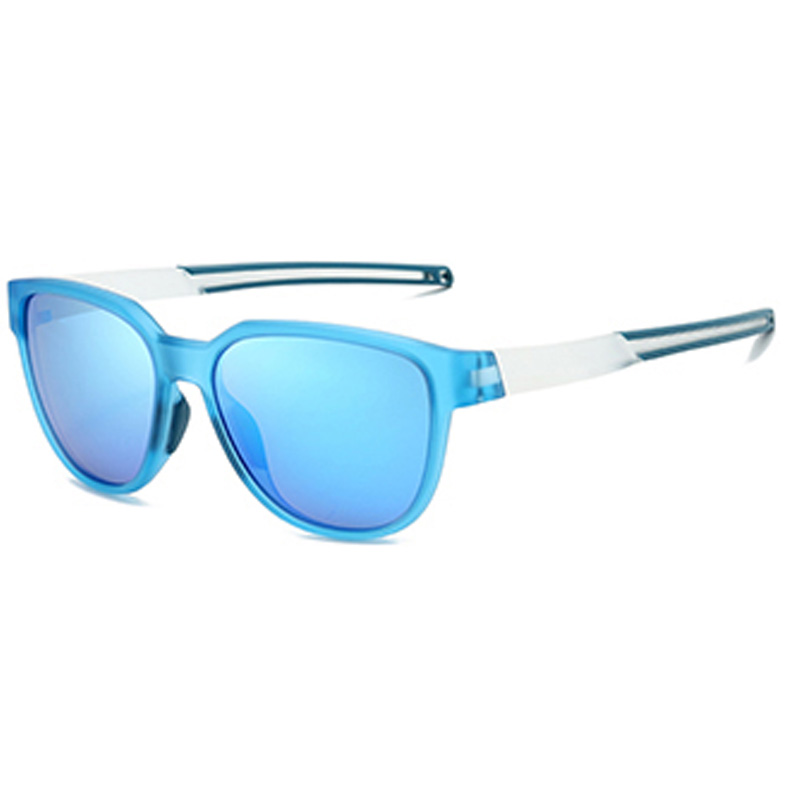
Choosing the right sports Sunglasses for everyday outdoor use is more than a style decision. The best pair can improve visual clarity, reduce glare, protect your eyes from harmful UV rays, and stay comfortable during long periods of wear. Whether you walk, cycle, jog, golf, hike, fish, or simply spend time outside, the right sports eyewear can make a noticeable difference in performance and comfort.
This guide explains how to choose sports sunglasses for daily outdoor activities, what features matter most, how different lens technologies work, and which specifications you should compare before buying. It is designed to support SEO content needs for category pages, blog pages, landing pages, and industry information pages, while remaining general, practical, and easy to read.
Sports sunglasses are performance-focused sunglasses designed to provide eye protection, stable fit, and enhanced vision in outdoor environments. Unlike standard Fashion Sunglasses, sports sunglasses are typically built with lightweight frames, impact-resistant lenses, curved lens coverage, and grip features that help them stay in place during movement.
For everyday outdoor use, sports sunglasses need to balance functionality and comfort. They should reduce brightness, improve contrast, shield eyes from wind and dust, and remain comfortable during commuting, exercise, travel, and leisure activities. In many cases, they also feature wraparound shapes that cover more of the eye area than ordinary sunglasses.
| Feature | Sports Sunglasses | regular sunglasses |
|---|---|---|
| Primary purpose | Outdoor performance, eye protection, stability | Style and general sun protection |
| Frame design | Lightweight, grip-focused, movement-friendly | Often fashion-oriented |
| Lens coverage | Usually larger or wraparound | Usually smaller or more open |
| Stability | Designed to stay secure during activity | May slip during exercise |
| Outdoor use | Ideal for sports and everyday outdoor wear | Best for casual wear |
The sun can affect your eyes in many ways. Bright light can cause squinting, glare can reduce visibility, and long-term UV exposure can contribute to eye discomfort and potential damage. High-quality sports sunglasses for outdoor use help solve these issues by filtering light and improving visual comfort.
Everyday outdoor use often includes changing light conditions, movement, wind, dust, and reflected glare from roads, water, glass, or concrete. A well-chosen pair of sports sunglasses supports better visual performance in all of these environments. They can also help reduce eye fatigue, especially when spending long periods outdoors.
Another major advantage is versatility. A good pair of everyday sports sunglasses can work across multiple activities, from walking and running to cycling, driving, and weekend travel. This makes them a practical wardrobe essential rather than a single-purpose accessory.
| Benefit | Description |
|---|---|
| UV protection | Helps block harmful UVA and UVB rays from reaching the eyes |
| Glare reduction | Improves vision by reducing reflected light from roads, water, and surfaces |
| Visual comfort | Reduces squinting and eye strain in bright conditions |
| Impact resistance | Many sports lenses are made to better withstand outdoor activity |
| Secure fit | Grips, nose pads, and temples help keep the sunglasses in place |
| Better coverage | Wraparound styles help shield eyes from wind, dust, and peripheral light |
| Multi-activity use | Suitable for sports, commuting, travel, and casual outdoor wear |
Selecting the best sports sunglasses involves more than choosing a frame that looks good. You should evaluate lens protection, frame fit, material quality, comfort, style, and intended use. The following sections explain the most important factors in detail.
UV protection is one of the most important features in any pair of outdoor sunglasses. The eyes are vulnerable to UVA and UVB rays, especially during long periods outside. When comparing sports sunglasses for everyday outdoor use, prioritize lenses that provide 100% UV protection or UV400 Protection.
UV400 protection typically means the lenses are designed to block light rays up to 400 nanometers, which covers both UVA and UVB. This is one of the most important specifications for eye safety and long-term outdoor use.
| UV Specification | Meaning | Why It Matters |
|---|---|---|
| 100% UV protection | Blocks nearly all harmful UV rays | Essential for eye safety outdoors |
| UV400 | Blocks UVA and UVB rays up to 400 nm | Common benchmark for high-level sun protection |
| No UV rating | No verified UV protection | Not recommended for outdoor use |
Lens color affects how sunglasses filter light and how clearly you can see in different conditions. There is no single “best” lens color for all situations. The right lens color depends on your outdoor environment, activity, and lighting conditions.
| Lens Color | Best For | Typical Advantages |
|---|---|---|
| Gray | Bright sunlight and everyday use | Reduces brightness while keeping colors balanced |
| Brown / Amber | Changing light and contrast improvement | Enhances contrast and depth perception |
| Green | General outdoor wear | Balances color and reduces glare |
| Yellow | Low light, overcast conditions, dawn, dusk | Increases contrast in darker environments |
| Blue / Mirrored options | Very bright conditions and style-driven use | Reduces visible brightness and adds aesthetic appeal |
| Photochromic | Variable light conditions | Adjusts lens darkness according to brightness |
For daily outdoor use, gray, brown, and green lenses are among the most versatile choices. If you move frequently between sun and shade, photochromic sports sunglasses may be especially convenient.
Polarized Sunglasses are designed to reduce glare caused by reflected sunlight. This is especially useful near water, roads, snow, glass buildings, and other highly reflective surfaces. For everyday outdoor use, polarization can improve comfort and visibility, particularly if you drive, cycle, fish, or spend time near open reflective areas.
However, polarization is not mandatory for every use case. Some people prefer non-Polarized Sports Sunglasses because they can better read certain screens or instruments. For example, some digital displays, vehicle dashboards, or specific cycling computers may appear dimmer or harder to read with polarized lenses.
| Lens Type | Main Advantage | Best Use Case |
|---|---|---|
| Polarized | Strong glare reduction | Water, roads, snow, driving, fishing |
| Non-polarized | Better screen visibility | General outdoor wear, mixed environments |
A secure fit is essential for sports sunglasses. If the frame slides down your nose, bounces during movement, or feels heavy after a short time, it will not perform well for everyday outdoor use. The best frames stay stable without creating pressure points.
Look for features such as rubber nose pads, temple grips, adjustable arms, and curved frame shapes. Wraparound designs can also improve fit and add coverage. Lightweight frame materials are usually preferred because they reduce fatigue during long wear periods.
| Frame Feature | Benefit |
|---|---|
| Rubber nose pads | Help prevent slipping and improve comfort |
| Temple grips | Keep sunglasses secure during movement |
| Lightweight material | Reduces pressure during all-day use |
| Wraparound shape | Improves coverage and wind protection |
| Adjustable fit | Allows better personalization and comfort |
Outdoor sunglasses should be made from materials that can handle regular use, movement, and minor impacts. Many sports sunglasses use lightweight frame materials such as nylon, polycarbonate blends, TR90, or other performance plastics. These materials are often selected because they combine flexibility, strength, and low weight.
Lens material is equally important. Polycarbonate lenses are common in sports sunglasses because they are lightweight and impact resistant. Some higher-end options may use other advanced lens materials that offer similar or improved durability. When choosing everyday outdoor eyewear, durability should never be overlooked.
| Material Type | Common Advantages | Typical Use |
|---|---|---|
| Polycarbonate lens | Lightweight, impact-resistant | Sports and active outdoor use |
| Nylon frame | Flexible and durable | Everyday performance eyewear |
| TR90 frame | Lightweight and resilient | Long-wear outdoor use |
| Rubber inserts | Extra grip and comfort | High-movement activities |
The shape of your sunglasses affects protection, wind resistance, and style. Wraparound Sports Sunglasses curve around the face and help block sunlight from the sides. This design is especially useful for cycling, running, hiking, and other activities that expose you to wind and peripheral glare.
Standard sports-inspired frames can also work well for everyday outdoor use, especially if you want a more casual look. These may provide enough protection for light activity, walking, driving, or city wear. However, if you want more complete coverage, wraparound shapes are generally better.
| Frame Shape | Advantages | Best For |
|---|---|---|
| Wraparound | Better coverage, wind resistance, and glare blocking | Active sports and strong sun exposure |
| Standard | More casual appearance and easier styling | Everyday wear and moderate outdoor use |
Larger lenses and deeper coverage can provide better protection against sunlight, dust, debris, and side glare. This is one reason why sports sunglasses for everyday outdoor use often have oversized or curved lenses. The goal is to shield the eyes from more angles without making the frame feel bulky.
Good coverage can also improve comfort during windy conditions. When air flows around the eyes, it can cause tearing, dryness, and irritation. A well-designed sports frame helps reduce these issues and can make long outdoor sessions more comfortable.
Fogging can be a common issue when wearing sunglasses during exercise or in humid weather. Ventilation features, such as small frame openings or aerodynamic lens designs, help air move through the frame and reduce condensation.
If you plan to wear your sunglasses during activity, look for anti-fog or ventilation-focused features. While anti-fog performance varies by design and environment, improved airflow can be a major advantage for runners, cyclists, and commuters.
| Anti-Fog Feature | How It Helps |
|---|---|
| Vent holes | Improve airflow and reduce lens moisture |
| Open frame design | Allows air circulation around the lens |
| Anti-fog coating | Helps reduce condensation buildup on the lens surface |
| Lightweight wrap shape | Supports airflow while keeping coverage |
The best sports sunglasses depend on how you use them. A pair that works well for cycling may not be ideal for casual city walking or driving. For this reason, it helps to choose sunglasses based on your most common outdoor habits.
| Activity | Recommended Features |
|---|---|
| Running | Lightweight frame, secure grip, fog resistance |
| Cycling | Wraparound coverage, wind protection, impact resistance |
| Driving | Polarized lenses, balanced tint, clear optics |
| Hiking | Durable frame, UV protection, stable fit |
| Fishing | Polarized lenses, glare reduction, water-friendly coverage |
| Travel and commuting | Comfortable all-day wear, versatile lens color |
| Casual outdoor wear | Stylish shape, UV protection, easy fit |
Polarized lenses reduce glare from reflective surfaces. They are especially useful in bright outdoor environments and can improve clarity and comfort. If you are looking for best sports sunglasses for everyday outdoor use, polarization is often one of the most valuable features.
Photochromic lenses change darkness depending on light exposure. They are useful for people who move between indoor and outdoor spaces or encounter changing sunlight throughout the day. These lenses can reduce the need to switch between multiple pairs.
Mirrored lenses reflect a portion of incoming light and are often used in very bright conditions. They can help reduce glare and add a bold visual look. However, mirror coatings should still be paired with proper UV protection.
Gradient lenses are darker at the top and lighter at the bottom. They can be useful for driving and general outdoor wear because they reduce overhead brightness while allowing better visibility below the lens line.
Before buying sports sunglasses, compare technical specifications carefully. This helps you choose eyewear that fits your needs instead of relying on appearance alone. The table below summarizes important specs commonly found in outdoor sports sunglasses.
| Specification | What to Look For | Why It Matters |
|---|---|---|
| UV protection | 100% UV or UV400 | Protects eyes from harmful sun exposure |
| Lens material | Impact-resistant, lightweight material | Supports safety and comfort |
| Frame material | Flexible, durable, lightweight construction | Improves long-term wearability |
| Lens color | Gray, brown, green, yellow, or photochromic | Affects visibility and contrast |
| Polarization | Yes or no, depending on use | Reduces glare from reflective surfaces |
| Fit system | Nose pads, temple grips, adjustable parts | Improves stability during movement |
| Coverage | Large or wraparound lens design | Helps block sun and wind from more angles |
| Ventilation | Anti-fog or airflow features | Reduces fogging during activity |
| Weight | Lightweight for all-day wear | Reduces pressure and fatigue |
Fit is one of the most important factors in choosing sports sunglasses. Even the best lens technology will not feel right if the frame is too tight, too loose, or poorly balanced. A good fit should feel secure without squeezing the temples or nose.
When trying on sunglasses, check whether they move when you shake your head gently. They should remain stable without needing constant adjustment. Also consider how they feel after several minutes of wear, since pressure points often become more noticeable over time.
For everyday outdoor use, comfort features can be just as important as protection features. Lightweight construction, soft grip points, and balanced frame geometry all contribute to a better wearing experience.
| Comfort Feature | Benefit |
|---|---|
| Soft nose pads | Reduce pressure on the bridge of the nose |
| Flexible temples | Improve fit and reduce side pressure |
| Balanced weight distribution | Helps the sunglasses feel lighter |
| Low-bulk frame | Makes the sunglasses easier to wear all day |
| Grip inserts | Increase stability during sweat or movement |
Not every sports sunglass is ideal for daily wear. Some models are too aggressive in style, too heavily tinted, or too specialized for one sport. The best everyday outdoor sunglasses are versatile, comfortable, and visually balanced.
A suitable everyday pair should be easy to wear with casual clothing, comfortable enough for long periods, and effective across a wide range of outdoor conditions. This includes shopping, commuting, walking, driving, and light sports.
Many people choose sunglasses based only on appearance. While style matters, ignoring technical features can lead to discomfort or poor outdoor performance. Avoid these common mistakes when choosing sports sunglasses for everyday outdoor use.
| Mistake | Why It Is a Problem |
|---|---|
| Buying without UV protection | Leaves eyes exposed to harmful sunlight |
| Choosing a poor fit | Causes slipping, pressure, and distraction |
| Ignoring lens color | May reduce visibility in your main environment |
| Overlooking glare control | Can make outdoor vision less comfortable |
| Prioritizing style only | May result in limited performance and comfort |
If you are building a blog, category page, or product guide, the topic of how to choose sports sunglasses for everyday outdoor use can support many related search terms. Using natural variations can improve topical relevance while keeping the content useful and readable.
These keyword phrases can be used naturally in headings, introductory paragraphs, table labels, image alt text, and supporting content. For SEO purposes, it is important to keep the article readable and informative rather than overstuffed with repeated phrases.
| Checklist Item | Yes / No |
|---|---|
| Does it offer 100% UV or UV400 protection? | |
| Does the lens color match your outdoor conditions? | |
| Does the frame fit securely and comfortably? | |
| Is the frame lightweight enough for daily wear? | |
| Does it reduce glare effectively? | |
| Does it provide enough coverage from sun and wind? | |
| Is the material durable enough for outdoor activity? | |
| Does it match your main sport or outdoor routine? |
The best sports sunglasses for everyday outdoor use combine UV protection, comfort, durability, glare reduction, and a secure fit. By comparing lens color, polarization, frame shape, material quality, and coverage, you can choose sunglasses that work well across many outdoor situations.
Whether you need eyewear for walking, cycling, driving, hiking, or general daily wear, a well-chosen pair of sports sunglasses can improve visual comfort and support a more active outdoor lifestyle. Focus on practical features first, then choose a style that fits your personal taste and routine.
In short, the ideal outdoor sports sunglasses should protect your eyes, stay comfortable all day, and adapt to the conditions you face most often. That combination makes them a smart and long-lasting everyday accessory.
```
This website uses cookies to ensure you get the best experience on our website.



 Phone
Comment
(0)