



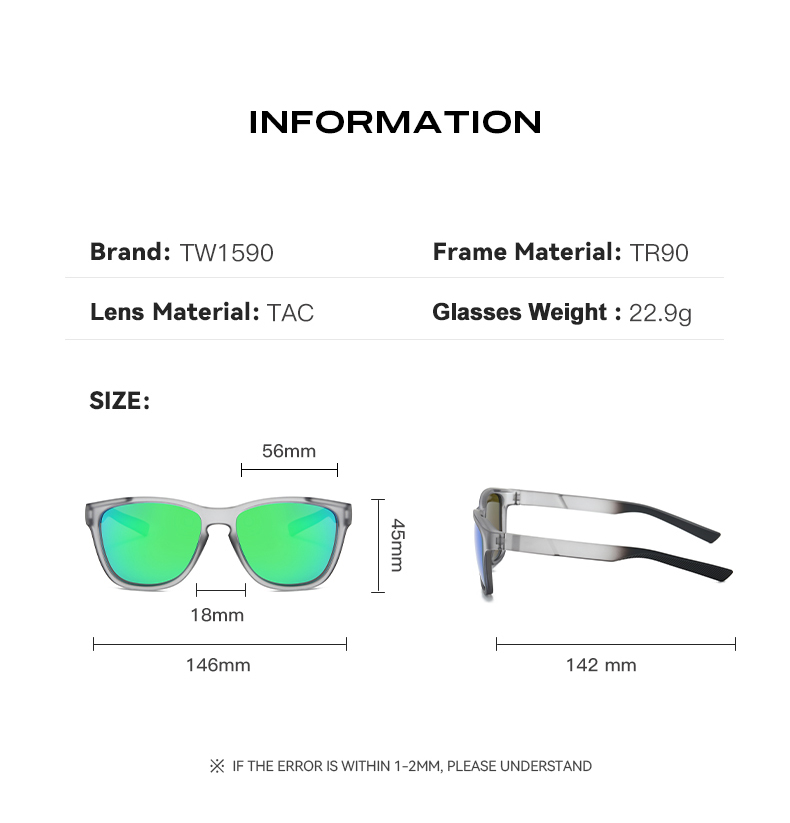
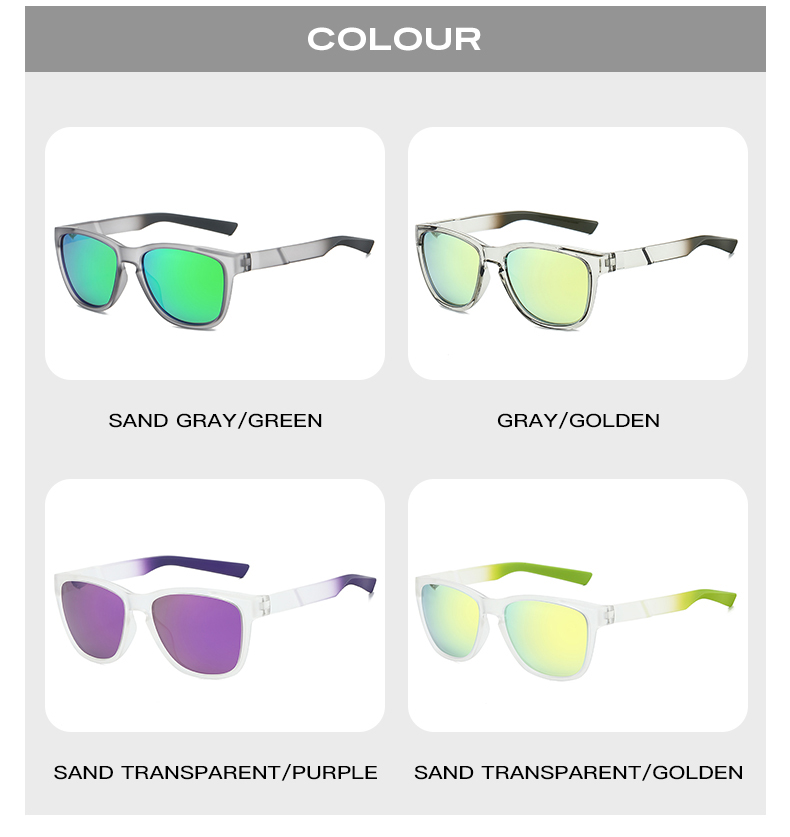
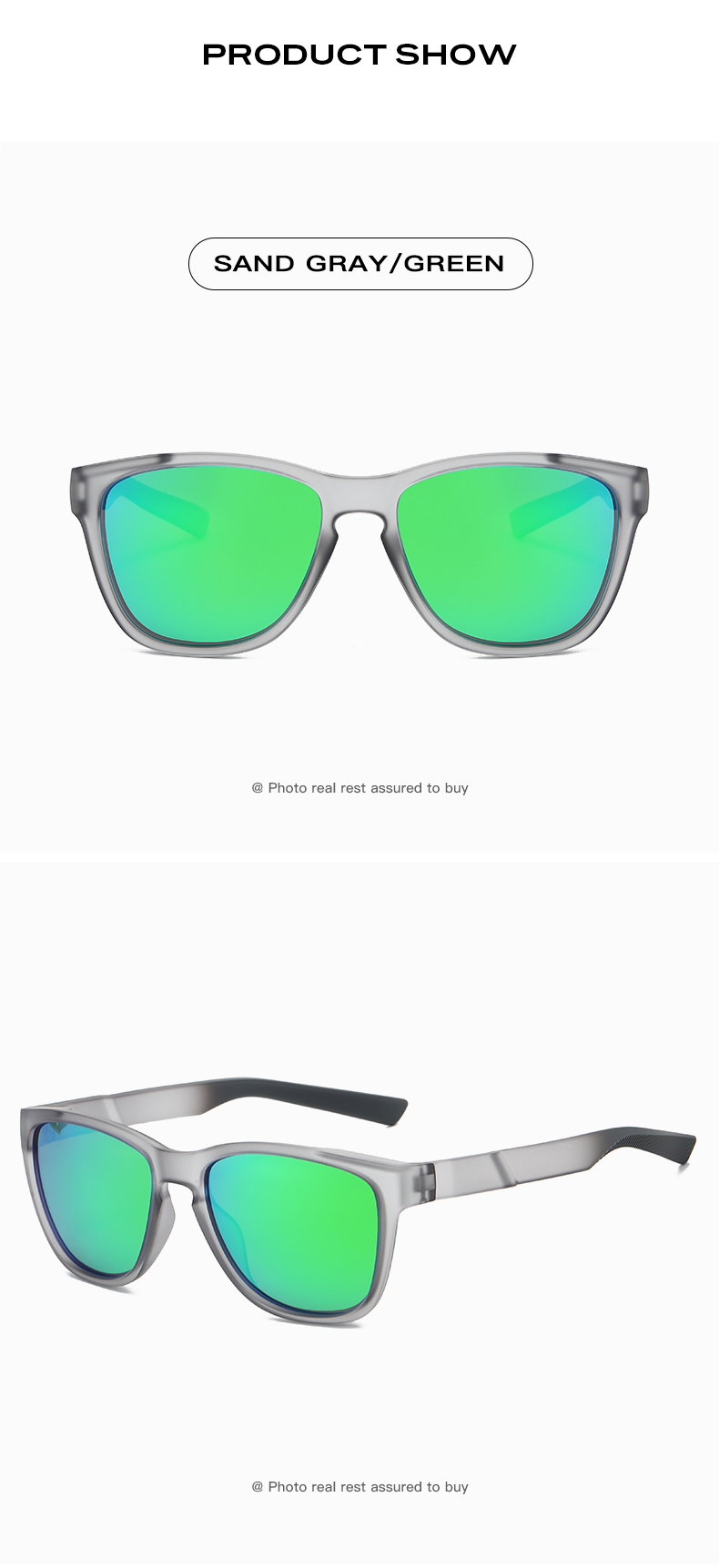
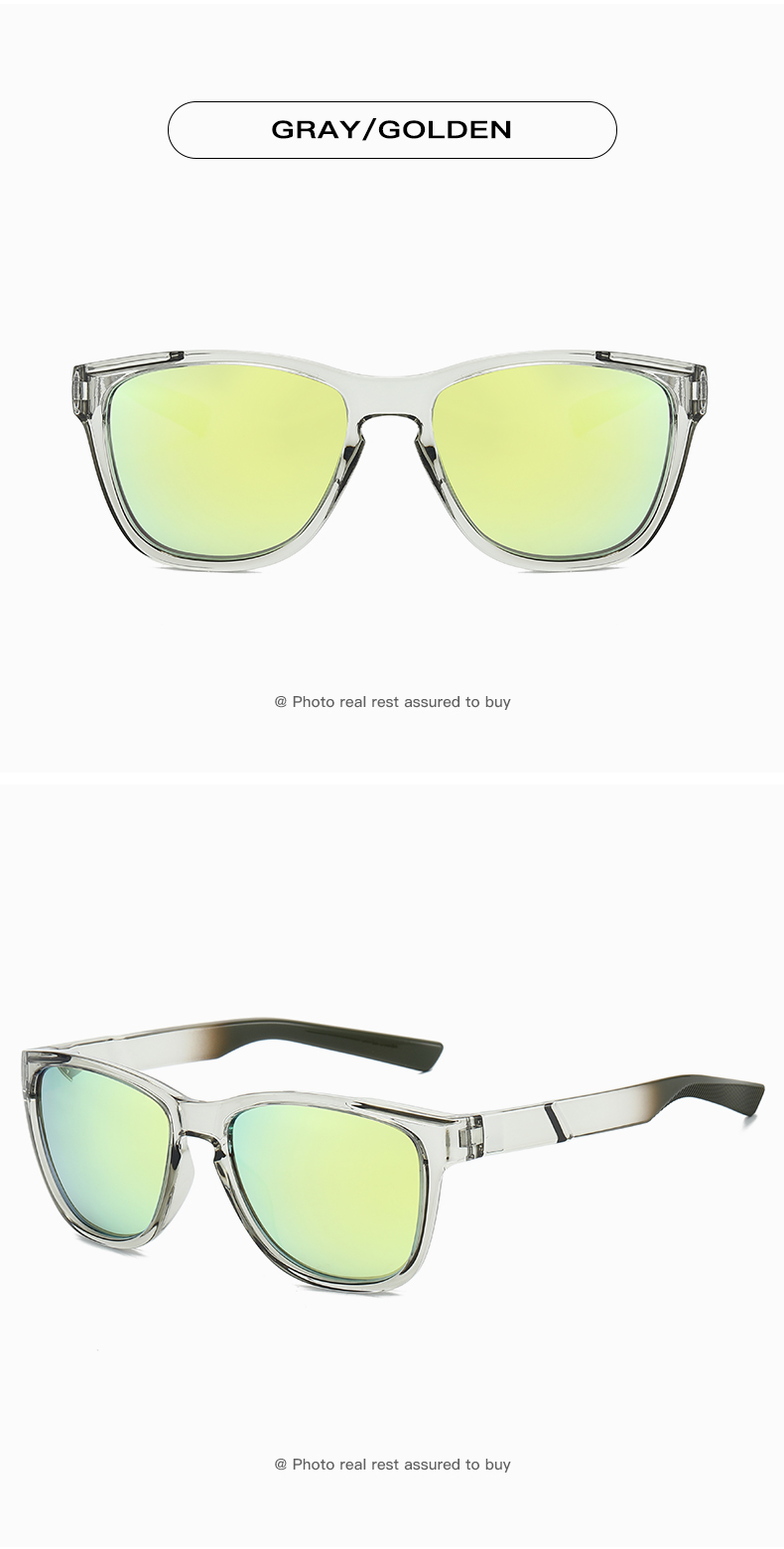
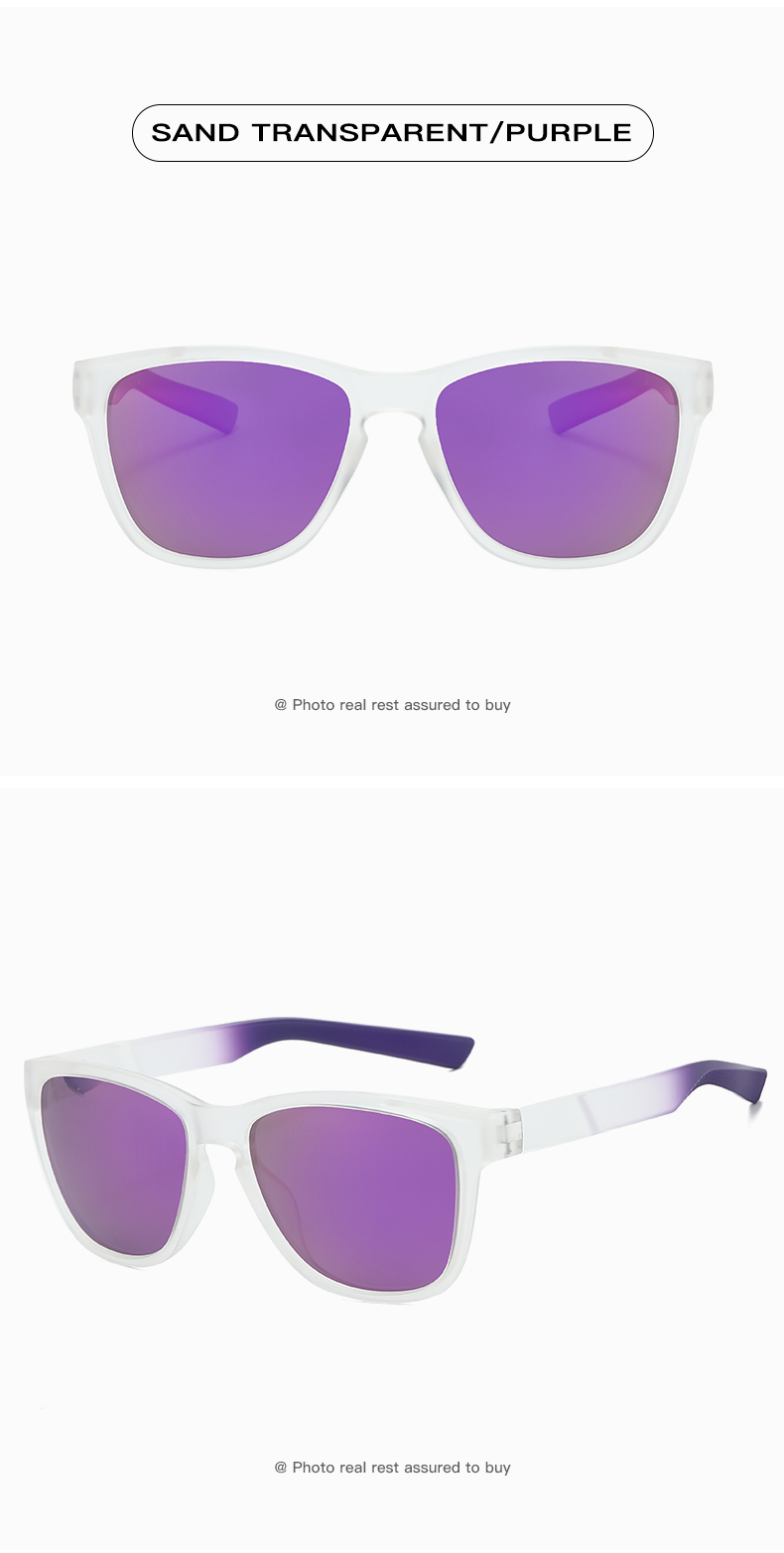
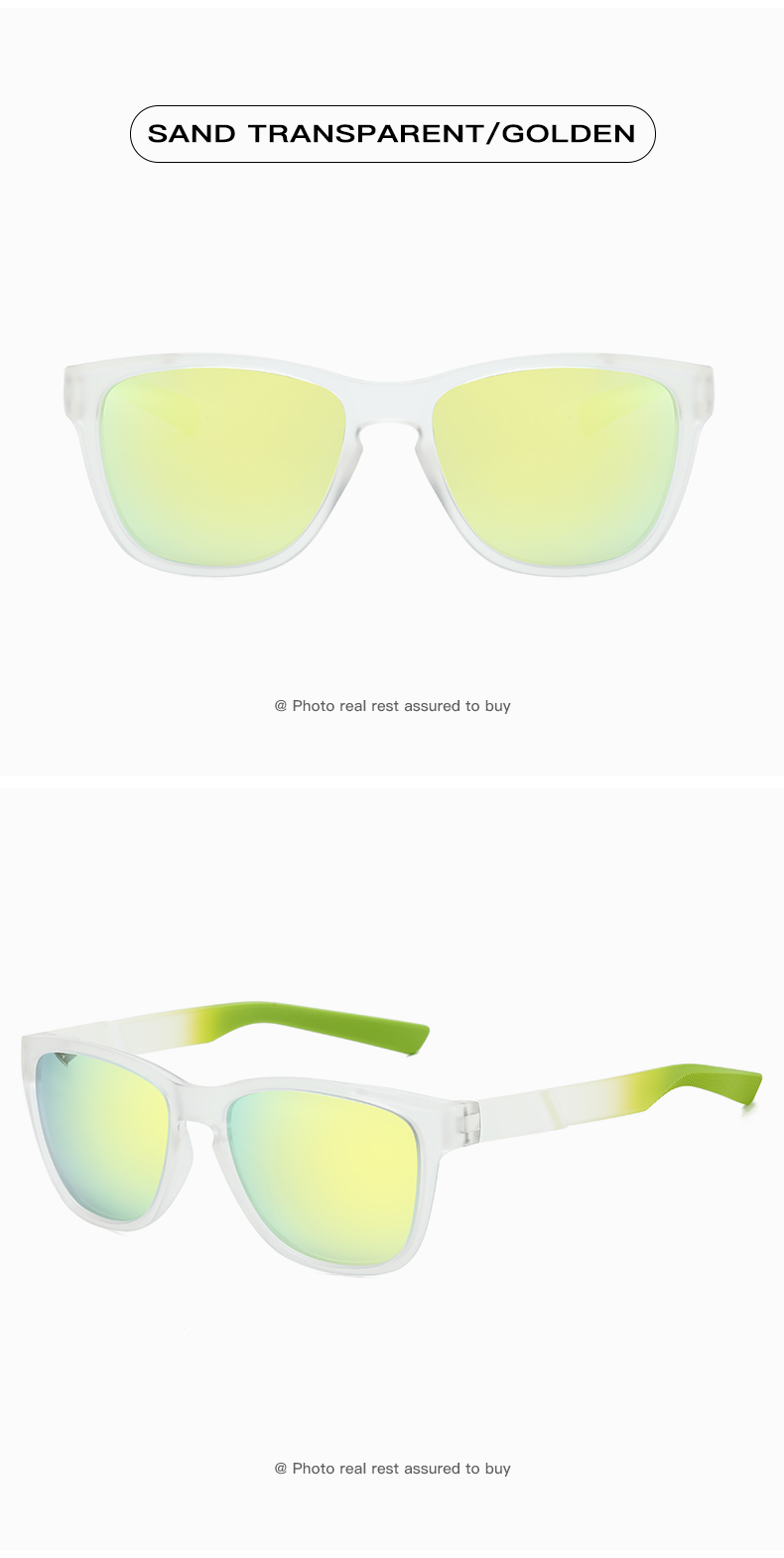
When I develop a pair of sunglasses, I do not start with the idea that it has to look complicated. In many cases, the most useful eyewear is the pair that people can put on without thinking too much about it. It should look good, feel comfortable, and fit naturally into different parts of the day.
That is the idea behind our TR90 Gradient Temples Sports Casual Sunglasses. I combine a sporty-casual frame style with lightweight TR90 construction and a gradient temple detail. The result is a product that can sit comfortably between active eyewear and everyday Fashion Sunglasses.
I designed this type of frame for customers who want more than a basic casual sunglasses model, but who do not necessarily need a highly specialized sports goggle. It can work for outdoor leisure, travel, driving, walking, cycling at a recreational level, commuting, and general daily wear, depending on the final lens and product configuration.
From a B2B point of view, I also see another advantage: the design is easy to understand. A buyer can place it in a Sports sunglasses collection, casual eyewear range, outdoor accessories line, or private-label product catalog without having to explain an unusual concept to the end customer.
At Linhai Huangjia Glasses Co., Ltd., we focus on sports glasses, optical glasses, fashionable sunglasses, industrial safety goggles, and military and police tactical goggles. So when I work on a product like this, I look at both sides of the equation: how the frame looks and how it needs to perform as a manufactured product.
1. Why I Combine a Sports Shape with Casual Styling
There is a simple reason I like the sports-casual direction: people do not always spend their day doing one activity.
A customer might drive to work in the morning, walk outside at lunch, meet friends in the afternoon, and travel or go shopping later. They may want sunglasses that can move between those situations without looking like technical sports equipment.
That is where the TR90 Gradient Temples Sports Casual Sunglasses fit naturally.
The overall frame can have a sporty feel through its proportions and construction, while the gradient temples add a more fashionable visual detail. I find this combination useful because it gives the product a stronger identity without making the frame overly aggressive.
For an eyewear brand, this also creates room for different product directions. The same basic frame concept can be presented in neutral colors for a daily collection or in brighter combinations for a younger outdoor range. The final look can be changed through frame color, temple color, lens color, logo treatment, and other agreed specifications.
I also pay attention to how the frame looks when it is actually worn. A product photograph can make almost any frame look interesting, but the real test is whether the design still feels natural when someone wears it with normal clothing.
That is why I prefer a balanced sports-casual style rather than adding unnecessary visual details. The frame should have enough character to be recognizable, but enough simplicity to remain useful across different markets.
2. What TR90 Brings to This Sunglasses Design
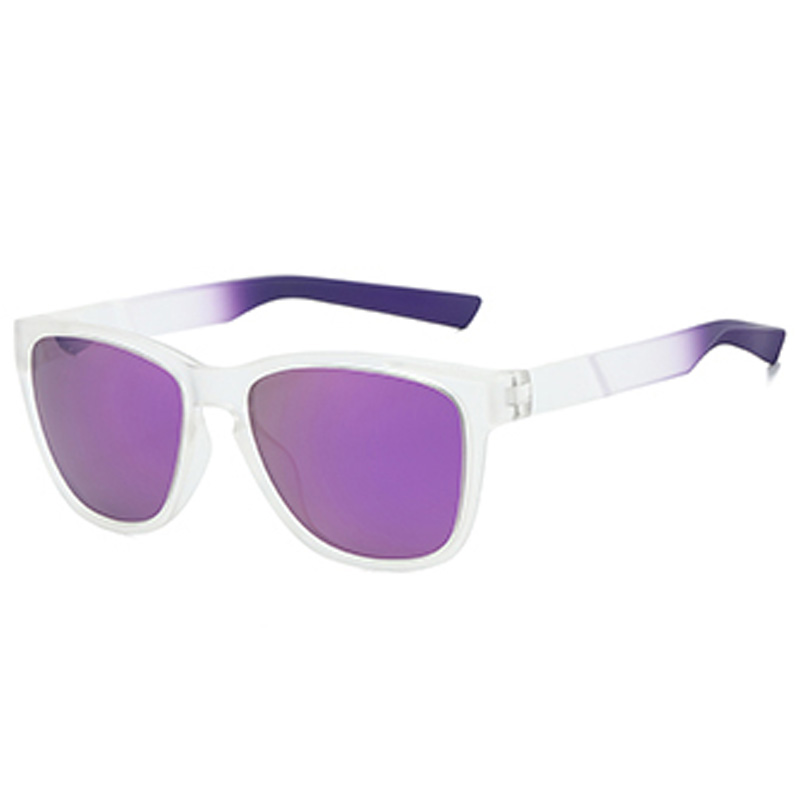
TR90 is a thermoplastic material commonly used in eyewear frame manufacturing. In simple terms, it can be processed into shaped frame components and finished into the required product design.
For me, the biggest practical point is weight. Sunglasses sit on the bridge of the nose and behind the ears, so frame weight has a direct effect on how the product feels during normal use. A lightweight construction can be helpful when sunglasses are worn for several hours at a time.
But I do not treat “lightweight” as the only goal. A frame that is too thin or poorly designed may create other problems. I need to consider the frame geometry, temple structure, hinge area, wall thickness, lens mounting, finishing, and overall balance at the same time.
This is especially important for sports-casual eyewear. Customers may wear the product while walking, traveling, cycling casually, driving, or spending time outdoors. The frame should therefore be comfortable without becoming unnecessarily complicated.
Another useful feature of thermoplastic frame production is design flexibility. It allows us to work with different shapes, colors, and visual details. For OEM and ODM projects, this can make it easier to build several variations around a common product concept.
Still, I want to make one point clear: the material name alone does not prove that a pair of sunglasses is suitable for a particular hazard or sport. If a customer needs certified protective eyewear for industrial work or a specialized sport, we need to develop and evaluate the product for that intended application.
For general-purpose sunglasses, ISO 12312-1:2022 covers afocal sunglasses and clip-ons intended for general use, including road use and driving, for protection against solar radiation. The standard does not cover occupational eye protection or certain specific sports protectors.
That distinction is important to me because product positioning should match the actual product.
3. Main Features I Focus on in the Product
Lightweight TR90 Frame
I use TR90 as the foundation of the frame concept because a lightweight construction makes sense for casual sunglasses intended to be worn during everyday activities.
The goal is not to chase the lowest possible weight. Instead, I look for a sensible balance between weight, frame strength, appearance, component structure, and production requirements.
Gradient Temple Design
The gradient temple is one of the details that gives this model its personality. Instead of making the entire frame visually busy, I can use the temple area as a controlled design element.
This gives buyers another way to build color variations. For example, a darker frame can be paired with a subtle gradient temple for a mature appearance, while a brighter combination can be developed for a more youthful casual collection.
Sports-Casual Profile
The design sits between traditional fashion sunglasses and more technical sports eyewear. I see this as a useful position for retailers and distributors because it creates more possible wearing occasions.
It can be marketed for travel, leisure, outdoor activities, casual driving, walking, commuting, and other everyday situations, provided the final product configuration is appropriate for those uses.
Comfort-Oriented Construction
I pay attention to the points that actually touch the wearer: the bridge area, temples, and the way the frame sits around the face.
A good frame should not feel like it is constantly asking the wearer to adjust it. The final fit still depends on the frame dimensions and the individual wearer, but good manufacturing starts with a well-controlled design.
Flexible B2B Customization
For wholesale, private-label, and OEM/ODM customers, the product can be discussed around practical specifications such as frame color, temple treatment, branding, packaging, order quantity, and delivery requirements.
I prefer to confirm these details before production so both sides know what is being made.
4. Product Comparison: How I Evaluate Sports-Casual Sunglasses
When I compare sunglasses, I do not look only at the frame color or product photograph. I usually divide the evaluation into several areas that can be checked more objectively.
| Evaluation Area | What I Check | Why It Matters |
|---|---|---|
| Frame Material | Specified material and production consistency | Affects frame feel, weight, processing, and appearance |
| Frame Geometry | Front width, bridge, temple length, lens opening | Affects fit, appearance, and lens installation |
| Temple Design | Shape, gradient treatment, alignment, surface finish | Important for appearance and wearing comfort |
| Lens Configuration | Lens material, tint, optical properties, intended use | Important for visual performance and market requirements |
| Assembly | Hinge movement, alignment, component fit | Influences daily handling and product consistency |
| Surface Quality | Color consistency, marks, scratches, visible defects | Directly affects the finished product appearance |
Source: Product evaluation criteria based on our eyewear manufacturing approach and relevant general-purpose sunglasses requirements. ISO 12312-1:2022 addresses construction and materials, filter performance, transmittance, robustness, resistance to solar radiation, and other properties for sunglasses within its scope.
This kind of checklist is more useful to me than simply calling one frame “better” than another. In B2B production, the buyer needs to know exactly what is being compared.
5. How the Sunglasses Work in Everyday Use
There is nothing complicated about how a normal pair of sunglasses works. The lenses reduce the amount of visible light reaching the eyes and, depending on the lens design and specification, provide protection against certain parts of solar radiation.
The frame holds the lenses in the correct position in front of the eyes. The bridge supports the center of the frame, while the temples keep the product positioned on the head.
For me, the important manufacturing point is that these simple functions depend on accurate parts.
If the frame front is uneven, the lens may not sit correctly. If the temples are not aligned, the glasses may feel uncomfortable. If the hinge area is poorly assembled, opening and closing the glasses can become inconsistent.
That is why I treat the frame as a complete system rather than a piece of molded plastic.
The lens is equally important. A TR90 frame can be well manufactured, but that does not automatically mean the complete sunglasses meet every requirement of a target market. Lens material, optical properties, UV performance, impact resistance, tint, and labeling need to be considered separately.
For example, the FDA states that lenses for spectacles and sunglasses sold in the United States must comply with applicable impact-resistant lens requirements under 21 CFR 801.410.
So when a U.S. customer asks about compliance, I do not simply answer based on the frame material. I look at the complete product configuration and the specific requirements that apply to the finished eyewear.
6. Technical Advantages for Outdoor and Casual Applications
I see four practical advantages in this product concept: lightweight construction, flexible styling, broad everyday use, and customization potential.
1. Lightweight Wearing Experience
For casual sunglasses, comfort is a basic requirement. People may wear them for a short walk or for several hours during travel. A lightweight frame can help reduce the feeling of pressure around the nose and ears.
2. Easy-to-Match Appearance
The sports-casual shape gives the product more energy than a very formal sunglasses design, while the gradient temple adds a fashion element. This makes it easier to combine with outdoor clothing, casual clothing, travel outfits, and everyday wear.
3. Flexible Product Positioning
I can position the model as lightweight sports casual sunglasses, TR90 outdoor sunglasses, everyday sports eyewear, or fashion-oriented casual sunglasses, depending on the actual product specification and target market.
This matters for distributors because one frame can potentially fit several retail categories without changing the core product concept.
4. Suitable for OEM and ODM Development
For brands, the frame can be used as a starting point for customization. Logo placement, color combinations, packaging, and other agreed specifications can be discussed before production.
I find this especially useful for buyers who do not want to create an entirely new frame from the beginning but still want their collection to have its own visual identity.
7. Manufacturing Process: How I Turn the Design into a Finished Product
A pair of sunglasses looks simple when it is sitting on a display stand. Manufacturing it consistently is a different story.
Design Confirmation
I start by confirming the frame drawings, dimensions, material, colors, lens requirements, logo details, packaging, quantity, and other customer specifications.
If a buyer already has a sample or technical drawing, that information gives us a clear starting point. If the customer is developing a new product, we can discuss the structure and appearance before moving forward.
Tooling and Mould Preparation
The design is then translated into production tooling. Mould accuracy matters because the mould determines the basic shape of the frame components.
The front, bridge, temples, and other details need to work together. A good design on paper still needs to be practical to manufacture.
TR90 Forming
The selected TR90 material is processed under controlled production conditions to create the frame components.
Temperature, forming conditions, mould condition, and material consistency can all affect the result. The objective is to produce parts that stay within the agreed specifications from batch to batch.
Trimming and Finishing
After forming, the components are trimmed and finished. Excess material is removed, edges are processed, and surfaces are checked for visible defects.
This is also where the gradient temple appearance needs careful attention. Color transitions should follow the agreed product sample or specification rather than being treated as a random visual effect.
Assembly
The frame components, hinges, screws, lenses, and other parts are assembled according to the product configuration.
I pay attention to alignment because even a small assembly error can change how the sunglasses sit on the face.
Inspection and Packing
Before shipment, the finished products can be checked for appearance, dimensions, assembly, and packaging according to the agreed inspection requirements.
For B2B customers, packaging is not a minor detail. Sunglasses may travel a long distance before reaching the final warehouse, so the packing method needs to match the product and transportation plan.
8. Comparison of Different Product Positioning Options
One thing I often explain to buyers is that a frame can look sporty without being classified as specialized protective sports eyewear. The intended application should be clear.
| Eyewear Type | Typical Purpose | Key Development Focus | Example Positioning |
|---|---|---|---|
| Casual Sunglasses | Daily outdoor and leisure use | Style, comfort, lens performance | TR90 Gradient Temples Sports Casual Sunglasses |
| Sports Sunglasses | Specific active sports | Fit, coverage, lens and sport-specific requirements | Cycling or running eyewear |
| Industrial Safety Eyewear | Occupational hazards | Applicable protective performance and testing | Industrial safety goggles |
| Tactical Eyewear | Specialized military or police applications | Application-specific protection and specifications | Military and police tactical goggles |
Source: Product category mapping based on our product scope and ISO's stated scope for general-purpose sunglasses. ISO 12312-1:2022 explicitly excludes specific sports protectors and occupational eye protection from its scope, which is why I separate these product categories during development.
This distinction is useful for buyers because it prevents a common mistake: using one product description for every type of eyewear.
If a customer wants casual sunglasses for travel and driving, I can focus on general-use requirements. If the customer wants eyewear for a specific sport, industrial work, or tactical application, I start from the requirements of that environment instead.
9. Where I Recommend Using This Product
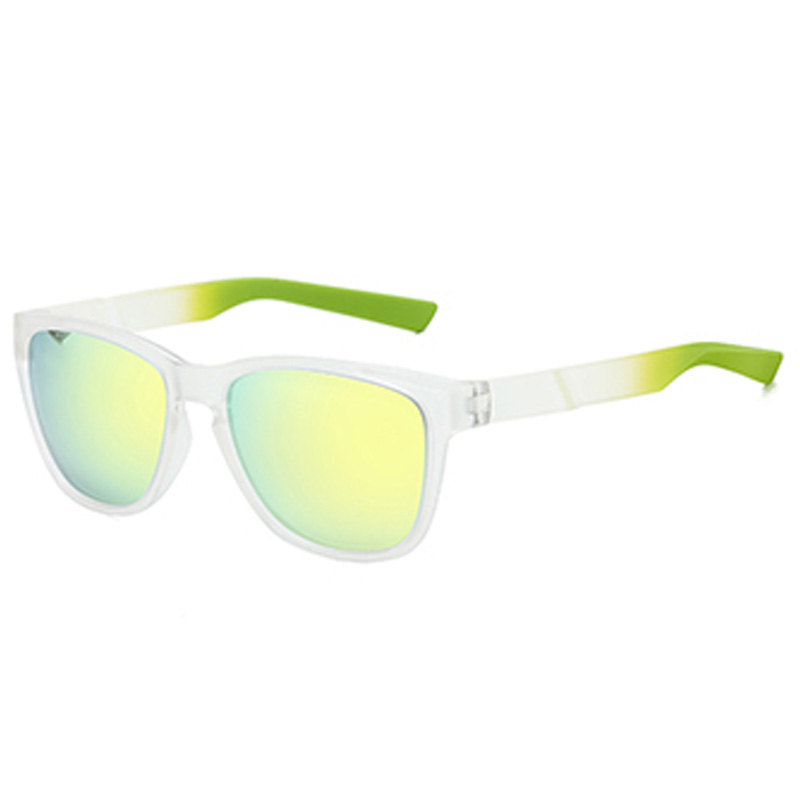
I see the TR90 Gradient Temples Sports Casual Sunglasses as a flexible everyday model rather than a single-purpose product.
Outdoor Leisure
Walking, sightseeing, casual outdoor activities, and weekend trips are natural applications. The sporty-casual appearance gives the frame a relaxed feel without making it look like specialist equipment.
Travel
Travel is another good match. People often want sunglasses that can work with different clothes and situations. A simple frame shape with a small gradient temple detail can provide that flexibility.
Driving
The model can also be positioned for general road use when the final lens configuration meets the applicable requirements. ISO 12312-1:2022 includes road use and driving within its scope for general-purpose sunglasses.
Of course, the final lens tint, optical properties, and market-specific requirements still need to be checked for the finished product.
Casual Sports
For light outdoor activity, the sporty design can make the product feel more appropriate than a formal fashion frame. However, I would not describe it as certified protective sports eyewear unless the specific product has been developed and tested for that application.
Fashion and Lifestyle Collections
The gradient temple makes this model useful for fashion-oriented collections as well. A buyer can create several color combinations while keeping the basic frame shape consistent.
10. Why I Work with B2B Buyers on OEM and ODM Projects
Our company was established in 2023 and is headquartered in Linhai, Zhejiang. We specialize in sports glasses, optical glasses, fashionable sunglasses, industrial safety goggles, and military and police tactical goggles.
For me, the value of this product range is not simply having many products. It gives us experience with different eyewear requirements.
A casual sunglasses buyer may care most about design, comfort, color, packaging, and price structure. A sports eyewear buyer may care more about fit, coverage, lens properties, and movement. An industrial customer has another set of requirements entirely.
I do not try to solve all these needs with one frame. Instead, I use the right product structure for the right application.
For TR90 Gradient Temples Sports Casual Sunglasses, our focus is on practical everyday eyewear, flexible styling, lightweight frame construction, and reliable production communication.
For OEM and ODM customers, we can discuss product specifications, quantities, customization requirements, packaging, production planning, payment arrangements, transportation, and delivery schedules according to the order.
If a buyer already has a product drawing, reference sample, or target specification, I prefer to review that information first. It reduces misunderstandings later and makes the quotation and sampling process more straightforward.
For larger projects, the production plan can be arranged around the confirmed product standard, packaging requirements, quantity, and delivery date. The exact production and shipping arrangement depends on the order and destination.
11. Quality and Compliance Points I Ask Buyers to Confirm
When we discuss an international sunglasses project, I always recommend that the buyer identify the target market early. Different countries and product categories can have different requirements.
For general-purpose sunglasses, ISO 12312-1:2022 provides requirements covering areas such as construction and materials, light transmittance, optical properties, robustness, solar radiation, and other characteristics within its scope.
ISO 12311:2023 provides reference test methods for determining properties of sunglasses covered by the ISO 12312 series.
For U.S. sales, the FDA explains that spectacle and sunglass lenses must comply with the applicable impact-resistant lens requirements under 21 CFR 801.410. The FDA also describes testing and certification considerations for impact-resistant lenses.
That is why I do not use a general phrase such as “meets all international standards” unless there is a specific documented basis for that claim. The correct requirement depends on the finished product, lens configuration, intended use, and destination market.
| Reference | What It Covers | What Buyers Should Confirm |
|---|---|---|
| ISO 12312-1:2022 | General-use sunglasses | Applicability, product category, optical and physical requirements |
| ISO 12311:2023 | Test methods for sunglasses and related eyewear | Applicable test methods for the intended product |
| 21 CFR 801.410 | Impact-resistant spectacle and sunglass lenses in the U.S. | Applicable lens impact-resistance requirements and documentation |
Sources: International Organization for Standardization and U.S. Food and Drug Administration.
12. Frequently Asked Questions About TR90 Gradient Temples Sports Casual Sunglasses
What are TR90 Gradient Temples Sports Casual Sunglasses?
They are lightweight sports-casual sunglasses built around a TR90 frame concept and finished with gradient temple detailing. The design is intended for general outdoor, leisure, travel, and everyday lifestyle applications, subject to the final product configuration.
Are these sunglasses suitable for everyday wear?
Yes. The product is designed around everyday comfort and casual outdoor use. It can be suitable for activities such as walking, travel, commuting, leisure, and general outdoor wear when the final lens configuration is appropriate for the intended use.
Are TR90 sunglasses lightweight?
TR90 is commonly used to produce lightweight eyewear frames. The actual weight of a finished pair depends on the frame dimensions, lens material, components, and final design, so I recommend confirming the finished product specification rather than assuming a specific weight from the material name alone.
What makes the gradient temples different?
The gradient temple design adds a controlled color transition to the side of the frame. It gives the sunglasses a stronger visual identity while keeping the main frame shape relatively simple.
Can the colors be customized?
Color customization can be discussed for OEM and ODM projects. The available options depend on the material, production method, order quantity, and customer's specifications. A reference color or sample can be useful during product development.
Can I add my company logo?
For private-label projects, logo customization can be discussed according to the frame structure and production method. Logo location, size, finish, and packaging should be confirmed before production.
Can these sunglasses be used for cycling?
They may be suitable for casual cycling depending on the final design and lens configuration, but I would not automatically classify a general sports-casual sunglasses model as specialized cycling protective eyewear. If a customer needs sport-specific protection, I recommend developing or selecting a product intended and tested for that activity.
Are these sunglasses suitable for driving?
General-use sunglasses can be designed for road use and driving. ISO 12312-1:2022 includes road use and driving within the scope of general-purpose sunglasses. The final lens tint, optical characteristics, labeling, and destination-market requirements should still be confirmed.
Are these industrial safety glasses?
No. This product is positioned as sports-casual sunglasses, not industrial safety eyewear. Occupational eye protection has different requirements. If a customer needs protection against workplace hazards, we recommend a product specifically developed for that environment.
Can you produce OEM and ODM sunglasses?
Yes. We support B2B OEM/ODM and customized eyewear projects. Product specifications, colors, branding, packaging, quantities, production planning, and delivery arrangements can be discussed according to the project.
What information do you need for a quotation?
I recommend sending the product reference, estimated quantity, target market, frame color, lens requirements, logo information, packaging requirements, delivery destination, and any applicable testing or compliance requirements. A technical drawing or reference sample is also helpful.
Can you provide different packaging options?
Yes. Packaging can be discussed according to the customer's brand requirements, product type, order quantity, and transportation method. We can confirm the packaging specification before production.
How do you control product consistency?
I focus on confirmed specifications, sample approval, production control, visual inspection, dimensional checks, assembly inspection, and packaging checks. The exact inspection plan can be adjusted to the requirements of the individual project.
13. My Approach to This Product
For me, the strongest point of the TR90 Gradient Temples Sports Casual Sunglasses is balance.
It has enough sports character to fit an active lifestyle collection, but it is not so technical that it becomes difficult to wear with everyday clothing. The gradient temples add a little fashion without taking over the entire design. The TR90 frame concept supports a lightweight approach, while the basic structure remains suitable for different product variations.
I also see this balance from the B2B side. Retailers can position it as casual outdoor eyewear. Distributors can include it in a sports or lifestyle sunglasses catalog. Fashion brands can explore different colors and branding. OEM and ODM buyers can use the basic design as a starting point for a customized collection.
At the same time, I prefer to keep product claims realistic. General-use sunglasses, specialized sports eyewear, industrial safety goggles, and tactical eyewear are different categories. Each should be developed around its actual purpose and applicable requirements.
That is how I approach eyewear manufacturing: start with the intended use, confirm the technical requirements, build the frame around those requirements, control the manufacturing process, and make sure the final product description matches what is actually being supplied.
If you are sourcing TR90 Gradient Temples Sports Casual Sunglasses for wholesale distribution, private-label eyewear, outdoor lifestyle collections, or an OEM/ODM project, we can discuss the frame design, colors, lens configuration, logo, packaging, quantity, production schedule, and delivery requirements. With those details confirmed, I can work with you toward a product specification that is clear enough for sampling and practical enough for batch production.
Technical References
International Organization for Standardization — ISO 12312-1:2022, Eye and face protection — Sunglasses and related eyewear — Part 1: Sunglasses for general use. [ISO 12312-1:2022](https://www.iso.org/standard/77321.html?utm_source=chatgpt.com)
International Organization for Standardization — ISO 12311:2023, Personal protective equipment — Test methods for sunglasses and related eyewear. [ISO 12311:2023](https://www.iso.org/standard/77506.html?utm_source=chatgpt.com)
U.S. Food and Drug Administration — Sunglasses, Spectacle Frames, Spectacle Lens and Magnifying Spectacles. [FDA guidance](https://www.fda.gov/medical-devices/guidance-documents-medical-devices-and-radiation-emitting-products/sunglasses-spectacle-frames-spectacle-lens-and-magnifying-spectacles?utm_source=chatgpt.com)
U.S. Food and Drug Administration — Impact-Resistant Lenses: Questions and Answers. [FDA impact-resistant lens guidance](https://www.fda.gov/regulatory-information/search-fda-guidance-documents/impact-resistant-lenses-questions-and-answers?utm_source=chatgpt.com)
Product information: Linhai Huangjia Glasses Co., Ltd. product and manufacturing information supplied for this product page. Specific frame dimensions, colors, lens specifications, customization options, packaging, production schedule, and compliance requirements should be confirmed for each individual order.



 Phone
Phone