



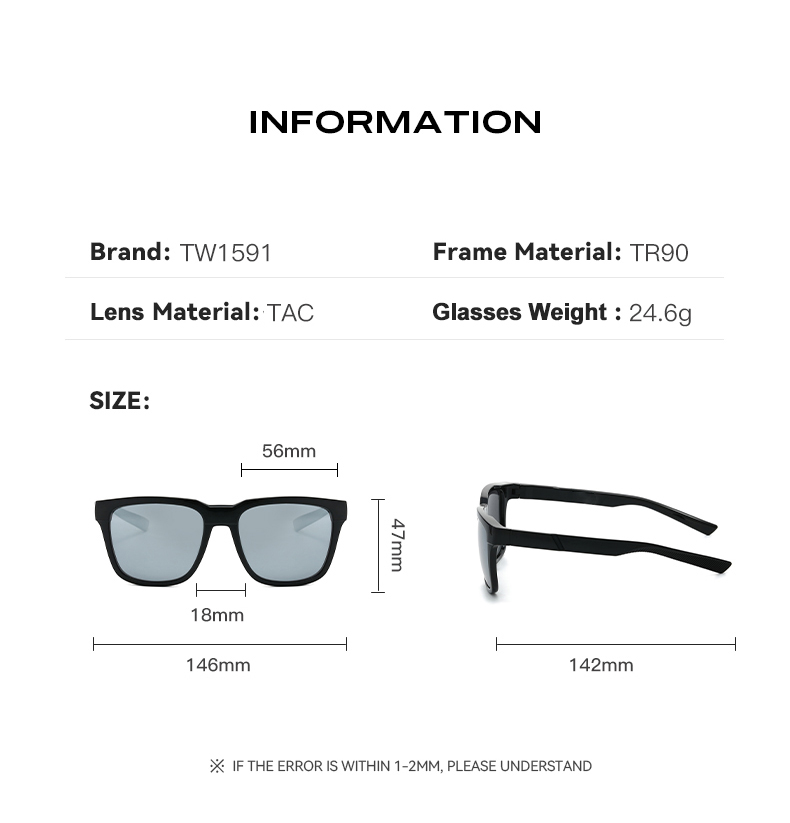
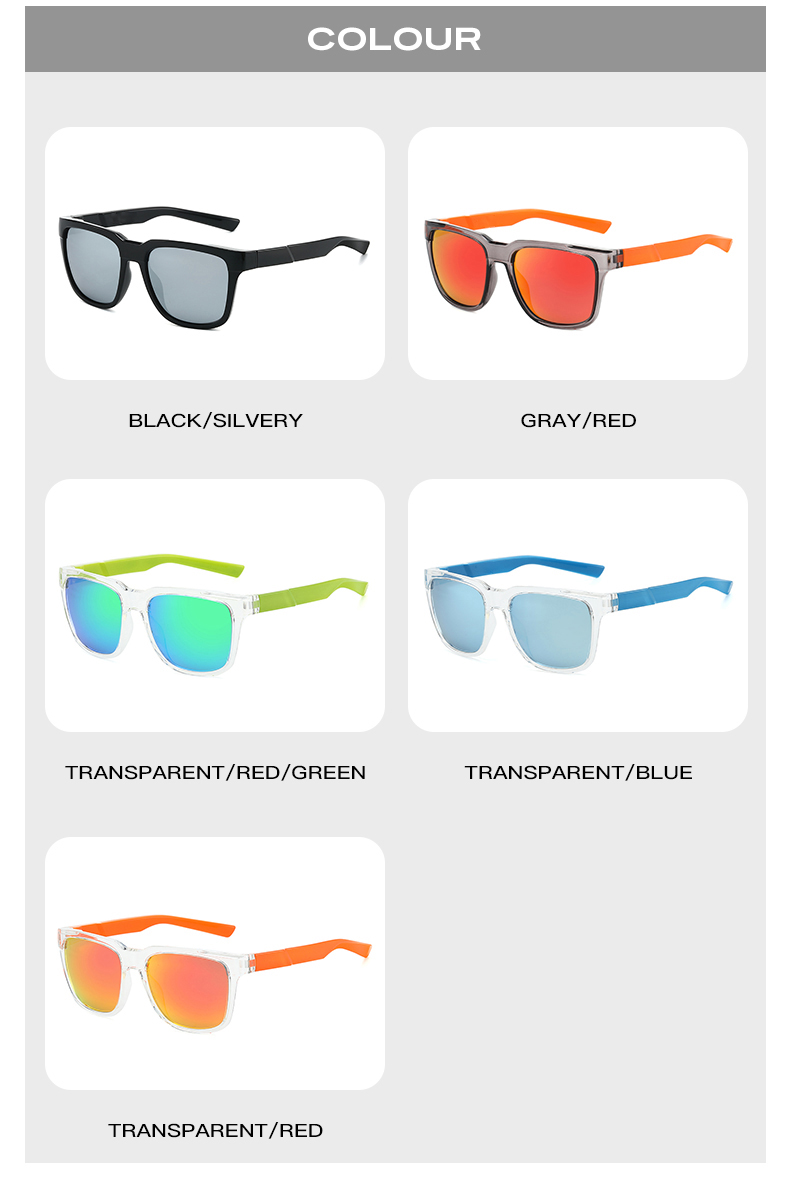
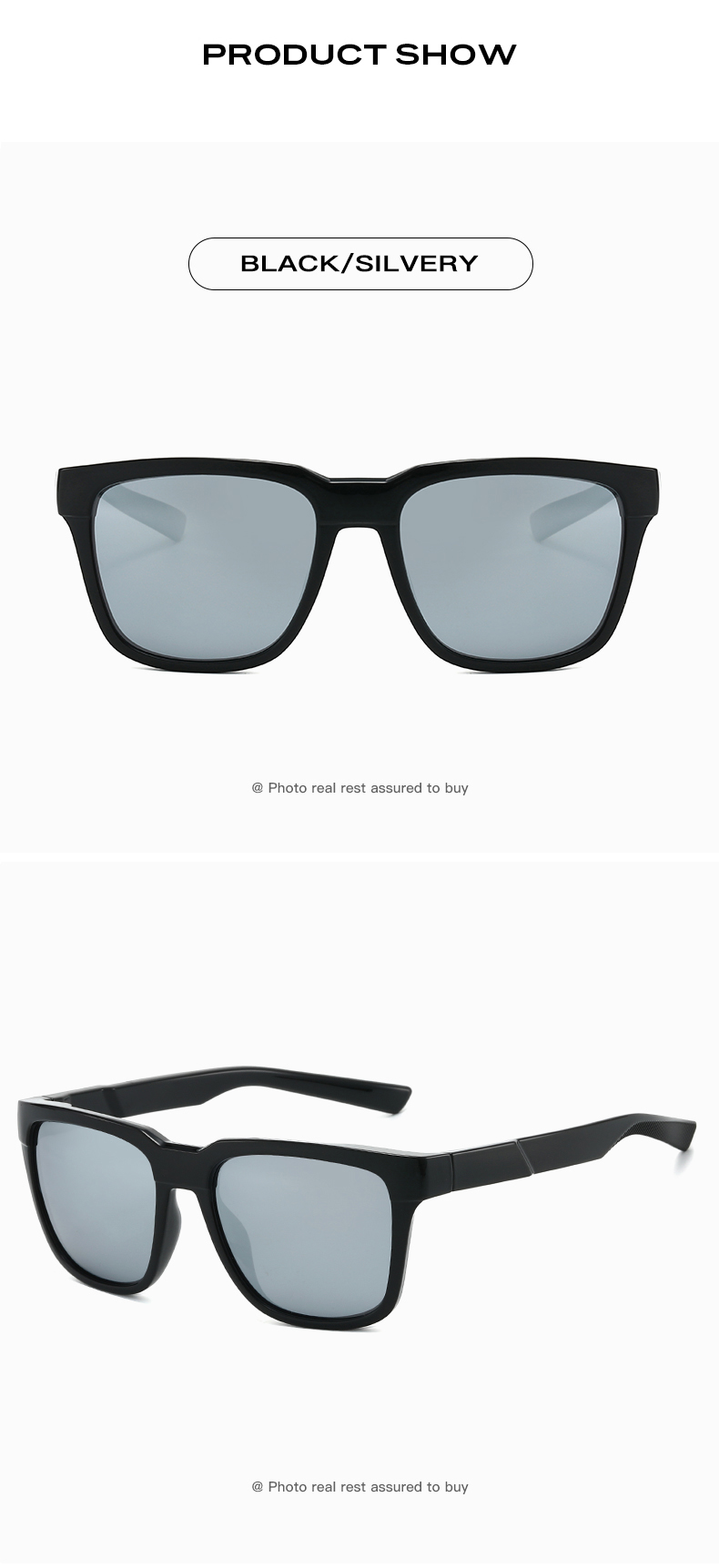
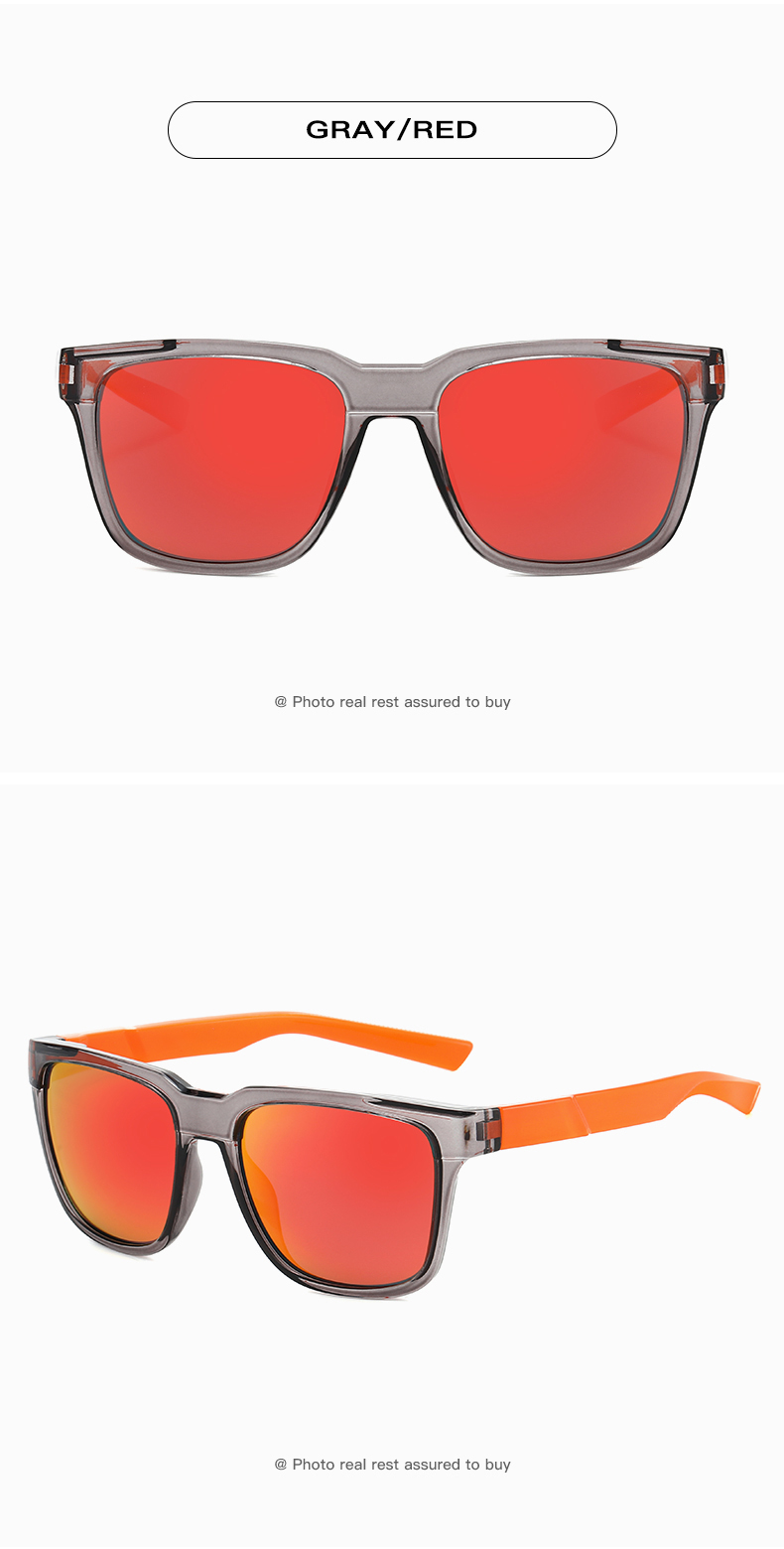
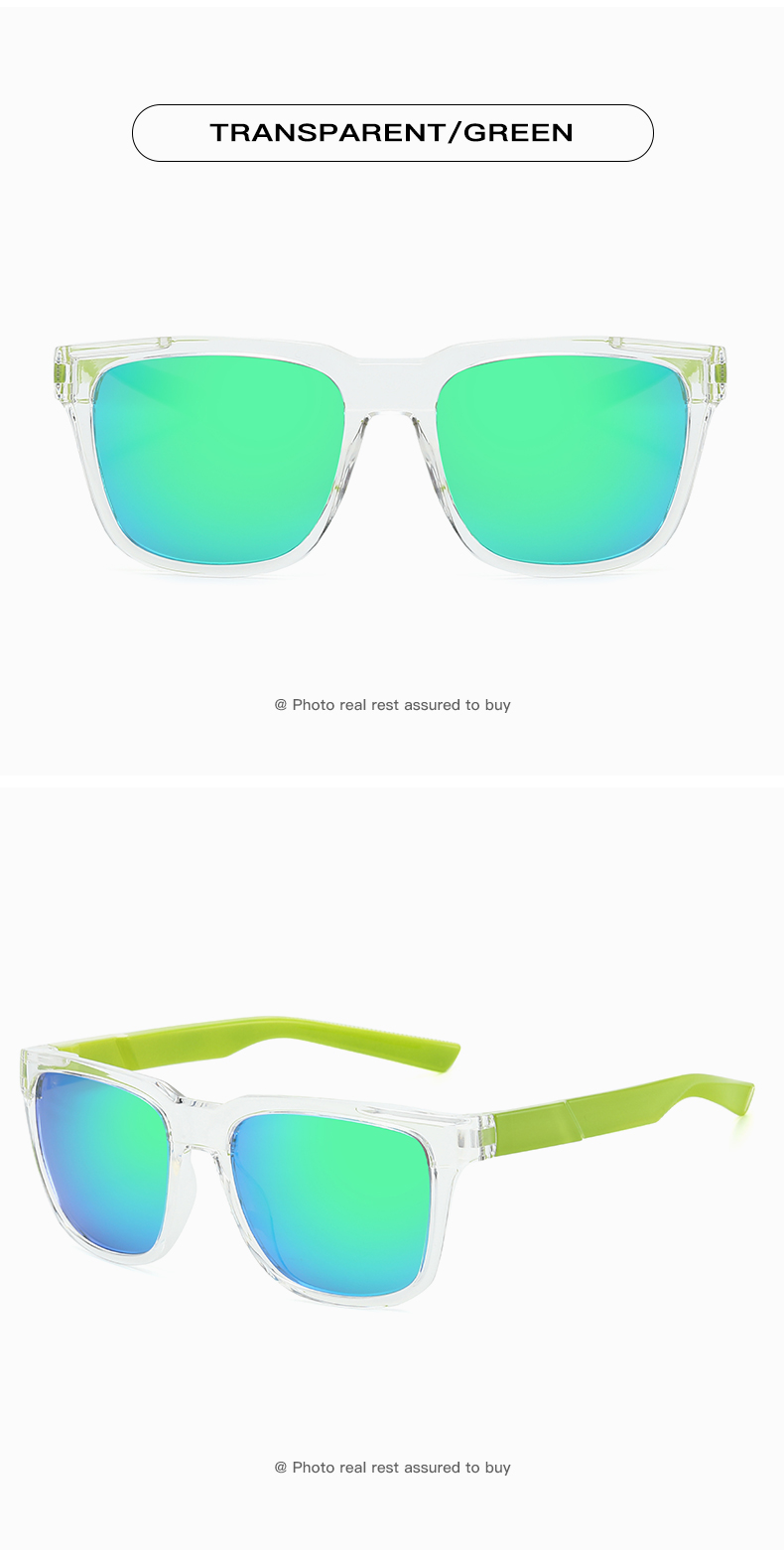
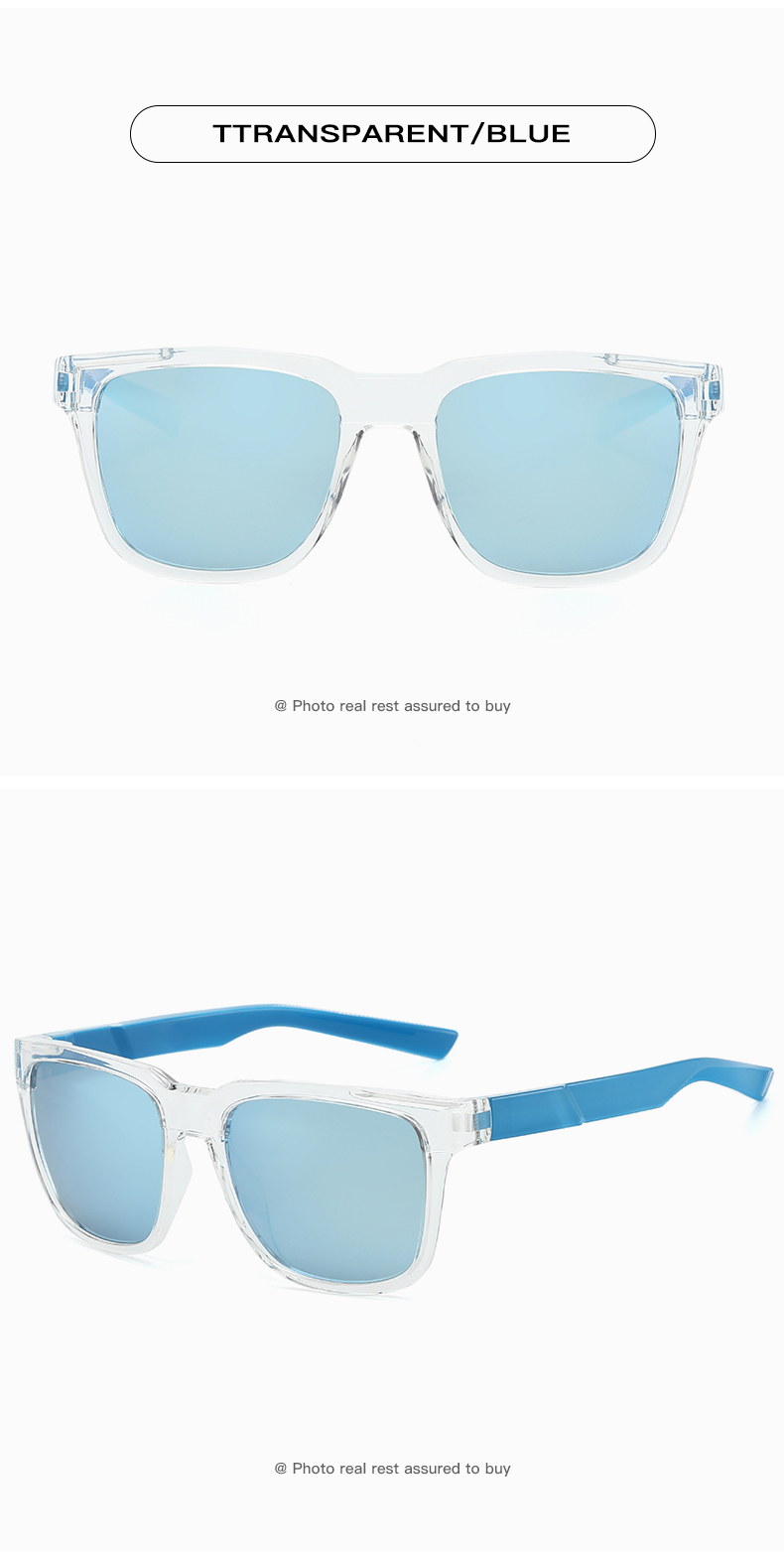
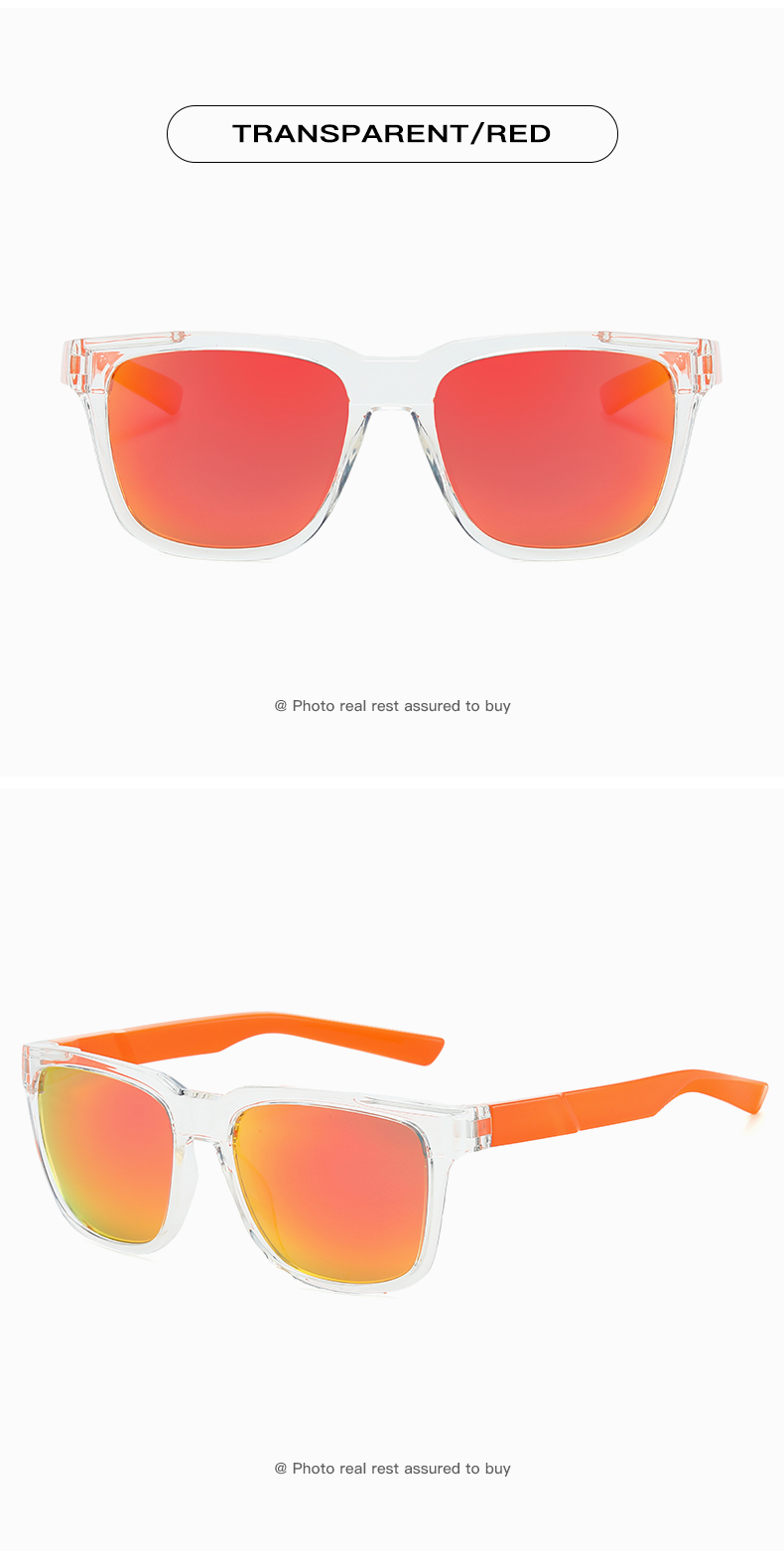
When I design or select an optical frame for a product range, I always start with a simple question: will people actually want to wear it every day? A frame can look attractive in a product photo, but that is only one part of the job. It also needs to feel comfortable, keep its shape, work well with different lens options, and fit the needs of the optical market.
That is why I pay close attention to the balance between frame material, shape, construction, and intended use. The TR90 Classic Square Glasses are built around this practical idea. The square profile gives the frame a familiar and easy-to-style appearance, while the TR90 material provides a lightweight option for everyday optical eyewear.
For buyers, optical retailers, distributors, eyewear brands, and OEM/ODM customers, this type of frame is useful because it is not tied to one narrow lifestyle. It can become a daily optical frame, a fashion-oriented prescription frame, or part of a larger private-label eyewear collection. At Linhai Huangjia Glasses Co., Ltd., I work with customers who may have different product specifications, order quantities, packaging requirements, and delivery plans, so flexibility matters just as much as appearance.
In this product page, I will explain how I look at the TR90 Classic Square Glasses, what makes the design useful, how the frame is manufactured, where it can be used, and what buyers should consider before placing a bulk order.
1. Why I Use a Classic Square Shape for Everyday Optical Frames
The square frame shape has stayed popular for a good reason: it is easy to understand. Unlike highly unusual frame designs that depend heavily on current fashion trends, a classic square silhouette can fit into many different eyewear collections.
When I look at a square frame from a manufacturing point of view, I see several practical benefits. The front has a clear geometric outline, the lens area is easy to recognize, and the overall appearance can be adjusted through frame width, bridge design, temple length, color, and surface finish.
This gives optical buyers room to develop different versions without completely changing the basic structure. One model can be offered in neutral colors for an everyday optical collection, while another version can use brighter colors or different finishes for a younger fashion range.
The square profile also gives the product a clean visual identity. It works particularly well when the customer wants a frame that looks modern but does not feel overly complicated. For wholesale eyewear buyers, that can make the product easier to introduce into an existing catalog.
I also consider the difference between appearance and actual use. A frame may look strong in a photograph, but the wearer experiences the product through the bridge, temples, frame front, hinges, and lens mounting area. Small manufacturing details can affect the final experience.
For that reason, I treat the TR90 Classic Square Glasses as more than a simple square frame. I see them as a practical platform that can be adapted for different optical products and customer requirements.
2. How TR90 Material Works in This Type of Eyewear
TR90 is widely used in eyewear because it is a thermoplastic material suitable for lightweight frame construction. In simple terms, it can be heated and processed into a specific frame shape, then finished to the required dimensions and appearance.
For me, the most important point is not simply saying that a frame uses TR90. The material still needs to be processed correctly. The final frame depends on the material quality, mould design, temperature control, forming accuracy, trimming, finishing, assembly, and inspection.
A well-designed frame needs to keep its intended geometry. The rims should hold their shape, the bridge should sit correctly between the lenses, and the temples should open and close smoothly after assembly. If any one of these areas is poorly controlled, the material itself cannot solve the problem.
When I work with TR90 optical frames, I therefore look at the material as one part of a larger manufacturing system. The frame shape, wall thickness, component dimensions, mould precision, finishing process, and assembly method all have to work together.
Another advantage of using a lightweight thermoplastic frame concept is that it gives designers more freedom to create different shapes and color combinations. This is especially useful for private-label eyewear programs, where buyers may want a recognizable frame design across several colors.
It is important to make one distinction here. A normal optical frame should not automatically be described as industrial eye protection. ISO 12870:2024 covers fundamental requirements and test methods for unglazed spectacle frames designed for prescription lenses, while the standard specifically excludes frames used as eye protection.
That distinction matters to buyers. If a customer needs certified protective eyewear for an industrial application, the product should be developed and tested against the standards applicable to that specific protective use rather than simply relying on the fact that the frame is made from TR90.
3. Main Features I Focus on During Product Development
When I develop or evaluate a TR90 Classic Square Glasses model, I usually divide the product into several practical areas: frame geometry, wearing comfort, material selection, lens compatibility, appearance, and production consistency.
Classic Square Frame Geometry
The square front gives the product a recognizable shape without making the design overly complicated. Depending on the final dimensions, it can be positioned as a unisex optical frame or adjusted toward a particular market segment.
For buyers, frame geometry is especially important because even a small change in the front width, bridge, or temple length can change the way the finished product fits. This is why I prefer to confirm technical drawings and sample measurements before moving into larger production.
Lightweight Everyday Construction
Eyeglasses are worn close to the face for many hours, so unnecessary weight is not something I like to add. A lightweight frame concept can make sense for office wear, commuting, study, shopping, travel, and other daily activities.
The goal is not simply to make the frame as light as possible. The real goal is to achieve a sensible balance between weight, structural requirements, appearance, and manufacturing consistency.
Flexible Product Positioning
I also like this model because it can sit naturally within several product categories. It can be presented as a classic optical frame, a lightweight TR90 eyeglass frame, a square prescription frame, or part of a broader everyday eyewear collection.
That flexibility can be useful for B2B buyers who sell through optical stores, online eyewear shops, distributors, regional retailers, or private-label brands.
Options for Color and Finish
The same basic square frame can create a very different impression depending on color and surface treatment. Black and dark tones can give a more professional appearance, while transparent or lighter colors can create a softer modern look.
For OEM and ODM projects, I can discuss the customer's requested color, logo, packaging, size, and other specifications before production. The exact options depend on the product structure and order requirements.
4. Technical Comparison: What Buyers Should Actually Check
When a buyer compares optical frames, I recommend looking beyond the material name. Two frames can both be described as TR90 but still have different designs, dimensions, finishing quality, and production controls.
The following table shows the areas I recommend checking during product evaluation. It is not a claim that one material or design automatically performs better in every situation.
| Evaluation Area | What I Check | Why It Matters |
|---|---|---|
| Frame Geometry | Front width, bridge, temple length, rim shape | Affects fit, appearance, and lens mounting |
| Material | Specified TR90 or other approved frame material | Influences weight, processing, flexibility, and product feel |
| Hinge Area | Hinge alignment and opening/closing action | Important for everyday handling |
| Surface Finish | Color consistency, polishing, visible defects | Directly affects product appearance |
| Lens Compatibility | Lens dimensions and mounting requirements | Important for optical processing and assembly |
| Batch Consistency | Dimensions and appearance across samples | Important for wholesale and private-label orders |
Source: Product evaluation framework prepared from our manufacturing requirements and the general frame testing scope described by ISO 12870:2024. ISO 12870:2024 includes areas such as dimensional tolerances, dimensional stability, perspiration resistance, mechanical stability, and other frame-related requirements.
For me, this is a more useful way to discuss frame quality than simply using broad words such as “premium” or “high quality.” A buyer needs measurable information about the actual product, not just a marketing phrase.
5. Manufacturing Process: From Frame Design to Finished Product
A finished pair of glasses looks simple, but there are several steps behind it. I want to explain the process in plain language because this is where many differences between suppliers become visible.
Step 1: Confirm the Product Design
We first confirm the frame drawings, dimensions, materials, colors, logo requirements, packaging, and other specifications. If the customer already has a drawing or reference sample, I use that information as the starting point for communication.
For a new product, the front shape and temple design need to be considered together. The frame should not only look good from the front. It should also have a practical structure for assembly and wearing.
Step 2: Mould and Tooling Preparation
For production, the frame design is translated into tooling suitable for the selected manufacturing process. Precision at this stage matters because the mould affects the shape and repeatability of the finished frame.
I pay particular attention to areas such as the rim shape, bridge, temple connection, and details that could affect later assembly. A small tooling issue can become a repeated problem if it is not corrected before mass production.
Step 3: Material Processing and Forming
The selected TR90 material is processed according to the production requirements. The material needs to be formed into the intended frame components while maintaining the required geometry.
At this stage, temperature and processing conditions matter. The objective is not just to produce a large number of pieces. The objective is to keep the pieces within the agreed product specifications.
Step 4: Trimming and Surface Finishing
After forming, excess material and visible processing marks are handled through trimming and finishing operations. Edges need to be clean, surfaces need to meet the agreed appearance standard, and the frame should be ready for assembly.
This is one of the stages where human inspection remains useful. Automated production can improve consistency, but trained workers still need to identify visible defects that may not be obvious from basic measurements alone.
Step 5: Hinge and Component Assembly
The temples, hinges, screws, nose-contact components, and other parts are assembled according to the frame design. Alignment is checked because the final wearing experience depends on how these parts work together.
Step 6: Inspection
Before shipment, the production batch can be checked against the agreed specifications. Depending on the project, this can include visual inspection, dimensional checks, assembly checks, packaging inspection, and other customer-defined requirements.
For U.S. eyewear projects, buyers should also understand the difference between frame requirements and lens requirements. The FDA states that spectacle and sunglass lenses sold in the United States must comply with applicable impact-resistant lens requirements under 21 CFR 801.410.
In other words, a TR90 frame should not be described as automatically meeting a lens safety requirement. The frame, lens, and complete product need to be evaluated according to the requirements applicable to the intended market and product category.
6. Where I See TR90 Classic Square Glasses Being Used
The strongest point of this model is its everyday flexibility. I would not position it as a specialized protective product. Instead, I see it as a practical optical frame that can support several normal eyewear applications.
| Market | Typical Product Need | How the Square TR90 Frame Can Fit |
|---|---|---|
| Optical Retail | Everyday prescription eyewear | Classic appearance with practical frame construction |
| Eyewear Distribution | Stable designs for multiple retail channels | Simple shape that can be offered in different colors |
| Private Label | Custom branding and product collections | Suitable starting platform for OEM/ODM development |
| Online Eyewear | Clear product positioning and broad appeal | Easy-to-understand square frame design |
| Daily Office Wear | Comfortable optical glasses for long periods | Lightweight frame concept and familiar silhouette |
Source: Application mapping based on the product positioning and manufacturing scope supplied for Linhai Huangjia Glasses Co., Ltd. This table describes intended commercial applications and should not be interpreted as a certification or safety claim.
For outdoor sports, industrial work, military use, or police tactical applications, I would recommend selecting a product specifically developed for those environments. We manufacture sports glasses, industrial safety goggles, and military and police tactical goggles as separate product categories because different environments create different protection requirements.
That separation is important. A classic optical frame can be suitable for everyday prescription use without being suitable for impact protection, chemical exposure, high-speed particles, or tactical applications.
7. How I Approach OEM and ODM Eyewear Projects
For B2B buyers, the frame itself is only one part of the project. The more important question is often whether the supplier can communicate clearly and keep the product specifications under control from sample stage to bulk production.
At Linhai Huangjia Glasses Co., Ltd., I work with customers on product specifications, quantities, customization requirements, packaging, production planning, and delivery arrangements. Depending on the project, customers may request a specific logo, color, frame dimension, packaging style, or other product detail.
I prefer to confirm these details before production instead of relying on vague instructions. For example, “black frame” is not always enough information. A buyer may have a specific black tone, surface finish, logo position, or packaging requirement. The more clearly these details are defined, the easier it is to keep the production result consistent.
The same applies to quantity. A small sample order and a large wholesale order can require different production planning. For larger OEM/ODM projects, I can coordinate the production plan around the confirmed specifications and agreed delivery schedule.
Packaging is also part of the product. Frames that are manufactured correctly can still arrive with problems if packaging is not suitable for transportation. I therefore treat packaging requirements as part of the order discussion rather than as an afterthought.
For international customers, payment methods, production timing, transportation arrangements, and packaging can be discussed according to order size and destination. This gives distributors and brands more room to organize their purchasing plans.
8. Why Buyers Work With Linhai Huangjia Glasses
Linhai Huangjia Glasses Co., Ltd. was established in 2023 and is based in Linhai, Zhejiang. Our product range covers sports glasses, optical glasses, fashionable Sunglasses, industrial safety goggles, and military and police tactical goggles.
I see this product range as useful because it allows us to understand different eyewear requirements instead of focusing on only one type of frame. Everyday optical eyewear needs a different approach from sports eyewear, and industrial safety goggles require different protection considerations again.
For the TR90 Classic Square Glasses, our focus is on practical optical use, comfortable wearing, clear product specifications, and consistent production. We do not try to turn a basic optical frame into something it is not. If a customer needs a protective sports product or industrial safety product, we discuss the appropriate product category instead.
This approach also helps when developing an OEM or ODM collection. A buyer may start with a classic square optical frame and later request Sports sunglasses, optical sports frames, or protective eyewear for another market. Having experience across these categories makes product communication easier.
Our production planning can be adjusted according to the customer's specifications, order quantity, customization requirements, packaging standards, and delivery schedule. For bulk buyers, this is often more important than having a long list of marketing claims.
I believe a good B2B eyewear supplier should be clear about what a product is designed to do, what it is not designed to do, and what information needs to be confirmed before production. That is the standard I use when communicating about this frame.
9. Technical and Compliance Considerations for Buyers
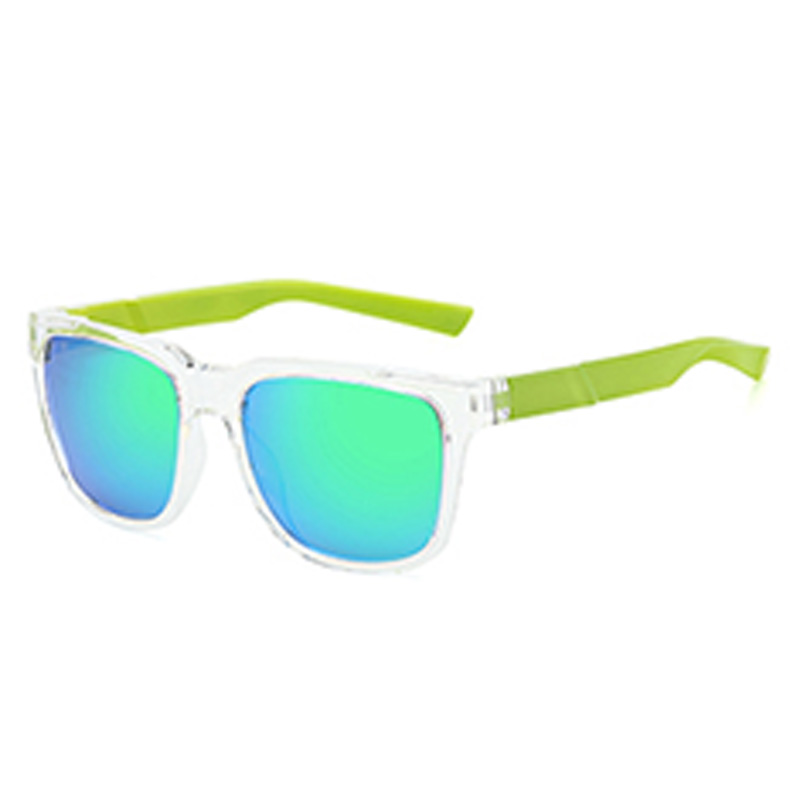
Eyewear buyers often work across different markets, so I recommend checking the target market requirements before finalizing a product specification.
ISO 12870:2024 is the current ISO standard for fundamental requirements and test methods for unglazed spectacle frames designed for prescription lenses. Its scope includes mass-produced spectacle frame types and addresses areas such as construction, dimensional tolerances, dimensional stability, perspiration resistance, mechanical stability, and other considerations.
At the same time, ISO 12870:2024 specifically does not cover spectacle frames used for eye protection. This is an important distinction for buyers who operate in industrial or occupational safety markets.
For the U.S. market, FDA information states that spectacle and sunglass lenses are subject to applicable impact-resistant lens requirements, including 21 CFR 801.410. The FDA also explains that manufacturers can use the specified drop-ball test or an equal or superior test method under the applicable regulation.
| Reference | Main Area | Relevance to Buyers |
|---|---|---|
| ISO 12870:2024 | Prescription spectacle frames | Useful reference for frame requirements and test methods |
| 21 CFR 801.410 | Impact-resistant spectacle and sunglass lenses in the U.S. | Relevant when supplying applicable U.S. eyewear products |
| ISO 16321-1 and applicable protective standards | Eye protection | Relevant when the product is designed as protective eyewear rather than ordinary optical frames |
Sources: International Organization for Standardization, ISO 12870:2024; U.S. Food and Drug Administration guidance on spectacle frames and impact-resistant lenses.
For an international order, I recommend that buyers provide the destination market, product category, lens type, labeling requirements, packaging requirements, and any required test reports before production. This allows the supplier and buyer to work from the same technical expectations.
10. Frequently Asked Questions About TR90 Classic Square Glasses
Are TR90 Classic Square Glasses suitable for prescription lenses?
They can be developed as optical frames for prescription lens applications, subject to the specific frame design, dimensions, lens requirements, and target-market regulations. The final lens should be processed and fitted according to the requirements applicable to the finished eyewear.
Are these glasses suitable for everyday wear?
Yes. The classic square profile and lightweight TR90 frame concept make this product suitable for everyday optical eyewear applications such as office work, commuting, study, shopping, travel, and general daily use.
Can the frame be customized?
For B2B projects, customization can be discussed according to the customer's product specifications. Depending on the project, this may include dimensions, colors, logos, packaging, quantities, and other agreed requirements.
Can you produce private-label eyewear?
Yes. Our business supports OEM/ODM and customized eyewear projects. We can discuss the product specification, quantity, branding, packaging, production schedule, and delivery requirements before confirming an order.
Is TR90 Classic Square Glasses industrial safety eyewear?
No, an ordinary TR90 optical frame should not automatically be treated as industrial safety eyewear. Industrial eye protection has different performance and testing requirements. For industrial applications, we recommend selecting a product specifically developed for the required protection environment.
Can these glasses be used for sports?
The standard classic square optical model is intended primarily for optical eyewear. If the customer needs eyewear for cycling, running, extreme sports, or other active applications, I recommend choosing a sports-specific frame design developed around movement, coverage, lens requirements, and the intended environment.
What information should I provide before requesting a quotation?
I recommend providing the target product, required quantity, frame dimensions if available, material requirements, colors, logo information, packaging requirements, destination market, delivery target, and any testing or compliance requirements. If you have a drawing or reference sample, that can make the communication much faster.
Can you produce different colors for one frame model?
Color options can be discussed according to the production method, order quantity, material, and customer requirements. For private-label collections, multiple colors can be considered as part of the overall product plan.
How do you handle production consistency?
I recommend controlling consistency through confirmed specifications, samples, production checks, dimensional inspection, visual inspection, assembly checks, and packaging inspection. The exact inspection plan can be adjusted according to the customer's order and requirements.
Can you arrange packaging for international shipment?
Yes. Packaging requirements can be discussed according to the order quantity, product type, customer preference, and transportation method. For international orders, I recommend confirming packaging details before production so the packing method is included in the final order specification.
11. My Final View on This Optical Frame
When I look at the TR90 Classic Square Glasses, I do not see them as a product that needs complicated marketing language. Their value is easier to explain: a familiar square shape, a lightweight TR90 material concept, flexible optical positioning, and the possibility of customization for different B2B eyewear programs.
For retailers, this can be a straightforward everyday optical frame. For distributors, it can be a practical addition to a broader eyewear catalog. For private-label brands, it can serve as a starting point for a customized collection. For OEM/ODM buyers, the frame can be developed around confirmed specifications, colors, branding, packaging, and order requirements.
At the same time, I think it is important to be precise about the product's role. An everyday optical frame is not automatically sports protection or industrial safety eyewear. When a customer needs protection against specific hazards, the product must be designed and tested for that purpose.
That practical distinction is part of how I approach eyewear manufacturing. I want the product description to match the actual product, the specifications to be clear, and the production plan to be based on information that both sides have confirmed.
If you are sourcing TR90 Classic Square Glasses for optical retail, wholesale distribution, private-label eyewear, or an OEM/ODM project, we can discuss your target market, product specifications, quantity, customization requirements, packaging, and delivery plan. From there, I can help turn the initial product idea into a clear manufacturing specification that is easier to review, sample, and produce.
Sources and Technical References
International Organization for Standardization — ISO 12870:2024, Ophthalmic optics — Spectacle frames — Requirements and test methods.
U.S. Food and Drug Administration — Sunglasses, Spectacle Frames, Spectacle Lens and Magnifying Spectacles.
U.S. Food and Drug Administration — Impact-Resistant Lenses: Questions and Answers.
Product information: Linhai Huangjia Glasses Co., Ltd. product and manufacturing information supplied for this product page. Specific frame dimensions, colors, customization options, packaging, production schedule, and compliance requirements should be confirmed for each order.



 Phone
Phone