




When I design sports eyewear for cycling and outdoor activities, I always start with one simple question: how should the glasses feel after they have been worn for several hours? A good pair of Cycling sunglasses should not only look sporty. It should sit comfortably, stay in place during movement, give the wearer a clear field of view, and work naturally with an active lifestyle.
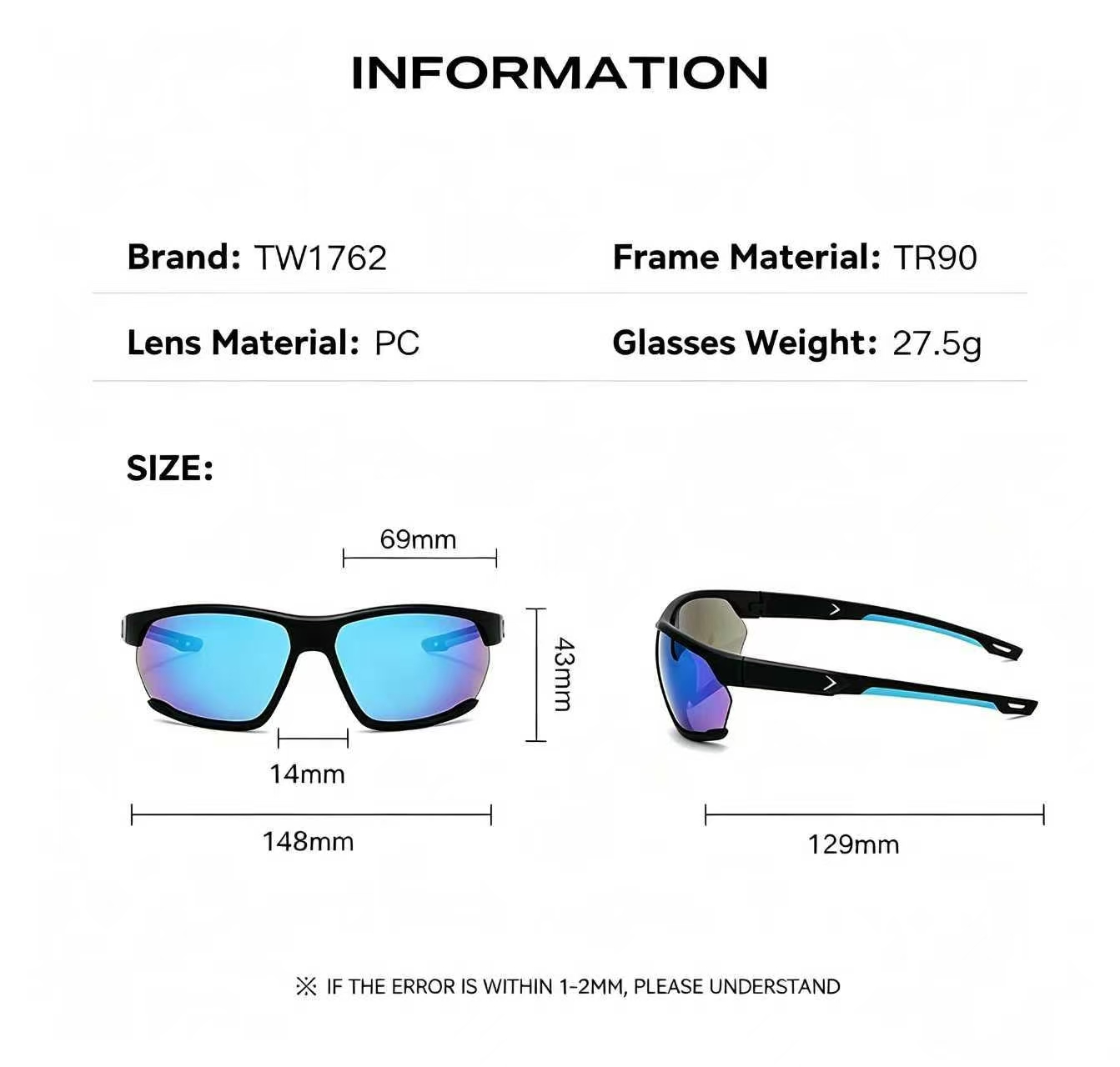
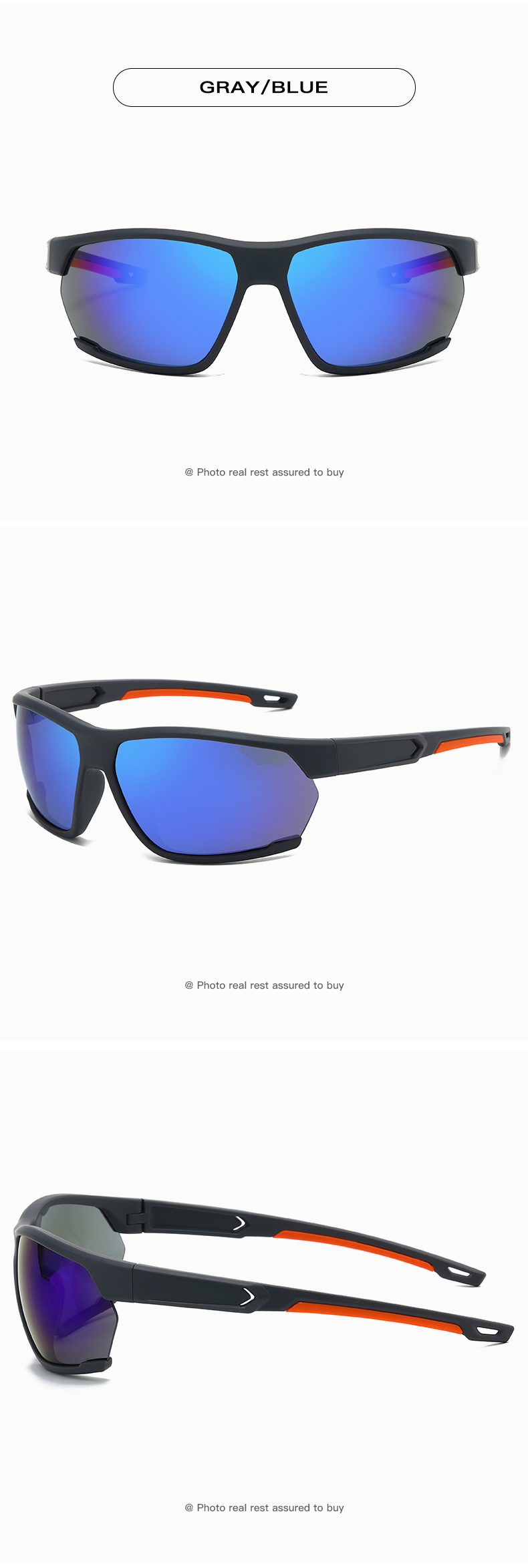
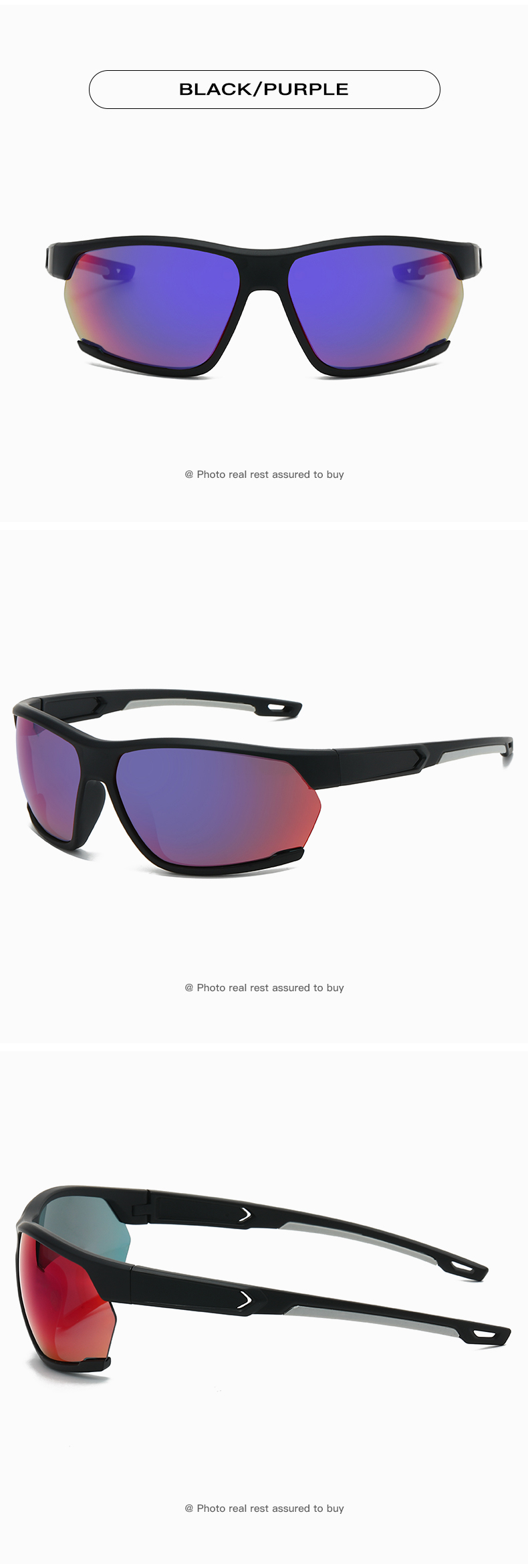
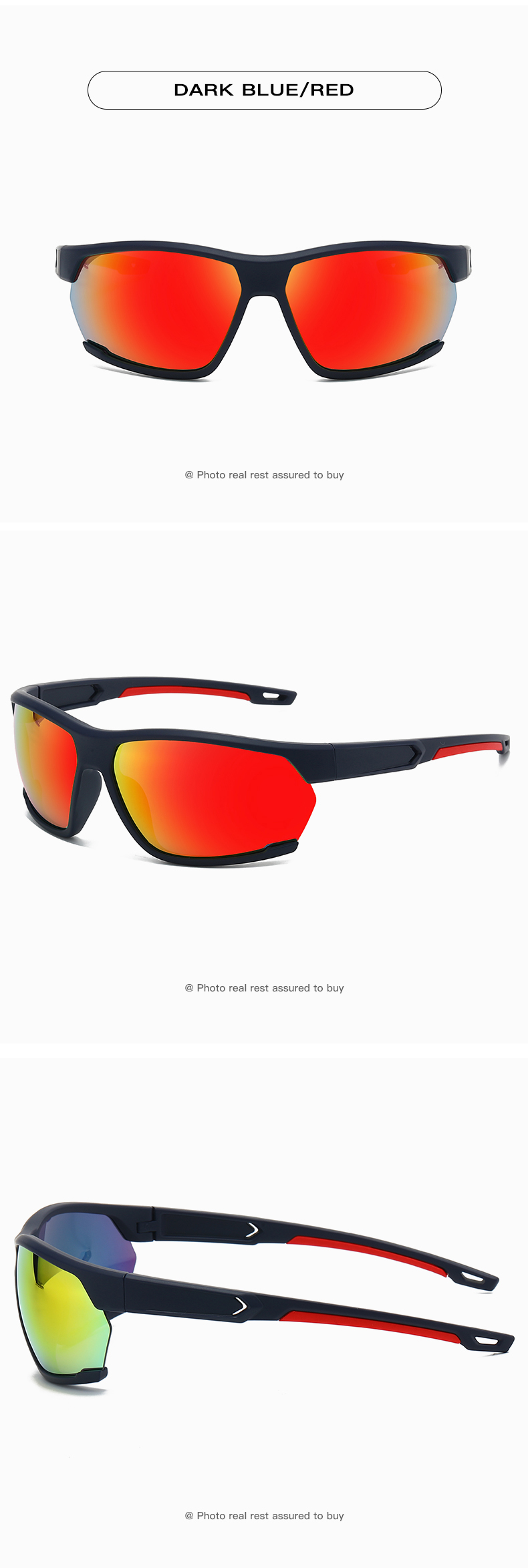
That is the thinking behind our TR90 Semi-Rimless Wraparound Cycling Sports sunglasses. We developed this style around a lightweight TR90 frame concept, a semi-rimless structure, and a wraparound lens shape. The result is a modern pair of TR90 wraparound cycling Sunglasses that can be used for cycling, running, outdoor training, travel, fitness, and other recreational activities.
At Linhai Huangjia Glasses Co., Ltd., we focus on sports glasses, optical glasses, fashionable sunglasses, industrial safety goggles, and military and police tactical eyewear. Our experience covers different eyewear applications, so when we work on a sports sunglasses project, we pay attention not only to appearance but also to frame structure, wearing comfort, production consistency, packaging, and the actual requirements of the customer.
This product is also suitable for wholesale buyers, distributors, sports brands, retailers, and companies developing their own eyewear collections. Depending on the project, we can discuss OEM, ODM, product specifications, quantities, packaging, production schedules, and delivery arrangements.
1. What Makes These Semi-Rimless Wraparound Cycling Sunglasses Different?
The first thing I notice about this design is the balance between coverage and visual lightness. Traditional full-rim sunglasses use a complete frame around the lens. That construction can create a strong visual outline, but it may also make the product look heavier. Our semi-rimless structure takes a different approach.
The frame and lens are visually integrated into a slimmer sports profile. The wraparound shape follows the general curve of the face, creating a broader visual design than a standard flat Fashion Sunglasses frame. This makes the product immediately recognizable as sports eyewear without making the appearance overly complicated.
For cycling, this type of shape is useful because cyclists spend a lot of time looking ahead while moving through changing outdoor conditions. A wraparound design can also reduce the open visual gaps around the sides compared with many conventional flat-frame sunglasses. However, the exact level of coverage depends on the final lens geometry, frame dimensions, and customer's selected configuration.
The TR90 frame concept is another important part of the product. TR90 is widely used in eyewear because it allows manufacturers to create lightweight frame structures with a comfortable feel. For a product designed around cycling and active use, reducing unnecessary bulk is especially important.
| Design Element | Typical Purpose | Benefit for Product Development |
|---|---|---|
| TR90 frame concept | Lightweight eyewear construction | Supports comfortable everyday and sports-oriented designs |
| Semi-rimless structure | Reduced visual frame coverage | Creates a clean and modern sports appearance |
| Wraparound lens profile | Curved sports styling and broader visual coverage | Suitable for cycling and outdoor eyewear collections |
| Sports-oriented proportions | Designed around active use | Works well for cycling, running, training, and outdoor lifestyle products |
The table above describes design functions rather than a claim of a specific protective rating. For commercial eyewear, the final performance should always be confirmed against the actual lens, frame, testing, and production specification.
2. How the Wraparound Structure Works During Cycling
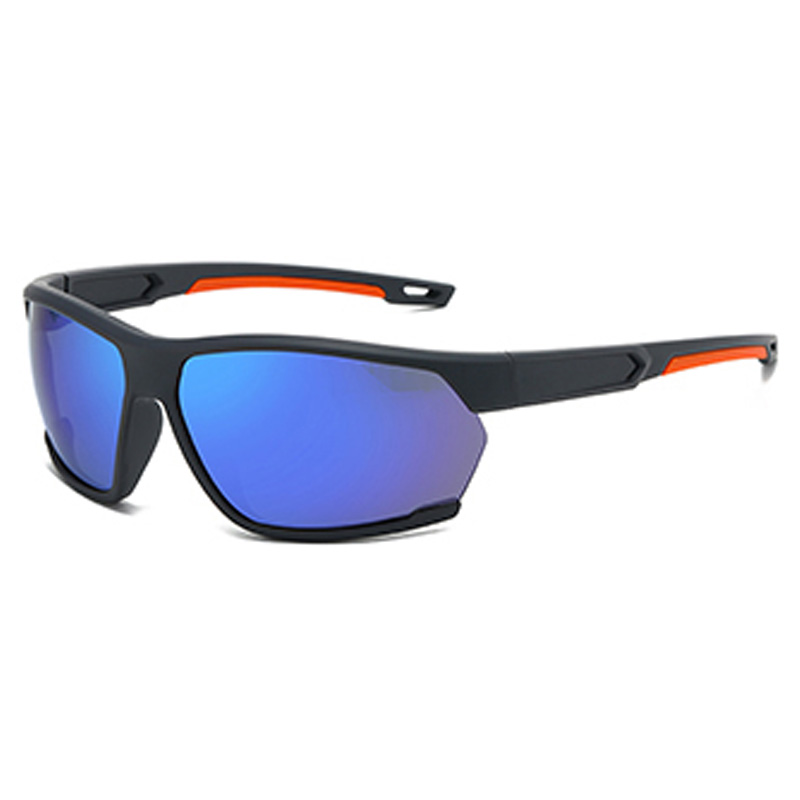
When I explain wraparound cycling sunglasses to customers, I normally avoid making the explanation too complicated. The basic idea is simple: instead of using a relatively flat front, the lens follows a more curved shape around the front of the face.
This changes the overall visual geometry of the sunglasses.
For cycling, the wearer is usually looking forward for long periods. The road, other riders, vehicles, signs, trees, buildings, and changes in light can all appear within the forward visual environment. A wraparound sports frame is designed to create a more enveloping appearance than a conventional casual sunglasses frame.
The semi-rimless construction also changes how the product looks from the front. Less visible frame material around certain parts of the lens can create a lighter appearance. This is particularly useful for brands that want a product that looks technical and sporty without becoming too aggressive.
From a manufacturing perspective, the structure also requires careful coordination between lens dimensions and frame geometry. A small change in lens curvature can affect how the frame sits, how the product looks, and how the components fit together.
That is why I do not treat the lens and frame as two completely separate parts during product development. They need to be considered together.
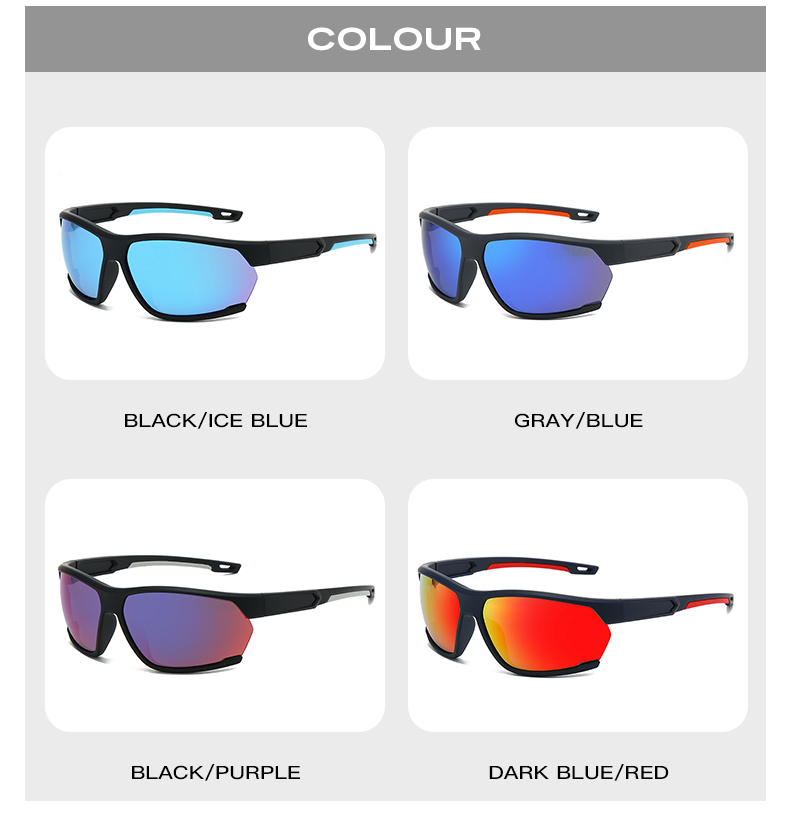
For OEM and ODM customers, we can discuss details such as frame color, lens color, logo placement, packaging, product specifications, and order quantity before production. The final configuration can then be confirmed according to the customer's requirements.
3. Main Features of TR90 Semi-Rimless Wraparound Cycling Sports Sunglasses
Lightweight TR90 Frame Concept
Weight matters when eyewear is worn for a long time. During a short walk, almost any pair of sunglasses may feel comfortable. During a two-hour cycling session, however, pressure around the nose, temples, and ears becomes much easier to notice.
Our TR90 Semi-Rimless Cycling Sunglasses are built around a lightweight frame concept. The purpose is straightforward: create a sports eyewear structure that feels practical rather than bulky.
For distributors and brands, lightweight construction is also an easy product feature to communicate. Customers understand it immediately because they can feel the difference when trying the product on.
Semi-Rimless Sports Construction
The semi-rimless construction gives the sunglasses a clean appearance. Compared with traditional full-rim eyewear, the visual weight of the frame is reduced around the lens area.
This helps the product fit current sports eyewear styling trends while leaving room for customization. A brand can create a more understated model with neutral frame colors or a stronger sports identity through brighter colors and contrast details.
Wraparound Lens Profile
The wraparound profile is one of the most recognizable features of this product. It gives the sunglasses a curved, athletic appearance that fits cycling and outdoor sports categories naturally.
I also see this design working well beyond cycling. Running, fitness training, hiking, travel, outdoor recreation, and general active lifestyles can all be potential applications, depending on the final product specification.
Contemporary Sports Appearance
Not every customer wants a highly technical-looking pair of cycling glasses. Some buyers want sports performance styling that can also be worn casually.
That is where this design has flexibility. The semi-rimless structure and wraparound profile provide a clear sports identity, while the clean frame geometry keeps the overall appearance suitable for everyday outdoor wear.
Suitable for OEM and ODM Development
For B2B customers, a product is more useful when it can be developed around a real sales plan. We can discuss different requirements based on the customer's project, including specifications, quantity, branding, packaging, and delivery.
This makes the product suitable as a starting point for private-label sports sunglasses, cycling eyewear collections, distributor catalogs, and outdoor lifestyle product lines.
4. Technical Considerations: Lens, Frame and Wearing Experience
A good sports sunglasses product is not simply a frame with a dark lens. Several small design decisions affect how the finished product feels.
The first is lens geometry. A wraparound lens needs to match the frame structure properly. If the curve, dimensions, or mounting method are not controlled well, the final product can lose the clean appearance expected from a sports design.
The second is frame geometry. The bridge, temples, lens position, and overall width all influence how the sunglasses sit on the face. For cycling eyewear, stability during movement is particularly important, although the actual fit will vary from person to person.
The third is optical performance. Clear vision should never be treated as a marketing slogan alone. Lens material, optical quality, surface treatment, tint, manufacturing tolerances, and intended use all matter.
For nonprescription sunglasses, ANSI Z80.3-2025 is an important reference because it establishes requirements for nonprescription sunglass and fashion eyewear, including areas such as durability, optical characteristics, transmittance, and related properties. The standard specifically distinguishes these products from occupational safety eyewear and certain sports protective eyewear categories. ANSI Z80.3-2025.
For that reason, I recommend that buyers define the intended market and product category before selecting the final lens specification. A pair of lifestyle cycling sunglasses should not automatically be presented as industrial safety eyewear.
| Eyewear Category | Typical Intended Use | Relevant Standard Reference | Important Note |
|---|---|---|---|
| Nonprescription sunglasses | Casual, fashion and recreational use | ANSI Z80.3-2025 | Applies to substantially plano nonprescription sunglasses and fashion eyewear |
| Occupational safety eyewear | Work environments with specified eye hazards | ANSI/ISEA Z87.1-2025 | Requires the product to meet applicable testing and marking requirements |
| Sports protective eyewear | Specific sports with dedicated protection requirements | Relevant sport-specific standards may apply | Requirements depend on the sport and product category |
ANSI/ISEA Z87.1-2025 covers occupational and educational eye and face protection devices and includes requirements related to testing, marking, selection, care, and use for hazards such as impact and liquid splash. It is not simply another name for general-purpose sports sunglasses. ANSI/ISEA Z87.1-2025.
This distinction is important for B2B buyers. If a customer needs industrial safety goggles, the correct product specification and applicable testing requirements should be confirmed separately. Our company also manufactures industrial safety goggles, so we understand that different applications require different product structures.
5. TR90 Wraparound Cycling Sunglasses for Different Outdoor Applications
Although the product name focuses on cycling, I would not limit the product to one activity. Its overall shape is suitable for several outdoor and active lifestyle applications.
Cycling
Cycling is the most direct application. The wraparound profile gives the product a recognizable cycling eyewear appearance, while the lightweight frame concept supports extended wear.
For road cycling, recreational cycling, commuting, and outdoor training, buyers can select different lens and frame configurations based on their target market and environmental requirements.
Running and Fitness
Runners often want sunglasses that are simple, lightweight, and visually sporty. The semi-rimless structure works naturally with this type of product positioning.
The same idea applies to outdoor fitness and training. The glasses can become part of a wider activewear or sports accessory collection.
Outdoor Recreation
Hiking, travel, walking, fishing, leisure activities, and other outdoor uses can also be considered when the final lens specification is suitable for the application.
For retailers, this wider positioning can be useful. Instead of creating a product that only speaks to professional cyclists, the product can be marketed as part of a broader outdoor eyewear collection.
Sports Lifestyle
There is also a growing overlap between sports products and daily fashion. Many consumers wear sports-inspired sunglasses even when they are not exercising.
The clean wraparound shape gives brands room to position the product between technical sports eyewear and casual outdoor sunglasses. The final positioning should depend on the actual product configuration and lens characteristics.
| Application | Why the Design Fits | Recommended Product Positioning |
|---|---|---|
| Cycling | Wraparound sports profile and lightweight frame concept | Cycling sunglasses / cycling eyewear |
| Running | Compact athletic appearance | Running sports sunglasses |
| Outdoor training | Active styling and lightweight construction | Outdoor sports eyewear |
| Travel and leisure | Modern sports-fashion appearance | Outdoor lifestyle sunglasses |
| Fitness | Sport-oriented frame design | Performance lifestyle eyewear |
These application categories describe potential commercial positioning rather than a claim that one lens specification is suitable for every environment. We recommend matching the final lens and frame configuration to the actual use case.
6. Manufacturing Process: From Product Specification to Finished Eyewear
From our manufacturing perspective, producing sports sunglasses is a step-by-step process. A good product begins before the production line starts.
Product Specification Confirmation
We first need to understand what the customer actually wants. This may include the product shape, frame material, lens requirements, colors, logo, packaging, order quantity, and delivery schedule.
For OEM and ODM projects, clear specifications reduce unnecessary changes later. We confirm the agreed requirements before moving into production.
Frame Production
The frame is produced according to the selected design and material requirements. For a TR90 Sports Sunglasses model, controlling dimensions and forming consistency is important because the final frame must match the intended lens and wearing geometry.
Surface finish and appearance are also checked. A sports product may look simple, but small defects in edges, joints, color, or surface treatment can become obvious when the product is viewed closely.
Lens Preparation
The lens is prepared according to the selected product specification. Different projects may require different lens colors, coatings, optical characteristics, or branding requirements.
We do not treat every order as identical. The actual production process depends on the confirmed product specification.
Assembly
After the frame and lens components are prepared, they are assembled into the finished sunglasses. At this stage, alignment, fit, appearance, and basic product consistency need to be checked.
Inspection and Packaging
Before delivery, the finished products are checked according to the agreed requirements. Packaging is also important for B2B orders because sunglasses can be damaged by pressure, friction, or poor protection during transportation.
For bulk orders, we can discuss packaging requirements according to the customer's market, transportation method, and sales channel.
This process may sound straightforward, but consistency is where manufacturing experience matters. A sample can look good. Reproducing that same result across a production order is the real challenge.
7. Why Work With Linhai Huangjia Glasses Co., Ltd.?
Linhai Huangjia Glasses Co., Ltd. was established in 2023 and is headquartered in Linhai, Zhejiang. We focus on the research and manufacturing of sports sunglasses, sports optical glasses, industrial safety goggles, military and police tactical goggles, optical glasses, and fashionable sunglasses.
Our product range gives us experience across several eyewear categories. This is useful when a customer is not simply looking for one finished product but is developing a wider eyewear collection.
For example, a sports brand may need cycling sunglasses together with other outdoor eyewear. An optical business may need sports optical glasses. An industrial customer may need professional safety goggles. Each category has different requirements, and we approach them as different products rather than trying to use one design for everything.
Flexible OEM and ODM Support
We understand that B2B customers often have their own brand standards. A distributor may need a particular color combination. A retailer may require private-label packaging. A sports brand may want a customized frame and lens configuration.
We can discuss these requirements according to the project.
Production Based on Confirmed Specifications
Our production planning is based on product specifications, order quantity, customization requirements, and the confirmed delivery plan. This gives both sides a clearer understanding of what will be produced.
Packaging and Delivery Coordination
Payment terms, production cycles, transportation arrangements, and packaging methods can be discussed according to order size and customer location. For international B2B orders, this flexibility is useful because different markets have different logistics requirements.
Focus on Practical Product Requirements
I believe good manufacturing communication is simple: first understand the application, then confirm the product specification, then make the product consistently.
That approach helps us avoid unnecessary marketing claims and keeps the focus on what the customer actually needs.
8. Frequently Asked Questions About TR90 Semi-Rimless Wraparound Cycling Sports Sunglasses
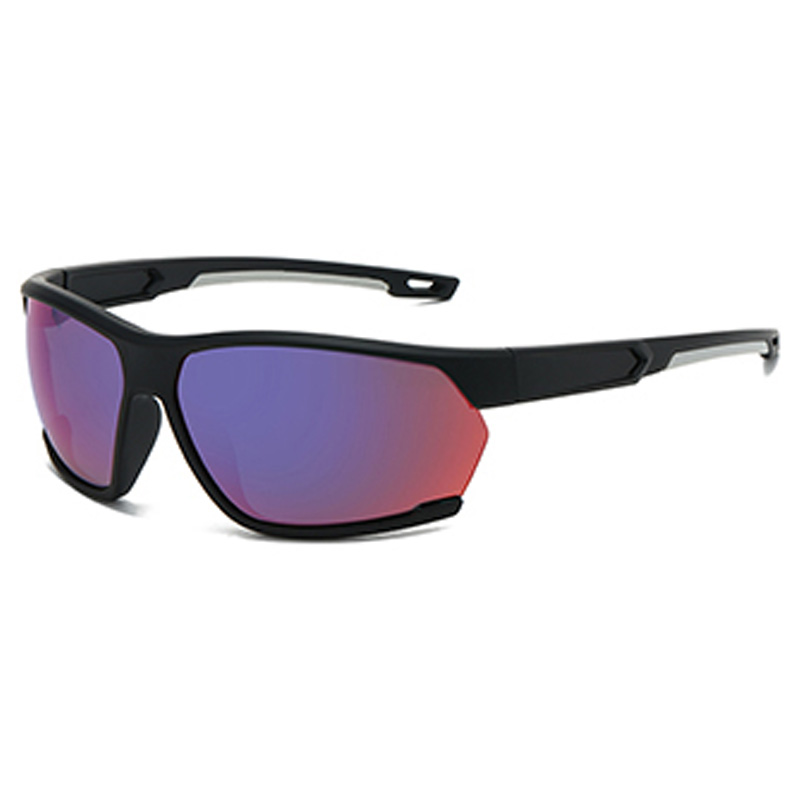
Are TR90 Semi-Rimless Wraparound Cycling Sports Sunglasses only suitable for cycling?
No. Cycling is the main intended positioning of this design, but the wraparound sports profile can also fit running, outdoor training, fitness, travel, and recreational activities. The final application should be matched with the actual lens and frame configuration.
What is the advantage of a semi-rimless sports sunglasses design?
A semi-rimless design reduces the visual amount of frame around the lens and creates a lighter-looking appearance. It can give sports sunglasses a clean, modern style while maintaining the curved profile associated with wraparound eyewear.
Why is TR90 used for sports eyewear?
TR90 is commonly selected for eyewear designs where a lightweight frame structure and comfortable wearing experience are important. For cycling sunglasses, this makes sense because users may wear the glasses for extended periods.
Can I customize these TR90 cycling sunglasses?
Yes. For OEM and ODM projects, we can discuss customization based on the customer's requirements. Depending on the project, this can include frame colors, lens configurations, logo placement, packaging, specifications, and order quantities.
Can you provide private-label cycling sunglasses?
Yes. Our B2B production support is suitable for brands, wholesalers, distributors, and private-label projects. The final packaging and branding requirements can be confirmed before production.
Can these sunglasses be used as industrial safety glasses?
Not automatically. General sports sunglasses and occupational safety eyewear are different product categories. ANSI/ISEA Z87.1-2025 covers occupational and educational eye and face protection and has specific requirements for applicable products. A sports sunglasses model should not be described as compliant with an occupational safety standard unless the actual product has been designed, tested, marked, and documented for that requirement.
What should I confirm before placing a bulk order?
I recommend confirming the frame design, lens specification, colors, logo requirements, packaging, quantity, payment terms, production schedule, transportation method, and delivery location. Having these details confirmed early makes the production process easier for both sides.
Can the product be used for professional cycling competitions?
The product has a cycling-oriented design, but suitability for a specific professional competition depends on the event rules and the final product specification. Buyers should check the applicable competition requirements before using any eyewear in an organized event.
How do I select the right lens specification?
Start with the actual environment. Consider outdoor brightness, intended activity, optical needs, local regulations, and whether the product is recreational eyewear or protective eyewear. We can discuss the available product configuration according to the target market and application.
What information do you need for an OEM project?
At the beginning, we normally need the customer's preferred design, target application, estimated quantity, customization requirements, packaging expectations, delivery location, and required schedule. If there are drawings, samples, reference products, or brand guidelines, these can also help us understand the project more accurately.
Final Thoughts
When I look at the TR90 Semi-Rimless Wraparound Cycling Sports Sunglasses, I see a product built around a simple idea: sports eyewear does not need unnecessary complexity to be useful.
The semi-rimless structure gives the product a clean appearance. The wraparound profile creates a recognizable cycling and outdoor sports identity. The TR90 frame concept supports a lightweight product direction, while the overall design leaves room for different brand styles and customization requirements.
For consumers, the product can fit cycling, running, outdoor training, fitness, travel, and active lifestyles. For B2B customers, it can serve as a practical base for private-label sports sunglasses, cycling eyewear collections, wholesale programs, OEM projects, and ODM product development.
Most importantly, I believe the final product should be defined by its actual specifications rather than exaggerated claims. Lens performance, frame construction, testing, intended use, and market requirements should all be confirmed before a product is positioned for a specific application.
At Linhai Huangjia Glasses Co., Ltd., our role is to turn those requirements into a workable eyewear product. From product specification and customization to production, packaging, and delivery coordination, we work with customers according to the confirmed project requirements.
If you are sourcing TR90 wraparound cycling sunglasses, semi-rimless cycling sunglasses, lightweight cycling eyewear, or customized sports sunglasses for your brand, this model can be used as a starting point for discussing your next product project.



 Phone
Phone