



When I develop outdoor sports eyewear, I always pay attention to one practical question: what happens when the wearer actually takes the glasses outside?
Outdoor conditions are not as controlled as an indoor showroom. There can be wind, sunlight, dust, movement, changing weather, long periods of wear, and constant head movement. A pair of sports glasses may look good in a product photo, but that is only the starting point. For me, the real test is whether the design makes sense when people are moving.
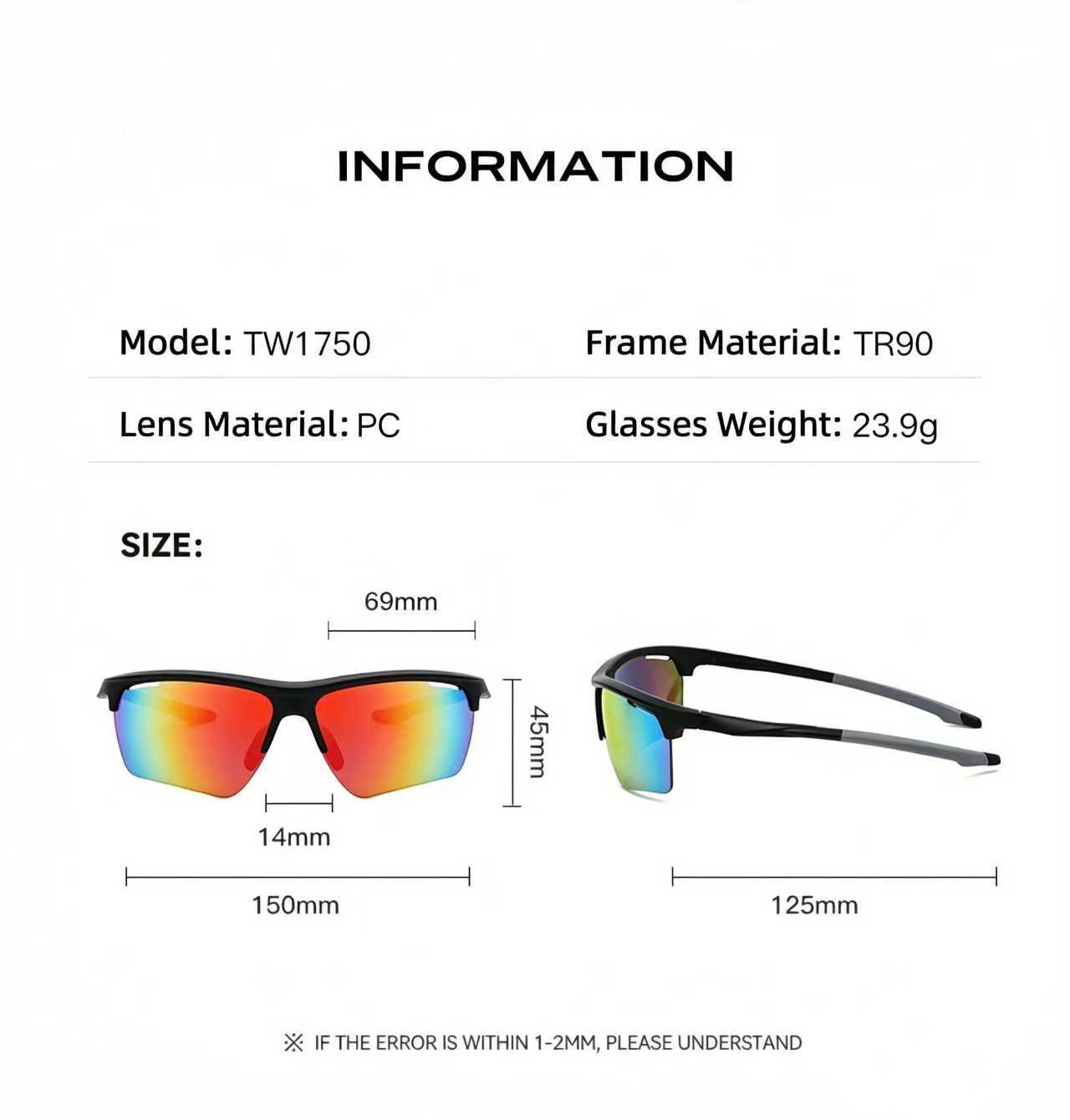
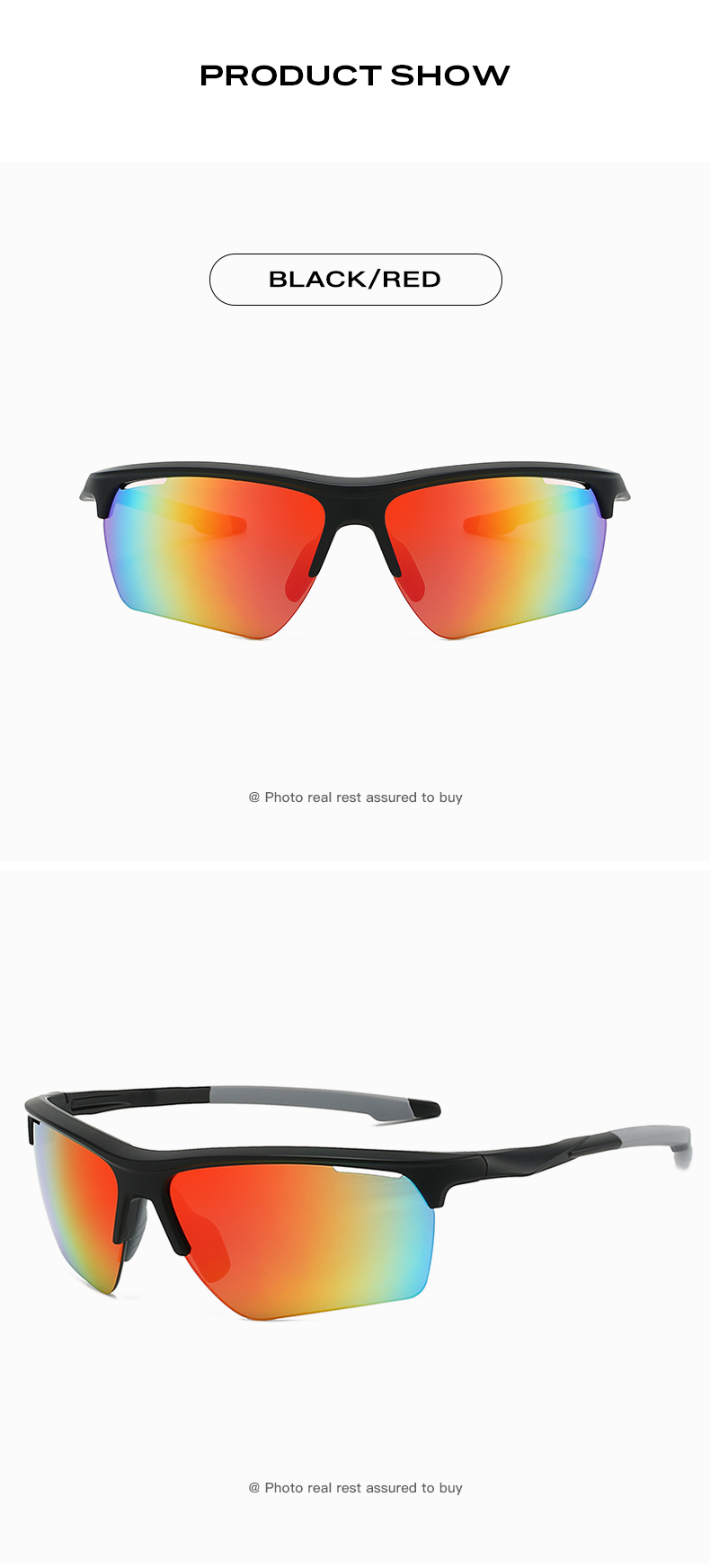
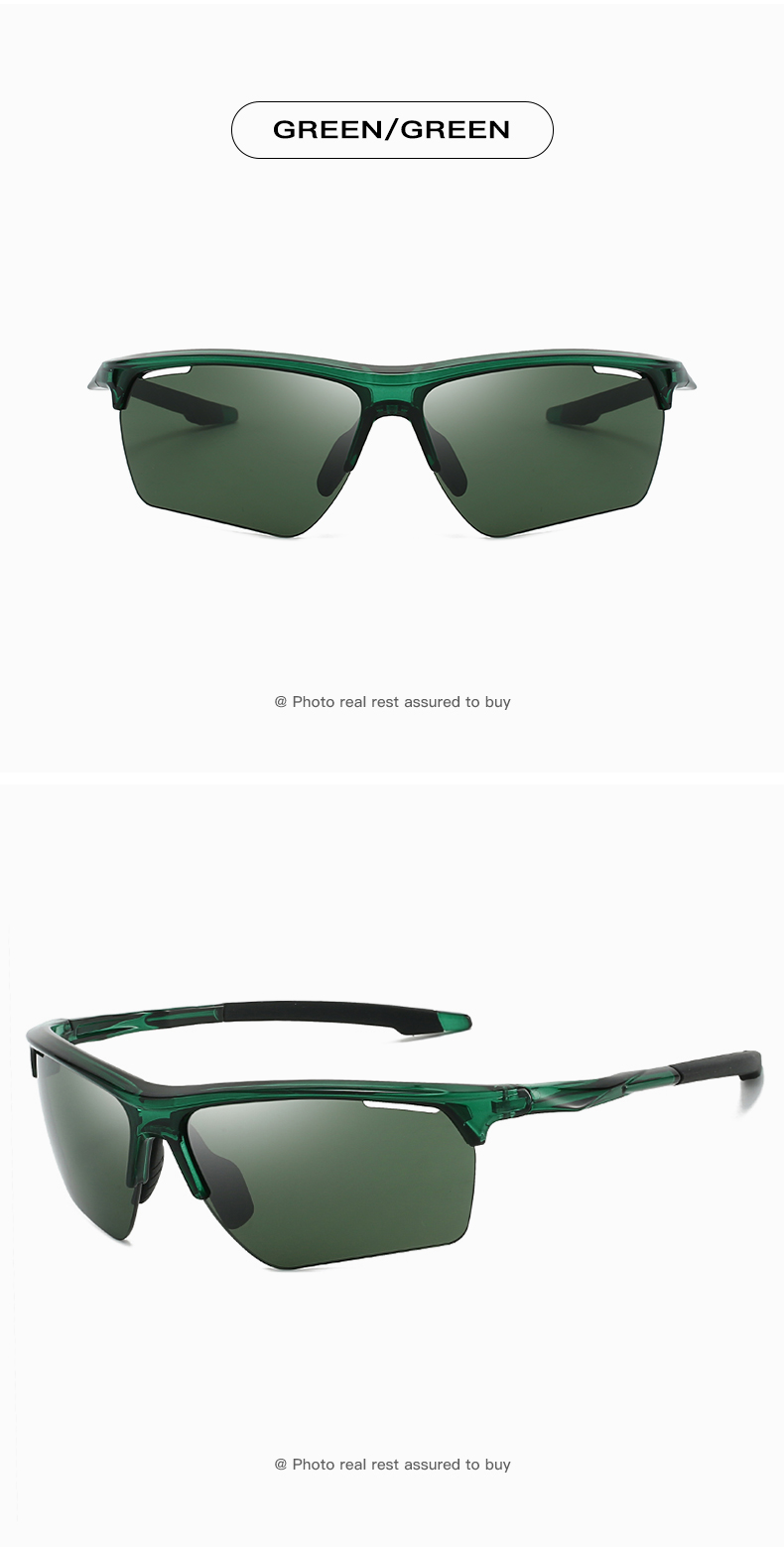
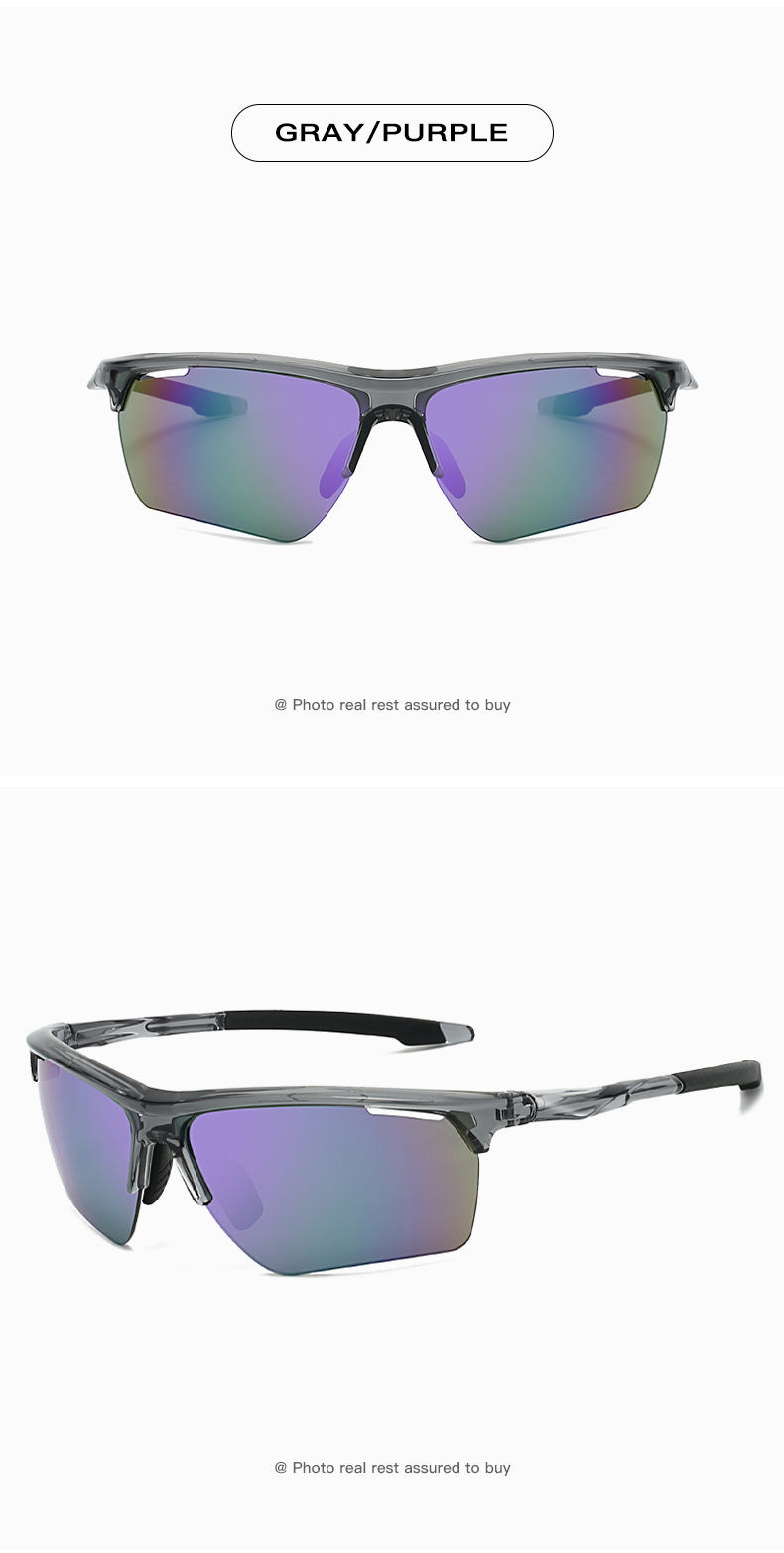
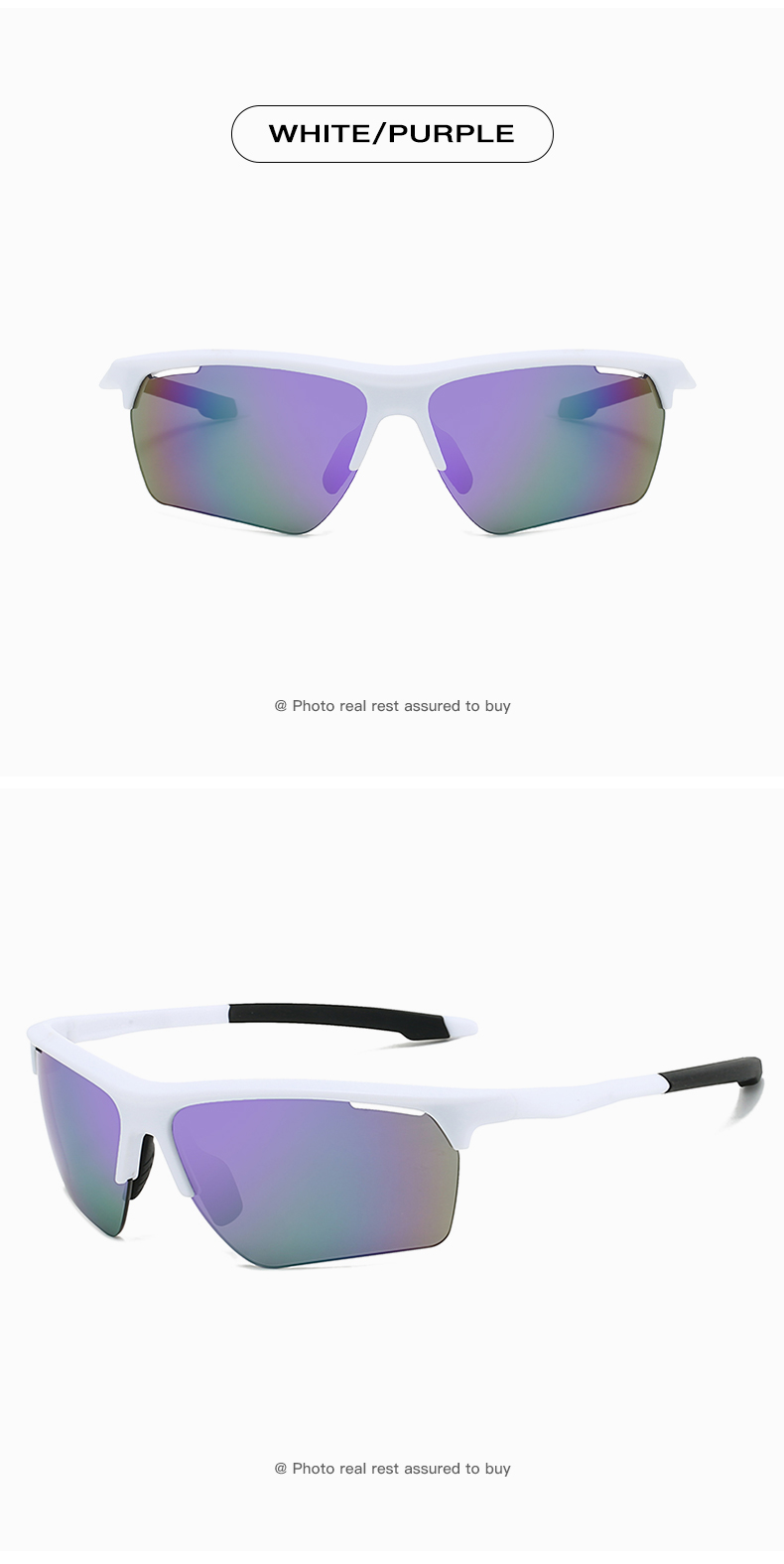
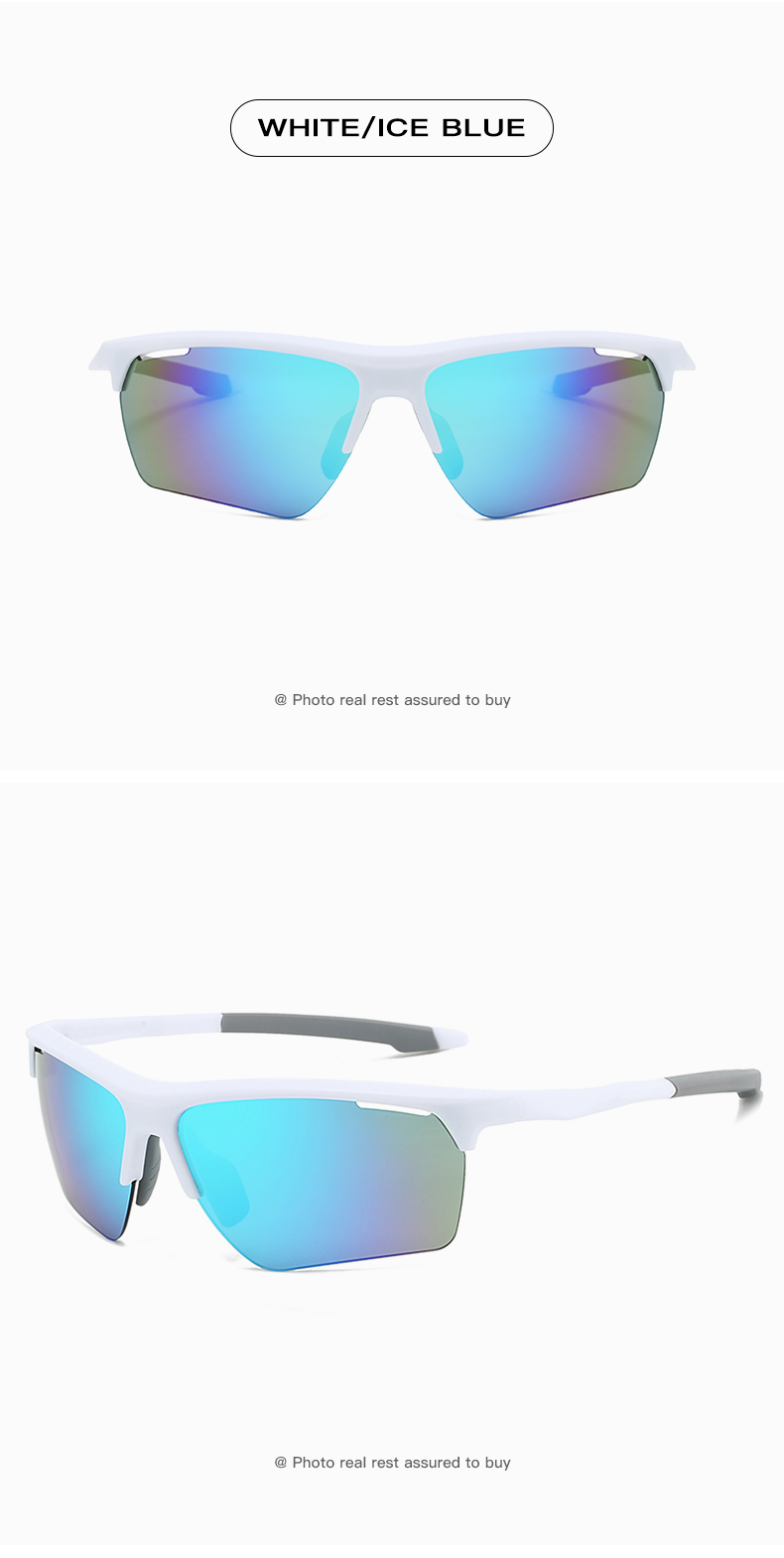
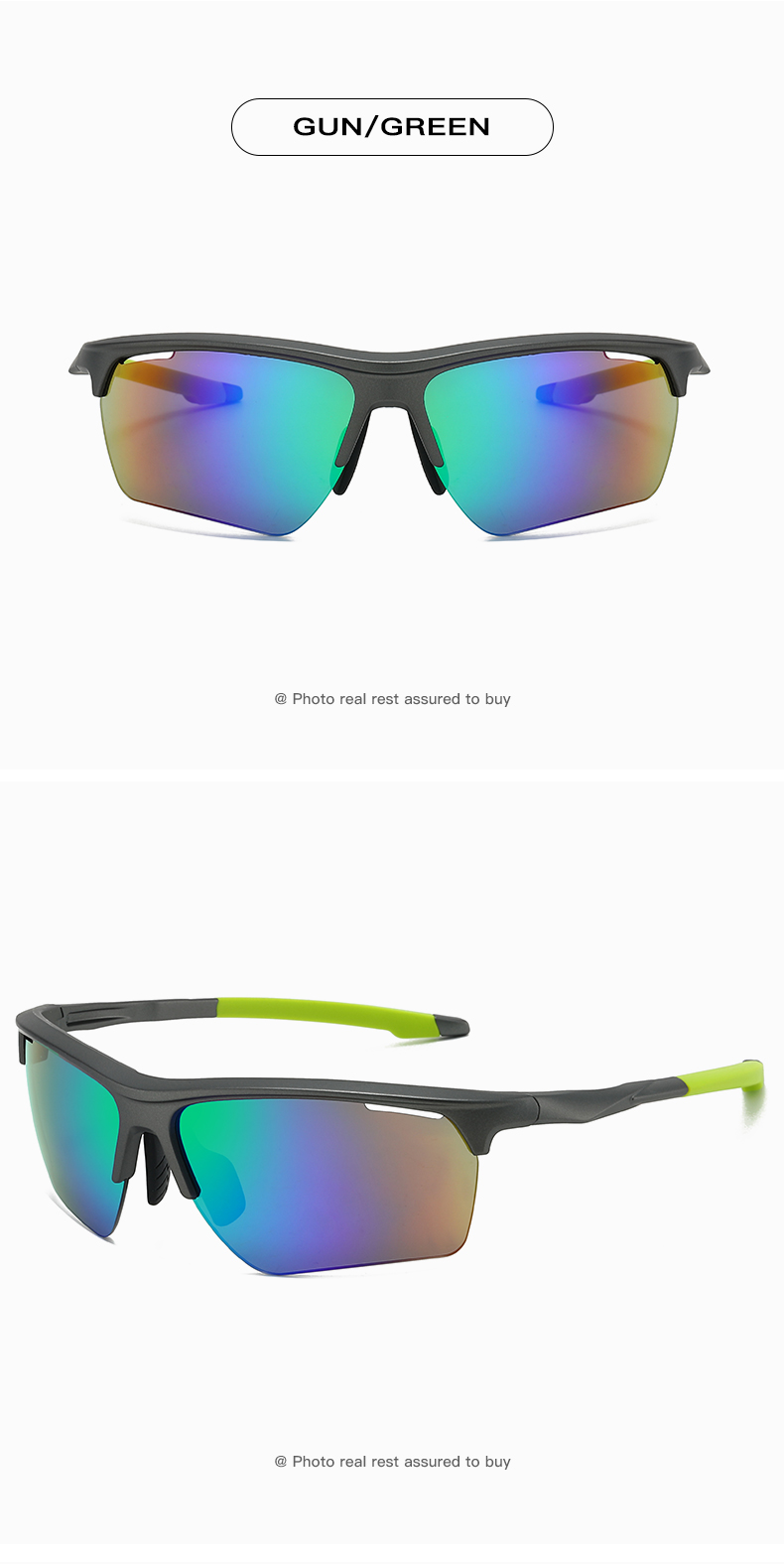
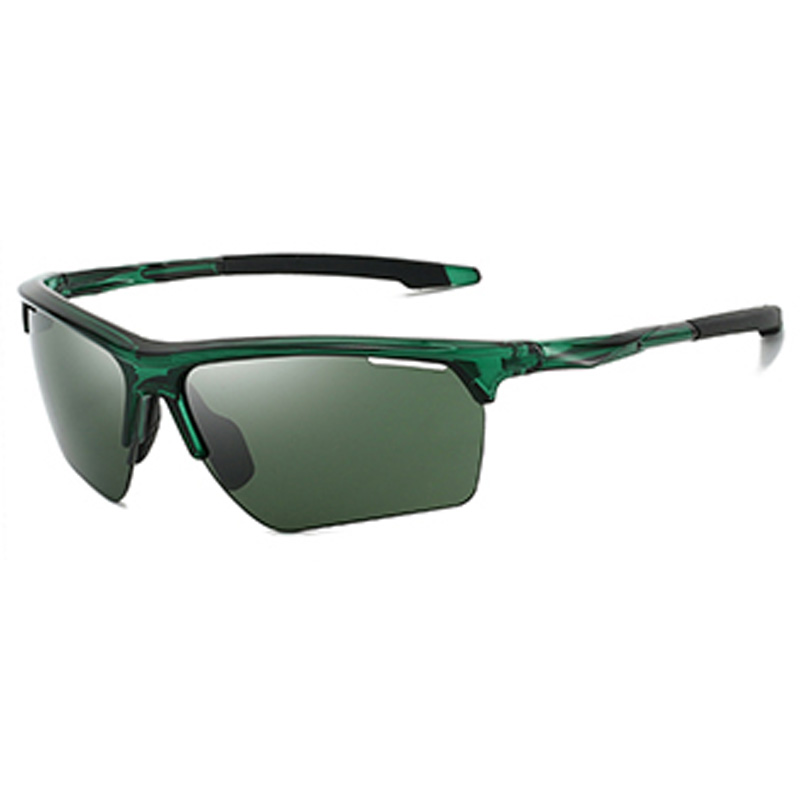
Our TR90 Lightweight Windproof Outdoor Sports Eyewear is designed around this idea. It combines a lightweight TR90 frame concept with a sporty shape intended for outdoor activities. The streamlined design is suitable for cycling, running, hiking, outdoor training, fitness, travel, and other active lifestyles.
At Linhai Huangjia Glasses Co., Ltd., we specialize in Sports sunglasses, sports optical glasses, fashionable Sunglasses, industrial safety goggles, and military and police tactical goggles. Since different eyewear categories have different requirements, I do not treat outdoor sports eyewear as the same thing as industrial protective eyewear. Instead, I focus on the actual use environment and the product specification required for each project.
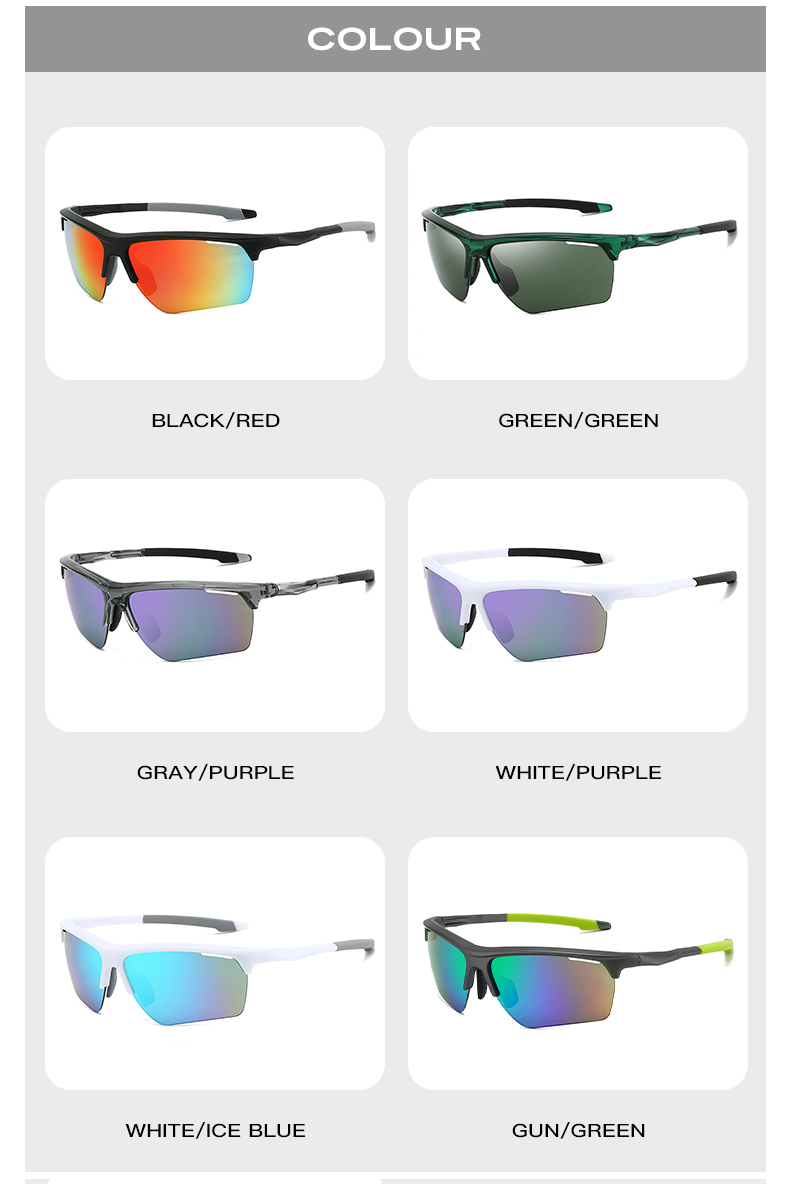
For B2B customers, this model can also be used as a starting point for OEM, ODM, wholesale, private-label, and customized eyewear projects. We can discuss frame specifications, lens options, colors, logos, packaging, quantities, production schedules, and delivery arrangements according to the order requirements.
1. Why Lightweight Outdoor Eyewear Matters
When people first choose sports eyewear, appearance often gets most of the attention. That is understandable. The frame shape, lens color, and overall style are easy to see.
But after wearing sunglasses for an hour or two, another factor becomes much more important: comfort.
A heavy or poorly balanced frame can become noticeable around the nose, ears, and temples. During cycling or running, the wearer is also moving constantly. A good sports eyewear design therefore needs to consider weight, frame geometry, lens position, temple structure, and the relationship between the glasses and the user's face.
That is one reason we use a TR90 frame concept for this product. TR90 is widely used in eyewear design where manufacturers want to create lightweight frame structures. It allows us to work toward a product that feels less bulky while maintaining a clear sports appearance.
I also like the fact that a lightweight frame gives the product wider commercial potential. It does not need to be sold only as professional sports equipment. Depending on the final lens configuration, it can also fit outdoor lifestyle, travel, casual recreation, and everyday active use.
| Design Factor | Why It Matters | Product Development Focus |
|---|---|---|
| Frame weight | Affects long-term wearing comfort | Use a lightweight frame concept and avoid unnecessary bulk |
| Frame geometry | Influences fit and overall appearance | Balance sports styling with practical dimensions |
| Lens shape | Influences visual coverage and product identity | Match lens geometry with the frame structure |
| Temple structure | Affects how the glasses sit on the head | Consider active movement and everyday wearing conditions |
| Packaging | Protects finished eyewear during transportation | Choose packaging according to order and shipping requirements |
This table describes design considerations rather than guaranteed performance values. The final wearing experience depends on the actual frame dimensions, lens configuration, fitting geometry, and user.
2. How the Windproof-Oriented Sports Design Works
The word “windproof” needs to be used carefully when talking about eyewear.
I would not describe ordinary sports sunglasses as creating a complete seal against air. That would be an unrealistic claim for a typical open sports eyewear structure.
Instead, the idea behind our TR90 Lightweight Windproof Outdoor Sports Eyewear is to use a streamlined, sports-oriented frame shape that is designed with outdoor movement in mind.
When a person cycles, runs, or moves quickly outdoors, air naturally flows around the face and eyewear. A large, flat, casual sunglasses frame may interact with that airflow differently from a curved sports-oriented design.
A more streamlined frame can help create the visual and functional characteristics expected from outdoor sports eyewear. The wraparound or close-fitting styling commonly seen in sports eyewear is also useful for creating a more enclosed appearance around the eyes.
However, the actual wind performance depends on the final frame geometry, lens shape, face fit, ventilation, and environmental conditions. For that reason, I prefer to describe this product as windproof-oriented outdoor sports eyewear rather than promising complete wind blockage.
This distinction matters in professional product communication. A good manufacturer should tell customers what the design is intended to do without turning a design feature into an unsupported performance guarantee.
Designed Around Outdoor Movement
Outdoor sports are different from stationary activities. The wearer may turn the head, look down, look forward, accelerate, slow down, or change direction.
The frame therefore needs to work as part of the movement rather than simply sitting on the face.
For cycling, this means the design should feel natural when the wearer keeps looking forward. For running, it should fit the active lifestyle category without becoming visually heavy. For hiking and travel, it should be comfortable enough for longer periods of outdoor use.
These are practical design goals rather than claims that every wearer will experience exactly the same result.
3. Main Features of TR90 Lightweight Windproof Outdoor Sports Eyewear
Lightweight TR90 Frame
The lightweight TR90 frame concept is one of the main features of this product.
I see lightweight construction as more than a technical specification. It is a user experience. People notice the weight of eyewear every time they put it on.
For active users, this becomes even more important. Cyclists, runners, hikers, and outdoor trainers may wear their glasses for long periods. A lightweight frame can help create a more comfortable overall product concept.
Streamlined Sports Profile
The product uses a clean sports-oriented shape rather than a traditional Fashion Sunglasses profile. This gives it a stronger connection with outdoor activities while keeping the design simple enough for broader lifestyle applications.
For brands, this is useful because the same basic frame concept can potentially be positioned in several ways depending on the selected colors, lens configuration, logo treatment, and packaging.
Outdoor-Oriented Lens and Frame Geometry
Outdoor eyewear needs to be designed around the environment where it will be worn.
Our product structure is intended for outdoor sports and active lifestyles. The frame and lens are developed as a coordinated system rather than two unrelated components.
This is important because a curved or sports-oriented lens needs to match the frame dimensions correctly. Small differences in geometry can affect the appearance, assembly, and wearing position of the final product.
Modern Athletic Appearance
Some customers want a technical-looking sports product. Others want something that can move between sports and everyday life.
This model provides a practical middle ground. Its frame language is clearly sporty, but it does not depend on excessive decorative elements. That gives brands more freedom when building a larger outdoor eyewear collection.
Suitable for Multiple Outdoor Activities
Although the product is positioned as outdoor sports eyewear, the potential application range is broader.
Depending on the final lens specification, the product can be considered for cycling, running, hiking, outdoor fitness, walking, travel, recreation, and active lifestyle use.
4. Technical Advantages: Frame, Lens and Fit
When I discuss eyewear with customers, I usually explain that there is no single feature that determines whether a pair of sports glasses is good. The frame, lens, fit, manufacturing tolerance, and intended application all work together.
Frame Geometry
The frame determines much of the product's physical structure. Width, bridge position, temple length, lens position, and curve all influence the final wearing experience.
For outdoor sports eyewear, I pay particular attention to the relationship between the front frame and temples. The glasses should have a coherent shape rather than simply looking like a casual frame with a sports lens.
Lens Geometry
Lens shape is another important consideration. Outdoor sports eyewear often uses larger or more curved lens profiles than conventional fashion glasses.
The purpose is not simply visual styling. Lens geometry influences how the glasses cover the front of the face and how the product interacts with the overall frame.
However, lens curvature also needs to be considered from an optical perspective. The final lens specification should be selected according to the intended application, target market, and applicable product requirements.
Comfort and Fit
A sports frame cannot be judged only by looking at it from the front.
The bridge, temple ends, frame width, and contact points all matter when the glasses are worn. Different face shapes also create different experiences, so I avoid promising that one frame will fit every user in exactly the same way.
For B2B projects, this is why sample evaluation is useful. A buyer can check the actual product, review the fit, and then confirm the production specification.
Optical Requirements
Clear vision is one of the basic goals of eyewear, but it should be discussed in relation to the actual lens specification.
For nonprescription sunglasses and fashion eyewear, ANSI Z80.3-2025 provides requirements covering areas such as optical properties, transmittance, durability, cosmetic quality, and related characteristics. The current standard applies to nonprescription sunglasses and fashion eyewear normally used for casual, dress, and recreational purposes.
It is important to understand that this standard does not automatically apply to every sports protective eyewear product. ANSI's own description specifically excludes products covered by ANSI/ISEA Z87.1 and certain sports and recreational protective eyewear standards.
| Eyewear Type | Typical Application | Relevant Reference | Key Point |
|---|---|---|---|
| Nonprescription sunglasses | Casual, fashion and recreational use | ANSI Z80.3-2025 | Addresses requirements for nonprescription sunglasses and fashion eyewear |
| Occupational eye protection | Workplace hazards | ANSI/ISEA Z87.1-2025 | Includes requirements for applicable protective devices, testing and marking |
| Sports protective eyewear | Specific sports protection applications | Applicable sport-specific standards | Requirements depend on the sport and product category |
ANSI/ISEA Z87.1-2025 covers occupational and educational eye and face protection devices and includes requirements related to testing, permanent marking, selection, care, and use for hazards such as impact, non-ionizing radiation, and liquid splash.
For this reason, I would not describe a general outdoor sports eyewear product as industrial safety eyewear unless the actual product has been designed and tested for the relevant requirements.
5. Where TR90 Lightweight Outdoor Sports Eyewear Can Be Used
One advantage of this design is that it does not have to be tied to a single sport.
Cycling
Cycling is one of the clearest applications for this type of eyewear.
Cyclists spend long periods outdoors and often encounter wind, bright daylight, changing weather, and continuous movement. A lightweight, streamlined sports eyewear design fits naturally into this environment.
For brands selling cycling accessories, this product can be positioned as lightweight cycling eyewear or TR90 outdoor cycling glasses depending on the final product configuration.
Running
Runners generally want products that are simple, light, and easy to wear. The sporty shape of this model works well with running and outdoor training collections.
The same frame can also be considered for recreational runners who want a more athletic appearance in their everyday eyewear.
Hiking and Outdoor Recreation
Hiking creates another useful application. Outdoor enthusiasts often spend several hours outside, so lightweight eyewear can be a practical part of their equipment.
Travelers can also use sports-style sunglasses as part of an outdoor lifestyle collection. In this case, appearance and comfort may be just as important as technical positioning.
Fitness and Training
Outdoor fitness, walking, jogging, and training are also potential applications.
The product's sporty appearance allows retailers to place it within active lifestyle collections rather than limiting it to professional sports.
Outdoor Lifestyle Products
There is a large space between professional sports equipment and fashion eyewear. Many consumers simply want sunglasses that look active and modern.
This is where a product such as TR90 Lightweight Windproof Outdoor Sports Eyewear can be commercially useful. A brand can use the same basic design language for a broader outdoor product line.
| Target Market | Product Positioning | Key Selling Point to Communicate |
|---|---|---|
| Cycling brands | TR90 cycling eyewear | Lightweight sports-oriented design |
| Running brands | Lightweight running eyewear | Simple athletic styling |
| Outdoor retailers | Outdoor sports eyewear | Versatile active-use design |
| Travel retailers | Outdoor lifestyle eyewear | Modern appearance and lightweight concept |
| Private-label brands | Custom sports eyewear | OEM/ODM development flexibility |
6. Manufacturing Process and Quality Control
A product page should not only explain what a pair of glasses looks like. For B2B buyers, the manufacturing process matters just as much.
When we work on a sports eyewear project, we first need to understand the product requirements.
Step 1: Confirm the Product Specification
We start with the basic product details. These may include frame style, material, lens requirements, colors, logo position, packaging, order quantity, and delivery requirements.
For customized projects, the customer may also provide drawings, reference samples, branding guidelines, or other product information.
Step 2: Frame Production
The frame is produced according to the confirmed design and material requirements.
For TR90 eyewear, dimensional consistency is important because the finished frame needs to match the intended lens and assembly structure. Frame appearance is also checked during production to reduce visible defects.
Step 3: Lens Preparation
The lens is prepared according to the confirmed product specification.
Depending on the project, customers may have different requirements for lens color, optical characteristics, coatings, branding, or other details. We recommend confirming these specifications before production rather than treating them as minor details.
Step 4: Assembly
The frame and lens components are assembled into finished eyewear.
At this stage, alignment, fit, appearance, and component consistency are important. A frame may look correct before assembly, but the final product needs to be evaluated as a complete unit.
Step 5: Inspection
Finished products are checked according to the agreed requirements. The exact inspection points depend on the product specification and customer order.
This is where manufacturing becomes different from simply selling a sample. A sample only proves that a product can be made. A reliable production process needs to reproduce the required characteristics across the order.
Step 6: Packaging and Delivery
After inspection, products are packed according to the confirmed packaging requirements.
For international B2B orders, packaging also needs to consider transportation distance, shipping method, carton arrangement, and customer requirements. Production and delivery schedules can be discussed according to order quantity, customization level, destination, and logistics plan.
7. Why Choose Linhai Huangjia Glasses for OEM and ODM?
Linhai Huangjia Glasses Co., Ltd. was established in 2023 and is based in Linhai, Zhejiang. We focus on the research and manufacturing of sports glasses, optical glasses, fashionable sunglasses, industrial safety goggles, and military and police tactical goggles.
Our product range covers several different eyewear categories. That gives us a practical understanding of how product requirements change between outdoor sports, everyday eyewear, industrial applications, and specialized protective products.
Experience Across Different Eyewear Categories
Sports eyewear is only one part of our manufacturing scope.
We also work with sports optical glasses, industrial safety goggles, and tactical eyewear. Each category requires a different approach. This helps us understand why a product should be designed around its intended environment rather than using one standard design for every application.
OEM and ODM Support
For B2B customers, customization is often more important than simply buying an existing product.
We can discuss OEM and ODM requirements based on the customer's product plan. This may include frame design, colors, lens configuration, logo application, packaging, and other product details.
Flexible Production Planning
We create production arrangements according to product specifications, order quantity, and customization requirements.
Rather than giving every customer the same production plan, we discuss the actual project requirements. Production cycle, payment terms, transportation, packaging, and delivery schedule can be negotiated according to order scale and destination.
Support for Bulk Purchasing
Our products are intended not only for individual consumers but also for wholesale and commercial buyers.
Distributors, retailers, sports brands, private-label businesses, and other B2B customers can discuss bulk order requirements with us. The goal is to make the product specification clear before production starts.
Practical Communication
I believe communication is one of the most important parts of manufacturing.
If a customer needs a lightweight outdoor sports frame, we should understand what “lightweight” means for that project. If the customer needs wind-resistant styling, we should discuss the actual frame design rather than promise complete wind blocking. If a customer needs safety eyewear, we should confirm the applicable safety requirements before production.
This kind of straightforward communication helps both sides avoid misunderstandings.
8. Frequently Asked Questions About TR90 Lightweight Windproof Outdoor Sports Eyewear
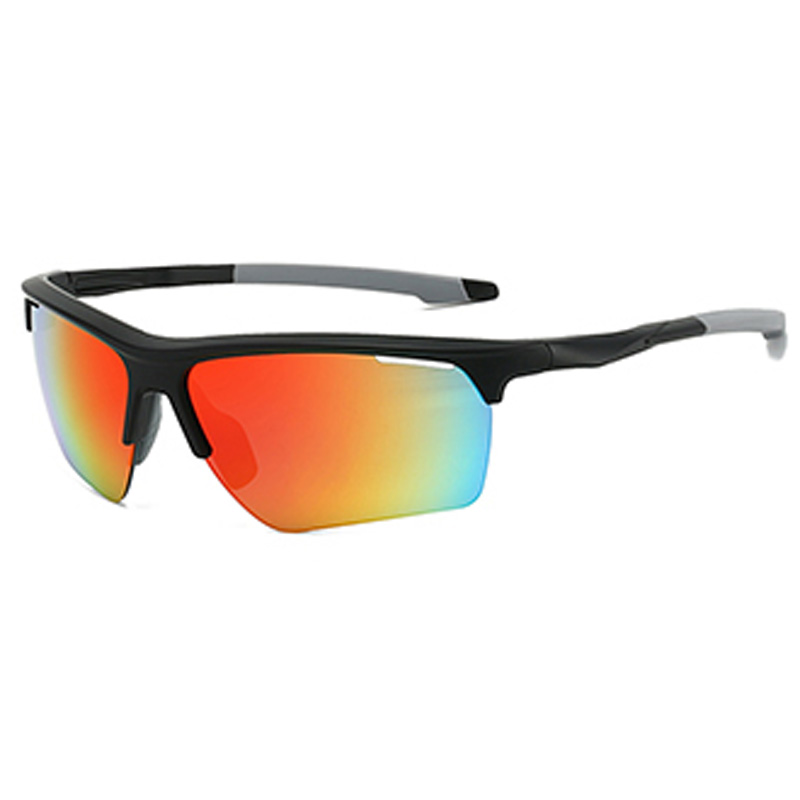
What is TR90 Lightweight Windproof Outdoor Sports Eyewear?
It is a sports-oriented eyewear design based on a lightweight TR90 frame concept and intended for outdoor activities such as cycling, running, hiking, fitness, training, and recreation. The streamlined design is developed with outdoor movement and wearing comfort in mind.
What does “windproof” mean for this product?
In this product context, windproof refers to a streamlined outdoor sports design intended to work well during active outdoor movement. It should not be interpreted as a complete airtight seal or guaranteed wind blockage. Actual performance depends on frame geometry, lens shape, face fit, ventilation, and environmental conditions.
Why use TR90 for outdoor sports eyewear?
TR90 is widely used in eyewear designs where a lightweight frame structure is desired. For sports and outdoor products, reducing unnecessary frame bulk can support a more comfortable wearing experience during longer activities.
Is this product suitable for cycling?
Yes. Cycling is one of the main applications for this sports-oriented design. The lightweight frame concept and outdoor styling make it suitable for cycling eyewear collections, subject to the final product configuration and intended market.
Can I use these glasses for running and hiking?
Yes. The design can also be positioned for running, hiking, outdoor training, walking, fitness, travel, and recreational activities. The final lens configuration should be selected according to the specific environment.
Can these glasses be customized?
Yes. We support OEM and ODM projects and can discuss customization according to the customer's requirements. Depending on the project, this may include frame colors, lens specifications, logos, packaging, quantities, and other product details.
Can you provide private-label outdoor sports eyewear?
Yes. Private-label projects can be discussed based on the customer's brand requirements. We can coordinate product specifications, branding details, packaging, production arrangements, and delivery requirements.
Are these sports glasses industrial safety goggles?
No, not automatically. General outdoor sports eyewear and occupational safety eyewear are different categories. ANSI/ISEA Z87.1-2025 establishes requirements for occupational and educational personal eye and face protection devices, including applicable testing and marking requirements. A sports eyewear product should not be presented as compliant with that standard unless the specific product has been designed, tested, and documented accordingly.
Does ANSI Z80.3-2025 apply to these sunglasses?
ANSI Z80.3-2025 applies to nonprescription sunglasses and fashion eyewear normally used for casual, dress, and recreational purposes, but it excludes certain occupational and sports protective eyewear categories. Whether it applies to a particular finished product depends on the product's actual classification and intended use.
What information should I provide for an OEM order?
It is helpful to provide the target product style, intended application, estimated quantity, frame requirements, lens requirements, colors, logo information, packaging requirements, delivery location, and target schedule. Drawings, samples, or reference products can also help us understand the project.
How do you arrange production?
We arrange production according to the confirmed product specifications, quantity, customization requirements, packaging requirements, and delivery schedule. Payment terms, production timing, transportation, and packaging can be discussed according to the order size and customer's location.
Can this product be used as a fashion sunglasses model?
It can be positioned as part of an active lifestyle or outdoor fashion collection depending on the final frame, lens, colors, and branding. The product has a clear sports identity, but its clean design also gives brands flexibility when creating lifestyle-oriented eyewear collections.
Conclusion: A Practical Outdoor Sports Eyewear Platform
When I look at the TR90 Lightweight Windproof Outdoor Sports Eyewear, I see a product that is built around several simple ideas: keep the frame light, keep the shape practical, make the sports identity clear, and leave enough flexibility for different outdoor applications.
The lightweight TR90 frame concept gives the product a practical starting point. The streamlined sports profile supports outdoor use and active styling. The frame and lens geometry can then be developed according to the customer's actual requirements.
For consumers, this type of eyewear can fit cycling, running, hiking, outdoor training, fitness, travel, and recreational activities. For B2B buyers, it can serve as a foundation for private-label sports sunglasses, outdoor eyewear collections, wholesale programs, OEM projects, and ODM development.
At the same time, I believe product claims should stay connected to real specifications. “Lightweight” should relate to the actual product construction. “Windproof” should describe the intended design rather than promise an airtight seal. “Safety eyewear” should only be used when the product has been designed and verified for the relevant safety requirements.
That approach is important to us at Linhai Huangjia Glasses Co., Ltd. We do not see manufacturing as simply producing a frame and putting a lens into it. We see it as understanding the customer's application, confirming the product requirements, organizing production, checking the finished eyewear, and coordinating packaging and delivery.
If you are sourcing TR90 Lightweight Sports Eyewear, TR90 outdoor sports glasses, lightweight outdoor eyewear, windproof-oriented sports glasses, or customized sports eyewear for your brand, this product can be a practical starting point for your next OEM or ODM project.



 Phone
Phone