



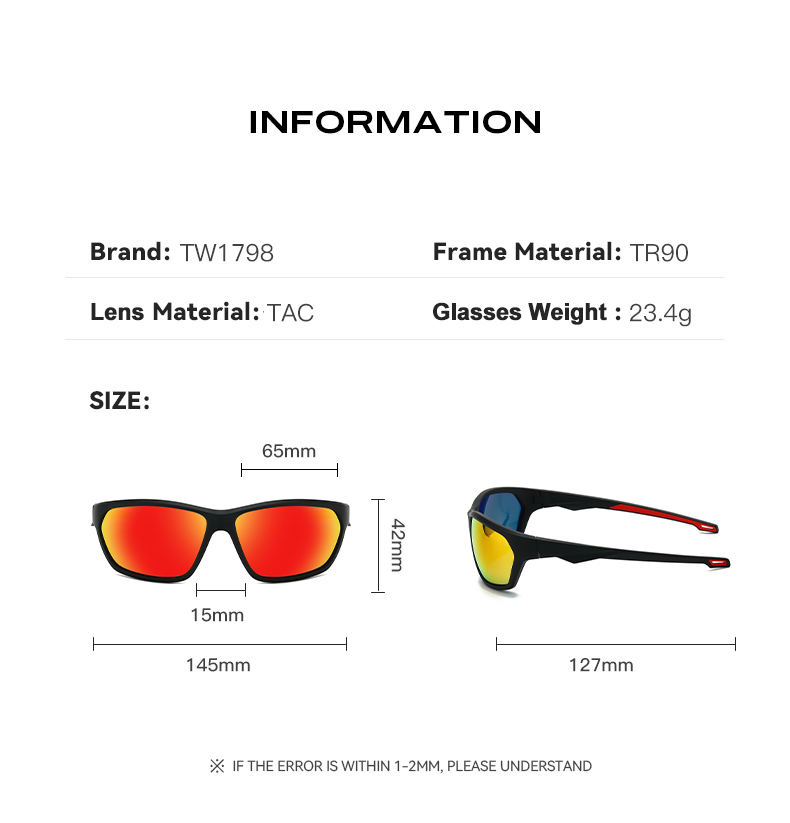
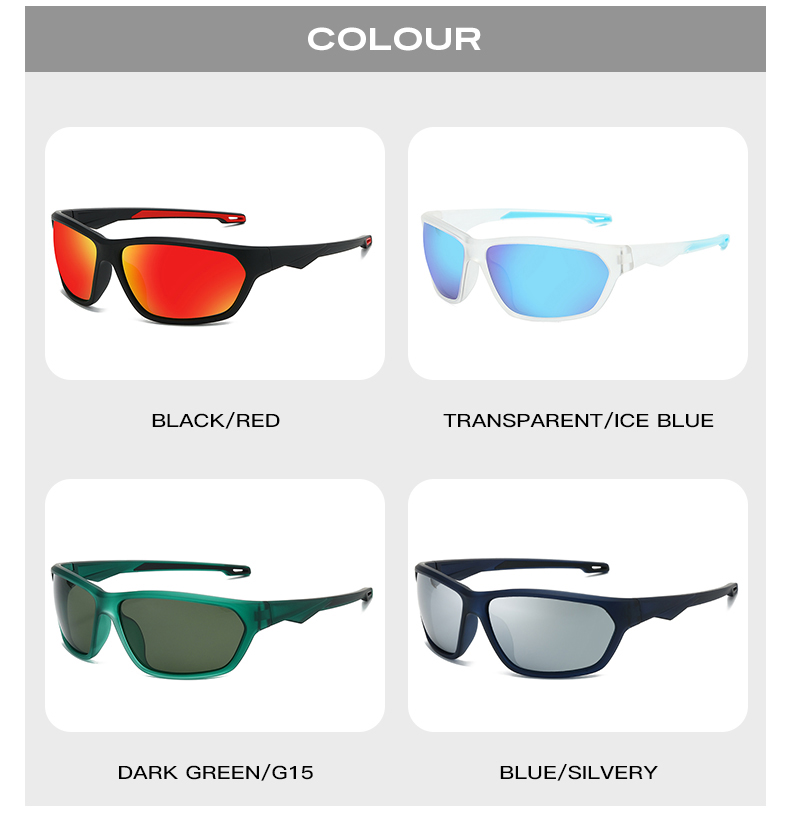
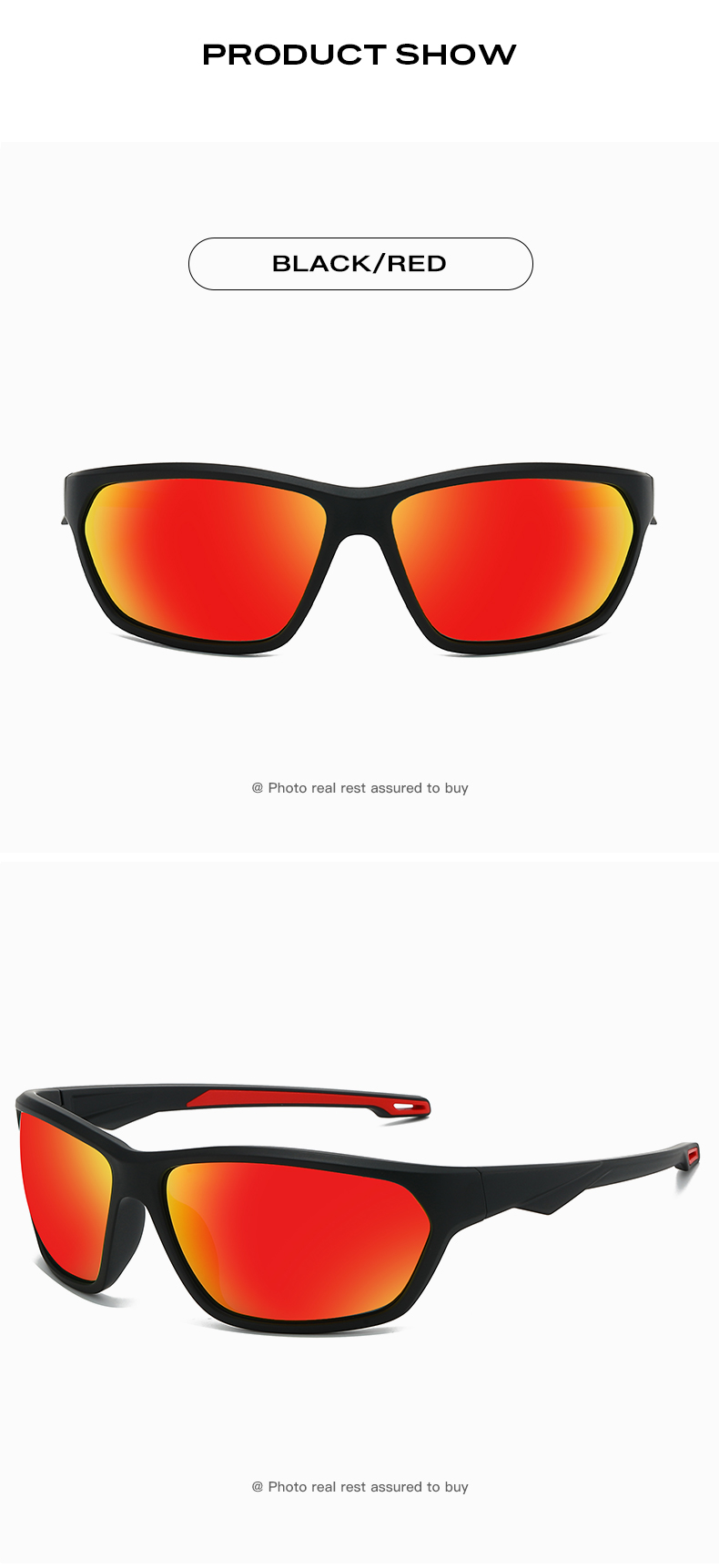
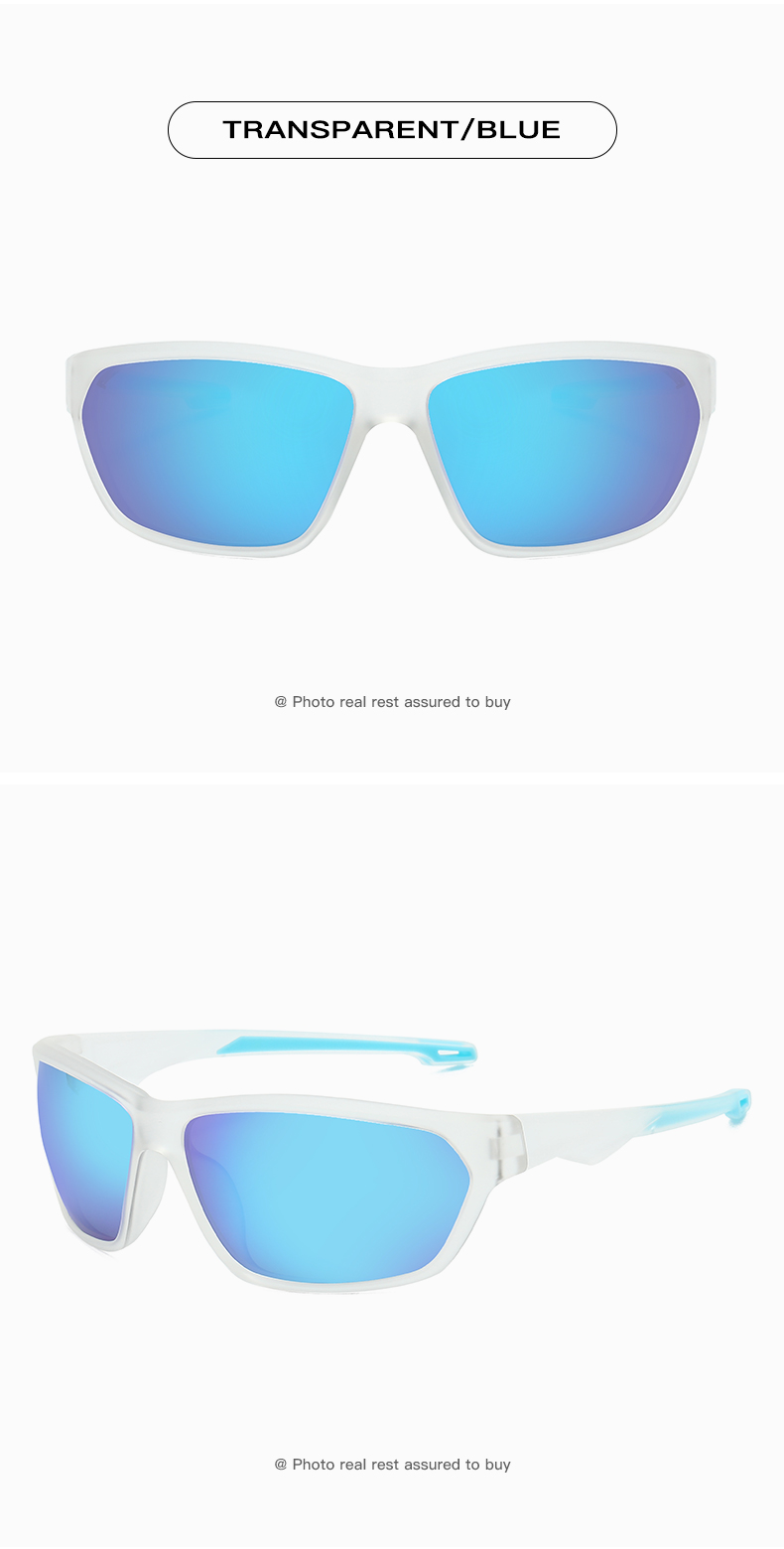
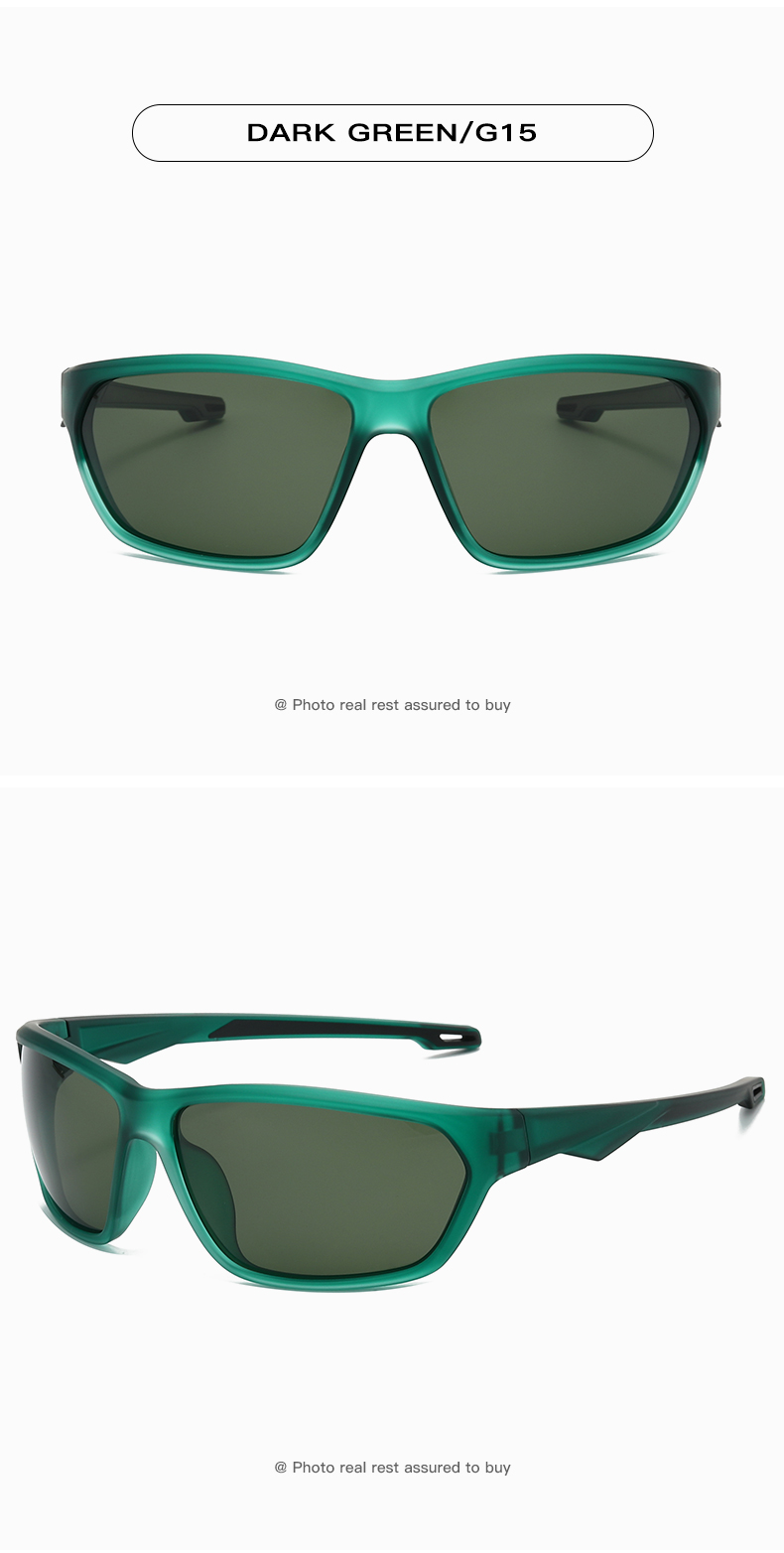
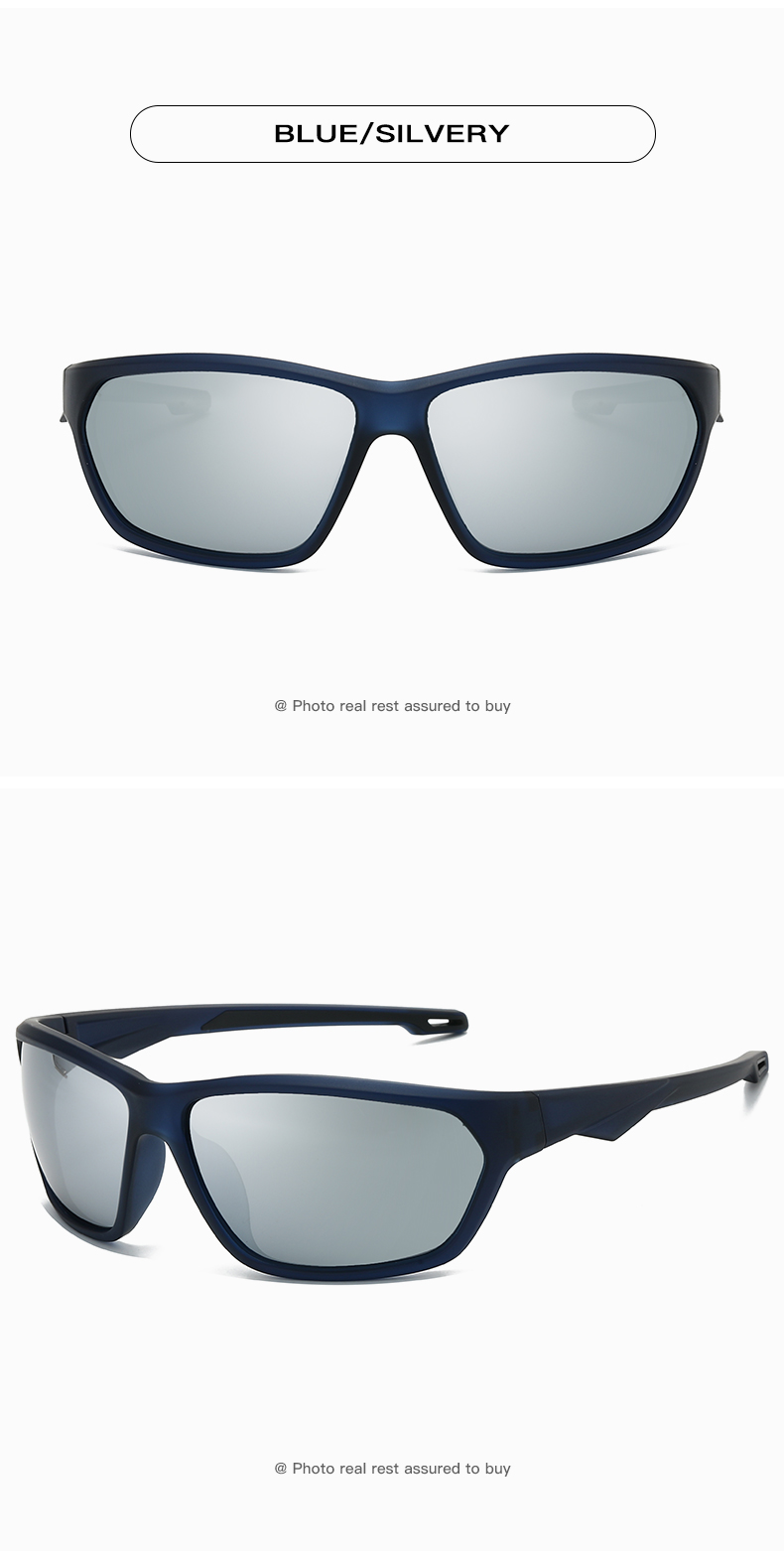
When I design or select sports eyewear, I do not look at appearance alone. A pair of sports Sunglasses has to feel comfortable after hours of use, stay reasonably stable during movement, provide a clear field of view, and match the conditions in which it will actually be worn. That is the thinking behind our TR90 Blade Cut Angular Temple Sports Sunglasses.
At Linhai Huangjia Glasses Co., Ltd., we develop and manufacture sports glasses, optical glasses, fashionable sunglasses, industrial safety goggles, and tactical eyewear. Our work is centered on a simple idea: eyewear should solve a real use problem rather than simply look good in a product photograph.
This model combines a lightweight TR90 frame concept with a distinctive blade-cut angular temple design. The result is a sports-oriented appearance with a practical structure for outdoor activities, fitness, cycling, running, driving, travel, and other active daily situations. For distributors, sports eyewear brands, retailers, and OEM/ODM buyers, the model can also be considered as a base design for customized product programs.
1. Why I Designed This Sports Sunglasses Model Around Active Use
Sports eyewear is different from ordinary Fashion Sunglasses. When someone is walking through a shopping street, the glasses mainly need to look good and feel comfortable. When someone is cycling, running, training, hiking, or spending several hours outdoors, the requirements become more practical.
The frame has to stay in place while the wearer moves. The temples should not create unnecessary pressure around the sides of the head. The lens area should provide useful visual coverage without making the product feel bulky. The overall construction also needs to be suitable for repeated daily handling.
That is why I prefer to start product development from the wearing scenario.
For the TR90 Blade Cut Angular Temple Sports Sunglasses, the blade-cut angular temple is one of the most visible design elements. It gives the product a sharper sports appearance while also creating a clear visual line from the front frame toward the rear of the head. This makes the model suitable for customers looking for contemporary athletic eyewear rather than a traditional round or classic fashion sunglasses shape.
At the same time, I do not position this model as a substitute for certified industrial safety eyewear. Sports sunglasses and industrial protective eyewear serve different purposes. Where a workplace has defined impact, splash, dust, chemical, or other hazards, the buyer should select eyewear tested and marked for the applicable safety requirements.
This distinction is important. ANSI/ISEA Z87.1-2025, for example, covers occupational and educational eye and face protection and includes requirements related to hazards such as impact, non-ionizing radiation, and liquid splash. It also includes provisions concerning testing, selection, care, use, and permanent marking. The standard should be checked directly for the specific application.
2. How the TR90 Blade Cut Angular Temple Sports Sunglasses Work in Daily Use
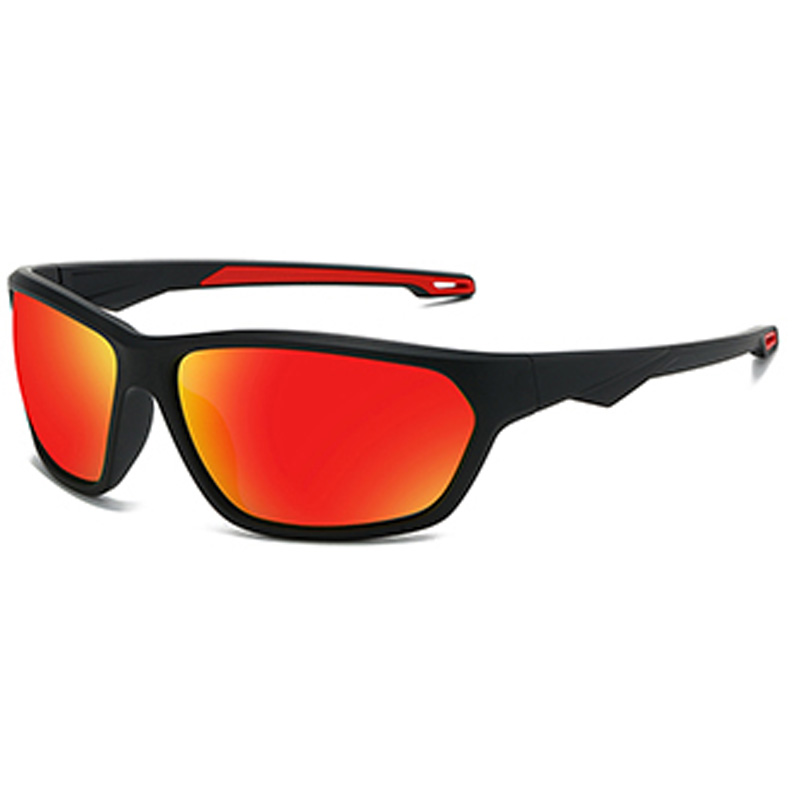
There is no complicated mechanism inside these sunglasses. Their performance comes from how several simple parts work together: the frame, temples, hinges, nose contact area, lenses, and overall geometry.
I normally think about the product from three directions: stability, comfort, and vision.
Frame Stability
During running or cycling, the head moves repeatedly. Every step or road vibration creates small movements between the face and the frame. A well-designed sports frame should reduce unnecessary movement without becoming excessively tight.
The temple structure plays an important role here. The blade-cut angular temple gives the frame a more structured sports profile. The exact fit still depends on frame dimensions, temple length, lens shape, hinge construction, and the wearer's facial geometry, so I would always recommend confirming the detailed dimensions and sample fit before placing a large OEM order.
Comfort During Extended Wear
Comfort is often underestimated when sunglasses are being evaluated for the first time. A product can look excellent in a photograph but feel uncomfortable after two or three hours.
For this reason, we pay attention to the relationship between the front frame, temple structure, nose area, and overall weight. A lightweight frame can reduce the feeling of pressure on the nose and ears, although the final wearing experience is also affected by lens material, hardware, dimensions, and individual face shape.
Visual Coverage
The lens shape is another important part of sports eyewear design. A sports-oriented lens normally needs to provide useful forward coverage while maintaining a clear view for the intended activity.
For outdoor use, buyers should also specify the required lens properties instead of assuming that every pair of sunglasses provides the same level of UV filtering. Sunglasses standards address optical properties, transmittance, UV protection, and physical durability. ANSI's current eyewear guidance identifies ANSI Z80.3-2025 as a standard covering noncorrective sunglasses and fashion eyewear.
| Design Element | What I Focus On | Why It Matters |
|---|---|---|
| TR90 Frame | Lightweight frame construction and suitable flexibility | Supports comfortable daily and active wear |
| Angular Temple | Structured blade-cut visual design | Creates a modern sports appearance and supports the overall frame geometry |
| Lens Area | Clear vision and suitable coverage | Helps match the sunglasses to outdoor and sports applications |
| Hinge Area | Consistent opening and closing action | Important for repeated daily use |
| Nose Contact Area | Fit and pressure distribution | Influences comfort during longer periods of wear |
Source: Product design considerations are based on the manufacturer's stated product positioning and general eyewear design practice. Safety and performance requirements should be verified against the applicable product standard for the target market. ANSI/ISEA Z87.1-2025 covers occupational eye and face protection, while ANSI Z80.3-2025 covers noncorrective sunglasses and fashion eyewear.
3. Main Features of Our TR90 Blade Cut Angular Temple Sports Sunglasses
Lightweight TR90-Oriented Frame Design
One reason TR90 is widely considered for sports eyewear is its balance between low weight, flexibility, and practical frame forming characteristics. For me, the important point is not simply saying that a frame is “lightweight.” The frame still needs to be designed around the lens size, temple structure, hinge, nose area, and target wearer.
In an active product, unnecessary bulk can become noticeable very quickly. A lighter frame can make the product easier to wear during commuting, training, travel, or outdoor recreation.
Blade Cut Angular Temple
The temple is where this model gets much of its identity. Instead of using a completely straight or conventional temple profile, the blade-cut angular structure creates a sharper line.
From a product development point of view, this design can help a sports eyewear collection stand apart from basic generic frames. It is particularly suitable for brands looking for an athletic visual language that can be used across Cycling sunglasses, running sunglasses, outdoor sports eyewear, and lifestyle sports products.
Contemporary Sports Appearance
I see this model sitting between performance-inspired eyewear and everyday sports fashion. It can be used when the buyer wants a product that looks appropriate during exercise but does not feel out of place during travel, driving, shopping, or casual outdoor activities.
Suitable for OEM and ODM Development
For B2B customers, the frame itself is only the beginning. A wholesale buyer may need different lens colors, lens treatments, branding, packaging, temple markings, product combinations, or other details depending on the market.
Our production planning can be adjusted according to confirmed product specifications, order quantity, packaging requirements, and delivery arrangements. This gives buyers more room to develop a product line instead of simply purchasing a fixed retail item.
| Buyer Requirement | Possible Product Direction | Recommended Confirmation Before Mass Production |
|---|---|---|
| Sports eyewear brand | Branded frame and lens combination | Logo position, lens specification, color, packaging |
| Optical distributor | Sports optical or prescription-compatible development | Lens compatibility, dimensions, optical requirements |
| Outdoor retailer | Sports and lifestyle sunglasses | Lens category, color options, retail packaging |
| OEM buyer | Customer-specific product version | Drawings, samples, specifications, MOQ, packaging |
| ODM buyer | Modified design based on an existing product concept | Design scope, tooling requirements, sample approval |
Source: Manufacturing and customization information in this table reflects the production and delivery capabilities described for Linhai Huangjia Glasses Co., Ltd. Specific customization availability should be confirmed for each project.
4. Technical Advantages I Consider Important in Sports Eyewear
When buyers ask me what makes a sports sunglasses model practical, I usually avoid giving one simple answer. Eyewear performance is a combination of materials, geometry, optical properties, manufacturing accuracy, and the intended use.
Material and Frame Geometry
The material matters because the frame has to hold its shape while remaining comfortable. But material alone does not determine the final product. Two frames made from similar materials can feel completely different because their dimensions and structures are different.
For the TR90 Blade Cut Angular Temple Sports Sunglasses, I focus on the relationship between frame thickness, temple shape, lens opening, hinge position, and wearing balance.
Optical Clarity
Clear vision is one of the main reasons people wear sports eyewear in the first place. A sports sunglasses product should not create unnecessary visual distortion.
For B2B buyers, I recommend treating optical requirements as a specification rather than a marketing phrase. If the project requires a specific optical grade, lens material, coating, transmittance range, or test method, those details should be written into the product specification and confirmed before production.
International eyewear testing is not based only on appearance. ISO 12311, for example, provides reference test methods for sunglasses and related eyewear, including optical properties, transmittance, and mechanical strength.
UV Protection Requirements
Outdoor sunglasses are often purchased because people expect them to reduce strong sunlight and provide UV protection. However, not every tinted lens should automatically be described as having a particular UV performance.
For that reason, I recommend buyers define the required UV specification when placing an order. This is especially important for products intended for professional sports brands, outdoor retail channels, or markets with specific labeling requirements.
Impact and Safety Requirements
Sports sunglasses should also not be confused with industrial safety goggles. A product intended for machine operation, construction, laboratory work, chemical handling, or other hazardous environments may need specific protective eyewear.
ANSI/ISEA Z87.1-2025 is specifically concerned with occupational and educational eye and face protection. The standard covers areas including impact, non-ionizing radiation, liquid splash, testing, marking, selection, care, and use.
That distinction is useful for distributors because it prevents the same product from being marketed for applications that require different safety certifications.
| Product Category | Typical Purpose | Specification Approach |
|---|---|---|
| Sports Sunglasses | Cycling, running, outdoor activities, training, lifestyle use | Focus on fit, comfort, lens properties, UV performance, design and durability |
| Fashion Sunglasses | Daily wear and appearance | Focus on design, comfort, lens properties and applicable eyewear requirements |
| Industrial Safety Eyewear | Workplace eye protection | Must be matched to applicable hazards and required standards |
| Tactical Eyewear | Military, police and specialized field applications | Project-specific protection and performance requirements should be confirmed |
Source: ANSI/ISEA Z87.1-2025 for occupational and educational eye and face protection; ANSI Z80.3-2025 for noncorrective sunglasses and fashion eyewear.
5. Where I See This Model Being Used
Cycling
Cycling is one of the natural application areas for sports sunglasses. Riders spend long periods outdoors and need eyewear that remains comfortable while the head is moving and environmental conditions change.
The angular temple gives this model a technical sports appearance that fits road cycling, recreational cycling, commuting, and other cycling-related product lines. Lens selection can then be adjusted according to the intended market and use case.
Running and Fitness
For runners, the biggest concern is usually whether the glasses remain comfortable during repeated movement. A lightweight frame and well-balanced structure can make a noticeable difference during longer sessions.
The model can work as part of a running eyewear collection, outdoor training range, or general sports accessories program.
Outdoor Recreation
Hiking, walking, travel, fishing, camping, and other outdoor activities all create demand for practical sunglasses. Not every customer needs specialized professional equipment. Many simply want a lightweight sports-style frame that can be worn throughout the day.
Driving and Daily Outdoor Use
The design is also suitable for customers who want a sporty appearance for everyday use. Driving, commuting, travel, and weekend activities can all fit within this category, provided that the selected lens specification is appropriate for the intended environment.
Sports Lifestyle Retail
From a B2B perspective, this is an interesting category because sports eyewear is no longer limited to professional athletes. Many consumers now use sports-inspired products as part of everyday clothing and outdoor lifestyles.
That gives distributors more opportunities to position a model such as this between pure performance eyewear and casual fashion sunglasses.
6. How We Manufacture and Deliver the Product
For me, a good eyewear product starts long before injection molding or assembly. It begins with a clear specification.
When a customer approaches us for an OEM or ODM project, I first look at the required frame design, lens specification, quantity, packaging, branding, and intended market. These details influence material selection, production planning, quality inspection, and delivery arrangements.
Step 1: Confirm Product Requirements
We confirm the product name, frame structure, dimensions, lens requirements, colors, logo requirements, packaging, quantity, and delivery expectations.
If the customer has drawings or samples, those can be used as references for development and production discussions.
Step 2: Sample and Design Confirmation
A sample allows both sides to check details that are difficult to judge from a specification sheet alone. We can evaluate the overall appearance, fit, frame proportions, temple design, lens position, and other product details before moving to larger production quantities.
Step 3: Production Preparation
After the product specification is confirmed, production planning is arranged according to the order quantity and customization requirements. Different product versions may require different production schedules, materials, packaging processes, or inspection arrangements.
Step 4: Frame and Component Processing
The frame components are processed according to the approved product structure. At this stage, dimensional consistency matters because small variations can affect assembly and wearing feel.
Step 5: Lens Processing and Assembly
The lens specification is matched to the confirmed product requirements. Depending on the project, customers may have requirements for lens color, optical properties, coatings, UV filtering, or other specifications.
Step 6: Assembly and Inspection
The frame, lenses, temples, hinges, and other components are assembled. We then inspect the finished products according to the agreed product requirements.
Step 7: Packaging and Shipment
Packaging is prepared according to the customer's confirmed requirements. For wholesale and OEM/ODM orders, packaging is not simply a final step; it needs to be considered together with branding, transportation, product protection, and retail requirements.
We can coordinate payment terms, production schedule, transportation method, and packaging method according to the order scale and customer's location. The final arrangement is confirmed for each individual project rather than using one fixed process for every customer.
7. Why Work With Linhai Huangjia Glasses Co., Ltd.?
I believe the value of an eyewear manufacturer is not only in making a frame. For B2B buyers, the more important question is whether the manufacturer can understand the product requirement and keep the communication clear from the first sample to the final shipment.
Linhai Huangjia Glasses Co., Ltd. was established in 2023 and is headquartered in Linhai, Zhejiang. We focus on sports glasses, optical glasses, fashionable sunglasses, industrial safety goggles, and military and police tactical goggles.
Our product development covers several different eyewear directions. That means we work with products where appearance matters, products where everyday comfort matters, and products where protective requirements are central to the project.
Flexible Product Development
For a standard wholesale project, the customer may mainly need a confirmed product model, quantity, packaging, and delivery schedule. For an OEM or ODM project, the requirements may be much more detailed.
We can discuss the project based on drawings, samples, product specifications, order quantities, packaging requirements, and other confirmed conditions.
Suitable for Different Buyer Types
Sports eyewear brands
Optical product distributors
Outdoor product wholesalers
Sports equipment retailers
Fashion eyewear businesses
OEM and ODM importers
Private-label eyewear brands
Project-based professional eyewear buyers
Clear Communication Before Production
I prefer to confirm important details before production rather than solve avoidable problems after production. This includes product dimensions, lens specifications, logo placement, packaging, quantity, delivery schedule, and other project-specific requirements.
For a buyer, this approach makes the production process easier to control. It also creates a clear reference point when the order moves from sample approval to mass production.
8. Frequently Asked Questions About TR90 Blade Cut Angular Temple Sports Sunglasses
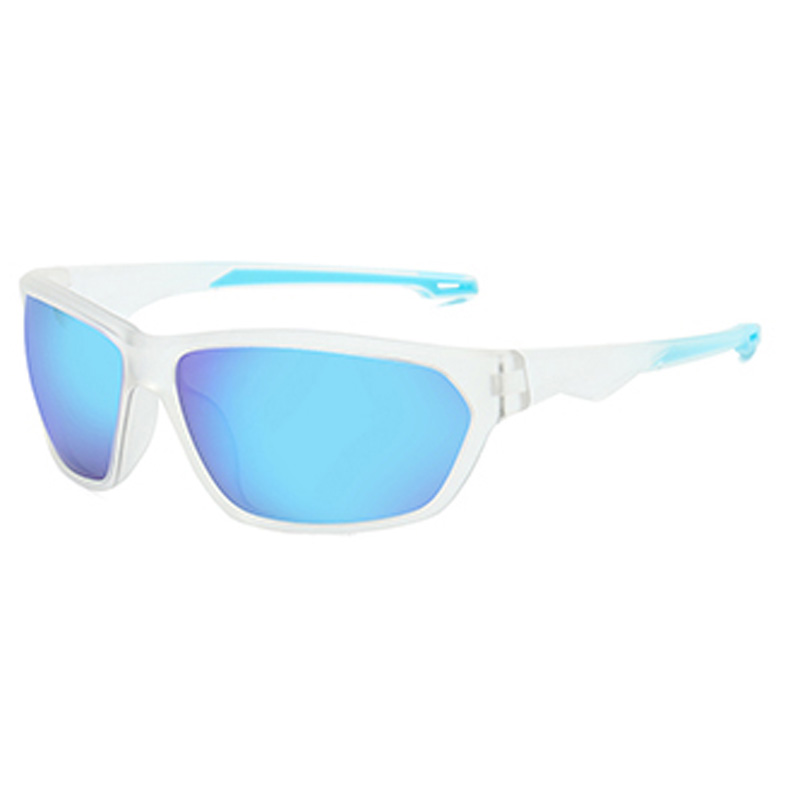
What are TR90 Blade Cut Angular Temple Sports Sunglasses?
They are sports-oriented sunglasses featuring a lightweight TR90 frame concept and a distinctive blade-cut angular temple design. The model is intended for active outdoor use, sports lifestyle applications, and daily wear where a modern athletic appearance is desired.
Are these sunglasses suitable for cycling?
Yes. The product is designed as sports eyewear and can be used for cycling and other outdoor activities. However, buyers should select the appropriate lens specification for their intended cycling environment and market requirements.
Can these sunglasses be used for running?
Yes. The lightweight sports-oriented structure makes the model suitable for running, fitness, training, and recreational activities. Actual comfort depends on the selected dimensions and the individual wearer's face shape.
Can I customize the frame?
For OEM/ODM projects, customization can be discussed according to the customer's drawings, samples, specifications, quantity, and other requirements. The exact customization scope should be confirmed before production.
Can I customize the lens?
Lens specifications can be discussed as part of the product development process. Depending on the project, requirements may include lens color, lens material, optical properties, UV filtering, coatings, and other specifications.
Can I add my own logo?
Logo and branding requirements can be discussed for OEM and private-label projects. The final logo position, printing or marking method, artwork, and packaging details should be confirmed before production.
Can these sunglasses be used as industrial safety glasses?
Not automatically. Sports sunglasses and industrial safety eyewear are different product categories. If the application involves workplace hazards, the buyer should select a product designed, tested, and marked according to the applicable safety requirements. ANSI/ISEA Z87.1-2025 provides requirements for occupational and educational eye and face protection, but compliance must be established for the actual product rather than assumed from the product style.
Are they suitable for military or police use?
The company manufactures military and police tactical goggles as a separate product category. This sports sunglasses model should not automatically be treated as tactical protective eyewear. If a military or police project has specific protection, impact, optical, environmental, or other requirements, we recommend developing and confirming the product against those requirements.
Can I order a small quantity for testing?
Sample requirements and minimum order quantities depend on the specific project. For new OEM/ODM development, I recommend confirming the sample, specifications, packaging, and target order quantity before discussing the final production arrangement.
How long does production take?
The production schedule depends on order quantity, product customization, material availability, packaging requirements, and the current production plan. We confirm the production and delivery schedule after the order specifications are agreed.
What packaging options are available?
Packaging can be discussed according to the customer's retail or wholesale requirements. Options may include customized branding, product labels, protective packaging, and other project-specific packaging arrangements.
Can you support international orders?
Yes. We can coordinate transportation and packaging arrangements according to the customer's location and order requirements. The specific shipping method, delivery schedule, and packaging arrangement are confirmed for each order.
What I Recommend Confirming Before Your First Bulk Order
If you are evaluating the TR90 Blade Cut Angular Temple Sports Sunglasses for wholesale, OEM, or ODM purchasing, I recommend preparing a short product specification before asking for the final quotation.
Frame material and color
Frame dimensions
Temple dimensions and design
Lens material
Lens color
UV protection requirement
Optical requirements, if applicable
Logo and branding requirements
Individual product packaging
Outer carton requirements
Order quantity
Target delivery date
Destination country or region
Required testing or certification
This list may look simple, but it can save a lot of back-and-forth later. In eyewear manufacturing, a small difference in lens specification or frame dimension can affect the final product. Getting these details clear before production is usually much easier than making changes after mass production has started.
Final Thoughts From Our Manufacturing Perspective
I designed the TR90 Blade Cut Angular Temple Sports Sunglasses around a straightforward idea: sports eyewear should be practical enough for active use while still looking modern enough for everyday life.
The lightweight frame concept, angular blade-cut temple, sports-oriented proportions, and flexible customization potential make this model suitable for a range of B2B applications. It can be developed for cycling sunglasses, running sunglasses, outdoor sports eyewear, athletic lifestyle products, and private-label sunglasses programs.
At the same time, I believe in being clear about what a product is designed for. Sports sunglasses should not be presented as industrial safety goggles unless the finished product has been specifically tested and certified for that purpose. Likewise, UV protection, optical performance, impact resistance, and other technical claims should be based on the actual lens and product specifications.
For us, manufacturing is not simply about producing a large number of frames. It is about turning a confirmed product specification into a repeatable product that can be inspected, packed, and delivered according to the buyer's requirements.
If you are looking for a TR90 Sports Sunglasses manufacturer, custom sports eyewear supplier, OEM sunglasses manufacturer, or ODM sports sunglasses supplier in China, this model can be used as a starting point for your next product program. Send us your target quantity, product specifications, logo requirements, packaging needs, and delivery destination, and we can discuss the appropriate development and production route.
Technical References and Data Sources
ANSI/ISEA Z87.1-2025 — American National Standard for Occupational and Educational Personal Eye and Face Protection Devices. ANSI identifies requirements covering design, testing, marking, selection, care, and use of occupational and educational eye and face protectors.
ANSI guidance on eyewear standards — ANSI Z80.3-2025 covers noncorrective sunglasses and fashion eyewear, including areas such as optical clarity, UV protection, transmittance, traffic signal recognition, and physical durability.
ANSI/ISEA Z87.1-2025 overview — the standard includes occupational eye and face protection requirements related to impact, non-ionizing radiation, liquid splash, testing, and product marking.
Important: Standards and test requirements vary according to product category, destination market, and intended use. The references above are provided for technical context and should not be interpreted as confirmation that this specific sunglasses model complies with any particular certification unless the relevant product testing and documentation have been completed.



 Phone
Phone