

1、Product Introduction
We are professional Chinese supplier of sports casual eyewear. This classic matte square sunglass balances minimalist street style and professional outdoor performance.Crafted from ultra-light bendable TR90 material, paired with vivid Polarized mirrored lenses to eliminate reflective glare from roads, water and snow. Full UV400 spectrum lens fully blocks harmful UVA & UVB ultraviolet rays.This pair of unisex Sunglasses is available in 5 exclusive colourways. Perfect for outdoor sports such as cycling, running, fishing, boating, golf, hiking, mountaineering, badminton, tennis, pickleball and beach volleyball. They are also great for daily commutes and seaside trips, delivering pressure-free comfort even after all-day wear.We support wholesale, OEM production and custom logo. Samples are available.Please contact us for competitive factory prices.
Huangjia Eyewear Co., Ltd., Linhai, is an eyewear manufacturer and exporter located in Zhejiang, China.We offer one-stop OEM & ODM customization services straight from the factory.Inquiries are warmly welcome.
2.1 Product Features
(1)Polarized Mirrored Lenses
High-quality polarized lenses effectively filter glare, blocking up to 99% of reflected light. They greatly reduce harsh brightness and improve visual clarity. After eliminating stray light, object outlines become sharper with higher contrast.The lenses restore true-to-life colors, making scenery brighter, more natural and rich in details. They ease eye strain caused by glare, preventing squinting and relieving fatigue during long outdoor use.With full UV400 protection, they block 100% of harmful UVA and UVB rays.
(2)Tough Matte TR90 Square Frame
Super flexible shatterproof TR90 plastic, ultra-light without facial compression. Matte finish resists fingerprints and scratches, durable for cycling, hiking and fishing without easy deformation.
(3)Ergonomic Anti-Slip Temple Design
Streamlined curved temples fit snugly against temples. No slipping down the nose even when sweating heavily during running, driving or climbing, no frequent readjustment required.
(4)5 Exclusive Fashion Colourways
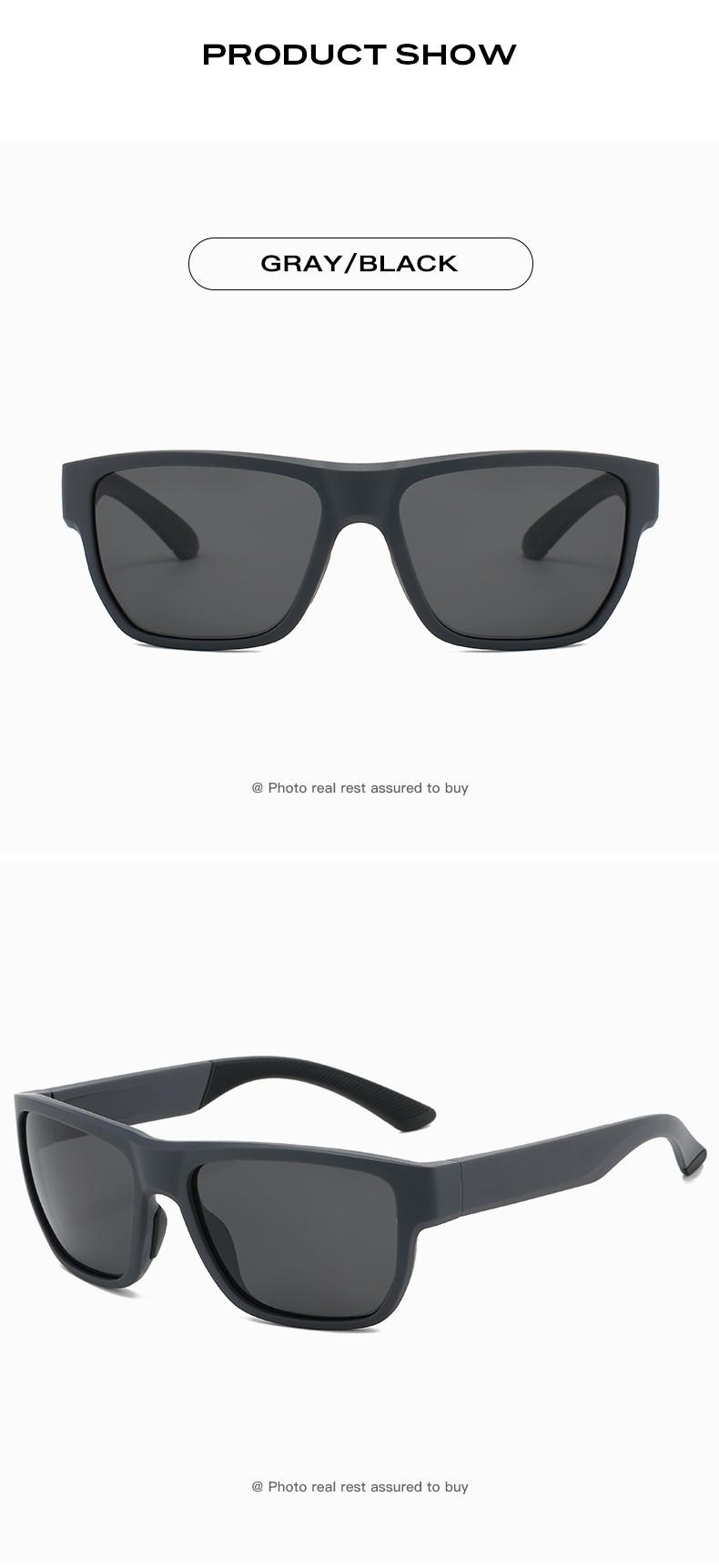
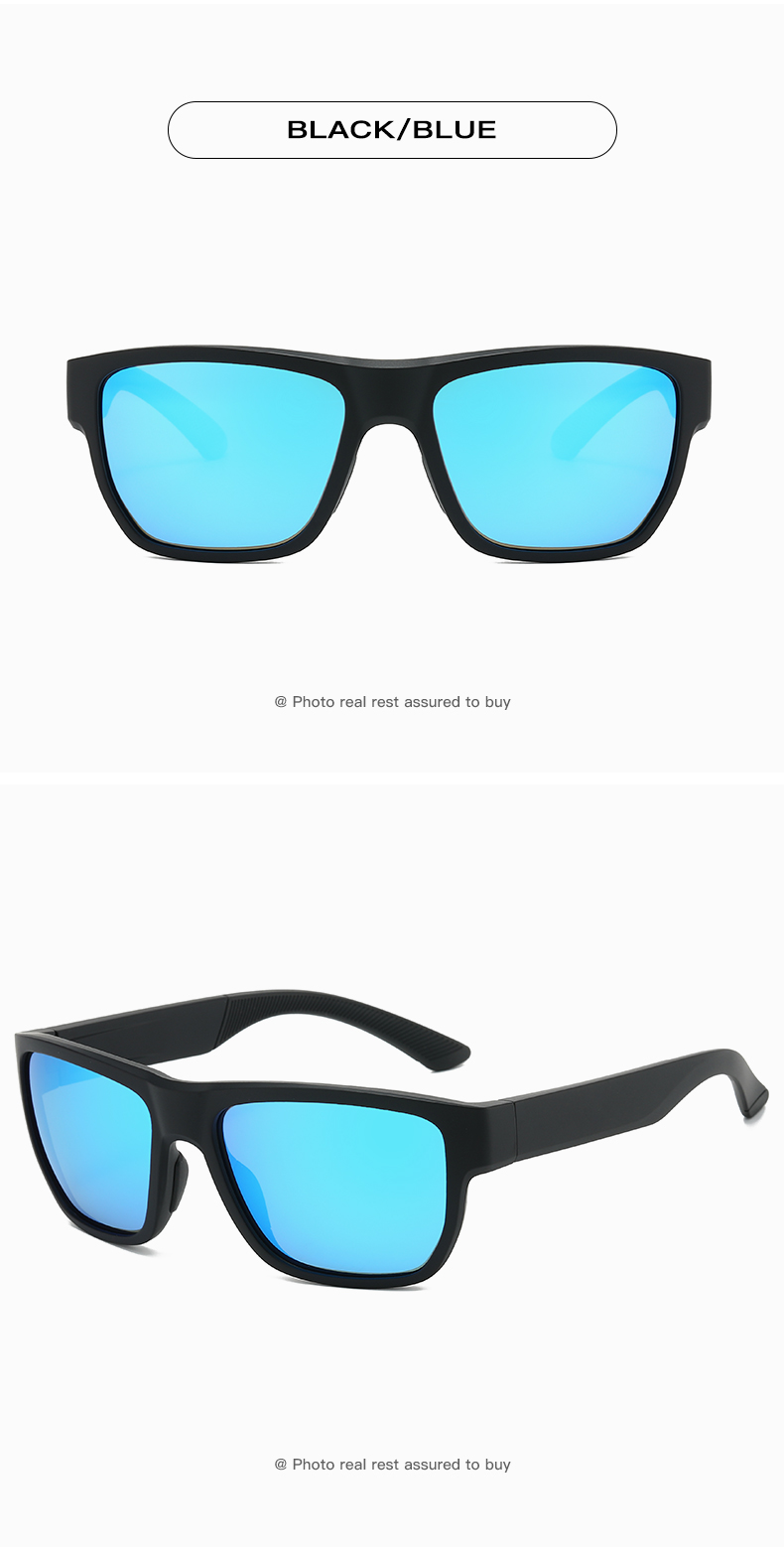
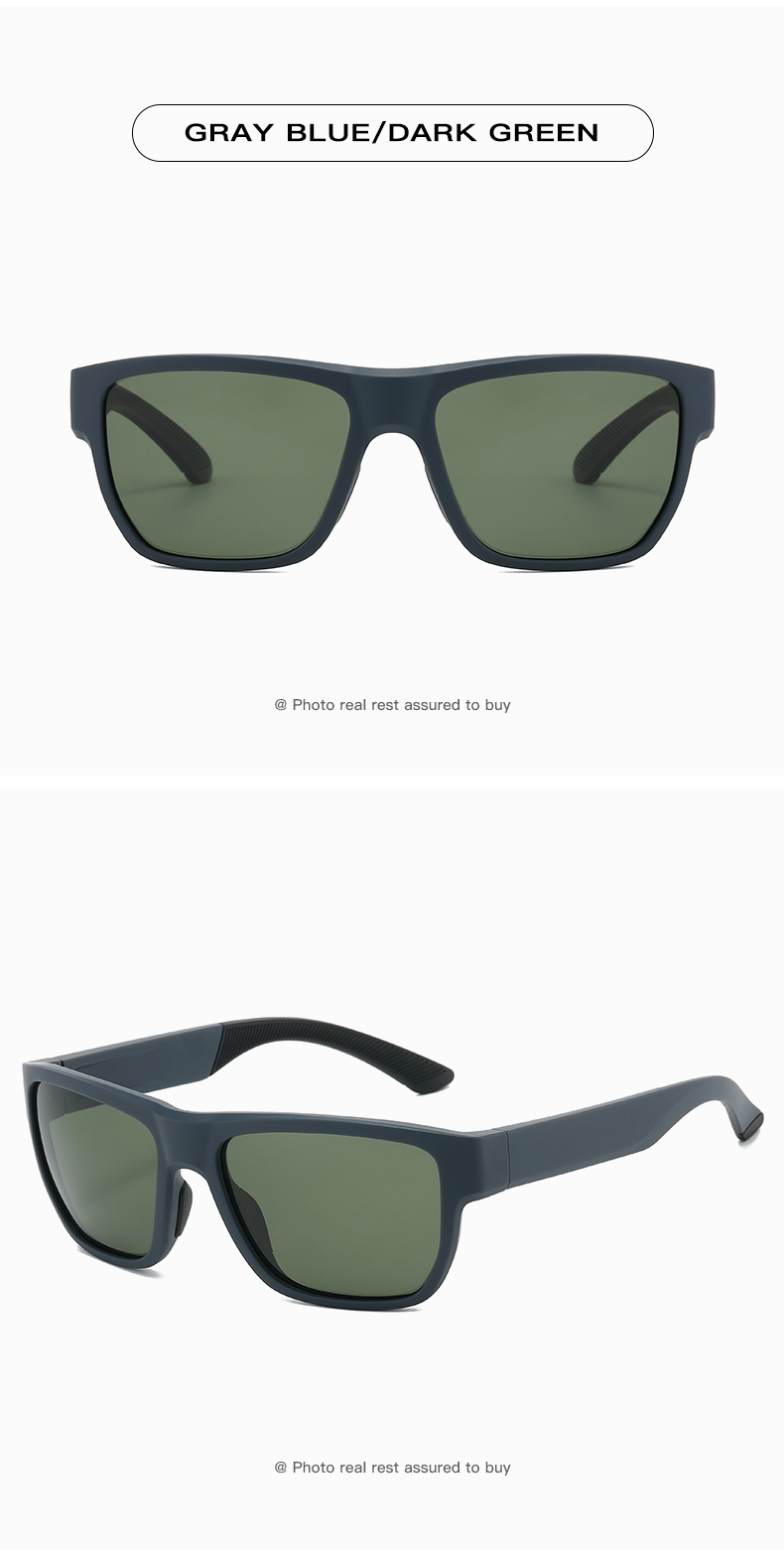
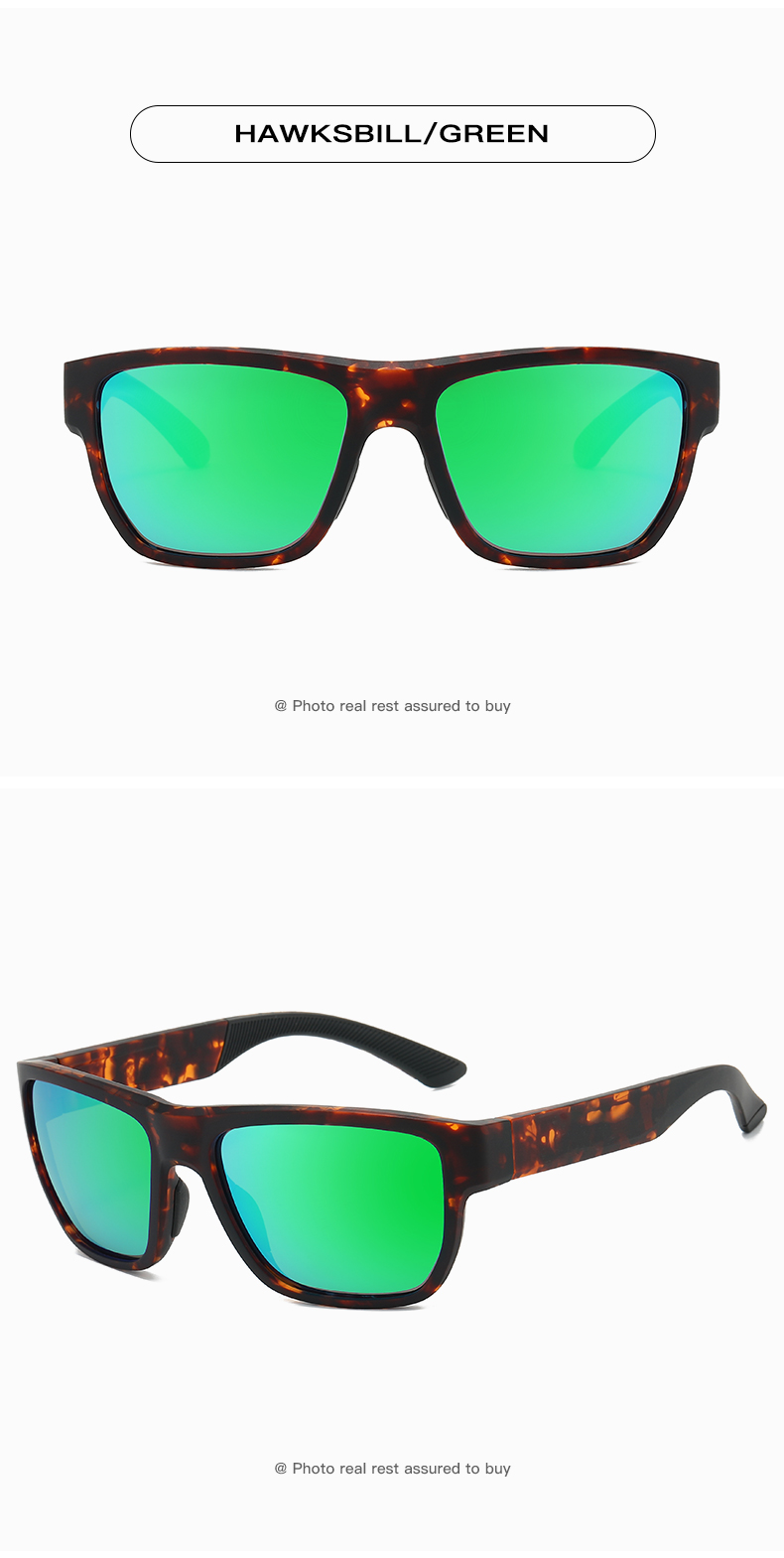
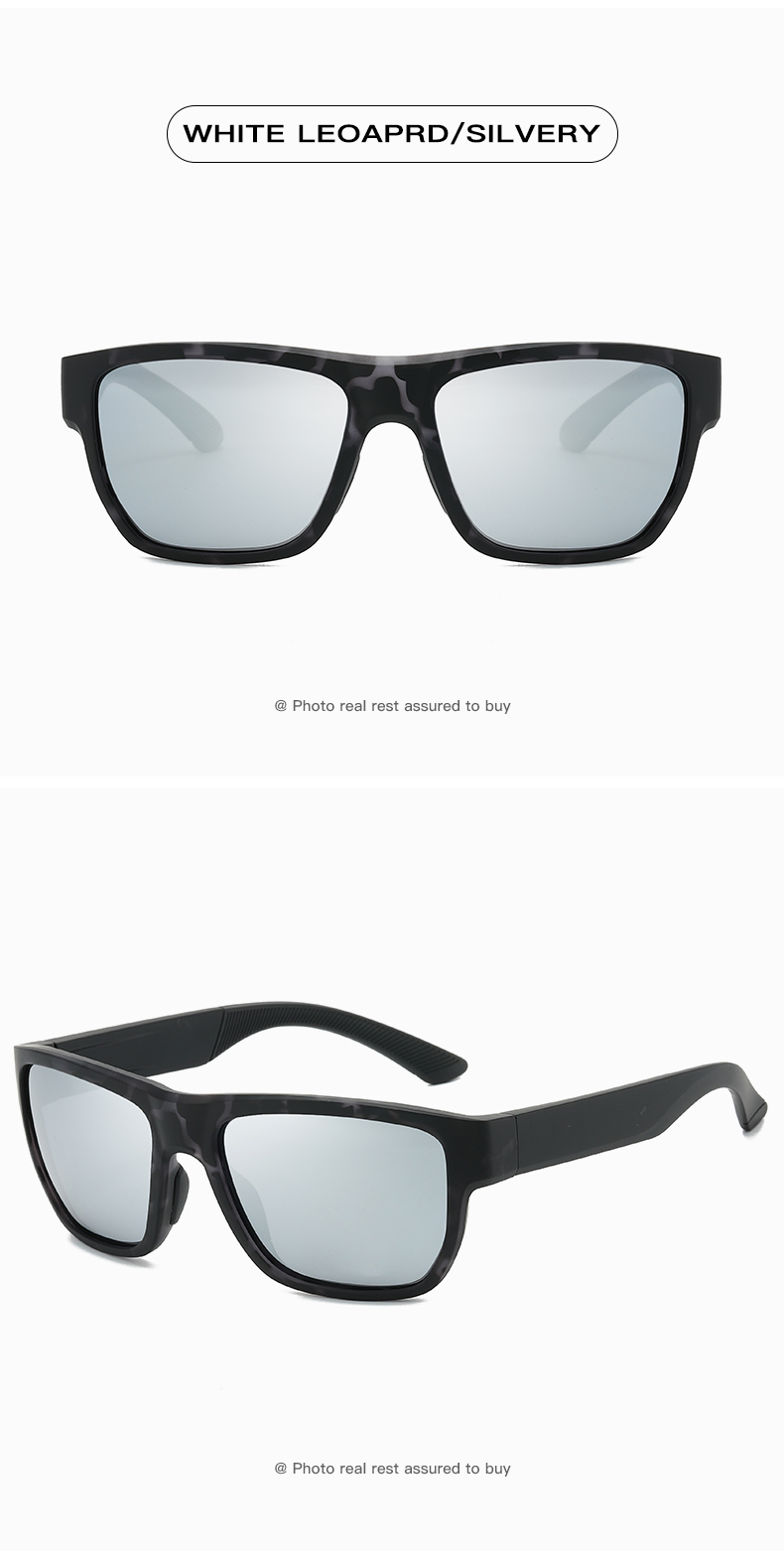
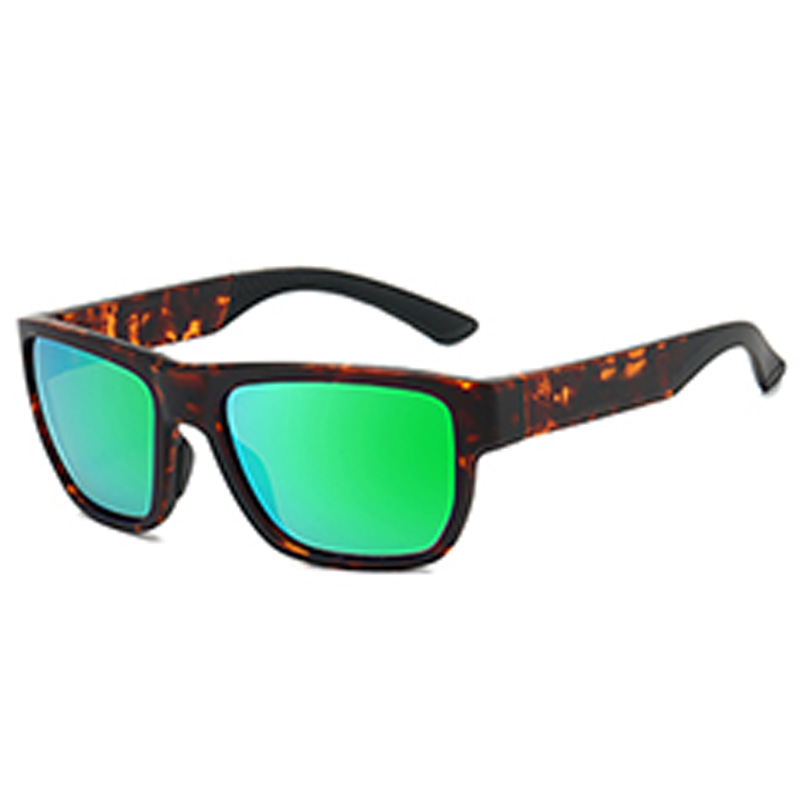
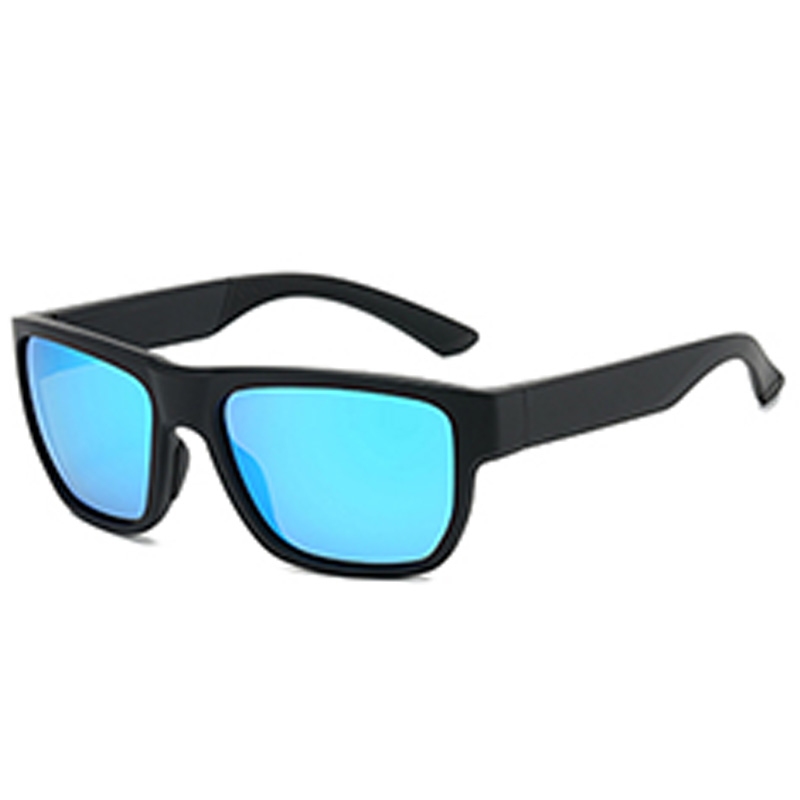
Gray/Black、Black/Blue、Gray Blue/Dark Green、Hawksbill/Green (Tortoiseshell Frame)、White Leopard/Silvery,Solid matte frames + tortoiseshell grain frames match multiple outfits for men and women.
2.2 Dimensions
Parameter | Specification |
Model Name | TR90 Polygon Frames Non-slip Temples Sporting Glasses |
Model No. | RS023 |
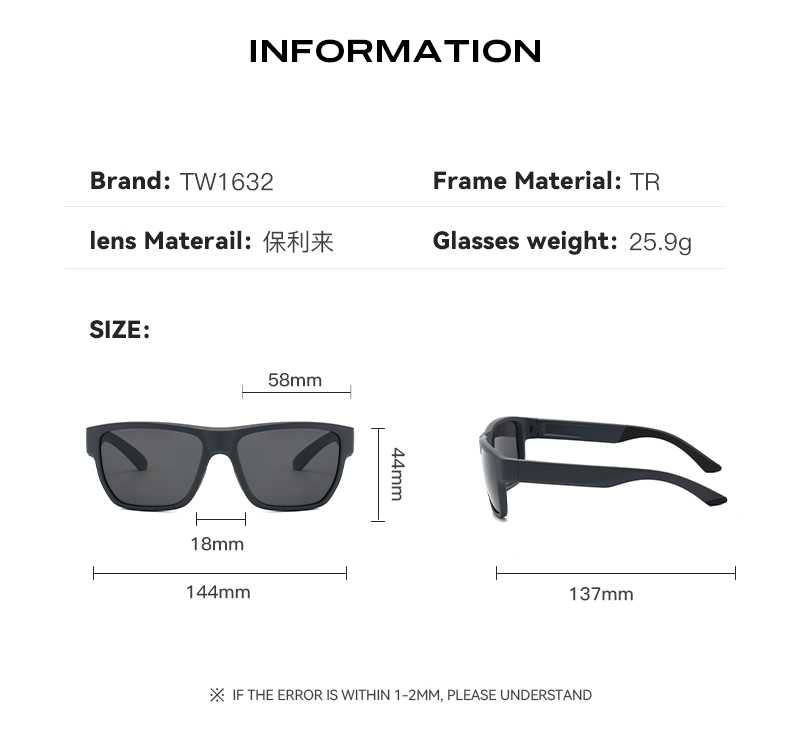
Material: | TR90 |
Frame Shape | Square |
Frame Color | Gray、Black、Gray Blue、Hawksbill、White Leopard(Customizable) |
Size | 58-18-137mm |
Total Weight | 25.9g |
Lens Type | Polarized |
Target Audience | Unisex Men & Women |
Applicable Scenes | Cycling / Hiking / Urban Commute / Beach / Pickleball |
MOQ | 300pcs/Color; |
Origin | Taizhou, Zhejiang Province, China |
Logo Printing | Custom Made |
Packaging | 1pcs/bag, 12pcs/box, 300pcs |

TR90 Polygon Frames Non-slip Temples Glasses for Modern Optical Eyewear
When I look at an optical frame, I do not only look at its shape. I pay attention to how it feels on the face, how stable it stays during daily use, how easy it is to match with prescription lenses, and whether the design makes sense for the market it is going into. A frame can look good in a catalog, but the real test starts when someone wears it for several hours.
Our TR90 Polygon Frames Non-slip Temples Glasses are developed with this practical idea in mind. The frame combines a geometric polygon shape with a lightweight TR90 construction and non-slip temple design. The result is an optical frame with a modern appearance and a practical wearing concept for everyday use.
At Linhai Huangjia Glasses Co., Ltd., we work with sports glasses, optical glasses, fashionable Sunglasses, industrial safety goggles, and military and police tactical goggles. For this product, our focus is different from that of protective sports eyewear. We concentrate on everyday optical use, comfortable frame construction, stable wearing, and a design that can fit modern eyewear collections.
For wholesale buyers, optical retailers, distributors, private-label brands, and OEM/ODM customers, the product can also be developed according to confirmed specifications. Frame details, colors, quantities, branding, packaging, and other requirements can be discussed before production.
There are plenty of ordinary rectangular and round glasses on the market. They are easy to understand, easy to match, and still have their place. But many eyewear brands are looking for something with a little more character without making the frame too difficult to wear.
That is where a polygon frame makes sense.
The TR90 Polygon Frames Non-slip Temples Glasses use a geometric front shape that gives the frame more visual structure than a basic round or rectangular design. The lines are noticeable, but they do not need to be overly dramatic. This makes the style suitable for people who want their optical glasses to look modern without going too far into fashion-only territory.
I also consider the frame as a daily product rather than simply a fashion accessory. Most optical glasses are worn for long periods. People may wear them while working at a desk, reading, driving, shopping, studying, or moving around the city. Because of that, comfort and stability matter just as much as appearance.
The non-slip temple concept is included for this reason. When glasses gradually move down the nose or shift during normal activity, the wearer often needs to push them back into position. It is a small problem, but when it happens again and again, it becomes annoying.
Our goal is to make the frame feel natural enough that the wearer does not have to think about it all the time.
| Design Element | Purpose | Typical User Benefit |
|---|---|---|
| TR90 frame construction | Support a lightweight eyewear design | Comfort during everyday wear |
| Polygon front shape | Create a distinctive geometric appearance | Modern optical styling |
| Non-slip temple design | Help improve frame stability | Less frequent frame adjustment |
| Optical frame structure | Allow integration with suitable prescription lenses | Flexible everyday optical use |
Source note: The table describes the intended design functions of this product. Actual fit, weight, dimensional tolerances, and performance should be confirmed against the final production specification.
When customers hear “TR90,” they often immediately think of lightweight glasses. That is understandable, but I prefer to explain the material in a more practical way.
TR90 is used in eyewear because it can support frame designs that aim for low weight, flexibility, and everyday comfort. For an optical frame, those properties are useful because the frame sits on the wearer's nose and ears for long periods.
With a geometric frame such as this polygon design, material choice also affects how the frame can be shaped. We want the front to have clear angles and a defined outline while keeping the overall appearance clean.
A lightweight frame does not automatically mean that every wearer will find it comfortable. Face shape, frame dimensions, bridge design, lens thickness, temple length, and adjustment all have an effect. That is why I look at the complete frame instead of using material as the only selling point.
For B2B buyers, this is particularly important. If you are developing a TR90 optical frame for a retail collection, the final product should be evaluated with the intended lenses installed. A frame that feels good as an empty sample can feel different after prescription lenses are fitted.
In other words, material is one part of the product. Design, assembly, lens compatibility, and final fitting are equally important.
| Frame Approach | Common Characteristics | Potential Application |
|---|---|---|
| TR90-based frame | Lightweight-oriented, flexible frame design | Daily optical and active lifestyle eyewear |
| Metal frame | Thin visual profile, structured appearance | Classic, professional, and fashion eyewear |
| Acetate frame | Rich surface appearance and strong styling potential | Fashion and premium-oriented collections |
| Basic plastic frame | Wide range of shapes and cost options | General optical collections |
Source note: This is a general product-design comparison, not a laboratory performance ranking. Material properties vary according to grade, formulation, construction, and manufacturing process.
The front of the frame is where the product gets most of its personality.
Instead of using a completely round lens opening or a simple rectangle, the polygon structure creates several visible angles. This gives the glasses a sharper, more contemporary appearance.
For optical retailers, this kind of shape can also help create variety in a product collection. If a range already contains round, square, and rectangular frames, a polygon frame can add another visual option without changing the basic purpose of the product.
The shape can work across different styling directions depending on color and lens configuration. A darker frame can create a more serious look, while lighter or transparent colors can make the geometric shape feel softer.
The temple arms play a much bigger role than many people realize.
They connect the front of the frame to the area behind the ears. Their length, angle, thickness, and surface contact all affect how the glasses sit on the face.
Our non-slip temple glasses concept is intended to improve stability during normal daily wear. The exact effect depends on the final temple construction, surface treatment, fit, and the individual wearer.
I do not describe this feature as a guarantee that the glasses can never move. No frame can work exactly the same way on every face. Instead, the purpose is simple: create a temple structure that helps the frame stay in a more consistent position during ordinary use.
This is where we spend much of our attention during product development. If the temple is made too thick, the frame may look heavy. If it is too thin, the visual balance may change. If the front is too wide, the frame may not suit smaller faces. If the geometry is too sharp, it may become difficult to position prescription lenses correctly.
Good eyewear design is often about finding the middle point.
Because this is an optical frame rather than simply a fashion accessory, buyers need to think about technical details as well as appearance.
ISO 12870:2024 is the current international standard covering fundamental requirements and test methods for unglazed spectacle frames designed for use with prescription lenses. It applies to mass-produced spectacle frame types and covers areas such as construction, dimensional tolerances, mechanical stability, resistance to perspiration, dimensional stability at elevated temperature, and other requirements.
The standard is useful because it shows why a spectacle frame should not be judged only by its appearance. A frame is a functional product with measurable requirements.
| Frame Quality Area | Why It Matters | What Buyers Can Check |
|---|---|---|
| Dimensions | Influence fit and lens installation | Frame measurements and agreed tolerances |
| Mechanical stability | Supports normal frame use | Applicable test results |
| Perspiration resistance | Frames contact skin during wear | Applicable material and test requirements |
| Temperature stability | Helps evaluate dimensional behavior under heat | Applicable test method and specification |
| Material compatibility | Important for skin-contact components | Material documentation and applicable requirements |
Source: ISO 12870:2024, “Ophthalmic optics — Spectacle frames — Requirements and test methods.” The standard specifies requirements and test methods for unglazed spectacle frames designed for prescription lenses.
One detail is especially important when discussing compliance: ISO 12870:2024 is for spectacle frames, while products designed specifically for personal eye protection fall under different standards. ISO itself states that spectacle frames used in eye protection are outside the scope of ISO 12870 and references ISO 16321-1 for eye protection products.
That distinction matters for product pages. I would not describe an ordinary optical frame as industrial safety eyewear simply because it is made from a strong material. The intended use, design, testing, and applicable regulations all need to match.
When we manufacture a new eyewear model, the process begins before the first production batch. We need to understand what the product is supposed to do and who is expected to wear it.
For a standard model, the basic product structure can be confirmed first. For an OEM or ODM project, there may be more details to discuss.
These can include frame shape, dimensions, colors, temple design, logo placement, packaging, lens requirements, order quantity, and destination market.
This stage may sound simple, but it prevents many problems later. If a buyer wants a particular lens size or packaging format, we want to know before production begins.
The polygon shape needs to be translated from a design idea into a physical frame. This involves defining the front outline, bridge area, temple connection, and overall proportions.
We pay attention to the relationship between the front and temples. A frame should not look like two separate pieces. The geometry needs to feel consistent from the front, side, and top.
The selected frame material and related components are prepared according to the confirmed product specification. For TR90 models, material consistency is important because the finished frame needs to maintain the intended shape and appearance.
The frame components are formed and finished according to the production process. Edges, surfaces, connection points, and appearance are checked because small details can be easy to notice on optical frames.
The temples are assembled with the front frame. For this model, the non-slip temple concept is an important part of the finished product, so the temple structure and contact areas need to match the intended design.
Inspection is not just about looking at whether the frame is the right color. Depending on the agreed specification, production checks can include dimensions, appearance, assembly, logo placement, component condition, packaging, and other requirements.
ISO 12870:2024 provides a useful reference for the types of properties that can matter in spectacle-frame evaluation, including dimensional tolerances, mechanical stability, perspiration resistance, and temperature-related dimensional stability.
Once the product has passed the agreed checks, packaging is prepared according to the customer's requirements. For international B2B orders, packaging is not a small detail. The product may travel by sea, air, rail, or other logistics channels, so the packaging format should match the order and transportation plan.
The product is designed primarily as an optical frame, so I see its strongest use in everyday eyewear rather than specialized industrial protection.
The frame can be used as a base for suitable prescription lenses, subject to lens compatibility and the requirements of the final product. It can fit people who want practical glasses with a more distinctive geometric appearance.
Prescription lens requirements vary by wearer. The frame itself does not determine the prescription. A qualified optical professional should select and fit the appropriate lenses for the wearer.
In the United States, FDA materials recognize prescription spectacle lenses as ophthalmic devices, and FDA's current information also references ANSI Z80.1-2020 for prescription ophthalmic lenses.
Many office workers wear glasses for most of the day. For these users, frame comfort and stability can matter more than a highly technical appearance.
The polygon shape adds a little visual character, while the lightweight-oriented frame construction can support a comfortable everyday product concept.
Geometric frames can work well in collections aimed at younger consumers and professionals who want something different from traditional round or rectangular glasses.
The exact suitability depends on frame size and facial fit, but the polygon outline gives retailers another option for building a modern optical collection.
Optical glasses are increasingly treated as part of personal style. A frame does not have to be a simple medical-looking product.
With different frame colors, lens choices, logos, and packaging, this model can be positioned in different ways depending on the brand's market.
For distributors and retailers, a product such as this can be added to a wider collection alongside round, square, cat-eye, aviator, and sports-inspired styles.
For private-label brands, the product can also serve as a starting point for discussing custom frame colors, branding, packaging, and other agreed requirements.
Linhai Huangjia Glasses Co., Ltd. was established in 2023 and is headquartered in Linhai, Zhejiang. We specialize in sports glasses, optical glasses, fashionable sunglasses, industrial safety goggles, and military and police tactical goggles.
Our experience covers products with very different purposes. That matters because eyewear manufacturing is not only about making a frame. Different products require different ways of thinking about fit, comfort, visual use, protection, materials, and final application.
For this TR90 polygon optical frame, our focus is everyday optical use. We pay attention to the frame shape, material, temple structure, appearance, and requirements for batch production.
We understand that buyers do not all order the same way. Some customers need a standard model in larger quantities. Others need a private-label product with their own logo and packaging. Some customers are developing a new eyewear collection and need ODM support.
We can arrange production according to the confirmed product specification, quantity, customization requirements, packaging, and delivery schedule.
If you already have a product design, we can work from the specifications you provide. If you have only a general idea, such as “a lightweight polygon optical frame with stable temples,” we can discuss the product requirements and develop the project around the agreed direction.
This is particularly useful for brands that want to build a consistent eyewear range instead of purchasing unrelated products from different suppliers.
For us, communication is part of manufacturing.
Before production, we want the key details to be clear: what the frame should look like, what materials are required, what quantity is needed, how it should be packaged, what standards or market requirements apply, and when the order is expected to ship.
This approach helps reduce misunderstandings between the sample stage and mass production stage.
Payment terms, production schedules, transportation methods, and packaging can be discussed according to order quantity and customer location. We support bulk purchasing, OEM/ODM projects, and customized eyewear programs.
For customers sourcing TR90 optical frames wholesale, custom polygon eyeglass frames, or private label TR90 eyewear, we can work from the customer's specific requirements rather than applying one fixed solution to every project.
If I were buying this type of frame for a retail collection, I would check several things before placing a bulk order.
Ask for the actual frame measurements, including lens width, bridge width, temple length, and overall dimensions. The same polygon shape can look completely different when the dimensions change.
ISO 12870:2024 includes dimensional tolerances among the areas covered by its frame requirements and test methods.
Do not stop at the word “TR90.” Ask what material is used for the actual frame components and whether the material specification is consistent with the intended application.
Since this model uses non-slip temples as one of its main design features, buyers should pay particular attention to how the temples contact the wearer and how the frame behaves during normal movement.
If the frames are intended for prescription lenses, confirm the lens dimensions and fitting requirements before placing a large order. A good frame should be matched with a suitable lens configuration.
Different countries can have different requirements for optical products. Buyers should confirm the applicable regulations and standards in the target market before production.
ISO 12870:2024 is a useful international reference for spectacle frames designed for prescription lenses, but it should not automatically be treated as proof that a particular product is certified or compliant in every market.
I strongly recommend checking the actual sample instead of judging only from photographs. Wear the frame, check the temple pressure, inspect the front shape, test the hinge movement, and consider how the intended lenses will sit inside the frame.
That five-minute hands-on check can tell you things that a product specification sheet cannot.
They are optical glasses featuring a geometric polygon frame design, TR90 frame construction, and non-slip temple elements intended to support stable everyday wear. They are designed primarily for optical and lifestyle applications rather than as industrial eye protection.
They can be used as optical frames for suitable prescription lens configurations, subject to the final frame dimensions and lens requirements. Prescription lenses should be selected and fitted by an appropriate optical professional.
A polygon shape provides a geometric appearance that is different from conventional round, oval, or rectangular frames. It can give an optical collection a more modern visual option while still maintaining the basic function of everyday eyewear.
It refers to a temple design intended to help reduce unwanted frame movement during normal wear. The actual stability depends on the frame dimensions, temple structure, surface characteristics, adjustment, and the individual wearer's face shape.
TR90 is commonly used for lightweight-oriented eyewear designs. However, the final weight of a complete pair depends on the frame size, lens material and thickness, hinges, temples, and other components. The finished product specification should be checked for the exact weight.
Yes. We support OEM and ODM projects and can discuss logo placement, product specifications, packaging, and other customization requirements according to the project.
Color customization can be discussed for suitable orders. The available options depend on the material, production process, quantity, and customer's requirements.
Yes. We support bulk purchasing and can arrange production according to the confirmed quantity, specifications, packaging requirements, and delivery schedule.
No. This product is positioned as an optical eyewear frame. It should not automatically be described or sold as industrial safety eyewear. ISO 12870:2024 specifically excludes spectacle frames used in eye protection from its scope, with eye-protection products covered by different standards.
ISO 12870:2024 is the current ISO standard for fundamental requirements and test methods for unglazed spectacle frames designed for prescription lenses. It covers areas including construction, dimensional tolerances, mechanical stability, perspiration resistance, and dimensional stability at elevated temperature.
The frame may be developed for different optical applications depending on its specification, but buyers should not assume that an optical frame automatically meets the requirements for sunglasses. Sunglasses and eye-protection products can fall under different standards and testing requirements.
I see the TR90 Polygon Frames Non-slip Temples Glasses as a practical combination of modern styling and everyday eyewear function.
The polygon front gives the frame a distinctive geometric appearance. The TR90 construction supports a lightweight-oriented design, while the non-slip temple concept focuses on keeping the glasses more stable during ordinary use. Together, these details make the model suitable for modern optical collections, daily prescription eyewear, fashion-oriented optical products, and private-label programs.
For buyers, the important point is not simply whether the frame looks good in a product photograph. I recommend checking the complete specification, actual dimensions, material information, lens compatibility, temple construction, production consistency, packaging, and target-market requirements before moving to bulk production.
At Linhai Huangjia Glasses Co., Ltd., we are prepared to discuss these details with B2B customers. Whether you need TR90 optical frames wholesale, polygon eyeglass frames for private label, custom TR90 eyewear, or an OEM/ODM optical frame project, we can work according to your confirmed product and order requirements.
If you are developing a new optical collection, send us your required frame style, quantity, logo requirements, packaging details, target market, and expected delivery schedule. We can use those details as the starting point for the next step in the product development and supply process.
ISO 12870:2024, Ophthalmic optics — Spectacle frames — Requirements and test methods. The standard covers fundamental requirements and test methods for unglazed spectacle frames designed for prescription lenses.
ISO 12870:2024 includes requirements and test considerations relating to construction, risk management, biological compatibility, dimensional tolerances, dimensional stability, perspiration resistance, mechanical stability, ignition resistance, and optional areas such as nickel release and optical radiation resistance.
U.S. FDA information on recognized ophthalmic standards includes ANSI Z80.1-2020 for prescription ophthalmic lenses and identifies prescription spectacle lenses within its ophthalmic device framework.
This website uses cookies to ensure you get the best experience on our website.



 Phone
Phone