


Sports sunglasses and regular sunglasses may look similar at first glance, but their designs are intended for different uses. Regular sunglasses are commonly designed for everyday wear, commuting, casual outdoor activities and general sunlight protection. Sports sunglasses are designed with active movement and outdoor conditions in mind. The differences can be found in frame construction, lens coverage, fit, stability, comfort and overall functionality.
Understanding what makes sports sunglasses different from regular sunglasses can help users choose the right type for cycling, running, hiking, fishing and other outdoor activities. While regular sunglasses can work well for everyday situations, sports sunglasses can provide features that are especially useful when the wearer is moving continuously or spending extended periods outdoors.
What Are Sports Sunglasses?
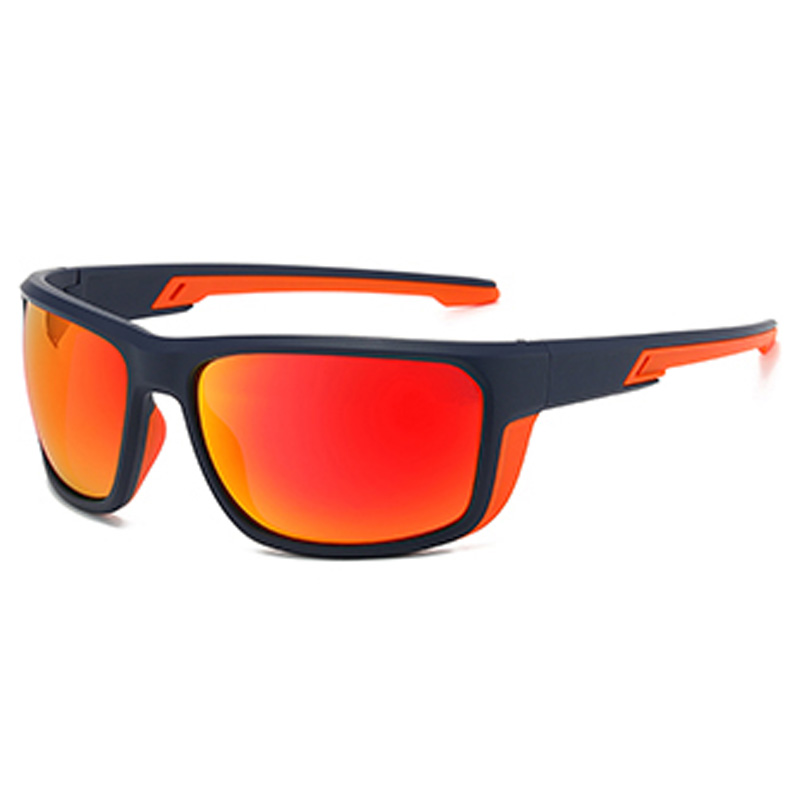
Sports sunglasses are sunglasses designed for active outdoor use. They are commonly developed around the needs of people who participate in cycling, running, hiking, fishing and other physical activities. Sports sunglasses generally focus on secure positioning, practical coverage and comfortable wear during movement.
Unlike regular sunglasses, sports sunglasses often use shapes that follow the contours of the face more closely. This can provide additional coverage around the eyes. The frame and temple design may also help keep sports sunglasses in position when the wearer is moving, bending or changing direction.
Sports sunglasses can also feature larger lenses, wraparound shapes or lightweight frames. These design choices can make sports sunglasses suitable for environments where sunlight, wind and airborne particles are common.
What Are Regular Sunglasses?
Regular sunglasses are primarily intended for everyday use. They can be worn while walking, driving, shopping, traveling or spending time outdoors casually. Regular sunglasses are available in many different shapes, sizes and designs, allowing users to choose based on appearance, comfort and personal preference.
Regular sunglasses can provide useful protection from bright sunlight while offering a comfortable option for daily wear. Their designs may emphasize style and general usability rather than the specific requirements of high-movement activities.
For everyday environments, regular sunglasses can be practical and convenient. However, when movement, wind or extended outdoor exposure becomes a major part of an activity, sports sunglasses may provide additional design advantages.
Sports Sunglasses vs Regular Sunglasses
The biggest difference between sports sunglasses and regular sunglasses is their intended use. Sports sunglasses are designed around active movement, while regular sunglasses are generally designed for everyday situations.
Sports sunglasses typically place greater emphasis on secure fit, coverage and stability. Regular sunglasses may provide a more traditional frame shape and a looser design approach because they are not necessarily intended for continuous physical movement.
This does not mean regular sunglasses cannot be used outdoors or during light activities. Instead, sports sunglasses are designed to address additional challenges that can occur during exercise and outdoor recreation.
Frame Design Makes a Difference
Frame construction is one of the clearest differences between sports sunglasses and regular sunglasses. Sports sunglasses commonly feature lightweight and streamlined frames designed to remain comfortable during movement.
A sports sunglasses frame may curve around the face to increase coverage. The frame may also use a shape that reduces unnecessary movement while the wearer is running or cycling. Regular sunglasses often use more traditional frame structures because they are intended for general daily use.
Frame design can also affect how sports sunglasses interact with helmets, hats and other outdoor equipment. For cyclists and other active users, a well-designed frame can contribute to a more comfortable overall experience.
Lens Coverage
Lens coverage is another important difference between sports sunglasses and regular sunglasses. Sports sunglasses often use larger lenses or wraparound designs to provide broader coverage around the eyes.
Greater coverage can be useful during outdoor activities because sunlight does not always come directly from the front. Light can enter from the sides, especially in open environments. Sports sunglasses with broader coverage can help reduce the amount of unwanted light reaching the eyes from different angles.
Regular sunglasses can also provide good lens coverage, but their shapes are often selected with everyday appearance and comfort in mind. Sports sunglasses tend to prioritize functional coverage for active situations.
Secure Fit During Movement
Fit is especially important when comparing sports sunglasses with regular sunglasses. During running, cycling or other physical activities, sunglasses can move if they do not fit securely. Sports sunglasses are generally designed to minimize unwanted movement.
Sports sunglasses may include curved temples, nose pads or other structural features intended to improve stability. These features can help sports sunglasses remain in position during repeated movement.
Regular sunglasses can be comfortable for walking and everyday activities, but a frame that feels stable during normal use may not remain equally stable during intense movement. This is one reason sports sunglasses can be useful for active users.
Sports Sunglasses for Cycling
Cycling is one activity where the difference between sports sunglasses and regular sunglasses becomes particularly noticeable. Cyclists experience continuous airflow and frequent changes in direction, so sunglasses need to remain stable while providing useful visual coverage.
Sports sunglasses for cycling often feature wide lenses and curved frames. These characteristics can provide greater coverage against sunlight and airflow. A secure fit can also reduce the need to adjust the sunglasses during a ride.
Regular sunglasses may be suitable for casual cycling, but sports sunglasses can be more practical for longer or faster rides. When selecting sports sunglasses for cycling, consider frame stability, lens coverage, weight and overall comfort.
Sports Sunglasses for Running
Running creates repeated movement that can cause poorly fitted sunglasses to shift. Sports sunglasses designed for running generally aim to stay secure while remaining lightweight.
Comfort is particularly important because runners may wear sports sunglasses for extended periods. A lightweight frame can reduce pressure around the nose and ears, while a secure design can help prevent repeated movement.
Sports sunglasses can also provide useful coverage against bright sunlight and wind. Regular sunglasses may work for casual walking, but sports sunglasses are often designed with active movement in mind.
Sports Sunglasses for Hiking
Hiking can involve bright sunlight, changing terrain, wind and changing light conditions. Sports sunglasses can provide practical coverage while remaining comfortable during long periods of walking.
Sports sunglasses for hiking may use wraparound lenses or wider frames to provide additional coverage. Lightweight construction is also valuable because hikers may wear sunglasses for several hours.
Regular sunglasses can be suitable for short walks and casual outdoor activities. However, sports sunglasses can offer additional stability and coverage when hiking becomes more demanding.
Lens Protection and UV Considerations
Both sports sunglasses and regular sunglasses should be selected with appropriate UV protection in mind. Lens darkness alone does not determine the level of UV protection provided by sunglasses. Users should check product specifications for stated UV protection characteristics.
Sports sunglasses are often used during extended outdoor activities, making UV protection an important consideration. When choosing sports sunglasses, look for clear information about lens performance and intended outdoor use.
Regular sunglasses can also provide UV protection when properly designed. The important point is to evaluate the actual lens specifications rather than assuming that a darker lens automatically provides greater protection.
Lens Color and Visual Comfort
Lens color can affect how the outdoor environment appears through sunglasses. Sports sunglasses are available with different lens colors for different preferences and conditions.
Gray lenses can help reduce overall brightness while maintaining a relatively natural appearance of colors. Brown or similar warm-colored lenses may create a different visual experience. The appropriate choice depends on the activity, lighting environment and personal preference.
Regular sunglasses also use different lens colors, but sports sunglasses may offer more activity-focused lens options. When choosing sports sunglasses, consider where and when you will use them rather than selecting a lens color only because of appearance.
Polarized Sports Sunglasses
Polarized sports sunglasses can be useful in environments where reflected glare is noticeable. Reflections from roads, water and other bright surfaces can affect visual comfort. Polarized lenses are designed to reduce certain types of reflected glare.
For fishing, cycling near bright roads or hiking around water, polarized sports sunglasses may provide a more comfortable viewing experience. However, the usefulness of polarization depends on the specific environment and activity.
Regular sunglasses can also feature polarized lenses. Therefore, polarization itself does not define sports sunglasses. The difference comes from the overall combination of lens technology, frame design, fit and intended use.
Lightweight Construction
Weight is an important consideration for both sports sunglasses and regular sunglasses, but it can become especially important during exercise. Sports sunglasses are often designed to reduce unnecessary weight while maintaining useful frame stability.
Lightweight Sports Sunglasses can be more comfortable during long cycling sessions, hikes or running activities. Less weight around the nose and ears can help reduce discomfort during extended use.
Regular sunglasses can also be lightweight, but sports sunglasses often combine lightweight construction with additional stability features. The goal is to create sunglasses that can remain comfortable during continuous movement.
Durability and Outdoor Use
Outdoor activities can expose sunglasses to dust, moisture, accidental drops and repeated handling. Sports sunglasses are commonly designed with outdoor use in mind, so frame durability can be an important consideration.
When comparing sports sunglasses, examine the frame construction, lens material and overall build. A practical pair of sports sunglasses should balance durability, flexibility, weight and comfort.
Regular sunglasses can also be durable, especially when made from suitable materials. However, sports sunglasses often place greater emphasis on durability because active users may expose them to more demanding conditions.
Comfort During Long-Term Wear
Comfort is important whether you Choose Sports Sunglasses or regular sunglasses. However, active users may wear sports sunglasses for several hours at a time, making long-term comfort particularly important.
Check the nose area, temple pressure and overall frame width before choosing sports sunglasses. The sunglasses should remain secure without creating uncomfortable pressure.
Regular sunglasses can provide excellent everyday comfort, particularly when their frame dimensions match the wearer. Sports sunglasses simply tend to combine comfort with additional stability and coverage requirements.
Sports Sunglasses and Everyday Sunglasses
Sports sunglasses do not have to be limited to organized sports. Many people use sports sunglasses for everyday outdoor activities, travel, walking and recreational use. Their lightweight construction and secure fit can make them convenient for a variety of situations.
At the same time, regular sunglasses remain useful for daily activities. Their wider range of traditional styles can make them suitable for users who prioritize everyday appearance and casual comfort.
The right choice depends on how the sunglasses will be used. If active movement is a major part of your routine, sports sunglasses may offer useful design characteristics. If you mainly need sunglasses for casual daily use, regular sunglasses may meet your needs.
How to Choose Sports Sunglasses
When selecting sports sunglasses, start by identifying your main activity. Cycling may require greater wind coverage and stability. Running may require a lightweight frame that remains secure. Hiking may require broad coverage and comfortable long-term wear.
Next, examine lens coverage. Wider lenses can provide more coverage around the eyes, while Wraparound Sports Sunglasses can help reduce side exposure. Also check UV protection information and lens characteristics.
Finally, pay attention to fit. Sports sunglasses should sit securely on the face without excessive pressure. If the sunglasses move when you turn your head or bend forward, the fit may not be suitable for active use.
Common Mistakes When Choosing Sports Sunglasses
One common mistake is choosing sports sunglasses only because they look sporty. Appearance is important to some users, but sports sunglasses should also provide appropriate fit, coverage and comfort.
Another mistake is selecting sports sunglasses that are too loose. A loose frame can move during running or cycling, reducing comfort and creating distractions.
Some users also focus entirely on lens darkness. A dark lens does not automatically mean better UV protection or better performance. Consider the complete specifications of the sports sunglasses instead.
Sports Sunglasses or Regular Sunglasses?

The choice between sports sunglasses and regular sunglasses depends mainly on intended use. Sports sunglasses are designed for active movement, outdoor conditions and secure wear. Regular sunglasses are generally designed for everyday activities and casual outdoor use.
If you frequently participate in cycling, running, hiking or other active outdoor activities, sports sunglasses can provide useful characteristics such as secure fit, wider coverage and lightweight construction. If you mainly need sunglasses for everyday activities, regular sunglasses may provide the comfort and style you prefer.
There is no single design that is suitable for every user or activity. The most practical approach is to compare sports sunglasses and regular sunglasses according to your actual environment, movement level, comfort requirements and preferred lens characteristics.
Conclusion
Sports sunglasses are different from regular sunglasses because they are designed around the demands of active use. Their frames, lenses, fit and coverage are commonly developed to support movement and outdoor conditions.
Regular sunglasses are generally suitable for everyday wear, while sports sunglasses can be particularly useful for cycling, running, hiking and other outdoor activities. Sports sunglasses may offer a secure fit, broader coverage, lightweight construction and features designed for active environments.
When choosing between sports sunglasses and regular sunglasses, consider the activity, environment, fit, lens coverage, UV protection, weight and comfort. By focusing on these practical factors, you can select sunglasses that better match your daily routine and outdoor activities.
SEO Description
Discover what makes sports sunglasses different from regular sunglasses. Learn about frame design, lens coverage, UV protection, secure fit, lightweight construction, comfort and sports sunglasses features for cycling, running, hiking and outdoor activities.



 Phone
Comment
(0)