


Choosing comfortable sports Sunglasses for long-term wear is important for anyone who spends extended periods cycling, hiking, running, fishing, traveling, or participating in other outdoor activities. Sports sunglasses are not only about appearance. The Right Sports Sunglasses should provide a comfortable fit, stable positioning, suitable lens coverage, useful visibility, and a lightweight feel throughout extended use.
When sports sunglasses are worn for several hours, small differences in frame design can become noticeable. Excessive pressure around the nose, temples, or ears may cause discomfort, while a loose frame may move during activity. For this reason, choosing comfortable sports sunglasses requires attention to frame dimensions, weight, lens shape, nose support, temple design, and the conditions in which the sports sunglasses will be used.
Why Comfort Matters for Sports Sunglasses
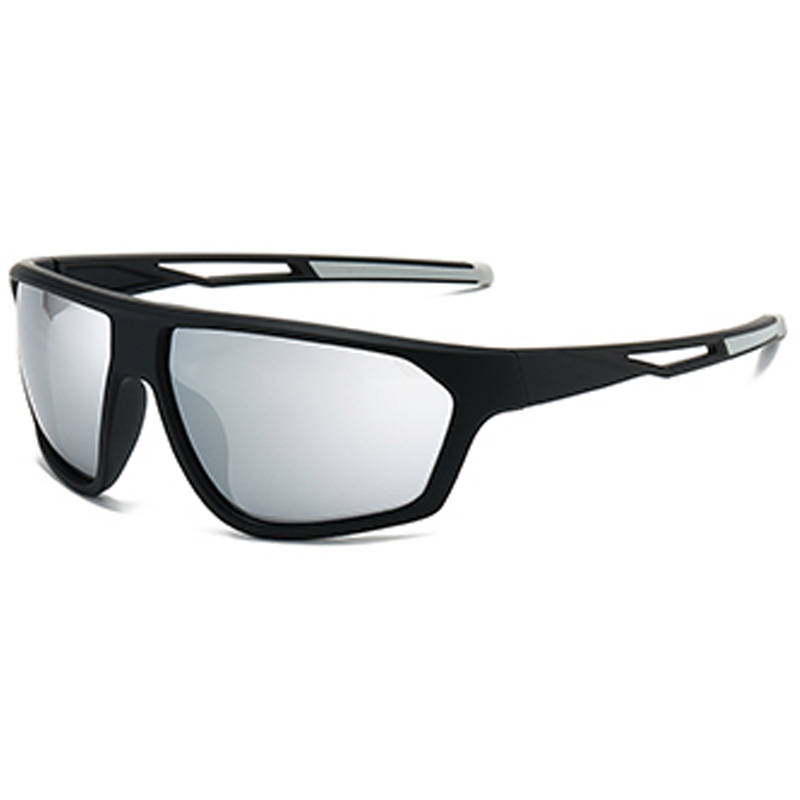
Comfort is one of the most important factors when choosing sports sunglasses for long-term wear. Outdoor activities can last for several hours, and sports sunglasses may remain on the face throughout the entire activity. If the frame is too heavy or creates pressure points, discomfort can gradually increase.
Comfortable sports sunglasses should feel secure without creating unnecessary pressure. The frame should remain in position while allowing natural movement. This balance is particularly important for cycling, hiking, running, and other activities where frequent movement can cause poorly fitted sports sunglasses to shift.
Long-term comfort also depends on how well the sports sunglasses match the wearer's face. Different face shapes require different frame dimensions. A pair of sports sunglasses that fits one person comfortably may not provide the same experience for another person.
Choose the Right Frame Size
Frame size is one of the first factors to consider when selecting comfortable sports sunglasses. A frame that is too narrow may create pressure around the temples, while a frame that is too wide may move easily during activity.
Comfortable sports sunglasses should sit naturally across the face. The frame should not press strongly against the sides of the head, and the lenses should remain positioned in front of the eyes without requiring constant adjustment.
When choosing sports sunglasses, consider the frame width, lens width, bridge area, and temple length. These dimensions work together to determine how the sports sunglasses sit on the face.
Lightweight Sports Sunglasses for Long-Term Wear
Weight can have a significant effect on comfort. Heavy sports sunglasses may create pressure around the nose and ears after several hours. Lightweight sports sunglasses can reduce this pressure and make extended outdoor use more comfortable.
However, lightweight does not mean that sports sunglasses should feel weak or unstable. A practical frame should balance low weight with sufficient structural strength. Comfortable sports sunglasses should remain stable while avoiding unnecessary material that increases overall weight.
For long-distance cycling, hiking, and running, lightweight sports sunglasses can be especially useful. When comparing sports sunglasses, consider the overall frame construction rather than focusing only on the appearance of the frame.
Pay Attention to the Nose Fit
The nose area is an important contact point between sports sunglasses and the face. If the nose support is too narrow, too hard, or poorly positioned, it can become uncomfortable during long-term wear.
Comfortable sports sunglasses should provide stable support without excessive pressure. A suitable nose area can help prevent the sports sunglasses from sliding downward during movement.
When choosing sports sunglasses, check whether the nose support matches your facial structure. The sunglasses should remain secure when you move your head without creating a strong pressure point.
Consider Temple Comfort
The temples of sports sunglasses also influence long-term comfort. Temples that are too tight can create pressure around the sides of the head, while temples that are too loose may allow the sports sunglasses to move.
Comfortable sports sunglasses should provide a balanced fit around the temples. The frame should remain stable during movement while allowing the wearer to use the sports sunglasses for extended periods.
For active users, temple design is particularly important. Cycling, running, and hiking can involve repeated head movement, so sports sunglasses should remain securely positioned without creating excessive pressure.
Choose Suitable Lens Coverage
Lens coverage can affect both comfort and outdoor usability. Sports sunglasses with wider lenses can provide additional coverage around the eyes, which may be useful in bright and windy environments.
Wraparound Sports Sunglasses are often selected for activities where side coverage is important. The curved shape can provide additional coverage while creating a closer fit around the face.
When choosing comfortable sports sunglasses, consider whether the lens coverage matches your activity. Larger lenses may be useful for cycling and outdoor activities, while the final choice should also take face shape and personal comfort into account.
Sports Sunglasses for Cycling
Cycling often requires sports sunglasses that remain stable during continuous movement. Airflow can also become noticeable at higher speeds, making lens coverage and frame stability important.
Comfortable sports sunglasses for cycling should fit securely without becoming uncomfortable during long rides. A lightweight frame can reduce pressure, while wider lenses can provide useful coverage from sunlight and airflow.
When selecting sports sunglasses for cycling, check whether the frame remains stable when you turn your head. The sports sunglasses should not require frequent adjustment during the ride.
Sports Sunglasses for Hiking
Hiking can involve several hours of continuous outdoor exposure. Comfortable sports sunglasses can help make long hiking sessions easier by combining lightweight construction with suitable coverage.
Hikers may move between open sunlight and shaded areas. Sports sunglasses should provide a clear view while remaining comfortable throughout the route. A secure frame can also help prevent the sunglasses from shifting on uneven terrain.
When choosing sports sunglasses for hiking, consider weight, lens coverage, fit, UV protection information, and the expected lighting conditions. Long-term comfort should remain a major consideration.
Sports Sunglasses for Running
Running involves repeated movement, which makes frame stability especially important. Comfortable sports sunglasses should remain in place while the wearer moves continuously.
A lightweight frame can make sports sunglasses more comfortable during long runs. The nose support and temple areas should also provide enough stability to prevent the sunglasses from sliding or bouncing.
When selecting sports sunglasses for running, avoid frames that feel excessively loose or heavy. The best fit is one that remains secure while creating minimal pressure during extended use.
Lens Material and Visual Comfort
Lens material can also influence the overall experience of wearing sports sunglasses. The lens should provide clear vision and be suitable for the intended outdoor conditions.
Different lens colors can create different visual experiences. Gray lenses are commonly chosen when users want to reduce brightness while maintaining relatively natural color perception. Other lens colors may be selected according to personal preference and outdoor conditions.
When choosing comfortable sports sunglasses, consider lens performance together with frame comfort. A comfortable frame is important, but visual comfort is also part of the overall wearing experience.
UV Protection and Sports Sunglasses
UV protection is an important consideration when selecting sports sunglasses for outdoor activities. Extended exposure to sunlight makes it useful to check the stated UV protection characteristics of the lenses.
Lens darkness should not be treated as the only indication of UV protection. A dark lens does not automatically provide a higher level of UV protection. When purchasing sports sunglasses, check the product specifications for clear information about UV protection.
Comfortable sports sunglasses should combine appropriate UV protection information with a suitable frame and lens design. This combination can make sports sunglasses more practical for extended outdoor use.
Polarized Sports Sunglasses
Polarized sports sunglasses can be useful in environments where reflected glare is noticeable. Bright roads, water surfaces, and other reflective areas can produce glare that affects visual comfort.
For fishing, cycling near bright surfaces, and some hiking environments, polarized sports sunglasses may provide a more comfortable viewing experience. However, polarization is only one feature to consider when choosing sports sunglasses.
Comfort, fit, weight, lens coverage, and intended use should all be evaluated. A pair of polarized sports sunglasses may still be uncomfortable if the frame does not fit correctly.
Frame Materials and Long-Term Comfort
Frame material can influence the weight, flexibility, durability, and comfort of sports sunglasses. Lightweight materials can help reduce pressure during long-term wear, while suitable flexibility can help the frame adapt to movement.
When selecting comfortable sports sunglasses, consider how the frame feels when worn for an extended period. The frame should provide enough stability without becoming rigid or uncomfortable.
Material selection should also match the activity. Sports sunglasses intended for frequent outdoor use should be practical for movement and everyday handling.
Ventilation and Airflow
Ventilation can be useful when wearing sports sunglasses during active outdoor activities. Movement and temperature changes can contribute to lens fogging, particularly during exercise.
Some sports sunglasses use frame and lens designs that allow airflow around the lenses. This can help improve comfort during activities where the wearer generates heat or encounters changing temperatures.
When choosing comfortable sports sunglasses, consider how the design handles airflow. A balance between coverage and ventilation can be especially useful for cycling, running, and hiking.
How to Test Sports Sunglasses Before Buying
If possible, try sports sunglasses before making a purchase. Wear the sports sunglasses for several minutes and check whether pressure develops around the nose, temples, or ears.
Move your head from side to side and look downward. Comfortable sports sunglasses should remain relatively stable without sliding excessively. Also check whether the frame feels too tight or too loose.
Pay attention to the lens position. The lenses should provide useful coverage without interfering with your natural field of view. If the sports sunglasses feel uncomfortable immediately, extended wear is unlikely to become more comfortable.
Common Mistakes When Choosing Comfortable Sports Sunglasses
One common mistake is selecting sports sunglasses based only on appearance. A sporty appearance does not necessarily mean that the frame will be comfortable for long-term wear.
Another mistake is choosing a frame that is too tight. A tight frame may feel secure at first but can create pressure during several hours of use.
Choosing a frame that is too loose is another problem. Loose sports sunglasses can slide down the nose or move during activity, requiring frequent adjustment.
Some users also focus only on lens color or darkness. While lens characteristics are important, comfortable sports sunglasses require a complete balance between frame fit, weight, coverage, and lens performance.
How to Choose Comfortable Sports Sunglasses for Long-Term Wear
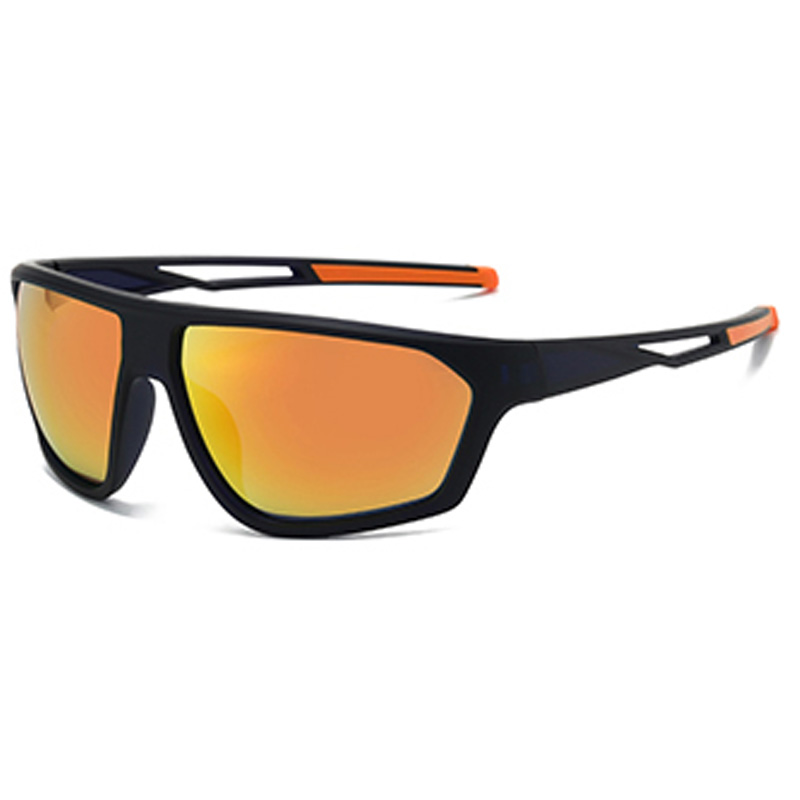
Start by identifying the main activity. Cycling may require strong stability and wind coverage. Hiking may require lightweight construction and comfortable long-term wear. Running may require a secure but flexible fit.
Next, evaluate the frame size. Check the width, temple length, bridge area, and overall contact points. Comfortable sports sunglasses should sit naturally without creating unnecessary pressure.
Then consider lens coverage and UV protection information. Wider lenses may provide additional coverage, while suitable UV protection characteristics are important for outdoor use.
Finally, consider weight and ventilation. Lightweight sports sunglasses can be more comfortable during long sessions, while appropriate airflow can help improve comfort in active environments.
Sports Sunglasses for Different Outdoor Activities
Comfort requirements can vary depending on the activity. Sports sunglasses for cycling may prioritize stability and airflow. Sports sunglasses for hiking may prioritize lightweight construction and broad coverage. Sports sunglasses for running may focus on a secure fit with minimal movement.
For general outdoor activities, versatile sports sunglasses can provide a balance of comfort, coverage, and stability. The best approach is to select sports sunglasses based on the environments where they will actually be used.
How to Maintain Comfortable Sports Sunglasses
Proper maintenance can help keep Sports Sunglasses Comfortable and functional. Clean the lenses carefully to remove dust and dirt. Avoid placing the lenses directly on rough surfaces because scratches can affect visual clarity.
After outdoor activities, inspect the frame and nose support for dust or other particles. Store sports sunglasses in a suitable case when they are not being worn.
Regular maintenance can help preserve the fit and appearance of sports sunglasses. It can also make long-term use more convenient.
Conclusion
Choosing comfortable sports sunglasses for long-term wear requires more than selecting a visually appealing frame. The right sports sunglasses should provide a balanced combination of lightweight construction, stable fit, suitable lens coverage, comfortable nose support, practical temple design, and appropriate lens characteristics.
When choosing comfortable sports sunglasses, consider your main activity and the conditions in which you normally spend time outdoors. Cycling, hiking, running, fishing, and other activities can have different requirements.
A good pair of sports sunglasses should remain comfortable throughout extended use without creating excessive pressure or requiring constant adjustment. By evaluating frame size, weight, lens coverage, UV protection information, ventilation, and overall fit, you can make a more informed choice for long-term outdoor wear.



 Phone
Comment
(0)