

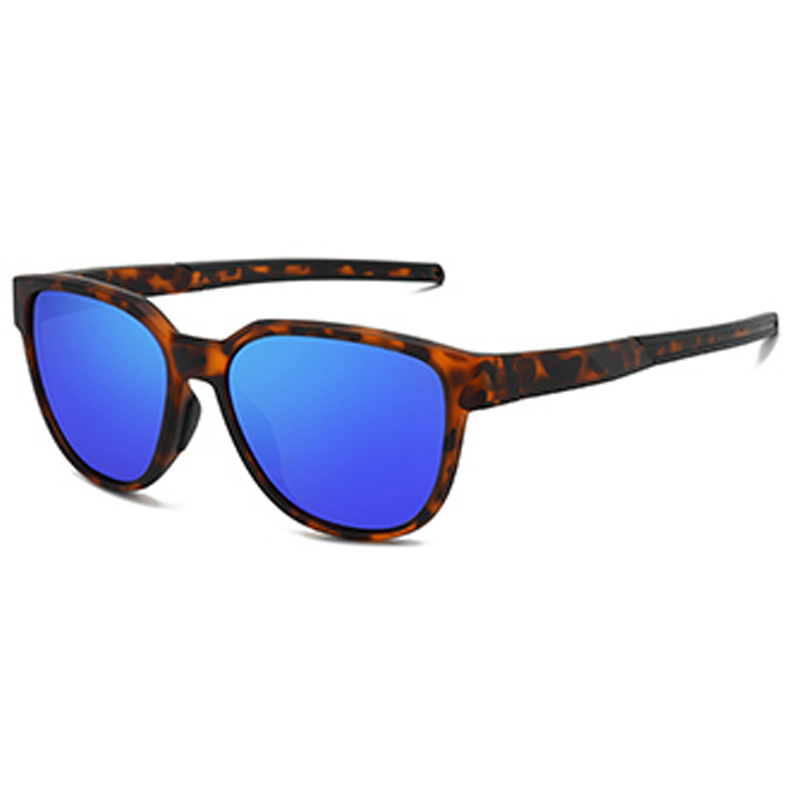
Sports Sunglasses are specialized eyewear designed to support performance, comfort, and eye protection during outdoor activities and athletic training. Unlike everyday Fashion Sunglasses, sports sunglasses are built to stay secure during movement, reduce glare in changing light conditions, improve visual clarity, and help protect the eyes from harmful ultraviolet (UV) rays, wind, dust, debris, and impact-related risks. For runners, cyclists, hikers, golfers, skiers, anglers, and outdoor workers, the right pair of sports sunglasses can make a measurable difference in both safety and performance.
In simple terms, sports sunglasses are not just accessories. They are functional performance tools. Their design focuses on stability, coverage, lightweight comfort, lens quality, and durability. Whether you are training in bright sun, competing in fast-paced sports, or spending long hours outdoors, sports sunglasses help reduce eye strain and improve the way you see your environment. That is why sports eyewear has become an essential part of many outdoor gear collections and performance-focused wardrobes.
This guide explains what sports sunglasses are, why they are important, which features matter most, and how to evaluate the right pair based on activity type, lens technology, frame design, and protection level. It is written for use in blog posts, category pages, industry pages, and SEO content focused on sports sunglasses, UV protection eyewear, performance eyewear, outdoor sunglasses, and athletic eye protection.
Sports sunglasses are performance-oriented sunglasses designed specifically for movement, outdoor sports, and active lifestyles. They are engineered to offer better fit, greater coverage, and more reliable eye protection than standard lifestyle sunglasses. Many models use wraparound frames, non-slip nose pads, rubberized temple tips, lightweight materials, and impact-resistant lenses to improve stability during physical activity.
These sunglasses are commonly used in sports such as cycling, running, baseball, tennis, golf, skiing, snowboarding, hiking, fishing, rowing, and trail sports. Some are also designed for high-intensity environments where dust, wind, water spray, or fast motion may affect visibility. Their primary purpose is to enhance vision and protect the eyes without limiting movement or comfort.
In SEO terms, sports sunglasses are often associated with keywords such as performance sunglasses, athletic sunglasses, UV Protection Sunglasses, Polarized Sports Sunglasses, outdoor sports eyewear, and active lifestyle eyewear. These related phrases help clarify the product category and make the topic easier to identify for search engines and users alike.
The eyes are highly sensitive to sunlight, reflected glare, wind, dust, and airborne particles. During sports and outdoor activities, those conditions become even more intense because the body is moving, the environment changes quickly, and visual focus must remain sharp. Sports sunglasses help address these issues by filtering light, reducing glare, and creating a more stable visual experience.
One of the biggest reasons people need sports sunglasses is UV protection. Prolonged exposure to UVA and UVB rays can contribute to long-term eye damage. Quality sports sunglasses typically offer 100% UV protection or UV400 Protection, helping shield the eyes during daily training and long outdoor sessions. This protection is important not only in bright summer sunlight but also in winter, at higher altitudes, and near reflective surfaces such as water, snow, concrete, or sand.
Another major reason is performance. Better visual clarity can improve reaction time, depth perception, and concentration. For athletes, this may support better decision-making and reduce eye fatigue. For casual outdoor users, it may simply make activities more comfortable and enjoyable. In either case, sports sunglasses serve both protective and functional purposes.
Sports sunglasses offer a wide range of benefits across performance, protection, and comfort. These benefits make them useful for both professional athletes and everyday users.
| Benefit | How It Helps | Best For |
|---|---|---|
| UV Protection | Helps block harmful UVA and UVB rays and reduces long-term eye exposure. | All outdoor sports and everyday sun use |
| Glare Reduction | Minimizes bright reflections from roads, water, snow, and other surfaces. | Cycling, fishing, skiing, driving, running |
| Improved Vision | Supports clearer sight, contrast, and focus during active movement. | Fast-paced and precision sports |
| Secure Fit | Designed to stay in place during running, jumping, and high motion. | Sports with frequent movement |
| Impact Resistance | Helps protect the eyes from small debris, branches, and accidental contact. | Trail sports, cycling, racket sports |
| Comfort | Lightweight frames and ergonomic designs reduce pressure during long wear. | Long training sessions and outdoor work |
| Weather Protection | Helps block wind, dust, and spray for better visual stability. | Hiking, cycling, boating, skiing |
These advantages make sports sunglasses a practical choice for anyone who spends time outdoors. Even if you are not an athlete, the combination of UV defense, comfort, and eye protection can be valuable during daily commutes, weekend recreation, and travel.
A common question is whether regular sunglasses are enough for sports. While standard sunglasses can provide some sun protection, they are usually not optimized for athletic performance or high-movement use. Sports sunglasses are designed with a different purpose in mind: to stay stable, improve visibility, and protect the eyes during activity.
| Feature | Sports Sunglasses | Regular Sunglasses |
|---|---|---|
| Fit Stability | Designed to stay secure during movement | May slide during exercise |
| Coverage | Often larger or wraparound for better protection | Usually more fashion-oriented |
| Frame Weight | Typically lightweight for comfort | Varies widely by style |
| Lens Performance | Often optimized for clarity, glare control, and contrast | May focus more on appearance |
| Impact Resistance | Commonly made with stronger sports-focused materials | Not always impact-resistant |
| Ventilation | May include airflow features to reduce fogging | Less likely to include sport-specific venting |
In short, regular sunglasses may work for casual wear, but sports sunglasses are usually the better choice for training, competition, and outdoor activity where eye safety and visual performance matter.
Sports sunglasses come in many styles depending on the activity and environment. Understanding these types helps users choose a better-fitting product for their needs.
| Type | Description | Typical Use Case |
|---|---|---|
| Wraparound Sports Sunglasses | Curved frames that provide wide coverage and side protection. | Cycling, running, trail sports |
| Polarized Sports Sunglasses | Use polarized lenses to reduce reflected glare from flat surfaces. | Fishing, water sports, driving, skiing |
| Photochromic Sports Sunglasses | Lenses that adjust tint based on changing light conditions. | Mixed-weather sports and long outdoor sessions |
| Interchangeable Lens Sports Sunglasses | Allow users to swap lenses for different weather or light levels. | Versatile outdoor training |
| Shield Sports Sunglasses | Feature a single large lens for maximum coverage and a wide field of view. | Cycling, running, skiing |
| Performance Lifestyle Sunglasses | Blend sporty design with everyday wearability. | Commute, travel, casual outdoor use |
Different sports require different features. A cyclist may prioritize wind protection and secure fit, while a fisherman may value polarized lenses and water glare reduction. A runner may want lightweight frames and ventilation, while a skier may need coverage and contrast enhancement in snow conditions.
When evaluating sports sunglasses, certain features are especially important. These features affect comfort, protection, and overall usability.
| Feature | Why It Matters |
|---|---|
| 100% UV Protection | Helps protect eyes from harmful UVA and UVB rays. |
| Impact-Resistant Lenses | Improves safety in activities where debris or contact may occur. |
| Lightweight Frame | Reduces pressure and improves comfort during long wear. |
| Non-Slip Fit | Helps the sunglasses stay in place while moving or sweating. |
| Wraparound Coverage | Protects the eyes from side light, wind, and dust. |
| Anti-Fog Design | Helps maintain visibility in humid, cold, or high-exertion conditions. |
| Scratch Resistance | Extends lens life and preserves clarity. |
| Lens Tint Options | Different tints help optimize vision in bright, mixed, or low light. |
Not every sports sunglasses model includes every feature, but the best options combine several of these qualities to create a balanced product. For example, a runner may need a lightweight, ventilated frame with medium tint, while a cyclist may need stronger coverage and stronger wind protection.
The lens is one of the most important parts of sports sunglasses. Lens material, tint, coating, and technology all influence how well the eyewear performs in different conditions.
| Lens Type | Main Advantage | Best Conditions |
|---|---|---|
| Gray Lenses | Reduce brightness while preserving natural color balance. | Bright sunny conditions |
| Brown or Amber Lenses | Enhance contrast and depth perception. | Variable light, running, cycling, hiking |
| Yellow Lenses | Improve visibility in low light or cloudy conditions. | Overcast weather, early morning, late evening |
| Mirrored Lenses | Reduce visible brightness and reflective glare. | High sun, snow, water, open roads |
| Polarized Lenses | Cut reflected glare from flat surfaces. | Water sports, fishing, driving, beach use |
| Photochromic Lenses | Automatically adjust to changing light levels. | Mixed conditions, mountain sports, long rides |
Choosing the right lens color is not only a matter of style. It can affect comfort and performance. For example, polarized sports sunglasses are popular for glare control, but they may not always be ideal in every sport because they can slightly alter the visibility of some LCD screens or reflective surfaces. That is why users should match lens technology to their specific activity.
Frame material directly impacts weight, durability, flexibility, and comfort. Sports sunglasses often use materials selected for performance rather than fashion alone.
| Material | Key Advantage | Common Benefit |
|---|---|---|
| TR90 | Lightweight and flexible | Comfortable for long wear and active movement |
| Polycarbonate | Impact-resistant and lightweight | Ideal for sports eyewear lenses and some frames |
| Nylon-Based Polymers | Durable and resilient | Good for performance frames and outdoor use |
| Rubberized Grip Materials | Improves traction and stability | Helps prevent slipping during sweat or vibration |
| Metal Alloys | Strong and stylish | Sometimes used in sport-fashion hybrid designs |
Lightweight materials are especially important because they reduce pressure on the nose and ears. During long workouts or full-day outdoor use, a heavy frame can become uncomfortable and distracting. Performance sunglasses are usually designed to feel stable without adding unnecessary weight.
Sports sunglasses are useful for many different groups of people, not just professional athletes. Anyone who spends time outdoors in strong sunlight or active conditions may benefit from them.
| User Group | Why They Need Sports Sunglasses |
|---|---|
| Runners | Need lightweight, secure, and glare-reducing eyewear during outdoor training. |
| Cyclists | Need wind protection, wide coverage, and a stable fit at speed. |
| Hikers | Benefit from UV protection, comfort, and visual clarity in changing terrain. |
| Golfers | Need contrast and depth perception for better visibility on the course. |
| Anglers | Need polarized lenses to reduce water glare and improve surface visibility. |
| Skiers and Snowboarders | Need high-coverage lenses and glare control in bright snow conditions. |
| Outdoor Workers | Need durable eye protection during long hours in sun, wind, and dust. |
| Travelers | Need versatile UV protection and comfort for varied environments. |
Because sports sunglasses are versatile, they can be used across fitness, recreation, commuting, and occupational settings. Their role is not limited to competition; they are also valuable for everyday outdoor protection.
Visual performance is a major part of athletic performance. If glare, brightness, or wind disrupts vision, an athlete may struggle to focus. Sports sunglasses help create a more controlled visual environment, which can support better concentration and response time.
By reducing excessive brightness, sports sunglasses can help the eyes work more efficiently. This may lower fatigue during long periods outdoors. Some lens tints can also improve contrast, making it easier to distinguish terrain, obstacles, or moving objects. In sports where timing matters, such as cycling or running, clearer vision can support smoother decision-making.
Sports sunglasses also help users maintain focus by reducing environmental distractions. Wind, debris, and reflected light can break concentration. A secure, well-designed pair of sunglasses allows the user to stay mentally engaged in the activity rather than constantly adjusting eyewear or squinting in bright conditions.
Many people realize they need sports sunglasses only after experiencing discomfort during outdoor activity. The following common problems are often solved by the right eyewear.
| Problem | How Sports Sunglasses Help |
|---|---|
| Squinting in Bright Sun | Reduces brightness and strain on the eyes. |
| Glare from Roads or Water | Polarized or tinted lenses reduce reflected light. |
| Wind Irritation | Wraparound frames help block airflow around the eyes. |
| Dust and Debris | Coverage helps shield the eyes from particles. |
| Slipping Frames | Grip materials and ergonomic fit improve stability. |
| Fogging | Vented designs and anti-fog features improve clarity. |
| Eye Fatigue | Better light control can reduce strain over time. |
These practical solutions explain why sports sunglasses are more than a style choice. They solve real problems associated with outdoor movement and variable weather conditions.
Selecting the right sports sunglasses depends on your activity, environment, and comfort preferences. A good pair should support your eyes without distracting you from the activity.
First, think about the sport. For cycling and running, secure fit and wind protection are usually top priorities. For fishing and water sports, polarization is often more important. For snow sports, high coverage and glare control matter most. For general outdoor use, a balanced pair with UV protection and lightweight comfort may be enough.
Next, look at lens behavior. Do you need bright-light protection, low-light contrast, or an adaptive lens for changing conditions? Also consider whether the frame has rubber nose pads, temple grips, or ventilation. These small details can make a large difference in daily use.
Finally, make sure the sunglasses provide full UV protection. Style should never replace safety. The best sports sunglasses combine protection, comfort, and performance in one design.
The following table shows a general specification format that can be used to describe sports sunglasses in product or category content. This is industry-style reference information, not a brand-specific product listing.
| Specification | Typical Range or Option | Purpose |
|---|---|---|
| UV Protection | 100% UVA/UVB or UV400 | Eye safety under sunlight |
| Lens Material | Polycarbonate, nylon, or similar impact-resistant material | Durability and safety |
| Frame Material | TR90, nylon-based polymer, metal alloy, or hybrid | Weight, flexibility, comfort |
| Lens Tint | Gray, brown, amber, yellow, mirrored, photochromic | Light control and visual performance |
| Fit Type | Wraparound, semi-wrap, shield, standard sport fit | Coverage and stability |
| Anti-Slip Features | Rubber nose pads, temple grips, textured arms | Secure wear during movement |
| Ventilation | Open vents or airflow channels | Reduce fogging |
| Impact Resistance | Sport-grade or high-impact design | Better eye protection |
If you are building SEO content around this subject, the following keyword themes are highly relevant and can be used naturally in headings, paragraphs, and supporting text:
These terms help search engines understand the page theme and can support rankings for related long-tail queries. For best SEO performance, the content should remain natural, informative, and user-focused rather than overly repetitive.
Sports sunglasses are purpose-built eyewear designed to support outdoor performance, protect the eyes, and improve visual comfort during active use. Their value comes from a combination of UV protection, secure fit, impact resistance, glare reduction, and activity-specific design. Whether you are an athlete, an outdoor enthusiast, or someone who spends a lot of time in the sun, sports sunglasses can provide meaningful benefits.
Choosing the right pair depends on your environment, sport, and performance needs. By understanding lens types, frame materials, fit features, and protection levels, users can make better eyewear decisions and enjoy safer, clearer vision in outdoor conditions. For SEO and content publishing purposes, this topic is strong because it combines evergreen search demand with practical buying intent and broad industry relevance.
```
This website uses cookies to ensure you get the best experience on our website.



 Phone
Comment
(0)