

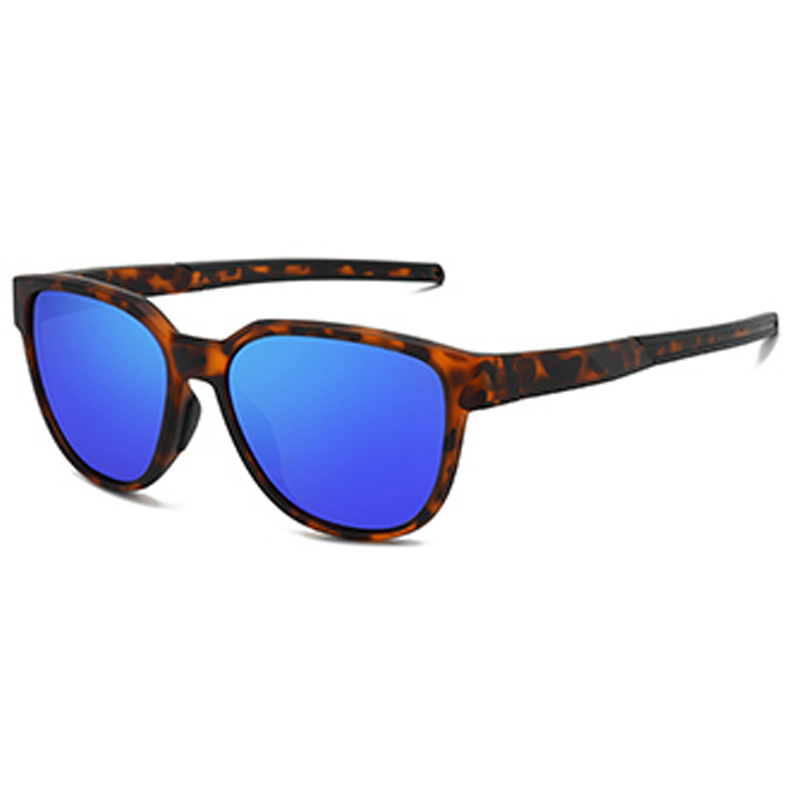
Sports Sunglasses are designed to support performance, comfort, and eye protection in fast-moving outdoor environments. Whether you are running, cycling, hiking, skiing, playing ball sports, or training under changing weather conditions, clear lenses are essential for visibility, safety, and consistency. When sports sunglasses become foggy, dirty, wet, or covered with sweat, your reaction time, confidence, and visual accuracy can all be affected. That is why learning how to keep sports sunglasses clear during outdoor activities is an important part of sports gear maintenance and performance preparation.
Clear lenses are not only about comfort. They directly influence how well you can read terrain, track movement, identify obstacles, and protect your eyes from UV rays, wind, dust, and glare. In outdoor sports, even a small amount of fog or grime can reduce clarity. This article explains the main causes of lens haze, the best prevention methods, useful maintenance habits, material features that improve clarity, and practical tips for keeping sports sunglasses clear in different environments. The information below is general, industry-based, and suitable for use in blogs, category pages, product education pages, and outdoor sports content hubs.
Keeping sports sunglasses clear means maintaining a clean, transparent, and unobstructed field of vision through the lenses during physical activity. This includes minimizing fogging, removing water droplets, preventing dust buildup, reducing oil smears, and avoiding scratches that can distort vision. In practical terms, clear sports sunglasses should allow the wearer to see naturally and continuously without interruption from condensation or debris.
Clarity depends on several factors: lens material, lens coating, frame ventilation, weather conditions, activity intensity, facial perspiration, and how the sunglasses are cleaned and stored. Unlike casual fashion eyewear, sports sunglasses are expected to perform under stress. They must remain clear while the body temperature rises, breathing rate increases, and environmental exposure changes quickly. Because of this, lens clarity is a core performance feature rather than a secondary convenience.
Outdoor sports often involve fast decisions, uneven surfaces, changing light, and unpredictable weather. Clear lenses help athletes and active users maintain visual control in these conditions. If sunglasses fog up during a run or become smeared during a ride, the user may lose confidence, slow down, or make unsafe movements. For this reason, clear sports sunglasses are valuable for both performance and protection.
The benefits go beyond simple visibility. Clear lenses help reduce eye strain, support better contrast perception, and improve overall outdoor comfort. They also help preserve the effectiveness of UV protection, since users are more likely to keep wearing sunglasses consistently when the lenses remain usable. In many sports and outdoor settings, clear eyewear contributes to consistency, focus, and safer movement.
| Benefit | Why It Matters | Outdoor Activity Example |
|---|---|---|
| Improved visibility | Helps users see terrain, obstacles, and movement clearly | Trail running, cycling, hiking |
| Better safety | Reduces the chance of missteps, collisions, or delayed reactions | Mountain biking, skiing, team sports |
| Less eye strain | Supports more comfortable vision in bright or windy conditions | Fishing, golf, long-distance running |
| More consistent performance | Prevents interruptions caused by fog, sweat, or dust | Endurance sports, outdoor training |
| Reliable UV defense | Encourages continuous lens use for sun protection | Beach sports, road cycling, mountaineering |
To keep sports sunglasses clear, it helps to understand what causes visibility problems in the first place. Fogging occurs when warm, moist air meets a cooler lens surface and condenses into tiny droplets. This is common during exercise because breathing, perspiration, and body heat all increase rapidly. In humid or cold environments, the risk becomes even higher.
Dirt, oil, sweat, salt, pollen, and water can also reduce lens clarity. Small particles can stick to the surface and create a hazy appearance, while fingerprints and skin oils often leave streaks that block light transmission. Scratches are another major issue because they can scatter light and create glare, especially in bright outdoor conditions. Poor ventilation, overly tight facial fit, and low-quality coatings can further increase the chance of fogging.
| Cause | How It Affects Clarity | Common Situation |
|---|---|---|
| Condensation | Creates fog on the inner lens surface | High-intensity exercise, cold weather |
| Sweat | Leaves salt residue and moisture on lenses | Running, gym-to-outdoor training |
| Dust and dirt | Blocks light and causes visible haze | Desert environments, trails, cycling roads |
| Fingerprints and skin oils | Produce smears and blurred patches | Frequent handling and adjustments |
| Water droplets | Distort vision and reduce contrast | Rain, spray, humid weather |
| Scratches | Cause scattering, glare, and permanent distortion | Poor storage or abrasive cleaning |
Prevention is the most effective way to keep sports sunglasses clear. Preparing eyewear before stepping outside reduces the likelihood of fogging, dirt buildup, and vision interruptions. A simple pre-activity routine can greatly improve lens performance and make your sports sunglasses more reliable throughout the session.
First, make sure the lenses are clean and dry before use. Even small traces of oil or dust can attract more debris during activity. Second, check the fit of the frame. Sports sunglasses that sit too close to the face may trap warm air and increase condensation, while a balanced fit with proper airflow can help maintain clarity. Third, inspect coatings, vents, nose pads, and temple arms to ensure nothing is blocked or damaged. Finally, carry a microfiber cloth or protective pouch if your activity is long enough to require maintenance on the go.
Anti-fog strategies are essential for outdoor activities because fog is one of the most common reasons sports sunglasses lose clarity. The best methods usually combine ventilation, cleaning, fit adjustment, and environmental awareness. There is no single solution for every sport, but several widely used techniques can help reduce condensation.
Frames with built-in vents or airflow channels allow warm air to escape and reduce condensation on the inner lens surface. Ventilation is especially useful for high-output sports such as cycling, trail running, skiing, and climbing. A well-designed sports frame helps balance protection and airflow, making it easier to keep sports sunglasses clear during movement.
The fit of sports sunglasses affects how much air can circulate around the lenses. A frame that is too tight may trap heat and moisture, while a frame that is too loose may allow dust or wind to enter. The ideal fit should stay secure during activity while leaving enough space for controlled airflow.
Clean lenses fog less and perform better because dust and oil can make condensation worse. Using a soft microfiber cloth and a lens-safe cleaning method helps preserve clarity. Avoid wiping dry lenses with rough fabric, as this can create micro-scratches over time.
Touching the lens surface with fingers introduces oils and residue that can reduce transparency. Repeated handling during a workout can also leave marks that are difficult to see at first but become distracting in bright sunlight. Adjust the frame by its arms or nose bridge instead of pressing on the lenses.
In cold environments, warm breath can rise toward the inside of the lenses and create fogging. Wearing sports sunglasses slightly farther from the face, using vented designs, and adjusting breathing direction when possible can help reduce this issue. For winter sports, anti-fog construction is especially important.
Many sports sunglasses include anti-fog coatings or can be treated with compatible anti-fog solutions. These options help prevent moisture from forming visible droplets on the lens surface. Anti-fog performance varies by product and environmental condition, so it should be viewed as one part of a broader clarity strategy rather than a stand-alone fix.
Cleaning sports sunglasses correctly is one of the most important habits for maintaining clear lenses. Improper cleaning can remove coatings, create scratches, or leave residue that makes the lenses look cloudy. A careful, repeatable cleaning method supports long-term performance and helps preserve both optical quality and appearance.
The safest general method is to rinse the lenses with clean water to remove dust and grit before wiping. After rinsing, use a soft microfiber cloth to gently dry or polish the surface. If needed, use a mild lens-safe cleaner suitable for coated eyewear. Avoid household chemicals, rough towels, and paper products because they may damage the lens surface. It is also helpful to clean the nose pads, frame edges, and temple arms, since sweat and skin oils often collect in those areas and transfer back onto the lenses.
| Cleaning Step | Purpose | Good Practice |
|---|---|---|
| Rinse first | Removes dust and loose particles | Use clean, lukewarm water |
| Use microfiber cloth | Prevents scratches and streaking | Keep cloth clean and dry |
| Apply lens-safe cleaner | Removes oil and residue safely | Use products designed for eyewear |
| Clean frame contact points | Stops sweat and grime from returning to lenses | Wipe nose pads and temple arms |
| Dry completely | Prevents water spots and streaks | Air dry or lightly polish with microfiber |
Different lens materials and design features influence how well sports sunglasses stay clear during outdoor activities. While no material can eliminate fogging by itself, certain construction choices improve optical performance and durability. Knowing these features helps users compare sports sunglasses more effectively and choose options suited to their activity.
| Feature | Function | Clarity Advantage |
|---|---|---|
| Anti-fog coating | Reduces condensation on the lens surface | Helps maintain visibility in humid or cold conditions |
| Ventilated frame | Supports airflow around the lens | Limits moisture buildup during exercise |
| Hydrophobic coating | Repels water droplets | Improves performance in rain or spray |
| Oleophobic coating | Resists oil and fingerprint smears | Helps lenses stay cleaner for longer |
| Impact-resistant lens material | Improves durability during sports use | Reduces risk of scratches and breakage |
| Wraparound coverage | Blocks wind, dust, and sunlight from the sides | Supports clearer vision in exposed environments |
Common sports eyewear lens materials are selected for clarity, safety, and impact resistance. In general, high-quality sports lenses aim to balance optical precision with lightweight comfort. The frame structure is equally important because it affects fit, airflow, and stability. When lens material and frame design work together, sports sunglasses are more likely to remain clear during intense movement.
Outdoor conditions have a major impact on how clear sports sunglasses stay. Weather, temperature, humidity, altitude, and surface conditions all contribute to lens performance. Understanding these factors can help users choose the right setup and make smarter adjustments during activity.
| Environment | Common Problem | Recommended Clarity Strategy |
|---|---|---|
| Hot and humid weather | Heavy fogging and sweat buildup | Use ventilation and anti-fog treatment |
| Cold weather | Condensation from warm breath | Choose vented frames and proper fit |
| Windy conditions | Dust and debris on lenses | Use wraparound coverage and clean lenses regularly |
| Rainy weather | Water droplets reduce vision | Hydrophobic coating and quick-dry maintenance |
| Dry, dusty terrain | Particle buildup and scratching risk | Rinse before wiping and store properly |
| High-exertion sports | Heat and moisture accumulation | Choose breathable sports sunglasses with secure fit |
The best way to keep sports sunglasses clear can vary depending on the activity. Each sport creates different patterns of motion, sweat, wind exposure, and body temperature. The following general guidance can help users match their eyewear strategy to the demands of the activity.
Running often creates strong perspiration and steady heat buildup. Lightweight Sports Sunglasses with a secure fit and good ventilation are useful for maintaining clarity. Cleaning the lenses before a run and using sweat-management accessories can also help reduce fog and smearing.
Cycling exposes the face to wind, dust, and speed-related airflow changes. Wraparound Sports Sunglasses are common because they help block debris while supporting visibility. A stable frame and anti-fog design are especially valuable for long rides and changing weather.
Hiking usually involves varying elevation, temperature shifts, and prolonged sun exposure. Clear lenses support terrain reading and obstacle detection. Keeping the lenses free from dust and handling them with clean hands are important habits during stops and rest breaks.
Cold air and changing temperatures make fogging more likely in skiing, snowboarding, and similar activities. Ventilation, anti-fog treatment, and proper frame distance from the face are important for maintaining stable clarity. Users should also avoid storing cold sunglasses in warm, humid environments that can increase condensation.
Salt spray, glare, and moisture are major challenges near water. Hydrophobic lenses and regular rinsing can help preserve transparency. After exposure to saltwater, sunglasses should be cleaned promptly to prevent residue from building up on the lens and frame.
Proper storage is often overlooked, but it is a major part of keeping sports sunglasses clear over time. Even durable lenses can become cloudy if they are scratched, compressed, or exposed to dirt while stored. A protective case or soft pouch helps reduce contact damage and keeps dust away from the lens surface.
It is best to store sports sunglasses in a clean, dry place after use. Do not leave them on car dashboards, where heat can weaken materials or affect coatings. Do not place them lens-down on rough surfaces. If the lenses are wet or sweaty, let them dry before sealing them in a case to prevent trapped moisture. Good storage habits extend the life of the eyewear and help preserve optical clarity.
Many clarity problems are caused by simple maintenance mistakes. Avoiding these habits can significantly improve the lifespan and performance of sports sunglasses. One of the most common mistakes is wiping dusty lenses without rinsing first, which can create fine scratches. Another is using a shirt, paper towel, or rough cloth to clean the surface, which may leave lint and damage coatings.
Other mistakes include touching the inside of the lens repeatedly, storing sunglasses without a case, and ignoring sweat buildup around the frame. Some users also over-rely on anti-fog coatings without supporting them with proper ventilation and fit. Clear sports sunglasses depend on a combination of cleaning, design, and careful handling. No single feature works best in isolation.
| Mistake | Problem Caused | Better Approach |
|---|---|---|
| Wiping dusty lenses dry | Can scratch the surface | Rinse before cleaning |
| Using rough fabric | Leaves streaks and damage | Use microfiber cloth |
| Storing without protection | Increases scratches and dirt buildup | Use a case or pouch |
| Touching lenses by hand | Transfers oil and residue | Handle by frame arms |
| Ignoring frame fit | Can increase fogging and instability | Adjust for secure airflow-friendly fit |
When evaluating sports sunglasses for outdoor use, several common specifications help indicate how well they may stay clear during activity. These details are not brand-specific and can be used as a general product reference for informational pages or buyer education content.
| Specification | Typical Purpose | Why It Helps Clarity |
|---|---|---|
| Lens tint | Manages brightness and contrast | Supports visual comfort in sunlight |
| UV protection | Blocks harmful ultraviolet rays | Protects eyes during extended outdoor use |
| Frame ventilation | Improves airflow | Reduces fog and moisture buildup |
| Wraparound shape | Extends side coverage | Blocks dust, wind, and peripheral glare |
| Anti-slip nose pads | Improves stability | Limits constant readjustment and fingerprint transfer |
| Scratch-resistant surface | Helps preserve lens quality | Maintains transparency over time |
| Hydrophobic treatment | Repels water | Minimizes droplet visibility during rain or sweat |
| Anti-fog treatment | Limits condensation | Improves clarity in demanding temperature conditions |
Sports sunglasses fog up when warm, moisture-filled air meets a cooler lens surface. Exercise increases body heat and breathing output, which makes condensation more likely. Poor ventilation and a tight frame fit can make the problem worse.
You can reduce fogging by using ventilated frames, keeping lenses clean, choosing the right fit, and using anti-fog coatings or treatments. In cold or humid conditions, these strategies work best when used together.
The best general method is to rinse off dust with clean water, then gently dry the lenses with a microfiber cloth. If needed, use a lens-safe cleaner designed for eyewear. Avoid abrasive materials and harsh chemicals.
Yes. Scratches can scatter light, create glare, and reduce overall optical clarity. They may also become more visible in direct sunlight, which can be distracting during outdoor activities.
Wraparound sports sunglasses often improve outdoor clarity because they block wind, dust, and side glare. They can also support a more secure fit, which helps reduce movement and repeated adjustments.
Learning how to keep sports sunglasses clear during outdoor activities is essential for anyone who values visibility, safety, and performance. Clear lenses help you see more accurately, react more quickly, and stay more comfortable in changing weather conditions. The most effective approach combines good lens design, proper fit, regular cleaning, smart storage, and simple anti-fog habits.
Whether you are running, cycling, hiking, or participating in another outdoor sport, clear sports sunglasses can make a noticeable difference in your experience. By understanding the causes of fogging and haze, using the right maintenance routine, and selecting features that support visibility, you can keep your sports sunglasses performing at a high level for longer. In outdoor environments where every detail matters, lens clarity is not optional it is part of the gear.
This website uses cookies to ensure you get the best experience on our website.



 Phone
Comment
(0)