

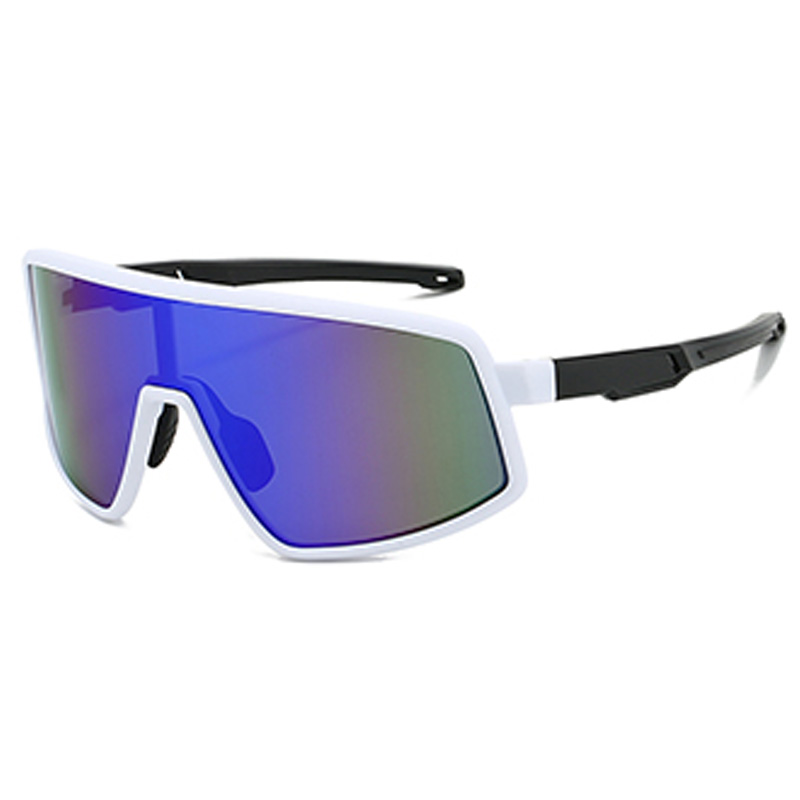
Choosing the right sports Sunglasses for travel is about more than style. The best travel-ready sunglasses help protect your eyes, improve visibility in changing light, reduce glare on roads and water, and stay comfortable during long days outdoors. Whether you are flying to a beach destination, road-tripping through mountains, hiking in bright sun, or moving between cities and outdoor activities, the right pair can make a major difference in comfort and performance.
This guide explains the most important features to look for in travel sports sunglasses, how to compare frame materials, lens technologies, fit options, and protection levels, and what specifications matter most for different travel situations. The content below is designed to be clear, keyword-rich, and easy to use in a blog post, category page, or SEO landing page.
Sports sunglasses for travel are performance-oriented sunglasses designed to support outdoor movement, changing environments, and long wear time while traveling. Unlike standard Fashion Sunglasses, they are built with more secure fit, better optical clarity, stronger impact resistance, and lens options that can handle bright light, glare, wind, dust, and variable weather conditions.
Travel use adds another layer of demand. Travelers often move between airports, city streets, beaches, hiking trails, and road environments in a single day. That means travel sunglasses should be versatile, lightweight, protective, and durable enough to handle different climates and activities without constant adjustment.
In simple terms, the best travel sports sunglasses combine eye protection, practical comfort, and portable performance.
Sun exposure is one of the most common challenges travelers face. Bright sunlight, reflection from water, snow, sand, and pavement can create intense glare and eye strain. Sports sunglasses help reduce this strain while improving visual comfort and safety. They are especially useful for long-distance driving, sightseeing in sunny destinations, outdoor sports, cycling, boating, and hiking.
A quality pair of sports sunglasses can also help travelers stay more comfortable across long periods of use. This is important because travel often involves extended wear, luggage handling, and repeated movement. Poorly designed sunglasses may slip, pinch, fog up, or feel heavy, while well-designed sports sunglasses remain stable and comfortable.
When choosing sports sunglasses for travel, several core features should guide your decision. These include UV protection, lens tint, polarization, frame fit, weight, ventilation, and durability. Below is a detailed breakdown of the most important factors.
UV protection is one of the most important features in any pair of travel sunglasses. The eyes are exposed to ultraviolet radiation even when the sun does not feel intense. High-quality sports sunglasses should block both UVA and UVB rays. Many products are labeled as providing 100% UV protection or UV400 Protection, which means they block nearly all harmful ultraviolet light up to 400 nanometers.
For travel, UV protection matters in cities, beaches, mountains, and snowy environments alike. Higher altitude and reflective surfaces can increase UV exposure. If you are buying sunglasses for outdoor travel, UV protection should be non-negotiable.
Polarized Sunglasses are highly valued for travel because they reduce reflected glare from flat surfaces such as water, wet roads, car windows, and sand. This can improve visual comfort and reduce squinting during driving, boating, fishing, and sightseeing.
However, polarization is not always ideal for every situation. Some travelers prefer non-polarized lenses for reading digital screens, viewing certain dashboard displays, or maintaining visibility in low-light conditions. For most daylight travel, though, polarized lenses are a strong option.
Lens tint affects how much light reaches your eyes and how colors appear. For travel, lens tint should match your destination and typical activities. Darker lenses are useful in strong sunlight, while lighter tints may be better for mixed conditions or cloudy weather.
Lens transmission is often measured as Visible Light Transmission (VLT). Lower VLT means darker lenses. Higher VLT means more light passes through. A flexible travel wardrobe often benefits from a versatile lens category that performs well in both direct sunlight and moderate brightness.
Travel sunglasses should be built from materials that balance strength and lightness. Common frame materials include polycarbonate, TR90, nylon blends, and acetate. Performance-oriented sports frames are often made from flexible yet durable polymers that resist breakage during active use.
A good travel frame should survive repeated packing, temperature changes, and everyday handling. Frames that are too rigid may crack under pressure, while very soft frames may not hold their shape. The ideal choice offers flexibility, resilience, and a secure fit.
Since travel often involves long wear sessions, lightweight sunglasses are a major advantage. Heavy frames can create discomfort at the nose and ears, especially during walking, cycling, or hot-weather activities. Lightweight Sports Sunglasses reduce fatigue and are easier to wear all day.
Comfort also depends on pressure distribution. A balanced frame with proper nose pads and temple design can feel lighter than a poorly balanced frame with the same weight.
A secure fit is one of the biggest differences between sports sunglasses and standard sunglasses. Travel sunglasses should stay in place during movement, sweating, bending, and rapid head motion. This is especially important for hiking, biking, running, sightseeing in hot climates, or traveling with frequent activity transitions.
Look for features such as:
The goal is a fit that feels stable without excessive pressure.
Travel sunglasses are often exposed to dust, sand, and packing friction, so scratch resistance matters. Lens coatings can help protect the optical surface from minor abrasion, extending the usable life of the sunglasses.
While no lens is completely scratch-proof, a harder coating can reduce wear from travel storage, lens cleaning, and outdoor use.
Fogging is a common issue when moving between air-conditioned spaces and hot, humid outdoor conditions. Sports sunglasses with ventilation channels, anti-fog coatings, or better airflow design can help reduce condensation on the lens.
This feature is especially valuable for active travel, such as hiking, cycling, climbing, and water sports. Clear vision is critical when the weather changes quickly or when exertion increases lens fog.
Impact resistance is important for sports eyewear because travel can be unpredictable. Sunglasses may be dropped, packed tightly, or exposed to sudden movement. Strong lens materials help reduce the risk of cracking or shattering.
Polycarbonate lenses are widely used in performance eyewear because they are lightweight and impact resistant. This makes them a common choice for travel sports sunglasses.
Lens type affects visibility, comfort, and versatility. Different travel activities benefit from different lens designs, so understanding the most common lens options is useful before making a purchase.
| Lens Type | Best For | Main Benefits | Possible Limitations |
|---|---|---|---|
| Polarized lenses | Driving, beach trips, boating, fishing, bright outdoor travel | Reduces glare, improves comfort, enhances visual clarity | May interfere with some screens or displays |
| Photochromic lenses | Changing light conditions, city-to-outdoor travel, all-day use | Adjusts to light levels automatically, versatile across environments | May darken less effectively inside vehicles depending on design |
| Mirror-coated lenses | High-glare destinations, snow, beach, high-altitude travel | Reflects more light, helps in very bright sun | More specialized, may not be ideal for low light |
| Gradient lenses | Urban travel, driving, mixed-use sightseeing | Darker at top, lighter at bottom for balanced viewing | Less protective than full dark lenses in intense sun |
| Clear or lightly tinted lenses | Cloudy conditions, evening travel, indoor-outdoor transition | More usable in low light, maintains visibility | Limited sun protection in very bright environments |
The frame material influences weight, flexibility, durability, and comfort. For travel, the best material depends on how often the sunglasses will be worn, packed, and exposed to active conditions.
| Frame Material | Key Strengths | Travel Suitability |
|---|---|---|
| TR90 | Lightweight, flexible, durable, comfortable for long wear | Excellent for active travel and everyday use |
| Polycarbonate | Strong, impact resistant, lightweight | Good for sports and transport-heavy trips |
| Nylon blend | Flexible, resilient, often used in performance frames | Very good for movement and outdoor activity |
| Acetate | Stylish, comfortable, visually premium | Better for casual travel than intense sports |
| Metal alloys | Refined look, structural strength | Suitable for light travel use, less ideal for rugged sport |
Fit is one of the most important factors in choosing sports sunglasses for travel. A pair that looks good but slips, pinches, or bounces during movement will not perform well. The right fit should feel secure, balanced, and comfortable across different travel conditions.
Key fit considerations include face shape, nose bridge height, temple length, frame curve, and lens coverage. Travelers should look for sunglasses that sit close enough to block wind and peripheral light without touching the cheeks or feeling overly tight.
Because travel creates varied use cases, certain features become especially valuable. If you want one pair that can handle multiple environments, prioritize versatility and portability.
| Travel Scenario | Recommended Features | Why It Matters |
|---|---|---|
| Beach vacation | Polarized lenses, UV400 protection, mirror coating, salt-resistant materials | Strong glare from water and sand requires high sun protection |
| Mountain travel | High UV protection, wraparound frame, impact resistance, stable fit | Altitude and reflected light increase eye exposure |
| Road trip | Polarization, comfortable nose pads, low-fatigue frame, glare control | Long driving hours require stable vision and reduced strain |
| City sightseeing | Lightweight frame, versatile tint, stylish but secure design | All-day comfort and easy pairing with casual outfits |
| Adventure travel | Impact resistance, wraparound coverage, anti-slip fit, ventilation | Active movement and changing weather demand stronger performance |
| Snow travel | High UV protection, mirror lenses, side coverage, glare reduction | Snow reflects sunlight intensely and increases brightness |
High-quality travel sports sunglasses offer a wide range of benefits beyond simple sun protection. These benefits improve both comfort and performance during trips.
Many buyers focus only on appearance or price and ignore performance features. Avoiding these mistakes can help you choose a more reliable pair.
A practical travel pair should always balance protection, comfort, and versatility.
The table below provides a useful specification checklist that can be used for product comparison, category page content, or buyer education.
| Specification | Recommended Travel Standard | Why It Helps |
|---|---|---|
| UV protection | 100% UVA/UVB or UV400 | Protects eyes from harmful radiation |
| Lens material | Impact-resistant polycarbonate or equivalent | Improves durability and safety |
| Frame material | TR90, nylon blend, or lightweight performance polymer | Provides flexibility and comfort |
| Lens type | Polarized or photochromic for versatility | Adapts to travel and changing light |
| Fit | Secure, non-slip, and face-compatible | Prevents slipping during movement |
| Weight | Lightweight enough for all-day use | Reduces fatigue on the nose and ears |
| Coverage | Moderate to high wraparound coverage | Blocks side glare and wind |
| Coatings | Anti-scratch and optional anti-fog | Supports longer life and clearer vision |
| Portability | Protective case and travel-friendly design | Helps prevent damage in transit |
Sports sunglasses are useful for a wide range of travelers. They are not limited to athletes or extreme outdoor users. In fact, many everyday travelers benefit from their comfort and protective design.
If you are comparing several options, use a simple performance-based checklist:
This process helps narrow down choices based on use case rather than style alone.
Proper care helps preserve performance and appearance during travel. Even high-quality sports sunglasses can be damaged by careless storage or cleaning.
Good maintenance helps preserve lens clarity, coating quality, and frame alignment throughout frequent travel.
When shopping for sports sunglasses for travel, focus on core performance features: UV protection, glare reduction, durable lens material, lightweight frame construction, stable fit, and comfort for all-day wear. The best travel sunglasses are versatile enough to handle multiple environments, from beaches and mountains to roads and city streets. Polarized lenses, wraparound coverage, and scratch-resistant coatings are especially valuable for travelers who spend time outdoors.
In short, the best travel sports sunglasses should protect your eyes, support active movement, and remain comfortable throughout the journey. For blogs, category pages, and SEO content, this topic works well because it combines practical buyer intent with evergreen product education. A well-structured page that explains lens types, frame materials, fit, and travel use cases can attract strong search interest and support long-tail keyword visibility.
The following keyword phrases are commonly associated with this topic and can be used naturally within the page:
```
This website uses cookies to ensure you get the best experience on our website.



 Phone
Comment
(0)