

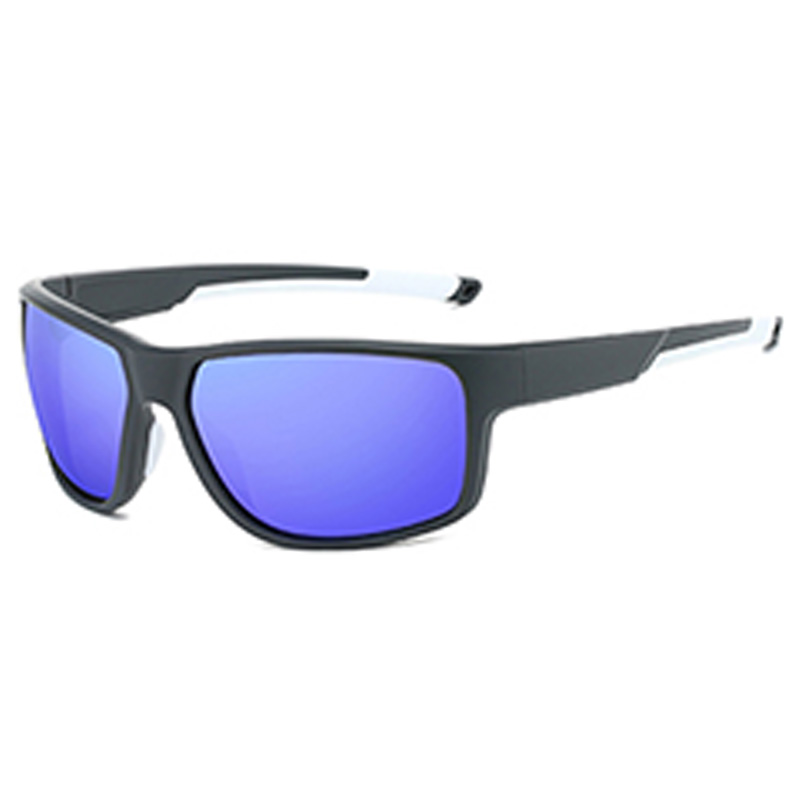
Choosing the right sunglasses is about more than style. The best sunglasses should protect your eyes,
match the occasion, fit your face comfortably, and deliver the right lens performance for your daily needs.
Whether you need sunglasses for driving, outdoor sports, travel, beach days, or everyday wear, understanding
lens features, frame materials, UV protection, and fit can help you make a smarter choice.
This guide explains how to choose sunglasses for any occasion using practical, SEO-friendly, and industry-focused
information. It covers lens types, frame styles, protection standards, and buying factors so you can compare options
with confidence.
Sunglasses are not just a fashion accessory. High-quality sunglasses help reduce glare, improve visual comfort,
support clear outdoor vision, and protect the eyes from harmful ultraviolet rays. Prolonged exposure to UV radiation
can contribute to eye strain, discomfort, and long-term eye health concerns. For this reason, selecting the right
pair of sunglasses is an important part of everyday eye protection.
Different activities demand different sunglasses features. For example, the best sunglasses for driving are not always
the best sunglasses for running, fishing, skiing, or formal events. Lens tint, polarization, frame shape, coverage,
and material all influence performance. A well-chosen pair can improve safety, comfort, and style at the same time.
The right sunglasses should fit the purpose, environment, and personal preference of the wearer. A suitable pair should
generally provide:
In short, the best sunglasses combine function and appearance. You can choose one pair for daily wear, another for
sports, and a different style for fashion or special events.
UV protection is one of the most important sunglasses features. Look for sunglasses that offer 100% UVA and UVB
protection or UV400 Protection. These labels indicate strong protection against ultraviolet rays. Dark lenses without
UV protection are not enough, because darker lenses can cause pupils to dilate, potentially allowing more UV exposure
if the lenses are not properly treated.
Polarized Sunglasses are designed to reduce glare from reflective surfaces such as water, roads, snow, and glass.
This makes them a popular choice for driving, boating, fishing, skiing, and outdoor recreation. Polarization can
improve visual comfort and clarity in bright conditions, but it is not always necessary for every situation.
Lens tint affects how much light passes through the lens and how colors are perceived. Different tints serve different
purposes. Gray lenses reduce brightness while keeping color perception balanced. Brown and amber lenses can improve
contrast and depth perception. Green lenses may help reduce glare while maintaining natural color balance. Yellow
or orange lenses are often used in low-light or hazy conditions, though they are less suitable for intense sunlight.
Visible Light Transmission, or VLT, refers to the amount of visible light that passes through a sunglass lens.
Lower VLT means darker lenses and less light transmission. Higher VLT means lighter lenses and more brightness.
Choosing the right VLT depends on the environment. Bright sunlight usually requires lower VLT, while overcast
conditions may benefit from higher VLT.
Frame material affects durability, weight, comfort, and flexibility. Common frame materials include acetate,
polycarbonate, TR90, nylon, stainless steel, and titanium. Lightweight materials are often preferred for sports and
all-day wear, while more rigid materials may provide a premium feel or a structured look.
Lens material influences optical clarity, impact resistance, and weight. Polycarbonate lenses are lightweight and
impact-resistant, making them a strong option for active use. CR-39 lenses offer good optical quality and are commonly
used for everyday sunglasses. Glass lenses provide excellent clarity but can be heavier and less impact-resistant.
A proper fit helps sunglasses stay in place and protect the eyes more effectively. Frames should sit comfortably on
the nose and ears without sliding or pinching. Larger wraparound styles can provide better side coverage, which is
especially useful for outdoor sports and high-glare environments.
The right sunglasses depend on how and where they will be worn. Below is a practical guide to help you match
sunglasses features to common occasions.
| Occasion | Recommended Sunglasses Features | Best Lens Options | Typical Frame Style |
|---|---|---|---|
| Everyday Wear | 100% UV protection, comfortable fit, versatile style, moderate tint | Gray, brown, green | Wayfarer, round, square, classic rectangle |
| Driving | Anti-glare performance, clear vision, comfortable nose fit, reliable coverage | Gray or brown, often polarized | Medium-width frames with balanced coverage |
| Beach and Water Activities | Polarization, strong UV protection, corrosion resistance, secure fit | Gray, brown, polarized lenses | Wraparound or sport-inspired frames |
| Running and Cycling | Lightweight frame, impact resistance, stability, ventilation | Brown, amber, mirrored options | Sport wraparound frames |
| Fishing and Boating | Glare reduction, water visibility, side coverage, grip-friendly temples | Polarized brown, copper, gray | Wraparound or performance sport frames |
| Skiing and Snow Activities | Glare control, cold-weather durability, enhanced contrast | Amber, rose, brown, mirrored | Full-coverage sport frames |
| Formal or Business Events | Refined style, subtle branding, balanced proportions, elegant finish | Gray or darker neutral tints | Slim metal, classic acetate, minimalist shapes |
| Travel and Outdoor Exploration | Versatility, comfort, durability, adaptable tint | Gray, brown, photochromic options | Lightweight multipurpose frames |
For everyday wear, versatility is key. The best everyday sunglasses should work with casual outfits, provide reliable
UV protection, and feel comfortable for extended use. A balanced lens tint such as gray or brown is usually a safe
choice because it can handle changing light conditions without distorting color too much.
Frame shape also matters. Many people choose classic frame styles that pair easily with different wardrobe choices.
Medium-sized frames are often ideal because they suit multiple face shapes and provide enough coverage without feeling
oversized. Everyday sunglasses should be lightweight, durable, and easy to wear throughout the day.
Driving sunglasses should improve visibility and reduce harsh glare without making the road appear too dark.
Polarized lenses are often popular for driving because they help reduce reflected glare from wet pavement, cars,
and bright surfaces. However, some drivers prefer non-polarized lenses because certain digital displays or windshield
reflections can appear differently through polarized lenses.
A good pair of driving sunglasses should also fit securely and not obstruct peripheral vision. The frame should not
be so large that it interferes with mirrors or side views, and the lenses should be dark enough for bright sunlight
but not so dark that they reduce visibility in shaded or changing light conditions.
Sports sunglasses need to stay secure during movement. They should be lightweight, impact-resistant, and designed
to remain stable during activity. Wraparound frames are common because they provide better side protection and help
minimize wind, dust, and glare.
For running and cycling, ventilation is important to help reduce fogging. For water sports, polarization can improve
visibility by reducing glare from the surface of the water. For skiing and snow sports, sunglasses or protective eyewear
should enhance contrast and help manage strong reflected light from snow.
When choosing sports sunglasses, focus on comfort, grip, durability, and lens performance rather than style alone.
The ideal pair should stay in place, support clear vision, and handle changing outdoor conditions.
Fashion Sunglasses emphasize appearance, but they should still provide proper UV protection and a comfortable fit.
For special events, many people prefer classic silhouettes such as round, cat-eye, square, or slim rectangular frames.
Neutral lens colors work well because they are more elegant and easy to coordinate with formal clothing.
Minimalist frames, metal finishes, thin temples, and polished acetate designs often work well in formal settings.
The goal is to choose sunglasses that complement your outfit without overpowering it. Even when style is the main priority,
eye protection should never be ignored.
| Lens Type | Main Benefit | Best For | Notes |
|---|---|---|---|
| Polarized | Reduces glare | Driving, fishing, beach, boating | Excellent for reflective surfaces |
| Photochromic | Adjusts to light changes | Travel, daily wear, mixed environments | Convenient for changing weather |
| Mirrored | Reflects more light away from the eyes | Bright sunlight, sports, snow | Also offers a bold visual style |
| Gradient | Darker at the top, lighter at the bottom | Driving, casual wear | Useful when you want style and practical visibility |
| Amber / Brown | Improves contrast | Outdoor sports, variable light | Popular for contrast enhancement |
| Gray | Maintains natural color balance | General daily use | One of the most versatile tint options |
Frame material affects how sunglasses feel and perform. Here is a simple comparison of common materials used in
sunglasses frames.
| Frame Material | Advantages | Typical Use | Key Consideration |
|---|---|---|---|
| Acetate | Stylish, comfortable, available in many colors and patterns | Fashion, everyday wear | Can be slightly heavier than ultra-light materials |
| Polycarbonate | Impact-resistant, lightweight | Sports, active wear | Often used in performance frames |
| TR90 | Flexible, durable, very lightweight | Outdoor use, sports, travel | Good for comfort and bend resistance |
| Nylon | Flexible and strong | Sport sunglasses | Common in performance eyewear |
| Stainless Steel | Sleek, strong, refined appearance | Business and casual wear | May feel less flexible than polymer materials |
| Titanium | Very lightweight, durable, corrosion-resistant | Premium eyewear | Often chosen for long-lasting comfort |
Proper fit is essential for comfort and performance. Sunglasses that are too tight can cause pressure around the
temples or nose, while loose frames may slide down the face or shift during movement. The right size should feel
secure without pinching.
| Fit Element | What to Look For | Why It Matters |
|---|---|---|
| Bridge Fit | Sits comfortably on the nose without slipping | Improves stability and comfort |
| Temple Length | Extends behind the ears without pressure | Helps keep the frame secure |
| Lens Width | Matches face width and intended coverage | Affects comfort, balance, and appearance |
| Frame Width | Aligns with the face without excess overhang | Ensures a balanced fit |
| Nose Pads | Provide support and reduce slipping | Useful for metal frames and active wear |
If possible, compare frame measurements before buying. Common measurements include lens width, bridge width, and
temple length. These numbers help identify whether a pair is likely to fit well.
Face shape can influence which sunglasses styles look most balanced. While personal preference is always important,
certain frame shapes often create a more harmonious appearance.
| Face Shape | Suggested Frame Shapes | Style Effect |
|---|---|---|
| Round | Square, rectangular, geometric | Adds definition and structure |
| Square | Round, oval, aviator, soft curves | Softens strong angles |
| Oval | Most frame shapes | Highly versatile and balanced |
| Heart | Bottom-heavy, round, oval, subtle cat-eye | Balances a wider forehead |
| Diamond | Oval, rimless, cat-eye, softly curved frames | Highlights cheekbones |
Although face shape guidelines are useful, the best sunglasses are the ones that make the wearer feel comfortable
and confident. Fit, proportion, and occasion should always be considered together.
When comparing sunglasses, it helps to review basic product specifications. The following table summarizes common
technical details and what they mean.
| Specification | Description | Why It Matters |
|---|---|---|
| UV Protection | Blocks UVA and UVB rays, often labeled UV400 or 100% UV protection | Essential for eye safety |
| Polarization | Reduces glare from reflective surfaces | Improves comfort and visibility in bright environments |
| Lens Tint | Color and darkness of the lens | Affects brightness control and contrast |
| VLT | Visible Light Transmission percentage | Determines how much light enters the eye |
| Frame Material | Material used to construct the frame | Influences weight, durability, and flexibility |
| Lens Material | Material used to make the lenses | Impacts optical clarity and impact resistance |
| Frame Size | Lens width, bridge width, and temple length | Helps ensure a proper fit |
| Coverage | How much of the eye area is protected | Important for sports and high-glare use |
| Coatings | Anti-reflective, scratch-resistant, anti-fog, or mirror coatings | Enhances performance and durability |
Wearing the right sunglasses offers several practical benefits. First, they protect the eyes from UV exposure.
Second, they reduce brightness and glare, which can improve comfort in strong sunlight. Third, the right pair can
support better visibility during driving, sports, and outdoor activities.
Sunglasses can also reduce squinting, which may help lessen facial tension during bright conditions. In addition,
well-chosen frames can enhance personal style, making sunglasses both functional and fashionable. Because of these
combined benefits, many people consider sunglasses an essential part of daily outdoor gear.
Avoiding these mistakes can improve the long-term value and usability of sunglasses. The best choice is usually
one that balances protection, comfort, and occasion-specific function.
Before choosing a pair of sunglasses, consider where and how they will be used most often. Ask yourself the following:
These questions can help narrow the selection and prevent unnecessary purchases. In many cases, a person may benefit
from owning more than one pair of sunglasses for different settings.
If you are looking for the right sunglasses for any occasion, focus on the core keywords and concepts that matter:
sunglasses for everyday wear, sunglasses for driving, polarized sunglasses, UV Protection Sunglasses, fashion sunglasses,
sports sunglasses, lightweight frames, lens tint guide, and sunglasses fit guide. These topics reflect the main
considerations that buyers search for when comparing eyewear options.
In search-friendly content, it is helpful to include practical comparisons, feature descriptions, and tables that
explain sunglasses specifications. Clear structure improves readability for users and also supports search engine
understanding. That is why a detailed guide with headings, subheadings, and tables can perform well in blog posts,
category pages, and industry content pages.
| Term | Meaning |
|---|---|
| UV400 | Protection against ultraviolet rays up to 400 nanometers |
| Polarized Lens | A lens designed to reduce reflected glare |
| VLT | Visible Light Transmission, the amount of light that passes through the lens |
| Wraparound Frame | A frame shape that curves around the face for more coverage |
| Photochromic Lens | A lens that changes darkness based on light conditions |
| Mirror Coating | A reflective lens coating that reduces visible light and adds style |
Knowing how to choose the right sunglasses for any occasion helps you make a better decision for comfort, protection,
and appearance. The best sunglasses are not chosen by style alone. They should offer proper UV protection, a suitable
lens tint, a comfortable fit, and the right performance for the environment.
For everyday wear, prioritize versatility and comfort. For driving, focus on glare control and clear vision. For
sports, choose lightweight, durable, and secure frames. For formal occasions, select a clean and refined design.
By comparing lens options, frame materials, fit, and occasion-specific features, you can choose sunglasses that work
well in any setting.
Whether you are building a blog post, directory page, or industry landing page, this topic offers strong SEO
potential because it combines evergreen search demand with practical buying intent. A well-structured sunglasses
guide can attract readers searching for sunglasses tips, eyewear specifications, and occasion-based buying advice.
```
This website uses cookies to ensure you get the best experience on our website.



 Phone
Comment
(0)