

Polarized Sports sunglasses use a special filter that blocks horizontally reflected glare from water, roads, snow and other flat surfaces, letting athletes and outdoor users see deeper contrast and truer color with far less eye strain. If you cycle, run, fish, ski or drive in bright conditions, a well-fitted polarized sports pair will usually outperform a regular tinted lens, because it removes the blinding reflections that ordinary dark lenses simply dim. This guide explains how polarization works, how it differs from UV protection, which lens colors and frame materials suit which sports, and how to judge quality before you buy.
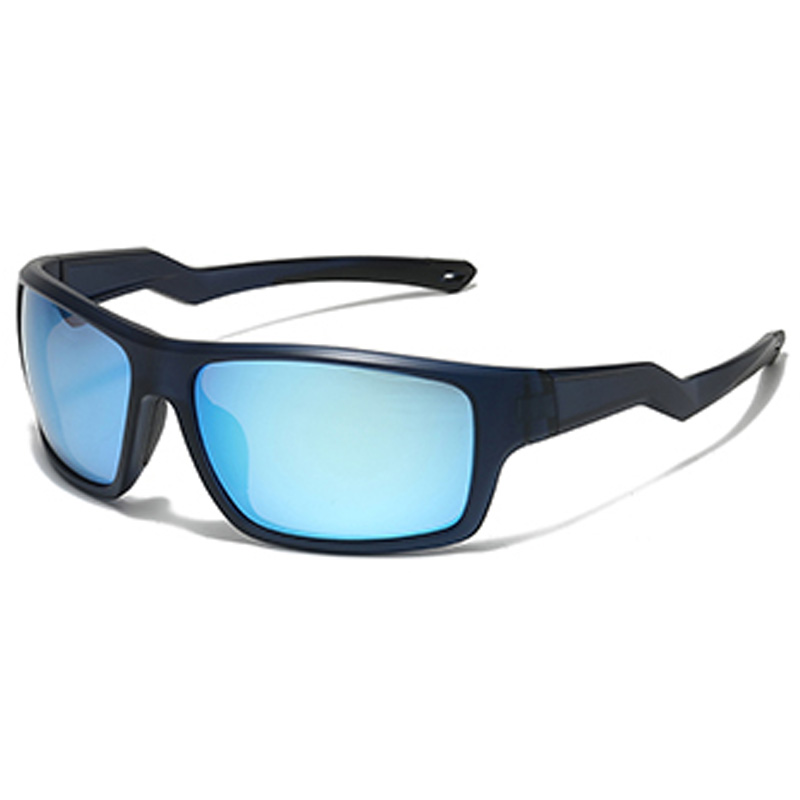
Polarized sports Sunglasses are performance eyewear whose lenses carry a built-in polarizing filter, usually a thin laminated film sandwiched between protective layers. The filter is oriented vertically so that it absorbs light waves bouncing off flat horizontal surfaces. Reflected glare arrives strongly horizontally polarized; the vertical filter blocks most of it before it reaches your eye.
The result is not just a darker view. A regular tinted lens reduces all light evenly, so glare and useful detail fade together. A polarized lens removes the glare component selectively, which means water surfaces become translucent instead of mirrored, asphalt loses its shimmering haze, and snow fields show texture instead of a white blaze. For sport, that difference converts directly into faster reaction time and less fatigue.
Sports frames built around these lenses share a second job: staying in place. Wraparound geometry, rubberized nose pads and grippy temple tips keep the optics stable while the head moves. The best polarized sports sunglasses therefore combine two engineering goals that sometimes pull against each other — maximum glare control and maximum stability in motion.
Sunlight travels in waves that vibrate in every direction. When those waves strike a smooth horizontal surface — a lake, a wet road, a car hood, a ski slope — the reflected portion is strongest in the horizontal plane. That horizontally vibrating light is what we perceive as glare: a blinding sheet of reflection that washes out contrast.
A polarizing film acts like a microscopic venetian blind. Its molecules are aligned in one direction, so it transmits vertical vibrations and absorbs horizontal ones. Because glare is predominantly horizontal, the film removes a large share of it while passing most of the remaining scene. Typical quality polarized lenses cut reflected glare dramatically, which is why water that looked like solid silver suddenly reveals ripples, depth and fish structure.
The three technologies are not competitors; they are often combined. A high-quality polarized sports lens may be a polycarbonate or TAC base, a polarizing film, several tint layers and a mirror or hydrophobic top coat stacked into one lens.
The single most common buying mistake is assuming that polarization guarantees ultraviolet protection. It does not. Polarization manages visible reflected light; UV protection is a separate property that depends on lens material and added coatings. A cheap polarized lens with no UV treatment can feel comfortable while still passing harmful UVA and UVB through to your eyes.
Always confirm that the product explicitly states UV400 — blocking light at wavelengths up to 400 nanometers, which covers effectively all UVA and UVB. Reputable manufacturers test this per production batch and mark it on the lens or packaging. When comparing options, treat UV400 as a non-negotiable baseline and polarization as the comfort-and-contrast upgrade on top.
| Feature | What it does | Protects against | Check before buying |
|---|---|---|---|
| UV400 | Blocks UVA/UVB up to 400 nm | Long-term eye damage: cataract, pterygium risk | Written UV400 statement, not just dark tint |
| Polarization | Absorbs horizontally reflected glare | Glare discomfort, loss of contrast | LCD screen rotation test or polarized test card |
| Mirror coating | Reflects extra light off the front surface | Very bright conditions | Scratch resistance of the coating |
| Photochromic | Darkens with UV, clears indoors | Changing light conditions | Response speed at temperature |
Glare flattens a scene: potholes, roots, wave chop and road markings sink into a bright haze. By stripping the reflection layer, polarized lenses restore edge contrast, so riders spot surface changes earlier and anglers read structure beneath the surface. In ball sports on outdoor courts, players track the ball against the sky or bright backdrop more reliably.
Squinting against glare for hours fatigues the muscles around the eyes and, indirectly, the whole body. Athletes who switch from ordinary tints to polarization commonly report being less drained after long rides or days on the water, and headaches triggered by bright reflected light become less frequent.
Because glare is removed rather than the whole scene dimmed further, colors stay closer to their natural appearance. A gray polarized lens, for example, preserves hue balance remarkably well, which matters for judging terrain, surfaces and signal colors.
Water, snow, wet asphalt and glass-fronted buildings generate the strongest horizontal glare. Anyone who spends time near these surfaces — rowers, sailors, skiers, cyclists on wet roads, drivers at low sun angles — gains the most noticeable comfort improvement.
Cyclists need a wide field of view, aerodynamic coverage and lenses that handle rapidly changing light between sun and shade. A half-frame or shield-style wraparound with a gray or brown polarized lens works well on open roads; vented lens channels help prevent fogging at low speed climbs. If you ride in dense tree cover or dusk conditions, consider a lighter tint or photochromic lens, because deep polarized tints can make shadowed trail details harder to read.
Runners prioritize weight and bounce resistance. Lightweight TR90 frames with soft nose pads grip sweat-covered skin without pressure points. Medium-density polarized lenses (gray or rose) suit road running in morning light; look for hydrophobic coating if you sweat heavily, so droplets do not sit on the lens.
Fishing is the classic polarization showcase. With a gray, green-mirror or copper polarized lens, surface reflection drops away and you can track structure, weed lines and fish movement under water. Amber and copper tints add contrast in overcast conditions; gray keeps color most natural on bright offshore days.
Open-water glare is the most intense most people ever encounter. Full wraparound coverage matters as much as the filter, because glare enters from the side as the sun moves. A strap or retainer keeps the frame secure through spray and wash-down, and floating retainers are worth considering for sailing and kayaking.
Polarized lenses cut dashboard reflections and the glare sheet on hot asphalt, which reduces squinting during long drives. One caution: strong polarization can darken some LCD instrument panels and heads-up displays at certain angles. Test your screens before committing to a very dense polarized tint for driving.
Snow reflects up to most of the UV and visible light that hits it, so glare control is critical. However, in flat, uniformly lit snowfields, very strong polarization can hide the subtle shading differences skiers use to read the slope. Many winter athletes choose polarized lenses with a rose or amber base for variable light, or switch to non-polarized mirrored lenses in flat-light racing situations.
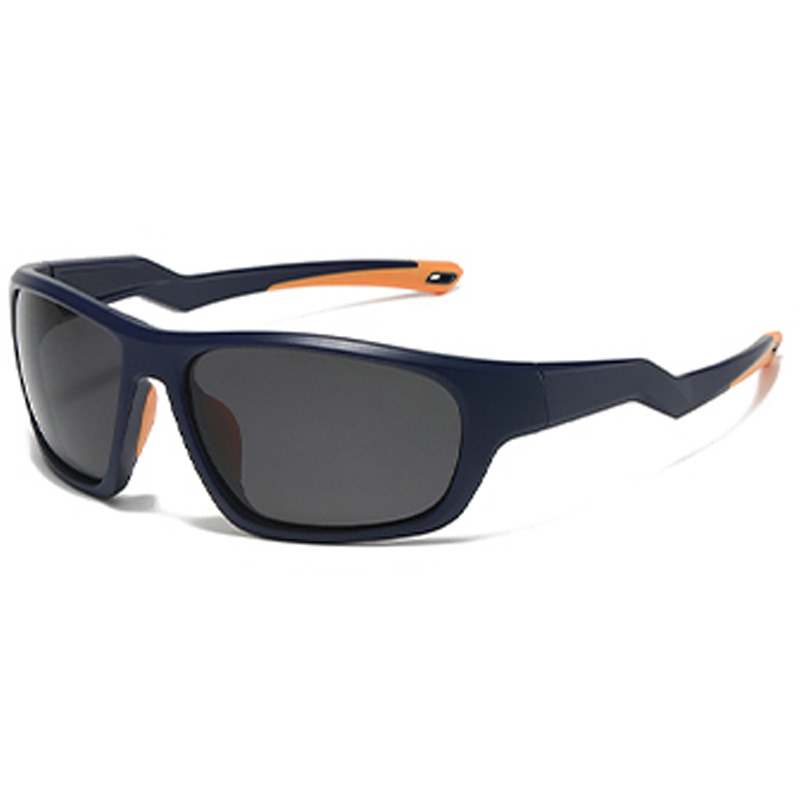
Lens color changes which parts of the visible spectrum are absorbed, shaping contrast and depth perception. The polarizing film handles glare; the tint tunes the rest of the image. There is no universally best color — match it to your dominant light conditions.
| Lens color | Best light conditions | Strengths | Watch out for |
|---|---|---|---|
| Gray | Bright sun, open water, driving | Most natural color rendering, even darkening | Lower contrast in flat light |
| Brown / amber / copper | Variable sun, overcast, fishing, field sports | Boosts contrast and depth perception | Slight warm color shift |
| Rose / pink | Low sun, urban runs, morning rides | Good contrast, comfortable for long wear | Less neutral color |
| Yellow / orange | Dawn, dusk, fog, dense shade | Maximum contrast in dim light | Too bright for full sun |
| Green | Sun with some cloud, golf, general use | Balances contrast and color | Less specialized either way |
| Mirrored (silver/blue/green) | Extreme glare: snow, water, high altitude | Extra reflection of bright light | Coating scratches show visibly |
| Photochromic | Long days crossing sun and shade | One pair adapts across conditions | Slower response in cold weather |
For a first pair that must cover many sports, gray or copper polarized lenses are the safest starting point. Dedicated anglers and skiers usually end up with a two-lens system: a bright-light lens and a low-light lens, interchangable in the same frame.
Sports frames live a hard life: sweat, UV, heat inside a car, being sat on in a gear bag. Material choice determines weight, flexibility, durability and long-term fit stability.
| Material | Weight | Flexibility | Typical use |
|---|---|---|---|
| TR90 (nylon-based) | Very light | High; bends and returns | Running, cycling, all-round sports |
| Standard nylon / polyamide | Light | Good | Sport and casual sport hybrids |
| Polycarbonate | Light | Moderate; can be brittle long-term | Budget sport frames, visors |
| Acetate | Heavier | Low | Fashion-led sunglasses, light activity |
| Metal alloys | Medium | Adjustable but can bend out of shape | Driving and lifestyle frames |
TR90 has become the default for serious sports eyewear for good reasons: it is roughly half the weight of acetate, resists sweat and UV yellowing, and flexes under impact instead of snapping. Combined with rubber temple inserts, it keeps a secure grip even on bumpy descents. If you are buying one pair to serve running, cycling and driving, a TR90 polarized frame is the most versatile choice.
A perfect lens in a badly fitting frame is a bad sports product. Coverage and stability decide whether the optics can do their job in motion.
Fit check that takes one minute: put the glasses on, look down at the floor, then look side to side quickly. If they shift at all, they will shift more when you sweat. Then smile hard — genuine pressure points reveal themselves immediately.
A hard anti-scratch coat extends lens life substantially, since sports lenses live in pockets and cases with keys and zippers. Hydrophobic and oleophobic top coats shed water and sweat smears, which matters more than most buyers expect in humid conditions. An anti-reflective back-surface coat removes the ghost reflections of light bouncing off the back of the lens into your eye — noticeable when the sun is behind you.
Understanding the production process gives buyers a practical quality radar. Polarized lenses are laminated constructions: the polarizing film is bonded between tint and protective layers under controlled temperature and pressure. If lamination is rushed, moisture or micro-bubbles sneak in, and months of heat and UV cause delamination — bubbling or peeling you can see at the lens edge.
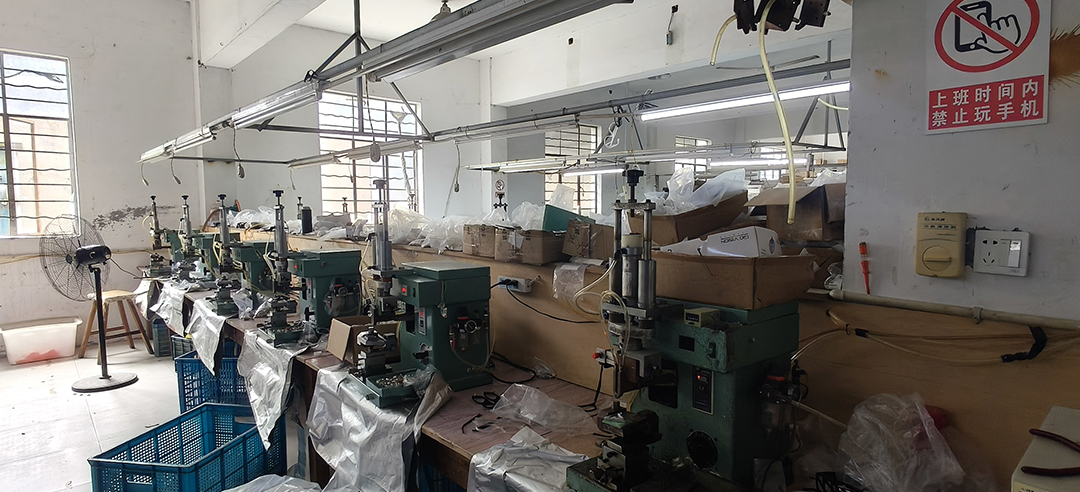
Frame production then runs through injection molding or machining of TR90 granules, followed by tumbling and hand finishing. Hinges are riveted and assembled at dedicated stations; a well-riveted hinge opens smoothly with no lateral play and survives thousands of cycles. This is where factory discipline shows up in the product: consistent riveting pressure, clean mold parting lines, and even coating on metal parts.
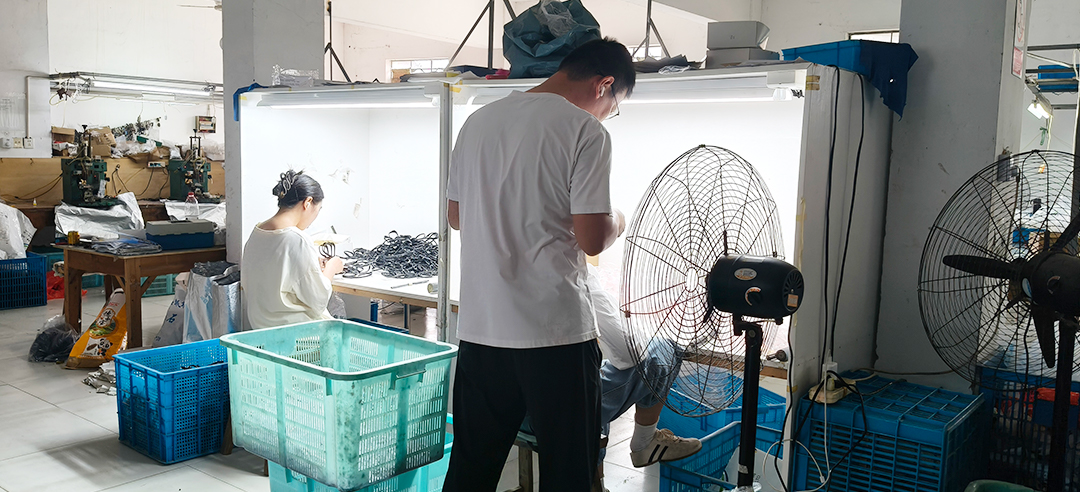
Coating and cleaning stages for performance lenses are typically done in controlled, dust-managed environments, because a single trapped particle becomes a visible defect under a mirror coating. Finished pairs should pass a structured inspection: lens optical check, polarization verification with a test card, hinge cycle test, salt-spray or sweat-resistance sampling on metal parts, and a final cosmetic check under strong light.

When you evaluate a supplier or a brand, it is fair to ask which of these steps are done in-house and what the batch inspection records look like. Manufacturers who control lamination and inspection in-house can usually guarantee UV400 and polarization consistency across a whole batch, not just the sample pair sent to the buyer.
Polarized sports sunglasses are available with prescription lenses in three main routes: direct prescription polarized lenses cut to the frame, prescription inserts that clip behind the tinted lens, and contact lenses worn under non-prescription polarized glasses. Curved wraparound frames complicate prescription work, because strong base curves can distort peripheral prescription lenses; reputable optical labs will tell you the maximum prescription that works in a given wrap design. If you need strong correction, ask for the frame’s recommended prescription range before falling in love with its look.
With basic care, a hard-coated polarized polycarbonate or TAC lens keeps its performance for several seasons of regular use.
Yes for road riding in sun, especially near water, wet roads and glass buildings, where polarized lenses remove the glare sheet and reveal road texture earlier. In deep forest or fast changing light, some riders prefer lighter tints or photochromic lenses; polarization is strongest as a comfort feature in consistently bright conditions.
No. Polarization only filters visible reflected light; it does not add any harmful exposure. The real risk is the opposite — non-UV400 dark lenses that make pupils dilate while passing ultraviolet. Buy Polarized Sunglasses that also state UV400 and long wear is entirely safe.
LCD screens emit polarized light. When its orientation crosses the lens filter, the screen darkens or blacks out at certain angles. This is normal physics, not a defect, and it is in fact the quickest way to verify a lens is genuinely polarized.
Gray gives the most natural color rendering and suits bright open water; amber and copper raise contrast and shine on overcast days, shallow flats and stream fishing where you need to see structure against a mixed background. Many anglers carry both.
They cut glare from low sun and reflective wet patches effectively. One caution: ice patches you need to see may blend into the road when surface reflection is removed, and some dashboard displays dim. Test your specific vehicle before choosing dense polarized tints for winter.
Rotate the lens 90 degrees against a phone screen: real polarization makes the display darken dramatically. If nothing changes at any angle, the lens is just tinted plastic.
For active use, yes in practice. TR90 is lighter, more flexible and far more resistant to sweat and UV aging than standard injection plastic, and it bends back instead of snapping under moderate impact. That is why most serious sports frames are TR90 or similar nylon-family materials.
Yes. Prescription polarized lenses, clip-in inserts and contact-lens-plus-non-prescription combinations all work. Strong prescriptions in highly curved wrap frames can suffer edge distortion, so confirm the frame’s recommended prescription range first.
Polarized sports sunglasses earn their place by removing the one thing ordinary dark lenses cannot touch: reflected glare. Pair a genuinely polarized, UV400-rated lens with the right tint for your light conditions, a TR90 frame that grips when you sweat, and coverage that blocks side glare, and you get sharper contrast, steadier vision and less fatigue in almost every bright outdoor sport. Verify polarization with the screen test, prioritize lens base quality and coatings over logo-driven price premiums, and treat fit as seriously as optics — that combination is what turns a pair of sunglasses into real sports equipment.
This website uses cookies to ensure you get the best experience on our website.



 Phone
Comment
(0)