

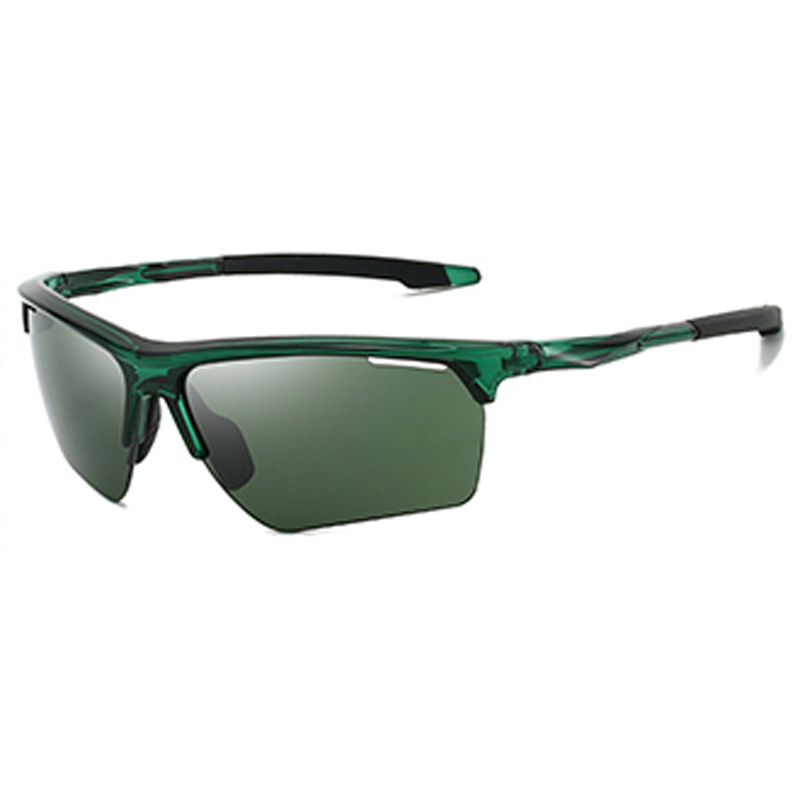
Choosing the right sunglasses for water sports is more than a style decision. On the water, sunlight reflects off the surface, glare becomes stronger, and changing conditions can make visibility harder than on land. Whether you enjoy kayaking, sailing, paddleboarding, fishing, rowing, surfing, jet skiing, or beach training, the best water Sports sunglasses should improve vision, protect your eyes, stay secure during movement, and perform well in wet, bright, and windy environments.
This guide explains how to choose sunglasses for water sports using practical, industry-wide information only. It covers lens types, UV protection, frame materials, fit, coating options, prescription considerations, and useful product specifications. It is designed to be SEO-friendly, easy to insert into an HTML page, and suitable for blog posts, category pages, or industry content hubs.
Water sports sunglasses are eyewear designed to reduce glare, block harmful UV rays, and stay stable during active use near or on water. Unlike ordinary Fashion Sunglasses, they are built with performance features such as polarized lenses, hydrophobic coatings, impact-resistant materials, wraparound frames, and non-slip components.
The main purpose of sunglasses for water sports is to improve visual comfort and safety in bright, reflective conditions. Water can act like a mirror, bouncing sunlight into the eyes from multiple directions. This creates eye strain, reduces contrast, and can make it harder to spot waves, buoys, shorelines, rocks, fish, or other people. The right sunglasses help solve these problems.
When you spend time on or near water, your eyes are exposed to intense light conditions. Standard sunglasses may help somewhat, but they often lack the protection and stability needed for performance activities. Choosing the correct water sports sunglasses offers several benefits:
In short, the best sunglasses for water sports are not only about appearance. They are functional gear that supports safety, performance, and endurance.
Before buying sunglasses for water sports, it helps to understand the most important performance features. Below are the core elements that matter for most water-based activities.
Full UV protection is essential. Look for lenses that block 100% of UVA and UVB rays or are labeled UV400. This helps reduce long-term eye damage caused by sun exposure. UV protection is important whether you are on open water, near a lake, on a river, or at the beach.
Polarized Sunglasses are often preferred for water sports because they reduce reflected glare from flat surfaces such as water, wet decks, and sand. This can make vision clearer and more comfortable. For many users, polarization is one of the most valuable features in water sports sunglasses.
However, polarization is not always ideal in every situation. In some cases, such as when reading certain digital screens or needing to see glare patterns on ice or waves, polarization may reduce visibility of specific reflections. For most recreational water activities, though, polarized lenses are an excellent choice.
A wraparound frame helps block sunlight from the sides and keeps the lenses aligned with your field of view. This design is especially useful when the sun is low, the wind is strong, or the water is choppy. Wraparound sunglasses for water sports also tend to stay more secure during movement.
Performance eyewear should feel light enough for long wear but strong enough to handle active use. Common frame materials include:
Lenses are often made from polycarbonate, nylon, or advanced composite materials that offer clarity and impact resistance.
On the water, lenses get wet. Hydrophobic coatings help repel water, allowing droplets to slide off more easily. Oleophobic coatings help resist fingerprints, skin oils, and smudges. These coatings make water sports sunglasses easier to clean and keep clearer during use.
Anti-reflective coatings reduce light bouncing off the back of the lens and into the eye. This can improve comfort and reduce visual distractions, especially in very bright environments. It is a helpful feature for premium sunglasses for water sports.
Water activities involve movement, sweat, splashes, and changing head positions. Nose pads, temple grips, and rubberized contact points help keep sunglasses in place. A secure fit is especially important for kayaking, sailing, windsurfing, paddleboarding, and fishing.
Some frames include vents or airflow channels to reduce fogging. Good ventilation is useful when temperatures change quickly or when you move between water and land. Fog resistance is a valuable benefit in performance eyewear.
Lens color affects how sunglasses perform in different lighting conditions. When choosing sunglasses for water sports, the lens tint should match the environment and the intended activity.
| Lens Color | Best For | Main Benefits | Typical Use Cases |
|---|---|---|---|
| Gray | Bright sunny conditions | Reduces brightness evenly without altering colors much | Sailing, boating, beach sports, general water use |
| Brown / Amber | Mixed light and variable conditions | Enhances contrast and depth perception | Fishing, kayaking, paddleboarding, overcast-to-sunny days |
| Green | Bright conditions with balanced contrast | Good color balance and comfort | General water sports and outdoor recreation |
| Blue / Mirror Blue | Very bright environments | Reduces glare and offers strong light control | Open water, beaches, boating, tropical conditions |
| Yellow / Gold | Low light or cloudy days | Improves brightness perception and contrast | Early morning sessions, cloudy weather, shaded waterways |
| Rose / Copper | Changing light and variable backgrounds | Helps sharpen contrast and visual comfort | All-around water sport use, fishing, casual boating |
For most users, gray and brown lenses are the most common choices for water sports sunglasses. Gray is ideal when you want true color recognition, while brown or amber can improve contrast on the water.
One of the most common questions is whether polarized sunglasses are necessary. The answer depends on the activity and your visual needs.
| Feature | Polarized Sunglasses | Non-Polarized Sunglasses |
|---|---|---|
| Glare reduction | Excellent | Moderate |
| Water reflection control | Very strong | Limited |
| Color appearance | May slightly alter visual perception | More natural in some cases |
| Screen visibility | Can affect display readability | Usually better for screens |
| Best for | Fishing, boating, sailing, paddleboarding, beach use | Users who need screen clarity or prefer a non-filtered view |
For most sunglasses for water sports, polarization is highly recommended because of the strong reflected glare from water surfaces. If you frequently read instruments, phone screens, or navigation displays, consider how polarization may affect those devices before deciding.
The frame style should support the activity, climate, and level of motion. In water sports, a poor-fitting frame can slip, fog, or obstruct your view. Look for these frame characteristics:
For high-motion sports, such as surfing or jet skiing, a more secure wraparound style is often better than a narrow or loose fashion frame. For fishing or sailing, a balanced performance style with good coverage is usually ideal.
Lens material influences clarity, weight, and impact resistance. Here is a practical overview of common lens materials used in water sports sunglasses.
| Lens Material | Advantages | Limitations | Best Use |
|---|---|---|---|
| Polycarbonate | Lightweight, impact-resistant, affordable | Can scratch more easily without hard coating | Most sports sunglasses |
| Trivex | Excellent optical clarity, light, impact-resistant | Often higher cost | Premium performance eyewear |
| Glass | Very clear optics, scratch-resistant | Heavier and can break more easily | Users prioritizing optical clarity in less aggressive activities |
| Nylon | Flexible, durable, lightweight | Quality varies by manufacturer | Outdoor performance use |
For active water sports, polycarbonate and Trivex are the most common recommendations because they combine light weight with impact resistance. If you need all-day comfort and reliable protection, these materials are excellent starting points.
Different activities place different demands on eyewear. The best sunglasses for water sports should match the motion level, visibility needs, and environmental exposure.
Choose sunglasses with strong glare reduction, a secure wraparound fit, and lenses that handle splashes well. Brown or amber lenses can help improve contrast on rivers and lakes. Lightweight frames are especially useful for long paddling sessions.
Look for polarized lenses, high UV protection, and side coverage. On open water, glare is intense and continuous, so a stable frame and good lens coverage are important. Mirror coatings can also help in very bright conditions.
Paddleboarding often involves direct sunlight and reflection from the water surface. Choose sunglasses that stay in place during turning, bending, or falling. Hydrophobic coatings and rubberized nose pads are very useful.
Fishing sunglasses should reduce glare while helping you see below the surface. Polarized lenses are especially valuable here because they help cut reflection on the water. Brown, copper, or amber lenses are common choices for contrast enhancement.
Surfing requires a more secure solution because of strong movement and impact risk. If sunglasses are used at all, they should be exceptionally stable, lightweight, and durable. Many surfers prioritize eye protection only in certain conditions, while others prefer specialized eyewear or straps.
High-speed water activities require sunglasses with excellent retention, impact resistance, and wind protection. A snug wraparound frame and shatter-resistant lenses are critical. Anti-slip features help keep the eyewear in place when speed and spray increase.
If your use is more casual, you may still want strong UV protection, polarized lenses, and a comfortable fit. For swimming near shore, beach walking, and light boating, a versatile pair of water sports sunglasses can provide all-day comfort and style.
When reviewing sunglasses for water sports, compare the following specifications carefully. These details often matter more than style alone.
| Specification | Recommended Range or Feature | Why It Matters |
|---|---|---|
| UV Protection | 100% UVA/UVB or UV400 | Protects eyes from harmful sun exposure |
| Lens Type | Polarized or activity-specific tint | Reduces glare and improves vision |
| Frame Material | TR90, nylon, or flexible sports-grade material | Supports comfort, durability, and fit |
| Lens Material | Polycarbonate or Trivex | Offers impact resistance and light weight |
| Fit | Wraparound / secure / non-slip | Prevents movement during active use |
| Coatings | Hydrophobic, anti-scratch, anti-reflective | Improves performance and durability |
| Ventilation | Built-in airflow or anti-fog design | Reduces fogging in changing weather |
| Coverage | Medium to high side coverage | Blocks side glare, wind, and spray |
Investing in the right sunglasses for water sports offers long-term benefits for comfort, safety, and visual performance.
For frequent users, these benefits can make a noticeable difference in both performance and enjoyment. Good eyewear is often a small upgrade that creates a large improvement in experience.
Many buyers focus only on appearance or price. To get better results, avoid these common mistakes:
By focusing on function first, you can select water sports sunglasses that work better and last longer.
Proper care helps preserve performance. Because water sports sunglasses are often exposed to salt, sand, sun, and spray, maintenance is important.
Keep sunglasses in a case or soft pouch to reduce scratching and frame stress. If you use them regularly on the water, rinse them after each session to remove salt and debris. This helps preserve coatings and extends lens life.
For users who need vision correction, prescription sunglasses for water sports can be a practical solution. There are several possible approaches:
When choosing prescription water sports eyewear, prioritize fit, optical clarity, lens material, and secure retention. Prescription solutions should still include full UV protection and the same performance features as non-prescription models.
The best water sports sunglasses depend on the exact environment. The table below provides a simple selection guide.
| Condition | Recommended Lens Type | Suggested Features |
|---|---|---|
| Bright open water | Gray or mirror gray | Polarized, UV400, wraparound frame |
| Fishing | Brown, copper, or amber | Polarized, contrast-enhancing tint |
| Cloudy or mixed light | Yellow, rose, or amber | High contrast, anti-fog design |
| Tropical and high-glare conditions | Blue mirror or dark gray | Maximum glare control, secure fit |
| High-speed water sports | Gray or dark brown | Impact-resistant lens, non-slip frame |
To choose the best sunglasses for water sports, focus on protection, fit, and visual performance. The most important features are full UV protection, glare reduction, a secure wraparound frame, lightweight construction, and durable lens materials. Polarized lenses are often the best choice for water environments, while lens color should match your weather, brightness, and activity type.
When comparing options, remember that the right pair of water sports sunglasses should not just look good. They should help you see clearly, stay comfortable, and remain secure in wet, bright, and active conditions. A quality pair of eyewear can improve both safety and enjoyment across many water-based activities.
If you are creating a category page, blog article, or industry guide, this topic offers strong SEO potential because it naturally includes high-intent keywords such as sunglasses for water sports, polarized water sports sunglasses, UV Protection Sunglasses, sports sunglasses for boating, and water sport eyewear. By organizing the content with clear headings, structured comparisons, and practical specifications, the page becomes easier for both users and search engines to understand.
Use this checklist as a fast reference when comparing sunglasses for water sports. The right combination of lens, frame, coating, and fit can make a major difference in performance and eye comfort.
This website uses cookies to ensure you get the best experience on our website.



 Phone
Comment
(0)