

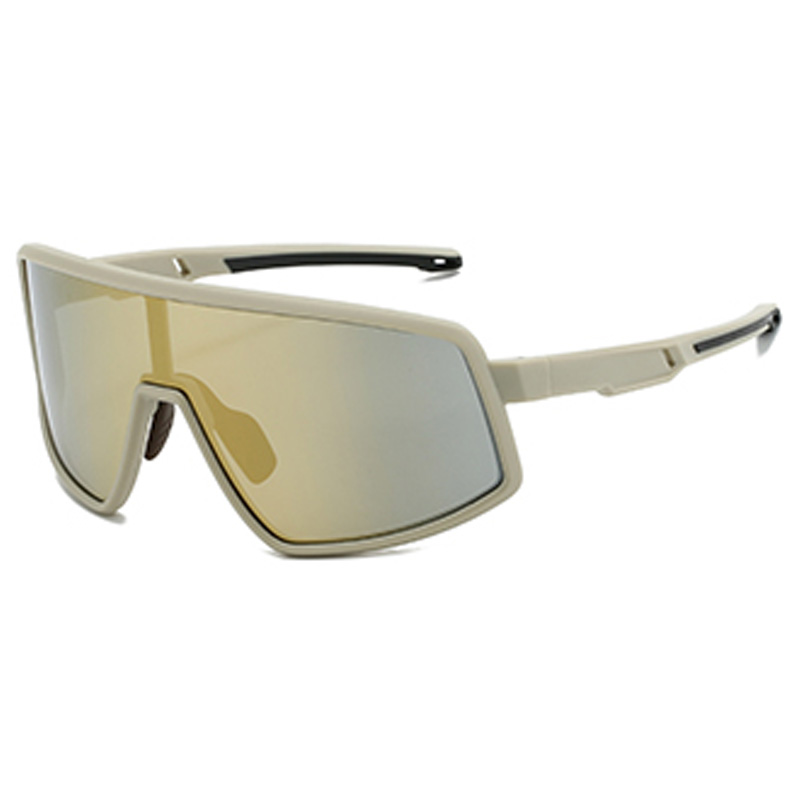
Choosing the right eyewear is about more than style. The best glasses should feel comfortable throughout the day, stay stable during movement, support your vision needs, and match your face shape and lifestyle. Whether you are selecting prescription glasses, reading glasses, blue-light glasses, or everyday fashion frames, comfort and fit are the most important factors that determine whether eyewear will truly work for you.
Poorly fitting eyewear can lead to pressure points, slipping, headaches, red marks, and constant adjustment. On the other hand, well-fitted eyewear improves wearing comfort, enhances visual performance, and makes it easier to wear glasses for long periods without distraction. This guide explains how to choose eyewear based on comfort and fit, including frame materials, key measurements, lens considerations, face shape compatibility, and practical fitting tips.
Comfort and fit are essential in eyewear selection because glasses interact directly with the face, ears, nose, and eyes. Unlike accessories that can be worn briefly, eyewear is often used for hours every day. If the frame is too tight, too loose, too heavy, or incorrectly balanced, the user may experience discomfort and reduced satisfaction.
A proper fit helps the frame remain stable, keeps lenses positioned correctly in front of the eyes, and reduces the need for constant adjustment. This is especially important for prescription eyewear, where lens alignment affects clarity, optical performance, and overall visual comfort. From an SEO and content perspective, “comfortable eyewear,” “well-fitting glasses,” and “eyewear fit guide” are high-value terms because they match common user intent.
Several technical and physical factors influence how comfortable eyewear feels. Understanding these factors helps shoppers choose frames that fit properly and match their daily routine.
Frame size is one of the most important considerations when choosing eyewear. Frames that are too small may pinch the sides of the head and sit too close to the face. Frames that are too large may slide down the nose, feel unstable, and create a poor visual position. The ideal frame size should match the width of the wearer’s face and provide even support without compression.
The bridge is the part of the frame that rests on the nose. A proper bridge fit distributes weight evenly and prevents sliding. If the bridge is too wide, the eyewear may move downward. If it is too narrow, it may press into the nose and cause discomfort. Bridge design is especially important for people with low nose bridges or sensitive skin.
Temples are the arms of the glasses that extend over the ears. The correct temple length ensures the frame rests securely without digging into the sides of the head or extending too far behind the ears. The temples should curve gently around the ears and hold the frame in place with minimal pressure.
Lightweight eyewear is usually more comfortable for all-day wear. Heavy frames can create pressure on the nose and ears, especially if the lenses are thick or the frame material is dense. Frame weight is a key concern for prescription eyewear, where lens material and thickness can influence overall comfort.
Some eyewear materials are more flexible than others, which improves comfort and durability. Flexible frames adapt better to facial movement and reduce the risk of tight spots. Materials with a bit of elasticity can be especially useful for active users or people who remove and put on glasses frequently.
Nose pads help stabilize eyewear and improve weight distribution. Adjustable nose pads are useful for customizing the fit, especially when the bridge needs fine-tuning. Built-in nose bridges can also be comfortable when properly sized, but they offer less adjustability.
Before choosing eyewear, it is helpful to review several fit-related measurements and visual checks. These can be used in blogs, category pages, and product education pages to guide users through the selection process.
| Fit Factor | What It Means | Comfort Impact | Signs of a Good Fit |
|---|---|---|---|
| Frame Width | Total width of the eyewear across the front | Prevents tightness or slipping | Matches face width, sits level |
| Bridge Width | Distance between the lenses at the nose area | Controls nose pressure and stability | Frame stays centered without pinching |
| Lens Height | Vertical size of the lenses | Affects lens coverage and style | Provides enough visual area without overwhelming the face |
| Temple Length | Length of the arms behind the ears | Impacts grip and ear comfort | Temples rest comfortably with no pressure |
| Frame Weight | Overall heaviness of the frame and lenses | Influences long-wear comfort | Feels balanced and not tiring |
| Lens Position | Alignment of lenses relative to the eyes | Supports visual clarity | Optical center lines up with pupils |
The material used in eyewear frames affects weight, flexibility, durability, and overall wearing comfort. Different materials suit different users depending on lifestyle, sensitivity, and style preferences.
| Frame Material | Comfort Characteristics | Durability | Typical Use Cases |
|---|---|---|---|
| Acetate | Warm feel, strong structure, variety of colors | High | Fashion eyewear, daily glasses, bold styles |
| Metal | Lightweight look, slim profile, adjustable parts | High | Minimalist frames, office wear, classic styles |
| TR90 / Flexible Polymer | Light, flexible, comfortable for long wear | High | Active wear, travel, everyday comfort |
| Titanium | Very light, strong, corrosion-resistant | Very High | Premium comfort, sensitive wearers, long-term use |
| Stainless Steel | Slim, stable, relatively light | High | Professional eyewear, durable daily use |
| Mixed Materials | Combines flexibility, comfort, and style | Varies | Versatile eyewear collections |
Face shape is often discussed in eyewear selection because it affects both style and perceived fit. While comfort should always come first, matching frame shape to face shape can help achieve balance and improve visual harmony.
Angular or rectangular frames can create contrast and add definition. The goal is to avoid frames that are too small or overly circular if you want a more balanced look.
Rounded or oval eyewear can soften strong jawlines and sharpened facial angles. Comfortable bridge fit and balanced frame width are especially important.
Oval faces are versatile and can wear many frame shapes. Focus on comfort, proportion, and correct size rather than style alone.
Frames that are wider at the bottom or balanced in width can help create facial symmetry. Lightweight materials can also improve wearability.
Frames with more vertical depth can help add proportion. A secure bridge and proper temple fit support all-day comfort.
Although many shoppers focus on frame style, lenses also play a major role in comfort and performance. The right lens choice can reduce eye strain, improve vision, and help balance frame weight.
Lighter lens materials can reduce the overall weight of eyewear. This is especially important for stronger prescriptions, where lens thickness may otherwise create heaviness at the front of the frame.
Thinner lenses tend to feel more comfortable because they reduce front heaviness. High-index lens options are often used when prescription strength is higher and weight control matters.
Anti-reflective coatings, scratch resistance, and UV protection can improve usability and long-term satisfaction. These features do not directly affect fit, but they enhance the wearing experience and add value.
The type of prescription lens also affects comfort. Single-vision lenses are simpler for many users, while progressive lenses require correct positioning for best clarity. Proper frame fit is especially important for progressive eyewear because lens alignment must match the wearer’s eyes accurately.
Understanding common fit problems can help users recognize whether a frame is suitable or whether it needs adjustment.
| Problem | Possible Cause | Comfort Issue | General Solution |
|---|---|---|---|
| Glasses slide down the nose | Bridge too wide, frame too heavy, temples loose | Constant repositioning, poor stability | Adjust bridge, improve grip, reduce weight |
| Temples feel tight | Frame too narrow or temple angle incorrect | Head pressure, soreness near the ears | Widen frame or adjust temple fit |
| Nose marks appear quickly | Excess pressure on the bridge or pads | Skin irritation, visible marks | Redistribute weight, use proper nose support |
| Frame sits crooked | Uneven temples or poor balance | Uneven lens alignment, discomfort | Professional adjustment |
| Ears feel sore | Temple length too short or angle too steep | Pain behind ears | Adjust temple length and curve |
| Vision feels off | Wrong lens placement or frame size | Eye strain, reduced clarity | Check lens alignment and fit measurements |
If the goal is comfortable eyewear for long periods of wear, certain features are especially valuable. These features can be highlighted in SEO content because they directly address common user searches such as “most comfortable glasses,” “lightweight frames,” and “best glasses for all-day wear.”
Some users benefit from extra attention to comfort and fit because they wear eyewear for long hours or have specific fit challenges.
People who wear glasses during long computer sessions need lightweight frames and stable alignment to reduce pressure and improve focus.
Drivers often need frames that stay in position and do not obstruct peripheral vision. Comfort and balance are crucial for extended road use.
Students may wear eyewear for many hours in class and while reading. A comfortable, low-maintenance fit helps support concentration.
For movement-heavy lifestyles, eyewear should resist slipping and remain stable. Lightweight, flexible materials are often preferred.
People with sensitive skin should consider smooth materials, soft nose support, and reduced contact pressure to minimize irritation.
Eyewear measurements are usually printed on the inside of the temple arm. These numbers help users compare frames and make more informed choices.
| Measurement | Example Format | Meaning |
|---|---|---|
| Lens Width | 52 | Horizontal width of one lens |
| Bridge Width | 18 | Space between the two lenses at the nose |
| Temple Length | 140 | Length of the arms behind the ears |
These numbers are often written as a three-part sequence, such as 52-18-140. When selecting eyewear based on comfort and fit, comparing these measurements to a current well-fitting pair can be one of the easiest ways to find a better match.
| Category | Recommended Comfort Focus | Why It Matters |
|---|---|---|
| Everyday Glasses | Balanced weight, stable bridge, versatile style | Supports daily all-day wear |
| Reading Glasses | Lightweight frame, close fit, clear lens alignment | Reduces fatigue during near work |
| Blue-Light Glasses | Comfortable temples, moderate weight, screen-friendly fit | Improves comfort during digital use |
| Prescription Glasses | Precise measurements, proper lens center placement | Maintains vision clarity and comfort |
| Fashion Frames | Style plus stable sizing and bridge support | Ensures wearability beyond appearance |
| Active Eyewear | Flexible material, secure grip, lightweight structure | Prevents movement and discomfort during activity |
Properly fitted eyewear should feel secure but not tight. It should sit evenly on the face, not slide down easily, and not cause pressure on the nose, ears, or temples.
The most important factor is overall balance between frame size, bridge fit, and weight. When these elements work together, the eyewear is more likely to feel comfortable.
Lightweight frames are often more comfortable, especially for long wear. However, comfort also depends on shape, balance, and how well the frame fits the face.
Yes. Many frames can be adjusted by changing temple angle, nose pad position, or frame alignment. Small changes can make a major difference in comfort.
Fit should come first. A stylish frame that is uncomfortable will likely not be worn often. The best eyewear combines visual appeal with reliable comfort and proper sizing.
When choosing eyewear based on comfort and fit, the goal is to find a frame that supports your daily life without causing irritation or distraction. The right eyewear should match your face width, bridge shape, temple length, lens needs, and wearing habits. It should feel light enough for long-term use, stable enough to stay in place, and precise enough to support clear vision.
From a search and ranking perspective, this topic performs well because it satisfies practical buyer intent and includes essential keyword themes such as comfortable eyewear, eyewear fit guide, glasses size, frame measurements, and best eyewear for comfort. For blog pages, directory pages, or industry pages, this type of content helps educate users while strengthening topical relevance for search engines.
This website uses cookies to ensure you get the best experience on our website.



 Phone
Comment
(0)