

Cat-Eye Optical Frames are the rare retro shape that never fully left fashion: an upswept outer corner that lifts the eye line, sharpens the face and adds intent to an otherwise ordinary pair of glasses. Worn well, the shape reads as effortlessly stylish; worn wrong, it overwhelms the face or emphasizes exactly what the wearer hoped to soften. This guide covers why the shape works, which face shapes it flatters and how to adapt it for those it does not, how wing angle and frame size change the effect, and the construction details that make a cat-eye frame comfortable for genuine all-day wear.
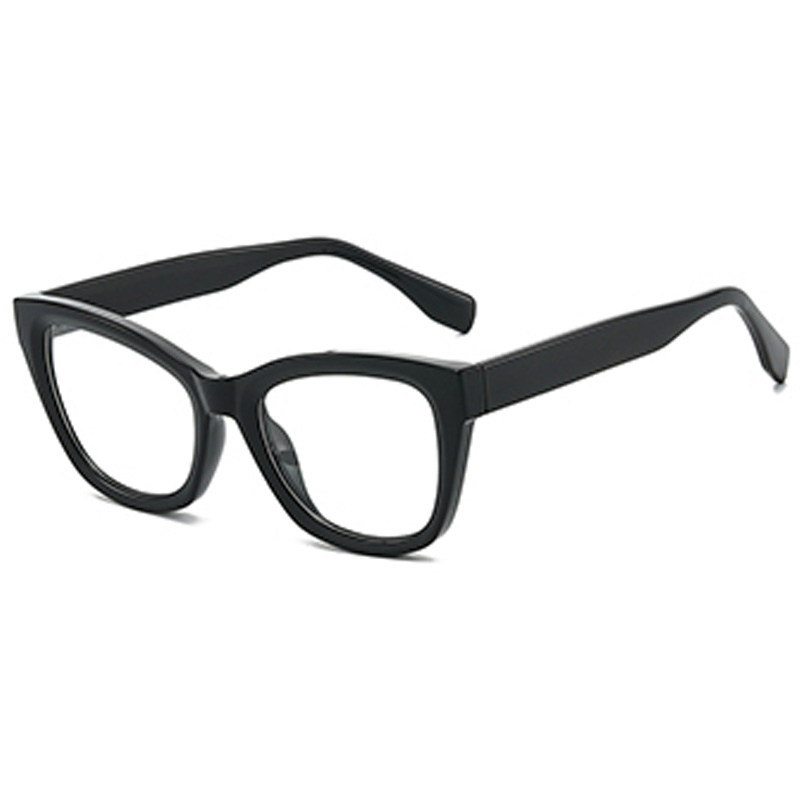
The cat-eye's power comes from direction. The upswept outer corner draws the eye upward and outward, and the brain reads that diagonal as lift: cheekbones seem higher, the jawline seems tighter, and the whole upper face gains a subtle arch. It is geometry doing cosmetic work, which is why the shape has survived from 1950s cinema through every revival since. No other common frame shape pushes the eye line upward as decisively, and that single property explains both its devotion and its polarization of opinion.
The shape also carries personality. Where round frames read as soft and intellectual and rectangles as businesslike, the cat-eye signals confidence and a certain wit. That signaling is part of the purchase decision: wearers choose the cat-eye not only for how it fits but for what it says. The practical task is matching the shape's energy to the face and the setting, because the same wing that flatters a client meeting can overpower a conservative environment, and the right scale keeps the statement stylish rather than costume.
The classic pairing is the cat-eye with round and square faces, for opposite reasons. On a round face, the upswept corner adds the diagonal angles the face lacks, breaking the circle with structure and lift. On a square face with a strong jaw, the wing pulls attention upward toward the eyes and away from the jawline, balancing the face's horizontal weight with vertical energy.
Oval faces, the universal fit, wear nearly every cat-eye well and can play with the boldest wings. Heart-shaped faces, wide forehead tapering to a narrow chin, need care: a heavy upswept wing emphasizes the width the face already has at the top, so smaller, softer cat-eyes with gentle lift work better than dramatic wings. Long or oblong faces benefit from taller cat-eye lenses, which visually shorten the face, while avoiding narrow, horizontally stretched versions that add length.
| Face shape | Cat-eye fit | Recommended style | Avoid |
|---|---|---|---|
| Round | Excellent | Defined wing, angular brow line | Soft rounded cat-eyes with no lift |
| Square | Good | Medium wing, curved lower rim | Sharply angular frames echoing the jaw |
| Oval | Excellent | Any, including bold retro wings | Nothing; free to experiment |
| Heart | With care | Small wing, light color or thin rim | Heavy dark frames with dramatic lift |
| Oblong | With care | Tall lens, moderate wing | Narrow stretched cat-eyes |
Cat-eye frames vary along two dimensions, and understanding them turns shopping from guesswork into adjustment. The first is wing angle: how sharply the outer corner rises. Subtle lift, a few degrees above the horizontal, reads as modern and wearable, appropriate for professional environments. Dramatic lift, the full retro sweep, reads as statement styling. Between them lies the everyday sweet spot most wearers actually live in: visible lift that registers as intentional without dominating the face.
The second dial is frame scale, the lens size relative to the face. Oversized cat-eyes amplify the shape's effects in both directions: more lift, more presence, more risk. Compact cat-eyes tone the statement down and suit smaller faces and conservative settings. The fitting rule that rarely fails: the wing's peak should align roughly with the outer end of the eyebrow, neither trailing below it nor soaring past it. That single alignment keeps the shape harmonious on nearly every face.
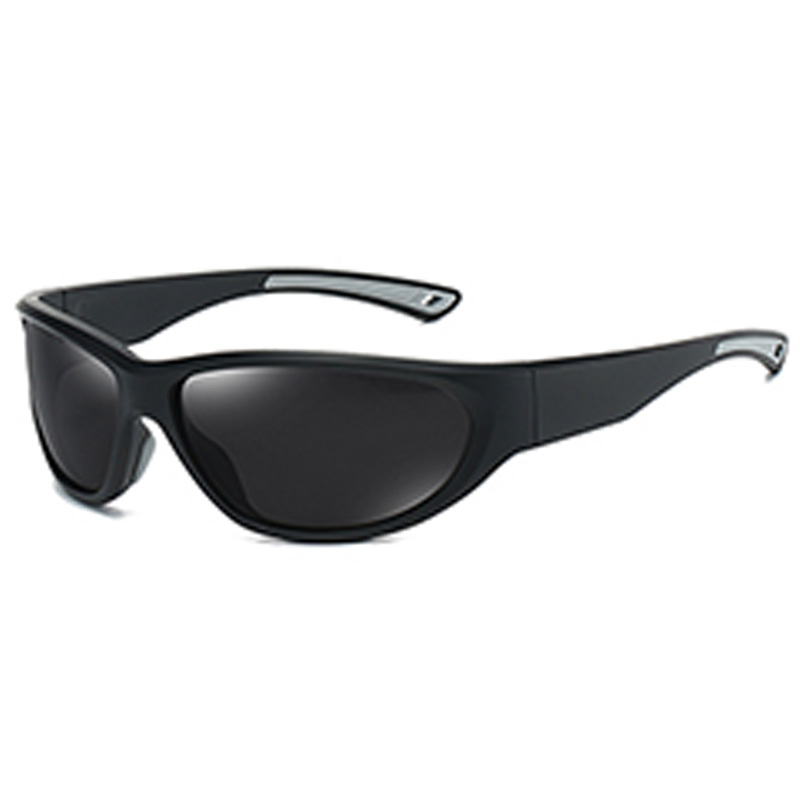
Traditional cat-eye frames were carved from acetate, which delivers rich color and a substantial feel, at the price of weight and rigidity: heavy on the bridge, unforgiving at the temples, and brittle in cold weather. The modern alternative, TR90 nylon-family construction, rebuilds the shape for daily wear: roughly half the weight, flexible temples that grip without pressure, strong resistance to sweat and UV aging, and durability under the bumps of handbag life. For a shape worn from morning commute to evening, the weight difference is the difference between wearing the glasses and enduring them.
TR90 also takes color well, delivering the translucent, two-tone and matte finishes that contemporary cat-eye styling uses, from soft crystal tones to deep tortoiseshell effects. The material's flexibility allows thinner temple sculptures, the wide, decorative temple arms that modern cat-eye designs use as a style element, without the weight those arms would carry in acetate. The honest trade-off: acetate still wins for high-gloss depth of color and a luxury heft. For genuine daily wear, TR90 wins on everything that happens after the first ten minutes.
The upswept shape creates fitting interactions that rectangles never present, so run these checks before committing. Look straight ahead in a mirror: the wing's peak should sit near the eyebrow's outer end, and the frame should not touch the cheek when you smile, a particular risk with downswept lower rims. Check the brow line: frames that cut across the eyebrows shorten the face; frames that sit below them let the brows contribute their own line. Confirm the temples clear a ponytail or bun if you wear one, since swept temple designs sometimes conflict with hair gathered at the same height.
Then test movement, because optical frames live in motion. Shake the head, smile, look down at a phone. TR90's grip-friendly temples and adjustable nose pads should keep the wing alignment stable through all of it; a frame that slides redirects the wing downward and loses the entire effect. That test, more than any photograph, decides whether the shape will look right at three in the afternoon.
Cat-eye lens shapes are asymmetric and curved, which interacts with prescription lenses in two ways. First, strong prescriptions add edge thickness that varies around the rim, and an upswept frame can expose the thick outer edge where the wing lifts; high-index lenses minimize this, and good labs bevel and polish the edge to follow the frame line. Second, the pupil must sit near each lens's optical center for comfortable vision; dramatically upswept frames sometimes push the lens shape away from the natural pupil line, so the fitting should confirm that your eyes center in the lenses at your normal head posture.
Blue-light filtered, photochromic and progressive prescriptions all work in cat-eye frames, with progressive wearers advised to confirm adequate lens height for the corridor. None of these are obstacles, they are fitting details that a competent optician resolves, and the payoff for resolving them is a fashion shape that behaves like a serious optical instrument.
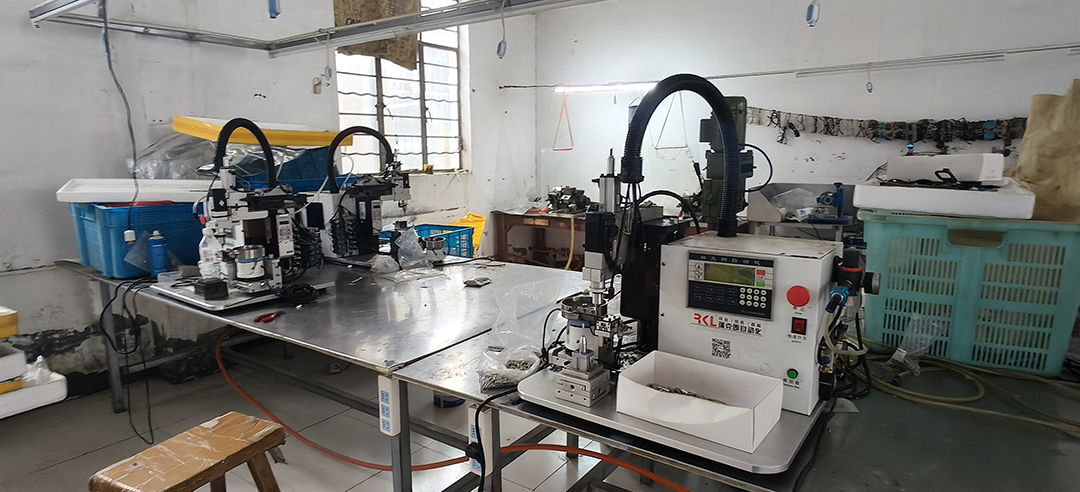
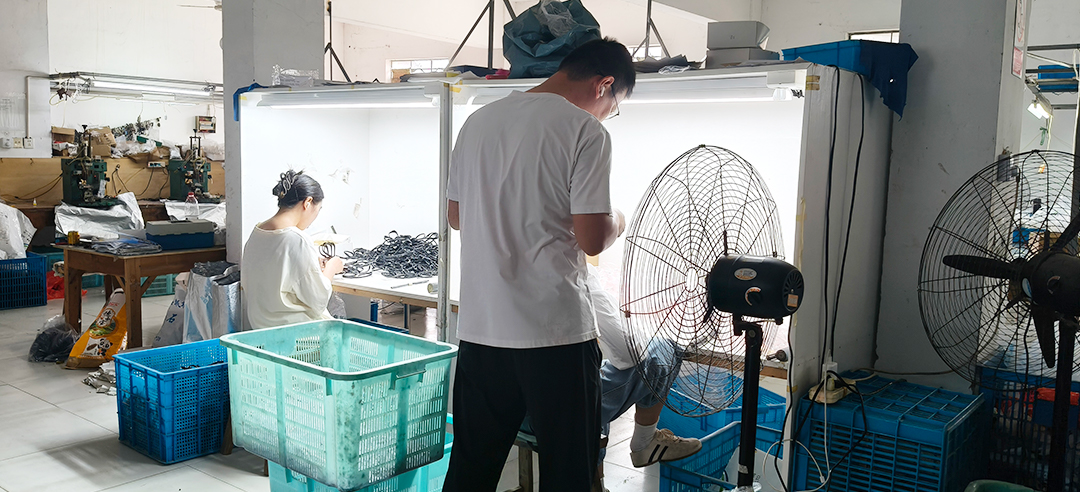
The shape's manufacture explains its quality differences. In TR90 production, the upswept front is injection molded with the temples molded separately, then tumbled and hand-finished to smooth the mold lines along the wing, the area where cheap frames show flash and uneven color. Decorative temple elements are fitted at assembly, hinges are riveted, and nose pads are set for the frame's intended bridge range. Quality control inspects the pair of wings for symmetry, because the cat-eye's charm dies instantly if the two wings lift unevenly.
Acetate production follows the older path of cutting and tumbling thick sheets, which produces the deep gloss but also the weight. Either way, the symmetry check is the cat-eye-specific quality gate: hold the frame upside down in front of a mirror, and the two wings should mirror each other exactly. Asymmetric lift is the most common visible defect in budget cat-eye frames and the easiest to check at the point of purchase.

The shape's styling flexibility is wider than its reputation suggests. For professional settings, a subtle lift in crystal, tortoise or matte tones reads as put-together rather than theatrical, and pairs cleanly with structured clothing. For creative environments, bolder wings and color plays register as intentional design, and the cat-eye becomes the outfit's anchor. For everyday casual wear, compact cat-eyes in translucent or pastel TR90 deliver the lift without costume, the version most first-time cat-eye wearers end up loving. The shape rewards commitment to the lift; half-hearted angles read as indecision, while a clear wing, at whatever scale, reads as choice.
Round and square faces gain the most, since the lift adds the angles or balance those faces lack, and oval faces wear every version well. Heart and oblong faces can absolutely wear the shape with adjusted scale and gentler lift.
The shape originated in mid-century womenswear, but contemporary menswear and unisex designs have adopted moderate lifts successfully. The wing angle and frame scale, not the shape itself, carry the gender coding.
Exceptionally well: the upswept corner counteracts the natural downward drift of the eye line with age, which is part of why the shape has never left fashion among wearers of every generation.
Choose TR90 with grippy nose pads and temple tips, confirm the bridge width matches, and clean the pads monthly. The wing alignment depends on stable fit, so sliding frames lose the shape's whole effect.
Yes, provided the lens height is adequate for the progressive corridor. Confirm the fitting height with your optician before ordering a dramatically upswept design, since some deep-wing shapes constrain the corridor.
Acetate versions carry real weight; TR90 versions weigh roughly half as much and hold their fit better through long days. For all-day optical wear, the lightweight construction matters more than the material's pedigree.
A translucent, tortoise or black frame in a moderate lift is the versatile first choice that works across settings. Bold colors and dramatic wings reward the committed second purchase more than the cautious first.
Hold the frame upside down in front of a mirror: the two wings should mirror each other exactly. Asymmetric lift is the most common visible defect in budget cat-eye frames.
The cat-eye flatters differently across decades, and the adjustments that keep it current are simple. In the twenties and thirties, the shape can carry bold wings, color plays and dramatic scale, because youthful features hold strong geometry effortlessly. In the forties and fifties, the lift becomes actively useful, counteracting the natural lowering of the eye line, and the winning versions are moderate wings in translucent or tortoise tones that register as stylish rather than retro costume.
In the sixties and beyond, the cat-eye earns a place among the most flattering shapes available: the upswept corner restores the lifted look that gravity works against, and compact-to-medium cat-eyes in lighter colors brighten the whole upper face. Two practical adjustments help at every stage: ensure the frame's lower rim clears the cheekbones when smiling, and keep the wing peak aligned with the brow's outer end, which preserves harmony as features soften. The shape's century of continuous fashion presence rests on exactly this adaptability.
The shape hosts every modern lens requirement with a little planning. Office workers pairing the frame with blue-light filtered clear lenses keep the lift while softening screen sessions. Outdoor users add photochromic lenses, which darken in sun and clear indoors, though the transition works best in moderate wrap shapes; the cat-eye's modest curvature suits this well. Progressive wearers should confirm lens height for the corridor, favoring medium and taller cat-eye designs over shallow, stretched versions. Sun-lovers can order a second identical frame with tinted polarized lenses, keeping the signature shape across all conditions.
Lifestyle matching extends to durability. Parents and frequent travelers do well with TR90 construction, which survives handbags, toddler hands and airport trays; the material's flexibility also suits users who habitually park glasses on their head, a habit that snaps rigid acetate temples with statistical certainty. Professionals in conservative fields choose the subtle-lift versions that read as design rather than statement. The shape scales its personality to the wearer's context better than any other frame family, which is the quiet reason behind its longevity.
The cat-eye's geometry concentrates stress in places rectangles never meet, and care habits follow the geometry. The wings are the frame's pride and its most exposed corners: they meet bag zippers, headrests and table edges first, so a rigid case is not optional for a shape whose symmetry is its soul. Cleaning should cover the wing tops, where face oils and dust accumulate visibly on upswept surfaces. Hinge screws deserve a periodic check, since the swept temples place slightly different leverage on the hinge than straight designs.
When adjusting, insist on professional fitting rather than DIY bending: the wing angle depends on temple tension, and an over-enthusiastic home adjustment tilts one wing down, destroying the symmetry that a mirror check confirms. A two-minute bench adjustment at an optical shop, temples contoured behind the ear, bridge set level, restores the exact lift the designer intended. The cat-eye rewards that attention more visibly than any other shape, because its effect is geometric and precision shows.
Entirely: subtle lift in crystal, tortoise or matte black reads as polished design in any office. The dramatic retro wing is a style choice, not the shape's default, and the moderate versions are boardroom-safe.
Yes, with compact scale: small cat-eyes in translucent or light colors deliver the lift without overwhelming narrow faces. Oversized dramatic wings are the versions small faces should approach carefully.
Both lift at the outer corner, but the butterfly flares at both top and bottom edges with a softer, fuller sweep, while the cat-eye is defined by its sharp, single upward wing. The cat-eye reads sharper and more angular; the butterfly rounder and more voluminous.
The sunglasses version carries the same geometry with tinted lenses and is the natural companion purchase. Many wearers order the optical frame and a matching sun version so the signature shape persists outdoors.
Moderate lift rather than extreme, a case rather than a hook, and temple tips contoured close behind the ear. Extreme wings that extend past the face's silhouette will always live a rougher life; that is the trade they buy.
Online frame shopping works for the cat-eye with one extra step most buyers skip: measuring a pair you already own. Measure its total width, lens width, bridge and temple length with a ruler, and compare those numbers against any candidate's specification sheet; width within two or three millimeters predicts fit reliably. Add the two cat-eye-specific checks to the seller's photos: the wings' peak height relative to the lens, and the symmetry of the two wings against each other, both visible in a straight-on product photograph.
Then use the return window as a fitting room, wearing the frame for two full days including a screen session and an outdoor walk. The shape's effect changes with fatigue: a wing that flatters at nine in the morning can overwhelm at seven in the evening, and only real wear reveals which. Photograph yourself in different light, since the upswept corner catches light differently than flat frames and photographs reveal the silhouette others actually see. The cat-eye rewards this diligence with years of confident wear, and the diligence itself is thirty minutes.
The upswept wing interacts with everything above the cheekbones, which is why stylists treat the frame as part of a whole. Hair gathered up or swept back amplifies the lift, letting the wing speak clearly; heavy side-swept bangs soften the wing and suit those who find the shape too sharp. Earrings follow a simple harmony rule: the wing and the earring occupy the same visual zone, so studs and short drops let the frame lead, while long pendant styles compete with the lift. Brows frame the effect directly, since the wing peak aligns with the brow's outer end; defined brows extend the lift, and the combination is the reason the shape photographs so well. None of this is obligation, it is the pleasant side effect of a shape that participates in the whole look rather than sitting on it.
The cat-eye optical frame is geometry doing cosmetic work: an upswept corner that lifts the eye line, sharpens the face and adds intent, provided the wing angle and scale match the face wearing them. Round and square faces gain the most, every face finds its version through the two dials of lift and size, and modern TR90 construction has removed the weight and fragility that once made the shape a special-occasion choice. Check the symmetry, mind the alignment with the brow, and the most charismatic shape in eyewear becomes a genuine daily companion.
This website uses cookies to ensure you get the best experience on our website.



 Phone
Comment
(0)