

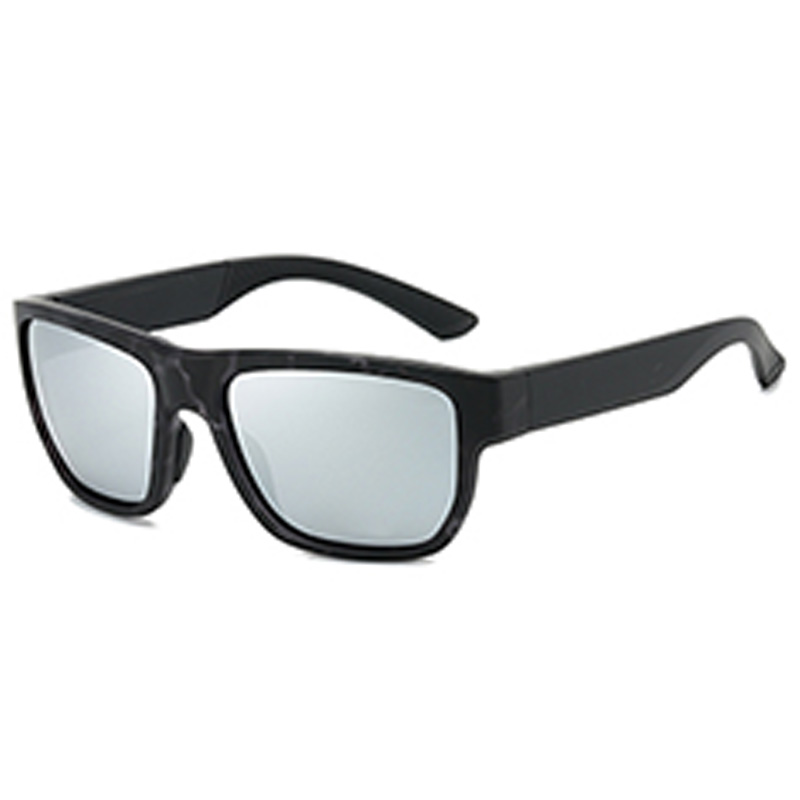
Sports Sunglasses are designed to help active people see clearly, protect their eyes, and perform better in bright outdoor conditions.
If you run, cycle, hike, golf, fish, ski, or play field sports, you may already know how distracting glare, wind, dust, and sunlight can be.
This is where sports sunglasses can make a real difference.
They are not just a style accessory. In many cases, they are a performance tool, a comfort upgrade, and an important layer of eye protection.
So, are sports sunglasses worth buying? For many people, the answer is yes.
The value depends on how often you are outdoors, what type of sport you do, the weather conditions you face, and the quality of the sunglasses you choose.
A well-designed pair can improve visibility, reduce eye strain, enhance contrast, and provide protection from UV rays, wind, and impact.
For frequent outdoor athletes and active lifestyle users, sports sunglasses can be a smart long-term purchase.
This guide explains what sports sunglasses are, why they matter, what features to look for, how to compare specifications, and when they are worth the investment.
It is written for SEO-friendly publishing and can be inserted directly into a blog post, category page, or industry landing page.
Sports sunglasses are performance-oriented eyewear made for outdoor activities and active use.
Unlike standard Fashion Sunglasses, sports sunglasses are built to stay secure during movement, resist slipping, and support clear vision in changing environments.
They often include lightweight frames, impact-resistant lenses, wraparound coverage, non-slip nose pads, and lens coatings that reduce glare or enhance contrast.
The main purpose of sports sunglasses is to protect the eyes and improve visual comfort during sports and outdoor recreation.
They are commonly used for cycling, running, baseball, tennis, golf, hiking, mountaineering, fishing, skiing, rowing, and many other activities.
In each case, the goal is the same: better vision, better comfort, and better eye safety.
While regular sunglasses may work for casual wear, sports sunglasses are usually better when you need stability, durability, and optical performance.
That difference is one reason why sports sunglasses continue to be a popular search topic and a strong product category in the eyewear market.
Yes, sports sunglasses are often worth buying if you spend time outdoors or take part in sports where sun exposure, glare, wind, or debris affect vision.
They are especially valuable if you need:
If you only wear sunglasses occasionally for short casual outings, a basic pair may be enough.
But if you are active, train regularly, or spend a lot of time in outdoor environments, sports sunglasses can be a meaningful upgrade.
In that sense, they are often worth the cost because they provide both functional and protective benefits.
Eye protection is one of the biggest reasons sports sunglasses are worth considering.
The eyes are sensitive to ultraviolet radiation, bright light, dust, and moving objects.
Outdoor sports frequently expose the eyes to all of these at once.
Sports sunglasses can help reduce the following problems:
In sports, vision is part of performance.
Clear sight lines can help with timing, distance judgment, route awareness, and object tracking.
That is why sports sunglasses are often considered useful equipment rather than a luxury accessory.
One of the most important benefits of sports sunglasses is protection from UV rays.
High-quality lenses are commonly designed to block UVA and UVB radiation.
This matters because repeated sun exposure can affect eye comfort and long-term eye health.
Even on cloudy days, UV rays can still be present, which makes consistent protection important for outdoor athletes.
Glare is one of the biggest visibility issues in sports.
Whether you are cycling on a road, skiing on snow, or fishing on water, reflected sunlight can make it hard to focus.
Sports sunglasses with polarized lenses or specialized coatings can reduce glare and make the environment look clearer and more controlled.
Some sports sunglasses are designed to improve contrast, helping you distinguish terrain changes, obstacles, or moving objects more easily.
This is especially useful in trail running, mountain sports, golf, and cycling.
Better contrast can support faster reaction times and improved confidence.
Standard sunglasses may slide down your nose, bounce during impact, or feel unstable when you sweat.
Sports sunglasses are usually made with grip-enhancing materials and ergonomic frame shapes to stay in place.
This is important because eyewear that moves around can become a distraction.
Many sports sunglasses use impact-resistant lens materials that help protect the eyes from small objects.
This does not make them indestructible, but it adds a valuable layer of safety during active use.
For sports involving speed, branches, balls, or flying particles, this benefit can be significant.
Long hours in bright sunlight can lead to eye fatigue.
Sports sunglasses reduce strain by controlling brightness and blocking wind.
This can make outdoor training, competition, and leisure activity more comfortable overall.
Sports sunglasses become especially valuable in certain conditions and use cases.
The more often your activity includes bright light, motion, weather exposure, and physical effort, the more likely they are worth the purchase.
| Activity / Condition | Why Sports Sunglasses Help | Worth Buying? |
|---|---|---|
| Road cycling | Reduces wind, glare, and road debris while improving stability | Very often yes |
| Trail running | Helps with dust, branches, sudden light changes, and secure fit | Yes |
| Fishing | Polarization can cut water glare and improve visibility into the water | Yes |
| Skiing and snow sports | Reduces snow glare and supports bright-environment vision | Yes |
| Golf | Improves contrast and comfort over long periods outdoors | Yes |
| Hiking | Protects against UV, wind, dust, and changing light conditions | Often yes |
| Casual city wear | Provides style and basic sun protection, but performance may not be necessary | Sometimes |
| Indoor use | Usually unnecessary unless used for specialized visual needs | No |
If your routine includes any of the first five categories, sports sunglasses are usually a practical investment.
If your use is limited to short, occasional exposure, the value may be lower.
One of the most common questions is how sports sunglasses differ from regular sunglasses.
The answer is that both can provide sun protection, but sports models usually deliver better performance in active conditions.
| Feature | Sports Sunglasses | Regular Sunglasses |
|---|---|---|
| Fit | Secure, stable, designed for motion | General comfort, not always movement-focused |
| Frame design | Lightweight, wraparound, often aerodynamic | Often fashion-driven or lifestyle-driven |
| Grip | Non-slip nose pads and temple grips are common | May not include performance grip features |
| Lens performance | Often optimized for contrast, glare control, and speed | Usually focused on basic tint and style |
| Durability | Built for active use and impact resistance | May be less durable in sports settings |
| Coverage | More wraparound protection is common | Coverage may be narrower |
| Best use case | Sports, training, outdoor adventure | Casual wear, fashion, daily commuting |
If performance, comfort, and protection matter more than style alone, sports sunglasses usually provide better value.
However, if your needs are casual and low-intensity, regular sunglasses may be sufficient.
When evaluating whether sports sunglasses are worth buying, the feature set matters a lot.
A well-chosen pair should match your activity, weather conditions, and personal comfort preferences.
Look for lenses that block 100% of UVA and UVB rays or offer UV400 Protection.
This is one of the most important specifications because lens darkness alone does not guarantee UV protection.
Polarized lenses reduce reflected glare from surfaces like water, asphalt, and snow.
They are especially useful for fishing, boating, skiing, driving, and cycling in bright conditions.
However, some athletes prefer non-polarized lenses for certain sports because polarization may affect the visibility of digital screens or some surface textures.
Lens color affects how much visible light reaches your eyes and how the environment appears.
Darker tints are often suitable for bright sunlight, while lighter tints can be better for mixed or low-light conditions.
The right tint depends on the sport and weather.
Wraparound frames help shield the eyes from side light, wind, and debris.
This is especially useful for high-speed sports and long outdoor sessions.
Rubber nose pads, temple grips, and textured materials help keep the sunglasses in place.
This feature is important when sweating or moving quickly.
Sports sunglasses should use lens materials that offer a degree of impact resistance.
This can help improve safety during sports where small objects, branches, or accidental contact may occur.
Some models include vents or airflow channels to reduce fogging.
Fog resistance is valuable in cool weather, high-humidity environments, or intense exercise.
Some sports sunglasses can be made with prescription lenses or are compatible with prescription inserts.
This is a useful option for users who need corrected vision during sports and outdoor activity.
Lens type affects comfort, safety, and performance.
Understanding the main options can help you decide whether sports sunglasses are worth the investment for your specific needs.
| Lens Type | Main Benefit | Best For |
|---|---|---|
| Polarized lenses | Reduces reflected glare | Water sports, skiing, driving, cycling |
| Photochromic lenses | Adjusts to changing light | Variable weather, all-day outdoor use |
| Mirrored lenses | Reflects strong light and reduces brightness | Very bright conditions, snow, beach, high sun exposure |
| Amber or brown lenses | Can enhance contrast | Trail sports, golf, mixed light environments |
| Gray lenses | Reduces brightness while keeping colors more natural | General outdoor sports and daily wear |
| Clear or lightly tinted lenses | Provides protection with minimal darkening | Low light, evening training, indoor/outdoor transition |
Different lens types solve different problems.
The best choice depends on whether your main concern is glare, contrast, adaptability, or brightness reduction.
The frame of sports sunglasses has a direct impact on comfort, weight, durability, and fit.
Good frame construction helps the sunglasses stay secure during movement and hold up under frequent use.
| Frame Material | Typical Benefit | Common Use |
|---|---|---|
| TR90 / nylon-based materials | Lightweight, flexible, and durable | General sports eyewear |
| Polycarbonate | Light and impact-resistant | Performance sunglasses and protective lenses |
| Thermoplastic elastomer | Provides grip and flexibility | Nose pads, temple tips, secure-fit designs |
| Metal alloys | Can offer a premium appearance and rigidity | Less common in high-motion sports use |
| Injection-molded plastics | Affordable and lightweight | Entry-level sports sunglasses |
For most active users, lightweight and flexible materials are preferable because they reduce pressure on the face and improve comfort.
Build quality also affects how well the sunglasses resist sweat, moisture, and repeated handling.
A simple way to judge value is to compare your usage pattern with the features offered.
Sports sunglasses are more likely to be worth the money if you answer yes to several of the questions below:
The more often these issues affect you, the more likely sports sunglasses are worth buying.
In contrast, if you only need basic sun protection for occasional casual use, the upgrade may be less important.
While sports sunglasses are often a smart purchase, they are not perfect for every user or budget.
Understanding the limitations can help you make a better decision.
These drawbacks do not mean sports sunglasses are a bad purchase.
They simply mean that value depends on selecting the right model for your activity.
Sports sunglasses are usually a good fit for people in the following groups:
They may be less necessary for people who mostly stay indoors, rarely exercise outdoors, or only need sunglasses for short casual use.
Choosing the right sports sunglasses is important if you want real value from the purchase.
The best pair should match your sport, lighting conditions, and face shape while supporting comfort and visibility.
The table below summarizes common sports sunglasses specifications and what they typically mean for buyers.
This can be useful for product comparison pages, category pages, and SEO content blocks.
| Specification | What It Means | Why It Matters |
|---|---|---|
| UV400 / 100% UV protection | Blocks UVA and UVB rays up to 400 nanometers | Essential for outdoor eye protection |
| Polarized lens | Reduces horizontal glare from reflective surfaces | Improves comfort and visual clarity in bright environments |
| Photochromic lens | Darkens or lightens in response to light | Useful for changing weather and all-day use |
| Wraparound fit | Curved frame provides broad facial coverage | Helps block wind, dust, and side glare |
| Anti-slip nose pads | Grip-enhancing contact points reduce sliding | Improves stability during sweat and motion |
| Impact-resistant lenses | Lenses resist breakage better than basic materials | Important for active and outdoor sports |
| Ventilated frame | Promotes airflow to reduce fogging | Useful in humid, cool, or high-exertion conditions |
| Lightweight frame | Reduces pressure and fatigue during wear | Improves long-term comfort |
Before buying sports sunglasses, shoppers often compare several practical factors.
These considerations can help determine whether the purchase is truly worthwhile.
Comfort is critical because sports sunglasses may be worn for hours at a time.
Pressure on the nose, tight temples, or poor balance can reduce usability.
Sports eyewear should be able to handle repeated movement, sweat, cleaning, and regular transport.
Durable materials can extend product life and improve total value.
A good sports sunglass should support clear, reliable vision without distortion.
Optical quality matters for both safety and performance.
If you train in changing light, rain, or mixed seasons, adaptable lens technology can be especially helpful.
Even if sports sunglasses cost more at purchase, they may offer better long-term value if they improve comfort, reduce eye strain, and last longer than basic alternatives.
Not always.
A higher price can reflect better materials, advanced lens technology, stronger coatings, or improved ergonomics.
However, price alone does not guarantee the best fit for your needs.
A mid-range pair with the right features may provide more practical value than a premium model with extra functions you do not need.
The best purchase is the one that matches your sport, budget, and comfort requirements.
For many buyers, the most important factors are UV protection, fit, lens clarity, and stability.
This is why sports sunglasses should be judged on performance and suitability, not just branding or appearance.
Sports sunglasses are often worth buying for people who spend time outdoors, exercise regularly, or participate in sports where glare, wind, dust, and sunlight affect vision.
They can improve comfort, help protect the eyes, and support better performance in demanding environments.
If you want eyewear that stays secure, blocks harmful UV rays, reduces glare, and delivers clearer vision during movement, sports sunglasses are a strong investment.
If your use is limited and casual, they may be less essential, but they can still offer comfort and protection.
In short, sports sunglasses are worth buying when you value function, protection, and reliability in active outdoor settings.
For many athletes and outdoor enthusiasts, they are not just worth it, but one of the most practical accessories to own.
Sports sunglasses are designed for active lifestyles, outdoor sports, and bright light conditions.
They offer UV protection, glare reduction, secure fit, impact resistance, wind protection, and improved visual clarity.
Compared with regular sunglasses, they are more performance-focused and more suitable for movement.
When chosen correctly, they can enhance comfort, support safety, and improve overall outdoor experience.
For blogs, category pages, and industry pages, keywords such as sports sunglasses, sports sunglasses worth buying, best sports sunglasses features, UV Protection Sunglasses, Polarized Sports Sunglasses, Wraparound Sunglasses, and outdoor sports eyewear can help align the content with search intent.
```
This website uses cookies to ensure you get the best experience on our website.



 Phone
Comment
(0)