

1、Product Introduction
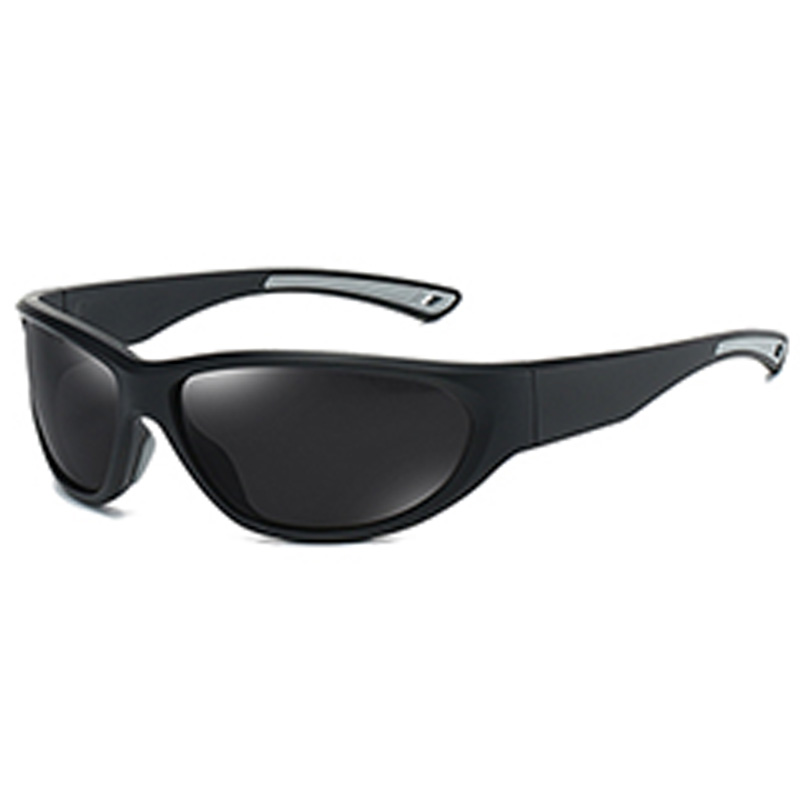
We are a professional manufacturer and supplier of sports eyewear from China.These color-block anti-slip wraparound polarized Sports sunglasses feature cat-eye frames paired with anti-slip temples. The sleek wraparound design blocks stray side light and wind-blown sand.Fitted with high-definition polarized lenses offering full UV400 protection against all ultraviolet rays, they effectively filter harsh glare reflected off water and road surfaces for clear, soft vision under bright sunlight.
The frames are crafted from lightweight, highly flexible TR90 material that is bend-resistant, shatterproof and resistant to deformation. Anti-slip silicone pads on both inner and outer sides of the temples hug snugly behind ears to prevent slipping during outdoor activities including fishing, running, cycling, self-driving, boating, golf, hiking, mountain climbing, badminton, tennis, pickleball and beach volleyball. This trendy unisex Sunglasses fits all outdoor occasions perfectly.
This best-selling model is produced in Taizhou with reliable premium quality. We support wholesale, OEM manufacturing and custom logo services, and samples are available upon request. Feel free to contact us for competitive factory prices.
Linhai Huangjia Eyewear Co., Ltd. is an eyewear manufacturer and exporter based in Zhejiang, China, providing one-stop OEM & ODM customization services directly from the factory. We welcome your inquiries.
2、Product Features & Dimension Drawings
2.1 Product Features
Design Features——One-piece curved wraparound wind and light blocking structure, which performs excellently in strong-light scenarios such as outdoor cycling and seaside fishing.This trendy sporty cat-eye style is unisex and versatile, combining outdoor functionality with daily matching. Suitable for fishing, cycling, lure fishing, hiking, vacations and other scenarios.
Frame Advantages——Large wraparound cat-eye frames paired with wide color-contrasted anti-slip temples. The streamlined full wraparound cat-eye frame blocks side wind, sand and harsh glare.Widened and thickened temples are fitted with color-matched anti-slip silicone pads, clinging tightly behind ears during strenuous exercise for stable and comfortable wear without slipping.Made of matte TR90 material, the frames are lightweight, flexible, bendable and shatter-resistant, causing no pressure on your nose even after long-time use.Bulk purchasing and OEM customization are available.
Lens Advantages——High-quality polarized lenses effectively filter glare, blocking up to 99% of reflected light. They greatly reduce harsh brightness and improve visual clarity. After eliminating stray light, object outlines become sharper with higher contrast.The lenses restore true-to-life colors, making scenery brighter, more natural and rich in details. They ease eye strain caused by glare, preventing squinting and relieving fatigue during long outdoor use.With full UV400 protection, they block 100% of harmful UVA and UVB rays.
2.2 Dimensions
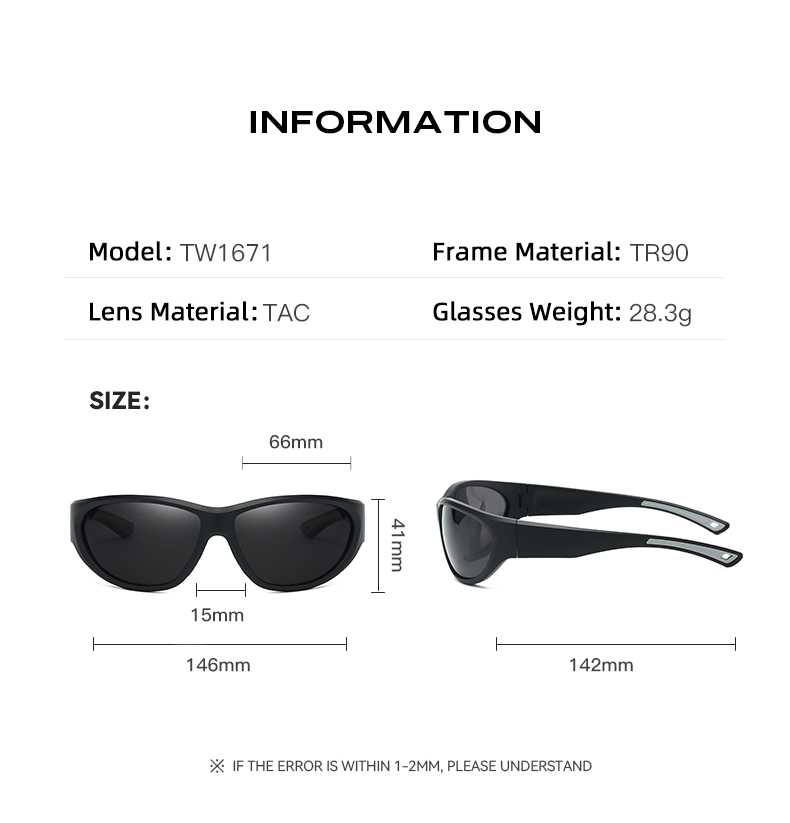
Parameter | Specification |
Model Name | TR90 Cat Eye Wide Temple Sporting Glasses |
Model No. | RS260502 |
Material: | TR90 |
Frame Shape | Cat Eye |
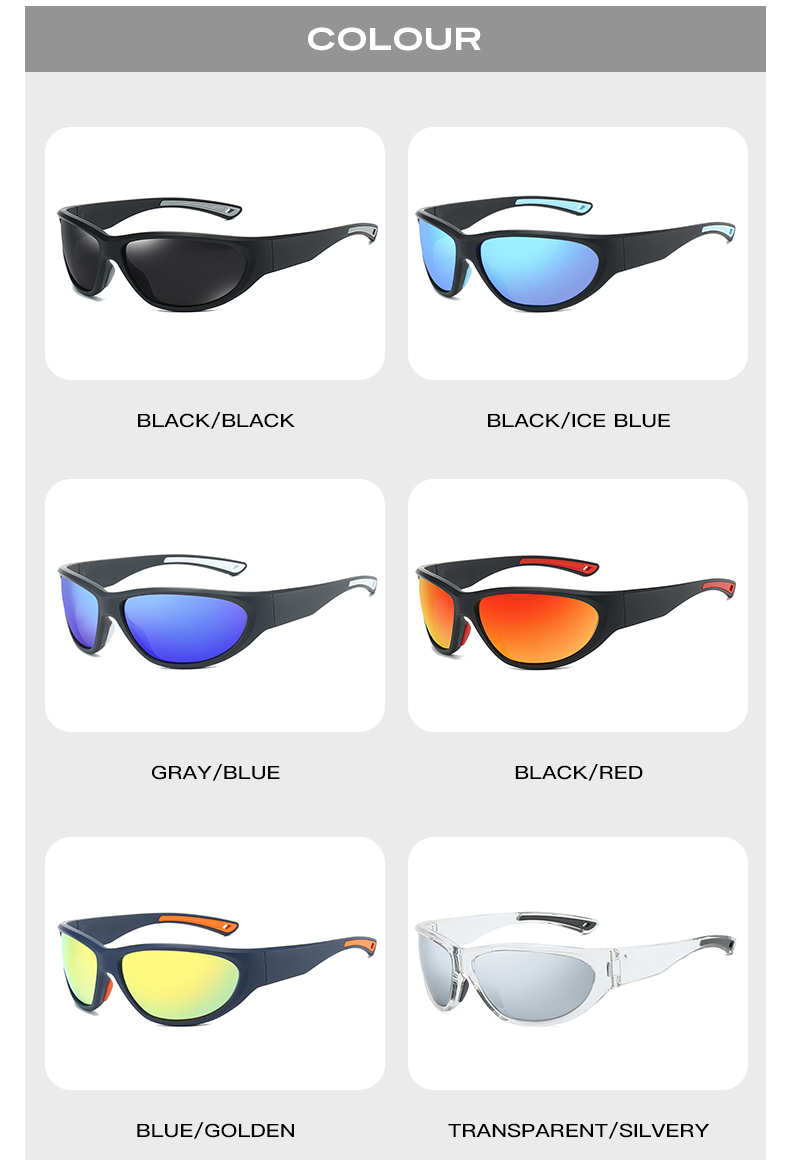
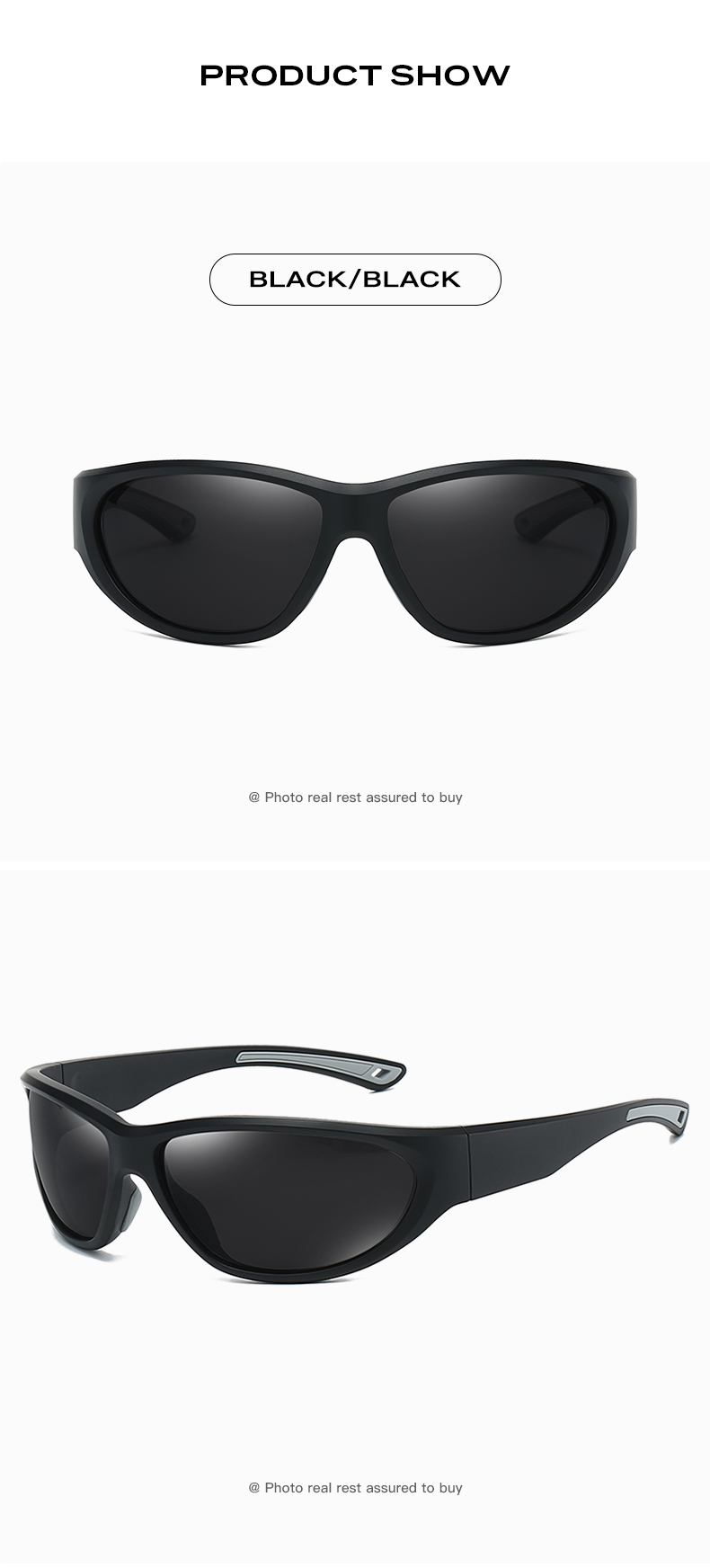
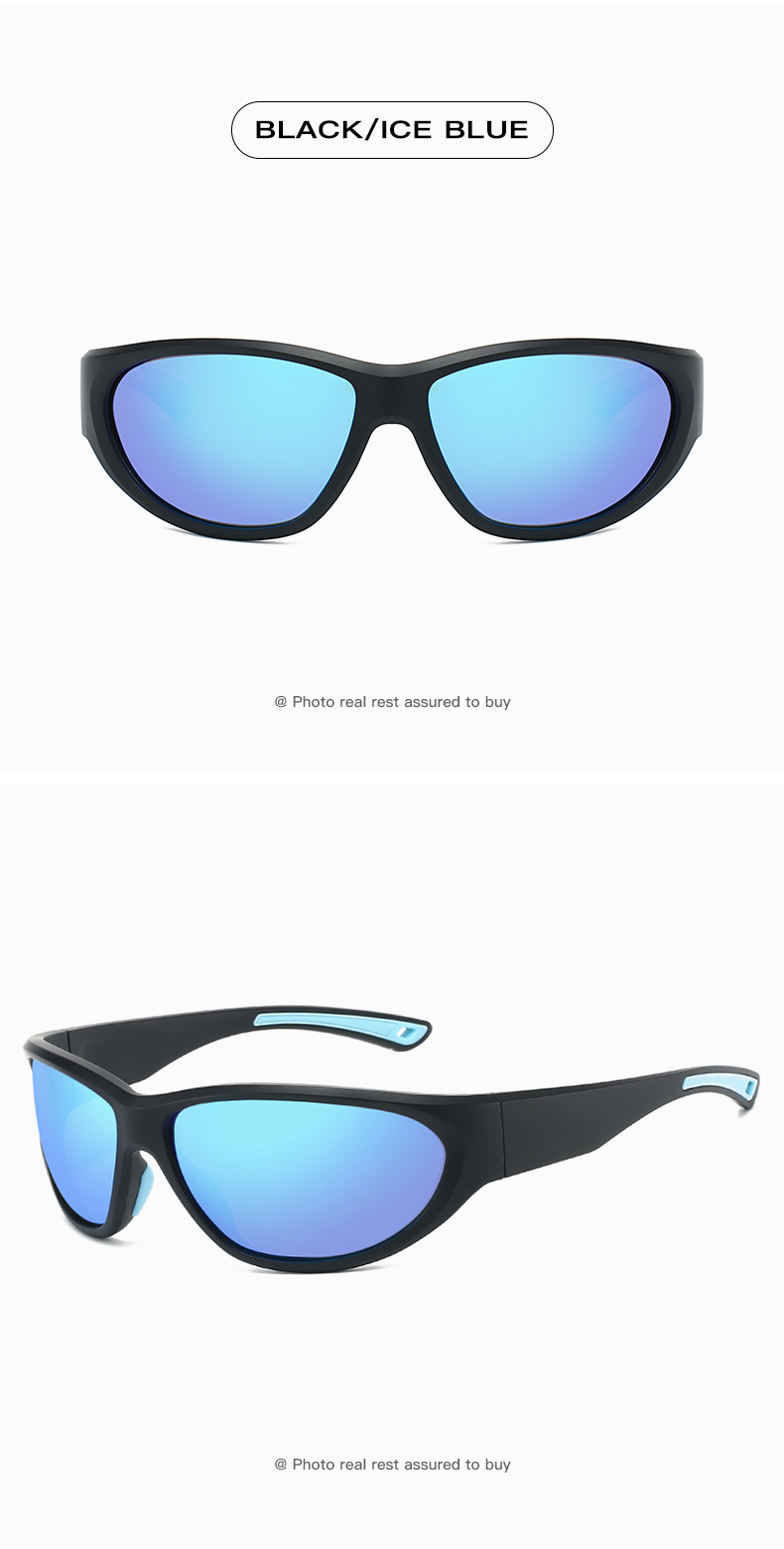
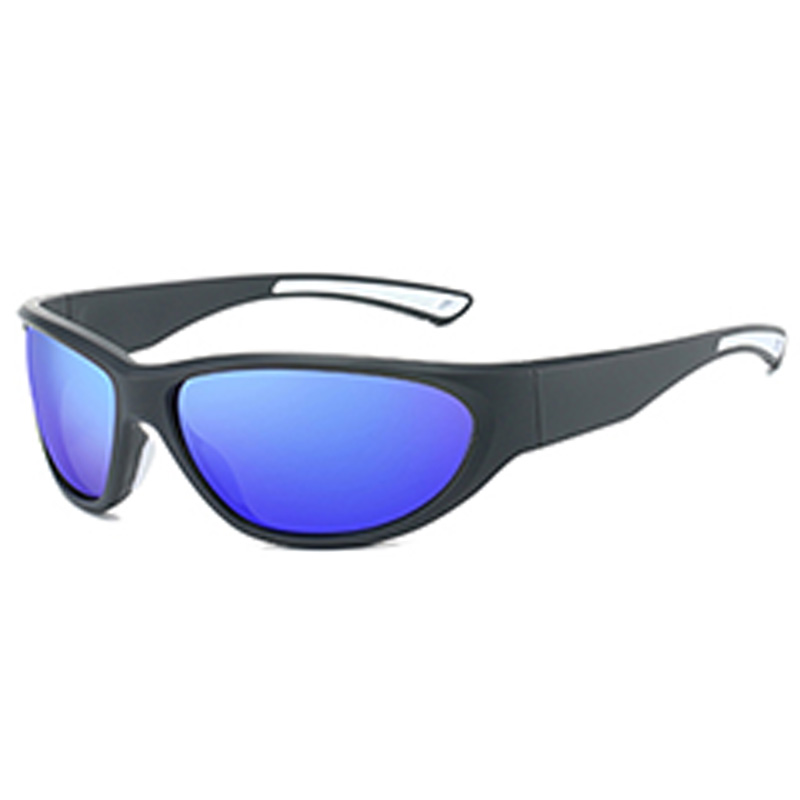
Frame Color | Black、Gray、Blue、Transparent(Custom) |
Size | 66□15-142mm |
Total Weight | 28.3g |
Lens Type | Polarized,UV400, |
Target Audience | Unisex Men & Women |
Applicable Scenes | Cycling, Fishing, Beach, Hiking, Daily Commute |
MOQ | 300pcs/Color; |
Origin | Taizhou, Zhejiang Province, China |
Logo Printing | Custom Made |
Packaging | 1pcs/bag, 12pcs/box, 300pcs |
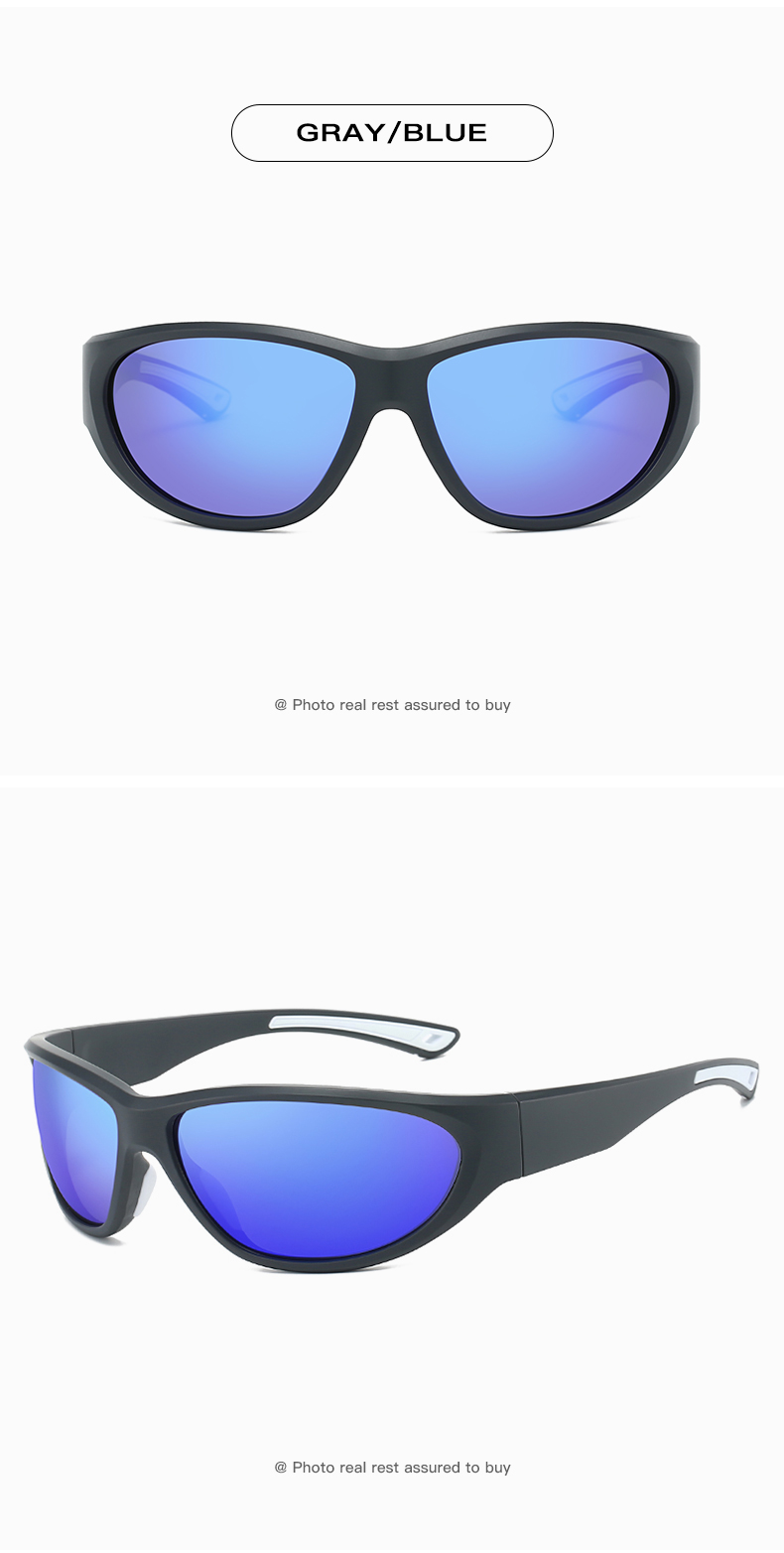
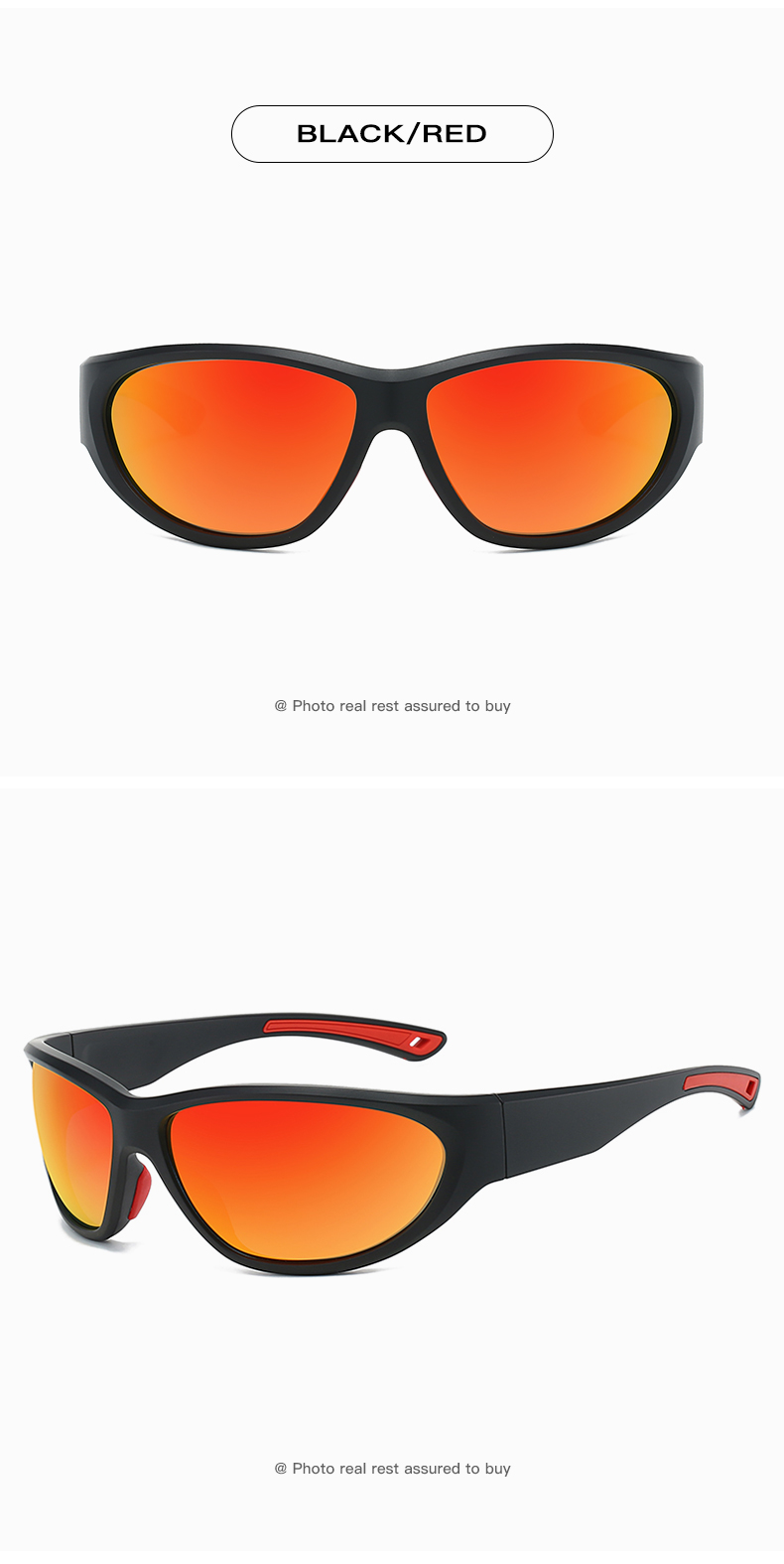
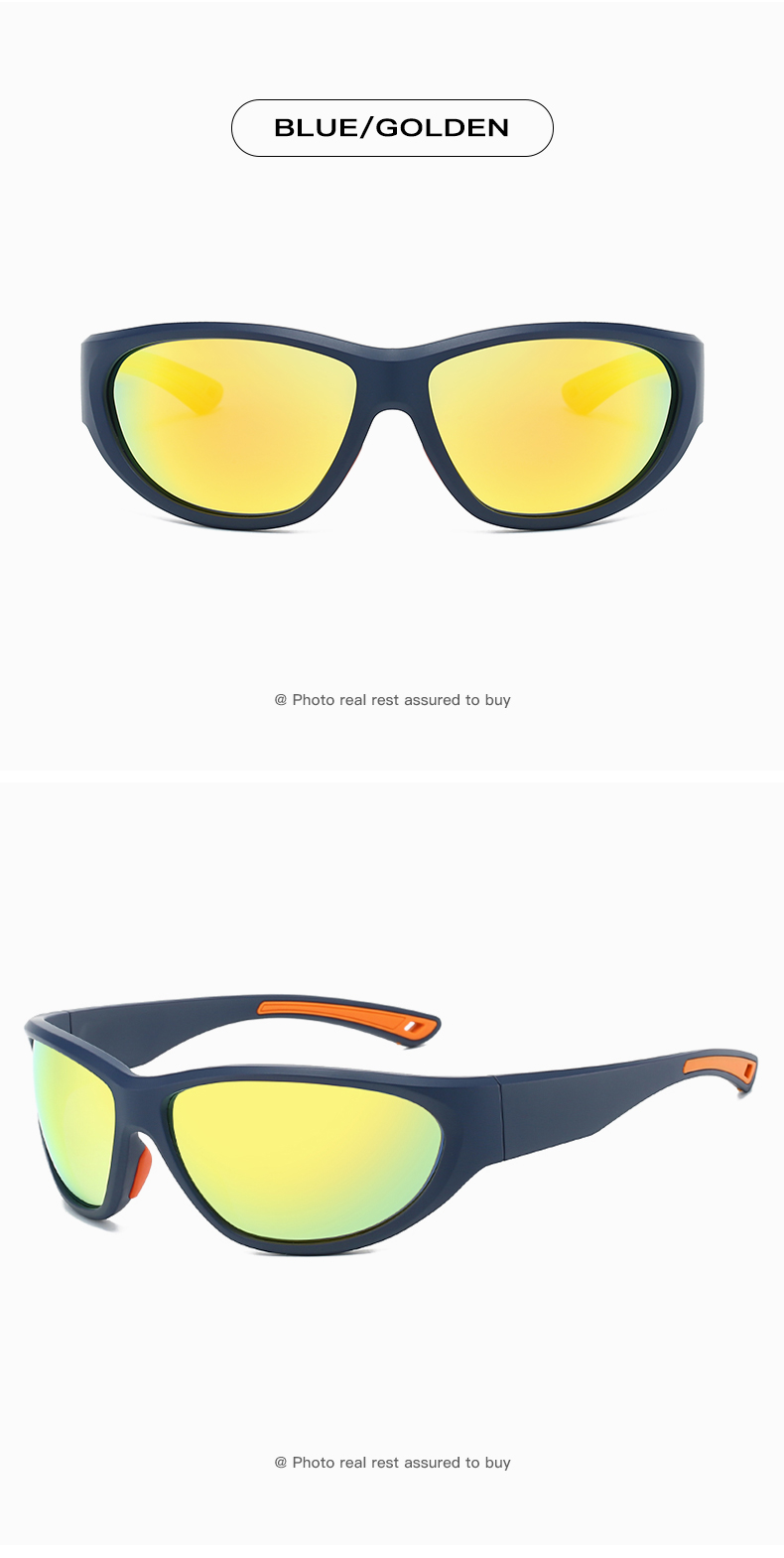
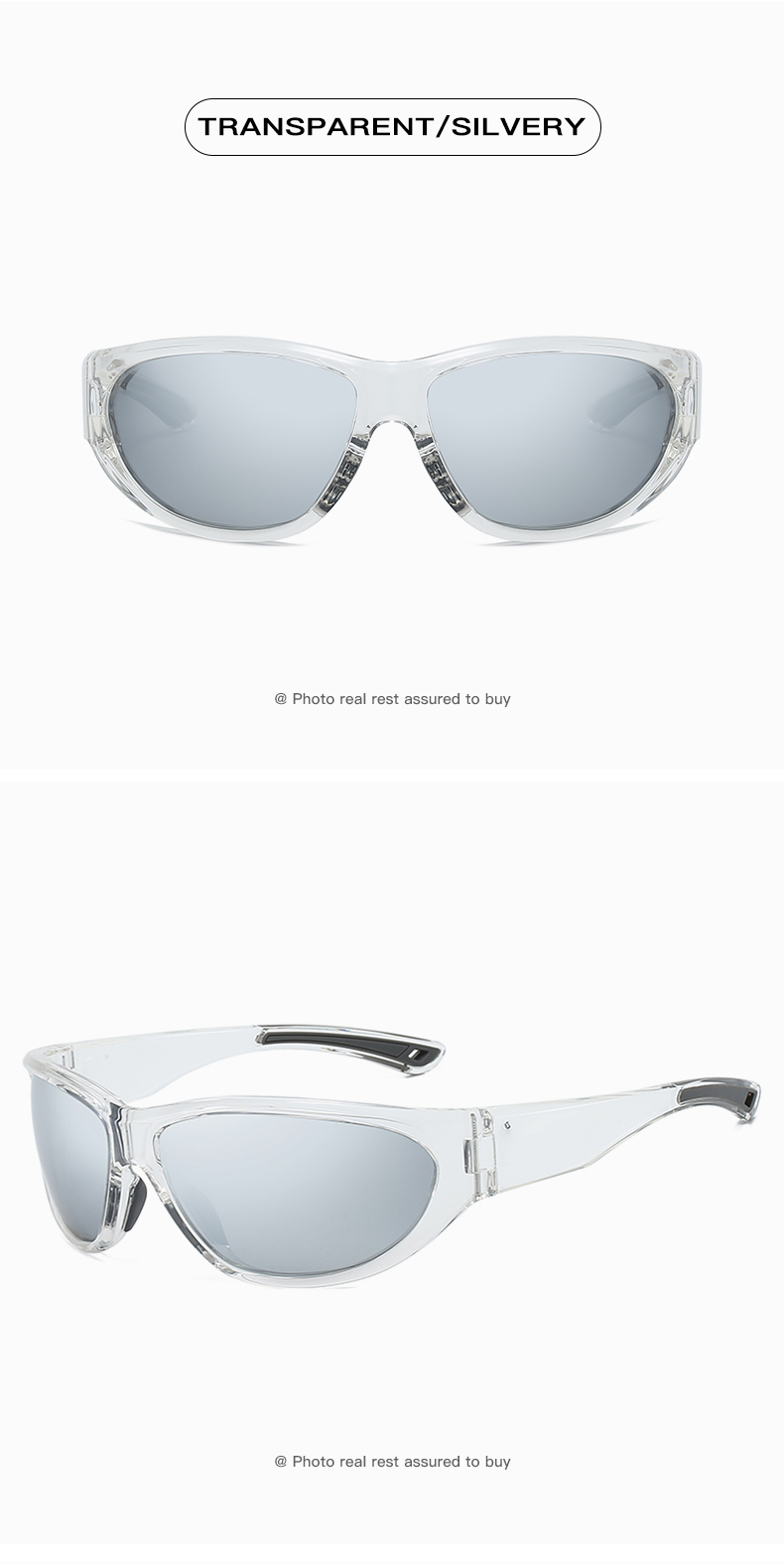
TR90 Cat Eye Wide Temple Glasses for Modern Optical Collections
When I look at a pair of glasses, I do not only look at the frame shape. I pay attention to how the frame feels on the face, how the temples change the overall appearance, how easily the style can fit different collections, and whether the product makes sense for long-term commercial use. That is exactly where our TR90 Cat Eye Wide Temple Glasses come in.
At Linhai Huangjia Glasses Co., Ltd., we develop and manufacture sports glasses, optical glasses, fashionable Sunglasses, industrial safety goggles, and tactical eyewear. For this product, our focus is different from a performance sports frame or a protective goggle. We concentrate on creating a fashionable optical frame that combines a recognizable cat eye profile, wide temples, lightweight frame construction, and practical everyday wear.
The cat eye shape gives the frame a clear fashion identity. The wide temples add more visual presence around the sides of the face, while the TR90 frame material helps us keep the overall design light and comfortable. For optical retailers, wholesalers, eyewear brands, and OEM/ODM buyers, this combination creates a useful product option for collections that need something more distinctive than a basic rectangular or round frame.
We also understand that a product page for B2B eyewear buyers needs to answer practical questions. What is the frame designed for? What makes the shape different? How is it manufactured? What can be customized? How should buyers evaluate it before placing a larger order? I will cover these points below from a manufacturer's perspective.
The first thing people notice is the silhouette.
A cat eye frame has an upward outer corner that gives the front a more expressive appearance. It is a familiar shape in women's fashion eyewear, but the design can look very different depending on the width, curve, bridge, rim thickness, and temple construction. In our TR90 Cat Eye Wide Temple Glasses, the wide temple is an important part of the product rather than a small detail.
A narrow temple can make a frame look light and delicate. A wider temple creates a stronger side profile and gives designers more visual space for color combinations, surface treatments, branding, or decorative elements. That makes this style useful when a collection needs a frame that can be recognized quickly from the front and side.
The TR90 construction also fits well with this type of design. Instead of making the frame unnecessarily heavy, we can work with a material that is commonly used for lightweight eyewear construction. The goal is simple: make the frame look substantial without making it feel unnecessarily bulky.
| Product Element | Design Role | Commercial Value |
|---|---|---|
| Cat eye front | Creates an expressive upward outer profile | Suitable for fashion-oriented optical collections |
| Wide temples | Adds visual weight and side-profile character | Creates more room for branding and design details |
| TR90 frame construction | Supports a lightweight eyewear concept | Useful for everyday optical frame collections |
| Optical frame format | Designed around prescription-lens applications | Suitable for optical retailers and eyewear brands |
The table above describes the intended design functions of the product. Actual lens compatibility, frame dimensions, colors, and available configurations should be confirmed against the specific model before production.
There is no complicated mechanism inside a normal optical frame. What matters is how several small design decisions work together.
The front holds the lenses in their intended position. The bridge connects the two sides and helps determine how the frame sits on the nose. The temples extend toward the ears and help keep the glasses in position. Hinges connect the temples to the front, allowing the frame to open and close.
With a cat eye frame, the front geometry becomes especially important because the outer corners define much of the style. A small change in the curve can make the frame look softer, sharper, more classic, or more contemporary. When we develop a frame, we therefore pay attention not only to the general category name but also to the actual proportions.
The wide temples have another practical effect. They create a broader visual surface on both sides of the frame. From a product-development point of view, that gives us additional room to control the visual balance between the front and the side. The temple should not overpower the front, but it should also not disappear when viewed from an angle.
For optical applications, lens fitting is another important part of the process. The frame needs to be manufactured according to the confirmed design and dimensional requirements so that the finished optical product can be assembled correctly. Buyers should therefore provide the required frame specifications, lens requirements, colors, quantities, and other technical details when requesting a production quotation.
For reference, ISO 12870:2024 specifies fundamental requirements and test methods for unglazed spectacle frames designed for prescription lenses. The standard includes areas such as construction, dimensional tolerances, dimensional stability at elevated temperature, resistance to perspiration, and mechanical stability.
| Frame Area | What We Pay Attention To | Why It Matters |
|---|---|---|
| Front shape | Cat eye geometry and overall proportions | Controls the visual identity of the frame |
| Bridge | Connection between the two lens areas | Affects fit and frame balance |
| Temples | Width, length, shape, and finish | Affects side appearance and wearing experience |
| Hinge area | Assembly and movement of temples | Supports normal opening and closing |
| Lens area | Confirmed lens and frame dimensions | Important for optical assembly |
Source for the standards reference: ISO 12870:2024, International Organization for Standardization. The standard applies to spectacle frames designed for prescription lenses and provides requirements and test methods; it does not itself establish that a particular product complies unless the product has been tested and assessed accordingly.
The cat eye profile remains popular because it gives a frame more personality than many basic frame shapes. The upward outer corners can create a sharper fashion look while still working as an everyday optical frame.
For brands building a women's eyewear collection, this shape can also help create visual variety. A collection does not need to use complicated decoration to look different. Sometimes the frame geometry itself is enough.
The wide temple is one of the most visible characteristics of this model. Instead of treating the temple as a thin supporting part, we make it part of the overall design language.
This is particularly useful for private-label and OEM projects. Depending on the confirmed design, the wider temple area can provide more space for logos, color blocking, printed elements, or other brand details. Any customization should be reviewed against the actual mold, tooling, production process, and order quantity.
We use TR90-oriented frame construction for a lightweight eyewear concept. For everyday glasses, weight matters because people may wear them for many hours. A frame that looks attractive but feels uncomfortable after a short period is not a good product experience.
Our approach is therefore to balance appearance and wearing comfort rather than chasing a single design feature. The exact finished weight depends on the model dimensions, material formulation, hardware, surface treatment, and other production details, so we recommend confirming technical specifications with us before placing an order.
This product is intended for optical eyewear applications rather than industrial eye protection. It can be considered for prescription eyewear collections, fashion optical ranges, private-label programs, and other everyday optical applications where the frame design is an important selling point.
We understand that wholesale buyers do not always want an off-the-shelf product exactly as it is. Some buyers may want a different color. Others may need a logo, packaging change, material adjustment, or a particular quantity for a seasonal collection.
We can review these requirements according to the specific project. Instead of promising that every request can be done, we prefer to check the technical and production conditions first and then confirm what is practical.
When I discuss technical advantages with an eyewear buyer, I try to keep the explanation practical. A material name alone does not make a frame successful. The important question is how the material, design, processing, and final inspection work together.
TR90 is commonly associated with lightweight plastic eyewear frames. For us, the benefit is not simply saying “lightweight.” We need to consider how the material behaves during cutting, forming, finishing, assembly, and quality inspection.
The cat eye front also needs careful control because an uneven left and right shape can be easy to notice. During production, dimensional consistency is important for keeping the appearance of different pieces within the agreed production requirements.
Comfort is not one single measurement. It comes from the relationship between frame size, temple shape, bridge design, weight distribution, surface finish, and the wearer's face shape.
That is why we avoid treating one parameter as the whole story. A good optical frame needs to feel balanced when worn. The temples should work with the front rather than fighting against it, and the frame should provide a stable base for the selected lenses.
Fashion eyewear is highly visual. Small surface defects can affect the perceived value of the product, especially on dark colors or glossy surfaces. During manufacturing, finishing and inspection therefore matter as much as the initial molding or forming process.
Depending on the confirmed product design, the production process can involve material preparation, molding or forming, trimming, surface finishing, assembly, logo processing when required, inspection, and packaging.
For prescription spectacle frames, ISO 12870:2024 provides a useful international reference covering areas such as mechanical stability, dimensional stability at elevated temperature, perspiration resistance, and dimensional tolerances. It also includes considerations related to biological compatibility and risk management.
One important point should be made clear: a general spectacle-frame standard is not the same thing as a certification claim. We do not use a standard name as a shortcut for saying that every individual frame automatically complies with every requirement. If a customer needs a specific test report or compliance assessment, we discuss the required standard and testing scope for that project.
I see this model as a particularly useful option for buyers who want fashion and everyday practicality in the same optical frame.
Optical stores need different frame shapes because customers have different facial features and style preferences. A cat eye frame gives retailers another option for customers who want a more expressive appearance without moving into highly unusual shapes.
Fashion brands can use the wide temple as a visual design area. Colors, textures, logos, and other decorative ideas can be considered depending on the product structure.
For private-label buyers, the value is often in developing a recognizable collection rather than selling a completely generic frame. We can discuss product color, logo placement, packaging, and other requirements according to the project.
OEM buyers may already have a confirmed design and need a manufacturing partner to produce it. ODM buyers may need more support during product development. Our experience across sports eyewear, optical glasses, sunglasses, safety goggles, and tactical goggles gives us a broader understanding of eyewear production requirements.
For distributors, the frame needs to be commercially practical. That means appearance, repeatability, production capacity, packaging, and delivery planning all matter. We can arrange production according to the confirmed quantity, specifications, packaging requirements, and delivery schedule.
| Buyer Type | Potential Product Use | Typical Requirement to Confirm |
|---|---|---|
| Optical retailers | Everyday prescription eyewear | Frame dimensions, lens compatibility, colors |
| Eyewear brands | Fashion optical collections | Design, logo, colors, packaging |
| Private-label buyers | Branded optical frame programs | Branding, packaging, order quantity |
| Distributors | Wholesale eyewear supply | Volume, assortment, delivery schedule |
| OEM/ODM buyers | Custom eyewear projects | Drawings, samples, specifications, tooling |
This application table is a practical sourcing guide rather than a market-size or performance study. Final suitability depends on the buyer's product requirements and the confirmed specifications of the selected frame.
As a manufacturer, I know that the finished glasses are only the visible part of the process. Behind one frame is a series of decisions that affect consistency, appearance, and delivery.
We first review the customer's requirements. For a standard model, this may include the selected frame, colors, quantities, logo requirements, packaging, and delivery destination. For a custom project, we may need drawings, samples, dimensions, material requirements, and other technical information.
The selected frame material and related components are prepared according to the production plan. Material selection needs to match the confirmed product design and manufacturing process.
The front and temple components are processed according to the product structure. This is where the cat eye shape and wide temple geometry need to be controlled carefully. The purpose is not simply to produce a frame that looks similar to the sample, but to maintain consistent production results across the agreed batch.
After forming, excess material and processing marks may need to be removed. Surface finishing is then carried out according to the product requirements. For fashion eyewear, the appearance of the final surface is especially important.
Components such as temples, hinges, and other required parts are assembled. The frame is checked for basic alignment and functional movement.
We inspect the product according to the confirmed production requirements. Depending on the project, inspection can cover appearance, dimensions, assembly, surface condition, and other agreed items.
Finally, the finished eyewear is packed according to the customer's packaging requirements. Shipping arrangements can be discussed based on order quantity, destination, delivery timing, and transportation needs.
This process is intentionally flexible. A standard wholesale order and a customized OEM project do not have exactly the same workflow. We adjust the production plan according to the actual project instead of applying one fixed process to every customer.
Linhai Huangjia Glasses Co., Ltd. was established in 2023 and is headquartered in Linhai, Zhejiang. We focus on the research and manufacturing of sports glasses, optical glasses, fashionable sunglasses, industrial safety goggles, and military and police tactical goggles.
Working across several eyewear categories gives us a practical understanding of different design goals. Sports eyewear often focuses on fit and active use. Fashion eyewear pays close attention to shape and appearance. Safety products require a different approach to protection and applicable standards. Tactical products have their own functional requirements.
For an optical frame such as the TR90 Cat Eye Wide Temple Glasses, we bring that broader manufacturing experience into a more fashion-focused product.
Our support for B2B customers can include:
Product specification confirmation
OEM and ODM project discussion
Custom colors and product details based on feasibility
Logo and packaging requirements
Production planning based on order quantity
Quality inspection according to agreed requirements
Flexible shipping and packaging arrangements
Support for wholesale and long-term sourcing projects
We also understand that buyers need clear communication before production starts. If you have a reference sample, drawing, product image, required quantity, target market, or packaging specification, we can review those details before confirming the production plan.
Our approach is straightforward: understand the requirement, confirm what can be produced, agree on the specifications, and then organize production according to the confirmed order.
The product is designed as an optical eyewear frame and can be considered for prescription-lens applications. However, final lens compatibility depends on the actual frame model, lens dimensions, prescription requirements, and fitting process. Buyers should confirm these details with us before placing an order.
No. This product is presented as an optical/fashion eyewear frame. It should not be treated as industrial safety goggles simply because our company also manufactures protective eyewear. Industrial eye protection requires its own product design, applicable standards, testing, and compliance assessment.
TR90 refers to the frame material category used for the product. In this model, it is selected as part of a lightweight eyewear construction approach. The exact material specification should be confirmed with us for the particular production model.
The wide temples are primarily a design feature. They create a stronger side profile and provide additional visual space for brand details or decorative elements. They also help distinguish this model from simple narrow-temple optical frames.
Color customization can be discussed according to the order quantity, material, production process, and required color standard. We recommend providing a color reference or sample when accurate color matching is important.
OEM branding can be discussed. Depending on the product structure, logo placement may be considered on the temple or another suitable area. The available method and minimum order requirements should be confirmed for the specific project.
Yes, packaging requirements can be discussed for wholesale, private-label, and OEM orders. Buyers can provide packaging specifications, artwork, dimensions, labeling requirements, and other details for review before production.
For a faster quotation, I recommend sending the product model, required quantity, colors, logo requirements, packaging requirements, destination country or region, and desired delivery schedule. If you need a custom frame, please also provide drawings, samples, dimensions, or reference images where available.
Yes. Linhai Huangjia Glasses Co., Ltd. specializes in sports glasses, optical glasses, fashionable sunglasses, industrial safety goggles, and military and police tactical goggles. This allows us to support buyers with different eyewear product categories rather than only one frame style.
Compliance depends on the intended product category and target market. For prescription spectacle frames, ISO 12870:2024 is one relevant international standard covering fundamental requirements and test methods. However, the standard itself does not mean that an individual product is automatically certified. Where a customer requires specific testing or market compliance, we recommend confirming the target country's requirements and the exact testing scope before production.
When we develop an eyewear product, we try to keep the idea simple. The frame should look good, feel comfortable, be practical to manufacture, and make sense for the customer who will eventually wear it.
Our TR90 Cat Eye Wide Temple Glasses combine a recognizable cat eye silhouette with a wider temple design and a lightweight frame concept. That makes the model suitable for fashion optical collections, everyday eyewear programs, private-label projects, and B2B sourcing.
For buyers, the real value is not only the appearance of one sample. It is the ability to discuss specifications, confirm customization possibilities, organize production, control packaging requirements, and arrange delivery around the actual order.
If you are developing a new women's optical collection, expanding an existing eyewear range, or looking for a manufacturer for an OEM/ODM project, we can review your requirements and confirm the practical production options for the TR90 Cat Eye Wide Temple Glasses.
Product category: Optical Glasses / Fashion Eyewear
Product name: TR90 Cat Eye Wide Temple Glasses
Manufacturer: Linhai Huangjia Glasses Co., Ltd.
Location: Linhai, Zhejiang, China
Applications: Optical retail, fashion eyewear, private label, wholesale, OEM/ODM
International Organization for Standardization (ISO), ISO 12870:2024 — Ophthalmic optics — Spectacle frames — Requirements and test methods. The current edition was published in November 2024 and covers fundamental requirements and test methods for unglazed spectacle frames designed for prescription lenses.
Important note: Product specifications, customization options, testing requirements, production quantities, packaging, and delivery terms should be confirmed with Linhai Huangjia Glasses Co., Ltd. for the specific order. The technical reference above is provided for product-development context and should not be interpreted as a certification claim for this individual product.
This website uses cookies to ensure you get the best experience on our website.



 Phone
Phone