



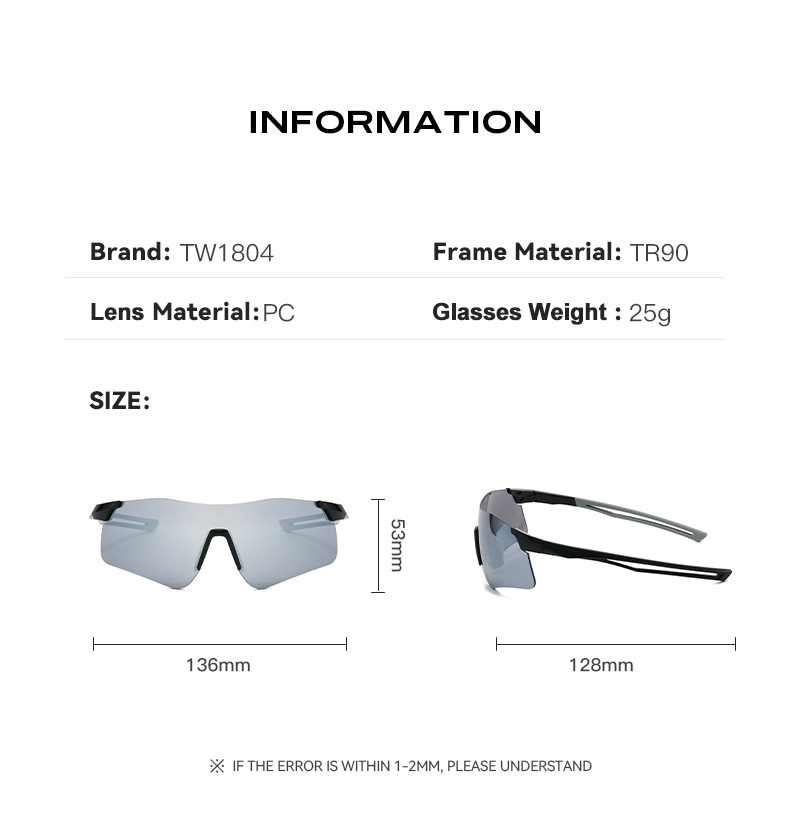
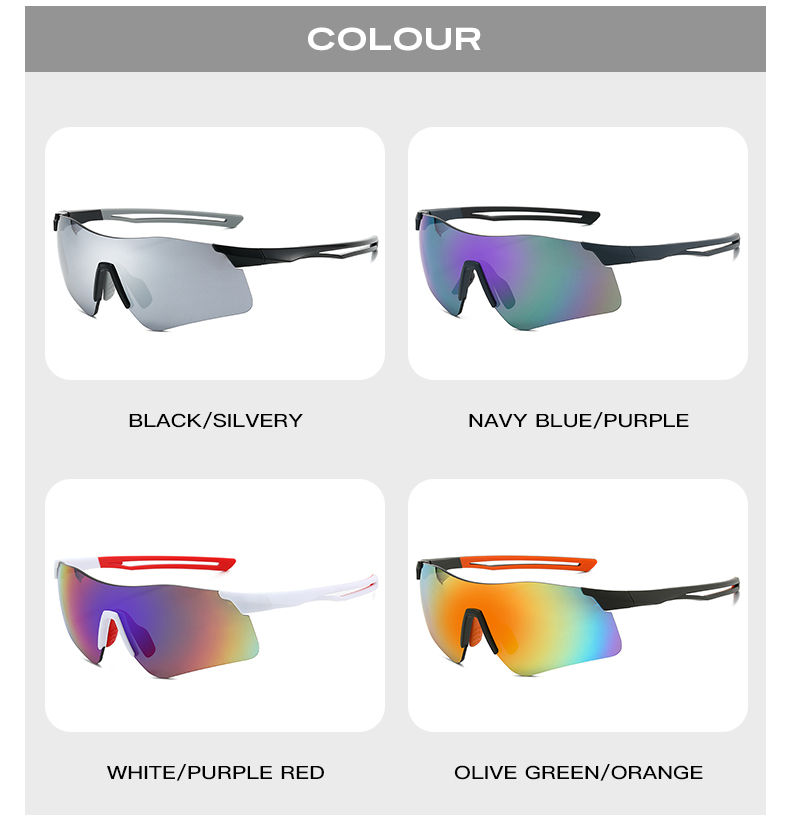
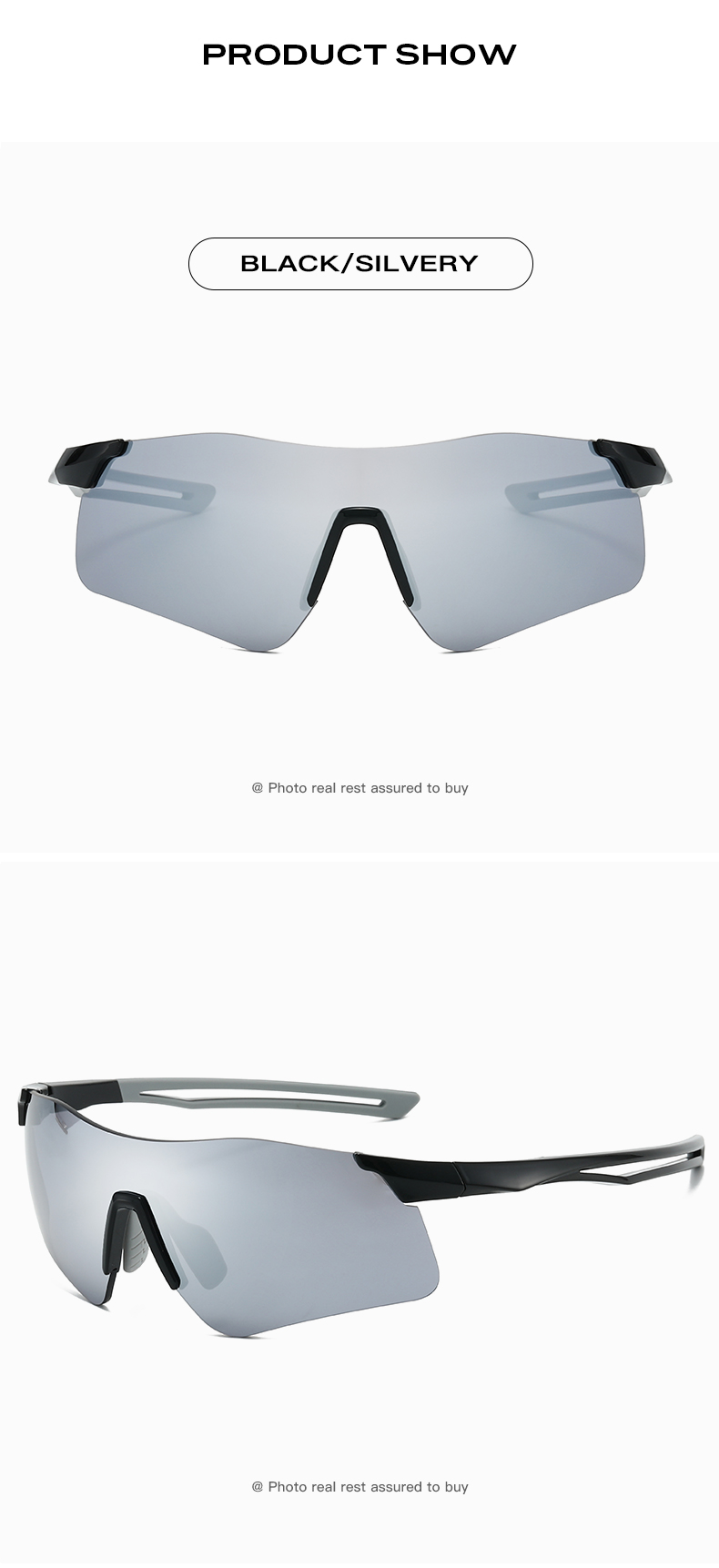
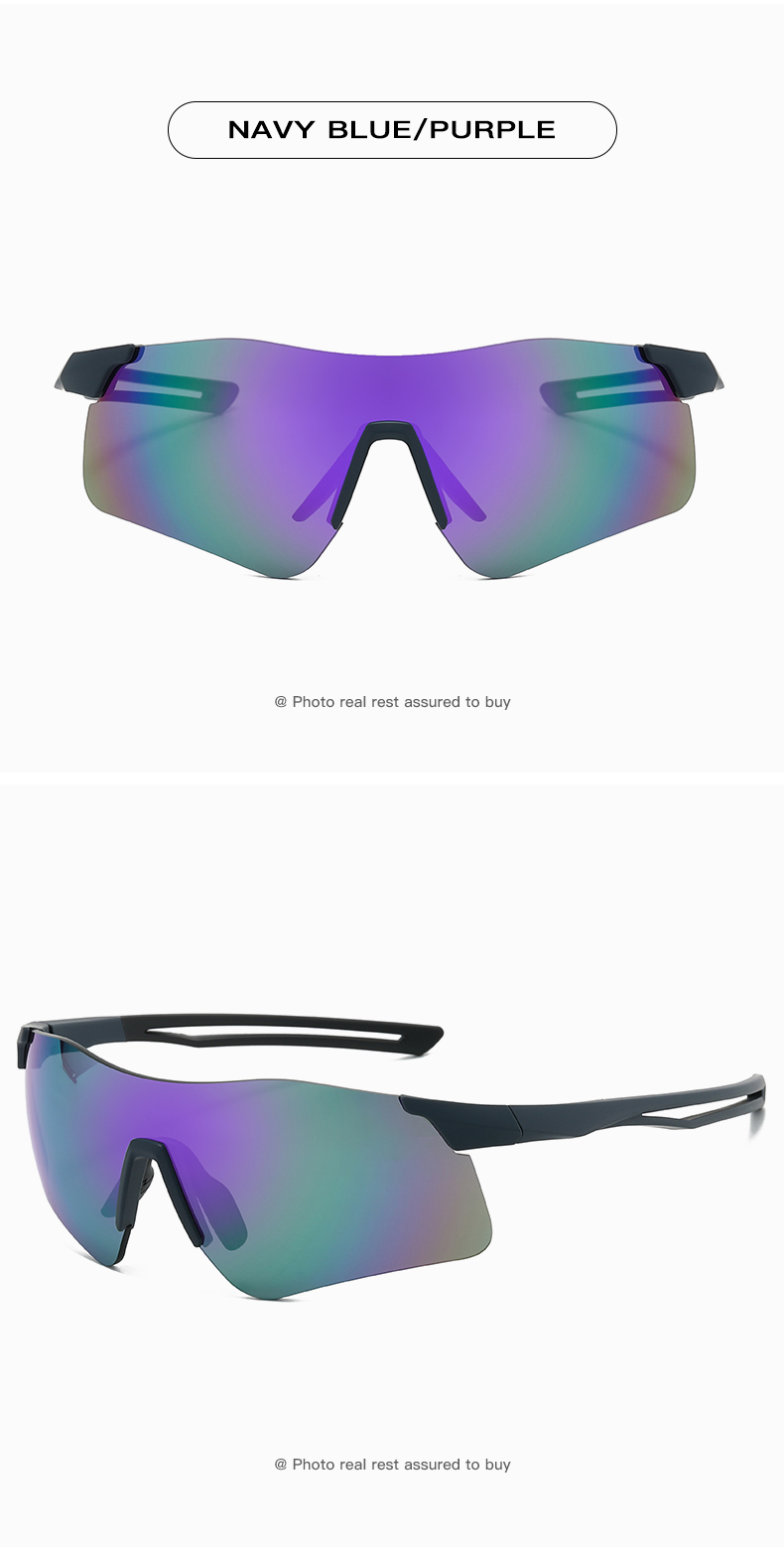
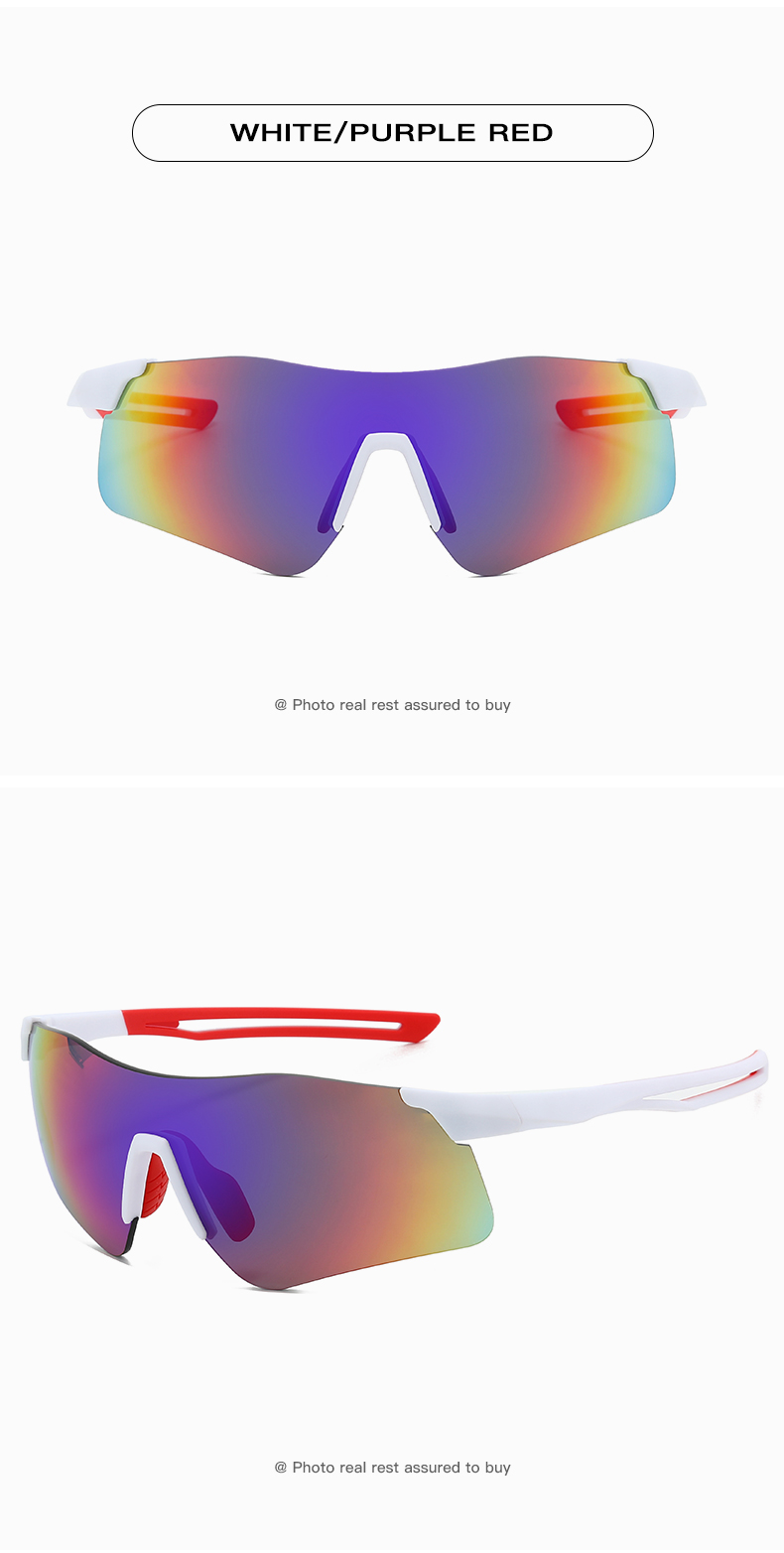
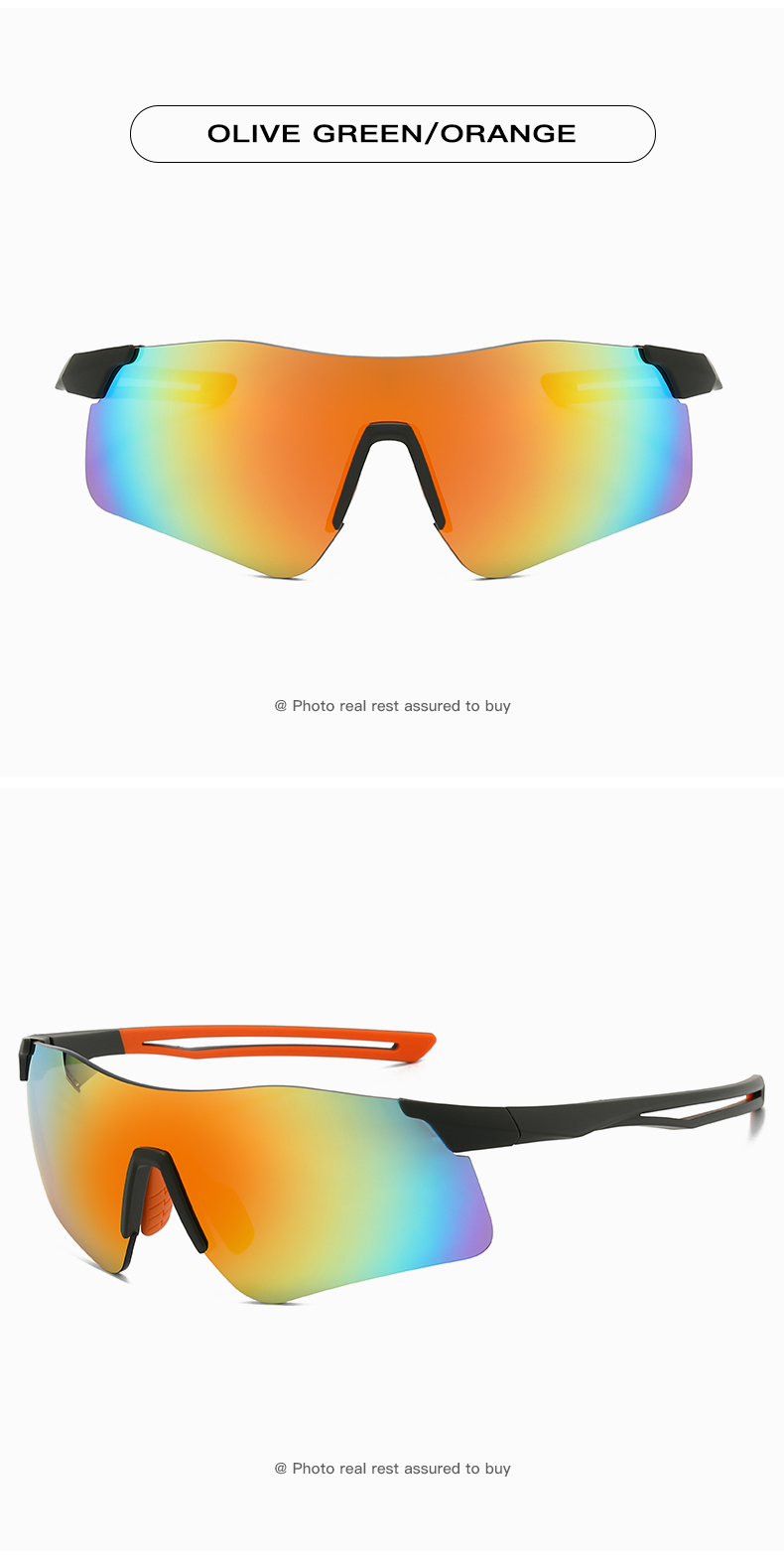
When I work on sports eyewear, I always start with a simple question: what does the wearer actually need when moving outdoors? A pair of sports shades may look simple, but the frame, lens, temple structure, fit, and overall protection all affect the wearing experience. For this reason, I developed our TR90 Long Hollow Cutout Temple UV400 Windproof Sports Shades around several practical needs: clear vision, comfortable wear, UV protection, stable coverage, and a lightweight sports-oriented design.
At Linhai Huangjia Glasses Co., Ltd., we focus on the research and manufacturing of sports glasses, optical glasses, fashionable Sunglasses, industrial safety goggles, and military and police tactical goggles. Our experience across different eyewear applications helps us look at a Sports sunglasses project from both the product and manufacturing sides. We understand that a buyer may not only care about how the glasses look. They may also need a reliable frame structure, repeatable production, flexible packaging, stable delivery, and support for OEM or ODM orders.
This model uses a distinctive long hollow cutout temple design. The shape gives the sports shades a modern technical appearance while helping create a frame that feels suitable for active use. The product is positioned for outdoor sports, cycling, running, hiking, driving, daily outdoor activities, and other situations where users want sun protection and a secure wearing experience.
The name also tells you the key features. TR90 refers to the frame material specification used for this product. UV400 describes the intended UV protection level of the lens. The long hollow cutout temple is a visible design feature, while windproof sports shades describes the product's coverage-oriented design for outdoor movement. For us, each part of the name is connected to a real product requirement rather than being added simply for marketing.
1. What Makes This Sports Shade Design Different?
Sports eyewear has to deal with movement. That is the main difference I keep in mind when designing or manufacturing this type of product. A casual fashion frame can focus heavily on appearance, but sports shades also need to feel stable when the wearer is walking quickly, cycling, running, hiking, or spending time outdoors.
The first thing people notice on this model is the temple. The long hollow cutout temple creates a strong visual identity without making the frame look overly complicated. Instead of using a plain solid side structure, the cutout creates an open pattern that gives the product a more dynamic sports style.
I also pay close attention to the balance between appearance and practical use. The temple should look distinctive, but it still needs to connect properly with the front frame and work with the overall fit of the glasses. In a real production project, this means checking the mold design, assembly points, frame consistency, and finishing quality rather than looking only at a computer drawing.
The UV400 lens specification is another important part of the product. UV protection is not something I recommend treating as a simple fashion feature. Sunglasses are intended to help protect the eyes from solar radiation, and recognized standards cover areas such as optical properties, transmittance, robustness, and resistance to solar radiation. ISO 12312-1:2022 is the current international standard for sunglasses and related eyewear for general use, while ISO 12311:2023 provides test methods for sunglasses and related eyewear.
There is also an important detail for buyers: general-use sunglasses standards and occupational or sport-specific eye-protection standards are not automatically interchangeable. ISO specifically states that ISO 12312-1:2022 does not cover occupational eye protection or certain specific sports eye protectors. That is why I recommend matching the final product specification and testing requirements to the actual application before placing a large order.
| Product Element | What It Means for the User | Why It Matters in Production |
|---|---|---|
| TR90 frame specification | Designed for a lightweight sports-oriented wearing experience | Requires controlled molding, finishing, and assembly |
| Long hollow cutout temple | Creates a distinctive technical sports appearance | Requires attention to shape consistency and temple strength |
| UV400 lens specification | Designed for UV protection in outdoor use | Lens performance should be verified according to the required specification |
| Windproof coverage design | Helps provide a more enclosed feeling during outdoor movement | Frame geometry and fit need to work together |
Source for standards-related information: ISO 12312-1:2022 and ISO 12311:2023.
2. How the TR90 Sports Shades Work During Outdoor Use
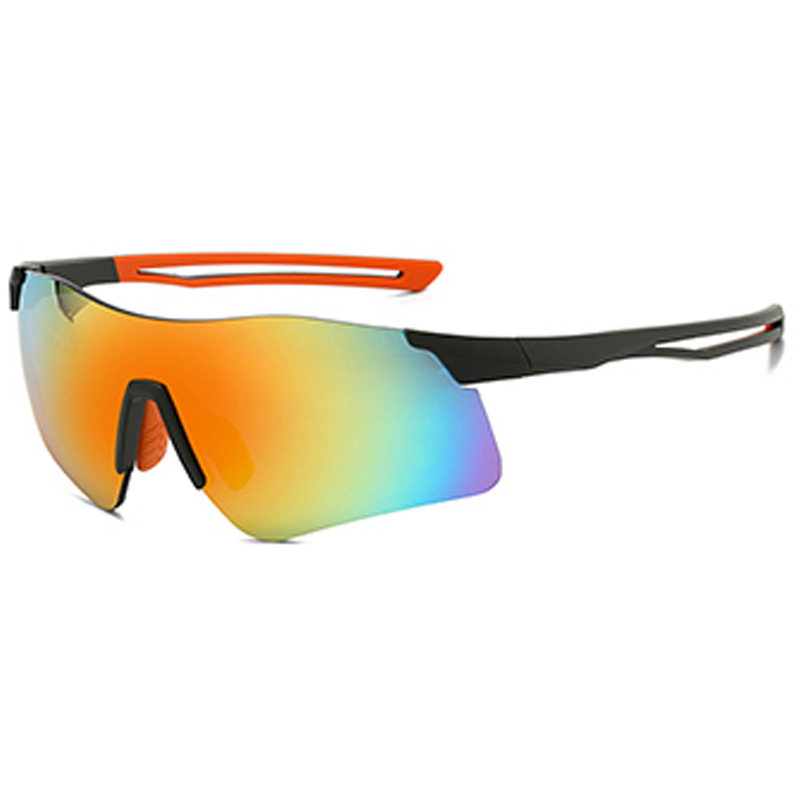
When I explain sports shades to a buyer, I prefer to keep the explanation simple. The frame holds the lenses in the correct position, the lenses manage the light entering the eyes according to their optical and filter characteristics, and the temples help keep the product positioned on the face.
During outdoor activities, sunlight can be strong and changing. A good pair of sunglasses should allow the wearer to see comfortably while reducing unwanted solar radiation according to the lens specification. The UV400 specification is therefore an important part of the product description.
The frame also plays a practical role. When a person moves, the glasses can shift because of body movement, wind, sweat, or repeated changes in head position. A sports-oriented frame design aims to maintain a stable position during normal activity. Our long temple structure is designed as part of that overall frame system rather than as a decoration added at the end.
The hollow temple design also gives the product a different visual balance. It creates open areas along the temple instead of presenting one large solid surface. This gives the frame a technical and active appearance that can work well for sports eyewear brands and outdoor lifestyle collections.
However, I do not describe these glasses as a replacement for certified protective equipment in every environment. For industrial work, military use, shooting, chemical handling, impact-risk operations, or other special applications, the product needs to meet the applicable protection requirements. Sunglasses intended for general use should not automatically be treated as occupational safety goggles.
This distinction is important for B2B buyers. A product can be designed for sports and outdoor use while still requiring a different specification if the final customer intends to use it as personal protective equipment. We can discuss the application, required performance, product configuration, and testing needs before production.
3. Main Features of the TR90 Long Hollow Cutout Temple UV400 Windproof Sports Shades
Lightweight Sports-Oriented Frame
Comfort is one of the first things I consider when working on sports eyewear. If a pair of glasses feels heavy or uncomfortable after a long period of use, the user may simply stop wearing it. A lightweight frame specification can therefore make a meaningful difference in everyday outdoor use.
TR90 is commonly used in eyewear because transparent polyamide materials can offer a combination of lightweight construction and mechanical properties. Material suppliers describe TR90-based polyamide solutions as suitable for lightweight eyewear and sports glasses applications.
For this product, the frame material works together with the overall geometry. We do not look at material alone. The front frame, temple length, cutout structure, connection points, and lens installation all need to work as one product.
Long Hollow Cutout Temple
The temple is the most recognizable design feature of this model. The long hollow cutout gives the product a sporty appearance that is different from a basic solid-frame sunglasses design.
For brands developing a new sports eyewear collection, this kind of detail can also help create a recognizable product family. The same basic frame concept can potentially be adapted through color combinations, lens options, logo treatment, packaging, and other confirmed customization requirements.
UV400 Lens Specification
Outdoor eyewear needs to consider ultraviolet radiation as well as visible light. Our product name specifies UV400, which indicates the intended UV protection specification for the lens.
For commercial projects, I recommend buyers confirm the actual lens test results and applicable market requirements before mass production. ISO 12312-1:2022 covers general-use sunglasses and includes requirements related to transmittance, optical performance, robustness, solar radiation resistance, and other properties.
Windproof-Oriented Coverage
When we use the term windproof in the product name, the practical idea is coverage. During cycling, running, hiking, or other outdoor movement, users may experience direct airflow around the eyes. A sports-oriented frame can help create a more covered wearing position than an open casual sunglasses shape.
I prefer to describe this carefully. Frame geometry can influence airflow and coverage, but it should not be treated as proof of a specific wind-resistance rating unless that rating has been tested and documented. For B2B customers, we can discuss the exact performance claims required for your market and product positioning.
| Feature Area | Product Specification or Design Direction | Typical Buyer Concern |
|---|---|---|
| Frame | TR90-oriented sports frame | Weight, comfort, frame consistency |
| Temple | Long hollow cutout design | Appearance, fit, structural consistency |
| Lens | UV400 specification | UV protection and optical requirements |
| Application | Outdoor sports and active use | Comfort, coverage, product positioning |
| Supply model | Bulk, OEM, ODM, customized projects | MOQ, production time, packaging, delivery |
Technical reference: ISO 12312-1:2022 identifies requirements covering sunglass filter transmittance, optical characteristics, robustness, solar radiation resistance, and related properties. ISO 12311:2023 specifies reference test methods for sunglasses and related eyewear.
4. Technical Advantages I Focus on During Manufacturing
A good product page should not only tell you what the glasses look like. From my manufacturing perspective, the more useful question is how the product is controlled during production.
Frame Molding Consistency
The first step is getting the frame shape right. Sports eyewear often has curved surfaces and connected structural areas. Small changes in molding conditions can affect dimensions, surface finish, and assembly fit.
We therefore pay attention to mold condition, material preparation, molding parameters, trimming, and visual inspection. The goal is not simply to make one sample look good. The real goal is to make repeated production pieces follow the approved sample and specification.
Temple Cutout Accuracy
The hollow cutout is a visible part of the product, so inconsistency can be noticed quickly. The shape needs to remain clean and consistent from piece to piece. During production, the temple area is checked for molding quality, edges, surface condition, and assembly performance.
This is especially useful for customers selling under their own brand. A distinctive design only creates value if the production pieces continue to look like the approved product.
Lens Installation
The lens is another area where careful production matters. The lens needs to fit the frame correctly, without obvious gaps, deformation, or assembly problems. Optical requirements also need to be considered according to the intended market and product specification.
For general-use sunglasses, ISO 12312-1:2022 includes requirements related to optical power, spatial deviation, prism imbalance, filter transmittance, robustness, and other characteristics. These requirements show why sunglasses manufacturing is more than simply putting a tinted lens into a frame.
Surface and Assembly Inspection
After molding and assembly, we look at the product from a customer's point of view. Are the surfaces clean? Are the temples aligned? Is the lens properly installed? Are there visible scratches, molding marks, or assembly defects? Does the finished product match the approved sample?
These checks are simple, but they matter a lot when a customer is ordering hundreds or thousands of pieces. A small defect rate can become a large problem when multiplied across a full shipment.
Packaging and Delivery Control
Eyewear is also a product that needs careful packaging. The final packaging method depends on the customer's requirements, order quantity, destination, and transportation plan. We can discuss individual packaging, bulk packaging, labeling, carton requirements, and other confirmed specifications before production.
| Production Stage | Main Check | Purpose |
|---|---|---|
| Material preparation | Material and specification confirmation | Keep the production input consistent |
| Frame molding | Shape, dimensions, surface condition | Maintain frame consistency |
| Temple production | Cutout shape, edges, alignment | Maintain design and assembly quality |
| Lens installation | Fit and visual condition | Support stable finished-product assembly |
| Final inspection | Appearance and functional checks | Reduce avoidable defects before packing |
| Packaging | Customer-approved packaging requirements | Support safe and organized shipment |
5. Where I Recommend This Product for Outdoor Eyewear Projects
I see this model fitting naturally into sports and outdoor eyewear collections. The design has enough technical detail to feel like sports equipment, but it can also be used as part of a lifestyle-oriented sunglasses range.
Cycling
Cyclists often spend long periods outdoors and need eyewear that stays comfortable while moving. A wrap-oriented sports design and UV400 lens specification can make this type of product suitable for cycling product lines, subject to the buyer's required testing and final specification.
Running
For running, comfort and stable fit are especially important. The wearer may repeatedly move their head, change speed, or run in windy conditions. A lightweight sports frame with extended temples can be positioned for active running and outdoor fitness collections.
Hiking and Outdoor Recreation
Hiking products need to work in changing outdoor environments. Sunlight, wind, open terrain, and long wearing periods are common concerns. These sports shades can be used for hiking, walking, camping-related activities, and general outdoor recreation where the product specification is appropriate.
Driving and Daily Outdoor Use
Sports sunglasses are not limited to sports. Many users also want a more active-looking frame for driving, travel, walking, and everyday outdoor activities. ISO 12312-1:2022 specifically covers general-use sunglasses, including road use and driving, when the product falls within its scope.
At the same time, I always recommend checking the applicable local regulations and lens category requirements for the destination market. A product intended for driving should be configured according to the relevant requirements rather than relying only on a marketing description.
Sports and Outdoor Retail Brands
For distributors and brands, the product can be positioned as part of a sports sunglasses range. The long hollow cutout temple provides a clear visual feature that can help distinguish the model from a basic sunglasses frame.
6. OEM and ODM Support for B2B Buyers
When a buyer contacts us about OEM or ODM eyewear, I do not think the conversation should begin and end with price. A workable project normally starts with the product specification.
First, I need to understand the target market and intended application. Then we can discuss the frame structure, lens specification, colors, logo requirements, packaging, order quantity, delivery location, and other production details.
For this TR90 Long Hollow Cutout Temple UV400 Windproof Sports Shades, customers can use the existing product concept as a starting point. If a different brand identity is needed, we can discuss the customization scope according to the actual project requirements.
For larger orders, the production plan can be arranged around the confirmed specifications, quantity, packaging requirements, and delivery schedule. Payment terms, production lead time, shipping method, and packaging method can be discussed according to the order size and customer location.
I also believe communication before production is extremely important. If a customer changes the lens specification, frame color, logo position, packaging, or other detail after the sample has been approved, the impact on cost and production time should be confirmed before the change is made.
That approach may sound basic, but it prevents many common B2B problems. A clear specification at the beginning makes production, inspection, packaging, and delivery much easier to control.
7. Why Work With Linhai Huangjia Glasses Co., Ltd.?
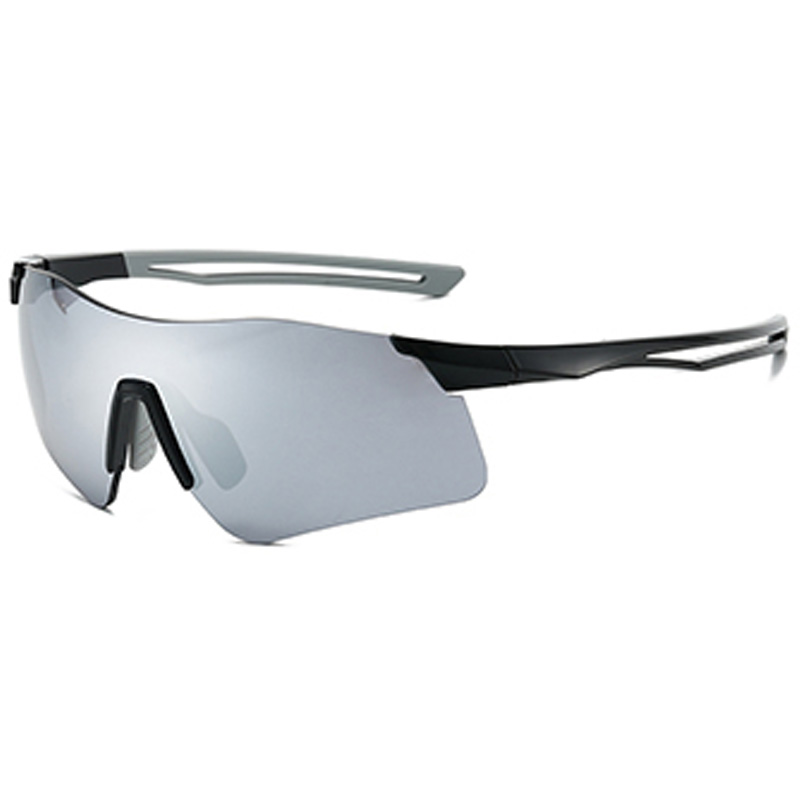
Linhai Huangjia Glasses Co., Ltd. was established in 2023 and is headquartered in Linhai, Zhejiang. We focus on sports glasses, optical glasses, fashionable sunglasses, industrial safety goggles, and military and police tactical goggles.
Our product range allows us to work with different types of eyewear requirements. Sports eyewear requires attention to fit and active use. Optical glasses require attention to everyday visual needs. Industrial and tactical products involve different protection requirements. Working across these areas gives our team a broader understanding of how eyewear design changes according to application.
For B2B customers, I know that manufacturing ability is only one part of the project. Buyers also need communication, production planning, quality checks, packaging, and delivery coordination.
Our approach is to confirm the requirements before production and then organize manufacturing according to the approved specifications. For OEM and ODM projects, this process can include product confirmation, sample development, production planning, packaging confirmation, inspection, and shipment coordination.
I also prefer practical communication over complicated sales language. If a specification is suitable, I will explain how we can handle it. If a requirement needs additional testing or confirmation, that should also be discussed before mass production. This is especially important for protective eyewear, because the final application can determine which standards and tests are relevant.
For customers looking for a TR90 Sports Sunglasses manufacturer, UV400 sports shades supplier, custom sports eyewear manufacturer, or OEM sports sunglasses supplier, this model can be used as a starting point for a larger product discussion.
8. Frequently Asked Questions About TR90 Long Hollow Cutout Temple UV400 Windproof Sports Shades
Are these TR90 sports shades suitable for cycling?
Yes, the product is designed for sports and outdoor use, including cycling. The lightweight sports-oriented frame, extended temple design, and UV400 lens specification make it suitable for cycling-oriented product lines. The exact suitability for a particular cycling environment should be confirmed according to the final lens and frame specifications required by the buyer.
What does UV400 mean?
UV400 is used to describe a lens UV protection specification associated with filtering ultraviolet radiation up to approximately 400 nm. For commercial orders, I recommend confirming the actual test method and documented lens performance required for the target market rather than relying on the product name alone.
Can the sports shades be used as industrial safety goggles?
Not automatically. General-use sports sunglasses and occupational eye protection are different product categories. ISO 12312-1:2022 specifically excludes occupational eye protection from its scope. If the intended application involves industrial hazards, the product needs to be designed, tested, and certified according to the applicable occupational eye-protection requirements.
What is special about the long hollow cutout temple?
The long hollow cutout temple gives the product a distinctive sports appearance and forms part of the overall frame design. From a manufacturing point of view, it also means we need to pay attention to molding consistency, edges, alignment, and assembly.
Can you provide OEM sports sunglasses?
Yes. We can discuss OEM and ODM requirements based on the project. Depending on the order, the discussion may include frame specifications, lens options, colors, logo requirements, packaging, quantity, production schedule, and delivery arrangements.
Can the logo and packaging be customized?
Customization can be discussed according to the project requirements. Before production, I recommend confirming the logo method, logo position, packaging design, labeling, carton requirements, and other details in writing so the approved sample and production specification are clear.
Can the lens specification be changed?
Potential lens configurations can be discussed according to the target market and intended application. The final lens specification should be confirmed before mass production, including optical requirements, UV protection requirements, color, coating requirements, and any applicable testing.
How should I choose sports sunglasses for different outdoor activities?
I recommend starting with the actual environment. For cycling, wind and long wearing time may be important. For running, comfort and stable fit may receive more attention. For hiking, sunlight and changing outdoor conditions can be key considerations. For industrial work, the buyer should start with the specific hazard and applicable safety standard rather than choosing a general sports sunglasses product.
Do you support bulk orders?
Yes. We can discuss production arrangements for bulk orders based on quantity, specifications, packaging, delivery location, and schedule. The production plan can be confirmed after the product details are finalized.
How long does production take?
The production schedule depends on the order quantity, product specification, customization requirements, packaging, and current production plan. For an accurate lead-time estimate, I recommend sending the required quantity and customization details so we can review the project before confirming the schedule.
Can you provide samples before a bulk order?
Sample arrangements can be discussed according to the product and project requirements. For OEM or ODM orders, the approved sample can then be used as an important reference for subsequent production and inspection.
What information should I send when requesting a quotation?
The most useful information includes the product model, estimated quantity, destination market, lens specification, preferred colors, logo requirements, packaging requirements, and desired delivery schedule. If you already have drawings or reference samples, those can also help us understand the project more accurately.
Conclusion: A Practical Sports Eyewear Option for Outdoor Product Lines
When I look at this product as a manufacturer, I see it as more than a pair of sunglasses with a modern frame. The TR90 Long Hollow Cutout Temple UV400 Windproof Sports Shades bring together a sports-oriented frame concept, a distinctive long hollow temple, UV400 lens positioning, and outdoor-focused coverage.
The product can be considered for cycling, running, hiking, outdoor recreation, driving, and sports lifestyle collections. For B2B buyers, it can also serve as a starting point for OEM and ODM development, with product specifications, quantities, packaging, and delivery requirements discussed according to the project.
At the same time, I believe clear product boundaries are important. General-use sports sunglasses should not be presented as occupational safety goggles unless the product has been specifically developed and tested for that purpose. International standards such as ISO 12312-1:2022 and ISO 12311:2023 provide useful references for general sunglasses requirements and test methods, while different applications may require additional or different standards.
If you are sourcing TR90 sports sunglasses, UV400 windproof sports shades, custom sports eyewear, or an OEM Sports Sunglasses Manufacturer, I recommend starting with the application and target specification. Once those details are clear, we can work through the frame, lens, customization, packaging, quantity, production schedule, and delivery requirements step by step.
That is how I prefer to build an eyewear project: start with the user's real needs, turn those needs into clear product specifications, and then make sure the production process follows the confirmed requirements from sample to final shipment.
Technical Reference Sources
| Source | Relevant Information | Use in This Product Page |
|---|---|---|
| ISO 12312-1:2022 | General-use sunglasses and related eyewear; includes requirements covering transmittance, optical properties, robustness, solar radiation resistance, and related characteristics. | Used as a reference when discussing general-use sunglasses and lens/frame performance. |
| ISO 12311:2023 | Reference test methods for sunglasses and related eyewear. | Used as a reference when discussing testing and product verification. |
| ISO 12312-1:2022 Amendment 1:2026 | Published amendment to ISO 12312-1:2022. | Confirms the current amended version of the general-use sunglasses standard. |
| EMS-GRIVORY eyewear material information | Describes transparent polyamide materials, including TR90, for eyewear applications and discusses lightweight and mechanical properties. | Used as supporting material information for the TR90 frame discussion. |
Reference note: Standards and material information should be checked against the exact product configuration, destination market, and applicable conformity requirements before being used as a product certification claim. ISO 12312-1:2022 was published for general-use sunglasses, and its scope does not cover occupational eye protection or certain specific sports eye protectors.



 Phone
Phone