



When I look at Sports sunglasses, I do not only look at the frame from the front. I also think about how the product feels when someone wears it during real movement. A good pair of sports shades should look clean, sit comfortably, stay practical during outdoor activities, and give the wearer a clear view of the surrounding environment.
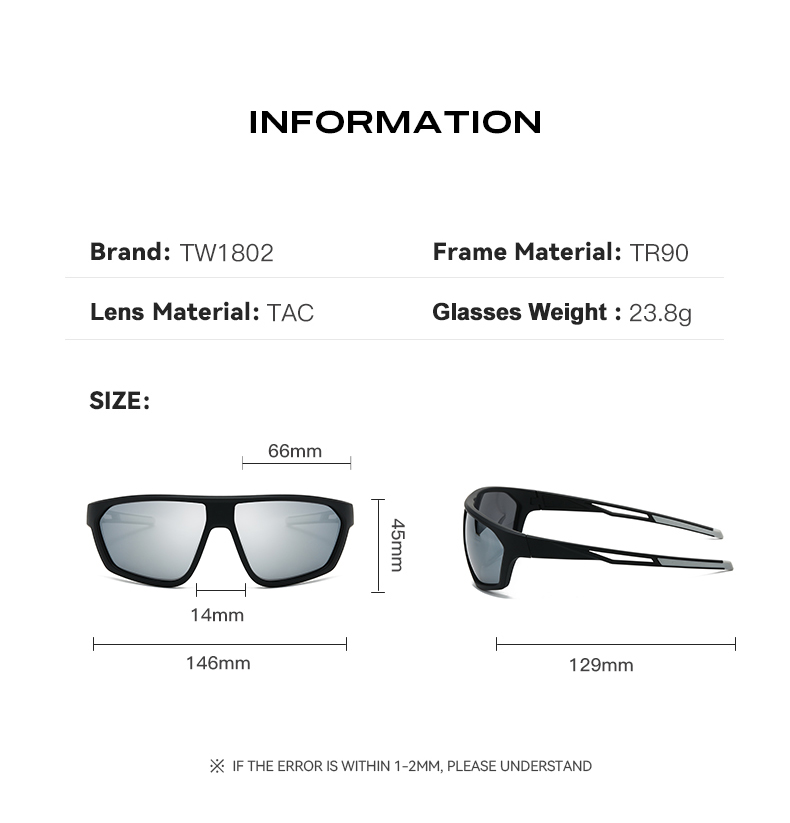
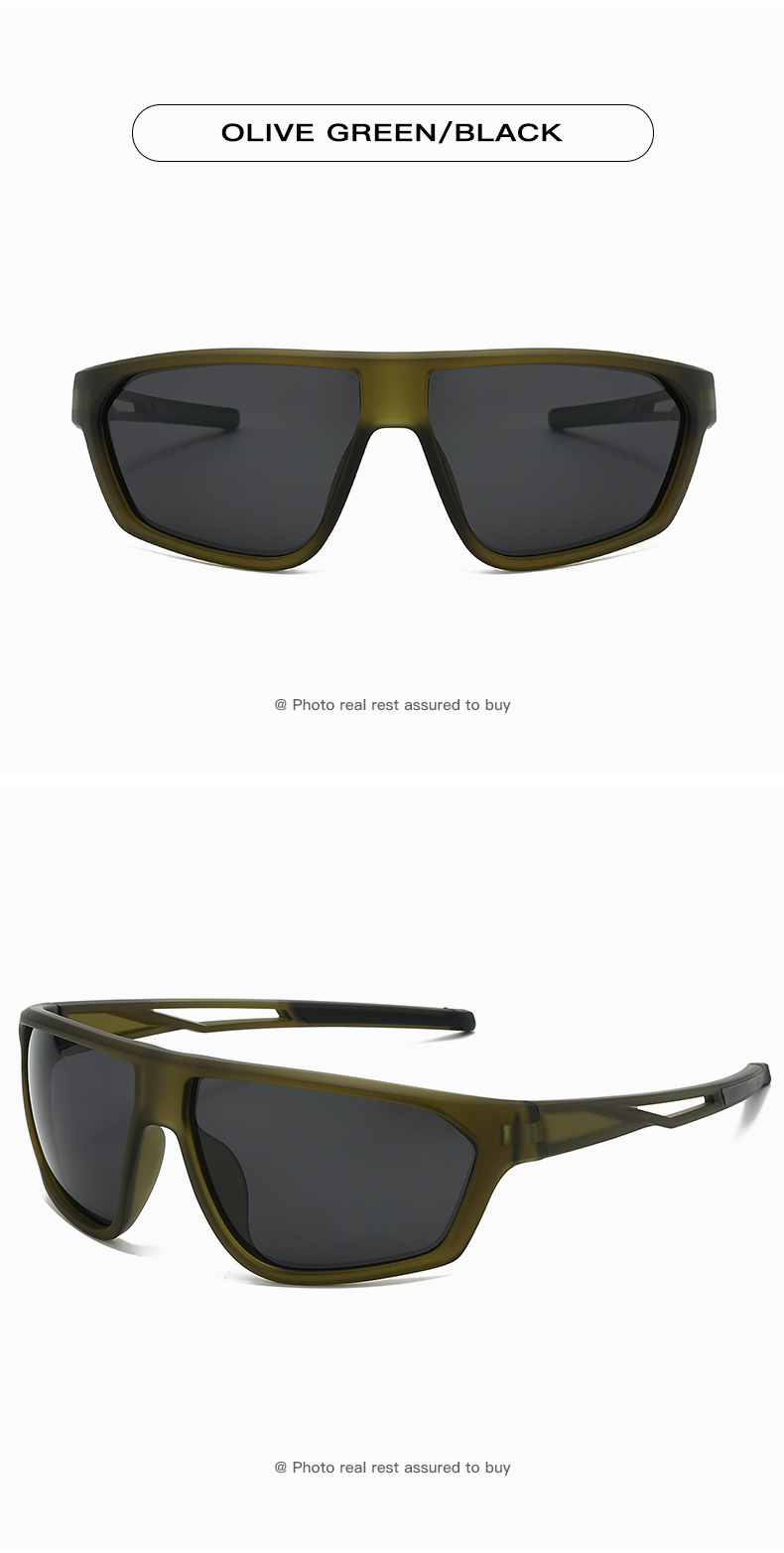
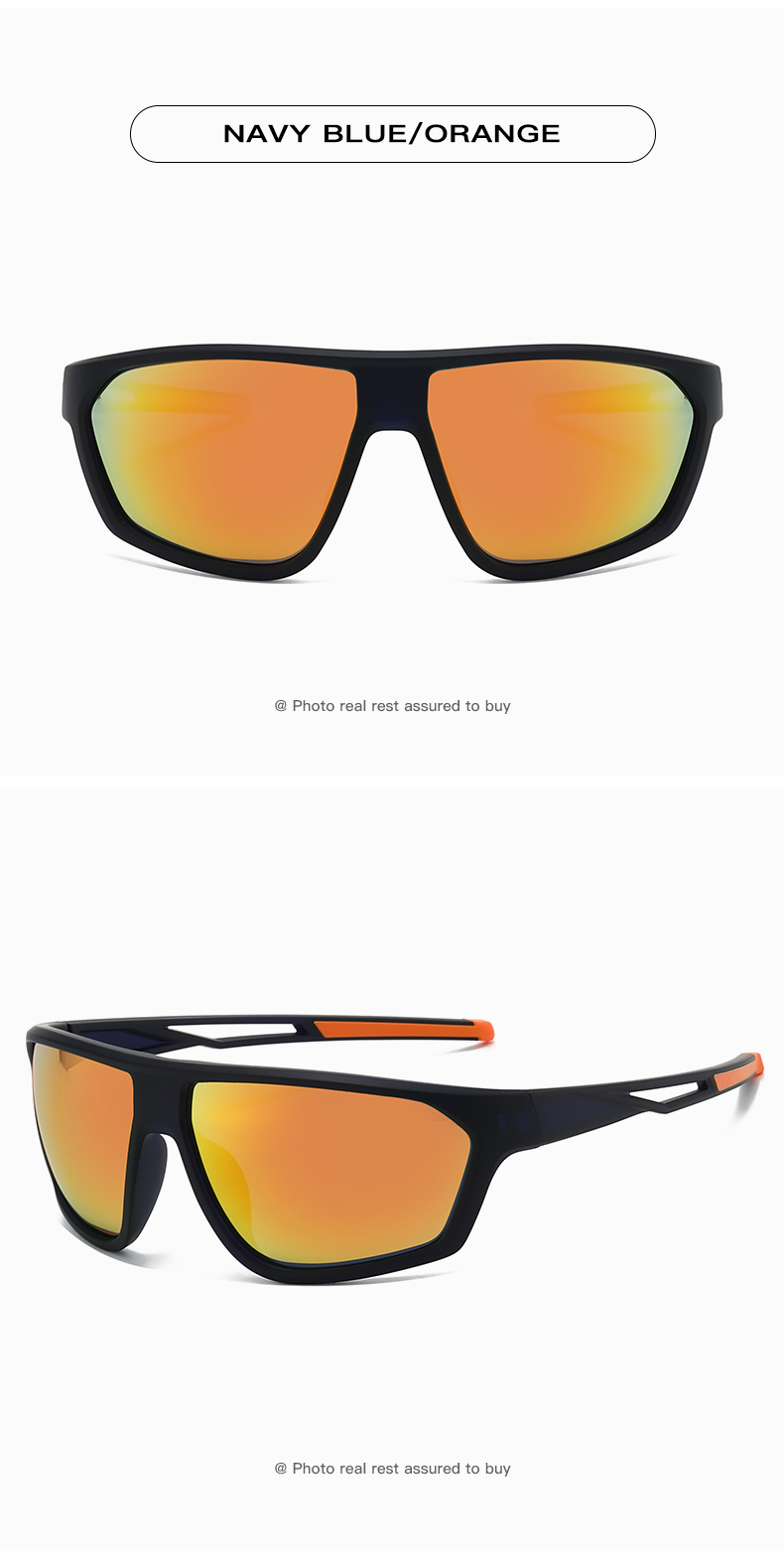
That is the idea behind our TR90 Hollow Temple Wraparound Sport Shades. This model combines a wraparound sports profile with a hollow temple design and a TR90-oriented frame structure. The result is a modern eyewear style that fits naturally into sports, outdoor, fitness, travel, and active lifestyle collections.
At Linhai Huangjia Glasses Co., Ltd., I work with a product range that covers sports Sunglasses, sports optical glasses, fashionable sunglasses, industrial safety goggles, and military and police tactical goggles. Each category has different requirements, so I prefer to start with the actual application before deciding how a product should be developed.
For this particular model, the focus is on a sporty appearance, practical frame construction, comfortable wearing, and flexible use in outdoor environments. The product can also be considered as a base model for OEM and ODM projects where customers need their own colors, branding, packaging, or product configuration.
I know that B2B buyers usually need more than a nice product photograph. They need to know what the product is designed for, how it is made, what can be customized, and how the supplier handles production and delivery. That is why I want to explain this model from a practical manufacturing and user perspective.
1. What Makes TR90 Hollow Temple Wraparound Sport Shades Different?
The first thing that stands out is the wraparound shape. Instead of following a simple flat front design, wraparound sports eyewear creates a more curved visual profile around the face. This gives the product a recognizable sports appearance and can help create broader visual coverage, depending on the final lens geometry.
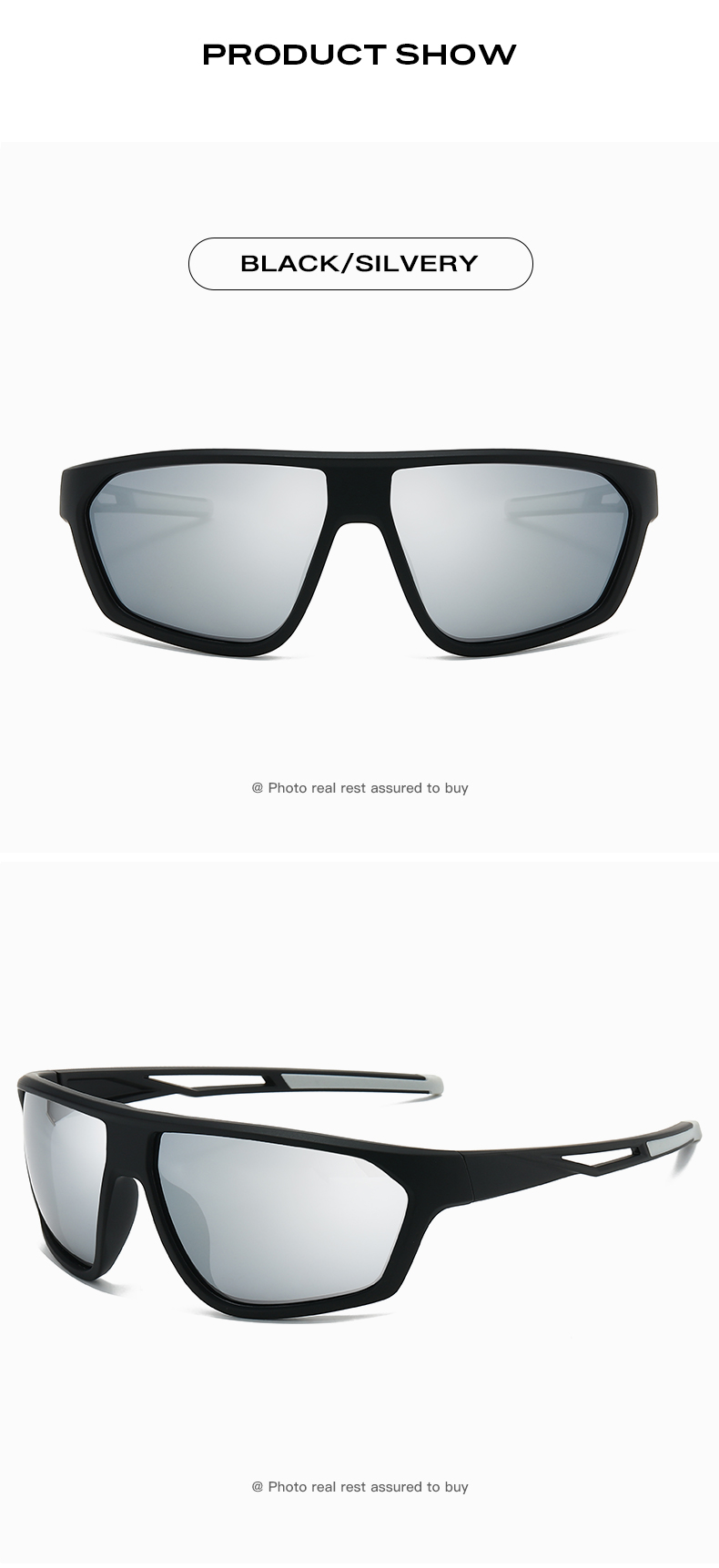
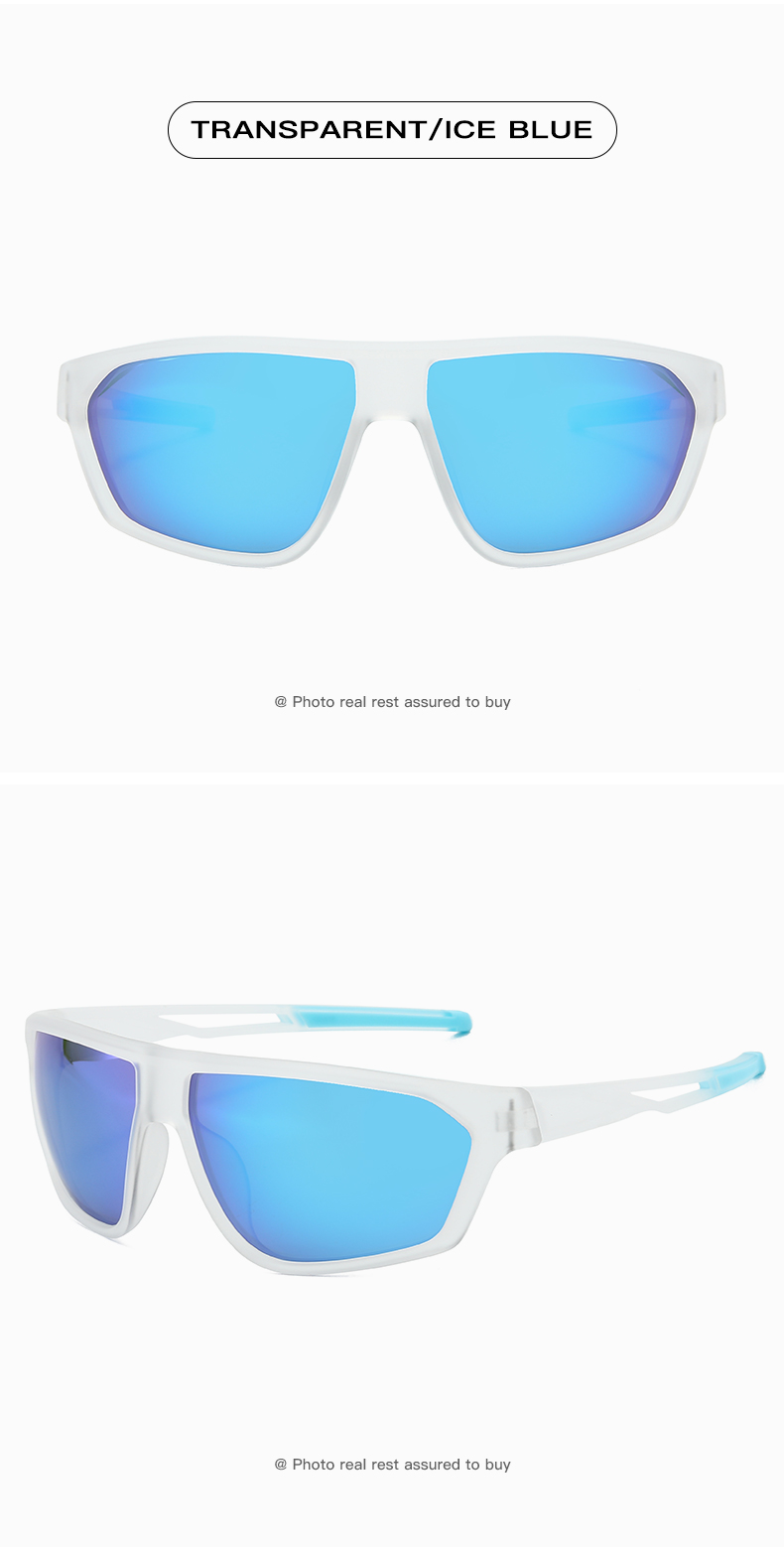
The second feature is the hollow temple. Rather than using a completely solid-looking temple structure, the hollow section creates an open visual detail along the side of the frame. I like this design because it makes the product look lighter and more dynamic without relying on complicated decoration.
The third element is the TR90 frame concept. TR90 is widely used in lightweight eyewear and is familiar to many sports eyewear manufacturers and buyers. For this product, the material selection works together with the frame geometry to create a practical sports-oriented structure.
Put these three elements together and the product has a clear identity: wraparound sports styling at the front, a distinctive hollow temple on the side, and a lightweight-oriented frame concept.
This combination can be useful for brands that want something between traditional sunglasses and highly technical performance eyewear. It has enough sporty character for outdoor collections while keeping a clean appearance that can work in lifestyle retail.
| Design Element | Product Direction | Potential User Benefit |
|---|---|---|
| Wraparound Profile | Curved sports-oriented shape | Creates a broader visual frame and active appearance |
| Hollow Temple | Open side-frame structure | Adds visual lightness and sporty styling |
| TR90 Frame | Lightweight-oriented eyewear material | Supports comfortable everyday wearing |
| Sport Shades Format | Outdoor and active lifestyle positioning | Suitable for multiple recreational applications |
Source: Product characteristics in this table are based on the supplied product name and product information from Linhai Huangjia Glasses Co., Ltd. They are design and application descriptions rather than independent laboratory performance measurements.
2. How the Wraparound Structure Works During Outdoor Use
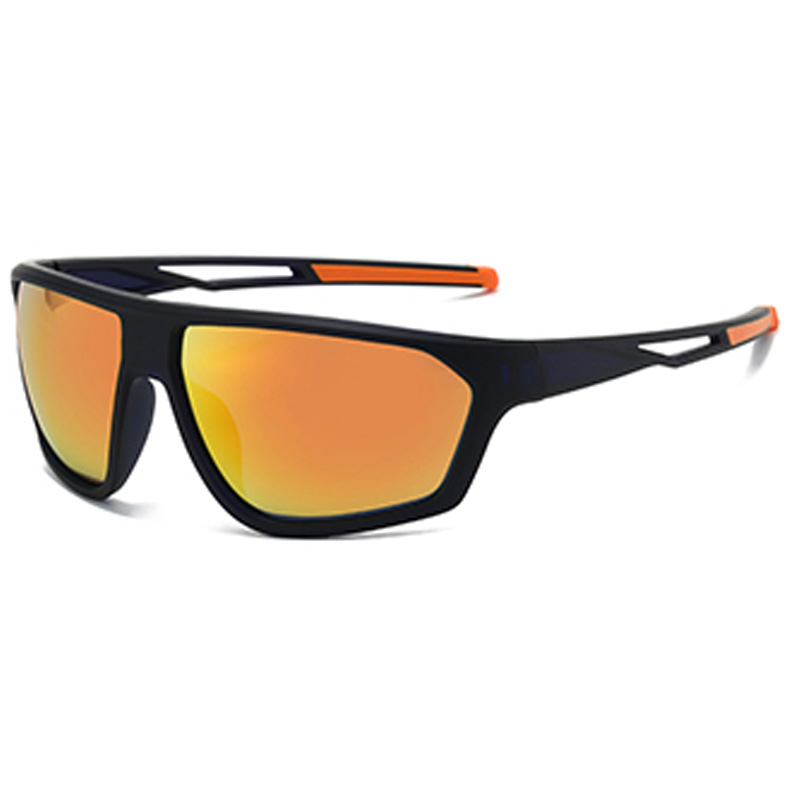
It is easy to think that sunglasses are simply a frame and two lenses. In practice, the relationship between these parts matters quite a lot. The lens needs to stay in the correct position. The temples need to support the frame. The nose area affects how the product sits on the face. The frame shape influences the overall visual field and appearance.
With a wraparound design, the front of the frame follows a more curved path than a conventional flat-looking frame. This can help create a more enclosed visual appearance around the eyes. The exact coverage depends on the lens shape, frame geometry, dimensions, and final product configuration.
For sports users, that design can make sense because outdoor activities often involve changing viewing directions. A cyclist looks ahead and to the side. A runner checks the road around them. A hiker may move between bright open areas and shaded paths. A traveler may wear sunglasses for several hours while moving between different environments.
The goal is not to make the frame complicated. I prefer a structure that is easy to understand and easy to use. The frame should hold the lens securely, the temples should provide a stable wearing position, and the overall weight should remain comfortable for the intended user.
The hollow temple adds another practical design point. Visually, the open section makes the side profile more interesting. From a product-development perspective, however, the structure still needs to be checked carefully during tooling and molding because thin or open areas can require more attention to dimensional stability and surface finish.
This is one reason why I do not treat the product photograph as the final answer. The actual production sample is important. It lets us check the frame shape, temple movement, lens fit, surface condition, and overall assembly before a bulk order is confirmed.
3. Main Features for Sports and Outdoor Eyewear Collections
Wraparound Sports Design
The wraparound shape immediately communicates an active outdoor feeling. It works naturally with cycling, running, hiking, fitness, travel, and recreational sports categories. Depending on the lens and frame configuration, it can also be positioned as outdoor lifestyle eyewear.
For retailers, this kind of design can be easier to group with other active products. It does not need to be limited to one sport. A brand can build a collection around outdoor movement, active travel, weekend recreation, or everyday sportswear.
Hollow Temple Construction
The hollow temple is one of the product's strongest visual details. It gives the side of the frame an open structure and creates a more modern technical look.
I also pay attention to this area during manufacturing because the temple has to work as a functional part of the frame, not just as decoration. It needs to open and close correctly, connect properly with the hinge or temple mechanism, and maintain a consistent appearance after molding and finishing.
Lightweight-Oriented TR90 Frame
TR90 has become a familiar material in lightweight eyewear because it can be used to create frames with a practical balance of weight, flexibility, and everyday usability when properly designed and processed.
Still, I avoid making blanket claims about material performance. Not every TR90 frame has exactly the same formulation or mechanical properties. Material grade, frame thickness, geometry, molding conditions, and finished construction all affect the final product.
For customers with specific mechanical, temperature, chemical, or impact requirements, we recommend defining the exact specification and testing needs before mass production.
Sporty Appearance with Lifestyle Potential
Some sports sunglasses look so technical that they are difficult to use outside a specific activity. This model takes a more flexible approach. The wraparound front gives it a clear sports identity, while the streamlined frame and hollow temple can also fit modern lifestyle eyewear collections.
That flexibility can be useful for brands selling through multiple channels, including sporting goods stores, outdoor retailers, online eyewear shops, fashion accessory stores, and private-label collections.
Clear Visual Focus
For any sunglasses product, the wearer still needs to see the environment clearly. Darker does not automatically mean better. Lens color, visible light transmission, optical quality, UV filtering, coating, and application all need to be considered together.
For that reason, I recommend selecting the lens specification based on the target market and actual use rather than choosing a lens simply because it looks attractive in a product photo.
4. Choosing the Right Lens and Frame Configuration
One of the most important decisions in an eyewear project is the lens. The same frame can serve different markets depending on how the lens is configured.
For outdoor lifestyle sunglasses, customers may focus on UV protection, lens color, appearance, visual comfort, and general outdoor use. For sports applications, buyers may pay more attention to coverage, optical clarity, fit, stability, and the conditions where the product will be worn.
For professional protective eyewear, the requirements become much more specific. Industrial safety products should be selected according to the actual workplace hazards and applicable regulations. A general sports sunglasses frame should not automatically be marketed as industrial safety eyewear simply because it has a wraparound shape.
For example, ANSI/ISEA Z87.1 addresses occupational and educational eye and face protection. Its requirements cover areas such as testing, selection, marking, care, and use. The standard includes different considerations for hazards such as impact and certain forms of non-ionizing radiation, as well as other protective functions.
That distinction is important for B2B buyers. If the intended product is simply outdoor sports eyewear, the development process can focus on the needs of that market. If the product is intended for a regulated safety application, the specification and testing plan need to be established around the applicable standard.
| Product Market | Typical Development Focus | Questions I Recommend Checking |
|---|---|---|
| Outdoor Lifestyle | Comfort, appearance, UV-related lens requirements | Where will users wear the sunglasses? |
| Sports & Fitness | Fit, stability, visual field, lens characteristics | How much movement and outdoor exposure are expected? |
| Fashion Sportswear | Frame shape, colors, styling, branding | Which customer group and retail channel are targeted? |
| Industrial Protection | Hazard-specific protection and applicable standards | What workplace hazards and certification requirements apply? |
Source: Application categories are based on the supplied product and company information. Safety-standard considerations are based on ANSI/ISEA Z87.1 reference information. Actual product suitability depends on the final specification and testing.
5. Manufacturing Process: From Frame Design to Finished Sport Shades
When I explain eyewear manufacturing to customers, I usually keep it simple. The product starts with a design, but the real work begins when that design has to become hundreds or thousands of consistent finished pieces.
Frame Design and Tooling
The frame geometry needs to be translated into tooling that can reproduce the required shape. With a wraparound frame and hollow temple, tooling accuracy becomes especially important because the open temple structure and curved front need to remain consistent from piece to piece.
Before production, I recommend checking the frame dimensions, lens shape, temple dimensions, connection points, logo locations, and surface requirements. These details are much easier to resolve before tooling and mass production than after finished products are already made.
Material Preparation
The selected frame material is prepared according to the agreed production specification. Material condition can influence molding quality, so production teams need to follow the appropriate material handling and processing requirements.
Injection Molding
The frame is formed through an injection molding process appropriate for the selected material and tooling. During this stage, temperature, pressure, filling behavior, cooling, and mold condition can influence the final frame.
The hollow temple area deserves attention because open structures may reveal molding issues more clearly. A good production process should aim for consistent edges, clean surfaces, and stable dimensions.
Trimming and Surface Finishing
After molding, excess material and unwanted edges can be removed. The frame may then receive the required finishing treatment according to the approved design.
This stage has a direct effect on the way the finished product looks and feels. Even small surface defects can become noticeable when customers inspect a pair of sunglasses closely.
Lens Preparation and Assembly
The lens needs to match the frame geometry. During assembly, the lens is installed into the frame according to the product structure. The temples are then assembled and checked for movement and alignment.
Inspection and Packaging
Before shipment, the finished product can be checked against the agreed requirements. Appearance, assembly, lens condition, frame condition, packaging, and order quantity are all practical points to review.
For B2B orders, packaging is not a minor detail. Sunglasses are appearance-sensitive products, so packaging needs to be considered as part of the complete delivery process. Packaging methods can be discussed according to the customer's market, transportation plan, and product requirements.
| Manufacturing Stage | Primary Focus | Typical Inspection Point |
|---|---|---|
| Design & Tooling | Frame geometry and mold structure | Dimensions, shape, connection points |
| Injection Molding | Frame forming | Surface, shape, molding consistency |
| Finishing | Edge and surface condition | Appearance and unwanted defects |
| Lens Assembly | Lens-frame matching | Fit, alignment and visible condition |
| Final Assembly | Complete frame construction | Temple movement and overall appearance |
| Packaging | Protection and presentation | Quantity, packaging specification and condition |
Source: The manufacturing process is a practical description based on the supplied manufacturing scope of Linhai Huangjia Glasses Co., Ltd. Exact equipment, process parameters, and inspection methods depend on the confirmed product specification.
6. Where I Would Use These Wraparound Sport Shades
I see several natural applications for the TR90 Hollow Temple Wraparound Sport Shades. The key is to match the final product configuration with the actual market rather than trying to make one product suitable for every situation.
Cycling and Outdoor Recreation
Cycling is a natural market for wraparound sports eyewear. Riders spend extended periods outdoors and may face changing light, wind, dust, and movement. The wraparound profile creates a sporty appearance that fits this market well.
For serious cycling applications, however, I recommend checking the actual lens coverage, impact performance, optical characteristics, ventilation, and fit requirements before final product selection.
Running and Fitness
Running and outdoor fitness users often want eyewear that is comfortable and easy to wear. The product's lightweight-oriented frame concept and active styling make it suitable for consideration in these categories.
For fitness brands, the hollow temple can also become a recognizable design element across a product collection.
Hiking and Outdoor Travel
Hiking and travel combine practical and fashion needs. People want protection from bright outdoor conditions, but they also care about how their sunglasses look in photographs and daily life.
The wraparound structure gives the product a clear outdoor identity, while the streamlined temple design can keep the appearance modern enough for travel and casual wear.
Sports Retail and Private Label
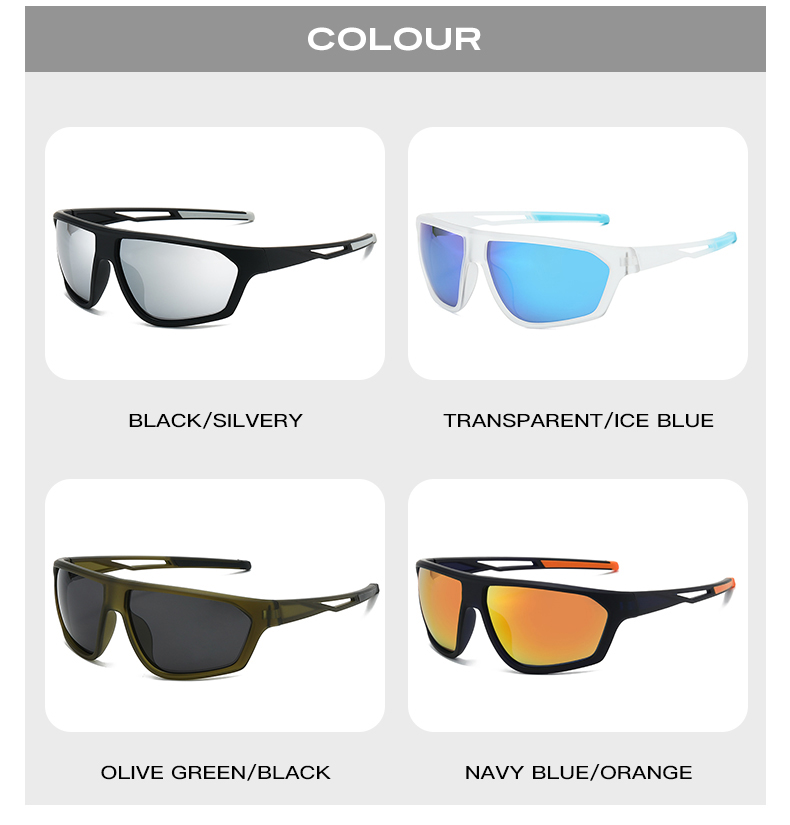
This product can also work as a base model for private-label sports eyewear. A buyer may develop different frame colors, lens combinations, logo treatments, and packaging configurations around the same basic frame concept.
This is particularly useful for companies that want to create a small collection instead of launching only one isolated product.
Outdoor Lifestyle Collections
Not every customer wearing sports sunglasses is a professional athlete. Many consumers simply want an active-looking product for weekend activities, driving, walking, traveling, and general outdoor use.
That broader positioning can make this model useful for lifestyle brands that want a product with a stronger sports character without making the design too specialized.
7. Why Choose Linhai Huangjia Glasses Co., Ltd. for OEM and ODM?
We established Linhai Huangjia Glasses Co., Ltd. in 2023 and are headquartered in Linhai, Zhejiang. Our business focuses on eyewear research and manufacturing, including sports sunglasses, sports optical glasses, fashionable sunglasses, industrial safety goggles, and military and police tactical goggles.
When I work on a B2B eyewear project, I believe communication is just as important as production. A buyer may know exactly how they want the finished product to look but may not know which manufacturing details need to be confirmed first. On the other hand, a factory may understand the production process but still need more information about the customer's target market.
Our job is to connect those two sides.
For an OEM project, the customer may already have a product concept or an existing design. We can work from the confirmed specifications and discuss the production requirements, branding, packaging, quantity, and delivery schedule.
For an ODM project, the starting point may be broader. The customer may provide a market direction, reference style, target user, or general design idea. From there, the product details can be discussed and developed into a manufacturable solution.
We also understand that not every buyer needs the same purchasing terms. Payment methods, production lead time, shipping arrangements, and packaging methods can be discussed according to order size, customization requirements, and destination.
I prefer this flexible approach because it keeps the discussion practical. Instead of promising things that have not been confirmed, we work through the actual product requirements and establish the production plan step by step.
Our wider product experience is also useful for customers developing different types of protective or performance eyewear. Sports eyewear, optical glasses, industrial safety goggles, and tactical goggles have different design priorities. Understanding these differences helps us communicate more clearly when a customer has several product categories under one brand.
8. Frequently Asked Questions About TR90 Hollow Temple Wraparound Sport Shades
What are TR90 Hollow Temple Wraparound Sport Shades?
They are sports-oriented sunglasses featuring a wraparound front profile, hollow temple construction, and a TR90-oriented frame design. They are intended for outdoor sports, recreation, fitness, travel, and active lifestyle applications, depending on the final product configuration.
What does the hollow temple mean?
The hollow temple refers to an open section incorporated into the side structure of the frame. It creates a distinctive visual detail and gives the sunglasses a more dynamic sports appearance.
Are TR90 wraparound sport shades lightweight?
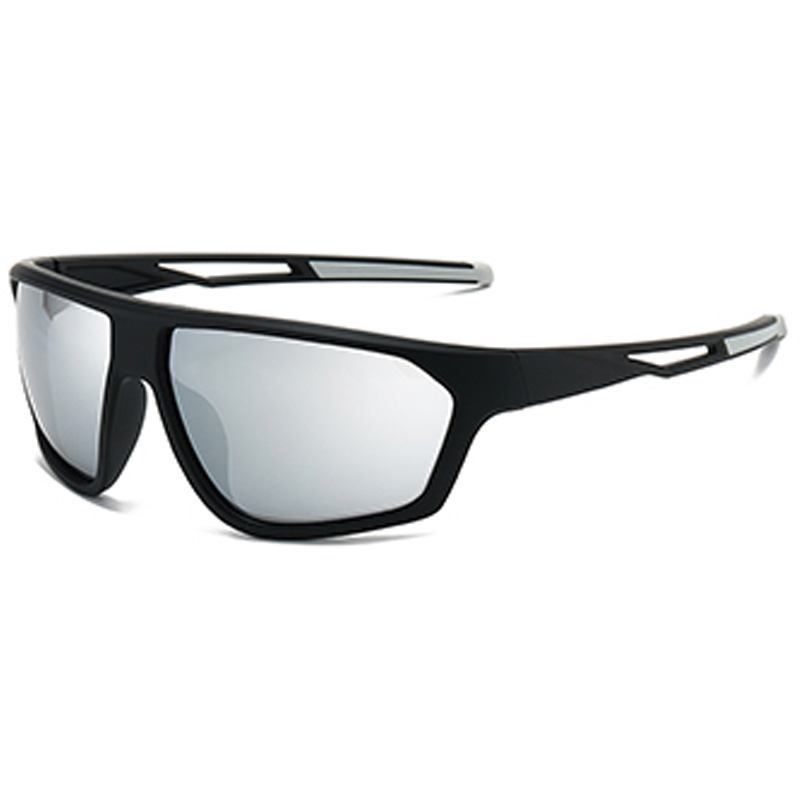
The product is designed around a TR90 frame concept that supports a lightweight-oriented eyewear structure. However, the actual finished weight depends on the frame dimensions, lens material, hardware, coatings, and final configuration.
Can I customize these sports sunglasses?
OEM and ODM customization can be discussed. Depending on the project, customers may request frame colors, lens configurations, branding, packaging, and other product specifications.
Can you add my company logo?
Yes, private-label branding can be discussed according to the selected decoration method. Logo position, artwork, size, color, and packaging requirements should be confirmed before production.
Are these sunglasses suitable for cycling?
The wraparound design is suitable for consideration in cycling and recreational outdoor eyewear collections. For professional or high-speed cycling, buyers should review the actual lens and frame specifications and any applicable safety or sport-specific requirements.
Can they be used as industrial safety glasses?
Not automatically. Sports sunglasses and industrial safety eyewear are different categories. If the product will be used in an industrial workplace, the buyer needs to identify the actual hazards and applicable protective eyewear standards. The final product should only be marketed for a specific safety application when its relevant requirements have been verified.
Can I order samples before bulk production?
Sample development or sample confirmation can be discussed for OEM and ODM projects. A physical sample gives the customer an opportunity to review the frame appearance, fit, lens configuration, assembly, and other important details before larger-scale production.
What information should I provide when requesting a quotation?
I recommend providing the product reference, required quantity, frame color, lens requirements, logo details, packaging specifications, target delivery date, destination, and any applicable product standards. If you already have drawings or reference images, these can also help us understand the project more accurately.
What is the MOQ for custom sunglasses?
The minimum order quantity depends on the product model, customization requirements, tooling needs, materials, packaging, and production arrangement. We recommend confirming the required quantity when discussing the project so the appropriate production plan can be prepared.
How long does production take?
The production schedule depends on the order quantity, product complexity, customization level, material availability, tooling requirements, and current production schedule. The expected lead time can be confirmed after the product specifications are reviewed.
Do you support wholesale sports sunglasses?
Yes. We support bulk purchasing, OEM, ODM, and customized eyewear projects. Wholesale buyers, distributors, retailers, private-label brands, and other commercial customers can discuss product specifications, quantities, packaging, payment, production, and shipping requirements with us.
Final Thoughts on TR90 Hollow Temple Wraparound Sport Shades
When I look at the TR90 Hollow Temple Wraparound Sport Shades as a complete product, I see a practical combination of three design ideas: a curved wraparound sports profile, an eye-catching hollow temple, and a TR90-oriented lightweight frame concept.
The product can fit naturally into cycling, running, hiking, outdoor fitness, travel, recreational sports, sports retail, and active lifestyle collections. Its final application should always be determined by the actual lens and frame specification.
For B2B customers, the bigger opportunity is customization. The same basic product concept can be developed into different commercial collections through frame colors, lens choices, branding, packaging, and other agreed specifications.
At Linhai Huangjia Glasses Co., Ltd., I focus on making that process straightforward. We can discuss the product requirements first, confirm the specifications, arrange samples where needed, organize production according to the agreed plan, and coordinate packaging and shipment based on the order.
If you are searching for a TR90 Wraparound Sport Sunglasses manufacturer, a Hollow Temple Sports Sunglasses supplier, a lightweight TR90 sport shades manufacturer, or an OEM/ODM partner for custom sports eyewear, this model can be a practical starting point for discussion.
I believe good eyewear manufacturing starts with a clear understanding of the user and ends with a product that matches the confirmed specification. That means paying attention to the frame, lens, assembly, packaging, production schedule, and delivery—not just the appearance of the sunglasses.
That is the approach we bring to every eyewear project we work on.
Technical and Reference Sources
| Source | Reference Use |
|---|---|
| ANSI/ISEA Z87.1-2025 | Reference for occupational and educational eye and face protection requirements, including selection, testing, marking, care, and use. |
| ANSI/ISEA Z87.1-2020 | Background reference for protective eyewear performance and application considerations. |
| ASTM F2812-12(2018) | Reference for spectacle- and goggle-type eye protectors designed for selected motor sports and related impact and penetration considerations. |
| Linhai Huangjia Glasses Co., Ltd. Supplied Product Information | Source for the company background, product categories, product positioning, OEM/ODM support, customization approach, and manufacturing information used throughout this page. |
Product and compliance note: The presence of an industry standard in this article does not mean that this specific model is certified to that standard. Certification or compliance claims should only be made when the finished product has completed the applicable testing and the relevant documentation is available. Actual product suitability depends on the final design, materials, testing, intended application, and requirements of the target market.



 Phone
Phone