



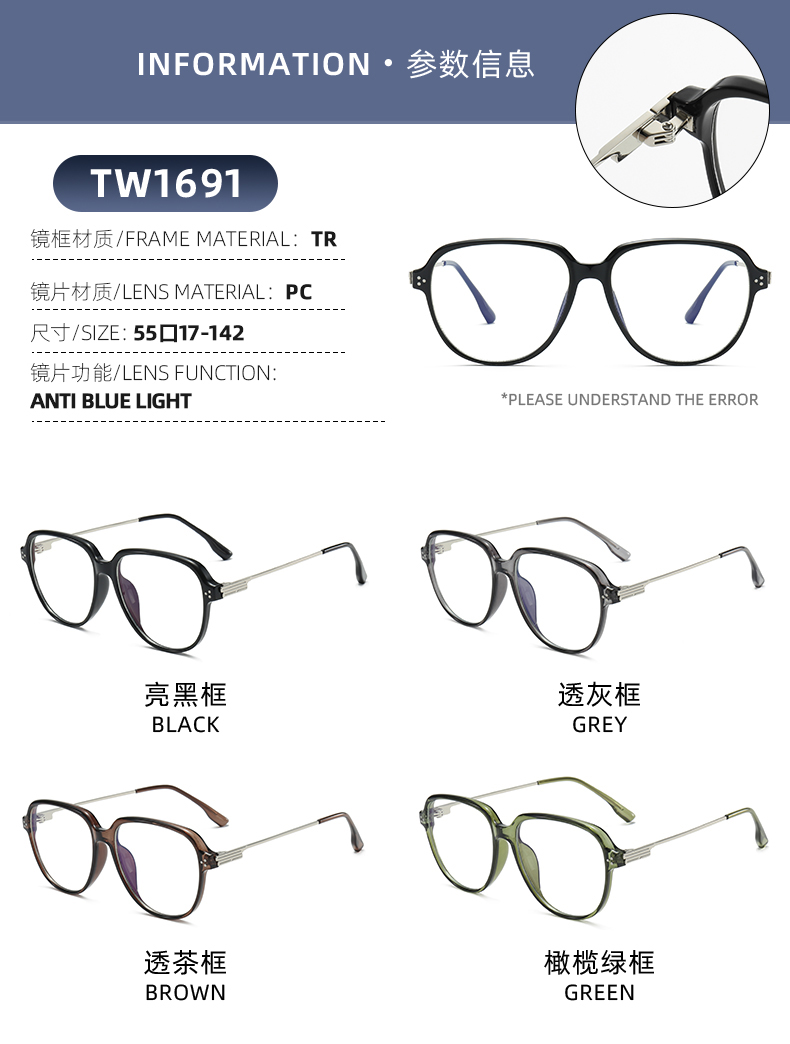
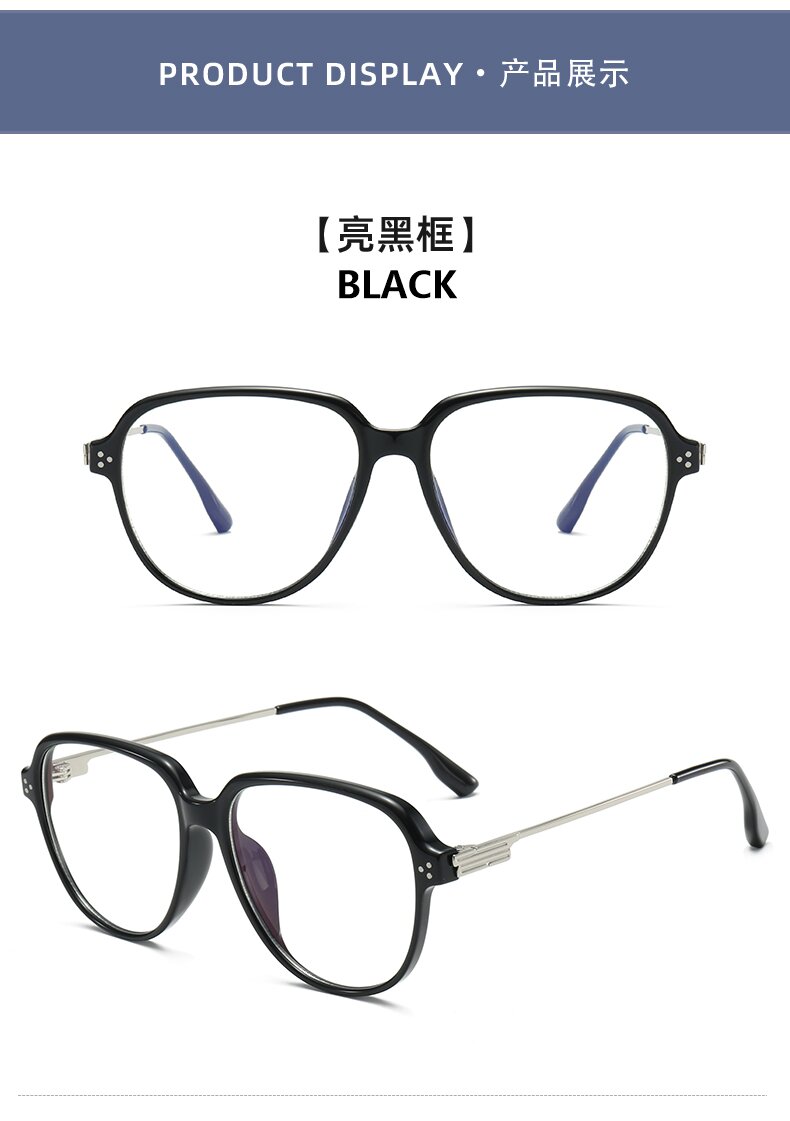
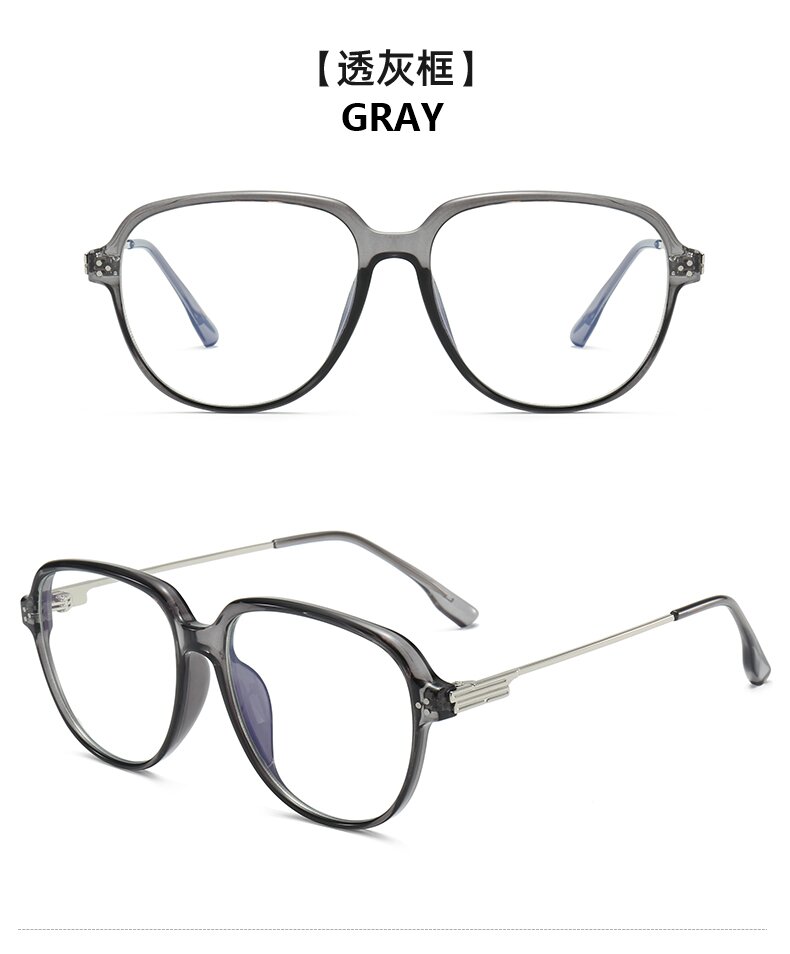
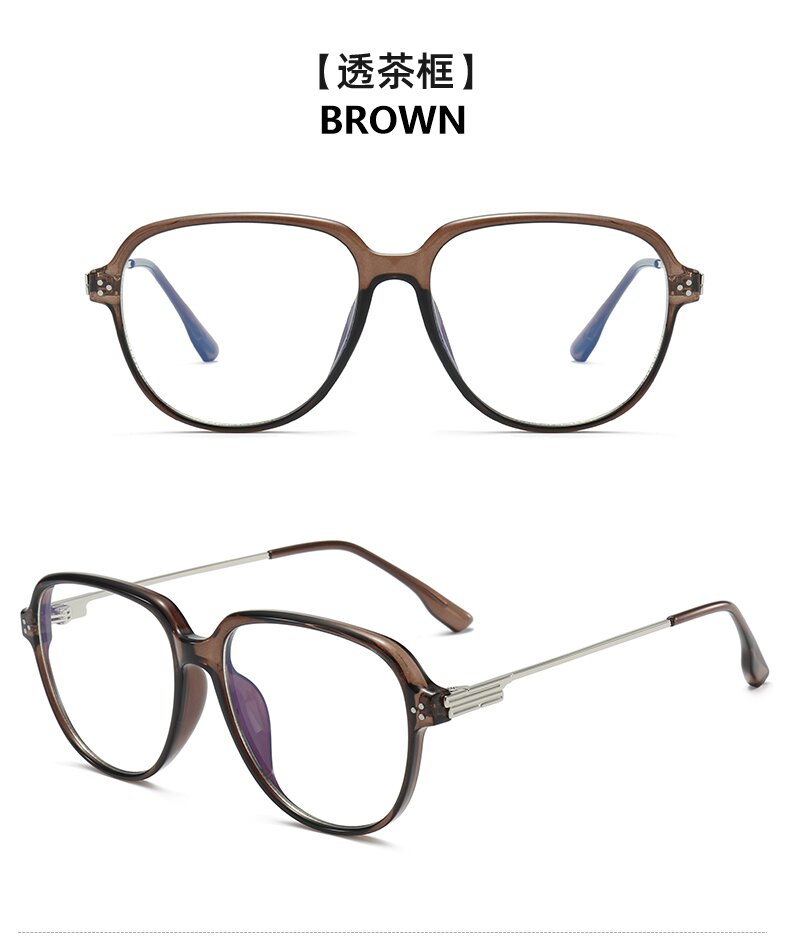
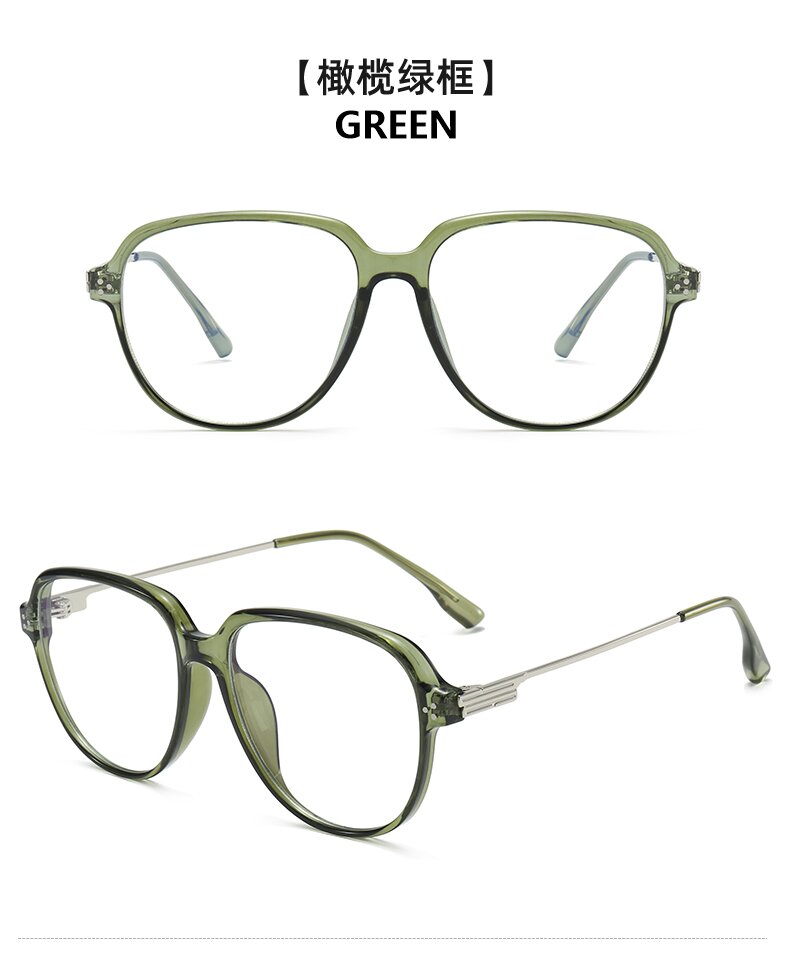
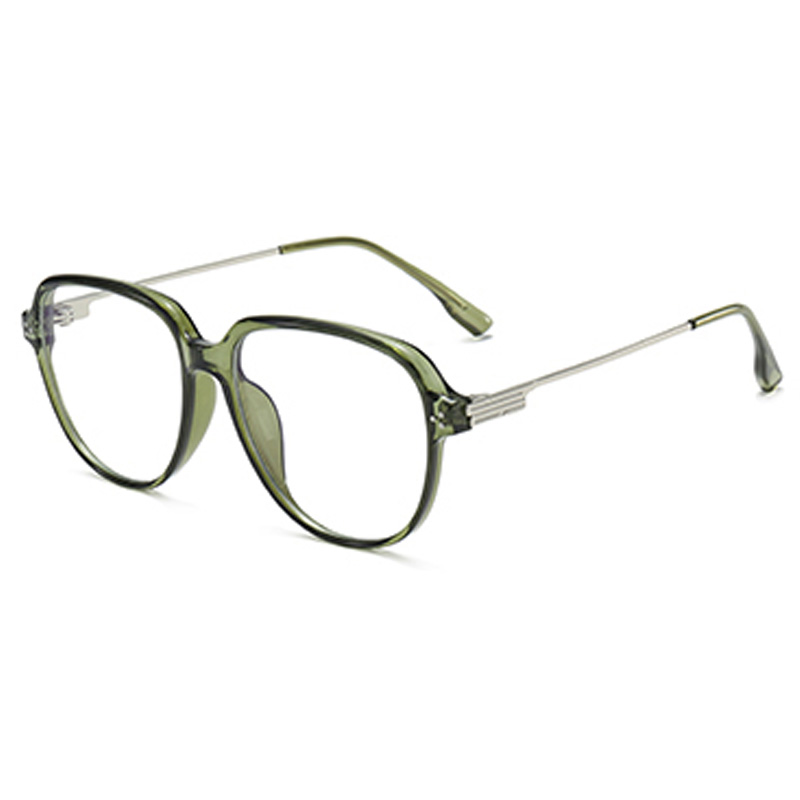
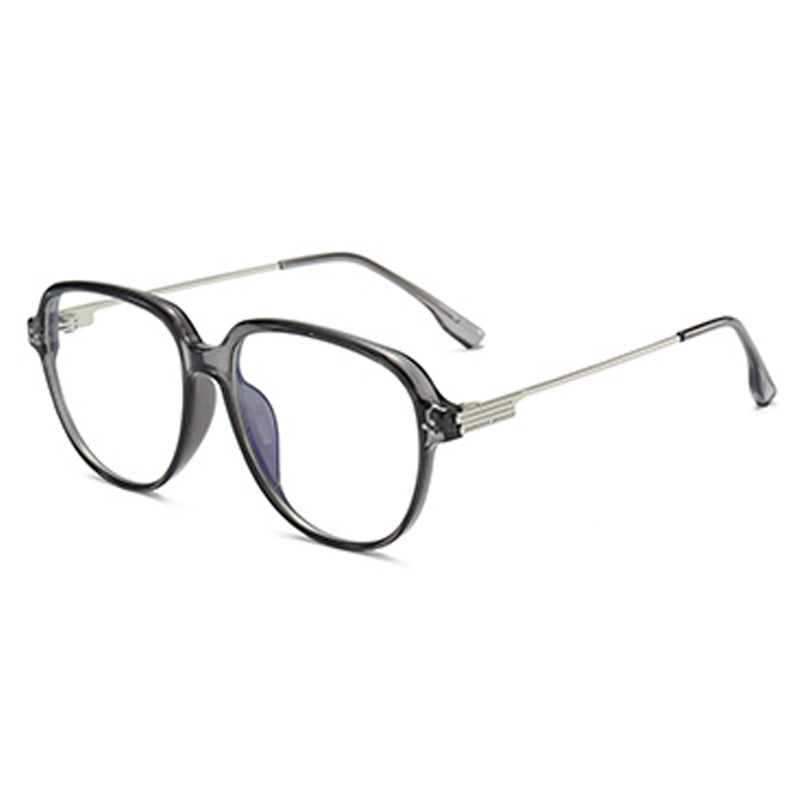
When I design or select eyewear for long hours of screen use, I look beyond appearance. A pair of glasses has to feel comfortable on the face, provide clear vision, and fit the way people actually use it every day. Our TR Square Anti-Blue-Light Eyeglasses are developed around this practical idea. They combine a clean square frame style with an anti-blue-light lens option, making them suitable for office work, study, digital devices, daily wear, and customized eyewear programs.
At Linhai Huangjia Glasses Co., Ltd., I focus on eyewear manufacturing rather than simply selling a finished frame. Our product range covers sports glasses, optical glasses, fashionable Sunglasses, industrial safety goggles, and military and police tactical goggles. This wider manufacturing experience gives us a practical understanding of different eyewear structures, lens requirements, wearing conditions, and customer specifications.
For the TR Square Anti-Blue-Light Eyeglasses, I pay particular attention to three things: visual clarity, wearing comfort, and consistent production. The goal is not to make exaggerated promises about blue light. Instead, I want to provide a dependable eyewear option that can be adapted to different markets, prescriptions, quantities, packaging requirements, and OEM or ODM projects.
1. What Are TR Square Anti-Blue-Light Eyeglasses?
TR Square Anti-Blue-Light Eyeglasses are everyday optical glasses built around a square-shaped frame and an anti-blue-light lens configuration. The term “TR” generally refers to a thermoplastic frame material family commonly used in eyewear because it can support lightweight frame construction and flexible wearing characteristics. The exact frame composition and specification should always be confirmed according to the production order.
The square frame gives the product a simple and modern appearance. It is easy to understand at first glance and works well for customers who prefer a more defined frame outline instead of a very round or narrow shape. For an eyewear buyer, however, frame appearance is only one part of the decision. The bridge, temple length, lens size, frame balance, hinge construction, nose contact, and overall fit all influence how a pair of glasses feels after several hours of use.
The anti-blue-light function comes from the lens design. Depending on the selected lens specification, a lens may be designed to attenuate selected portions of short-wavelength visible light. This is different from saying that every form of blue light is harmful or that blue-light filtering glasses can prevent eye disease. Current eye-care information does not support making such broad claims.
I therefore prefer to describe this product in a practical way. These glasses are designed for people who spend a lot of time looking at digital screens and want an eyewear option with an anti-blue-light lens feature. They can be used for computers, tablets, phones, online learning, office work, design work, gaming, and other everyday visual tasks.
For prescription projects, the frame can also be evaluated according to the customer's required prescription lens configuration. For OEM and ODM projects, lens type, color, coating, logo, packaging, frame dimensions, and other specifications can be discussed before mass production.
| Eyewear Type | Main Purpose | Typical Environment | Important Selection Point |
|---|---|---|---|
| Anti-Blue-Light Eyeglasses | Everyday visual use and selected blue-light filtering | Office, study, digital devices | Lens specification, clarity, fit and comfort |
| Sports Glasses | Visual support and activity-related protection | Cycling, running, outdoor sports | Coverage, stability and activity suitability |
| Industrial Safety Glasses | Protection from workplace eye hazards | Factories, workshops, construction | Applicable safety standard and hazard assessment |
| Tactical Goggles | Specialized eye protection | Military, police and tactical applications | Required protection level and application standard |
Source: Application distinctions are based on occupational eye-protection guidance published by the U.S. CDC/NIOSH. Standard consumer optical glasses should not be treated as industrial protective eyewear unless the specific product has been designed, tested and certified for that use.
2. How Does the Anti-Blue-Light Lens Work?
This is one of the questions I hear most often from eyewear buyers, so I prefer to explain it without making the subject more complicated than it needs to be.
Visible light contains different wavelengths. Blue light is part of that visible-light range and has relatively short wavelengths compared with red or orange light. Digital displays, LED lighting, daylight and many other common sources contain blue wavelengths. An anti-blue-light lens is designed to reduce the transmission of selected blue wavelengths through the lens.
There are different technical approaches to blue-light filtering. Some lenses use a material or optical formulation that selectively absorbs certain wavelengths. Others use a coating or multilayer treatment that changes how selected wavelengths pass through the lens. Some designs may use a combination of optical material and surface treatment.
This means that “anti-blue-light” should not be treated as a single universal technical specification. Two lenses can both be described as blue-light filtering while having different spectral transmission curves, visible-light transmission, appearance, reflection characteristics and coating structures.
For B2B customers, this is important. If a buyer needs a specific blue-light filtering range, I recommend defining the required wavelength range and test method before production. If the project only requires an everyday anti-blue-light product for general retail use, the lens specification can be selected according to the target market, appearance, comfort and intended application.
I also want to make one point very clear: blue-light filtering should not be marketed as a cure or treatment for eye disease. The American Academy of Ophthalmology has stated that there is no scientific evidence that ordinary computer-screen light damages the eyes, and available clinical evidence does not justify treating blue-light glasses as a universal solution for digital eye strain.
In real life, screen-related discomfort can come from many factors. People may stare at the screen for too long, blink less often, work in poor lighting, use an unsuitable viewing distance, have an incorrect prescription, or simply need a break. Good eyewear is one part of the solution, not the whole solution.
| Factor | What It Means in Daily Use | Practical Consideration |
|---|---|---|
| Lens specification | Determines optical correction and any selected filtering characteristics | Confirm lens requirements before production |
| Viewing distance | Affects how hard the eyes work when focusing on a screen | Keep a comfortable working distance |
| Screen brightness | Very bright or poorly adjusted screens can be uncomfortable | Adjust brightness to the room |
| Blinking and breaks | Long screen sessions may reduce natural blinking | Take regular visual breaks |
| Frame fit | Poor fit can cause pressure around the nose, ears or temples | Check dimensions and wearing balance |
Source: General digital-eye-strain considerations are consistent with clinical and professional eye-care guidance summarized by the American Academy of Ophthalmology's EyeWiki resource. These glasses should not be promoted as medical treatment.
3. Why I Use a Square TR Frame for This Product
When a customer asks for a practical everyday frame, the first challenge is often not the lens. It is the frame. A frame has to look right, sit properly on the face, and remain comfortable during normal daily movement.
The square shape of the TR Square Anti-Blue-Light Eyeglasses gives the product a defined visual outline. Compared with very rounded frame styles, a square frame can create a cleaner and more structured appearance. That makes it suitable for business eyewear, study glasses, computer glasses, casual optical products and fashion-oriented collections.
The frame material is another important part of the design. TR-based thermoplastic materials are widely used in eyewear because they can support lightweight frame construction and allow manufacturers to form different shapes. However, I do not recommend judging a frame only by the material name. Actual wearing comfort depends on the complete construction, frame dimensions, temple design, hinge arrangement, nose area and manufacturing control.
During product development, I pay attention to how the frame behaves as a complete structure. The front frame should maintain its intended shape. The temples should open and close consistently. Contact points should be checked for obvious sharp edges or rough surfaces. The finished frame should also be visually clean because small surface problems become much easier to notice on a simple square design.
For private-label customers, the square frame also provides room for customization. Depending on the project, customers can discuss frame colors, logo placement, packaging, lens options, product labeling and other details. The final feasibility depends on the specific mold, production quantity and order requirements.
What I Check Before Confirming a Frame Design
Frame front dimensions and overall proportions
Bridge structure and nose contact area
Temple length and opening movement
Hinge consistency and assembly quality
Surface finish and visible molding condition
Lens installation and edge fit
Logo position and marking requirements
Packaging requirements for transportation and retail
4. Lens, Comfort and Optical Details I Pay Attention To
A pair of glasses can look excellent in a product photograph and still be uncomfortable after an hour of wearing. This is why I consider lens and frame details together rather than treating them as separate parts.
First comes optical clarity. The lens should provide the visual performance required by the agreed specification. For prescription products, the customer's prescription information must be correctly transferred into the production process. For non-prescription products, the lens configuration should be confirmed according to the intended use and market.
Next comes surface treatment. Depending on the selected lens specification, customers may request options such as anti-reflective treatment, scratch-resistant coating or other optical surface treatments. These are not automatically included in every anti-blue-light lens, so I recommend confirming the exact coating structure during the quotation and sampling stage.
The appearance of the lens also matters. Some filtering lenses have a noticeable color tone or reflection, while others are designed to maintain a more neutral appearance. The right choice depends on whether the product is positioned as an everyday optical frame, computer eyewear, fashion eyewear or a specialized lens product.
Comfort is equally important. Weight distribution, nose pressure, temple pressure and frame width can all influence the wearing experience. A customer who wears glasses for eight hours a day will notice small fit problems much faster than someone who wears them for thirty minutes.
For this reason, I encourage B2B buyers to test physical samples before confirming large production orders. Digital drawings are useful, but they cannot fully replace an actual fitting evaluation.
| Item | Examples of Options | Why It Matters |
|---|---|---|
| Frame | Color, dimensions, finish, logo | Appearance, fit and brand identity |
| Lens | Clear, prescription, filtering configuration | Visual performance and target application |
| Coating | Anti-reflective, hard coating or other agreed treatment | Surface performance and appearance |
| Packaging | Case, pouch, box, label and carton | Protection and retail presentation |
| Quality requirements | Appearance, assembly and sampling criteria | Batch consistency |
| Delivery | Production schedule and shipping method | Project planning |
Source: The table is a practical B2B procurement checklist based on common eyewear manufacturing requirements. Safety and impact-related specifications must be separately confirmed when the product is intended for protective use.
5. Where Can TR Square Anti-Blue-Light Eyeglasses Be Used?
I see this product as an everyday optical eyewear platform rather than a product limited to one single occupation. That makes it useful for different customer groups and sales channels.
Office and Computer Work
Office workers may spend many hours moving between computers, phones, documents and meetings. A lightweight optical frame with an appropriate lens configuration can be a practical choice for this type of routine. Customers can also choose prescription lenses when required.
Students and Online Learning
Students increasingly use laptops, tablets and other digital devices for learning. The product can be positioned as everyday optical eyewear for study environments, especially when the frame needs to be simple enough for long periods of use.
Gaming and Digital Entertainment
Gaming is another application where users may spend long sessions looking at displays. The frame can be developed for a more casual or lifestyle-oriented appearance rather than looking like traditional medical eyewear.
Design, Engineering and Digital Work
Designers, engineers, programmers, digital marketers and other computer-based professionals often work in front of screens for extended periods. For these users, clear vision and comfortable frame fit are usually more important than complicated styling.
Retail and Private-Label Eyewear
For retailers and eyewear brands, the product can be developed as part of a wider collection. A customer may choose several frame colors, lens configurations and packaging styles while maintaining a consistent brand appearance.
One important boundary should always be respected: ordinary anti-blue-light optical glasses are not automatically industrial safety glasses. If a customer needs protection from flying particles, chemical splashes, impact or other workplace hazards, the product must be specifically designed and tested for the relevant application and standard.
The U.S. CDC/NIOSH explains that workplace eye protection must be selected according to the actual hazard, and standards such as ANSI/ISEA Z87.1 address requirements for occupational and educational eye and face protection. A normal optical frame should not be presented as a substitute for certified protective equipment.
6. How We Manufacture and Prepare Custom Orders
At Linhai Huangjia Glasses Co., Ltd., I treat manufacturing as a complete process rather than simply assembling a frame and packing it into a box. The exact workflow varies according to the product structure and order requirements, but a typical project starts with specification confirmation.
First, I need to understand what the customer is actually selling. Is it a general anti-blue-light eyeglass? A prescription optical frame? A private-label computer eyewear product? A fashion-oriented product? The answer affects the frame, lens, packaging and quality requirements.
After the product specification is confirmed, samples can be arranged according to the project. Sampling is useful because it gives both sides a physical reference for color, dimensions, fit, lens appearance, logo position and packaging.
During frame production, molding and forming conditions influence the final appearance of the frame. The frame needs to maintain the intended geometry after processing and cooling. Visible defects, uneven surfaces, deformation and assembly problems should be identified during inspection rather than being discovered after shipment.
Lens processing is equally important. Depending on the product configuration, lenses may require cutting, edging, fitting, coating or other optical processing steps. The exact process depends on the lens material and agreed specification.
Assembly brings the frame and lens together. At this stage, I pay attention to lens seating, frame alignment, temple movement and overall appearance. Small problems can become obvious when products are inspected side by side, so consistent production control matters for bulk orders.
Packaging is the final physical protection before shipment. Customers can specify individual bags, cases, boxes, labels, instruction cards, barcode information and outer cartons according to their sales channel.
A Practical Manufacturing Flow
Customer requirement and application confirmation
Frame and lens specification review
Quotation and production planning
Sample development or confirmation
Frame and lens production
Assembly and appearance inspection
Final quality checking according to agreed criteria
Individual and bulk packaging
Shipment according to the confirmed logistics plan
For customers working on OEM or ODM projects, I also recommend agreeing on acceptance criteria before mass production. This can include acceptable cosmetic tolerances, logo position, lens specifications, packaging details, sampling quantity and documentation requirements.
7. Why Work With Linhai Huangjia Glasses Co., Ltd.?
Our company was established in 2023 and is based in Linhai, Zhejiang, a region with a strong manufacturing background. We specialize in several eyewear categories rather than focusing on one frame style alone. Our product development and manufacturing scope includes Sports sunglasses, sports optical glasses, industrial safety goggles, fashionable sunglasses and military and police tactical goggles.
This range matters because different eyewear products teach us different lessons. Sports eyewear puts more attention on stability and activity conditions. Optical glasses require careful attention to visual correction and frame fit. Safety eyewear requires hazard-based protection considerations. Tactical eyewear may involve more demanding application specifications.
When I work with a B2B customer, I do not expect every project to fit one standard package. One customer may need 500 pieces with private packaging. Another may need a long-term OEM program with several frame colors. Another may require prescription-compatible optical frames with specific lens requirements.
We can discuss production plans according to product specifications, quantity, packaging requirements and delivery schedules. Payment terms, production time, transportation and packaging can also be discussed based on the order and destination.
I also believe that clear communication is part of manufacturing quality. If a requirement is unclear, it is better to confirm it before production than to solve a problem after the goods have been shipped.
What We Can Discuss for OEM / ODM Projects
Frame shape and dimensions
TR frame color and surface finish
Lens type and optical configuration
Anti-blue-light lens requirements
Prescription lens compatibility
Logo and private-label requirements
Packaging and labeling
Order quantity and production planning
Quality inspection requirements
Shipping and delivery arrangements
My approach is simple: confirm the specification, make the sample clear, control the production details, and communicate changes before they become expensive problems.
8. Frequently Asked Questions About TR Square Anti-Blue-Light Eyeglasses
Are TR Square Anti-Blue-Light Eyeglasses suitable for computer use?
Yes. They are designed as everyday optical eyewear with an anti-blue-light lens option and can be positioned for computer work, study, digital devices and other screen-based activities. However, blue-light filtering should not be presented as a medical treatment for digital eye strain or eye disease.
Do these glasses block all blue light?
No. “Anti-blue-light” does not automatically mean that all blue wavelengths are removed. The actual filtering performance depends on the lens design and specification. For a B2B order, I recommend confirming the required wavelength range, transmission characteristics and test documentation before production.
Can I order prescription lenses?
Prescription configurations can be discussed according to the project requirements. The prescription, lens material, lens design and processing requirements should be confirmed before production. For prescription projects, the customer's prescription information must be handled carefully and according to the agreed production process.
Can the frame color be customized?
Custom colors can be discussed for OEM and ODM projects. Feasibility depends on the frame structure, production quantity, material, color requirement and production method. A physical sample is recommended when exact color matching is important.
Can I add my company logo?
Yes, private-label requirements can be discussed. Depending on the design, logos may be placed on the temples, frame or packaging. The exact position, size, production method and artwork should be confirmed before mass production.
Can these glasses be used as industrial safety glasses?
Not automatically. Ordinary optical or anti-blue-light glasses should not be treated as industrial protective eyewear. Workplace hazards such as flying particles, chemical splashes and impact require appropriate protective equipment and applicable testing or certification. NIOSH specifically notes that regular optical standards and industrial safety standards serve different purposes.
Can the product be supplied in custom packaging?
Yes. Packaging can be discussed according to the customer's retail or distribution requirements. Options may include individual boxes, protective cases, pouches, labels, barcode information and master cartons.
Can you support small trial orders?
Order feasibility depends on the frame, lens configuration, customization level and production schedule. I recommend sending the required quantity, target market, lens requirements, packaging needs and logo details so the production plan can be evaluated accurately.
How should I choose an anti-blue-light lens specification?
Start with the intended use. For general computer eyewear, a comfortable and visually neutral lens may be more suitable than an aggressively tinted lens. For a technical procurement project, define the target filtering range, optical requirements, coating requirements and test method before ordering.
What information should I provide for an OEM quotation?
The most useful information includes the target quantity, frame design, lens type, lens filtering requirements, prescription or non-prescription status, color, logo, packaging, target market, delivery location and expected delivery schedule. The more clearly these points are defined, the easier it is to prepare a practical quotation.
Final Thoughts: A Practical Approach to Anti-Blue-Light Eyewear
I believe a good pair of everyday glasses should not rely on a complicated marketing story. The frame should fit. The lens should match the agreed specification. The appearance should be clean. The production should be consistent. And the product description should tell customers what the glasses are actually designed to do.
The TR Square Anti-Blue-Light Eyeglasses combine a structured square frame style with an anti-blue-light lens option for everyday digital environments. They can be developed for office users, students, gamers, designers, professionals and eyewear brands looking for a practical optical product.
From a manufacturing perspective, I also see this product as a flexible starting point for OEM and ODM development. Frame color, lens specification, logo, packaging, order quantity and delivery requirements can be discussed according to the project.
At the same time, I prefer to keep the technical claims precise. Anti-blue-light lenses should not be described as a cure for eye problems, and ordinary optical glasses should not be confused with certified industrial safety equipment. The right product depends on the actual use case.
If you are sourcing TR Square Anti-Blue-Light Eyeglasses for wholesale, private label, OEM or ODM production, we can discuss your required frame dimensions, lens configuration, blue-light filtering requirements, logo, packaging, quantity and delivery plan. Based on those details, we can work toward a product specification that is clear before production begins.



 Phone
Phone