



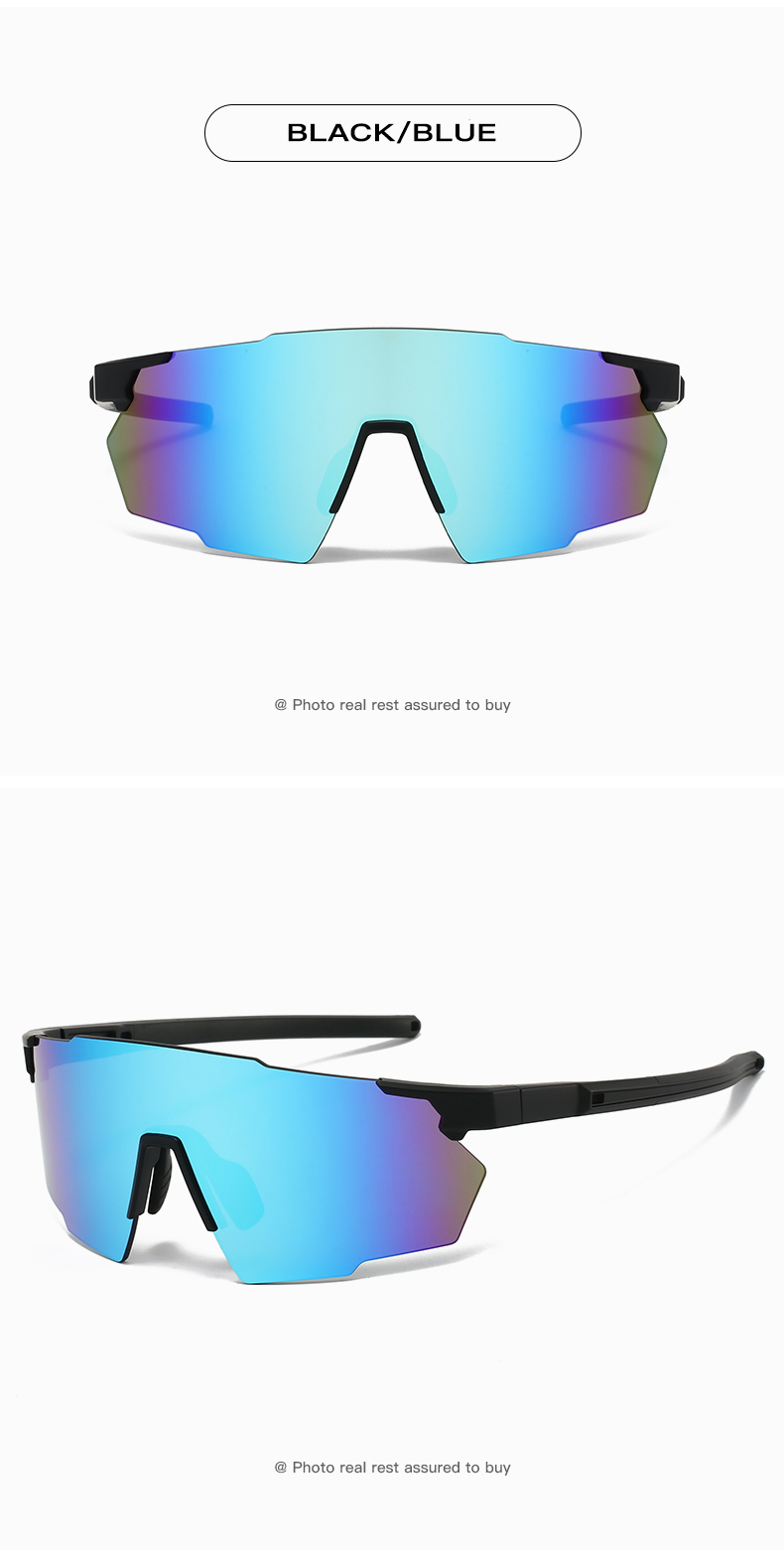
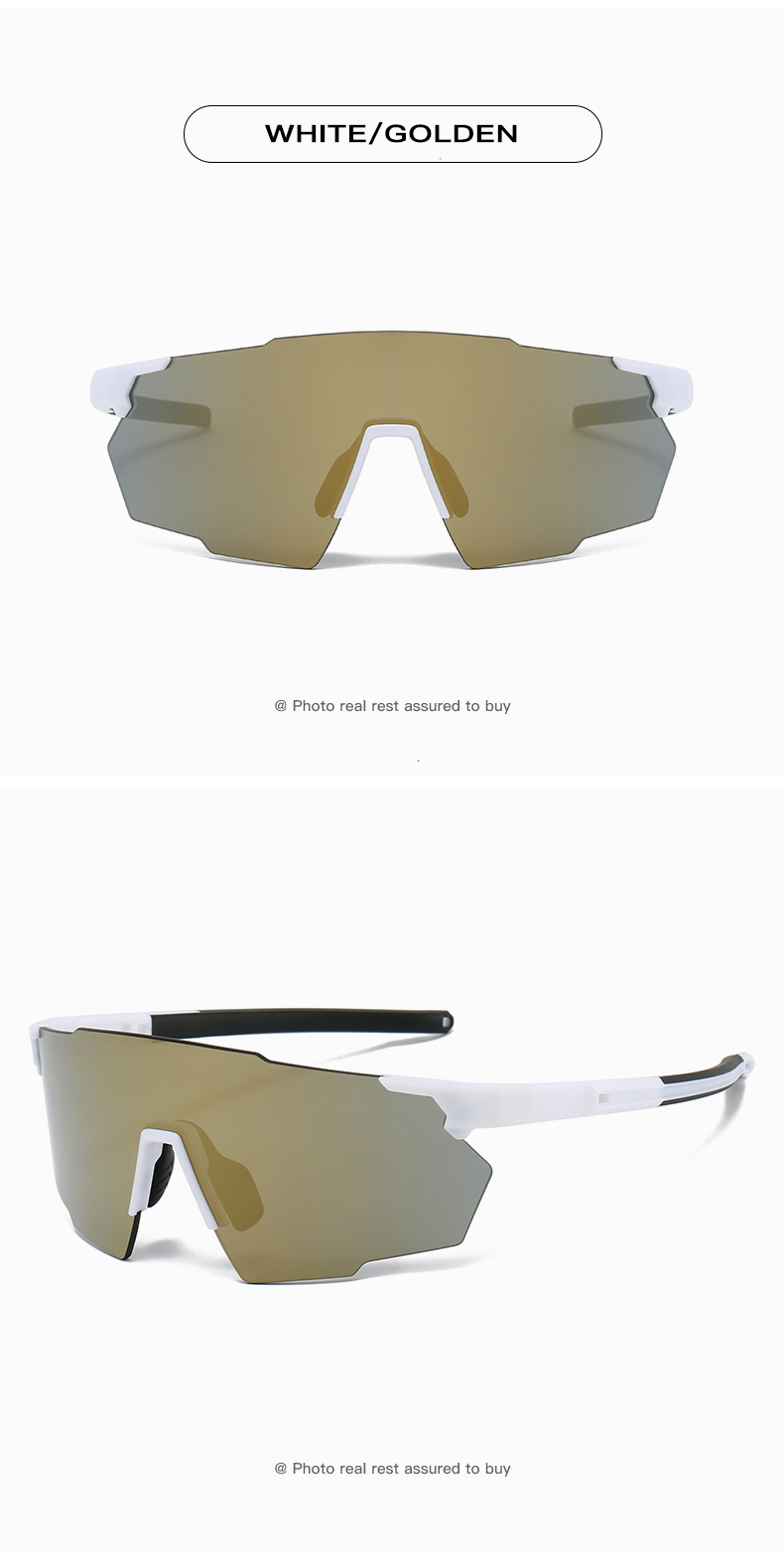
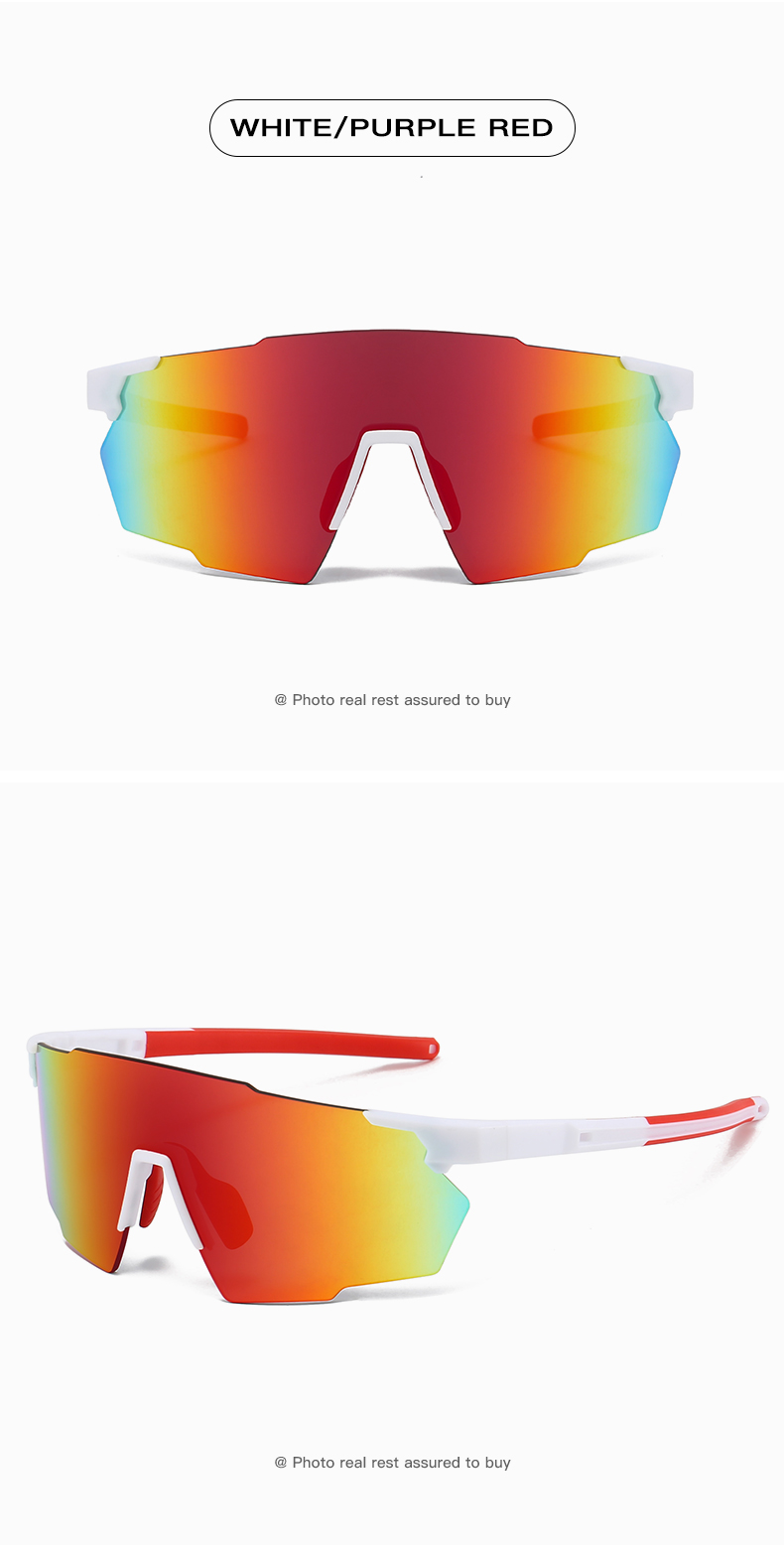
When I look at cycling eyewear, I do not judge a pair of glasses only by how modern it looks. A good pair of cycling glasses needs to work with the rider, not against the rider. It should give the eyes a wide and clear view, stay comfortable during long rides, and fit naturally with an active lifestyle.
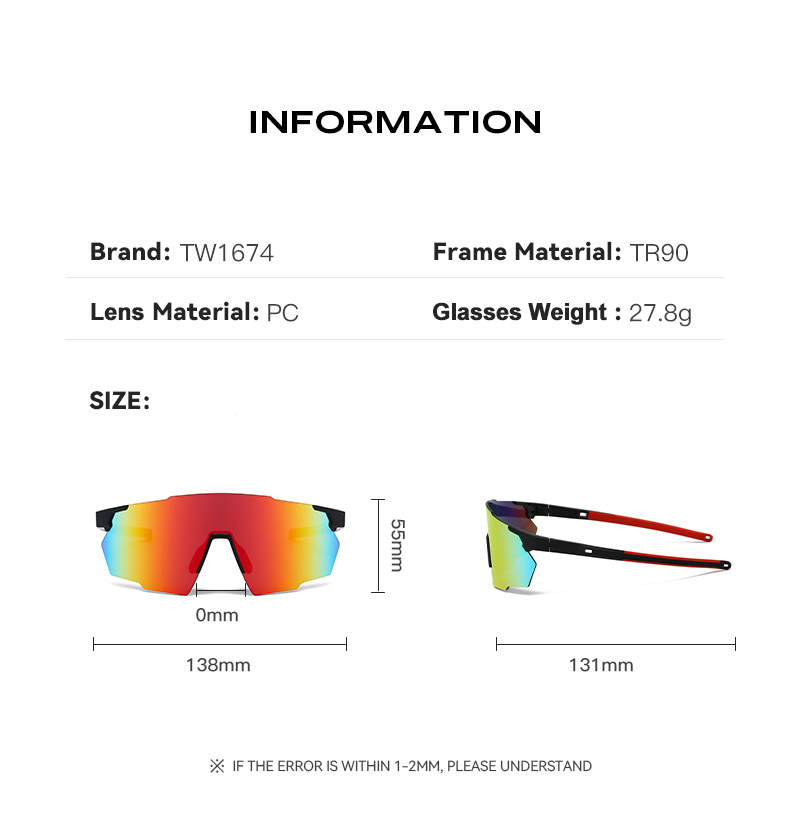
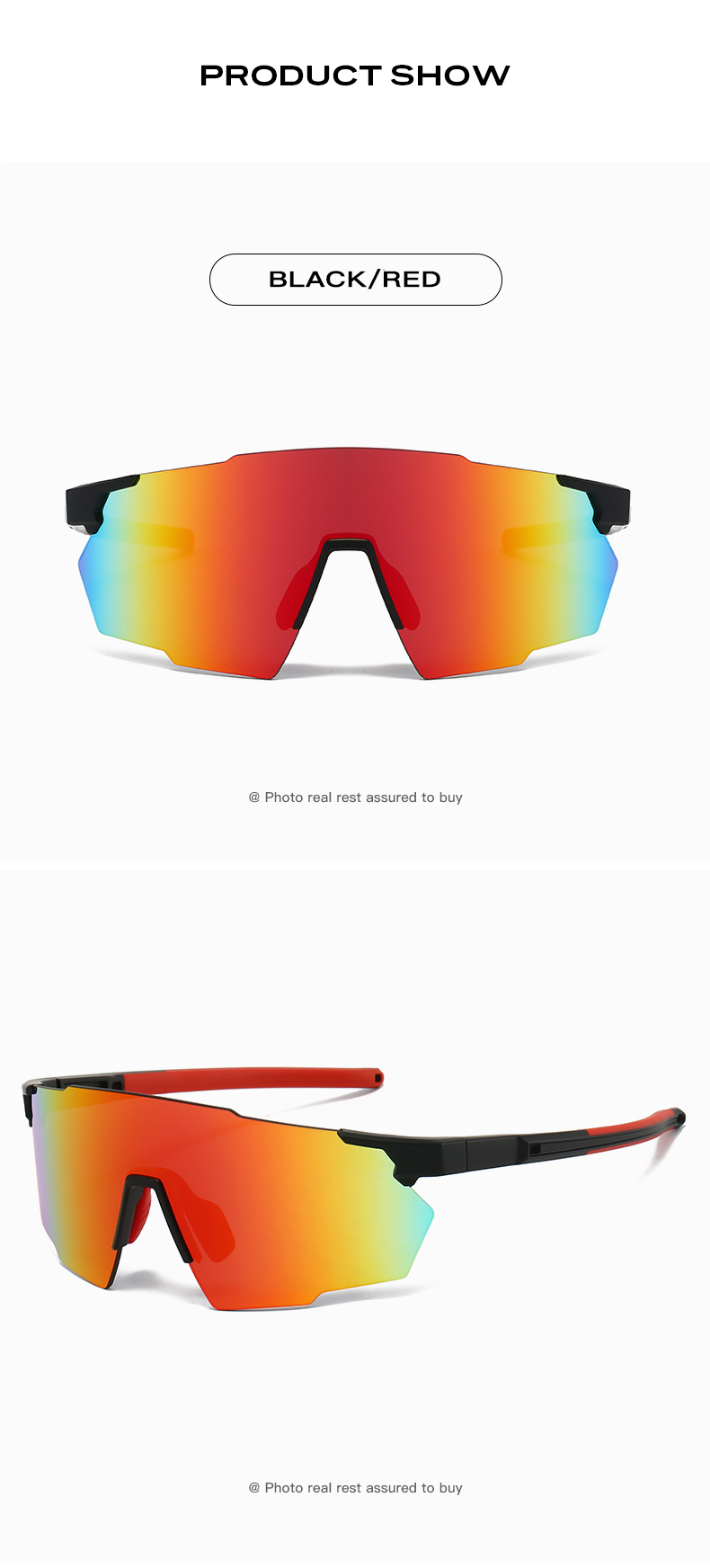
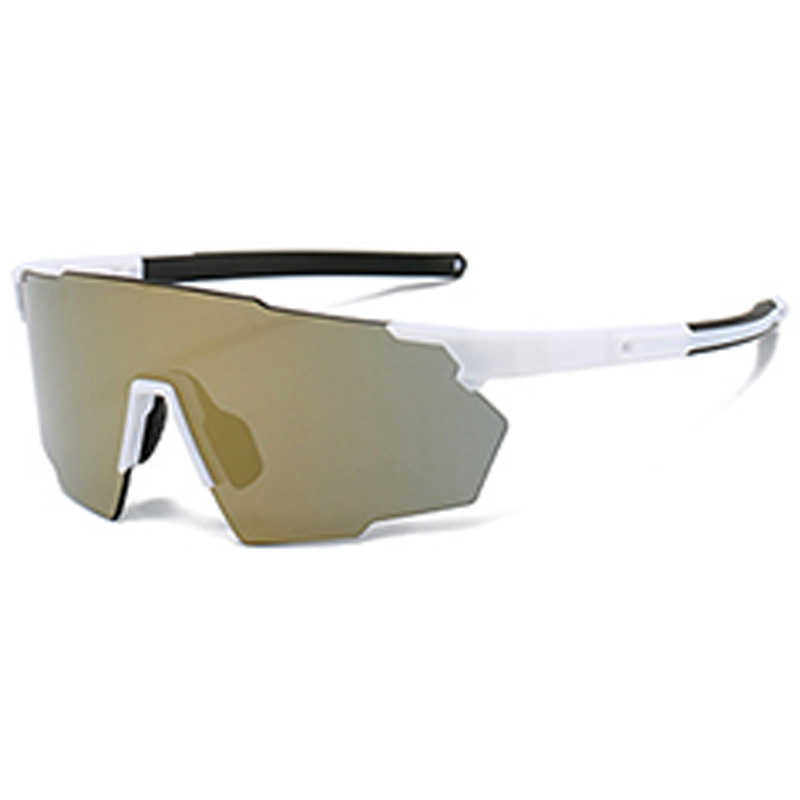
Our TR90 Rimless Shield Cycling Glasses are designed around this simple idea. The rimless shield structure gives the glasses a clean appearance and a broad lens area, while the TR90 frame material is used to create a practical sports eyewear structure. I see this design as a good match for road cycling, mountain biking, outdoor training, recreational riding, and other active sports.
At Linhai Huangjia Glasses Co., Ltd., we specialize in the research and manufacturing of sports glasses, optical glasses, fashionable Sunglasses, industrial safety goggles, and military and police tactical goggles. Since our company was established in 2023 in Linhai, Zhejiang, our focus has been on developing eyewear around real use conditions rather than simply following fashion trends.
For buyers looking for TR90 Cycling sunglasses, rimless shield cycling glasses, or custom cycling eyewear for a sports brand, retailer, distributor, or OEM/ODM project, I believe the most important question is not simply “Does it look good?” The better question is “Does the design make sense for the way the product will actually be used?” That is the standard I use throughout product development and production.
1. Why I Use a Rimless Shield Design for Cycling Glasses
Cycling is different from ordinary daily travel. When I ride, my head is moving continuously, the surrounding light can change quickly, and wind can come from different directions. Road surfaces, vehicles, trees, buildings, and other riders can also enter the field of view very quickly. Because of this, I prefer cycling eyewear that gives the rider a large visual area instead of a small lens surrounded by a thick frame.
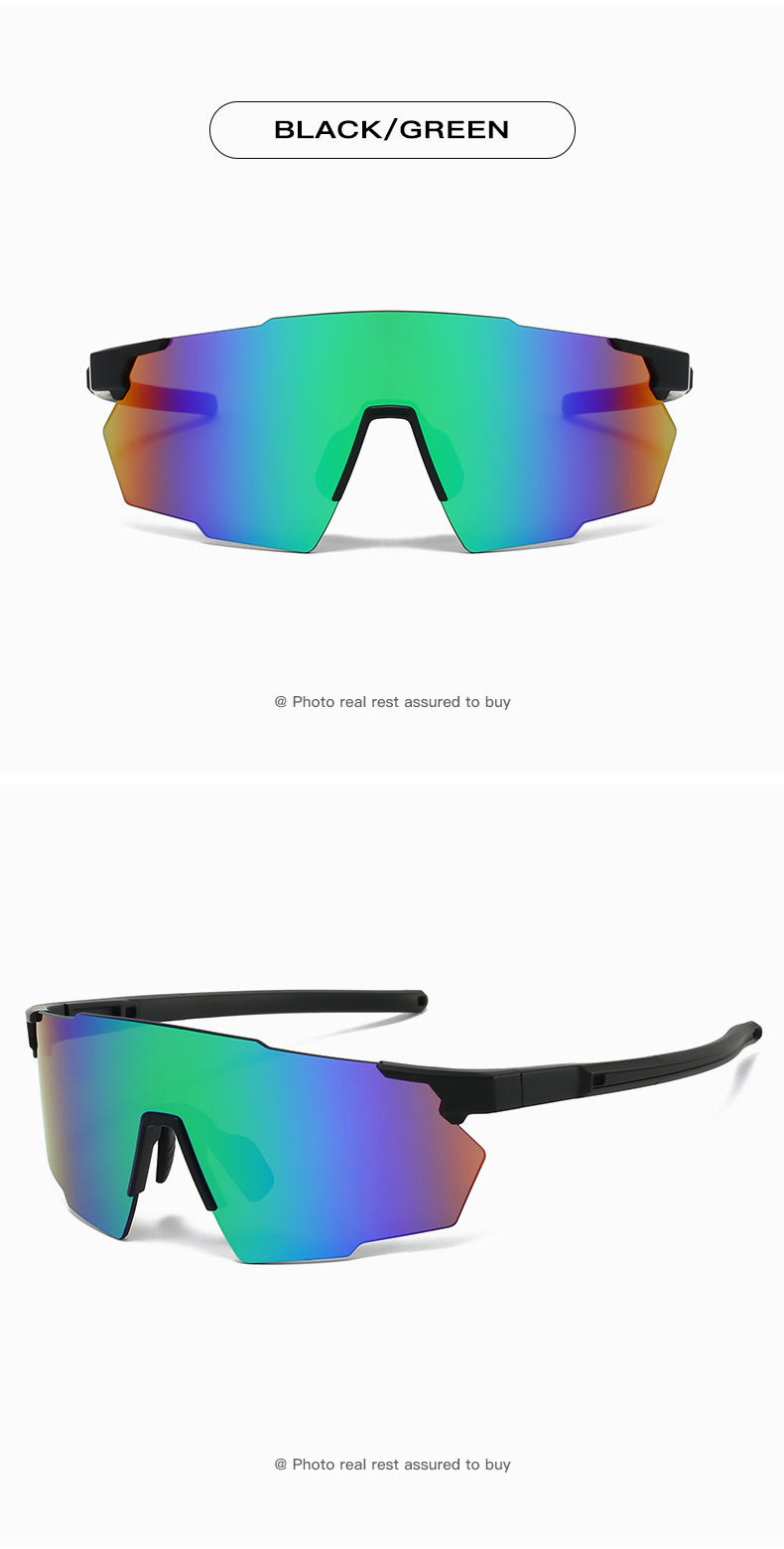
This is where the shield lens design becomes useful. A shield lens is a wide lens structure that covers a larger area in front of the eyes. The rimless shield cycling glasses design reduces the visual interruption caused by a traditional full frame around the lens. The result is a more open-looking design that works particularly well with sports eyewear.
I also pay attention to the difference between appearance and actual function. A rimless design should not simply be used because it looks fashionable. The lens, frame connection, nose area, temples, and overall fit still need to work together. During manufacturing, I look at these parts as one system.
For road cyclists, a broad lens area can be helpful because riders often need to look ahead while also checking the road surface and surrounding movement. For mountain biking, the riding environment is less predictable, so an open visual design can also make sense. For recreational riders, the same structure gives the product a modern sports appearance without making it look overly technical.
| Design Type | Typical Visual Structure | Potential Cycling Use | Design Consideration |
|---|---|---|---|
| Rimless Shield | Wide lens with minimal surrounding frame | Road cycling, outdoor riding, training | Large visual area and clean appearance |
| Full Frame | Lens surrounded by a complete frame | Daily sports and general outdoor use | Traditional frame structure and styling |
| Small Lens Sports Glasses | Separate smaller lenses | Casual outdoor activities | More visible frame separation between lenses |
Source: The comparison above describes design characteristics rather than laboratory performance ratings. It is based on common eyewear construction principles and our product-development approach. Actual performance depends on the final lens, frame, fit, and production specification.
I would not tell a buyer that one frame style is automatically suitable for every rider. Different users have different face shapes, riding positions, climates, and visual requirements. Instead, I use the shield concept as a starting point and adjust the product specification according to the intended market and application.
2. How TR90 Rimless Shield Cycling Glasses Work During Real Riding
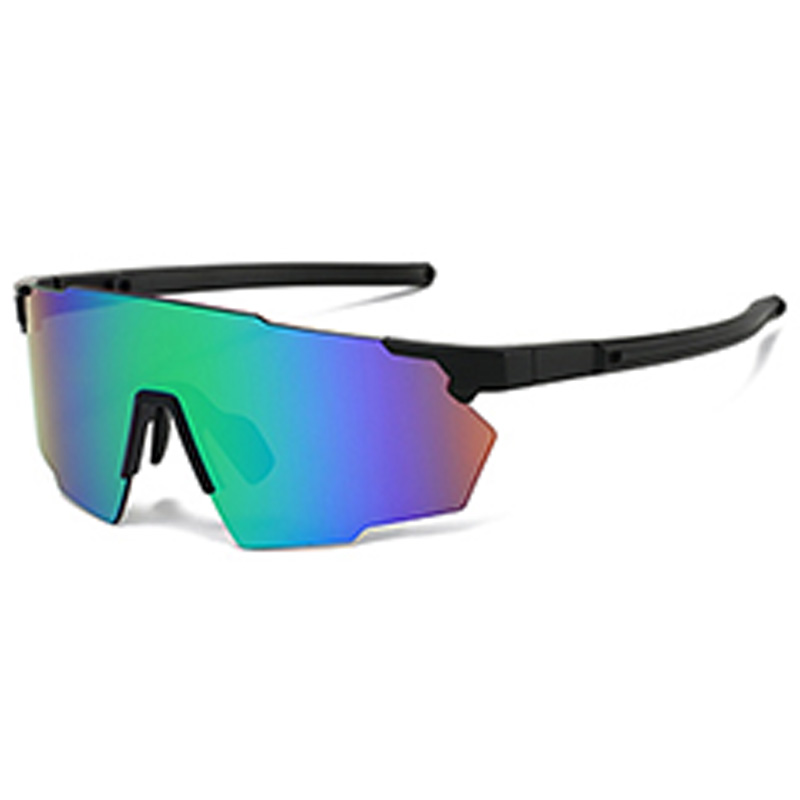
The working principle of cycling eyewear is actually quite simple. The glasses sit between the eyes and the outdoor environment. The lens controls the light that reaches the eyes, while the frame keeps the lens in the correct position. The fit also affects comfort, stability, and how well the lens covers the area around the eyes.
In a pair of TR90 cycling sports glasses, the frame is not there only for decoration. It provides the basic structure that connects the lens, temples, and nose area. For active use, I pay particular attention to whether the frame shape remains comfortable when the rider keeps the head in a forward position for a long time.
The shield lens works as a large visual surface. Instead of having two clearly separated lens areas, the rider sees through a broader lens structure. This can create a more open visual impression, which is one reason shield sunglasses have become common in cycling and other outdoor sports.
Light management is another important part of the design. Sunglasses can reduce the amount of visible light reaching the eyes and make bright outdoor conditions more comfortable. UV protection is also an important consideration. According to the World Health Organization, excessive ultraviolet radiation can affect the eyes, and protective eyewear is one of the recommended ways to reduce exposure. WHO specifically recommends wraparound-style sunglasses providing 99–100% UVA and UVB protection for outdoor UV protection.
I therefore recommend that buyers do not judge UV performance simply by lens color. A darker lens does not automatically mean better UV protection. WHO notes that UV transmission can vary considerably between sunglasses and recommends checking the filtering specifications. For sunglasses intended to provide full UV protection, WHO describes lenses that absorb UVA and UVB through 400 nanometers and identifies “UV400” as a commonly used indication.
This is also why I avoid putting an unverified “UV400” claim on a product page when the exact lens specification has not been confirmed. For OEM and ODM projects, the final lens specification should be confirmed between the buyer and manufacturer before production.
What the Rider Actually Notices
In normal use, the rider is more likely to notice comfort and visibility than technical terminology. If the frame presses too hard on the nose, the rider will notice it. If the temples do not fit well, the rider will notice it. If the lens design creates an unnecessarily restricted view, the rider will notice it. Good eyewear is often about solving these small problems before they become annoying during a long ride.
This is the practical reason I combine a lightweight-oriented TR90 frame concept with a wide shield lens structure. The goal is not to make a complicated product. The goal is to make a sports eyewear design that is easy to understand and useful in real outdoor conditions.
| Product Element | Basic Function | Why It Matters for Cycling |
|---|---|---|
| Shield Lens | Provides a broad lens area in front of the eyes | Supports an open visual field during riding |
| Rimless Structure | Reduces the visible frame around the lens | Creates a clean sports appearance and less visual framing |
| TR90 Frame | Provides the main eyewear structure | Suitable for lightweight-oriented sports eyewear designs |
| Nose and Temple Areas | Maintain the position of the glasses | Important for long-duration wearing comfort |
Source: Product-function descriptions are based on the construction and intended use of this eyewear design. UV-related information is referenced from WHO guidance on ultraviolet radiation and protective eyewear.
3. Main Features and Technical Advantages of the Product
When I explain this product to a buyer, I prefer to keep the technical story simple. There are several important features, but each one should have a clear reason for being there.
TR90 Frame Structure
TR90 is widely used in eyewear frame design because it can be processed into lightweight and practical frame structures. For cycling glasses, this type of frame concept is useful because the product needs to be worn for relatively long periods without feeling unnecessarily heavy.
I do not use the word “lightweight” as a substitute for a measured product weight. The final weight depends on the frame dimensions, lens specification, hardware, and customization. For buyers who need a specific weight target, we can discuss the target during product development and confirm it with the final sample.
Wide Shield Lens
The large shield lens is one of the most recognizable parts of this product. It gives the glasses a modern cycling appearance and provides a broad lens surface. This is particularly suitable for buyers looking for shield cycling sunglasses, road cycling sunglasses, or sports eyewear with a more aggressive visual profile.
Rimless Appearance
The rimless structure gives the product a cleaner visual line. Compared with a traditional full-frame design, the lens becomes the main visual element. This is useful for brands that want to create a modern sports collection rather than a conventional everyday sunglasses collection.
Outdoor-Oriented Design
I position these glasses primarily for outdoor activities. Cycling is the main application, but the design can also be considered for running, hiking, recreational sports, outdoor training, and other situations where a wide sports lens is preferred.
Suitable for OEM and ODM Development
Not every buyer wants an off-the-shelf product. Some customers need their own color combination, logo, packaging, lens treatment, or frame details. Our production model supports batch purchasing, OEM/ODM and customized projects. We can discuss the product specification, order quantity, packaging, production schedule, transport method, and other requirements before production.
I think this flexibility is especially important for sports eyewear because a product that works for one market may not be exactly right for another. A cycling brand may want a performance-oriented appearance, while a fashion sports retailer may want more emphasis on color and lifestyle styling.
4. Choosing Lens Features for Different Cycling Conditions
Lens selection is one of the areas where buyers should slow down and think carefully. There is no single lens appearance that is perfect for every environment. Bright road cycling, shaded mountain trails, cloudy weather, and casual riding can create different visual conditions.
When I discuss a customized TR90 rimless cycling glasses project, I first ask where the product will be used. I also ask who will buy it, how long they normally wear it, what type of cycling they do, and whether the product is intended for a sports brand, retail channel, or professional team.
| Riding Environment | Important Lens Consideration | Design Direction | Buyer Should Confirm |
|---|---|---|---|
| Bright Road Cycling | Light management and glare comfort | Sports shield lens design | Lens transmission and UV specification |
| Mountain Biking | Changing light and broad visibility | Wide lens coverage | Lens color and intended light conditions |
| Cloudy Outdoor Riding | Maintaining comfortable visibility | Lighter lens options may be considered | Actual transmission requirement |
| Daily Recreational Cycling | Comfort and general outdoor use | Balanced sports-fashion styling | Color, appearance and UV specification |
Source: The table is a practical product-selection guide rather than a laboratory performance chart. UV protection considerations are supported by WHO guidance, which notes that UV exposure can affect the eyes and that sunglasses should be selected according to their actual filtering specifications rather than lens darkness or price.
Another point I always mention is that cloudy weather does not necessarily mean there is no UV exposure. WHO notes that UV radiation can still be present on cloudy days and that environmental factors such as altitude, cloud cover and reflected light can affect UV exposure.
For this reason, I recommend that buyers define the intended use before selecting the final lens configuration. A product designed for bright road cycling should not automatically be marketed as a solution for every lighting condition. Honest product positioning is better for both the buyer and the end user.
What About Polarized Lenses?
Polarization can be considered when the product is intended for environments with strong reflected glare, such as roads, water surfaces, or other bright outdoor surroundings. However, polarization is a lens option rather than something that should automatically be assumed for every version of the product.
For OEM projects, I recommend specifying polarization separately in the technical requirements. The same applies to lens color, UV filtering, optical requirements, coatings, logo printing, and packaging. Once these details are confirmed, the production specification becomes much clearer.
5. Applications: From Road Cycling to Outdoor Sports
I designed the product concept around cycling, but the actual application range is broader. The wide lens and sports-oriented frame make the design suitable for different outdoor situations where users want a modern appearance and a broad field of view.
Road Cycling
Road cycling is one of the most natural applications. Riders often spend a long time outdoors and maintain a forward-facing posture. A wide shield lens fits this riding style well because the glasses are designed around a broad visual area rather than small individual lenses.
Mountain Biking
Mountain biking creates a different environment. Riders may move between open sunlight, trees, shadows, and changing terrain. I therefore see the wide-lens concept as useful for mountain biking, while the exact lens specification should be selected according to the expected light conditions.
Outdoor Training
Cycling is often part of a wider training routine. Athletes may use bicycles for endurance training, warm-ups, fitness sessions, or outdoor conditioning. A pair of TR90 Sports sunglasses can fit naturally into these activities without requiring the product to look like specialized racing equipment.
Recreational Riding
Not every customer is a professional athlete. Many people ride bicycles for commuting, weekend activities, travel, or family recreation. For these users, appearance and comfort can be just as important as technical design. The rimless shield shape gives the product a modern sports-fashion direction that can work well in lifestyle collections.
Sports Retail and Private Label Products
From a B2B perspective, I also consider how the glasses will be sold. A retailer may need a simple, visually attractive product that fits a broader sports collection. A cycling brand may need a more focused product identity. An online seller may need customized colors and packaging. An OEM customer may need a specific combination of frame, lens and branding.
This is why I do not treat product development as simply “making a pair of glasses.” The commercial use of the product matters. A good product specification should make sense both in the hands of the end user and on the buyer's product catalog.
| Application | Main User Need | Relevant Product Feature | Possible B2B Customer |
|---|---|---|---|
| Road Cycling | Wide view and outdoor comfort | Shield lens and sports frame | Cycling brands, distributors |
| Mountain Biking | Outdoor visibility and active fit | Wide shield construction | Outdoor sports brands |
| Sports Training | Comfort during repeated outdoor use | Lightweight-oriented frame design | Sports retailers, training brands |
| Recreational Riding | Comfort and modern styling | Rimless sports-fashion appearance | Lifestyle retailers, private labels |
| OEM / ODM | Brand-specific product requirements | Customizable product configuration | Eyewear brands and wholesalers |
Source: Application categories are based on the intended product positioning and our stated manufacturing scope. They should not be interpreted as certification for a particular sport or professional organization.
6. How I Approach Manufacturing, Quality Control and Custom Orders
A product page can talk about design all day, but buyers eventually need to know how the product is actually made. From my experience in eyewear manufacturing, many product problems start because the specification is not clear enough before production begins.
Step 1: Confirm the Product Requirement
I first need to understand the buyer's target. This includes the product name, intended market, quantity, frame style, lens requirements, colors, logo requirements, packaging, and delivery expectations. If the customer has drawings or reference samples, these can also help us understand the target more accurately.
Step 2: Confirm Frame and Lens Specifications
For custom cycling sunglasses, the frame and lens cannot be treated as completely separate products. Their dimensions need to work together. The final specification should also consider the nose area, temple structure, lens mounting, overall appearance, and intended use.
Step 3: Sample Development
Before moving into larger production, the sample stage gives both sides an opportunity to check the product. I recommend checking appearance, fit, lens position, frame details, color, logo placement, packaging, and other agreed requirements. If changes are needed, it is much easier to solve them at the sample stage than after mass production.
Step 4: Production
After the specification is confirmed, we organize production according to the agreed order quantity and delivery requirements. The exact production schedule depends on the product configuration, order quantity, customization level, and current production arrangement.
Step 5: Inspection and Packing
Inspection should focus on the agreed product requirements. For customized projects, this may include appearance, frame details, lens condition, logo placement, color consistency, packaging and other customer-specific requirements.
I believe this process is important because quality is not created at the final inspection alone. It starts with a clear product specification and continues through sample approval, production, inspection, and packing.
| Production Stage | What I Focus On | Customer Involvement | Typical Output |
|---|---|---|---|
| Requirement Review | Product use, specifications and order needs | Provide requirements and references | Initial product specification |
| Sample Development | Appearance, fit and agreed details | Review and provide feedback | Confirmed sample direction |
| Production | Execution according to approved requirements | Confirm production terms | Batch production |
| Inspection | Product and packaging requirements | Confirm agreed inspection requirements | Approved finished products |
| Packing & Delivery | Packaging and transport arrangement | Confirm shipping requirements | Prepared shipment |
Source: This manufacturing workflow is based on Linhai Huangjia Glasses Co., Ltd.'s stated OEM/ODM, customized production and delivery approach. Exact inspection items, production cycle, packaging and transportation arrangements are confirmed according to individual orders.
OEM and ODM Support
For an OEM project, the buyer may already have a clear product design and mainly needs a manufacturing partner. For an ODM project, the buyer may need more help developing the product direction. In both cases, I prefer to clarify the requirements early.
We can discuss batch purchasing, product specifications, packaging requirements, production planning, payment arrangements, transportation, and delivery schedules according to the order size and destination. This gives buyers more room to build a product around their own sales channel.
7. Why Work With Linhai Huangjia Glasses Co., Ltd.?
I understand that choosing an eyewear supplier is not only about finding a product photo that looks attractive. A buyer needs to know whether the manufacturer can understand the product, communicate clearly, handle customization, and follow the agreed production requirements.
Linhai Huangjia Glasses Co., Ltd. was established in 2023 and is located in Linhai, Zhejiang, a region with a strong eyewear manufacturing background. Our business covers sports glasses, optical glasses, fashionable sunglasses, industrial safety goggles, and military and police tactical goggles.
This product range matters because it means our manufacturing experience is not limited to one type of Fashion Sunglasses. We work with different eyewear applications where clear vision, wearing comfort, appearance, and protection can have different levels of importance.
For the TR90 Rimless Shield Cycling Glasses, my approach is practical. I want the product to have a clear purpose, a clear specification, and a clear production path. If the customer needs a particular lens specification, color, logo, packaging format, or other customization, I prefer to confirm the requirement rather than make assumptions.
We also understand that B2B eyewear orders can vary greatly. A sports retailer may need a relatively simple batch order. A cycling brand may need a private-label product. An online seller may need customized packaging. A distributor may require several colors or product configurations. These projects should not all be handled with exactly the same production plan.
What Buyers Should Confirm Before Ordering
Intended application and target user group
Frame material and preferred frame structure
Lens type, color and filtering requirements
Whether UV protection specifications are required
Logo, color and branding requirements
Packaging and labeling requirements
Order quantity and expected production schedule
Shipping destination and transportation preference
OEM, ODM or standard product requirements
Inspection and acceptance requirements
I find that this checklist saves time for both sides. It also reduces the risk of a product looking correct in a photograph but failing to match the buyer's actual sales or usage requirements.
8. FAQ About TR90 Rimless Shield Cycling Glasses
1. What are TR90 Rimless Shield Cycling Glasses?
They are sports cycling glasses built around a TR90-oriented frame structure and a wide shield lens with a rimless-style appearance. The design is intended for cycling and outdoor sports, with an emphasis on broad visual coverage, modern styling and wearing comfort.
2. Are these glasses suitable for road cycling?
Yes. Road cycling is one of the main intended applications. The shield lens design provides a broad lens area, while the sports-oriented frame structure is designed for active outdoor use.
3. Can they be used for mountain biking?
Yes. The product concept can be used for mountain biking and other outdoor cycling activities. For customers targeting specific light conditions, I recommend confirming the lens color and filtering requirements before placing a customized order.
4. Does a dark lens automatically provide better UV protection?
No. Lens darkness should not be used as a simple measurement of UV protection. WHO states that UV transmission varies between sunglasses and recommends checking the actual filtering specifications.
5. Can I request a UV400 version?
A UV400 specification can be discussed as part of a customized project, but the exact lens specification should be confirmed before production. I do not recommend treating “UV400” as an assumed feature unless it has been included in the approved product specification.
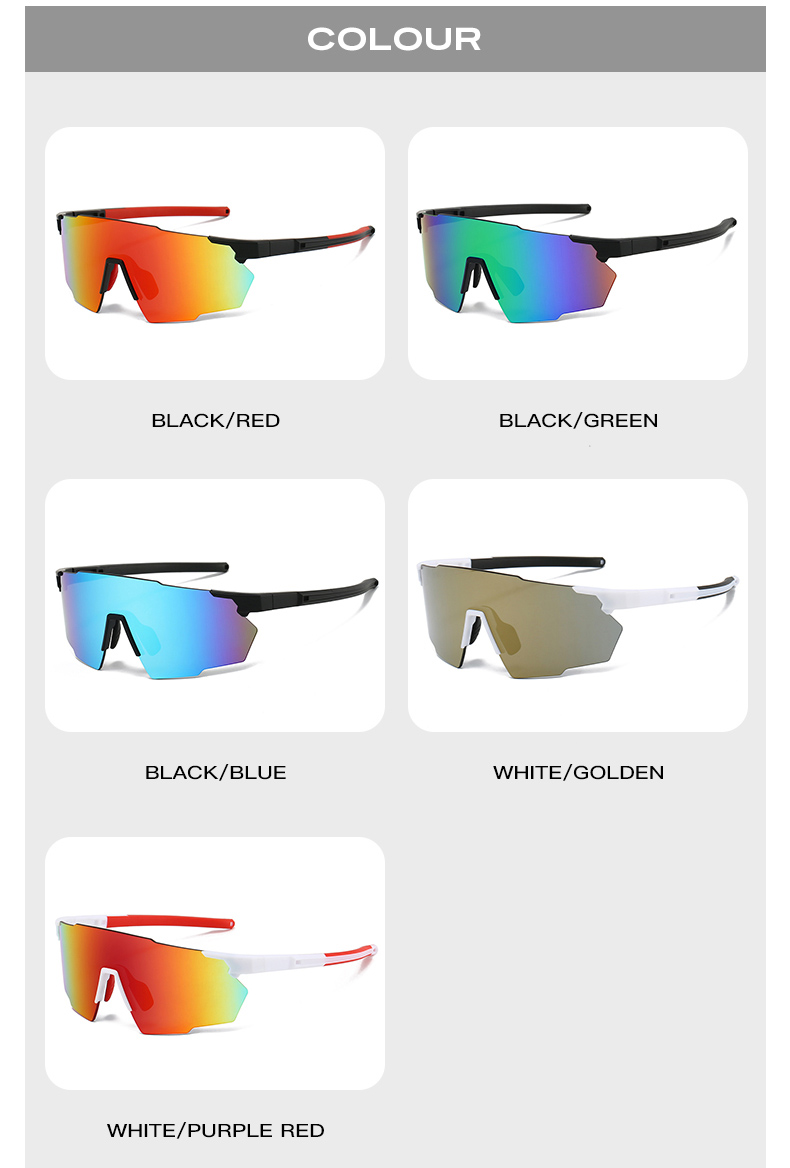
6. Can the frame color be customized?
Customization can be discussed for OEM and ODM orders. The available color options, minimum order requirements, sample process and production conditions depend on the specific project.
7. Can I add my own logo?
Yes. Logo and branding requirements can be discussed for customized orders. The exact logo position, printing or processing method, packaging and artwork requirements should be confirmed during the sample and specification stage.
8. Can you provide OEM and ODM cycling sunglasses?
Yes. Our business supports OEM/ODM and customized eyewear projects. We can discuss product specifications, quantities, packaging, production arrangements, transportation and delivery requirements according to the project.
9. What information should I send when requesting a quotation?
I recommend sending the product name, estimated quantity, target market, desired frame color, lens requirements, logo requirements, packaging requirements, delivery destination and any reference pictures or drawings. The more complete the information is, the easier it is for us to prepare a suitable production plan.
10. Can these glasses be used as industrial safety goggles?
I would not recommend using this cycling product as industrial safety eyewear simply because it has a shield lens. Industrial applications require the product to meet the relevant safety requirements for the specific workplace and hazard. Our company separately develops industrial safety goggles for professional applications.
11. Are these glasses suitable for professional athletes?
They are designed with sports use in mind and can be considered for professional or serious cycling users. However, professional teams and athletes should confirm the exact lens, fit, optical and protection requirements for their specific sport and environment before purchase.
12. Why choose a rimless shield design instead of traditional cycling sunglasses?
The main difference is the visual structure. A rimless shield design places greater emphasis on a broad, continuous lens area and a clean sports appearance. Whether it is the right choice depends on the rider's preferences, face shape, riding conditions and intended use.
Final Thoughts
When I develop sports eyewear, I always come back to three basic questions: Can the user see comfortably? Can the glasses remain comfortable during real use? And does the product specification match the environment where it will be used?
The TR90 Rimless Shield Cycling Glasses are built around these practical questions. The rimless shield structure gives the product a modern cycling appearance and a broad lens area. The TR90 frame concept supports a lightweight-oriented sports design. The product can be considered for road cycling, mountain biking, outdoor training, recreational riding and sports-fashion collections.
At the same time, I believe good product communication should be honest. I do not want to promise a performance figure that has not been tested or confirmed. For UV protection, lens transmission, optical properties, coatings and other technical specifications, the final requirements should be agreed and verified for each product version.
For buyers searching for TR90 rimless cycling glasses, Rimless Shield Cycling Sunglasses, TR90 cycling sports glasses, road cycling sunglasses, or customized OEM cycling eyewear, this product provides a practical starting point for developing a sports eyewear collection.
If you are building a private-label cycling eyewear line, ordering sports sunglasses in bulk, or developing a customized product for your own brand, we can work from your product specifications, quantity and customization requirements to establish the appropriate production plan. For me, that is the most useful way to approach B2B eyewear manufacturing: understand the application first, confirm the specification, develop the product carefully, and then move into production with both sides working from the same requirements.
Product: TR90 Rimless Shield Cycling Glasses
Manufacturer: Linhai Huangjia Glasses Co., Ltd.
Applications: Road Cycling, Mountain Biking, Outdoor Sports, Sports Training, Recreational Riding
Business Model: OEM, ODM, Wholesale and Customized Eyewear



 Phone
Phone