



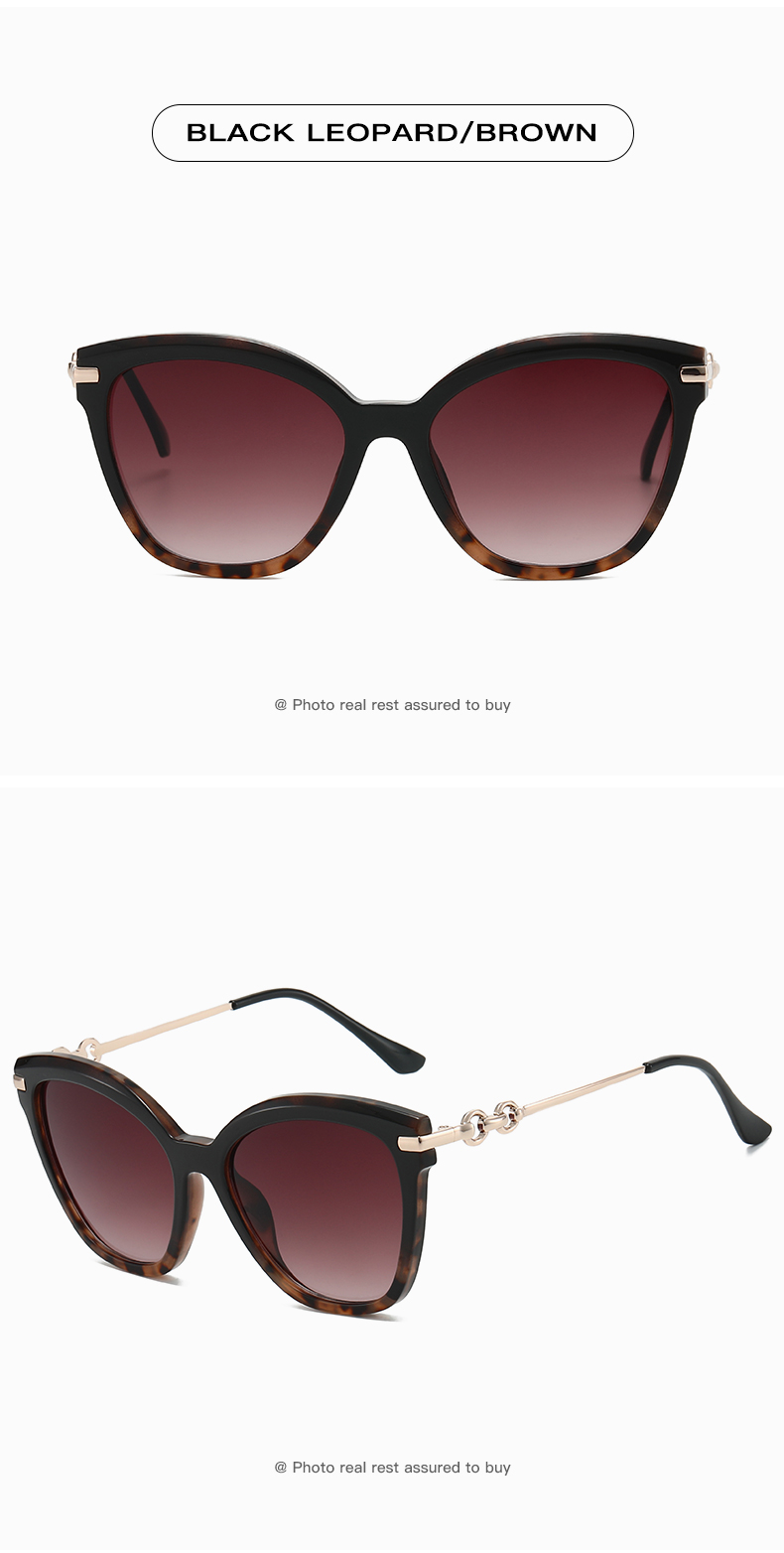
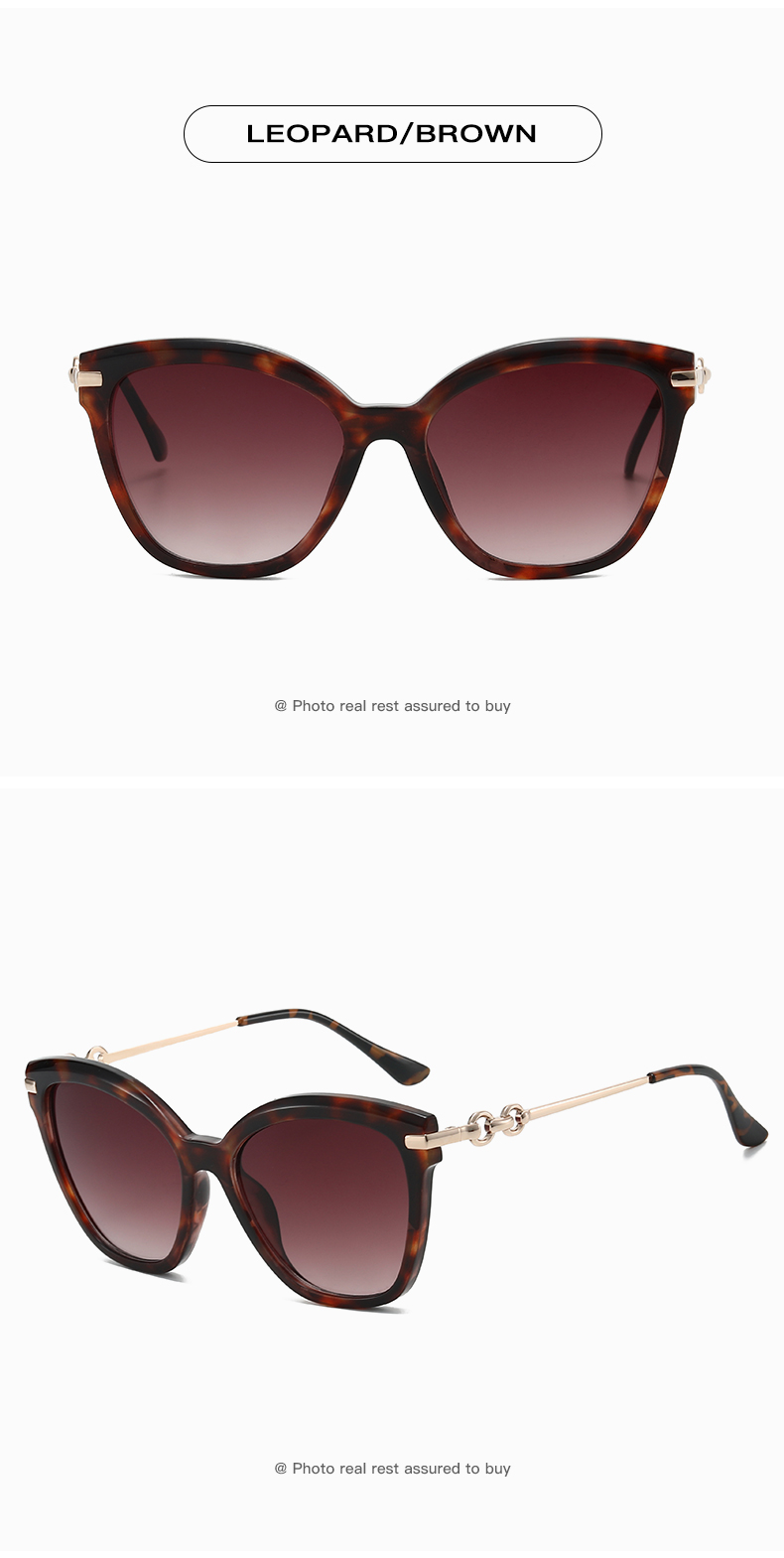
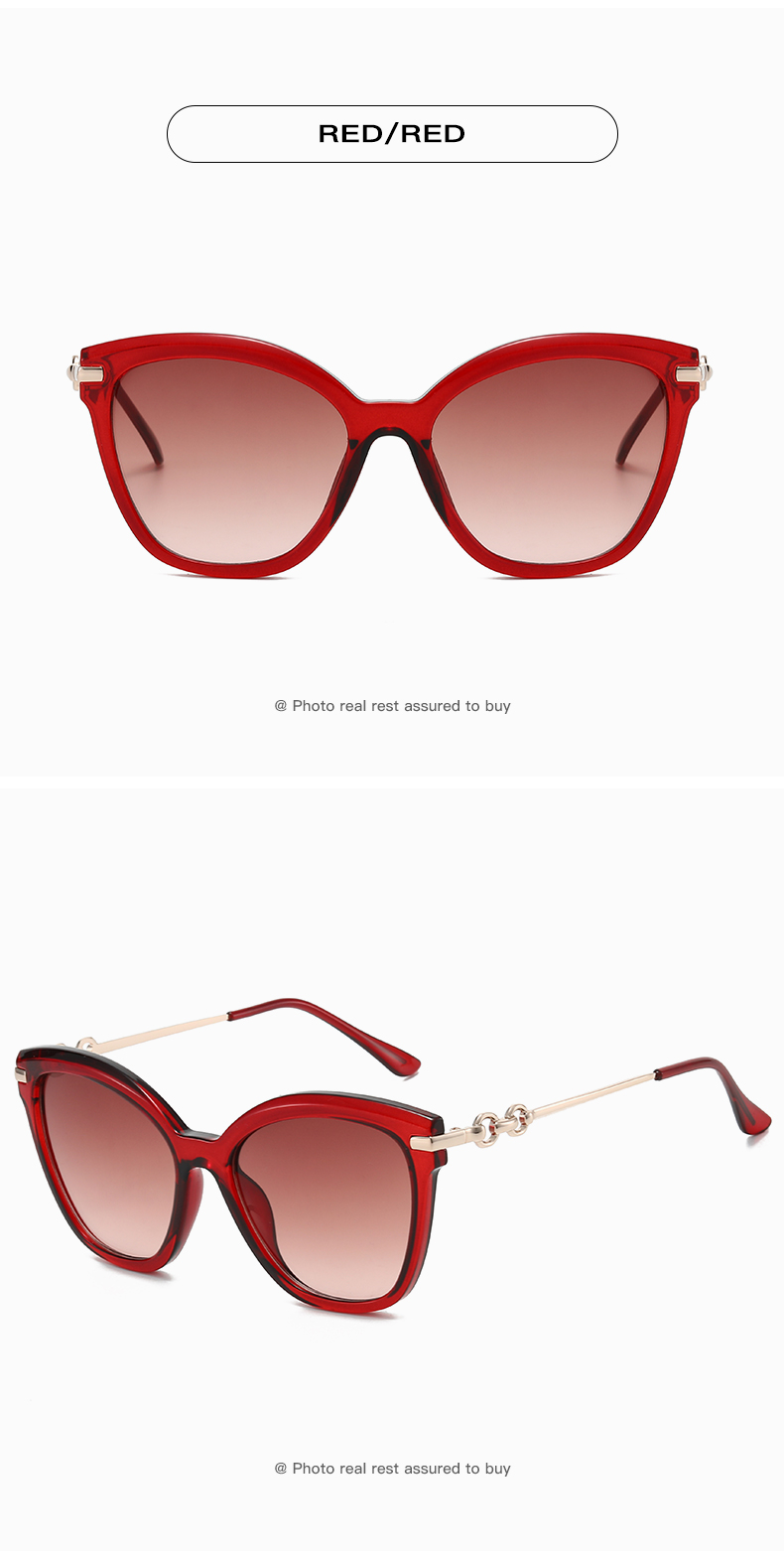
When I develop a pair of Fashion Sunglasses, I look at more than the shape shown in a product photo. A good pair of sunglasses needs to look attractive, sit comfortably, hold the lenses securely, and maintain consistent quality during production. That is how I approach our Decorative Metal Temple Cat-Eye Sunglasses.
This design combines the familiar cat-eye silhouette with decorative metal details on the temples. The result is a fashionable appearance with more visual character than a plain frame. For eyewear brands, retailers, distributors, and private-label buyers, this style also provides useful room for customization.
Linhai Huangjia Glasses Co., Ltd. was established in 2023 and is headquartered in Linhai, Zhejiang, China. We specialize in the research and manufacturing of sports glasses, optical glasses, fashionable sunglasses, industrial safety goggles, and military and police tactical goggles. Our experience across different eyewear categories helps us understand frame construction, lens selection, wearing comfort, customization, and production planning.
In this product page, I will explain what makes Decorative Metal Temple Cat-Eye Sunglasses different, how the frame and decorative temple details work together, how to select suitable lenses, what buyers should consider during customization, and how we manage OEM, ODM, and bulk production projects.
1. What Are Decorative Metal Temple Cat-Eye Sunglasses?
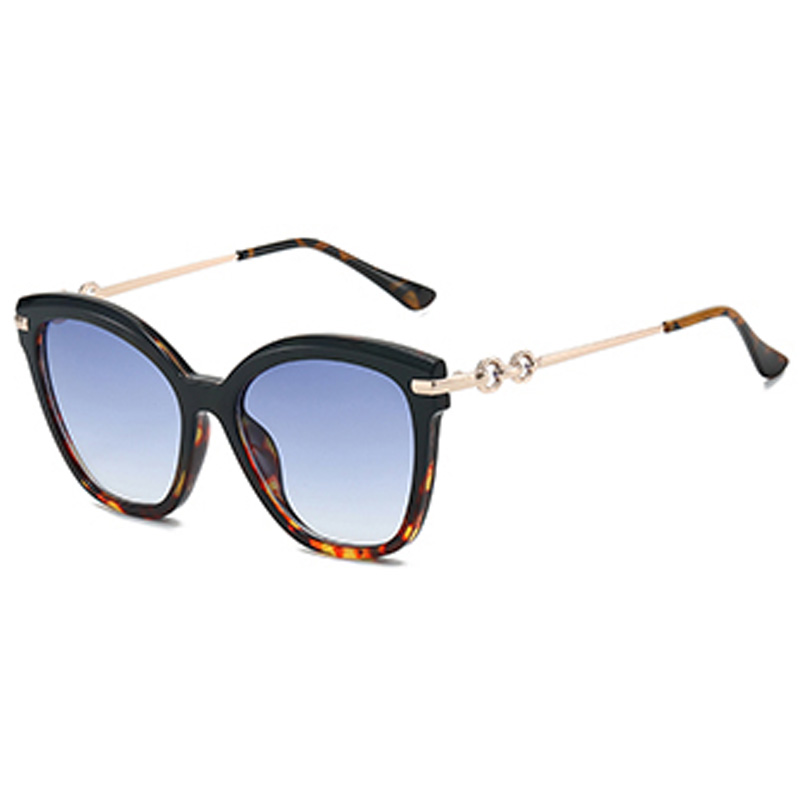
Decorative Metal Temple Cat-Eye Sunglasses are fashion sunglasses built around a cat-eye front frame with decorative metal elements incorporated into the temple area. The cat-eye silhouette is easy to recognize because the outer upper corners of the frame usually rise slightly, creating a lifted and expressive appearance around the eyes.
The decorative metal temple detail adds another visual layer. Instead of keeping the temple completely plain, the design can use a metal insert, metal accent, geometric detail, engraved feature, or another decorative structure. The exact construction depends on the selected product design and manufacturing process.
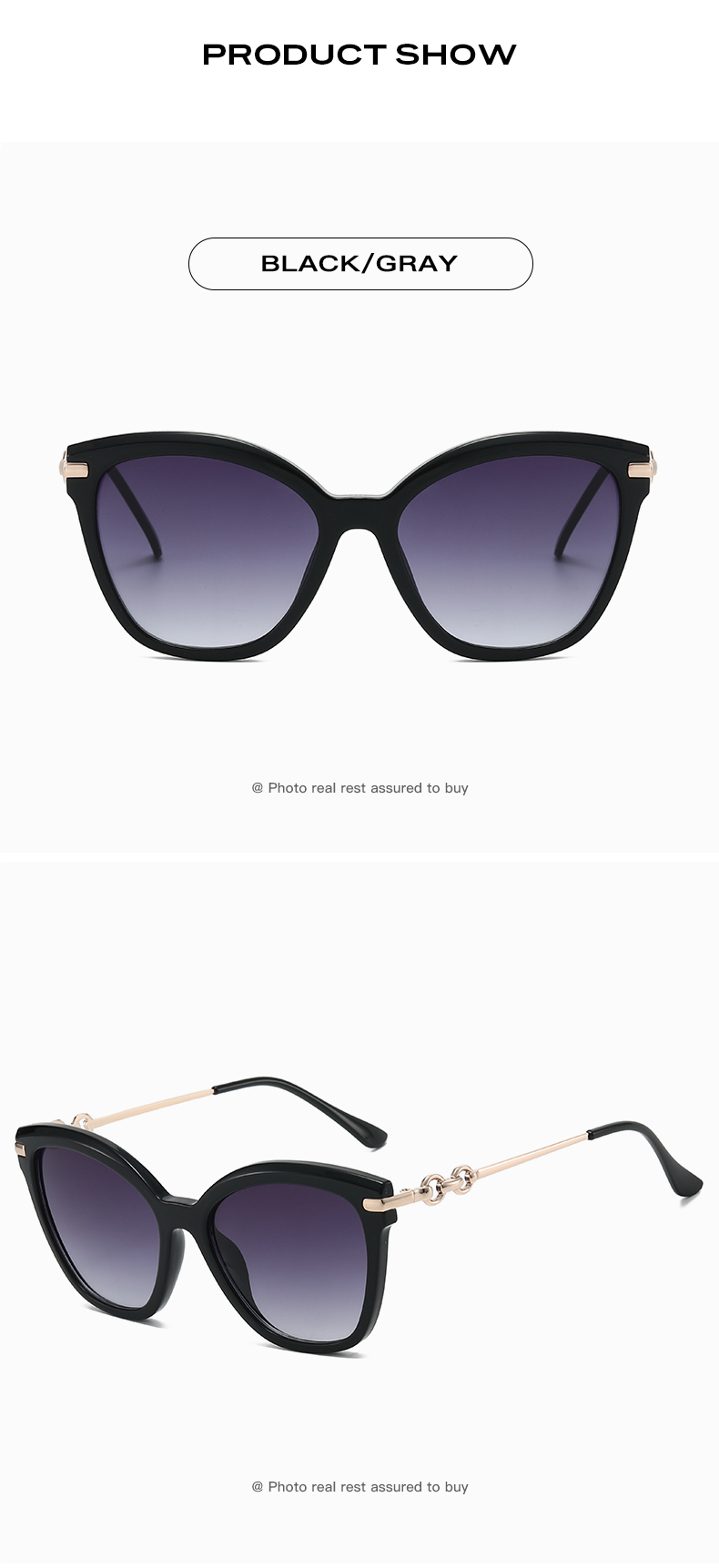
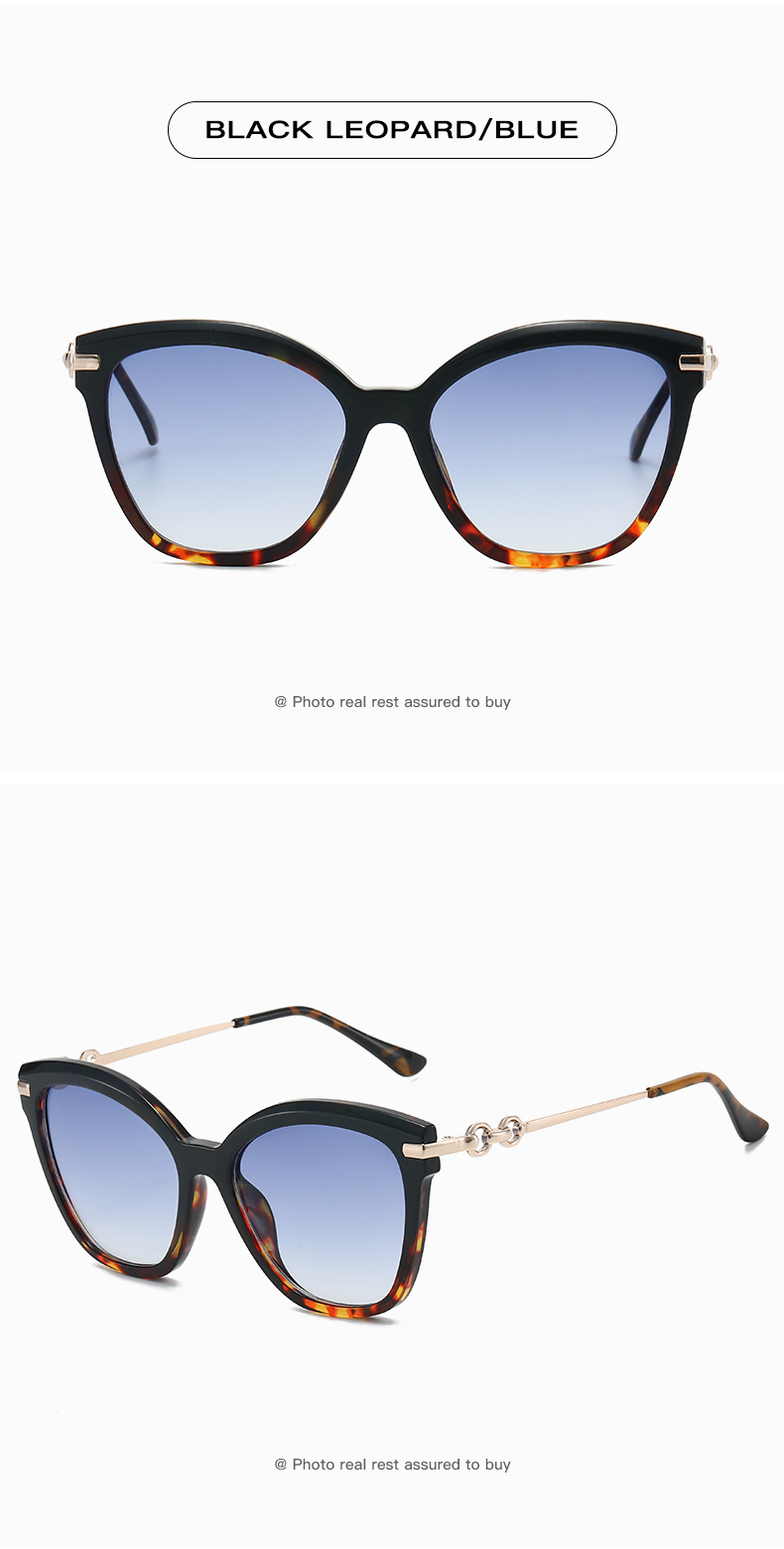
I like this style because it can sit comfortably between classic and modern fashion. A black frame with a subtle metal detail can look clean and understated. A colored frame combined with a brighter metal finish can create a stronger fashion effect. Small changes in color, proportions, lens tint, and surface treatment can make the same basic frame feel completely different.
Why the Cat-Eye Shape Works Well for Fashion Collections
Cat-eye sunglasses have a strong visual identity. Unlike a simple rectangular frame, the raised outer corners create a more expressive appearance. This makes the shape useful for fashion collections that need a recognizable silhouette without relying on oversized dimensions.
From my manufacturing perspective, the cat-eye shape also gives designers several areas to work with. The front frame, bridge, lens outline, hinge area, temples, and decorative metal components can all be adjusted to create different versions.
This is especially useful for private-label eyewear. A supplier can start with a basic cat-eye concept and then develop a more distinctive product through frame colors, metal finishes, lens treatments, logo placement, and packaging.
Typical Design Elements
Cat-eye front frame
Decorative metal temple details
Fashion-oriented lens colors
Metal, plastic, or mixed frame construction
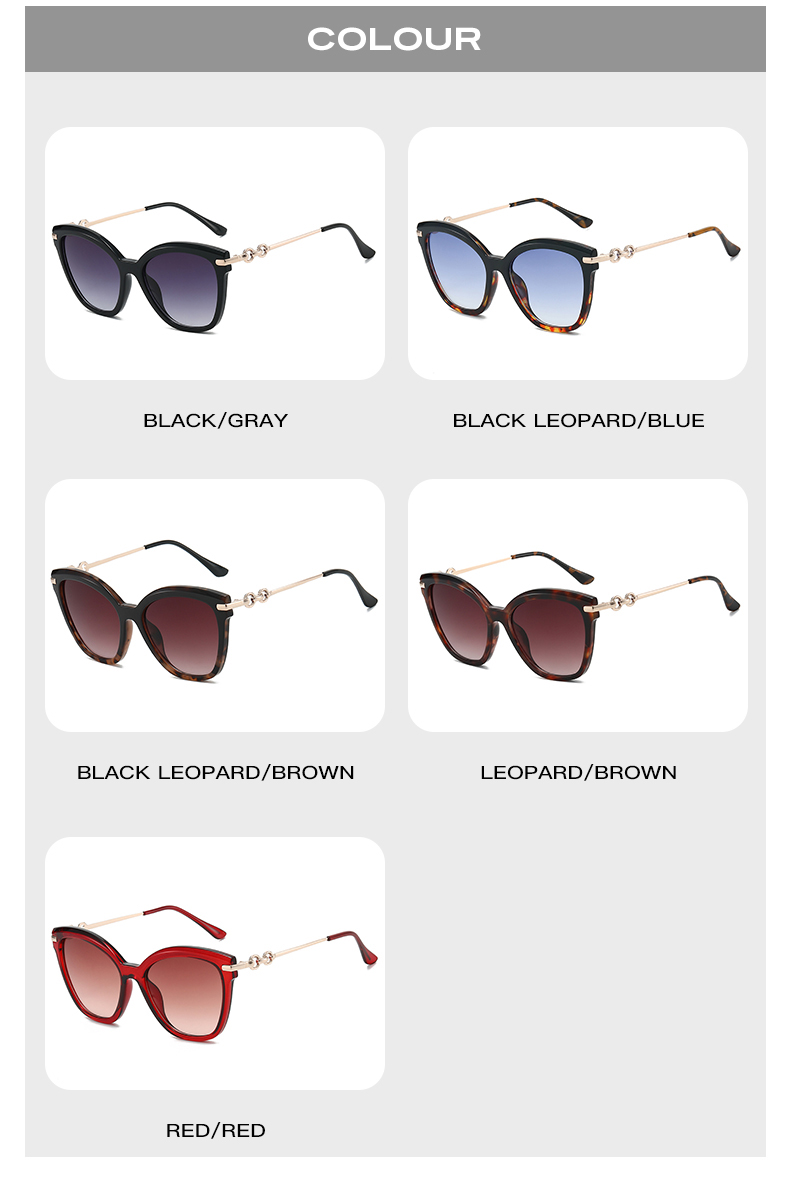
Custom frame color options
Different temple finishes
Private-label logo options
Custom packaging for commercial collections
I do not look at this product simply as a fashion accessory. For commercial buyers, there are practical questions behind the appearance: What frame material is used? How is the metal decoration attached? How does the hinge operate? What lens specification is required? How will the finished product be inspected? Can the design be produced consistently in larger quantities?
These details are what turn a good-looking product concept into a product that can actually be manufactured and sold.
2. Frame Structure, Metal Temple Details and Wearing Comfort
The front of a pair of sunglasses usually gets most of the attention, but I always tell buyers not to ignore the temples. The temple is the part that extends from the hinge toward the ears, and it has an important role in frame stability and comfort.
With Decorative Metal Temple Cat-Eye Sunglasses, the temple is also part of the visual design. A decorative metal element can create contrast between the front frame and the side profile. It can also give the sunglasses a more refined appearance when combined with suitable colors and surface finishes.
Frame Balance
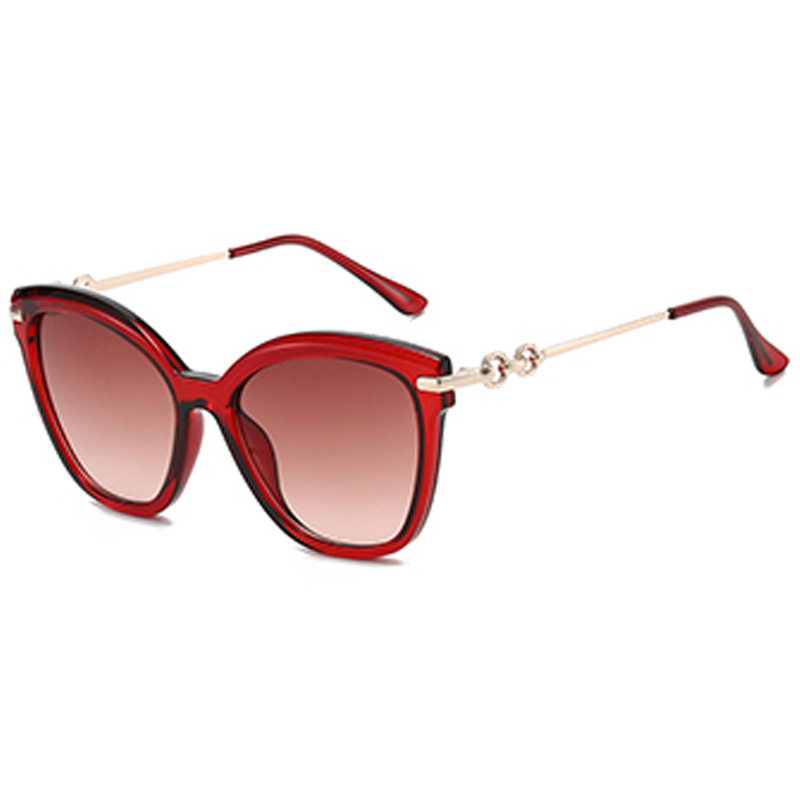
A well-designed pair of sunglasses should feel reasonably balanced when placed on the face. If one section is too heavy or the temples are not properly aligned, the frame may move or feel uncomfortable.
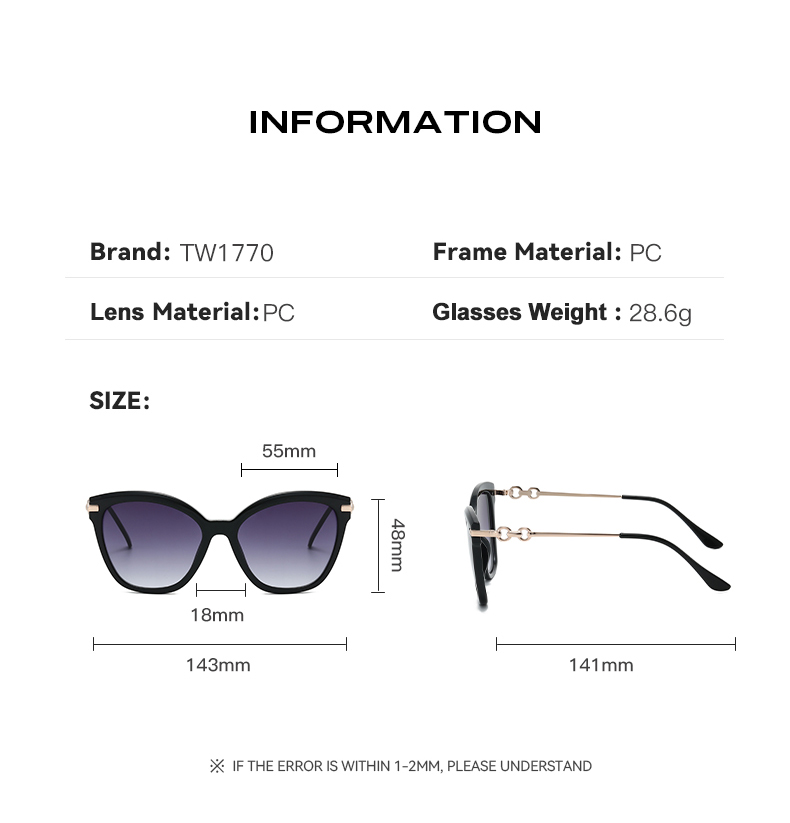
I pay attention to the relationship between frame width, bridge dimensions, lens size, temple length, hinge position, and frame weight. These dimensions work together. Changing one part can affect the overall fit and appearance.
Temple Construction
The decorative metal section needs to be considered as both a design element and a physical component. Its position, size, thickness, surface finish, and attachment method can affect the finished product.
If the metal decoration is too visually heavy, it can dominate the frame. If it is too small, the design may lose the detail that makes it special. During manufacturing, the attachment also needs to be stable and suitable for repeated production.
Hinge Performance
Hinges are small components, but they have a direct effect on everyday use. The temples should open and close smoothly, while the front frame should remain properly aligned after assembly.
Depending on the confirmed product requirements, inspection can cover hinge movement, temple alignment, frame symmetry, screw condition where applicable, and other assembly details.
Nose and Temple Contact
Wearing comfort depends on several contact areas. The bridge and nose area affect how the frame sits, while the temples influence lateral stability. Frame weight and the wearer's individual face shape also affect the final experience.
That is why I prefer to treat comfort as a product-development target rather than promise that one frame will fit every wearer in exactly the same way.
| Frame Area | Main Function | Product Development Consideration |
|---|---|---|
| Front Frame | Holds the lenses and defines the main appearance | Shape, symmetry, width and surface finish |
| Bridge | Connects the two sides of the frame | Width, structure and nose contact |
| Temple | Supports the frame behind the ears | Length, shape, weight and alignment |
| Metal Decoration | Adds visual detail | Position, attachment and surface finish |
| Hinge | Connects the temple to the front frame | Movement, alignment and assembly |
Source: The table summarizes common eyewear product-development considerations. Exact dimensions and construction requirements depend on the actual product design and applicable market requirements.
3. Lens Selection: Fashion Appearance and Practical Performance
The lens is one of the first things customers notice, so lens color is often one of the first customization requests I receive. However, I always recommend separating visual appearance from technical performance.
A dark lens does not automatically provide better UV protection. A mirrored finish or gradient tint also does not by itself prove that the lens meets a specific technical requirement.
Common Lens Options
Depending on the frame and project requirements, buyers can consider gray, brown, green, gradient, mirrored, and other lens treatments. Gray lenses can create a neutral appearance, while brown or warm tones can give a softer fashion effect.
For private-label products, I usually recommend selecting the lens color together with the frame color. A black frame with gray lenses gives a very different impression from a light frame with brown gradient lenses.
UV Protection
UV protection should be specified according to the intended market and product requirements. The U.S. Food and Drug Administration explains that lens darkness does not indicate UV protection and advises consumers to look for appropriate UV protection information, such as UV400 or 100% UV protection labeling.
For an OEM project, I recommend putting the required UV performance into the technical specification instead of selecting a lens simply because it looks dark. The finished product should be verified using the appropriate testing method when such requirements apply.
Visible Light Transmission
Lens tint affects visible light transmission. Different lens categories can therefore be suited to different everyday conditions. Buyers should consider intended use, target market, labeling requirements, and applicable standards before choosing the final lens configuration.
ISO 12312-1:2022 covers general-use sunglasses and includes requirements concerning luminous transmittance and other optical characteristics. It provides a useful technical reference when developing general-use sunglasses for applicable markets.
| Lens Feature | What Buyers Usually Check | Why It Matters |
|---|---|---|
| Lens Color | Gray, brown, green, gradient and other options | Changes product appearance and visual character |
| UV Protection | Specified UV performance | Important for outdoor sunlight exposure |
| Visible Light Transmission | Amount of visible light passing through the lens | Influences the wearer's experience in bright conditions |
| Optical Properties | Power, prism and distortion-related requirements | Supports clear and comfortable vision |
| Surface Finish | Mirror, gradient, gloss or other treatments | Supports product styling and market positioning |
Source: ISO 12312-1:2022, Eye and face protection — Sunglasses and related eyewear — Part 1: Sunglasses for general use; U.S. Food and Drug Administration consumer guidance concerning sunglasses and UV protection.
One important point should always be clear: general fashion sunglasses and occupational safety eyewear are different product categories. A fashion sunglasses model should not be presented as industrial safety eyewear unless it has been specifically designed, tested, marked, and documented for the applicable safety requirements.
4. Decorative Metal Temple Design and Customization Options
The decorative metal temple is one of the defining features of this product. When I work on a custom sunglasses project, I pay close attention to this area because a relatively small side detail can change the entire visual impression of the frame.
Metal Finish
Depending on the product structure and finishing process, the metal detail can be developed in different visual directions. Gold-style, silver-style, gunmetal, black, and other finishes may be considered according to the customer's design.
The important part is matching the metal finish with the front frame and lenses. A warm metal tone can create a classic fashion appearance, while a darker finish can give the same cat-eye frame a more modern feel.
Decorative Patterns
The metal temple can include simple lines, geometric details, engraved patterns, or other decorative structures. The design should remain practical enough for assembly and repeat production.
Frame Color
Frame color is another major customization point. Black, brown, transparent, tortoiseshell-style, pastel, and other colors can be considered depending on the collection.
Lens and Frame Matching
I normally recommend selecting the frame and lens as one visual combination. The final appearance depends on both. A simple frame may work with a stronger lens tint, while a decorative frame may look more balanced with a relatively simple lens color.
Logo and Private Label
For private-label customers, branding can be considered for suitable areas such as the temple, frame, lens, case, packaging, or accessories. The exact branding method depends on the product construction, surface, logo size, and desired appearance.
Packaging Customization
Packaging is often treated as an afterthought, but for a fashion eyewear brand it is part of the product experience. Boxes, cases, cleaning cloths, product cards, labels, and shipping cartons can all be coordinated with the brand.
We can discuss packaging requirements according to order quantity, destination market, branding needs, and confirmed product specifications.
Common OEM and ODM Customization Items
Frame color
Lens color
Lens finish
Frame material
Metal temple finish
Temple decoration
Logo placement
Packaging design
Accessories
Production quantity and schedule
For buyers searching for custom Decorative Metal Temple Cat-Eye Sunglasses, I recommend confirming these details before mass production. It makes the process easier because the product, packaging, and branding can be reviewed as one complete project.
5. How We Manufacture Decorative Metal Temple Cat-Eye Sunglasses
From my experience, the biggest difference between an attractive product idea and a reliable commercial product is process control. Sunglasses may look simple, but many individual components have to come together correctly.
Step 1: Product Requirement Confirmation
We first confirm the basic product direction. This can include frame shape, dimensions, material, lens type, lens color, metal temple design, logo requirements, packaging, order quantity, inspection requirements, and delivery schedule.
If the customer has drawings, samples, reference images, or product specifications, these materials can help us understand the expected result more clearly.
Step 2: Frame Structure Review
The cat-eye front frame is reviewed together with the bridge, hinge area, and temples. The purpose is to make sure the different components can work together as a complete product.
Step 3: Decorative Metal Development
The decorative metal component needs to match the overall frame. Its dimensions, location, finish, and attachment method are considered according to the design and manufacturing requirements.
Step 4: Lens Preparation
The lens shape needs to match the frame opening accurately. Lens color, surface treatment, optical requirements, UV requirements, and other specifications are confirmed before production.
Step 5: Sample Production
Sampling is an important stage in a custom project. It allows the customer to review an actual physical product instead of making decisions only from drawings or digital images.
During sample review, we can check frame appearance, metal decoration, lens color, logo position, hinge movement, overall dimensions, and general wearing experience.
Step 6: Mass Production
After the sample and specifications are confirmed, production can be arranged according to the agreed quantity and schedule. Different components are prepared, assembled, finished, and inspected according to the product requirements.
Step 7: Quality Inspection
Depending on the confirmed inspection plan, checks can include appearance, frame alignment, lens seating, hinge operation, surface condition, logo quality, color consistency, packaging, and other customer-defined requirements.
Step 8: Packaging and Delivery
Finished sunglasses are packed according to the confirmed packaging specification. Transportation arrangements can then be discussed based on order size, customer location, delivery schedule, and shipping requirements.
| Production Stage | Main Focus | Buyer Confirmation |
|---|---|---|
| Specification | Product design and technical requirements | Model, dimensions, materials and lens requirements |
| Sampling | Physical product evaluation | Appearance, fit, colors and branding |
| Production | Consistent manufacturing | Quantity, schedule and confirmed specifications |
| Inspection | Product condition and agreed requirements | Quality criteria and inspection method |
| Packaging | Product protection and brand presentation | Box, case, labels and accessories |
Source: The table describes a general OEM/ODM eyewear workflow for product planning. The actual manufacturing process can vary according to frame material, product structure, customization level, order quantity, and customer requirements.
6. Applications and Commercial Uses
I mainly position Decorative Metal Temple Cat-Eye Sunglasses as fashion and lifestyle eyewear. The design can be adapted to different collections by changing materials, colors, lens treatments, branding, and packaging.
Fashion Eyewear Brands
The cat-eye shape works naturally with feminine, vintage-inspired, elegant, and fashion-focused collections. The decorative metal temple provides an additional visual feature that separates the product from a plain frame.
Private-Label Retailers
Retailers can use customized cat-eye sunglasses as part of seasonal collections. Frame and lens colors can be adjusted to fit a particular product range or brand style.
Online Eyewear Stores
Online stores often need products with clear visual differences. A decorative temple detail is especially useful in product photography because it can be shown clearly from a side angle.
Travel and Lifestyle Collections
This style can fit travel, resort, casual, and lifestyle collections. Different frame finishes can create different levels of decoration while keeping the recognizable cat-eye structure.
OEM and ODM Projects
Importers, distributors, retailers, and eyewear brands can develop private-label versions based on their own market requirements. Customization may include frame colors, lens colors, logo placement, packaging, accessories, and order quantities.
The product claim should always match the actual specification. Fashion sunglasses should be presented as fashion sunglasses. If a customer requires professional protective eyewear, a separate product design and applicable testing process should be considered.
7. Why Choose Linhai Huangjia for Your Eyewear Project?
Linhai Huangjia Glasses Co., Ltd. is based in Linhai, Zhejiang, China. Since our establishment in 2023, we have focused on eyewear research and manufacturing, covering sports glasses, optical glasses, fashionable sunglasses, industrial safety goggles, and military and police tactical goggles.
Each eyewear category has different product considerations. Fashion sunglasses focus strongly on appearance and comfort. Sports eyewear may require greater attention to stability and use conditions. Industrial and tactical eyewear can involve more specific protection and performance requirements.
When developing Decorative Metal Temple Cat-Eye Sunglasses, I bring this practical manufacturing mindset into the project. I do not want the product to look good only in a catalog. It should also be suitable for physical production, inspection, packaging, and commercial delivery.
OEM and ODM Support
We support both OEM and ODM projects. If you already have a design, we can discuss the specifications and production requirements. If you only have a general idea, such as a cat-eye frame with decorative metal temples, we can discuss how that concept can be developed into a production specification.
Bulk Purchasing Support
Production planning can be discussed according to order quantity, product specifications, customization level, packaging requirements, and delivery schedule. Payment terms, production time, transportation, and packaging can also be discussed based on the order and destination.
Flexible Product Configuration
Different customers may require different frame colors, lens colors, metal finishes, logos, packaging, and accessories. We can discuss these requirements before production so that the finished product matches the customer's intended market.
Experience Across Multiple Eyewear Categories
Our product scope covers fashion, sports, optical, industrial safety, and tactical eyewear. This broader experience helps us understand different requirements involving frame construction, lens selection, wearing comfort, and application-specific product development.
Clear Communication Before Production
I believe many manufacturing issues can be reduced when product specifications are clear from the beginning. Before production, we aim to confirm important details with the customer so both sides understand what is being produced.
For buyers searching for a Decorative Metal Temple Cat-Eye Sunglasses manufacturer, this approach can be useful when a project involves private labeling, custom colors, packaging, product variations, or larger-volume purchasing.
8. FAQ About Decorative Metal Temple Cat-Eye Sunglasses
Q1: What are Decorative Metal Temple Cat-Eye Sunglasses?
They are fashion sunglasses featuring a cat-eye front frame combined with decorative metal details on the temples. The metal elements add visual interest to the side profile and can be customized according to the product design.
Q2: Can I customize the frame color?
Yes. Frame colors can be discussed for OEM and ODM projects. Available options depend on the selected material, finishing process, production quantity, and confirmed specifications.
Q3: Can the metal temple decoration be customized?
The decorative metal section can be discussed as part of a custom project. Buyers can provide reference drawings, images, samples, or design requirements so that the structure and appearance can be evaluated.
Q4: Can I add my own logo?
Yes. Private-label branding can be discussed for suitable areas of the sunglasses and packaging. The exact branding method depends on the product structure, surface, logo size, and required appearance.
Q5: Can I customize the lens color?
Yes. Lens colors and finishes can be discussed according to the selected frame and product requirements. If specific optical or UV performance is required, these requirements should be confirmed in the technical specification before production.
Q6: Are dark sunglasses automatically better at blocking UV light?
No. Lens darkness does not by itself prove UV protection. The U.S. FDA advises consumers not to judge UV protection only by lens darkness and recommends checking the product's UV protection information.
Q7: Are these sunglasses suitable for industrial work?
Fashion sunglasses should not automatically be used as industrial safety eyewear. Occupational applications require products designed and tested according to the relevant safety requirements. ANSI/ISEA Z87.1-2025 is an example of a standard addressing occupational and educational eye and face protection devices.
Q8: Do you support wholesale orders?
Yes. We support bulk purchasing and can discuss production planning according to order quantity, product specifications, packaging, customization, and delivery requirements.
Q9: Do you provide OEM and ODM services?
Yes. We provide OEM and ODM support for suitable eyewear projects. Customers can provide an existing specification or discuss a new product concept with us.
Q10: What information should I provide when requesting a quotation?
Useful information includes the product reference or drawing, frame material, approximate dimensions, lens requirements, frame and lens colors, metal temple design, logo, packaging, order quantity, target market, and delivery location.
Q11: Can you provide custom packaging?
Yes. Packaging requirements can be discussed for private-label projects. Depending on the order, packaging may include branded boxes, protective cases, cleaning cloths, labels, product cards, and shipping cartons.
Q12: How long does custom sunglasses production take?
The production schedule depends on product structure, sample requirements, customization level, order quantity, packaging, and other confirmed requirements. We recommend confirming the production schedule after the product specification and order details have been finalized.
Q13: Can I order several colors in one project?
Multiple colors may be possible depending on the product and order structure. The available combination should be discussed before production because color changes can affect materials, production planning, packaging, and quantity requirements.
Q14: What is the difference between OEM and ODM sunglasses?
OEM generally means producing according to the customer's specified design or requirements. ODM usually involves developing or adapting a product based on an existing supplier design or a shared product concept. The exact scope can be discussed according to the project.
Q15: Can the cat-eye frame shape be modified?
The shape can potentially be adjusted for a custom project, but changes to the front frame geometry may affect the lens, bridge, temples, tooling, assembly, and overall appearance. A drawing or reference sample is helpful when discussing a modified design.
Final Thoughts on Decorative Metal Temple Cat-Eye Sunglasses
From my point of view, the value of Decorative Metal Temple Cat-Eye Sunglasses comes from the balance between recognizable fashion design and practical product construction. The cat-eye front gives the product its main identity, while the decorative metal temple adds a detail that customers can notice from the side.
For brands and distributors, the design also provides useful customization possibilities. Frame color, lens color, metal finish, temple decoration, logo, packaging, and accessories can all be considered when developing a private-label collection.
At Linhai Huangjia Glasses Co., Ltd., we approach these projects from a manufacturing perspective. We focus on product specifications, frame construction, lens requirements, assembly, inspection, packaging, and production planning rather than treating customization as simply adding a logo to an existing product.
If you are looking for custom Decorative Metal Temple Cat-Eye Sunglasses, a private-label cat-eye sunglasses supplier, or a manufacturer for bulk fashion eyewear, you can send us your product requirements, target quantity, preferred frame and lens options, branding details, and packaging needs. We can then discuss the suitable product configuration and production plan for your project.
Technical Reference Sources
ISO 12312-1:2022 — Eye and face protection — Sunglasses and related eyewear — Part 1: Sunglasses for general use. This standard addresses general-use sunglasses and includes requirements related to construction, transmittance, optical properties, robustness, and other characteristics.
ISO 12312-1:2022/Amd 1:2026 — Amendment 1 to ISO 12312-1:2022, published by the International Organization for Standardization in 2026.
ANSI/ISEA Z87.1-2025 — American National Standard for Occupational and Educational Personal Eye and Face Protection Devices. This standard addresses occupational and educational eye and face protection and should not be treated as equivalent to a general-use fashion sunglasses standard.
U.S. Food and Drug Administration — Consumer information concerning sunglasses and UV protection, including guidance that lens darkness alone does not indicate UV protection.
Technical note: Standards, testing requirements, labeling rules, and market regulations can vary by country, product category, and intended application. The references above provide technical background and should not be interpreted as a certification claim for a specific sunglasses model unless the relevant product has completed the required testing and documentation.



 Phone
Phone