


Choosing the right Sunglasses for Cycling is an important part of preparing for comfortable outdoor riding. Cycling exposes the eyes to sunlight, wind, dust, insects, road reflections, and changing weather conditions. The right Cycling Sunglasses can provide useful eye coverage while supporting clear and comfortable vision during short rides, long-distance cycling, commuting, and outdoor training.
The Best Sunglasses for Cycling are not determined by appearance alone. Cyclists should consider UV protection, lens design, frame coverage, fit, weight, ventilation, lens color, and overall comfort. Different riding environments also create different requirements. Road cycling, mountain cycling, recreational riding, and daily commuting may all benefit from different types of Cycling Sunglasses.
This practical Cycling Buying Guide explains the key factors to consider when choosing Sunglasses for Cycling. By understanding the differences between lens types, frame designs, and fit options, cyclists can make a more informed decision based on their riding conditions and personal needs.
Why Are Sunglasses for Cycling Important?
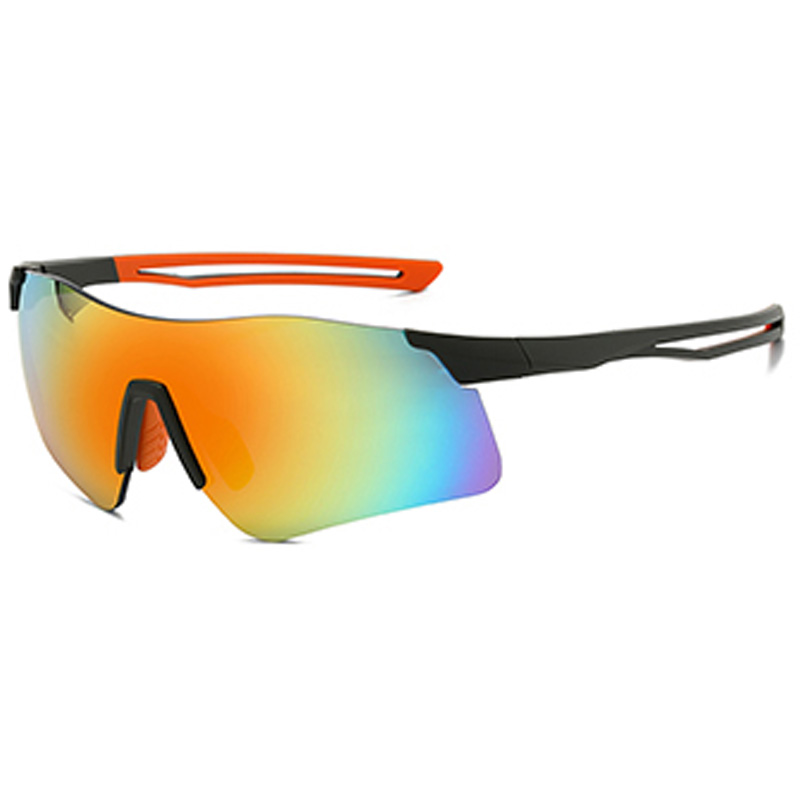
Sunglasses for Cycling provide more than a visual accessory for outdoor riding. During cycling, the eyes can be exposed to strong sunlight, wind, airborne dust, insects, and reflected light from roads and surrounding surfaces.
Cycling Sunglasses can help create a physical barrier between the eyes and the surrounding environment. A suitable frame can reduce direct wind exposure, while larger lenses can provide broader coverage than many ordinary sunglasses.
UV protection is another important consideration. Cyclists who spend several hours outdoors may experience prolonged exposure to ultraviolet radiation. When selecting the Best Sunglasses for Cycling, users should check the stated UV protection specifications instead of judging protection based only on lens darkness.
Comfort is equally important. Cycling Sunglasses that constantly slide down the nose or create pressure around the temples can become distracting during a long ride. A secure and comfortable fit can help cyclists concentrate on their route and activity.
What Makes the Best Sunglasses for Cycling?
The Best Sunglasses for Cycling should match the riding environment and provide a suitable balance of protection, visibility, stability, and comfort. There is no single design that is perfect for every cyclist because cycling conditions can vary considerably.
Important factors include UV protection, lens coverage, lens color, polarization, frame weight, ventilation, nose support, temple stability, and overall Sports sunglasses Fit.
Cyclists should also consider how long they normally ride. Sunglasses that feel comfortable during a short trip may feel different after several hours. For long-distance cycling, lightweight construction and good ventilation can become particularly important.
Suitable UV protection
Wide and practical lens coverage
Stable Cycling Sunglasses Fit
Comfortable frame construction
Suitable lens color
Optional polarized lenses
Good ventilation
Lightweight construction
Secure nose and temple support
Suitable design for the riding environment
UV Protection for Cycling Sunglasses
UV protection should be one of the first features to consider when choosing Sunglasses for Cycling. Outdoor cycling can involve extended exposure to sunlight, especially during daytime rides on open roads or exposed trails.
Cyclists should understand that lens darkness and UV protection are not the same thing. A dark lens does not automatically provide stronger UV protection. Instead, users should look for clear information about the UV filtering performance of the Cycling Sunglasses.
UV400 is a commonly used specification for sunglasses designed to block ultraviolet wavelengths up to approximately 400 nanometers. When choosing Cycling Sunglasses, users should check the actual product specifications and select suitable UV protection for their outdoor use.
UV protection is important regardless of whether the cyclist chooses polarized or non-polarized Cycling Sunglasses. Polarization and UV protection are different lens characteristics and should be evaluated separately.
Choose the Right Cycling Sunglasses Lens
The lens is one of the most important components of Cycling Sunglasses. Lens design can influence brightness, contrast, glare, color perception, and overall visual comfort.
The right lens depends on the riding environment. A cyclist who rides mainly under strong sunlight may have different requirements from someone who frequently rides in cloudy weather, shaded areas, or changing light conditions.
Gray Cycling Sunglasses Lenses
Gray lenses are commonly used for bright outdoor conditions. They can reduce overall brightness while maintaining a relatively natural perception of colors. Gray Cycling Sunglasses can be suitable for general daytime riding.
Brown Cycling Sunglasses Lenses
Brown lenses can provide a warmer visual appearance and may increase perceived contrast. They can be considered for Cycling Sunglasses used in environments where identifying changes in road or trail surfaces is important.
Amber Cycling Sunglasses Lenses
Amber lenses can alter contrast and brightness and may be useful in changing or moderate lighting conditions. The suitability of amber Cycling Sunglasses depends on the riding environment and personal visual preference.
Yellow Cycling Sunglasses Lenses
Yellow lenses are often considered for overcast or lower-light conditions. They can create a brighter visual impression and may be useful when strong sunlight is not present.
Clear Cycling Sunglasses Lenses
Clear lenses can be useful when eye coverage is needed but sunlight is limited. They may be suitable for certain low-light cycling environments or situations where wind and airborne particles remain concerns.
Are Polarized Sunglasses Good for Cycling?
Polarized Cycling Sunglasses are designed to reduce certain types of reflected glare. This can be useful when cyclists ride on bright roads, near water, or around other reflective surfaces.
Sunlight reflected from wet pavement can create noticeable glare. Polarized Cycling Sunglasses can help reduce this type of reflected light and may provide a more comfortable visual experience.
However, polarization is not automatically necessary for every cycling environment. Cyclists who frequently move between bright roads, shaded paths, and low-light areas should consider whether lens tint and visibility are more important for their specific route.
Polarized Cycling Sunglasses should also be evaluated for UV protection, Fit, comfort, ventilation, and lens quality. Polarization is one feature rather than the only factor that determines suitable Cycling Sunglasses.
Choose Cycling Sunglasses Based on Riding Conditions
Riding conditions have a major influence on the choice of Sunglasses for Cycling. The Best Sunglasses for Cycling on a sunny road may differ from the best option for a forest trail or evening ride.
Bright Road Cycling
Bright road cycling can involve strong direct sunlight and reflected glare from pavement, vehicles, and other surfaces. Cycling Sunglasses with suitable UV protection, broader coverage, and appropriate lens tint can be useful.
Mountain and Trail Cycling
Mountain and trail cycling can involve changing light, vegetation, dust, and uneven terrain. Cyclists may move between bright open areas and shaded sections within a short period. Lens color, visibility, frame stability, and ventilation are important considerations.
Commuting
Daily cycling and commuting can involve variable lighting and changing weather. Comfortable Cycling Sunglasses with practical coverage can help protect the eyes from wind, dust, and sunlight during the journey.
Long-Distance Cycling
Long-distance cycling requires particular attention to Comfort. Lightweight Cycling Sunglasses, stable fit, suitable nose support, and ventilation can become increasingly important during several hours of continuous riding.
Why Cycling Sunglasses Fit Matters
A suitable Cycling Sunglasses Fit helps keep the frame stable while riding. Cycling involves continuous movement, and poorly fitted sunglasses may slide down the nose or move around the face.
The frame should be wide enough to provide appropriate coverage but not so wide that it creates excessive pressure. The bridge should rest comfortably on the nose, while the temples should remain stable without causing discomfort.
Non-slip nose areas can be useful during cycling because perspiration can make ordinary sunglasses more likely to move. A secure fit can reduce the need for repeated adjustments during a ride.
Cyclists should also consider face shape and frame size. A design that fits one person comfortably may not provide the same experience for another person.
Wraparound Sunglasses for Cycling
Wraparound Sunglasses for Cycling are designed to follow the shape of the face and extend coverage toward the sides. This design can help reduce light entering from peripheral angles.
Wraparound Cycling Sunglasses can also provide additional coverage against wind, dust, and airborne particles. This can be particularly useful during fast road cycling or trail riding.
However, more coverage does not always mean better comfort. Cyclists should make sure the frame does not create excessive pressure around the temples or interfere with natural movement.
A good wraparound design should balance coverage, ventilation, visibility, and Comfort. This balance is especially important for long rides.
Lightweight Cycling Sunglasses for Long Rides
Weight can have a noticeable effect on Cycling Sunglasses Comfort. During a short ride, the weight of eyewear may not be noticeable, but after several hours, pressure around the nose and ears can become uncomfortable.
Lightweight Cycling Sunglasses can help reduce this pressure. However, low weight should not come at the expense of frame stability or durability.
Cyclists should consider the overall construction, including frame material, lens size, nose support, temple structure, and weight distribution. A well-balanced frame can feel more comfortable than a frame that is simply very light.
Ventilation and Anti-Fog Considerations
Lens fogging can be a concern when cycling, particularly during high-intensity riding or when temperatures change quickly. Heat and moisture around the face can contribute to condensation on the inside of the lenses.
Ventilated Cycling Sunglasses can improve airflow around the lens area. Small ventilation openings or carefully designed frame structures can help reduce conditions that contribute to fogging.
Ventilation should be balanced with coverage. Excessively open frames may allow more wind or dust to reach the eyes. The Best Sunglasses for Cycling should provide an appropriate balance between airflow and protection.
How Lens Coverage Affects Cycling Sunglasses
Lens coverage is another important factor when choosing Sunglasses for Cycling. Larger lenses can provide broader protection around the eyes and reduce exposure to wind and peripheral light.
Broad lens coverage can be particularly useful for fast cycling because increased airflow can make the eyes uncomfortable. Larger lenses can also reduce the amount of direct sunlight entering from the sides.
However, the lens should not obstruct the cyclist's field of vision. The frame should allow the rider to maintain a clear view of the road, surrounding traffic, and changing terrain.
Photochromic Cycling Sunglasses for Changing Light
Photochromic Cycling Sunglasses use lenses designed to change tint in response to light exposure. They can be useful for cyclists who frequently move between bright sunlight and shaded environments.
A cyclist may begin a ride under bright sunlight and later enter wooded areas or shaded roads. Photochromic lenses can provide an adaptable option for these changing conditions.
Cyclists should still consider UV protection, lens performance, Fit, Comfort, and frame design when selecting Photochromic Sunglasses for Cycling. Lens adaptability is useful, but it is only one part of the overall product.
Common Mistakes When Choosing Sunglasses for Cycling
One common mistake is choosing Cycling Sunglasses based only on appearance. While style can be important, the primary considerations for cycling should include protection, fit, visibility, stability, and comfort.
Another mistake is assuming that darker lenses provide stronger UV protection. Lens darkness and UV filtering are different characteristics, so cyclists should check the actual specifications.
Some cyclists also choose frames that are too large or too tight. An unsuitable frame can create pressure or move during riding.
Another issue is selecting the same lens type for every environment. A cyclist who rides in bright sunlight may have different requirements from someone who frequently rides in cloudy or shaded conditions.
Finally, cyclists should not ignore ventilation. Fogging can become distracting and can reduce visual comfort during intense activity.
Best Sunglasses for Cycling: Buying Checklist
Before choosing the Best Sunglasses for Cycling, consider the following checklist:
Check the stated UV protection specifications.
Choose lens coverage suitable for your riding environment.
Consider polarized lenses if reflected glare is a concern.
Choose lens color based on typical lighting conditions.
Make sure the Cycling Sunglasses Fit is stable and comfortable.
Consider lightweight construction for long-distance cycling.
Look for suitable ventilation if fogging is a concern.
Check nose and temple support.
Consider wraparound coverage for fast outdoor riding.
Make sure the frame does not obstruct your field of vision.
How to Choose the Best Sunglasses for Cycling

Start by identifying where you normally ride. If you primarily cycle on open roads in bright sunlight, look for Cycling Sunglasses with suitable UV protection, comfortable coverage, and lenses appropriate for bright conditions.
If you frequently ride near water or on wet roads, Polarized Cycling Sunglasses may be useful for reducing certain types of reflected glare.
If your cycling routes include shaded forests, tunnels, or changing light, consider lens color and visibility carefully. Photochromic Cycling Sunglasses may also be worth considering when light conditions change frequently.
Next, evaluate the frame. The frame should remain secure without creating excessive pressure. Lightweight construction, stable nose support, and comfortable temples can improve the experience during longer rides.
Finally, consider ventilation and lens coverage. The Best Sunglasses for Cycling should provide useful protection while maintaining a clear and comfortable field of vision.
Sports Sunglasses vs regular sunglasses for Cycling
Regular sunglasses may be suitable for casual outdoor use, but Sunglasses for Cycling are generally designed with movement and outdoor riding conditions in mind.
Cycling Sunglasses may feature larger lenses, wraparound coverage, lightweight frames, non-slip components, ventilation, and designs intended to remain stable during movement.
The main consideration should be how the eyewear performs during actual cycling. A frame that looks suitable for everyday use may not provide sufficient stability or coverage during a fast ride.
Frequently Asked Questions About Sunglasses for Cycling
What are the Best Sunglasses for Cycling?
The Best Sunglasses for Cycling should match the rider's environment and personal needs. Important features include UV protection, suitable lens coverage, comfortable Fit, stable frame construction, ventilation, and appropriate lens color.
Are Polarized Sunglasses good for Cycling?
Polarized Cycling Sunglasses can be useful when reflected glare from roads, water, wet surfaces, or other reflective objects is noticeable. They should still be evaluated for UV protection, fit, comfort, and visibility.
What color lenses are best for Cycling Sunglasses?
The best lens color depends on the riding environment. Gray lenses can be suitable for bright conditions, while brown, amber, yellow, or clear lenses may be useful for different lighting conditions.
Should Cycling Sunglasses be polarized?
Cycling Sunglasses do not have to be polarized for every riding situation. Polarization can be useful when reflected glare is common, while non-polarized lenses can be suitable for environments with limited glare.
Why should Cycling Sunglasses be lightweight?
Lightweight Cycling Sunglasses can reduce pressure around the nose and ears during long rides. However, weight should be balanced with frame durability, stability, and overall Comfort.
Are wraparound Sunglasses good for Cycling?
Wraparound Sunglasses for Cycling can provide broader coverage around the eyes and help reduce exposure to wind, dust, and peripheral light. The frame should still provide adequate ventilation and a comfortable Fit.
Final Thoughts on the Best Sunglasses for Cycling
Finding the Best Sunglasses for Cycling requires more than choosing a stylish frame. Cyclists should consider UV protection, lens type, lens color, coverage, Fit, Comfort, ventilation, and the conditions in which the Cycling Sunglasses will be used.
For bright road cycling, suitable UV protection and glare control can be important. For trail riding, lens visibility, coverage, and adaptability may receive more attention. For long-distance cycling, lightweight construction, ventilation, and Comfort can become increasingly important.
Polarized Cycling Sunglasses can be useful when reflected glare is a regular concern, while Non-Polarized Cycling Sunglasses can provide a practical option for environments with limited glare. Neither choice should be considered separately from UV protection, Fit, lens performance, and overall Comfort.
The most practical approach is to select Sunglasses for Cycling according to your actual riding habits. Consider where you ride, how long you ride, the lighting conditions you encounter, and the level of coverage you need.
With the right combination of lens technology, UV protection, comfortable Fit, lightweight construction, and suitable coverage, Cycling Sunglasses can become a useful part of your outdoor cycling equipment.



 Phone
Comment
(0)