


Choosing the right Optical Glasses is an important decision for anyone who wears glasses regularly. Because Optical Glasses can become part of everyday life, the right frame should provide a comfortable fit, suitable proportions, practical durability, and an appearance that works with different situations. Whether you need Optical Glasses for work, study, commuting, reading, or general daily activities, selecting the right frame can make everyday wear more comfortable.
This Optical Glasses Guide explains how to choose frames for Everyday Wear by looking at frame size, shape, material, comfort, lens position, and personal preferences. Instead of selecting Optical Glasses only because a frame looks attractive, it is useful to consider how the frame fits your face and how it performs during daily use.
Understanding how to Choose Frames can also make it easier to compare different Optical Glasses Frames. The best frame is not necessarily the largest, smallest, lightest, or most distinctive design. A suitable frame should work naturally with your facial proportions, prescription requirements, lifestyle, and preferred Everyday Wear habits.
Why Choosing the Right Optical Glasses Frame Matters
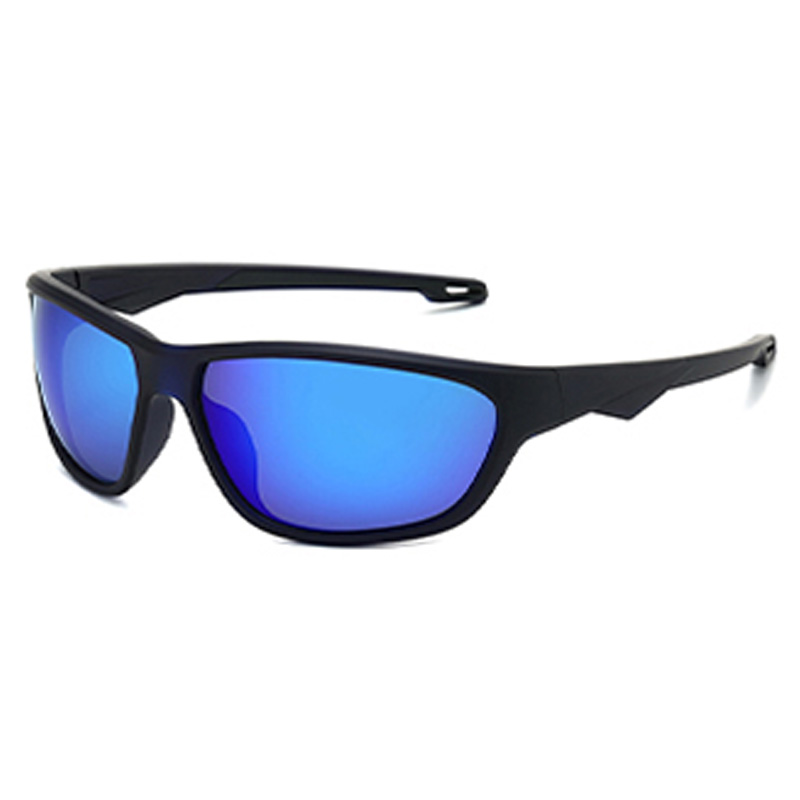
Optical Glasses are worn for many hours by many users, so frame comfort is an important consideration. A frame that feels comfortable when first tried may still become uncomfortable if its dimensions do not match the wearer's face. For Everyday Wear, the frame should sit securely without creating unnecessary pressure around the nose, temples, or ears.
The right Optical Glasses Frames can also help create a balanced appearance. Frame width, lens shape, bridge size, and temple design all influence how Optical Glasses look when worn. These factors should be considered together rather than selecting a frame based on one feature.
When learning How to Choose Frames, it is useful to focus on practical requirements first. Comfort, stability, appropriate dimensions, and compatibility with the intended lenses should be considered before appearance. Once these basic requirements are satisfied, personal style can help narrow down the available Optical Glasses options.
Optical Glasses Guide: Understanding Frame Size
Frame size is one of the most important factors in choosing Optical Glasses. A frame that is too narrow can create pressure at the temples, while a frame that is too wide may move during Everyday Wear. The bridge should also sit comfortably on the nose without excessive pressure or frequent slipping.
When comparing Optical Glasses Frames, pay attention to the overall frame width, lens width, bridge width, and temple length when these measurements are available. These dimensions provide useful information about whether a frame may suit your facial proportions.
Choosing Frames according to actual measurements is often more reliable than selecting a frame simply because it is described as small, medium, or large. Different frame designs can have different proportions even when they use the same general size category.
How to Choose Frames for Different Face Shapes
Face shape can be a useful reference when selecting Optical Glasses, although it should not be treated as a strict rule. Comfort and individual proportions remain more important than general face-shape guidelines.
Optical Glasses for Round Face Shapes
People with relatively round facial proportions may consider Optical Glasses Frames with more defined or angular shapes. Rectangular or slightly geometric frames can create visual contrast with rounded facial lines. However, the frame should still provide enough width and comfortable support for Everyday Wear.
Optical Glasses for Oval Face Shapes
Oval facial proportions can work with many Optical Glasses Frames. The main consideration is maintaining a suitable relationship between frame width and facial width. Frames that are excessively narrow or excessively wide may affect overall balance and comfort.
Optical Glasses for Square Face Shapes
People with stronger jawlines or angular facial proportions may consider Optical Glasses with softer or rounded frame shapes. Curved frame lines can create a different visual balance while still providing practical Everyday Wear comfort.
Optical Glasses for Narrow Face Shapes
For narrower faces, Choosing Frames with suitable width is especially important. Oversized Optical Glasses Frames may move more easily if they do not provide sufficient support. A narrower frame may offer a more secure Everyday Wear experience.
These guidelines are starting points rather than fixed rules. The most suitable Optical Glasses depend on individual facial proportions, frame measurements, lens requirements, and personal comfort.
Optical Glasses and Everyday Wear Comfort
Comfort should be a central part of any Optical Glasses Guide. Glasses used for Everyday Wear may remain on the face for many hours, so small fit problems can become noticeable over time.
The nose bridge should provide stable support without creating excessive pressure. The temples should remain comfortable around the sides of the head. The frame should also stay reasonably stable when walking, working, reading, or moving between different environments.
When trying Optical Glasses Frames, wear them for several minutes rather than removing them immediately. Check whether the frame feels balanced and whether you notice pressure around the nose or temples. This simple test can help when deciding how to Choose Frames.
Choosing the Right Frame Material
Frame material can influence the weight, flexibility, appearance, and overall wearing experience of Optical Glasses. Different materials are available for different Everyday Wear preferences.
Plastic Optical Glasses Frames
Plastic Optical Glasses Frames are widely used because they can support many frame shapes, colors, and design styles. Depending on the material and construction, plastic frames can provide a comfortable balance between structure and weight.
Metal Optical Glasses Frames
Metal Optical Glasses Frames can offer a relatively slim appearance and a structured feel. They are available in different constructions and may be suitable for people who prefer a more understated frame design for Everyday Wear.
Lightweight Optical Glasses Frames
Lightweight Optical Glasses can be useful for users who wear glasses for long periods. Reducing unnecessary frame weight may improve comfort, particularly during extended Everyday Wear. However, low weight should not be considered separately from frame strength and stability.
How Lens Size Affects Optical Glasses
Lens size is another important consideration when Choosing Frames. The frame must accommodate the required lenses while maintaining comfortable positioning in front of the eyes.
Large Optical Glasses Frames can provide a broader visual appearance, while smaller frames may create a more compact look. The appropriate lens size depends on facial dimensions, prescription requirements, personal preferences, and intended Everyday Wear.
People with stronger prescriptions may also need to consider how frame dimensions interact with lens thickness and weight. In these situations, discussing suitable Optical Glasses Frames with an eyewear professional can help identify appropriate options.
Optical Glasses for Work and Study
For work and study, Optical Glasses should provide comfortable Everyday Wear over extended periods. People who spend significant time reading, using computers, writing, or performing detailed tasks may prefer frames that feel stable and lightweight.
When selecting Optical Glasses for work, consider how the frame fits when sitting for long periods. The temples should not create uncomfortable pressure, and the frame should not repeatedly slide down the nose. A stable fit can reduce the need for frequent adjustment.
Optical Glasses Frames for professional environments may also be selected according to personal style and workplace requirements. Simple, versatile frame shapes can work with different clothing and daily situations.
Optical Glasses for Everyday Activities
Everyday Wear can include many different activities. You may use Optical Glasses while commuting, shopping, working, studying, reading, traveling, or spending time outdoors. Because of this variety, a versatile frame can be useful.
When you Choose Frames for Everyday Wear, consider whether the design works comfortably across different situations. A practical Optical Glasses Frame should remain comfortable during normal movement and should not require constant adjustment.
Frame stability is particularly important for people who frequently move between indoor and outdoor environments. Optical Glasses should remain securely positioned without interfering with normal activities.
Bridge Fit and Optical Glasses Comfort
The bridge is the part of Optical Glasses that connects the two lenses and rests around the nose. Its dimensions can strongly influence comfort and stability.
If the bridge is too narrow, Optical Glasses may create pressure. If it is too wide, the frame may slide downward. The right bridge fit helps keep the Optical Glasses Frames in a consistent position during Everyday Wear.
When trying different Optical Glasses, pay attention to how the frame sits naturally on the nose. If frequent adjustment is necessary, another frame size or bridge design may provide a better fit.
Temple Fit and Frame Stability
Temple design also affects the overall Optical Glasses Fit. The temples extend from the front of the frame toward the ears and help keep the glasses in position.
Optical Glasses Frames should not feel excessively tight around the sides of the head. At the same time, the temples should provide enough contact to prevent unnecessary movement. Finding the right balance can make Everyday Wear more comfortable.
When Choosing Frames, move your head naturally while wearing the Optical Glasses. Look up and down, turn from side to side, and walk normally. If the frame remains stable without creating uncomfortable pressure, the fit may be suitable for Everyday Wear.
How to Choose Frames for Personal Style
After considering fit and comfort, personal style becomes an important part of Choosing Frames. Optical Glasses can influence the overall appearance of the face, so frame shape and color can be selected according to individual preferences.
Classic Optical Glasses Frames can provide a versatile appearance suitable for different outfits and occasions. More distinctive frame shapes can create a stronger visual effect. The choice depends on how the wearer wants the Optical Glasses to fit into Everyday Wear.
It is useful to consider whether a frame works with the clothing and activities that make up most of your daily routine. A versatile frame may be easier to use across work, leisure, and social situations.
Common Mistakes When Choosing Optical Glasses
One common mistake is choosing Optical Glasses based only on appearance. A frame may look attractive but still be uncomfortable if its dimensions do not match the wearer's face.
Another mistake is selecting a frame that is too large because larger Optical Glasses Frames appear more noticeable. Oversized frames may move during Everyday Wear if they do not provide sufficient support.
Choosing Frames that are too small can also create problems. Narrow frames may create pressure around the temples or provide insufficient space for the lenses. The goal is to find a balanced fit rather than simply choosing the smallest or largest available option.
Another mistake is ignoring long-term comfort. Optical Glasses should be tested for several minutes when possible, because pressure points may become more noticeable after extended wear.
Optical Glasses Guide: A Simple Selection Process
Following a simple process can make it easier to Choose Frames for Everyday Wear.
Consider your facial proportions. Estimate whether your face is relatively narrow, medium, or wide.
Check frame measurements. Compare frame width, lens dimensions, bridge width, and temple length.
Evaluate the bridge. Make sure the Optical Glasses sit comfortably without excessive pressure or slipping.
Check the temples. The temples should remain comfortable around the sides of the head.
Consider lens requirements. Make sure the frame is suitable for the required lenses.
Test Everyday Wear comfort. Wear the Optical Glasses for several minutes and move naturally.
Consider personal style. Select a frame shape and appearance that suits your preferences.
This approach can simplify the process of comparing Optical Glasses Frames and help you Find the Right Fit for Everyday Wear.
Optical Glasses Maintenance for Everyday Wear
Choosing the right Optical Glasses is only part of maintaining a comfortable Everyday Wear experience. Proper care can help keep Optical Glasses Frames in good condition.
Clean the lenses with suitable materials and avoid using rough surfaces that may cause scratches. Store Optical Glasses in a protective case when they are not being worn. Avoid placing the lenses directly against hard surfaces.
It is also useful to check whether the frame remains properly aligned. If Optical Glasses become loose or crooked, professional adjustment may help restore a more comfortable fit.
Conclusion: How to Choose Frames for Everyday Wear
Choosing Optical Glasses for Everyday Wear involves more than selecting an attractive frame. The best Optical Glasses Frames should provide an appropriate balance of size, comfort, stability, lens compatibility, and personal style.
This Optical Glasses Guide shows that learning How to Choose Frames begins with understanding your facial proportions and daily requirements. Frame width, bridge size, temple length, lens dimensions, and frame material can all influence the overall wearing experience.
Whether you need Optical Glasses for work, study, commuting, reading, or general Everyday Wear, take time to compare different Optical Glasses Frames. Try different sizes and shapes, check the fit around the nose and temples, and consider how the frame feels after several minutes of use.
Ultimately, the right Optical Glasses are those that fit naturally into your daily routine. By focusing on practical fit, comfort, suitable dimensions, and personal preferences, you can make the process of Choosing Frames simpler and more effective.



 Phone
Comment
(0)