

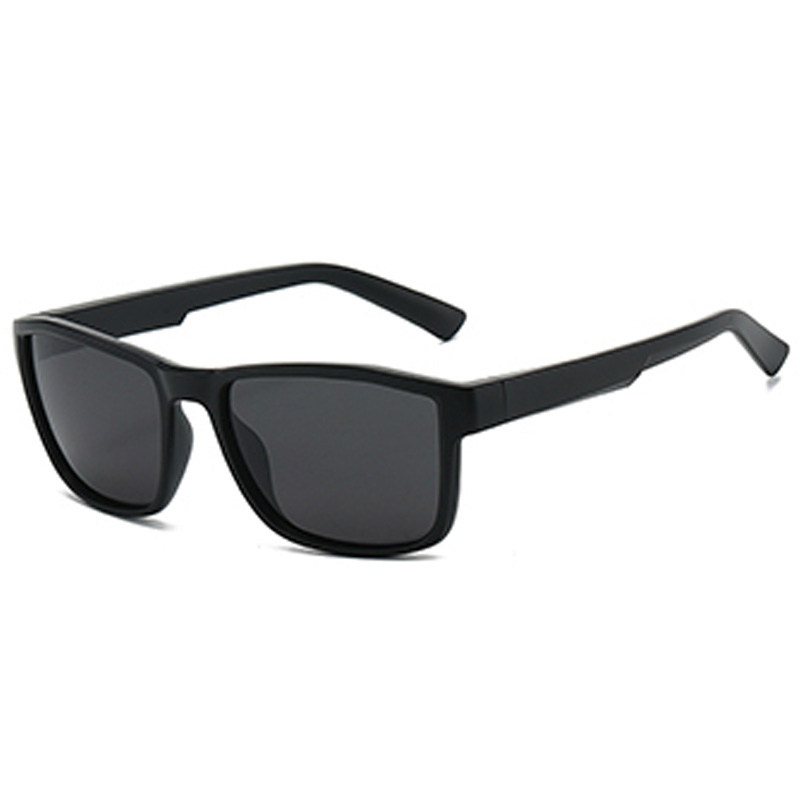
Storing optical glasses safely is essential for protecting lens clarity, preserving frame alignment, and extending the service life of eyewear. Whether you are storing prescription glasses, reading glasses, Sunglasses, safety glasses, or precision optical lenses, the right storage method helps prevent scratches, dust buildup, moisture damage, impact deformation, and coating deterioration. For users, retailers, laboratories, and optical businesses, proper optical glasses storage is not only a matter of convenience but also a critical part of quality control and product protection.
In the optical industry, safe storage is defined as the controlled placement of glasses in a clean, dry, stable, and protected environment that reduces physical stress and environmental exposure. This includes choosing suitable cases, using anti-scratch materials, avoiding heat and humidity, preventing pressure on frames, and maintaining a consistent storage routine. For high-value eyewear products and delicate optical components, storage quality directly affects performance, appearance, and customer satisfaction.
This guide provides practical and SEO-friendly information about how to store optical glasses safely, including definitions, benefits, storage standards, recommended conditions, product specifications, and common mistakes to avoid. The content is designed for blog pages, category pages, industry pages, and educational pages that need strong keyword relevance and structured readability.
Safe optical glasses storage refers to the process of keeping glasses in a protected condition so that the lenses, frames, hinges, coatings, and alignment remain intact. The purpose is to reduce damage caused by dust, contact abrasion, moisture, sunlight, chemical exposure, compression, and accidental drops. In both consumer and industrial settings, safe storage is a preventive measure that improves product longevity and maintains optical accuracy.
For everyday eyewear users, safe storage means placing glasses in a hard case or soft protective pouch when not in use, keeping them away from rough surfaces, and avoiding environments with extreme temperature changes. For optical warehouses, clinics, laboratories, and retail inventory storage, it also means using organized racks, anti-static packaging, humidity control, and traceable storage systems.
Optical glasses are precision products. Even a small scratch on a lens can reduce visibility and optical performance. Poor storage can also weaken frame structure, loosen screws, bend temples, distort fit, and damage premium coatings such as anti-reflective, blue light filter, mirror, or hard coatings. Safe storage reduces product returns, prevents unnecessary replacement, and supports a professional image for optical brands and distributors.
From a commercial perspective, proper storage also improves inventory management. Glasses stored in a clean and organized environment are easier to inspect, count, ship, and display. This is especially important for bulk storage, retail shelving, e-commerce fulfillment, and export packaging. A reliable storage system can reduce loss, protect margin, and support customer trust.
| Benefit | Description | SEO-Relevant Keyword Focus |
|---|---|---|
| Scratch Prevention | Protects lenses from surface abrasion caused by contact with hard objects, dust, or rough materials. | optical glasses storage, scratch prevention |
| Frame Protection | Reduces bending, twisting, and pressure damage to acetate, metal, and composite frames. | safe storage for eyeglasses, frame protection |
| Coating Preservation | Helps maintain anti-reflective, anti-scratch, UV, and other lens coatings. | lens coating protection, eyewear storage |
| Longer Product Life | Extends the usable life of optical glasses and lowers replacement frequency. | how to store glasses safely, eyewear lifespan |
| Better Hygiene | Reduces dust and contamination that can affect comfort and visibility. | clean optical storage, glasses hygiene |
| Professional Presentation | Keeps inventory neat, organized, and suitable for retail or showroom display. | optical retail storage, eyewear display |
The best storage method depends on the type of glasses, frequency of use, and storage environment. However, several universal rules apply across all eyewear categories. Glasses should always be placed in a clean protective case when not in use. The case should be rigid enough to resist crushing, soft enough internally to reduce abrasion, and large enough to avoid lens-frame contact with the interior surfaces.
A microfiber cloth can be used to wrap the glasses inside the case for extra protection, but loose fabrics should not be used if they can trap particles. For temporary storage on a desk or shelf, the glasses should be placed with the lenses facing upward or in a stable stand designed for eyewear. Avoid leaving glasses face down on tables, near sinks, in vehicles, or on soft surfaces where they may slide or be pressed by objects.
For multiple pairs, use separated compartments, labeled trays, or dedicated eyeglass organizers. Each pair should have its own protected space to prevent frame-to-frame friction. In commercial storage, vertical racks, drawer systems, and lined bins are commonly used to improve organization and reduce handling damage.
| Storage Factor | Recommended Condition | Why It Matters |
|---|---|---|
| Temperature | Cool, stable room temperature | Extreme heat can warp frames and affect lens coatings. |
| Humidity | Low to moderate humidity | Excess moisture may promote fogging, corrosion, or mold growth. |
| Light Exposure | Minimal direct sunlight | UV and heat can reduce coating performance and cause material aging. |
| Cleanliness | Dust-free, lint-free environment | Dust particles can scratch lenses during handling or cleaning. |
| Pressure | No heavy load on top of glasses | Compression can bend frames and misalign temples or bridge sections. |
| Placement | Stable, level, and secure surface | Reduces risk of falling, sliding, or accidental impact. |
Different storage solutions support different needs. A hard case offers the highest level of impact protection for personal use. A soft pouch provides lightweight protection and is suitable for short-term use, but it is generally less resistant to pressure. Display trays and retail organizers are useful for merchandising and inventory sorting. Drawer inserts and partitioned boxes are commonly used for bulk handling in optical businesses.
Protective cabinets and humidity-controlled storage units are often used in laboratories, clinics, and premium optical environments where environmental stability is important. Wall-mounted eyewear racks can also be used for display purposes, but they should only be chosen when the space is secure, dust-managed, and free from direct impact risks.
| Storage Type | Protection Level | Best Use Case | Main Advantage |
|---|---|---|---|
| Hard Case | High | Daily personal storage and travel | Excellent impact and pressure resistance |
| Soft Pouch | Medium | Short-term carrying and light protection | Lightweight and compact |
| Eyewear Tray | Medium | Retail display and organized storage | Easy visibility and sorting |
| Partitioned Box | Medium to High | Bulk inventory storage | Separates each pair and reduces friction |
| Protective Cabinet | High | Professional and controlled environments | Supports dust and moisture protection |
| Eyewear Stand | Low to Medium | Quick-access desktop storage | Convenient for daily use |
Home storage should focus on convenience, cleanliness, and protection. Keep glasses in the same designated place every day to avoid accidental damage or loss. A drawer organizer, bedside case, or entryway storage box can help maintain consistency. Do not place glasses on top of books, in pockets without protection, or in areas where they can be crushed by other household items.
Bathrooms are not ideal storage locations because humidity and temperature changes can affect metal components and lens condition. Kitchens, car dashboards, and windowsills should also be avoided due to heat exposure. If glasses are used infrequently, clean them before storage, dry them fully, and place them in a protective case with the lenses facing upward or in a neutral position.
In retail stores, optical glasses should be organized by product type, frame style, or prescription category. Use labeled shelves, lined drawers, and secure display tools to reduce handling mistakes and product damage. The storage area should be clean, dust-controlled, and protected from direct sunlight. Staff should be trained to handle eyewear with both hands and avoid touching lenses directly.
For commercial inventory, packaging should be standardized. Each pair should be placed in its own pouch, wrapped carefully if needed, and stored in a system that allows easy counting and retrieval. Barcode labels, SKU organization, and batch identification can improve stock management and reduce the chance of mix-ups. In high-volume optical operations, storage quality is closely linked to order accuracy and customer satisfaction.
Laboratories and technical facilities may store optical glasses, lenses, or precision eyewear components under stricter environmental controls. Cleanliness is critical because even small particles can affect optical surfaces. Anti-static packaging, lint-free materials, controlled humidity, and temperature stability are often used to preserve product quality.
In these settings, documentation may be required for traceability. Storage logs, inspection records, and handling procedures help maintain quality assurance. Optical items should be kept separate from chemicals, solvents, and abrasive materials. If glasses or optical lenses are sensitive to coating degradation, additional barrier packaging may be recommended to reduce exposure to moisture and airborne contaminants.
| Mistake | Risk | Better Practice |
|---|---|---|
| Leaving glasses face down | Lens scratches and coating wear | Store in a case or place lenses upward on a soft surface |
| Using no case at all | Impact damage, dust buildup, and bending | Use a protective case every time glasses are not in use |
| Storing in hot areas | Frame warping and adhesive weakening | Keep glasses in a cool, stable environment |
| Stacking objects on top | Compression damage and frame distortion | Keep storage space clear and pressure-free |
| Mixing multiple pairs together | Friction scratches and tangled frames | Use separate compartments or individual cases |
| Storing while dirty | Dust and particles can abrade lenses | Clean and dry glasses before long-term storage |
| Specification Item | Typical Requirement | Application |
|---|---|---|
| Internal Lining | Soft, non-abrasive material such as microfiber or flocked lining | Protects lenses and frames from scratches |
| Case Structure | Rigid or semi-rigid shell | Provides impact resistance |
| Closure Type | Zipper, snap, magnetic, or fitted cover | Helps keep glasses secure during storage |
| Interior Size | Enough space to prevent compression | Avoids frame bending and lens contact |
| Surface Cleanliness | Dust-free and lint-free | Reduces contamination and scratches |
| Environmental Stability | Stable temperature and moderate humidity | Supports long-term product preservation |
To help this content rank well in search engines, it naturally includes semantically related keywords and search phrases. These may include: how to store optical glasses safely, safe storage for eyeglasses, optical glasses storage, eyewear storage tips, glasses storage case, lens protection, frame protection, eyewear organization, optical storage solutions, and how to keep glasses from scratching.
Related long-tail keywords can also include: best way to store prescription glasses, how to protect eyeglasses at home, optical glasses storage guide, eyewear storage for retail, safe lens storage conditions, and glasses case storage best practices. Using these terms in headings, table content, and body text helps improve topical relevance and supports organic search visibility.
| Step | Action | Purpose |
|---|---|---|
| 1 | Clean the lenses and frames gently before storage | Removes particles that can cause scratches |
| 2 | Dry glasses completely | Prevents moisture-related damage |
| 3 | Place glasses in a protective case or organizer | Reduces impact and pressure risks |
| 4 | Store in a cool, dry, and stable area | Preserves materials and coatings |
| 5 | Avoid direct sunlight and heavy stacking | Protects frame shape and optical quality |
| 6 | Keep each pair separated | Prevents friction and accidental mixing |
For long-term storage, consistency matters more than convenience. Glasses that will not be used for an extended period should be cleaned thoroughly, dried, and placed in a protective case with a stable internal environment. If the storage time is long, periodic inspection is recommended to check for dust, corrosion, loose screws, or changes in frame shape.
Long-term storage should also avoid contact with rubber bands, chemicals, perfumes, cleaning agents, and adhesive materials, as these may affect coatings or frame materials over time. If storing multiple pairs, use a numbered or labeled system to track condition and location. This is particularly useful for optical inventory, backup eyeglasses, or archived product samples.
Different frame materials respond differently to storage conditions. Plastic frames may warp under heat, while metal frames may be more vulnerable to corrosion in humid environments. Titanium frames are generally durable, but they still benefit from proper protection against impact and dust. Acetate frames can maintain their appearance well when stored in a stable environment, but pressure and heat should still be avoided.
Lens materials also matter. High-index lenses, polycarbonate lenses, and glass lenses each have different levels of impact resistance, weight, and coating sensitivity. Regardless of material, all lenses should be treated as precision surfaces and stored in a way that minimizes contact, vibration, and contamination.
The best way to store optical glasses safely is to keep them clean, dry, separated, and protected in a stable environment. A quality storage routine helps prevent scratches, frame distortion, coating damage, and unnecessary product wear. For home users, the most effective solution is usually a hard case or a well-designed eyewear organizer. For businesses and institutions, organized, dust-controlled, and properly labeled storage systems provide better efficiency and product protection.
Safe optical glasses storage is a simple but highly effective practice that supports long-term value, better hygiene, improved presentation, and better optical performance. By following the guidelines above, users and businesses can reduce damage, improve durability, and maintain the quality of eyewear across daily use and long-term storage.
```
This website uses cookies to ensure you get the best experience on our website.



 Phone
Comment
(0)