

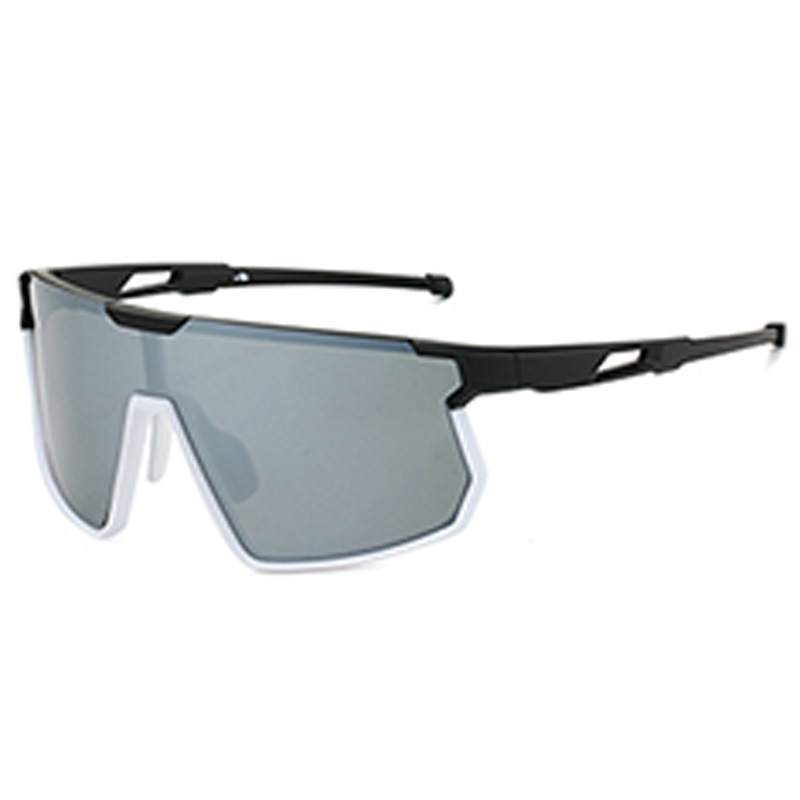
Choosing the right optical glasses is about more than vision correction. The frame you wear can
influence balance, proportion, confidence, and personal style. If you want the best possible fit,
one of the most effective starting points is matching optical glasses with your face shape. When
a frame complements your facial structure, it can help highlight your best features, create visual
harmony, and make everyday eyewear feel more comfortable and natural.
This guide explains how to match optical glasses with your face shape using practical, SEO-friendly,
industry-standard information. It covers face shape definitions, frame selection principles, lens and
fit considerations, key benefits, common specifications, and comparison tables. The content is written
for general use in blog posts, category pages, product guides, and industry landing pages.
Face shape matters because eyeglass frames are one of the most visible accessories you wear every day.
A frame that contrasts with your face shape can create balance, while a frame that repeats your facial
lines too closely may make features appear stronger or narrower. The goal is not to hide your face.
The goal is to enhance your natural proportions through smart optical frame selection.
Understanding how to match optical glasses with your face shape also helps reduce shopping mistakes.
Instead of choosing frames based only on color or trend, you can compare frame geometry, width, lens
depth, bridge shape, and temple design. This approach is especially useful for consumers looking for
prescription eyeglasses, reading glasses, blue light glasses, or general optical eyewear.
Before selecting frames, it is helpful to identify the main characteristics of your face. Most face
shapes fall into a few common categories. You do not need to fit perfectly into one category; many
people have mixed features. However, recognizing the closest face shape can make optical frame matching
much easier.
| Face Shape | Main Features | General Frame Goal |
|---|---|---|
| Round | Soft curves, similar width and length, full cheeks | Add definition and angles |
| Square | Strong jawline, broad forehead, angular lines | Soften sharp edges |
| Oval | Balanced proportions, slightly narrower jaw than forehead | Maintain natural balance |
| Heart | Wider forehead, narrower chin, prominent cheekbones | Reduce upper-face width and balance the lower face |
| Diamond | Narrow forehead and chin, widest at the cheekbones | Highlight eyes and soften cheekbone width |
| Triangle | Narrow forehead, wider jawline | Broaden upper face and balance the jaw |
| Rectangle/Oblong | Longer face, straight sides, similar width at forehead and jaw | Add width and reduce vertical emphasis |
A round face typically has soft features, a curved jawline, and nearly equal width and length. The
best optical glasses for a round face usually add structure and contrast. Angular frames can help
visually elongate the face and define the cheek area.
Recommended frame styles: rectangular frames, square frames, geometric frames,
browline frames, and cat-eye frames with strong angles.
Why they work: These frames create visual lines that oppose the natural curves of a
round face, helping the face appear slimmer and more structured.
A square face is defined by a broad forehead, strong jawline, and angular proportions. To match optical
glasses with a square face shape, choose frames that soften sharp lines and add a little curve.
Recommended frame styles: round frames, oval frames, thin-rimmed frames, softer
cat-eye frames, and rounded geometric styles.
Why they work: Curved frames reduce the visual heaviness of a square jaw and create a
more balanced, approachable appearance.
An oval face is often considered the most versatile face shape for eyewear. It has balanced proportions,
a gently rounded jaw, and a slightly narrower chin than forehead. Most optical glasses styles can work
well on an oval face as long as the frame width is proportionate.
Recommended frame styles: rectangular frames, square frames, round frames, cat-eye
frames, aviator-inspired optical frames, and geometric shapes.
Why they work: Oval faces already have balance, so the main task is preserving those
proportions rather than overpowering them.
A heart-shaped face usually has a wider forehead, prominent cheekbones, and a narrower chin. The best
optical glasses for a heart-shaped face help bring visual balance to the lower face while avoiding
frames that make the upper face look even wider.
Recommended frame styles: bottom-heavy frames, oval frames, round frames, lightweight
rimless styles, and soft cat-eye frames with a gentle lift.
Why they work: These styles reduce emphasis on the forehead and create a softer,
proportionate look around the chin area.
A diamond face is narrower at the forehead and jawline, with the widest point at the cheekbones. The
right optical glasses can highlight the eyes and soften the cheekbones without making the face appear
too narrow.
Recommended frame styles: oval frames, rimless frames, cat-eye frames, browline
frames, and frames with details on the top half.
Why they work: These designs emphasize the upper face and help create a more balanced
overall silhouette.
A triangle face is wider at the jawline and narrower at the forehead. To match optical glasses with a
triangle face shape, focus on frames that expand the upper face and add visual weight near the brow.
Recommended frame styles: top-heavy frames, browline frames, cat-eye frames, wide
rectangular frames, and decorative upper rims.
Why they work: These frames draw attention upward and help balance the lower half of
the face.
A rectangle or oblong face is longer than it is wide. The goal is usually to reduce vertical emphasis
and add visual width. Frames with deeper lens height can also help maintain proportion.
Recommended frame styles: round frames, oversized frames, deep rectangular frames,
aviator-inspired optical frames, and decorative temples.
Why they work: These styles help shorten the appearance of the face and create better
width balance.
While face shape is important, it should not be the only factor. The best optical glasses combine face
shape compatibility with fit, lens requirements, comfort, and lifestyle use. The following selection
principles can help narrow the right choice.
| Selection Factor | What to Check | Why It Matters |
|---|---|---|
| Frame width | Frame should align with the widest part of the face | Prevents visual imbalance and improves comfort |
| Bridge fit | Should sit securely without pinching or slipping | Affects comfort and lens positioning |
| Lens height | Depends on prescription and viewing needs | Important for progressive lenses and reading areas |
| Frame shape | Choose contrast or balance based on face shape | Creates a flattering visual effect |
| Temple length | Should support a stable fit behind the ears | Prevents sliding and pressure points |
| Frame material | Metal, acetate, titanium, or mixed materials | Influences durability, weight, and style |
Optical frame shape is one of the most important style variables in eyewear selection. Different shapes
create different visual impressions. Understanding these effects can improve SEO content, product page
organization, and consumer decision-making.
| Frame Shape | Visual Effect | Best Face Shape Matches |
|---|---|---|
| Round | Soft, artistic, balanced, retro-inspired | Square, angular, rectangle |
| Square | Strong, stable, structured | Round, oval, heart |
| Rectangular | Defined, modern, lengthening | Round, oval, triangle |
| Oval | Gentle, soft, versatile | Square, diamond, heart |
| Cat-eye | Lifted, stylish, expressive | Round, square, heart |
| Browline | Bold upper emphasis, classic, balanced | Triangle, round, diamond |
| Geometric | Modern, distinctive, sharp | Round, oval, soft features |
| Rimless | Lightweight, minimal, subtle | Heart, diamond, oval |
Matching optical glasses with your face shape offers both aesthetic and practical benefits. For many
consumers, this is the difference between glasses that look merely functional and glasses that feel
intentionally selected.
Frame shape is only part of the story. Size is equally important. A frame may be the right shape but still
look wrong if it is too wide, too narrow, too deep, or too shallow for the wearer’s face. For optical
glasses, proper sizing helps keep lenses centered and supports comfortable daily wear.
A good general rule is to choose a frame that aligns with the broadest part of the face without extending
too far past the temples. The eyes should sit near the center of the lenses, and the bridge should rest
naturally on the nose. In SEO and product-description content, frame size terms are often used alongside
face shape keywords because size and shape together determine the final look.
| Size Element | What It Controls | Result of Poor Fit |
|---|---|---|
| Lens width | Horizontal proportion | Frame appears too large or too narrow |
| Bridge width | Nose comfort and stability | Slipping, pinching, or misalignment |
| Lens height | Vertical proportion and lens function | Reduced style balance or limited lens space |
| Temple length | Behind-the-ear support | Instability and pressure points |
| Overall frame width | Proportional balance on the face | Uneven appearance |
Material choice affects comfort, durability, appearance, and price positioning. When creating content for
optical glasses, it is useful to describe materials in neutral, industry-wide terms without focusing on
individual brands.
| Material | Key Advantages | Typical Use Case |
|---|---|---|
| Acetate | Rich color options, sturdy feel, stylish finish | Fashion-oriented optical frames |
| Metal | Lightweight, slim profile, adjustable | Minimal or professional eyewear styles |
| Titanium | Strong, lightweight, corrosion-resistant | Premium comfort-focused eyewear |
| Stainless steel | Durable, sleek, stable structure | Everyday prescription glasses |
| TR90 or similar polymer | Flexible, lightweight, impact-resistant | Active lifestyles and casual wear |
| Mixed materials | Combines style and stability | Frames needing both design and comfort |
Although face shape matching usually focuses on the frame, lens choice also matters. The lens type,
thickness, and treatment options can affect the overall look and performance of the glasses. For
SEO-friendly industry content, include lens information to improve topical completeness and search
relevance.
Common lens options include: single vision lenses, progressive lenses, reading lenses,
blue light filtering lenses, photochromic lenses, and high-index lenses. Each option serves a different
function and may affect the frame style best suited to the wearer.
Matching optical glasses with your face shape should not mean ignoring function. The most successful
eyewear choices balance style, comfort, and vision needs. A flattering frame that does not fit properly
will not perform well. Likewise, a highly functional frame that clashes with facial proportions may feel
less appealing to wear.
To strike the right balance, look for frames that:
If you are building a blog, category page, or product guide, using related keywords can help increase
topical relevance. Below are natural keyword phrases commonly used in search queries about eyewear and
face shape matching.
| Primary Keyword | Related Keyword Variations |
|---|---|
| How to match optical glasses with your face shape | best glasses for face shape, eyeglasses for face shape, eyewear by face shape |
| Round face glasses | best frames for round face, optical glasses for round face |
| Square face glasses | frames for square face, eyewear for angular face |
| Oval face glasses | best eyeglasses for oval face, versatile frame styles |
| Heart-shaped face glasses | frames for heart face shape, balanced optical frames |
| Prescription glasses guide | lens options, frame fit, optical eyewear selection |
The following process can be used in editorial content, buyer guides, or product category pages to help
readers choose the right eyewear.
Even when consumers know their face shape, they may still make avoidable eyewear mistakes. Including this
section can make your content more useful and search-friendly.
| Term | Definition |
|---|---|
| Bridge | The part of the frame that rests on the nose |
| Temple | The side arm of the glasses that extends behind the ear |
| Lens height | Vertical lens measurement, important for visual zones |
| Frame width | The overall horizontal measurement of the frame front |
| Rimless frame | A frame style with minimal visible border around the lenses |
| Browline frame | A style with a stronger upper frame and lighter lower portion |
Learning how to match optical glasses with your face shape is one of the most practical ways to improve
both the style and performance of eyewear. By understanding face shape categories, frame geometry,
material choices, and sizing principles, shoppers can make more confident decisions and achieve a more
balanced look.
For content creators, eyewear retailers, and industry publishers, this topic offers strong SEO potential
because it combines high-intent keywords, practical buying guidance, and evergreen relevance. Whether
the goal is to build a blog post, category page, or educational resource, face-shape-based eyewear
content remains a reliable way to attract search traffic and support user engagement.
In short, the best optical glasses are those that suit your prescription, fit your face comfortably, and
complement your natural shape. When style and fit work together, eyewear becomes both a functional tool
and a defining part of personal appearance.
```
This website uses cookies to ensure you get the best experience on our website.



 Phone
Comment
(0)