

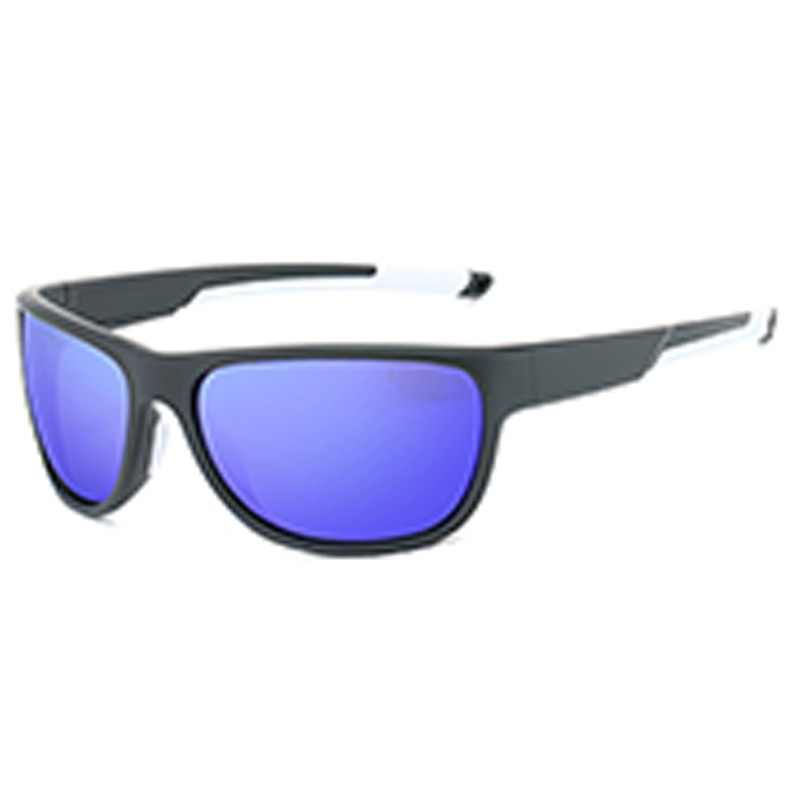
Comfortable optical glasses are more than a vision aid. They are an everyday wearable product that should support clear sight, long-term comfort, stable fit, and a natural feel on the face. When people search for how to find comfortable optical glasses, they are usually looking for practical guidance on frame fit, lens materials, frame weight, nose bridge design, temple length, face shape, and prescription requirements. The best optical glasses are not only stylish or affordable. They are the pair you can wear for long hours without pressure points, slipping, headaches, or visual strain.
This guide provides SEO-friendly, industry-wide information about comfortable optical glasses, including definitions, benefits, product specs, fit factors, material comparisons, and selection tips. It is written for users who want to understand what makes optical glasses comfortable and how to choose the right pair based on general optical standards. It does not include specific brand or company recommendations, and it can be used directly in a blog post, category page, directory page, or industry information page.
Comfortable optical glasses are prescription or non-prescription eyeglasses designed to reduce pressure, improve fit, and support long-term wear. They combine frame ergonomics, lens quality, correct sizing, and balanced weight distribution. In simple terms, comfortable glasses should feel light, stable, and unobtrusive during daily use.
The term comfortable optical glasses refers to eyewear that matches the wearer’s facial structure and visual needs. A comfortable pair should not pinch behind the ears, slide down the nose, create red marks, or cause distortion in the wearer’s field of vision. It should also accommodate a prescription accurately and provide a clear optical zone for reading, computer work, driving, and general daily activities.
Comfort is one of the most important factors in eyewear selection because glasses are often worn for many hours every day. Even the best optical prescription may feel disappointing if the frame is too tight, too loose, too heavy, or poorly aligned. A well-fitted pair supports better compliance, meaning people are more likely to wear their glasses consistently when they feel good on the face.
Comfortable optical glasses can help reduce common issues such as:
For many users, comfort directly affects satisfaction, daily productivity, and long-term eyewear use. This is why searching for comfortable optical glasses should involve both frame and lens considerations, not just style preferences.
To find comfortable optical glasses, it helps to understand the main features that influence wearability. These features affect how glasses feel, how they perform, and how well they fit different face shapes and prescription needs.
| Feature | Why It Matters | Comfort Impact |
|---|---|---|
| Frame Weight | Lighter frames reduce pressure on the nose and ears | High |
| Bridge Fit | A well-sized bridge prevents slipping and pinching | Very High |
| Temple Length | Correct temple length improves stability behind the ears | High |
| Lens Thickness | Thinner lenses are often lighter and visually more balanced | High |
| Frame Material | Different materials affect flexibility, durability, and weight | High |
| Nose Pads | Adjustable pads improve fit for many face types | Medium to High |
| Frame Width | Correct width prevents compression and imbalance | Very High |
| Lens Alignment | Proper optical center placement supports clear vision | Very High |
If you want to find comfortable optical glasses, focus on these practical selection criteria. Each one influences daily wearability and overall satisfaction.
Frame size is one of the first things to check. A frame that is too narrow may squeeze the temples and sides of the head. A frame that is too wide may slip down the nose or feel unstable. Standard frame size usually includes lens width, bridge width, and temple length. These measurements should match the wearer’s face and existing eyewear measurements when possible.
The bridge is a critical comfort point. If the bridge is too narrow, it can pinch the nose and leave marks. If it is too wide, the glasses may sit too low or slide repeatedly. Comfortable optical glasses typically have a bridge design that matches the wearer’s nose shape and provides even support.
Lightweight materials are often preferred for long wear. They can reduce pressure on the face and help the wearer forget they are wearing glasses. However, lightness alone is not enough. The frame should still be durable, stable, and able to support the prescription lenses safely.
Lens material affects weight, thickness, optical clarity, and impact resistance. Lighter lens materials are often more comfortable, especially for higher prescriptions. A thinner lens profile may also improve appearance and reduce front-heavy pressure.
Adjustable nose pads, flexible temples, and spring hinges can improve comfort by allowing a better fit. These features can be especially helpful for users with unique facial proportions or those who wear glasses for extended periods.
The stronger the prescription, the more important lens and frame compatibility becomes. High prescriptions may require specific frame sizes or lens designs to maintain balance and reduce lens thickness. A frame that works well for low prescriptions may not be ideal for stronger prescriptions.
Frame material plays a major role in how comfortable optical glasses feel during daily wear. Different materials offer different benefits in terms of weight, flexibility, durability, and skin comfort.
| Frame Material | Main Advantages | Comfort Level | Common Use |
|---|---|---|---|
| Acetate | Stylish, durable, many color options, generally comfortable | High | Fashion and everyday wear |
| Stainless Steel | Strong, slim profile, lightweight, corrosion resistant | High | Minimalist and professional styles |
| TR90 | Very light, flexible, and easy to wear for long hours | Very High | Active daily use |
| Titanium | Extremely lightweight, durable, hypoallergenic | Very High | Premium comfort eyewear |
| Plastic | Affordable and versatile, but comfort varies by design | Medium | General eyewear use |
| Combination Frames | Blend of materials for balance, style, and structure | High | Balanced comfort and design |
For many users, titanium and TR90 are especially associated with comfortable optical glasses because they are lightweight and often flexible. Acetate is also widely used because it can feel stable and smooth, especially when properly fitted. The ideal material depends on the wearer’s needs, skin sensitivity, and prescription strength.
Lens choice affects more than vision correction. The wrong lens can add weight, thickness, glare, or visual discomfort. The right lens can improve both sight and wearing comfort.
| Lens Type | Description | Comfort Benefit |
|---|---|---|
| Single Vision Lenses | Correct one field of vision, such as distance or near vision | Simple and easy to adapt to |
| Bifocal Lenses | Provide two vision zones in one lens | Useful for users who need near and distance correction |
| Progressive Lenses | Offer multiple vision zones without visible lines | Convenient, modern, and visually smooth |
| High-Index Lenses | Designed to be thinner and lighter for stronger prescriptions | Reduces weight and bulk |
| Photochromic Lenses | Darken in sunlight and lighten indoors | Convenient for changing light conditions |
| Anti-Reflective Lenses | Reduce glare and improve clarity | Less eye fatigue and better visual comfort |
For those learning how to find comfortable optical glasses, lens weight and clarity should be considered together. A strong prescription in a thick, heavy lens may feel uncomfortable if the frame is not designed to support it. High-index or optimized lens options can often improve the overall wearing experience.
Face shape influences how glasses rest on the nose, how the temples fit, and how the frame balances on the face. While style is often linked to face shape, comfort is equally important. A frame that follows facial proportions often feels more stable and less intrusive.
| Face Shape | Comfort Consideration | Fit Tip |
|---|---|---|
| Round | Needs frames that do not crowd the face | Choose balanced widths and stable bridges |
| Oval | Usually adaptable to many frame shapes | Focus on width and bridge comfort |
| Square | May benefit from smoother frame lines | Check temple pressure and frame edge position |
| Heart | Needs a balanced top and bottom frame proportion | Ensure the frame does not slide due to top-heavy design |
| Diamond | Requires careful bridge and cheek clearance | Confirm lens height and nose bridge spacing |
Face shape should never be the only factor in choosing glasses, but it is useful when evaluating comfort. Even a visually attractive frame may be unsuitable if it sits awkwardly on the nose or temples.
Understanding common comfort problems helps users avoid mistakes when choosing optical glasses. Many issues can be prevented by measuring carefully and selecting the right materials and structure.
Standard optical glasses can correct vision, but not all standard designs prioritize long-term comfort. Comfortable optical glasses are usually refined in fit, material choice, and weight distribution. The difference may seem small at first, but it becomes very noticeable after several hours of wear.
| Aspect | Standard Optical Glasses | Comfortable Optical Glasses |
|---|---|---|
| Weight | May vary widely | Typically optimized for lighter wear |
| Fit | Generic sizing | Better matched to face proportions |
| Bridge Design | Basic support | Improved nose balance and reduced slipping |
| Temple Comfort | May create pressure | Designed for longer wear without soreness |
| Lens Optimization | Standard lens selection | Chosen for balance, thickness, and clarity |
| Daily Wear Experience | Functional but not always pleasant | Supportive, stable, and easier to wear |
Accurate measurements are essential for comfort. Even small differences in frame dimensions can affect how eyewear feels. While professional fitting is often the best option, users can also understand the key numbers that matter.
| Measurement | What It Means | Why It Matters |
|---|---|---|
| Lens Width | Width of one lens | Helps determine overall frame proportion |
| Bridge Width | Distance between lenses | Affects nose comfort and stability |
| Temple Length | Length of the side arm | Determines how the frame rests behind the ears |
| Lens Height | Vertical lens measurement | Important for progressive or multifocal lenses |
| Frame Width | Total front width of the frame | Helps prevent tightness or slippage |
When choosing optical glasses online or offline, compare these measurements with a pair that already fits well. That is one of the most reliable ways to find comfortable optical glasses with consistent results.
Although everyone benefits from comfort, certain users need comfortable optical glasses even more because they wear them for long periods or have more sensitive fit requirements.
Comfort comes from proper fit, lightweight materials, balanced lens design, and frame dimensions that match the wearer’s face and prescription. A comfortable pair should feel stable without creating pressure points.
Lightweight glasses are often more comfortable, but only if the size and bridge fit are also correct. A light frame that slips constantly may still feel uncomfortable.
Titanium and TR90 are often considered highly comfortable because they are light and flexible. However, acetate and stainless steel can also be comfortable when properly fitted.
Progressive lenses can be very comfortable once adapted to, especially because they remove the need for multiple pairs. Correct fitting and accurate lens positioning are important for a smooth experience.
A well-fitting pair should sit evenly on the face, stay in place without constant adjustment, and avoid pressure on the nose, temples, or ears. Your eyes should align properly with the lenses.
If your goal is to find comfortable optical glasses, focus on fit, weight, material, lens type, and facial compatibility. The best comfortable optical glasses are not defined by trend alone. They are defined by how well they support everyday use, reduce pressure, and provide clear vision without distraction. Whether you are selecting prescription eyewear, daily-use frames, or long-wear optical glasses for work and reading, comfort should always be a top priority.
By comparing frame size, bridge design, temple length, lens material, and overall balance, users can choose optical glasses that feel natural and perform well over time. This makes comfort a key ranking topic for eyewear content, especially for informational pages targeting searches related to comfortable optical glasses, how to find comfortable optical glasses, best frame materials for glasses comfort, and how to choose glasses that fit well.
```
This website uses cookies to ensure you get the best experience on our website.



 Phone
Comment
(0)