


Choosing the right sunglasses involves more than finding a frame that looks attractive. The right sunglasses should balance style, comfort, fit, lens performance, and UV protection according to your daily needs. Whether you need sunglasses for everyday wear, travel, driving, outdoor activities, or fashion styling, understanding these factors can make your selection easier.
The right sunglasses can become an important part of your everyday wardrobe while helping provide protection from bright sunlight and ultraviolet exposure. Sunglasses for style can complement different face shapes and clothing choices, while sunglasses for comfort should provide a secure and comfortable fit. Sunglasses for UV protection should have suitable lens specifications for outdoor use.
Why Choosing the Right Sunglasses Matters
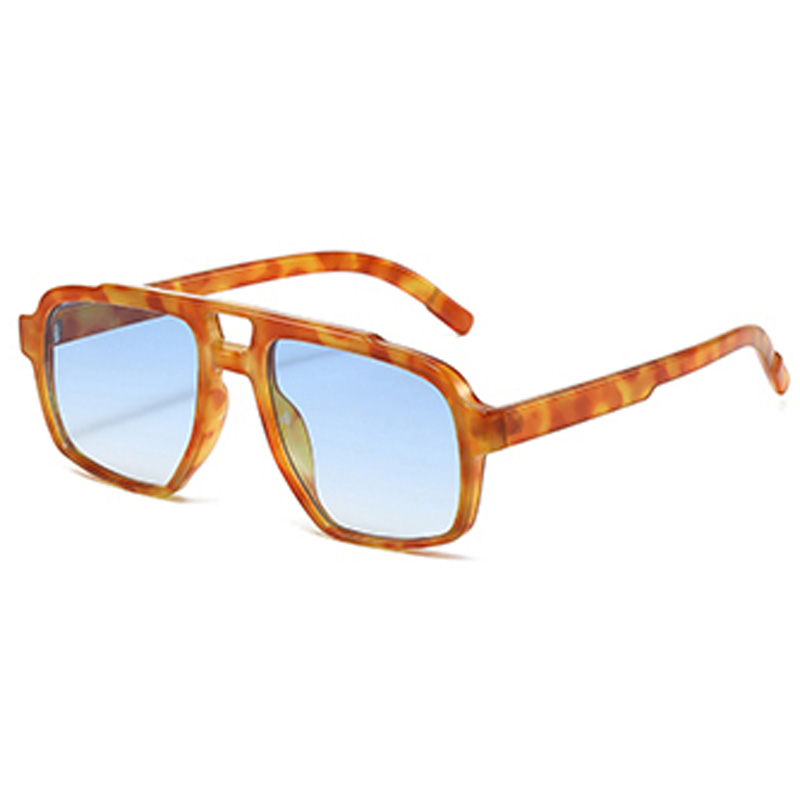
The right sunglasses should work well for your lifestyle instead of being selected only because of appearance. A frame that looks attractive but feels uncomfortable may not be suitable for long-term wear. Similarly, sunglasses with a comfortable frame may not meet your requirements if the lens does not provide suitable UV protection.
When choosing the right sunglasses, consider three basic factors: style, comfort, and UV protection. Style determines how the sunglasses complement your appearance. Comfort determines how easily you can wear them for extended periods. UV protection relates to the ability of suitable lenses to help reduce exposure to ultraviolet radiation.
These three factors can work together. The right sunglasses can provide an attractive appearance, a comfortable fit, and appropriate UV protection without requiring users to sacrifice one feature for another.
How to choose sunglasses for Style
Sunglasses for style are available in many frame shapes, colors, sizes, and designs. When choosing sunglasses for style, consider your face shape, personal preferences, clothing, and the occasions where you plan to wear the sunglasses.
The frame shape can significantly influence the overall appearance. Square sunglasses can create a structured and defined look, while round sunglasses can provide a softer visual impression. Oval sunglasses offer a balanced appearance, and cat-eye sunglasses can create a distinctive fashion-focused style.
Oversized sunglasses can create a noticeable fashion statement, while smaller frames can provide a more understated appearance. Geometric sunglasses can also provide a modern visual effect for users who prefer distinctive frame designs.
When choosing the right sunglasses for style, there is no single frame shape that works for everyone. Personal preference remains important, but understanding basic face-shape relationships can make the selection process easier.
Choose the Right Sunglasses for Your Face Shape
Face shape is one useful consideration when selecting the right sunglasses. Common face shapes include oval, round, square, heart, and rectangular. Different frame proportions can create different visual effects.
Oval Face Shape
An oval face generally has balanced proportions, allowing many sunglasses shapes to work well. Square, rectangular, round, and geometric sunglasses can all be considered. When choosing sunglasses for an oval face, focus on frame width and overall balance.
Round Face Shape
For a round face, sunglasses with more angular structures can create visual contrast. Square and rectangular sunglasses can add definition. The right sunglasses should have proportions that complement the width and height of the face without feeling too large or too small.
Square Face Shape
Square faces often have more defined jawlines and similar width across the forehead and jaw. Round or oval sunglasses can introduce softer visual lines. However, personal style remains important, and angular sunglasses can also be selected for a stronger coordinated appearance.
Heart Face Shape
Heart-shaped faces can benefit from sunglasses that create visual balance between the forehead and chin. Medium-sized frames, rounded shapes, and carefully proportioned designs can be considered when choosing the right sunglasses.
Rectangular Face Shape
Rectangular faces can work well with sunglasses that provide sufficient width and vertical coverage. Larger or deeper frames can help create a balanced appearance. The frame should still fit comfortably without excessive pressure on the temples or nose.
How to Choose Sunglasses for Comfort
Sunglasses for comfort should feel secure without creating excessive pressure. Comfort becomes especially important when sunglasses are worn for several hours during travel, driving, walking, outdoor activities, or daily commuting.
Frame weight is an important factor. Lightweight sunglasses can reduce pressure on the nose and ears during extended wear. However, lightweight construction should still provide sufficient structural stability for the intended application.
The nose bridge also affects comfort. If the sunglasses are too narrow, they may create pressure around the nose. If they are too wide, the frame may move during use. The right sunglasses should sit naturally on the nose without repeatedly sliding down.
Temple length and temple pressure are also important. Sunglasses should sit securely around the sides of the head without causing discomfort. A suitable fit can help maintain stability while reducing pressure during long-term wear.
Why Sunglasses Fit Is Important
A proper fit is one of the most important characteristics of the right sunglasses. Even high-quality-looking sunglasses may not provide a comfortable experience if their dimensions do not match the wearer's face.
Check the frame width, lens height, bridge width, and temple length when selecting sunglasses. The frame should not be excessively tight around the temples, and the lenses should remain appropriately positioned in front of the eyes.
Sunglasses that slide down frequently can become distracting. Sunglasses that are too tight can create pressure and discomfort. The right sunglasses should provide a stable position without requiring constant adjustment.
How to Choose Sunglasses for UV Protection
Sunglasses for UV protection should be selected according to their stated lens specifications rather than lens color alone. Dark lenses do not automatically indicate suitable UV protection. When choosing sunglasses, look for clear information about UV protection and the intended use of the lenses.
Ultraviolet radiation includes different wavelength ranges, and suitable sunglasses for UV protection are designed to reduce relevant ultraviolet exposure. For everyday outdoor use, users should check the product information to understand the stated level and type of UV protection.
UV protection is important because people can encounter ultraviolet exposure during many outdoor activities, including walking, driving, traveling, sports, and recreational activities. Sunglasses for UV protection can be an important part of outdoor eyewear when their lenses are designed to provide appropriate protection.
Does Darker Lens Color Mean Better UV Protection?
No. Lens darkness and UV protection are different characteristics. A very dark lens can reduce visible brightness while not necessarily providing better UV protection. For this reason, users should not choose sunglasses for UV protection based only on how dark the lenses appear.
When choosing the right sunglasses, review the available lens specifications and product information. Lens color can be selected according to visual preference and intended use, but UV protection should be evaluated separately.
Consider Lens Color When Choosing the Right Sunglasses
Lens color can affect the visual appearance of sunglasses and may influence how bright surroundings appear. Different lens colors can create different visual experiences, so users should consider the environment where the sunglasses will be used.
Gray lenses are often selected for general outdoor use because they can provide a relatively neutral visual appearance. Brown or amber lenses can create a warmer visual effect. Other lens colors can be selected for style or specific visual preferences.
When choosing sunglasses for style, lens color can coordinate with the frame. When choosing sunglasses for outdoor use, lens color should also be considered alongside the actual lens specifications and intended application.
Consider Polarized Lenses
Polarized lenses can be useful in situations where reflected glare is a concern. Bright surfaces such as water, roads, and other reflective environments can create uncomfortable glare. Sunglasses with polarized lenses can help reduce certain types of reflected glare and may improve visual comfort in appropriate conditions.
Polarized Sunglasses can be considered for activities such as fishing, driving, travel, and outdoor recreation. However, polarization and UV protection are separate features. When choosing sunglasses for UV protection, users should verify the UV specifications rather than assuming polarization automatically provides all desired protection.
Choose the Right Sunglasses for Outdoor Activities
The right sunglasses can vary depending on the activity. Sunglasses for everyday use may prioritize comfort, style, and general outdoor protection. Sports sunglasses may require additional stability, wider coverage, lightweight construction, and activity-specific lens features.
For cycling, sunglasses should remain stable during movement and provide suitable coverage from sunlight and wind. For running, lightweight construction and secure fitting can improve comfort. For fishing, glare reduction and suitable lens characteristics may be particularly useful.
For driving, users may prioritize comfortable frames and lenses that provide clear vision under bright conditions. For travel, versatility, comfort, and style may be equally important.
Frame Materials and Comfort
Frame material can affect the weight, flexibility, durability, and comfort of sunglasses. Different materials offer different characteristics, so users should consider the intended application before choosing the right sunglasses.
Lightweight materials can be useful for extended wear. Flexible materials may provide additional comfort during movement. More rigid frame structures can provide a different balance of stability and durability.
Material selection should always be considered together with frame construction. A suitable material does not automatically guarantee a comfortable fit. The overall frame dimensions, nose design, temple structure, and lens weight also influence comfort.
Check the Size Before Choosing Sunglasses
Sunglasses size is an important factor that is sometimes overlooked. The right sunglasses should have dimensions that match the wearer's facial proportions. A frame that is too large can slide down or create excessive movement, while a frame that is too small can create pressure.
When shopping for sunglasses, check the available measurements. Important dimensions can include lens width, bridge width, lens height, and temple length. Comparing these measurements with a comfortable pair of existing sunglasses can make online selection easier.
Style and Comfort Should Work Together
Choosing sunglasses for style does not mean ignoring comfort. The most attractive frame may not become a practical everyday choice if it causes pressure or slips during use. Similarly, extremely comfortable sunglasses may not match the wearer's preferred appearance.
The right sunglasses should balance both considerations. Look for a frame shape that suits your style while also checking its size, weight, bridge design, and temple fit. This approach can help create a better combination of appearance and everyday usability.
Common Mistakes When Choosing the Right Sunglasses
Choosing Only by Appearance
One common mistake is selecting sunglasses based only on frame appearance. Style is important, but it should not be the only consideration. Comfort, fit, lens specifications, and UV protection should also be reviewed.
Assuming Dark Lenses Provide Better UV Protection
Lens darkness does not necessarily indicate UV protection. Always check the stated lens specifications when selecting sunglasses for UV protection.
Ignoring Frame Size
A frame can look attractive but still have an unsuitable size. Check the dimensions and compare them with your facial proportions before purchasing.
Ignoring Intended Use
Everyday Fashion Sunglasses and sports-oriented sunglasses can have different design priorities. Choosing the right sunglasses means considering where and how they will be worn.
How to Build a Practical Sunglasses Selection

Many users can benefit from having more than one type of sunglasses. A pair of Fashion Sunglasses can be used for daily styling, while Sports Sunglasses can be reserved for cycling, running, fishing, hiking, or other outdoor activities.
This approach allows each pair to serve a specific purpose. The right sunglasses for everyday use can prioritize style and comfort, while the right sunglasses for active use can prioritize stability, coverage, and activity-specific lens features.
Quick Checklist for Choosing the Right Sunglasses
Choose a frame shape that matches your personal style.
Consider your face shape and facial proportions.
Check frame width and overall dimensions.
Make sure the bridge fits comfortably.
Check temple length and pressure.
Consider frame weight for extended wear.
Review lens specifications before purchasing.
Look for suitable UV protection information.
Consider polarization when reflected glare is a concern.
Choose lens color according to visual preference and intended use.
Consider whether the sunglasses are intended for everyday or active use.
Balance style, comfort, and UV protection rather than focusing on only one feature.
Conclusion
Choosing the right sunglasses requires a balance between style, comfort, fit, and UV protection. Sunglasses for style should complement your appearance and personal preferences. Sunglasses for comfort should provide an appropriate fit, suitable weight, and comfortable frame structure. Sunglasses for UV protection should have suitable lens specifications designed to reduce ultraviolet exposure.
The right sunglasses depend on individual needs and intended use. A fashionable frame may be suitable for everyday wear, while a performance-oriented frame may be more appropriate for outdoor activities. By considering face shape, frame size, lens features, UV protection, comfort, and personal style, you can make a more informed choice.
Whether you are selecting sunglasses for daily fashion, travel, driving, sports, or outdoor recreation, the goal is to find the right sunglasses that provide a practical balance of appearance and function. Taking time to compare style, comfort, and UV protection can make your sunglasses more comfortable, useful, and suitable for long-term wear.



 Phone
Comment
(0)