

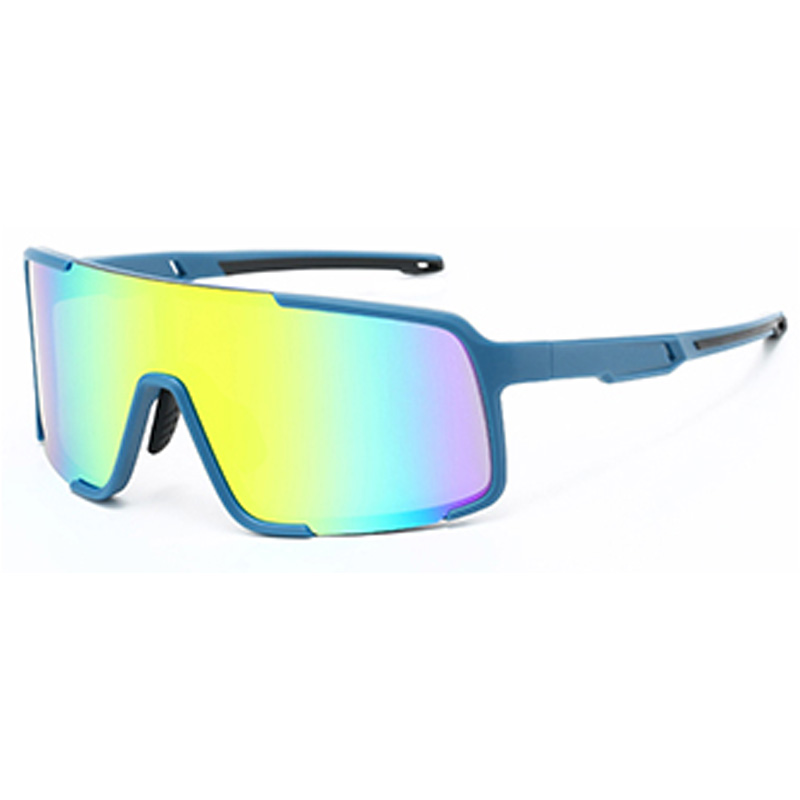
Choosing the right sunglasses for outdoor activities is more than a style decision. The best outdoor sunglasses help reduce glare, improve visual comfort, support eye protection, and enhance performance in changing light conditions. Whether you are hiking, cycling, running, fishing, golfing, skiing, or spending long hours outdoors, selecting the right pair of sunglasses can make a noticeable difference in comfort and safety.
This guide explains how to choose sunglasses for outdoor activities using industry-standard factors such as lens material, UV protection, lens tint, polarization, frame fit, durability, coverage, and activity-specific needs. The content below is designed for SEO use on blog posts, category pages, and industry pages, with clear structure, original wording, and search-friendly terminology.
Outdoor activity sunglasses are protective eyewear designed to reduce sunlight exposure, block harmful ultraviolet rays, and improve visibility in bright environments. Unlike fashion-only sunglasses, outdoor sunglasses are usually selected based on performance features such as lens technology, impact resistance, wraparound coverage, lightweight frames, and secure fit.
These sunglasses are commonly used for:
When choosing sunglasses for outdoor activities, the goal is to match the eyewear to the environment, weather, and motion requirements of the sport or activity.
Outdoor conditions can expose your eyes to intense brightness, reflected glare, wind, dust, and UV radiation. Good sunglasses help manage these issues while providing a more comfortable and safer experience.
To choose the best sunglasses for outdoor activities, focus on a combination of protection, comfort, and activity-specific performance. The following factors are the most important.
UV protection is one of the most important features in any pair of outdoor sunglasses. Look for lenses that block 100% of UVA and UVB rays or are labeled UV400. This indicates that the sunglasses are designed to block light wavelengths up to 400 nanometers, covering nearly all harmful ultraviolet exposure.
Important note: darker lenses do not automatically mean better UV protection. A lens can be very dark and still offer poor UV filtering if it is not properly manufactured. Always check the UV protection rating instead of relying on lens color alone.
Polarized Sunglasses are designed to reduce glare from reflective surfaces such as water, pavement, snow, and glass. This makes polarized lenses especially useful for fishing, boating, driving, beach use, skiing, and other bright outdoor environments.
However, polarization is not always ideal for every activity. In some cases, such as certain cycling or skiing situations, polarization may make it harder to see LCD screens, ice patches, or subtle surface changes. Choose polarized lenses based on your activity and visual preference.
Lens color affects how much light enters the eyes and how well you can distinguish contrast. Different lens tints are useful in different outdoor conditions.
Lens material influences clarity, weight, impact resistance, and durability. Common lens materials include polycarbonate, Trivex, glass, and standard plastic. For most outdoor sports, lightweight and impact-resistant materials are preferred.
Outdoor sunglasses should fit securely without slipping during movement. A stable fit is especially important for running, cycling, climbing, tennis, and other active sports. Features such as adjustable nose pads, temple grips, and wraparound designs can improve stability.
Larger lenses and curved frame designs provide better coverage against sunlight, wind, dust, and side glare. Wraparound Sunglasses are a popular choice for outdoor activities because they reduce light entering from the sides.
Outdoor frames should be durable, lightweight, and resistant to bending or breaking. Common frame materials include nylon, TR90, acetate, and metal alloys. The best option depends on comfort, flexibility, and intended use.
For high-intensity sports or humid conditions, ventilation can help reduce fogging. Some frames include vents or airflow channels that improve visibility during movement, temperature changes, or sweaty conditions.
If you wear prescription eyewear, consider prescription sunglasses, clip-on options, or sunglasses designed to fit over corrective lenses. Visual accuracy is important for both safety and performance.
Although performance should come first, style and versatility also matter. Many users want sunglasses that work for both outdoor activities and casual everyday wear. A balanced design can provide practical value for multiple situations.
| Lens Type | Main Advantages | Best For | Limitations |
|---|---|---|---|
| Polarized lenses | Reduce glare, improve comfort, enhance clarity on reflective surfaces | Fishing, boating, beach use, driving, snow sports | May reduce visibility of some screens or fine surface details |
| Photochromic lenses | Adjust tint automatically based on light conditions | Hiking, cycling, changing weather, all-day outdoor use | May darken less effectively inside vehicles or under certain conditions |
| Mirrored lenses | Reflect more light, reduce brightness, add style | Very bright outdoor environments, snow, water, high-altitude use | Can show scratches more easily if not cared for properly |
| Gradient lenses | Darker at the top, lighter at the bottom for mixed visibility | Driving, casual outdoor wear, variable light conditions | Less ideal for extremely bright or extreme sports environments |
| Amber/brown lenses | Improve contrast and depth perception | Trail running, hiking, cycling, golf | May feel too warm-toned for some users |
| Gray lenses | Maintain natural color balance and reduce overall brightness | General outdoor use, driving, broad daylight | May not enhance contrast as much as amber or brown lenses |
| Yellow lenses | Brighten vision in low light and increase contrast | Cloudy weather, dawn, dusk, low-contrast environments | Not ideal for strong sunlight |
Lens color is a major factor in choosing sunglasses for outdoor activities because it affects brightness, contrast, and visual comfort. The best lens tint depends on the environment and the type of motion involved.
| Lens Color | Visual Effect | Common Use Case |
|---|---|---|
| Gray | Reduces brightness while keeping colors natural | General outdoor use, everyday wear, driving |
| Brown | Enhances contrast and depth perception | Hiking, cycling, golf, trail use |
| Amber | Improves contrast in mixed or low-light conditions | Overcast days, forest trails, dawn and dusk |
| Yellow | Boosts brightness and visibility in dim light | Fog, haze, cloudy weather, low-light outdoor activities |
| Green | Balances color and reduces glare while preserving contrast | Fishing, golf, multi-purpose outdoor wear |
| Blue or mirrored blue | Reduces glare and creates a cool visual appearance | Water sports, beach activities, bright sunlight |
| Rose or copper | Improves contrast and depth perception in changing light | Sports, hiking, variable outdoor conditions |
For many users, gray and brown are the most versatile choices. Gray offers the most natural color perception, while brown and amber can improve contrast for active outdoor environments.
| Lens Material | Weight | Impact Resistance | Optical Clarity | Common Use |
|---|---|---|---|---|
| Polycarbonate | Light | High | Good | Sports sunglasses, outdoor activity eyewear |
| Trivex | Light | High | Very good | Premium performance sunglasses, prescription lenses |
| Glass | Heavy | Low to medium | Excellent | Fashion or optical clarity-focused use |
| Standard plastic | Light to medium | Medium | Moderate | Casual sunglasses, budget-oriented use |
For most outdoor activities, polycarbonate and Trivex are the preferred materials because they combine light weight with strong impact resistance. This is especially important for sports and high-motion environments.
The frame is just as important as the lenses when selecting sunglasses for outdoor activities. A good frame should be secure, comfortable, and durable enough for repeated use.
For endurance sports and highly active use, the sunglasses should stay in place without needing frequent adjustment. A secure fit improves both safety and convenience.
| Activity | Recommended Features | Suggested Lens Type |
|---|---|---|
| Running | Lightweight frame, secure fit, sweat resistance, anti-slip nose pads | Gray, amber, or brown lenses |
| Cycling | Wraparound coverage, wind protection, stable fit, high clarity | Photochromic, brown, or rose lenses |
| Fishing | Polarization, glare reduction, water coverage, good side protection | Polarized green, brown, or copper lenses |
| Golf | Contrast enhancement, comfortable fit, natural color balance | Brown, amber, or rose lenses |
| Hiking | All-day comfort, UV protection, durable frame, variable light support | Photochromic, gray, or amber lenses |
| Skiing | Glare reduction, cold-weather compatibility, full coverage, impact resistance | Polarized or mirrored lenses with high contrast |
| Beach and water sports | Strong glare control, saltwater durability, secure fit | Polarized gray, green, or blue mirrored lenses |
| Travel and daily outdoor wear | Balanced style, comfort, versatility, reliable UV protection | Gray, brown, or gradient lenses |
UV exposure can contribute to long-term eye issues, including photokeratitis, cataracts, and other forms of sun-related eye stress. Sunglasses with proper UV protection are an essential part of outdoor eye care.
When comparing products, look for terms such as:
It is important to understand that the lens darkness level is not the same as UV protection. Clear lenses can still block UV if designed properly, while dark lenses may not provide adequate protection without a proper filter.
| Feature | Polarized Sunglasses | Non-Polarized Sunglasses |
|---|---|---|
| Glare reduction | Excellent | Moderate |
| Best for water/snow reflections | Yes | Less effective |
| Screen visibility | Can be limited on some devices | Usually easier to view |
| Color perception | May slightly alter contrast | More straightforward |
| General outdoor use | Very good | Very good |
| Driving and boating | Highly recommended | Usable, but less glare control |
Polarization is one of the most useful sunglasses features for reflective environments, but it is not mandatory for every outdoor activity. The right choice depends on the level of glare and the type of visual tasks involved.
| Light Condition | Recommended Lens Choice | Reason |
|---|---|---|
| Bright direct sunlight | Gray, mirrored, or polarized dark lenses | Reduce brightness and glare |
| Mixed sunlight and shade | Brown, amber, or photochromic lenses | Balance brightness and contrast |
| Cloudy or overcast | Yellow, amber, or light brown lenses | Enhance contrast and visibility |
| Foggy conditions | Yellow or amber lenses | Improve visual definition in low contrast |
| Snow glare | Polarized or mirrored dark lenses | Control intense reflection |
| Water reflection | Polarized lenses | Reduce reflected surface glare |
When reading product descriptions or comparing sunglasses, these specifications are commonly used in the outdoor eyewear industry.
| Specification | What It Means | Why It Matters |
|---|---|---|
| UV400 | Blocks UV light up to 400 nm | High-level ultraviolet protection |
| Polarized | Reduces glare from reflective surfaces | Improves outdoor clarity and comfort |
| Photochromic | Lens automatically changes tint with light | Useful for changing light conditions |
| Impact-resistant lens | Designed to withstand sports-related impact | Enhances safety during active use |
| Wraparound frame | Curved structure that follows face shape | Increases coverage and protection |
| Anti-fog ventilation | Helps airflow around the lens | Reduces moisture buildup |
| Scratch-resistant coating | Protective layer on the lens surface | Extends lens life and clarity |
| Hydrophobic coating | Repels water, sweat, and droplets | Useful for sports and wet environments |
When evaluating sunglasses for outdoor activities, use a practical checklist to compare products efficiently.
The right sunglasses can improve both daily comfort and long-term eye protection. For active users, the advantages go beyond visual style.
UV protection is the most important feature because it helps protect the eyes from harmful ultraviolet rays. After that, lens tint, glare control, fit, and durability become the key performance factors.
Not always. Polarized lenses are excellent for glare reduction, especially near water or snow, but they may not be ideal for every sport or screen-based task. The best choice depends on the activity and environment.
Gray and brown are often the most versatile lens colors. Gray keeps colors more natural, while brown improves contrast and can help in variable outdoor conditions.
Not necessarily. Higher price does not always guarantee better UV protection or better fit. Always check the specifications, especially the UV rating, lens material, and frame design.
Yes, many outdoor sunglasses are suitable for driving, especially gray, brown, or polarized lenses. However, users should make sure the tint is not too dark for safe visibility in low-light conditions.
When choosing sunglasses for outdoor activities, prioritize protection, comfort, and functional design over appearance alone. Start by confirming UV protection, then evaluate whether you need polarization, photochromic technology, or a specific lens color. After that, focus on frame fit, lens durability, and activity-specific features such as wraparound coverage or anti-fog ventilation.
In simple terms, the best outdoor sunglasses are the ones that match your activity, your environment, and your comfort preferences. A well-chosen pair can support eye health, improve visibility, and make outdoor experiences safer and more enjoyable.
For SEO and content use, this topic naturally supports related search terms such as outdoor sunglasses, best sunglasses for outdoor activities, UV Protection Sunglasses, polarized sunglasses for sports, sunglasses for hiking, sunglasses for cycling, and performance sunglasses guide.
This website uses cookies to ensure you get the best experience on our website.



 Phone
Comment
(0)